

Sightseeing in Querétaro: Culture & Must‑See Spots
Located in central Mexico, this city is known for its well-preserved Spanish colonial architecture, charming arts scene, and significant role in Mexican history, particularly during the Independence movement. It's also recognized for its high quality of life and safety.
- Population
- 1.01 millions
- Airport
- Querétaro Intercontinental – Int'l.
- Train Station
- Estación de Querétaro
- Est. Visit Days
- 2 days
Overview
Querétaro, a city in central Mexico, is known for its well-preserved Spanish colonial architecture, including the famous aqueduct. The city offers a rich cultural scene with numerous museums and historic sites such as the Casa de la Zacatecana. Additionally, Querétaro is a hub for business and education, with a growing economy and several universities. However, rapid urbanization has led to some infrastructure challenges, particularly in terms of traffic congestion. The city's popularity as a tourist destination is increasing, which can sometimes result in crowded attractions, especially during peak seasons.
Traffic & Transport
The city's traffic is generally moderate, with peak congestion during rush hours, particularly in the central areas. For tourists, the best way to explore the city is by using the local bus system, which is affordable and covers most major attractions. Additionally, renting a car can be a convenient option for those who prefer more flexibility in their itinerary, although parking in the city center can be limited. Bicycles are also a popular and eco-friendly mode of transportation, with several rental shops available for those who enjoy cycling. For reliable taxi services, tourists can rely on companies like Radio Taxi and Taxi Querétaro, which are known for their professionalism and availability. Additionally, the use of ride-hailing apps like Uber provides a convenient and widely used option for booking rides directly from your smartphone.
History
Originally inhabited by the Otomi and Chichimeca peoples, the city was conquered by the Spanish in 1531. It played a significant role in the Mexican War of Independence, being the site of the 1810 conspiracy that initiated the movement. The city was also where the 1917 Constitution, a landmark in Mexican history, was signed. Its historical center is a UNESCO World Heritage Site due to its well-preserved Spanish colonial architecture. The city is known for its strong economic performance, particularly in the aerospace industry.
Itinerary Sample
Here's a 2-day itinerary to explore Querétaro, a city rich in history and culture:
– First day: Visit the historic center, explore the Querétaro Aqueduct, and tour the Regional Museum. Enjoy dinner in Plaza de Armas.
– Second day: Discover the Cerro de las Campanas, visit La Cruz Temple, and shop at Mercado La Cruz. End your day at Parque Bicentenario.
Near Excursion
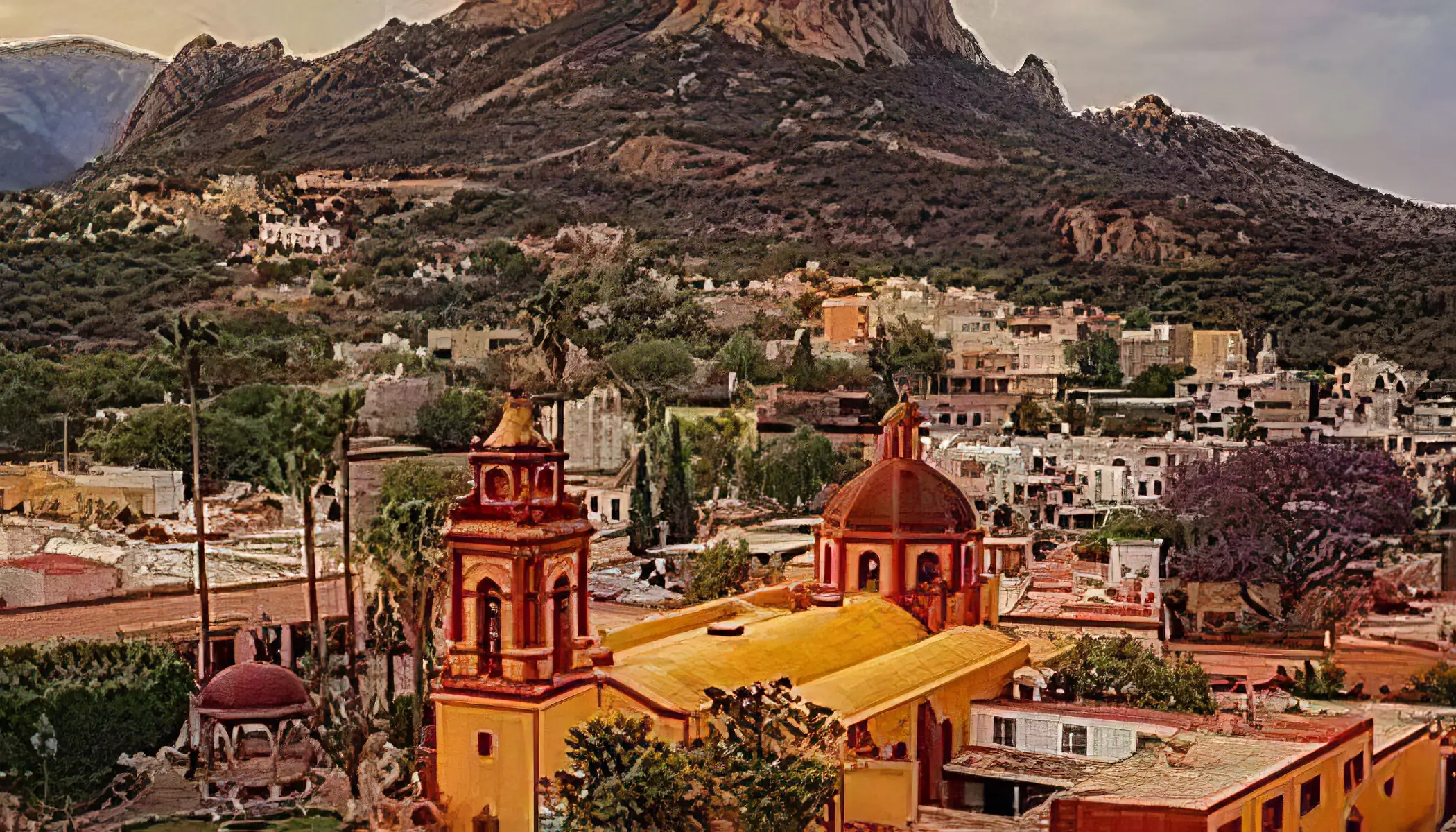
This city offers several interesting day trips within a short distance. Here are some suggestions:
– Tequisquiapan at 70 km: A charming town known for its wine and cheese route.
– Peña de Bernal at 65 km: Home to one of the world's largest monoliths, ideal for hiking and sightseeing.
– San Juan del Río at 50 km: A historic town with beautiful colonial architecture and hot springs.
– Ezequiel Montes at 55 km: Famous for its vineyards and the Freixenet winery.
– Cadereyta de Montes at 85 km: Known for its botanical garden and traditional crafts.
Attraction
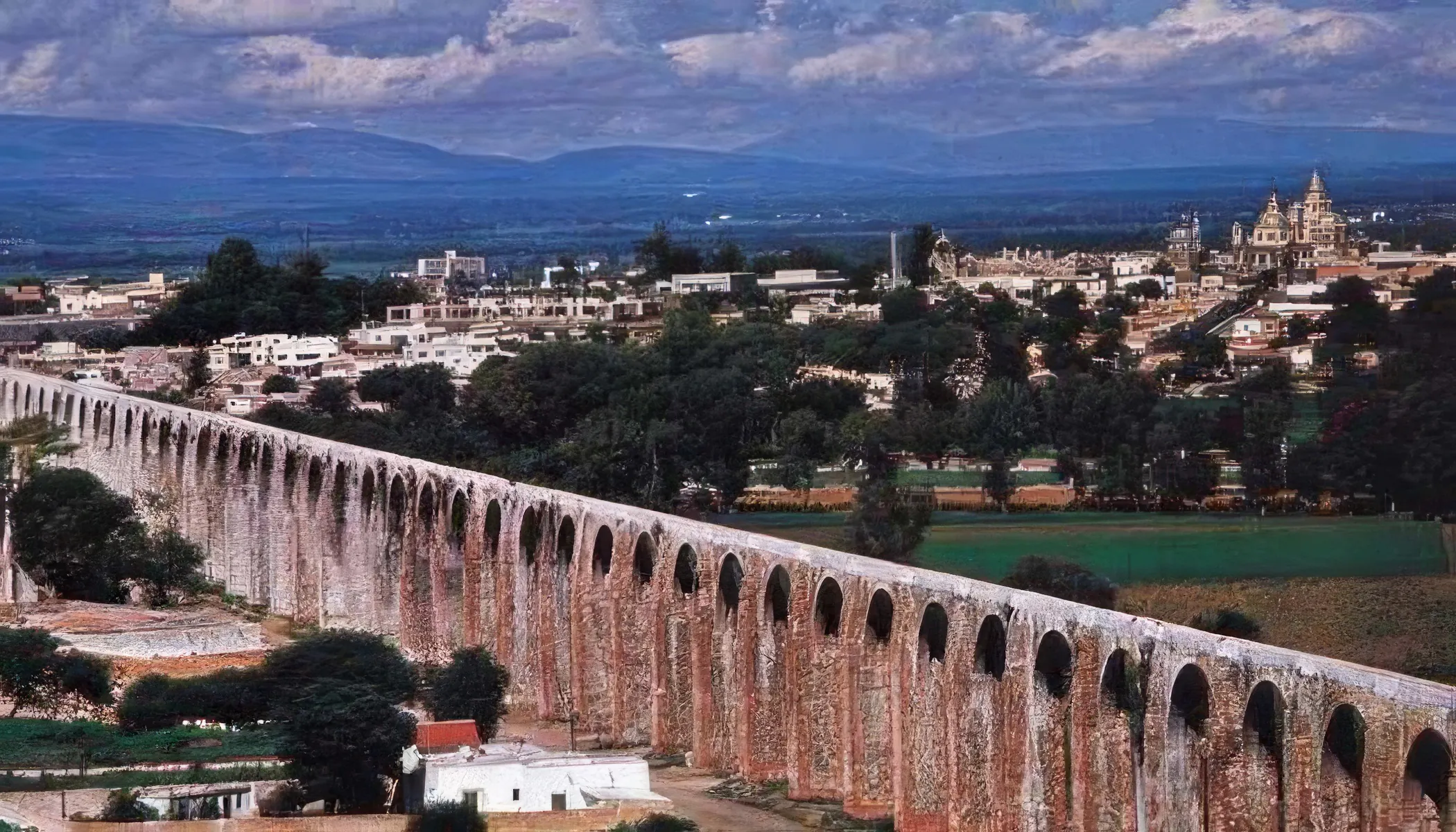
This city is known for its well-preserved colonial architecture and rich history.
– Historic Center: A UNESCO World Heritage site with beautiful colonial buildings and attractive plazas.
– Aqueduct: An impressive 18th-century structure with 74 arches, a symbol of the city.
– Cerro de las Campanas: A historic hill where Emperor Maximilian was executed, now a peaceful park.
– Teatro de la República: A historic theater where the Mexican Constitution of 1917 was signed.
– Museo de Arte: Housed in a former convent, it features a diverse collection of Mexican art.
– Peña de Bernal: One of the world's largest monoliths, ideal for hiking and offering gorgeous views.
Activity
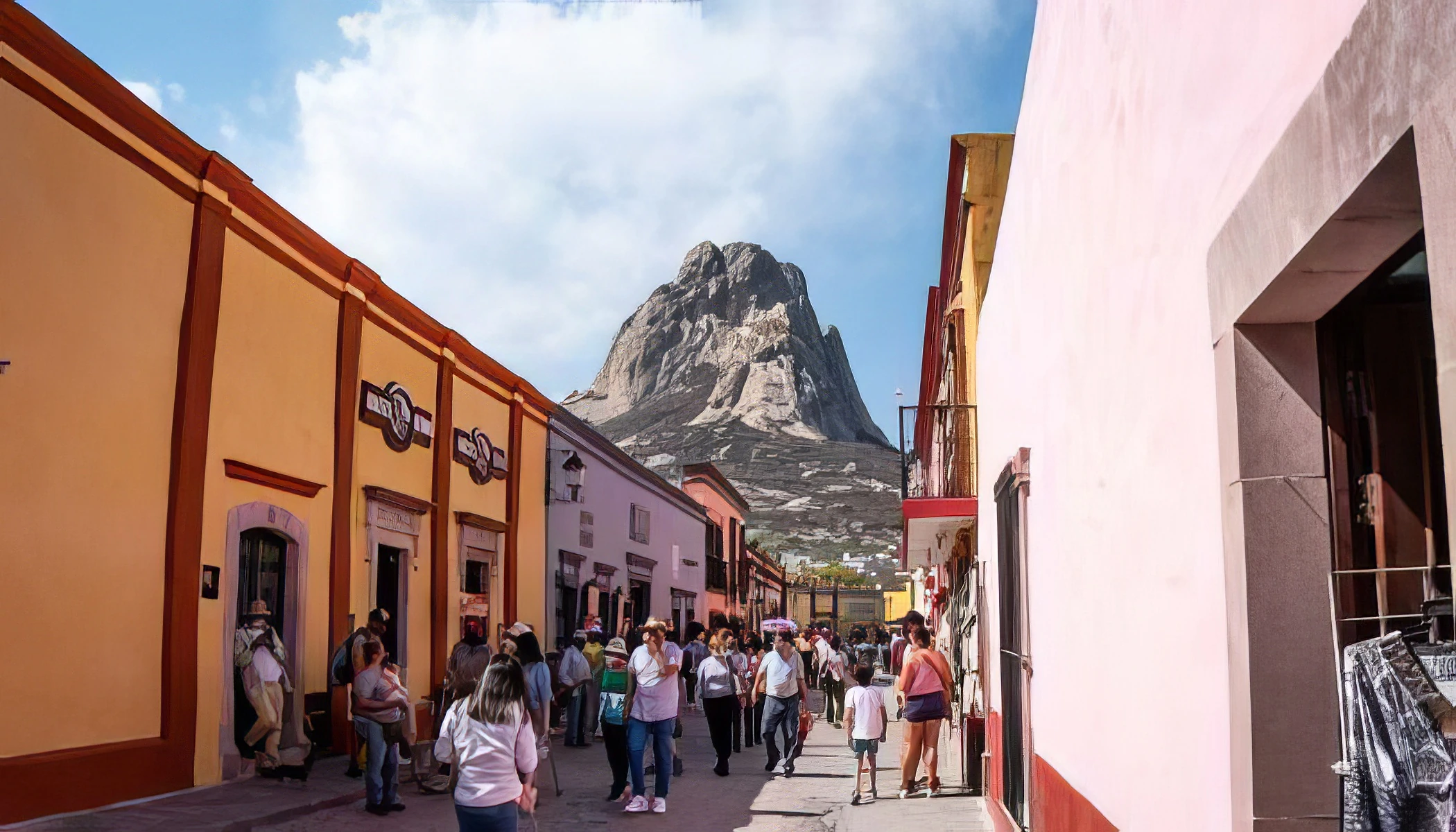
In Querétaro, travelers can explore historic sites, enjoy local cuisine, and participate in outdoor adventures.
– Peña de Bernal: Hike or climb the third-largest monolith in the world.
– Tequisquiapan Hot Air Balloon Ride: Experience the town and vineyards from above.
– Sierra Gorda Biosphere Reserve: Hike, birdwatch, and explore diverse ecosystems.
– La Pila Park: Relax in a peaceful park with fountains and green spaces.
– Wine Tasting in the Querétaro Valley: Sample local wines in a scenic setting.
Cuisine

The city offers a rich culinary heritage with a mix of traditional Mexican flavors and regional specialties. Street food and local markets are popular for their authentic dishes.
– Enchiladas Queretanas: Corn tortillas filled with chicken or cheese, topped with a spicy tomato sauce and served with potatoes and carrots.
– Gorditas: Thick corn cakes stuffed with various fillings like cheese, beans, or meat, often served with salsa.
– Nopalitos: Cactus paddles cooked with tomatoes, onions, and chilies, typically served as a side dish or in tacos.
– Sopa de Milpa: A traditional soup made with corn, zucchini, and squash blossoms, flavored with epazote.
– Capirotada: A traditional Mexican bread pudding made with layers of bread, cheese, raisins, and a sweet syrup.
– Buñuelos: Fried dough pastries sprinkled with sugar and cinnamon, often enjoyed during festive occasions.
Shopping
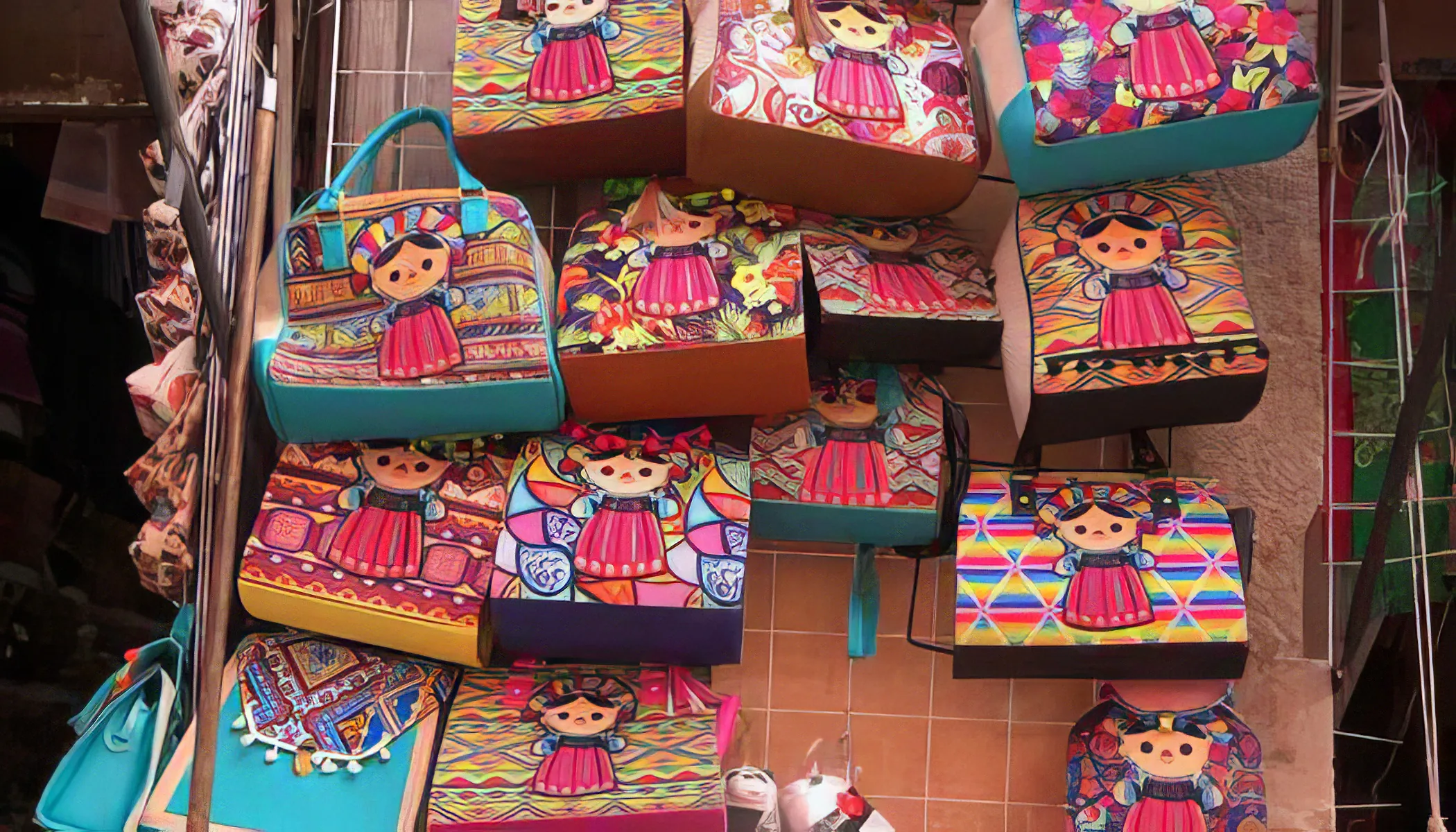
The city offers a lively shopping experience, particularly in its historic center where local artisans sell handcrafted goods. Popular gifts include intricately designed pottery and traditional embroidered clothing. The Mercado de la Cruz is a notable spot where tourists can find a variety of local foods and crafts. Silver jewelry from nearby Taxco is also a highly recommended purchase. For a unique souvenir, consider buying a bottle of locally produced wine or cheese. These items reflect the region's rich cultural heritage and craftsmanship.
Arts & Culture

The city hosts the Festival Internacional de Jazz, attracting jazz musicians and enthusiasts from around the world. It is also home to the Museo de Arte de Querétaro, which features a rich collection of art ranging from the colonial period to contemporary works. The historic downtown area, a UNESCO World Heritage Site, regularly hosts cultural events and art exhibitions. Additionally, the city celebrates traditional Mexican holidays with charming festivities, including the Day of the Dead and Holy Week.