

Takayama: Best Things to Do & Top Attractions
Nestled in the mountainous Hida region, this city is renowned for its well-preserved Edo-era streets, traditional festivals, and proximity to historic Shirakawa-go and Gokayama villages. It's also a gateway to the Northern Alps.
- Size
- 2 177 square km
- Train Station
- Takayama Station
- Est. Visit Days
- 2 days
Overview
Takayama, a city in the mountainous Hida region of Gifu Prefecture, Japan, is renowned for its well-preserved Edo-era streetscapes and traditional culture. The city's historic district, particularly the Sanmachi Suji area, offers a glimpse into old Japan with its beautifully preserved wooden merchant houses. Takayama also hosts the Takayama Festival, considered one of Japan's most beautiful festivals, showcasing large ornate floats. However, the city can be quite crowded during the festival seasons, which might detract from the experience for some visitors. Additionally, Takayama's somewhat remote location can make it a bit challenging to access, especially in winter when snowfall is heavy.
Traffic & Transport
The city's compact size and well-preserved historic district make walking an excellent way to explore the main attractions. For longer distances, buses are available and provide a convenient and cost-effective option. Bicycles are also a popular choice for getting around, offering flexibility to visit both central areas and more remote sights. However, it's important to note that during peak tourist seasons, traffic can be congested, particularly around major landmarks. For those preferring taxi services, several reliable companies operate in the area. Additionally, the use of taxi-booking apps like Uber provides an efficient way to secure a ride, offering both traditional taxi services and options for larger groups.
History
Historically, the city was founded as a castle town in the 16th century by the Kanamori clan, who ruled the region for nearly 300 years. This period significantly influenced the city's layout and development. The city is renowned for its well-preserved old town, which showcases traditional architecture and houses that date back to the Edo period. Throughout its history, it was a center for high-quality timber and skilled carpenters, contributing to its reputation for exceptional craftsmanship. The city also hosts two of Japan's most celebrated festivals, held in spring and autumn, which have been vital in preserving its cultural heritage.
Itinerary Sample
Here's a 2-day itinerary to explore Takayama, Japan, ensuring you experience its key attractions efficiently:
– First day: Visit Takayama Jinya, explore Sanmachi Suji historic district, and enjoy local cuisine at Takayama’s morning markets.
– Second day: Tour the Hida Folk Village, then relax at the Takayama Festival Floats Exhibition Hall.
Near Excursion
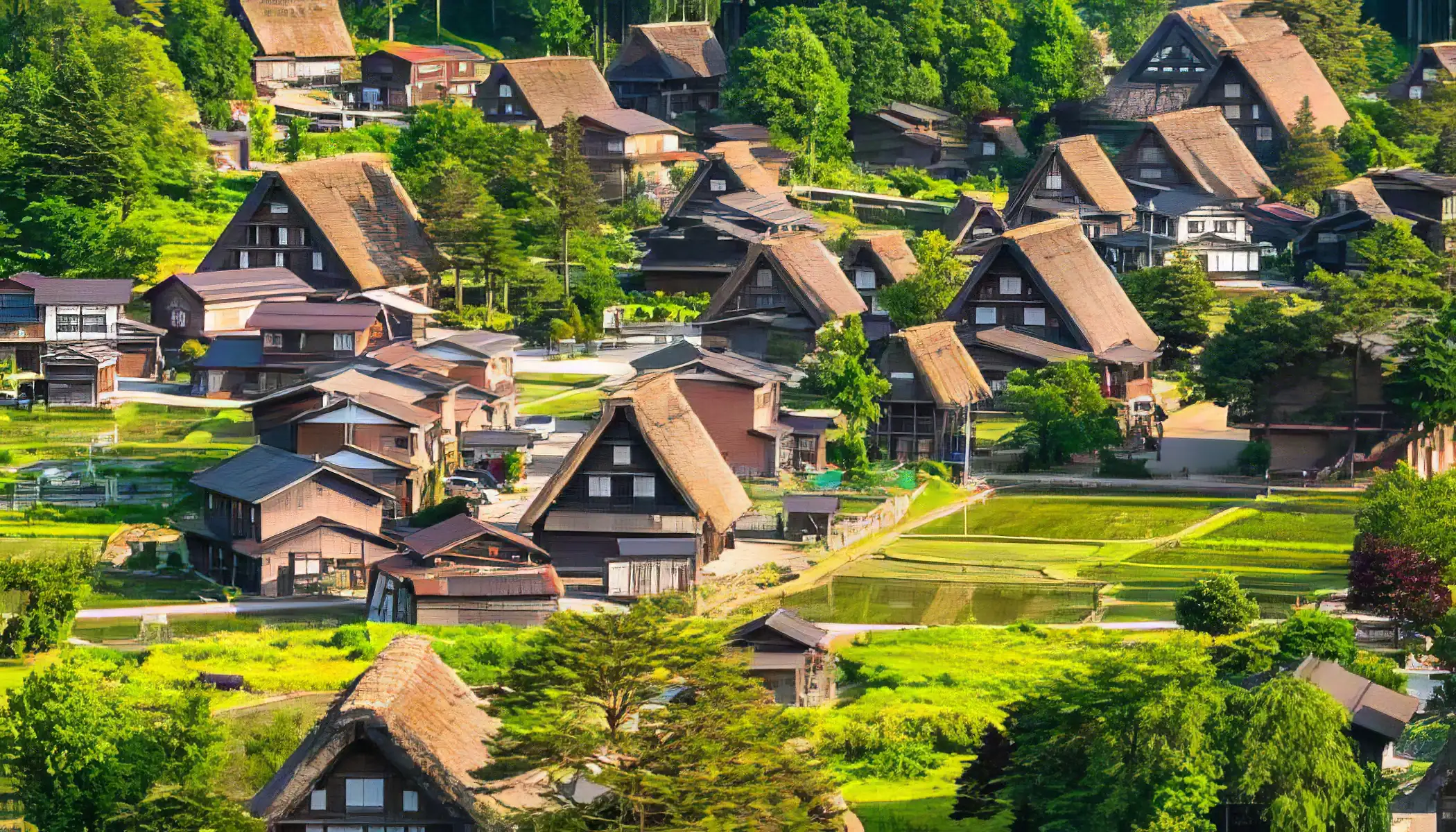
This city offers several interesting day trips within a short distance. Here are some suggestions:
– Shirakawa-go at 50 km: A UNESCO World Heritage site known for its traditional gassho-zukuri farmhouses.
– Hida Furukawa at 15 km: A charming town with well-preserved Edo-period streets and a pleasant canal.
– Gero Onsen at 45 km: One of Japan's top hot spring resorts, perfect for relaxation.
– Matsumoto Castle at 85 km: A well-preserved historic castle, also known as the "Crow Castle" due to its black exterior.
– Kamikochi at 60 km: A scenic mountainous area ideal for hiking and enjoying nature.
Attraction
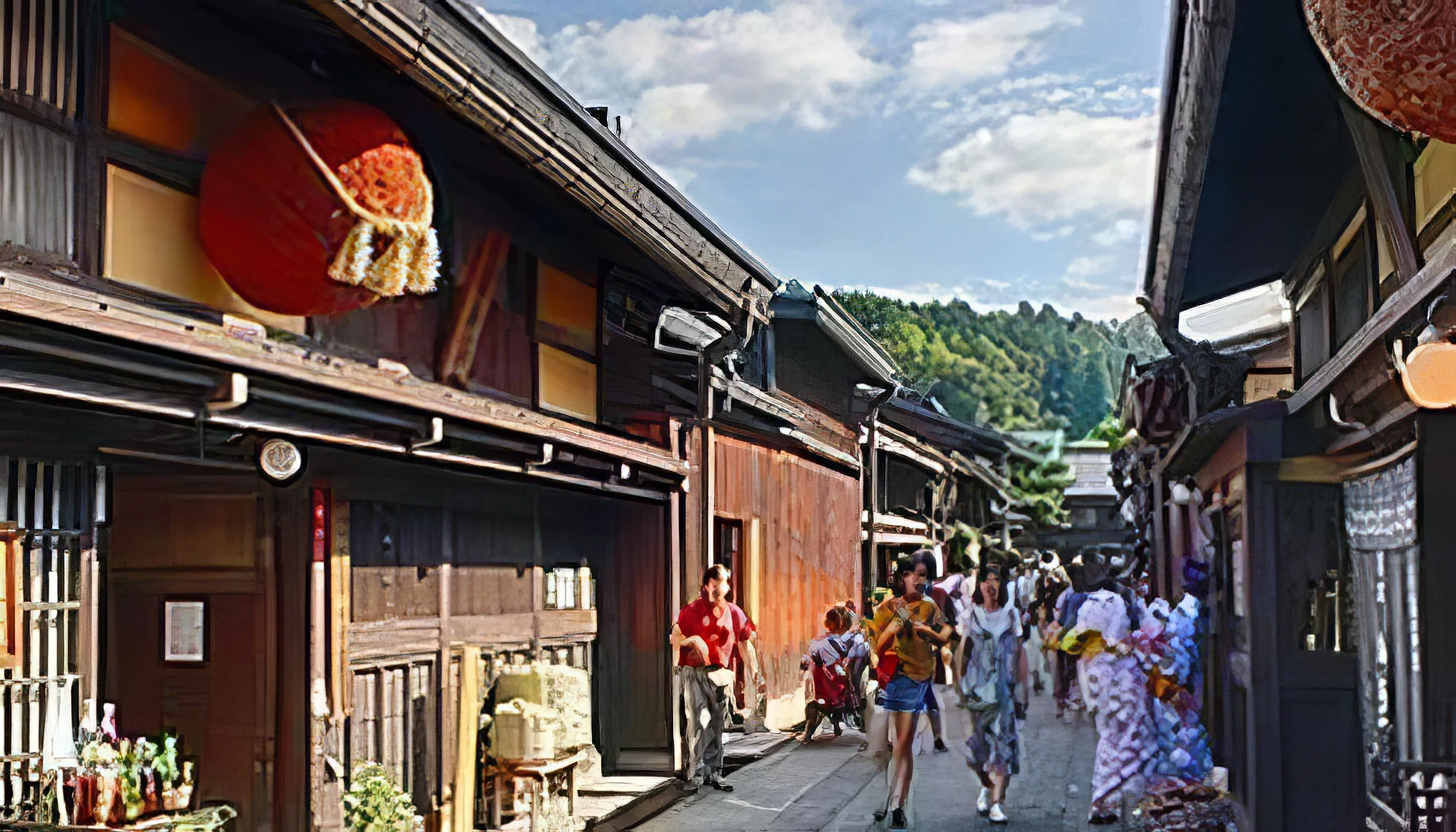
Known for its well-preserved Edo-period streets and traditional culture, this city offers a glimpse into historical Japan.
– Sanmachi Suji: A historic district with narrow streets, wooden merchant houses, and sake breweries.
– Hida Folk Village: An open-air museum showcasing traditional thatched-roof farmhouses and rural life.
– Takayama Jinya: A former government building from the Edo period, now a museum.
– Miyagawa Morning Market: A lively market along the river selling local produce and crafts.
– Takayama Festival Floats Exhibition Hall: Displays ornate floats used in the famous Takayama Festival.
– Shiroyama Park: A peaceful park with walking trails and views of the city.
Activity
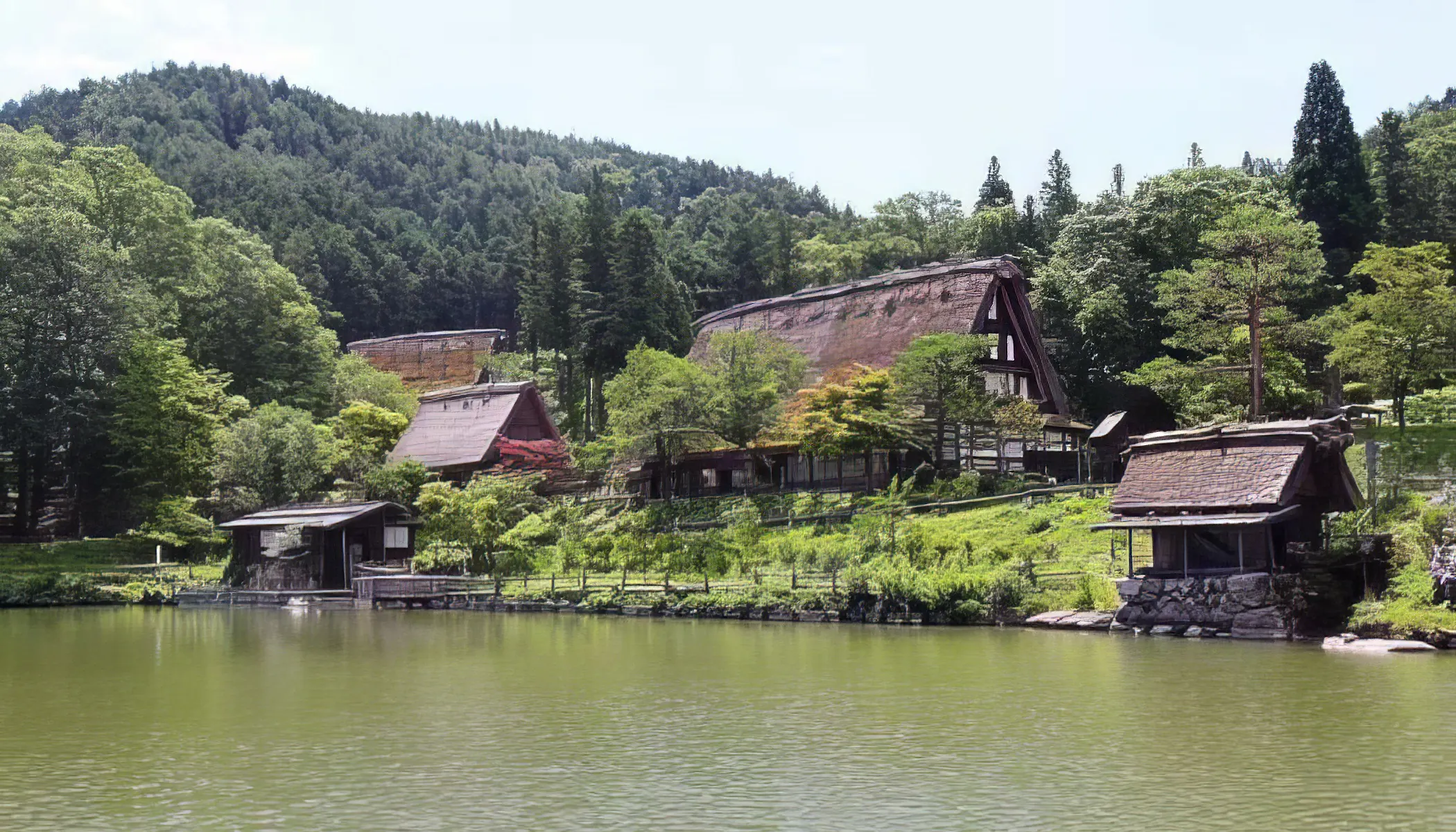
In Takayama, travelers can experience traditional Japanese culture, unique festivals, and scenic mountain landscapes.
– Hida Folk Village: Explore traditional thatched-roof houses and learn about rural life in the Hida region.
– Takayama Morning Market: Shop for local crafts, produce, and snacks in a lively market setting.
– Hiking in Kamikochi: Enjoy scenic mountain trails and crystal-clear rivers in the Northern Japan Alps.
– Sake Brewery Tours: Visit local sake breweries and taste regional varieties of this traditional Japanese rice wine.
– Shirakawa-go Day Trip: Take a short bus ride to the UNESCO-listed village of Shirakawa-go with its unique thatched-roof houses.
Cuisine
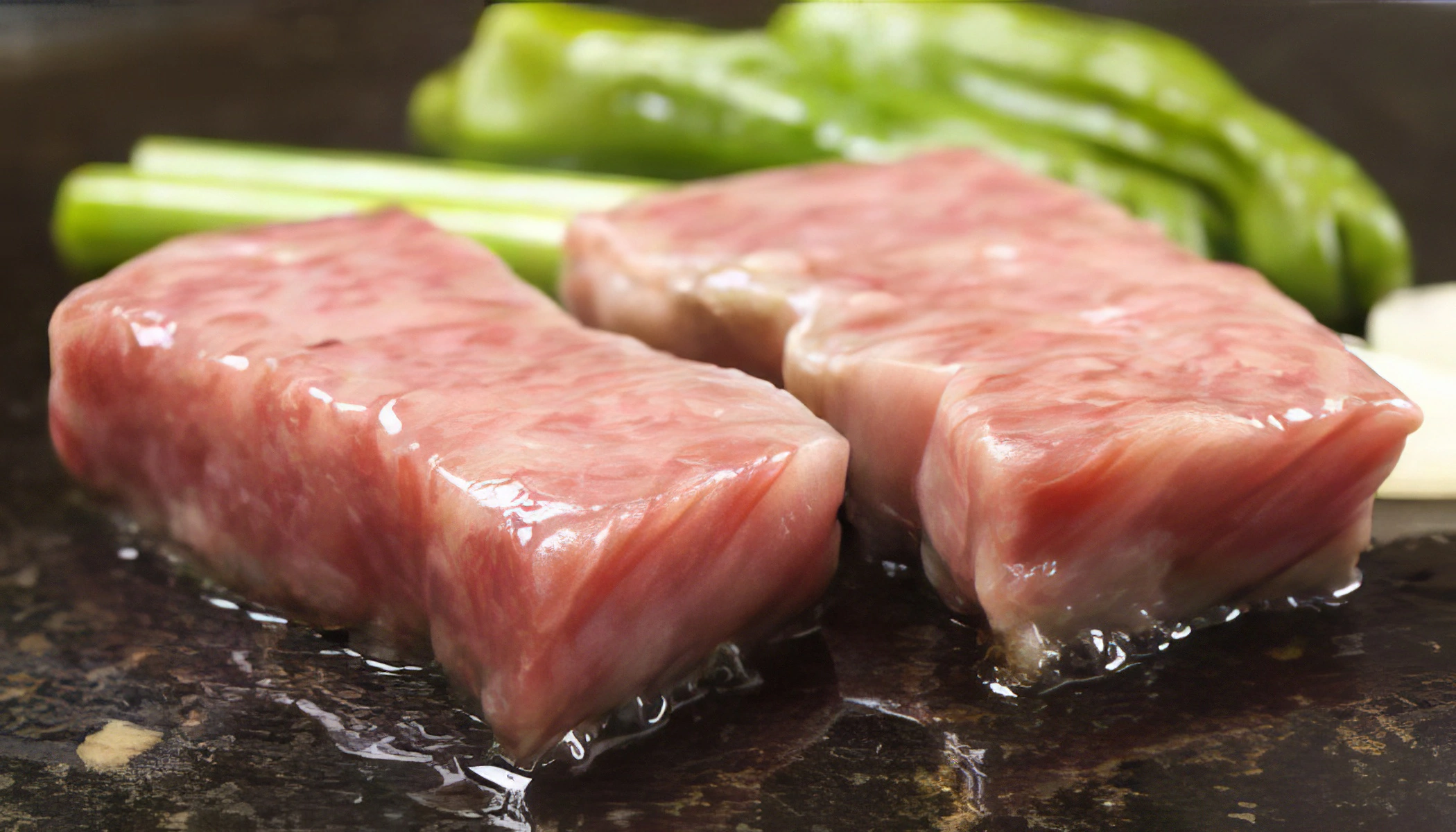
The city offers a rich culinary experience, known for its traditional dishes and local ingredients. Some of the city's most famous dishes include:
– Hida Beef: High-quality, marbled beef, often served as steak, sushi, or in hot pots.
– Hoba Miso: Miso paste grilled on a magnolia leaf with vegetables and meat.
– Gohei Mochi: Grilled rice cakes coated with a sweet and savory miso sauce.
– Sake: Locally brewed rice wine, often enjoyed in traditional breweries.
– Mitarashi Dango: Skewered rice dumplings glazed with a sweet soy sauce.
– Ramen: Noodle soup with a rich broth, often featuring local ingredients.
Shopping
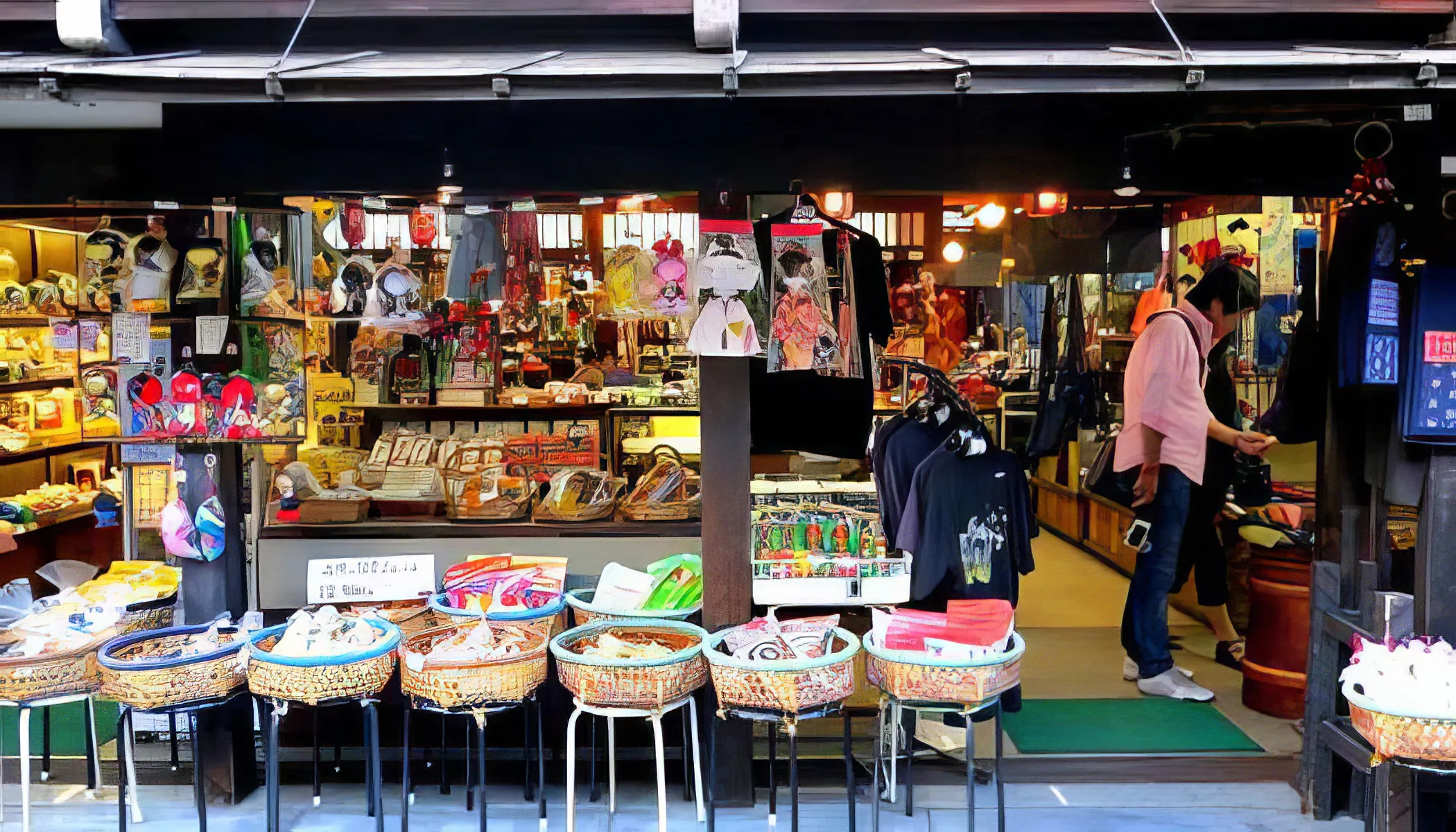
The city offers a unique shopping experience, especially known for its morning markets where you can find local crafts and foods. A popular gift to purchase here is Hida Shunkei lacquerware, renowned for its beautiful craftsmanship and use of natural wood patterns. Another excellent choice is Sarubobo dolls, a traditional charm that is believed to bring good luck. These items not only serve as great souvenirs but also provide a glimpse into the local culture and artisanal heritage.
Arts & Culture
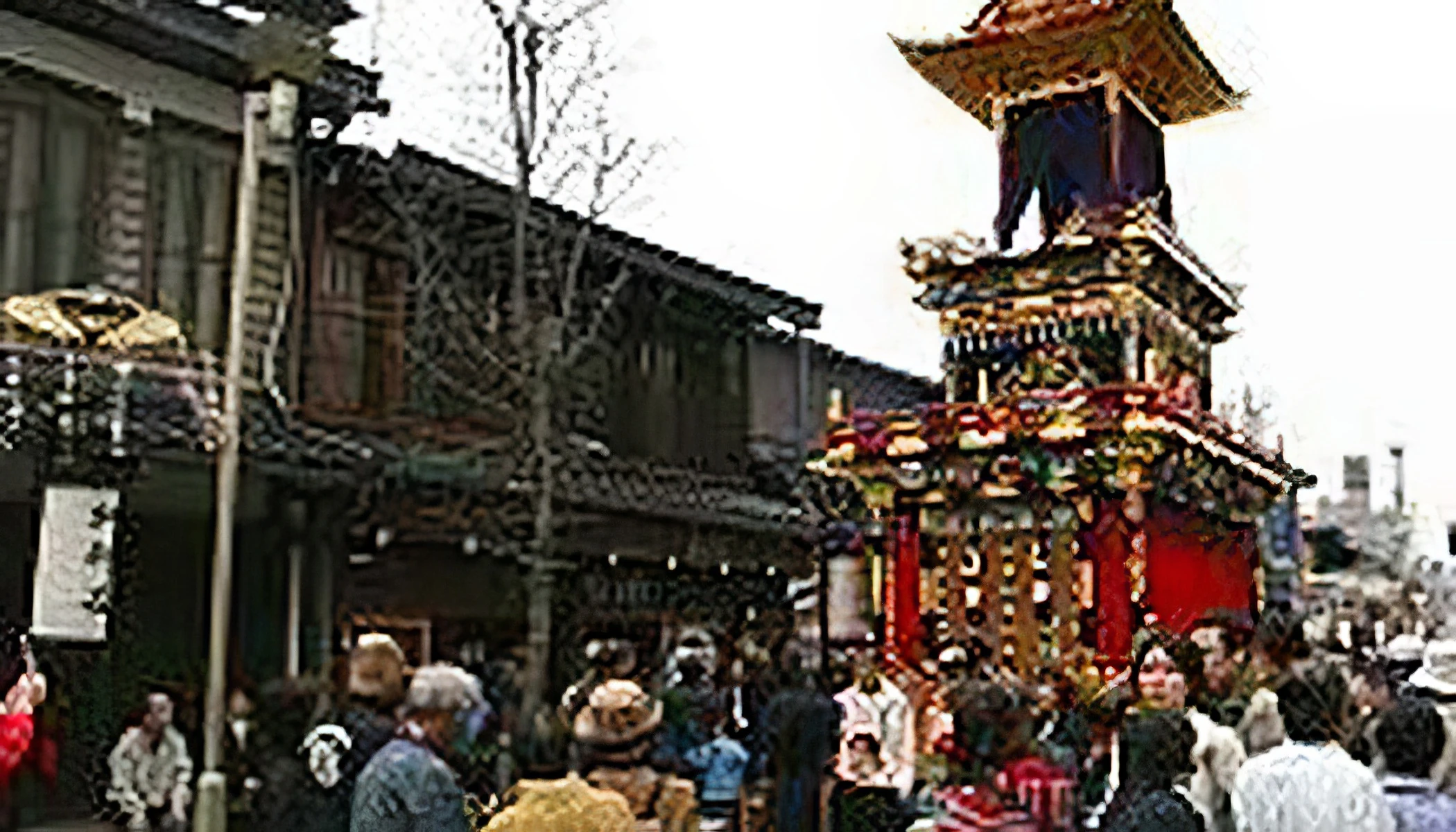
The city hosts the Takayama Festival, one of Japan's most beautiful and elaborate festivals, held both in spring and autumn, showcasing large floats and traditional puppet performances. It is also known for its well-preserved Edo period streets which offer a backdrop to various local crafts, including woodwork and lacquerware. The Hida Folk Village is an open-air museum that displays traditional thatched-roof houses and offers hands-on experiences with folk arts and crafts. Additionally, the city has a pretty sake brewing tradition, with several old breweries open for tours and tastings.