

Aix-en-Provence Travel Guide: Tourist Places & Activities
This city in southern France is known for its thermal hot springs, magnificient markets, and historical architecture, including Saint-Sauveur Cathedral. It's also celebrated for its connections to the painter Paul Cézanne.
- Population
- 143,000
- Size
- 186 square km
- Airport
- Marseille Provence at 25 km – Int'l.
- Train Station
- Gare d'Aix-en-Provence TGV
- Est. Visit Days
- 2 days
Overview
Aix-en-Provence, located in southern France, is known for its historical and cultural heritage, epitomized by its beautiful Old Town and beautiful markets. The city is celebrated for its classical music scene and numerous art galleries, including the Musée Granet. However, Aix can be quite expensive in terms of accommodation and dining, particularly in the tourist-heavy summer months. Public transportation is limited, which might challenge visitors looking to explore beyond the city center. Despite these drawbacks, Aix-en-Provence offers a charming blend of traditional Provençal culture and modern amenities.
Traffic & Transport
The city's compact size and pedestrian-friendly streets make walking an excellent option for exploring the central areas, where most of the historic and cultural sights are located. For longer distances, buses are a practical choice, with a well-organized network that covers both the city and surrounding areas. Renting a bike is another great way to navigate the city, offering flexibility and the ability to enjoy the scenic routes at your own pace. However, driving is not recommended due to limited parking and often congested traffic in the city center. For those preferring taxi services, there are several reliable taxi companies operating in the city. Additionally, the use of taxi-booking apps like Uber provides a convenient option for securing a ride, with availability typically high throughout the city.
History
Founded by the Romans in 123 BC, the city was originally named Aquae Sextiae after its thermal springs and its founder, the Roman consul Sextius Calvinus. It was the site of the Battle of Aquae Sextiae in 102 BC, where the Romans defeated the Teutons. During the Middle Ages, it became the capital of Provence, flourishing as a center of learning and the arts. The city was annexed by France in 1487, enhancing its status and economic growth through the textile industry. It also became renowned for its cultural contributions during the Renaissance, attracting artists and intellectuals, notably the painter Paul Cézanne.
Itinerary Sample
Here's a two-day itinerary to explore Aix-en-Provence, focusing on key attractions and experiences:
– First day: Morning: Visit Cours Mirabeau for a stroll under the plane trees and explore the local shops. Afternoon: Tour the Granet Museum to see classic and modern art. Evening: Dine at a traditional Provençal restaurant.
– Second day: Morning: Explore the Atelier Cézanne, where the artist Paul Cézanne worked. Afternoon: Relax in the gardens of Pavillon de Vendôme. Evening: Enjoy a performance at the Grand Théâtre de Provence.
Near Excursion
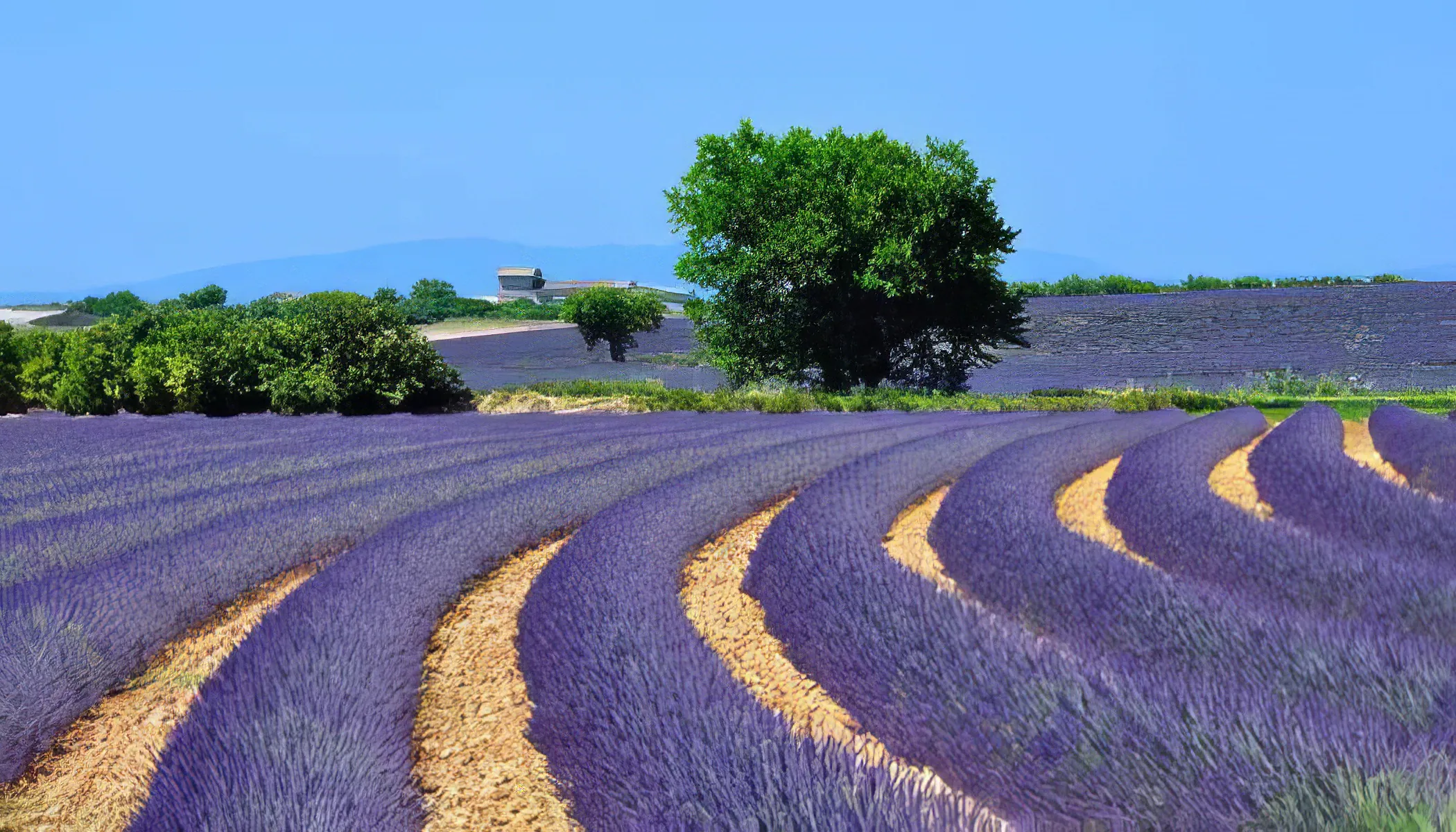
From this city, you can explore a variety of charming locations and attractions within a short drive. Here are some top picks:
– Cassis at 50 km: Famous for its cliffs and sheltered inlets called calanques.
– Valensole Plateau at 60km: Vast expanses of lavender fields, picturesque villages, and local lavender farms.
– Avignon at 80 km: Home to the Palais Des Papes and renowned for its medieval architecture.
– Marseille at 30 km: A animated port city known for its maritime heritage and multicultural atmosphere.
– Arles at 75 km: Rich in Roman history, featuring an ancient amphitheater and the Van Gogh trail.
Attraction
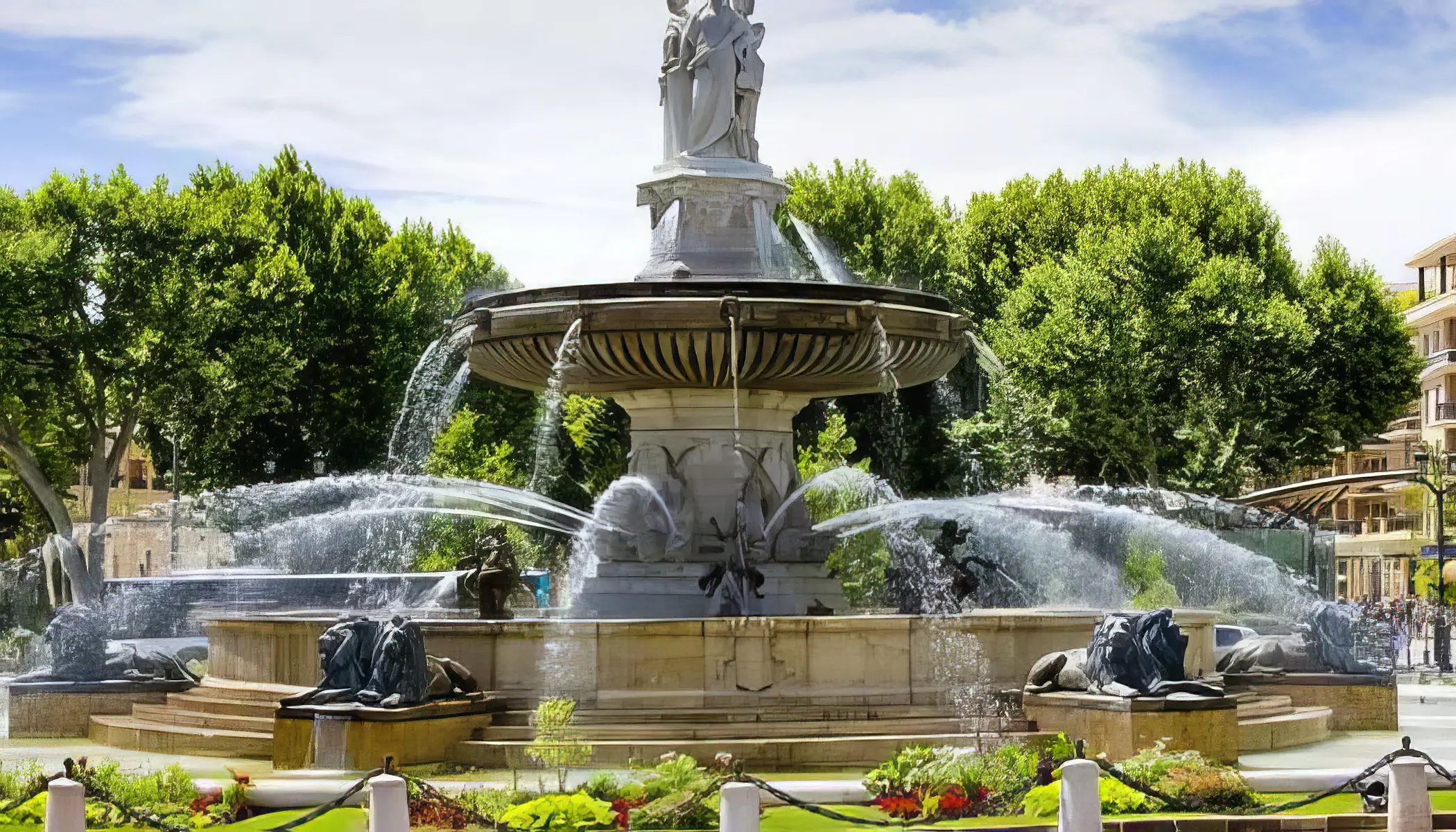
Aix is renowned for its classical architecture, beautiful cultural scene, and thermal springs.
– Cours Mirabeau: Iconic tree-lined avenue filled with cafes and fountains.
– Saint-Sauveur Cathedral: Historic church with a mix of architectural styles from the 5th to the 17th century.
– Granet Museum: Displays works by Cézanne, Picasso, and other artists.
– Atelier Cézanne: The preserved studio of painter Paul Cézanne.
– Pavillon de Vendôme: 17th-century mansion with beautiful gardens.
– Thermes Sextius: Modern spa built around ancient thermal springs.
Activity
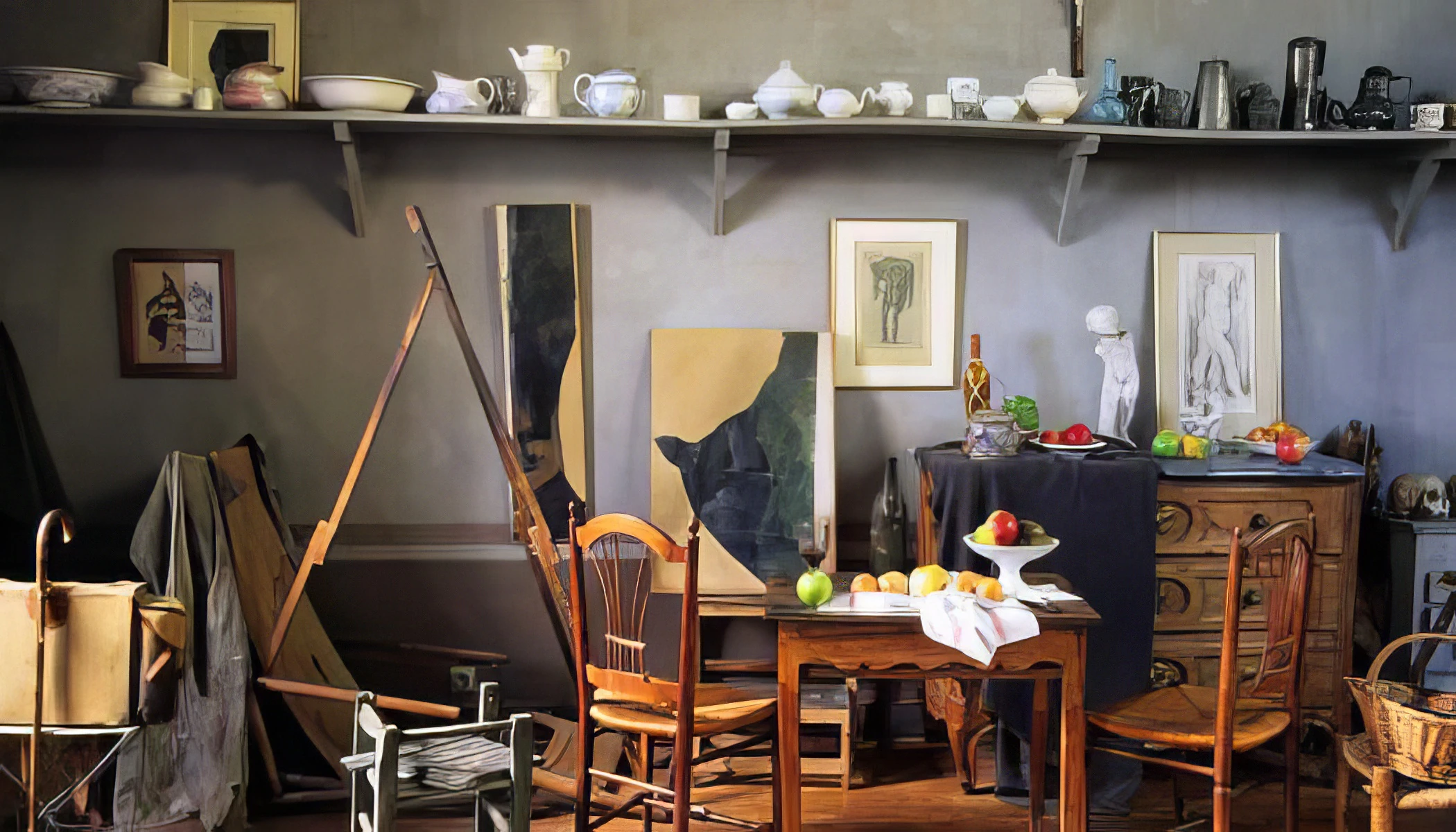
Aix-en-Provence offers cultural tours, art workshops, and outdoor activities in a historic French setting.
– Cézanne Studio Tour: Explore the studio of artist Paul Cézanne.
– Mont Sainte-Victoire Hike: Trek the mountain famously painted by Cézanne.
– Provençal Market Tour: Experience local foods and crafts.
– Wine Tasting Tours: Sample regional wines at local vineyards.
– Thermal Baths: Relax in the historic Roman thermal baths.
Cuisine

The city is celebrated for its Provençal cuisine, featuring fresh, local ingredients and Mediterranean influences. Here are some of the most famous dishes and desserts:
– Bouillabaisse: A traditional fish stew made with various local fish, shellfish, and aromatic herbs.
– Ratatouille: A vegetable stew with eggplant, zucchini, bell peppers, tomato, and onion, seasoned with herbs.
– Tapenade: A savory paste made from olives, capers, anchovies, and olive oil, often served on bread.
– Calisson: A sweet confection made of candied fruit paste and ground almonds topped with a layer of royal icing.
– Tarte Tropézienne: A dessert consisting of a brioche filled with cream, originating from the region.
– Daube Provençale: A hearty beef stew, slow-cooked with vegetables, herbs, and red wine.
Shopping
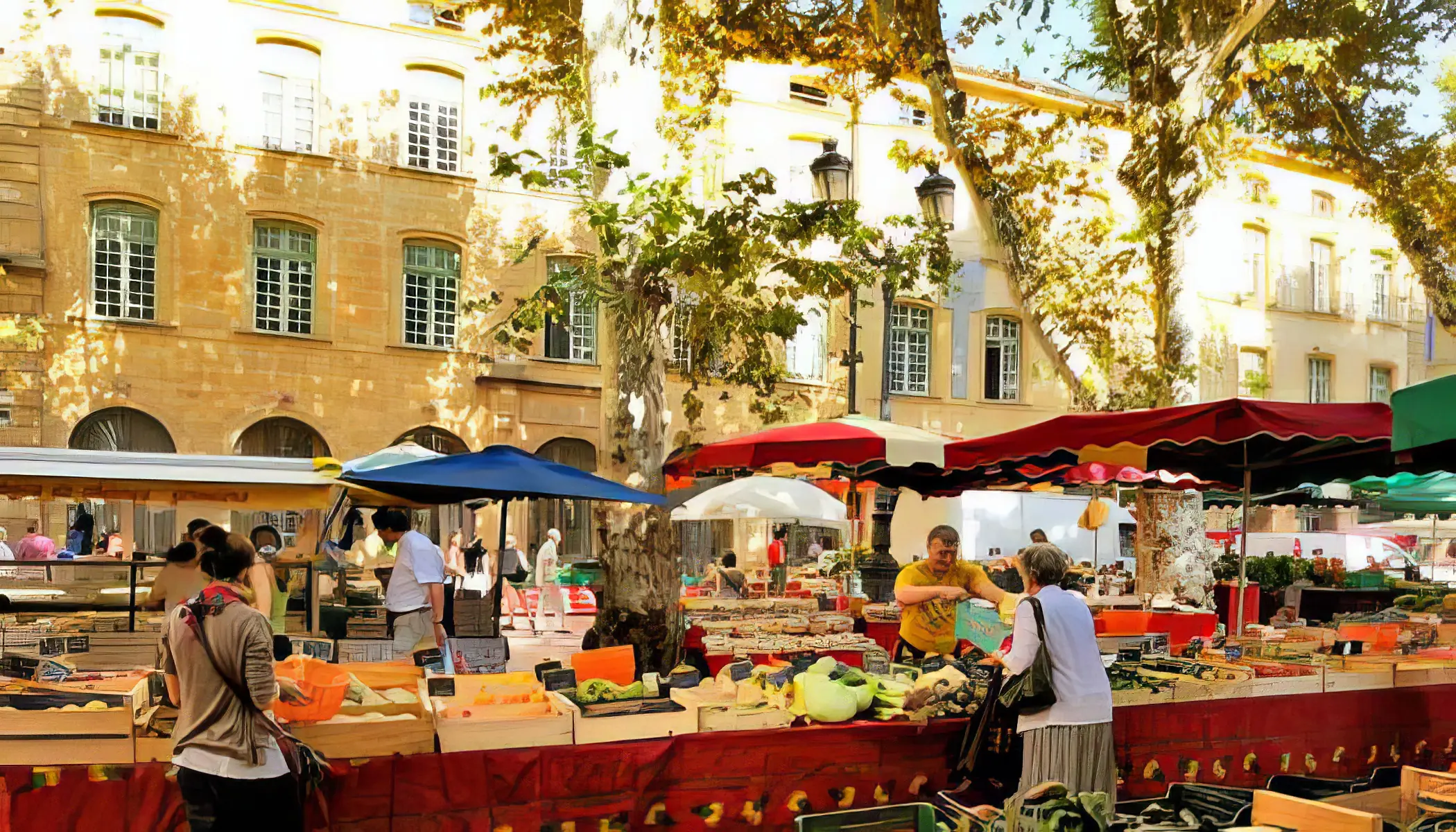
In this city, tourists can enjoy exploring the charming streets filled with boutique shops offering local crafts and products. The traditional markets are ideal for finding unique gifts such as Provencal fabrics, handmade soaps, and lavender products. Art lovers may appreciate a piece of original artwork or prints from one of the local galleries. For food enthusiasts, purchasing local olive oil, calissons (a traditional French candy), or tapenade makes for a delightful gift. Each of these items reflects the region's rich cultural heritage and culinary tradition, making them special souvenirs to bring back home.
Arts & Culture
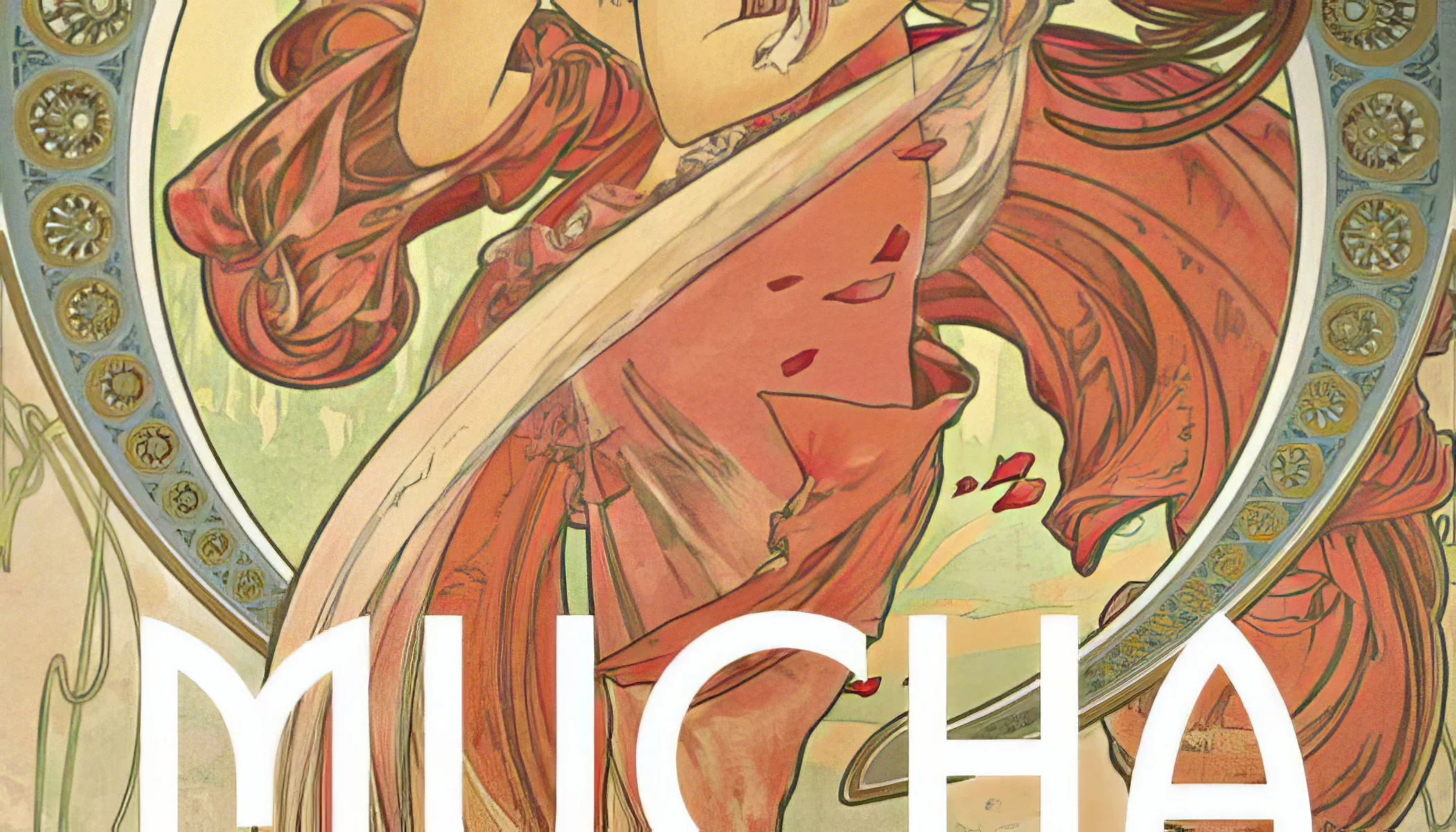
The city hosts the Festival d'Aix-en-Provence, an annual opera festival that has gained international acclaim since its inception in 1948. It is also home to the Musée Granet, which features a rich collection of art ranging from the Renaissance to modern times, including works by Cézanne, a native of the city. The Cézanne Studio (Atelier Cézanne) is another cultural highlight, where visitors can see the preserved workspace of the artist. Additionally, the city's old quarter is lined with traditional workshops and galleries, showcasing local crafts and contemporary art.