

Sightseeing in Aleppo: Culture & Must‑See Spots
This city, one of the oldest continuously inhabited places in the world, has a rich history and diverse culture. It has faced significant destruction due to conflict, impacting its historic sites and population. Reconstruction efforts are ongoing.
- Airport
- Aleppo International – Int'l
- Est. Visit Days
- 4 days
Overview
Aleppo, one of the oldest continuously inhabited cities in the world, has a rich history and significant cultural heritage. The city offers historical sites such as the Citadel of Aleppo and ancient souks. However, it has faced severe damage due to ongoing conflict, which affects infrastructure and safety. Access to basic services can be limited, impacting daily life for residents and visitors. Travelers should consider these factors when planning a visit.
Traffic & Transport
The city features a mix of traditional and modern transportation options, making it relatively easy to navigate. Walking is a great way to explore the historic areas, as many attractions are within close proximity to one another. Public buses and shared vans offer economical means of transport for longer distances, while bicycles can also be rented in some areas for a more leisurely experience. However, traffic congestion can occur during peak hours, so planning travel times accordingly is advisable. For taxi services, local companies provide reliable transportation throughout the city. While there may not be widely recognized taxi-booking apps available, it's best to ask locals for recommendations on trusted taxi services that can be contacted directly for rides.
History
This city has a long history influenced by various empires, including the Romans and Byzantines. It became a vital trade center during the medieval period, connecting the East and West along trade routes. The city was significantly impacted during the Crusades, leading to conflicts and changes in control. In the 20th century, it experienced growth due to its strategic location but also faced challenges from civil unrest. Its diverse cultural heritage reflects a blend of different civilizations over centuries.
Itinerary Sample
Here is a sample 4-day itinerary for exploring Aleppo, Syria:
– First day: Arrive in Aleppo, visit the Citadel of Aleppo and explore the Old City, including Al-Madina Souq. Enjoy local cuisine for dinner.
– Second day: Visit the Great Mosque of Aleppo and the National Museum. Explore traditional hammams and enjoy coffee at a local café.
– Third day: Discover the ancient site of Ebla and its archaeological museum. Return to Aleppo for an evening stroll through historic neighborhoods.
– Fourth day: Visit the Church of St. Simeon and nearby ruins. Spend your last afternoon shopping for souvenirs before departure.
Near Excursion
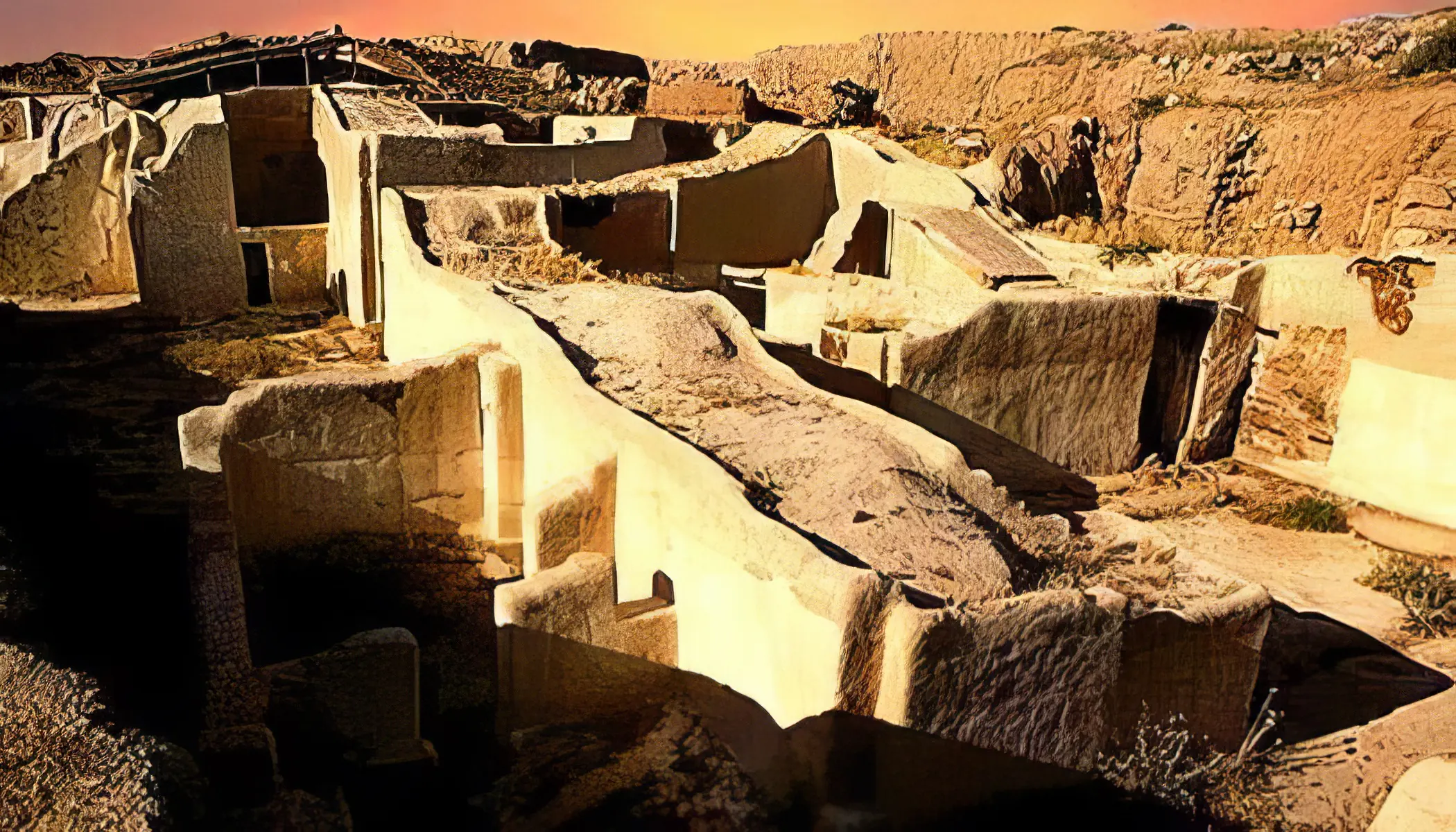
The city serves as a gateway to several fascinating day trips. Here are some options:
– Dead Cities at 50 km: Explore ancient, abandoned settlements that offer insight into early Christian history.
– Saint Simeon Church at 40 km: Visit the ruins of a once-grand basilica dedicated to Saint Simeon Stylites.
– Ebla at 60 km: Discover the archaeological site with remnants of one of the earliest known kingdoms.
– Apamea at 120 km: Walk through Roman-era colonnades and explore the ancient city's remains.
– Hama's Water Wheels at 140 km: See historic wooden water wheels along the Orontes River, still turning today.
Attraction
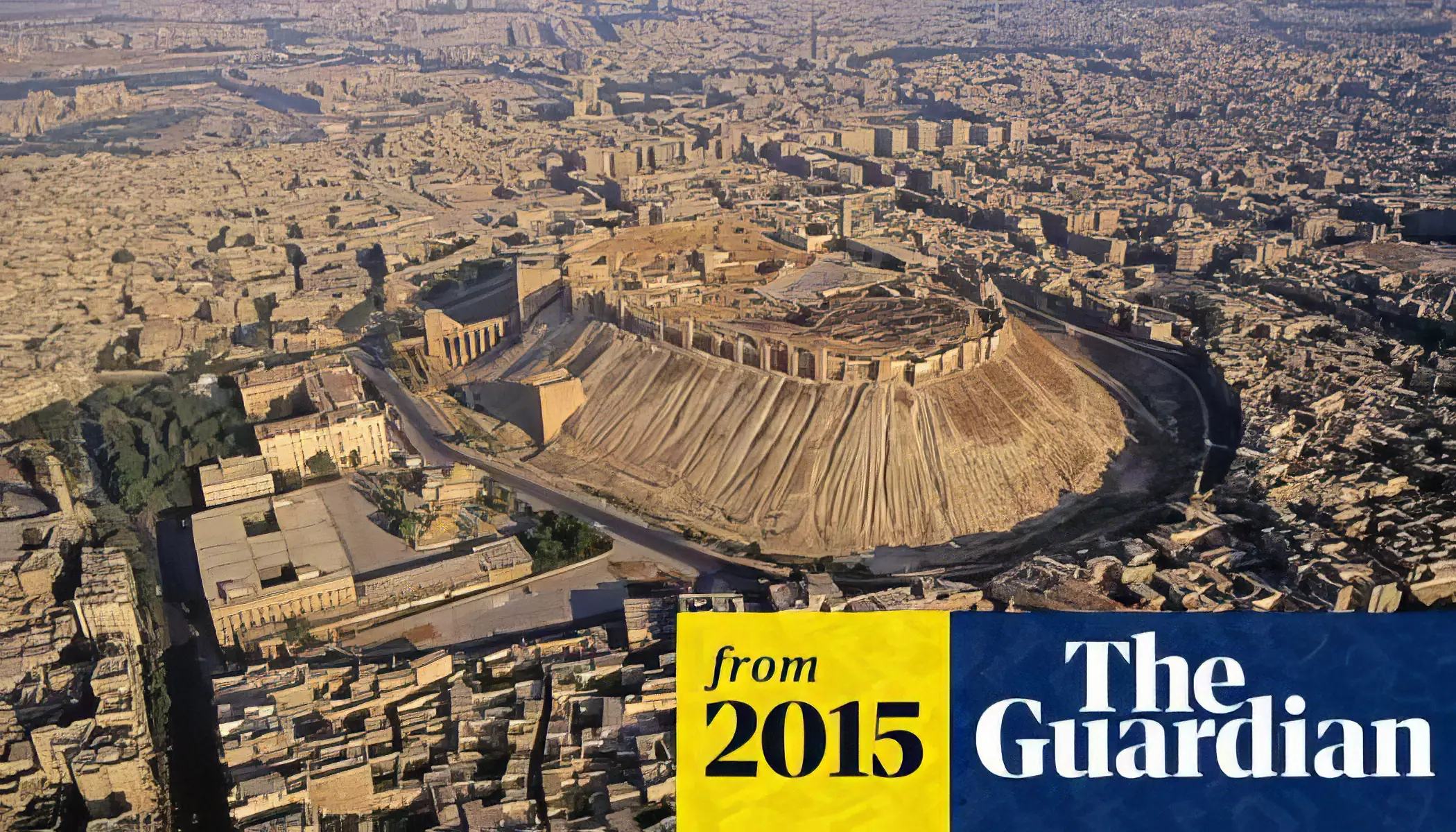
Known for its rich history, this city offers fascinating sites reflecting ancient civilizations and cultural heritage.
– Citadel: A massive medieval fortress offering panoramic views and showcasing impressive Islamic architecture.
– Souq al-Madina: An extensive covered market vibrant with traditional goods, spices, and local crafts.
– Great Mosque: A historic mosque featuring a prominent minaret and beautiful courtyard, dating back to the Umayyad period.
– Baron Hotel: A century-old hotel famous for hosting notable historical figures like Agatha Christie and Charles de Gaulle.
– Bab al-Faraj Clock Tower: An iconic clock tower situated in the heart of the city, built during the Ottoman era.
– Al-Shibani Church: Once a church, now a cultural center that hosts exhibitions and events highlighting local art.
Activity

Travelers in Aleppo can explore ancient sites, markets, and local cuisine while experiencing the city's rich history and culture.
– Old City Tour: Walk through the historic streets and see ancient architecture, including the Citadel and traditional houses.
– Souk Al-Madina: Visit this attractive market for local goods, spices, textiles, and a glimpse of everyday life in Aleppo.
– Aleppo Soap Factory: Observe traditional soap-making techniques that have been used for centuries in this unique craft workshop.
– Culinary Experience: Join a cooking class to learn how to prepare authentic Syrian dishes using local ingredients.
– Traditional Music Night: Enjoy live performances of local music styles in an intimate setting with cultural storytelling.
Cuisine

The city is known for its rich culinary heritage, with dishes featuring complex spices and flavors. Some of the city's most famous dishes include:
– Kibbeh: A dish made of bulgur wheat and minced meat, often baked or fried.
– Muhammara: A spicy dip made from red peppers, walnuts, and pomegranate molasses.
– Fattoush: A refreshing salad with mixed greens, radishes, and crispy bread pieces.
– Maqluba: An upside-down rice dish with layers of meat and vegetables.
– Halawet El Jibn: A dessert made from semolina dough filled with sweet cheese and topped with syrup.
Arts & Culture
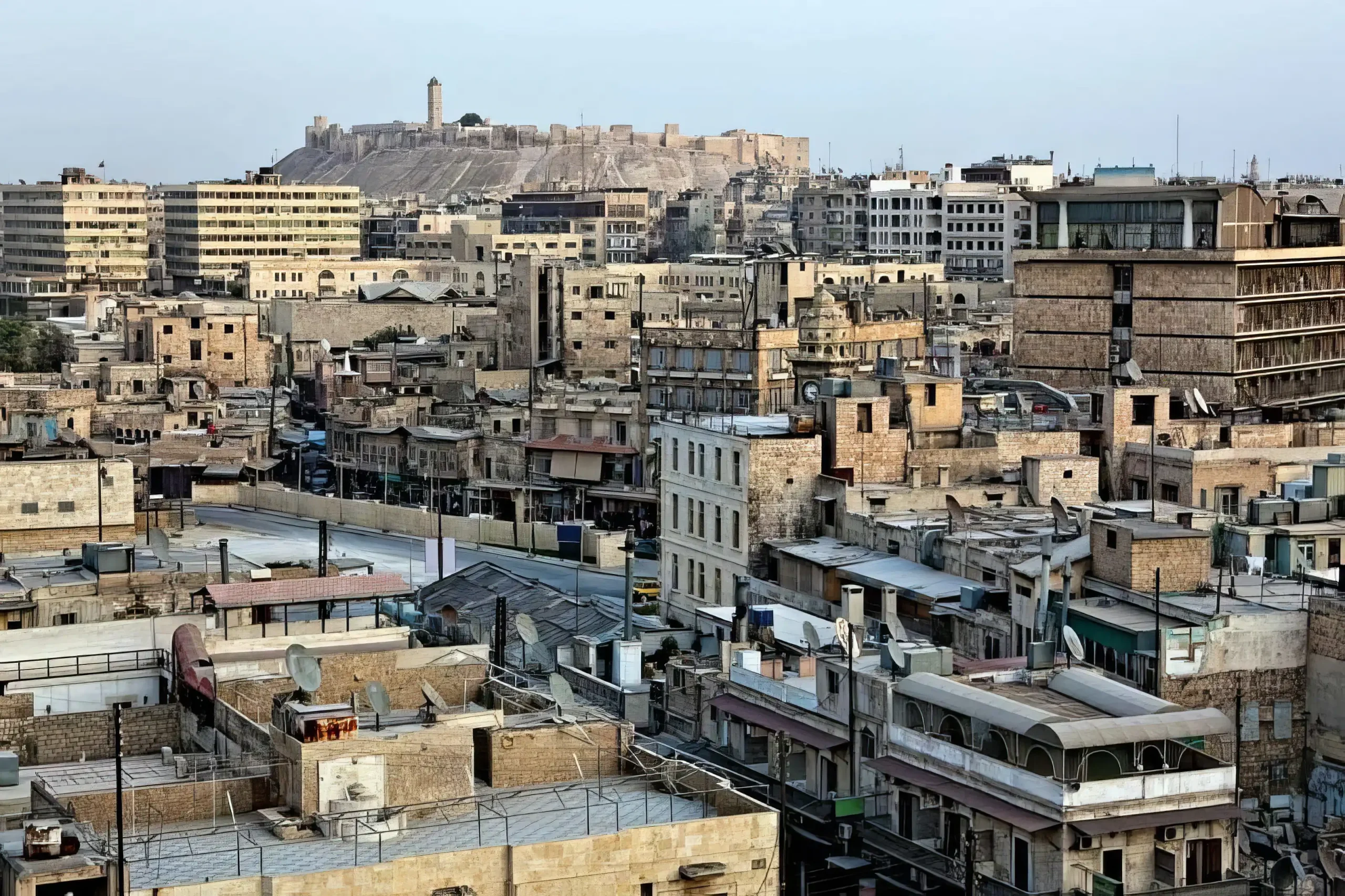
The city has a rich history in traditional crafts, particularly in textiles and metalwork. Cultural events often include music festivals and art exhibitions showcasing local artists. Historical sites, such as ancient mosques and churches, reflect the diverse artistic heritage of the region. However, ongoing conflict has significantly impacted cultural activities and preservation efforts.