

Sightseeing in Amman: Culture & Must‑See Spots
The capital city is known for its rich history, blending ancient ruins and modern life. Key sites include the Citadel, Roman theater, and various museums. It serves as a cultural and political center in the region.
- Population
- 4.0 millions
- Size
- 1 680 square km
- Airport
- Queen Alia – Int'l & 0 others
- Est. Visit Days
- 2 days
Overview
Amman, the capital city of Jordan, is a blend of ancient history and modern culture. One advantage of visiting Amman is its rich historical sites, such as the Citadel and Roman Theater. The city also has a growing food scene and friendly locals. However, traffic congestion can be an issue, and the heat during summer months may be uncomfortable for some visitors. Additionally, the cost of accommodations can vary, often being higher in tourist areas.
Traffic & Transport
The city has a relatively straightforward traffic system, with the best way to explore the area being via a combination of taxis and public transport, such as buses. The public buses are an affordable option, but they can be crowded and may not cover all tourist destinations efficiently. Renting a car is another possibility, although navigating the local roads can be challenging due to traffic congestion at peak hours. Walking is also recommended in certain areas, especially in downtown districts where attractions are concentrated. For reliable taxi services, several reputable companies operate in the city, including Careem and Uber, both of which provide convenient app-based options for booking rides. Additionally, local taxi services can be flagged down on the street or hired at taxi stands throughout the city.
History
The area has been inhabited since ancient times and was known as Rabbath Ammon during the Ammonite period. It was later controlled by various empires, including the Roman and Byzantine Empires, which influenced its development. In the 20th century, it became the capital of Jordan after the country gained independence from British mandate rule in 1946. The city has been shaped by waves of migration and cultural exchange due to its strategic trade location. Today, it reflects a blend of ancient history and modern influences.
Itinerary Sample
Here is a suggested 2-day itinerary for exploring Amman, Jordan.
– First day: Visit the Citadel, explore the Roman Theatre, and stroll through the animated Rainbow Street for local food and culture.
– Second day: Tour the Jordan Museum, visit the Royal Automobile Museum, and relax at the King Abdullah I Mosque.
Near Excursion

Starting from this city, there are several interesting day trips to explore Jordan's rich history and landscapes:
– Jerash at 50 km: An ancient city with well-preserved Roman ruins and impressive historical architecture.
– Madaba at 35 km: Known for its lovely Byzantine mosaics, especially the famous Madaba Map.
– Dead Sea at 55 km: The lowest point on Earth, ideal for floating and experiencing therapeutic mud baths.
– Mount Nebo at 40 km: Offers historical insights and panoramic views towards the Holy Land.
– Ajloun Castle at 76 km: A 12th-century Muslim castle known for its strategic hilltop location.
Attraction
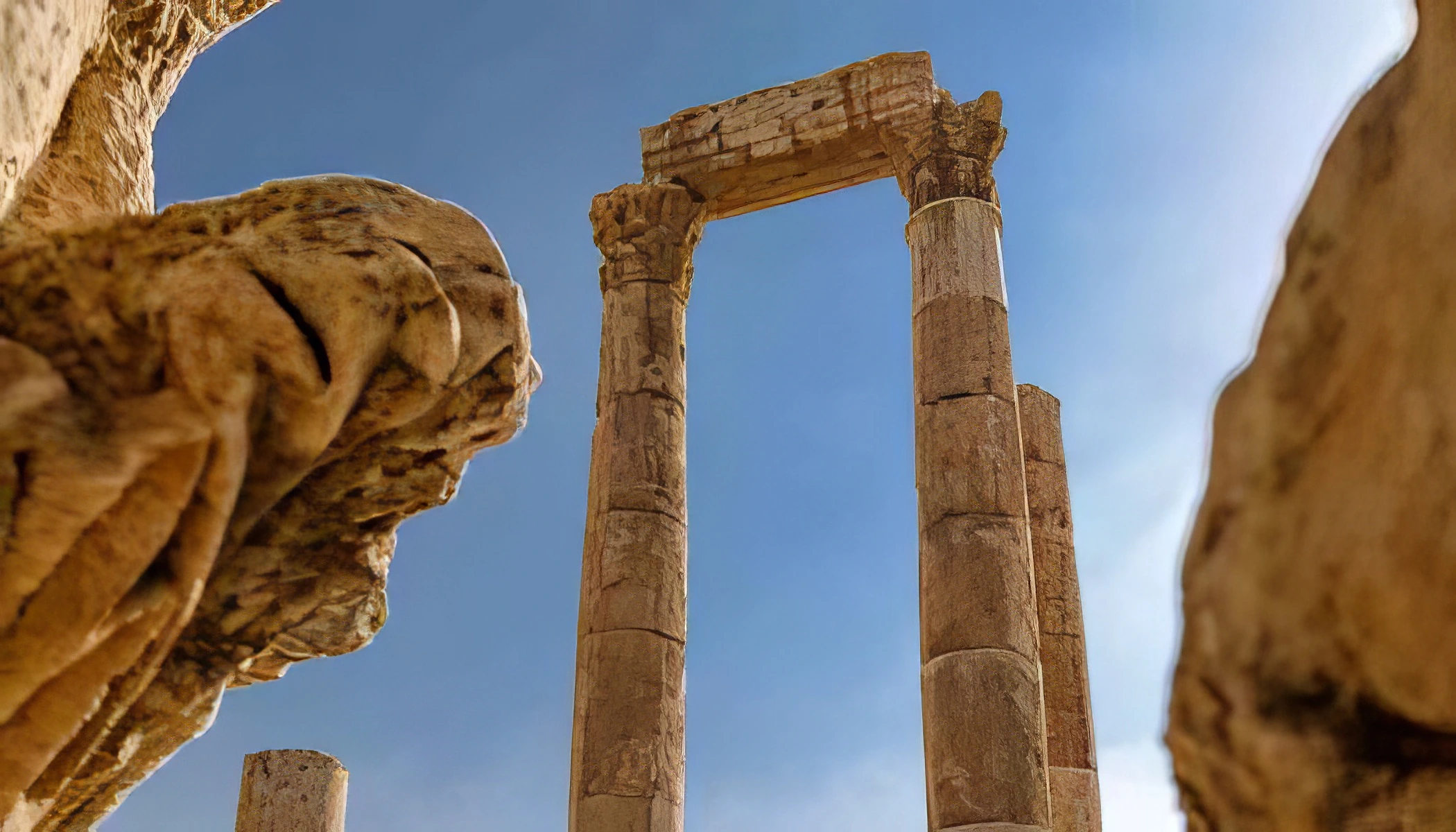
The city is noted for its history and blend of ancient and modern attractions. – Citadel: An ancient hill with Roman, Byzantine, and Islamic ruins offering panoramic views of the city. – Roman Theatre: A well-preserved 6,000-seat Roman theatre showcasing cultural events and offering historical insights. – Rainbow Street: A lively area known for cafes, shops, and magnificient atmosphere reflecting modern city life. – King Abdullah I Mosque: A grand blue-domed mosque open to visitors, offering insights into local religious practices. – Jordan Museum: Features archaeological artifacts showcasing the region's rich history from prehistoric times to the present. – Downtown Markets: Animated markets with local goods, foods, and traditional crafts providing a glimpse into local life.
Activity
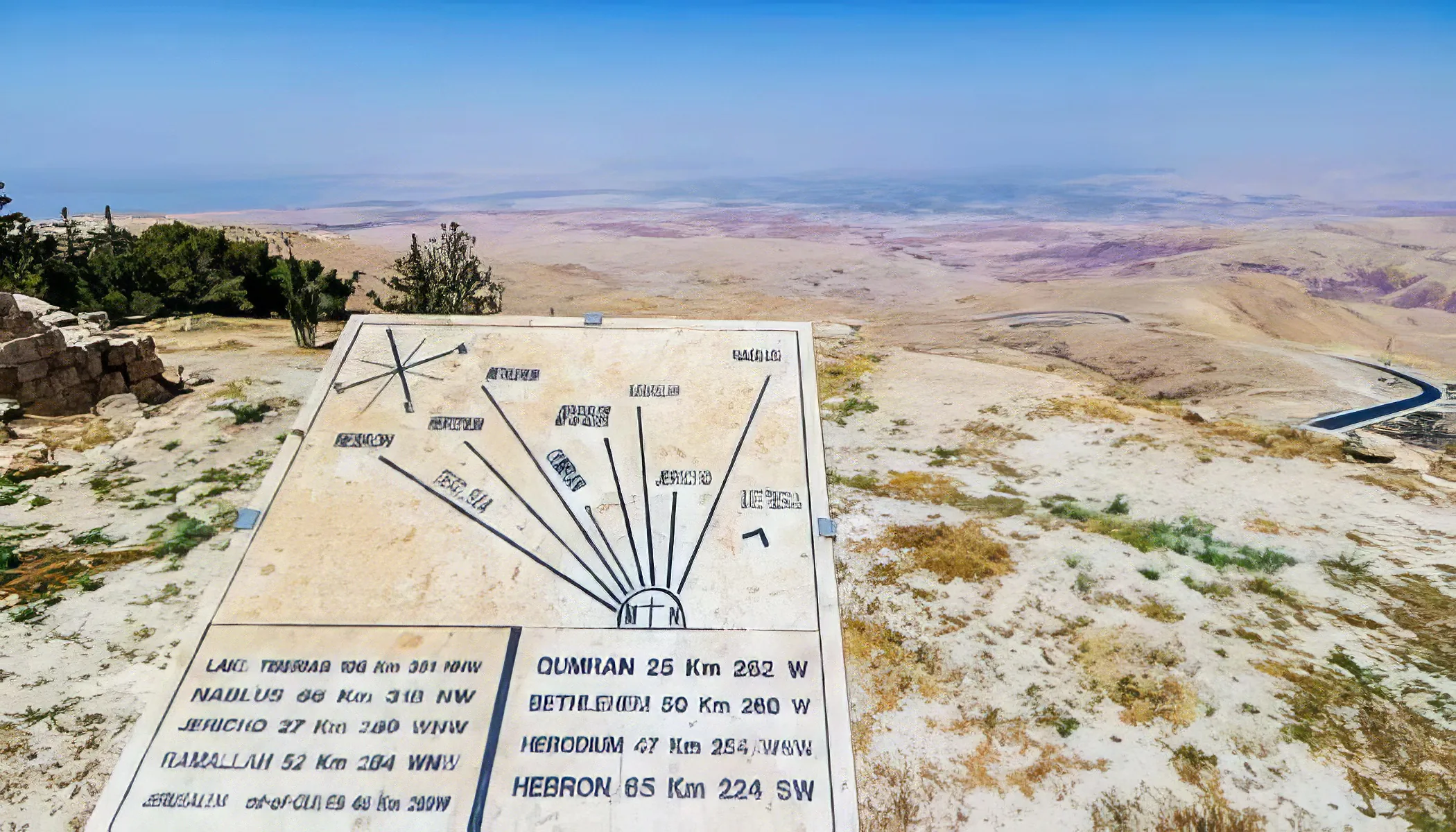
Travelers in Amman can enjoy a mix of culture, history, nature, and local cuisine.
– Rainbow Street: A remarkable area with cafes, shops, and local arts, perfect for evening strolls.
– Jebel Al Weibdeh: A neighborhood known for its art galleries, local culture, and unique architecture to explore.
– Day trip to Jerash: Visit ancient Roman ruins, featuring well-preserved columns, theaters, and temples outside of Amman.
– Mount Nebo: A site with Biblical significance, offering panoramic views of the Jordan Valley and Dead Sea.
– Wadi Rum: Experience desert landscapes through jeep tours, hiking, or camel rides in nearby Wadi Rum.
Cuisine
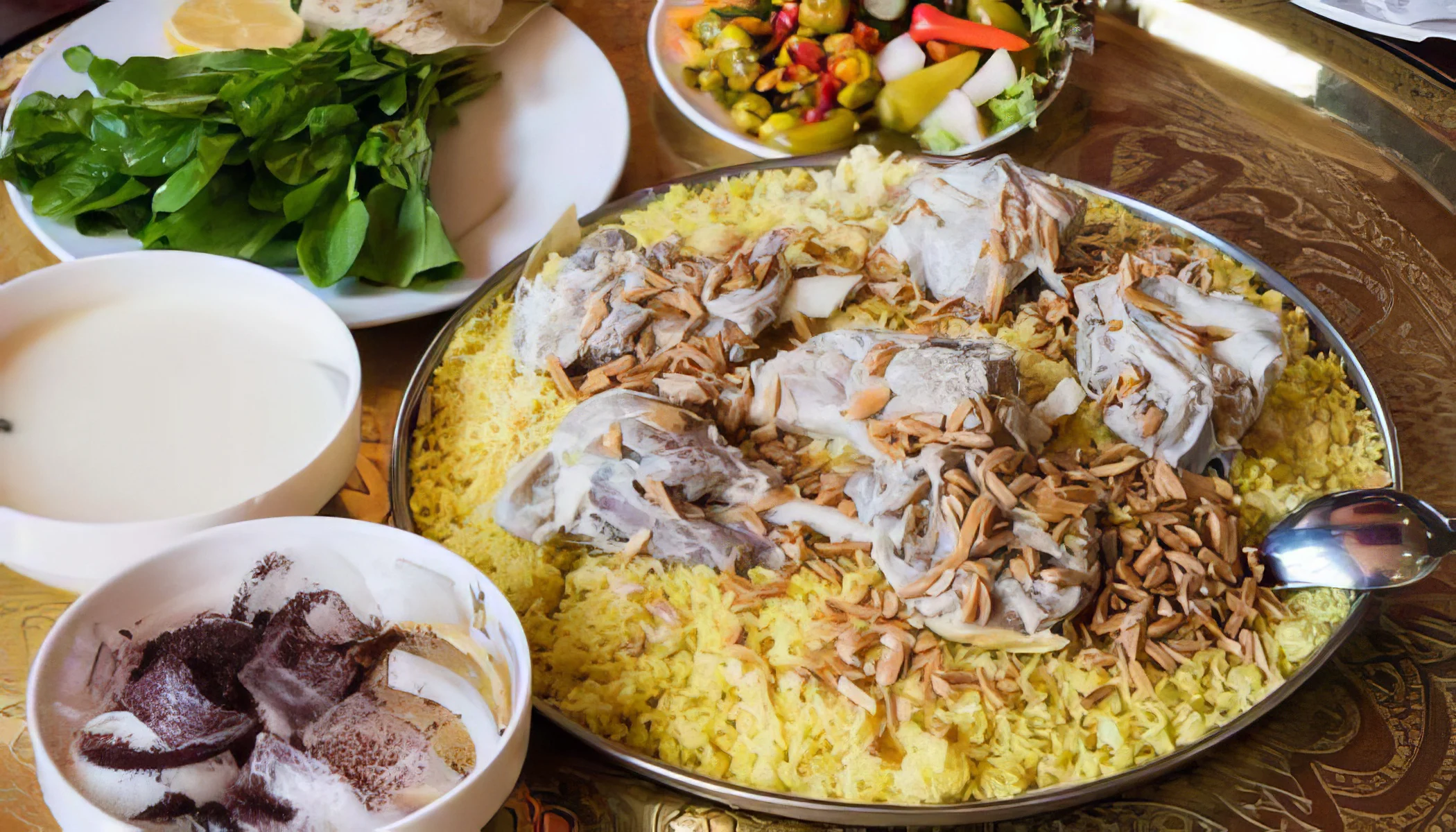
Amman's food scene is a animated mix of traditional and modern Middle Eastern cuisines, with an emphasis on fresh ingredients and local flavors. Some of the city's most famous dishes include:
– Mansaf: Jordan's national dish, featuring lamb cooked in fermented dried yogurt and served with rice.
– Falafel: Deep-fried chickpea patties often served in pita bread with salad and tahini sauce.
– Makloubeh: A rice-based dish with meat or chicken, and vegetables, flipped to reveal a layered presentation.
– Knafeh: A sweet dessert made of thin noodle-like pastry soaked in syrup, layered with cheese or cream.
– Shawarma: Spiced meat, typically chicken or lamb, cooked on a rotisserie and wrapped in flatbread.
Shopping

You can find traditional handicrafts, such as pottery and textiles, at local markets. A good gift option is a piece of authentic Jordanian mosaic art. Also, consider purchasing Dead Sea products, known for their benefits. Jewelry with local gemstones can be a unique souvenir. Don’t forget to explore the spice shops for aromatic spices. These items represent the local culture well.
Arts & Culture
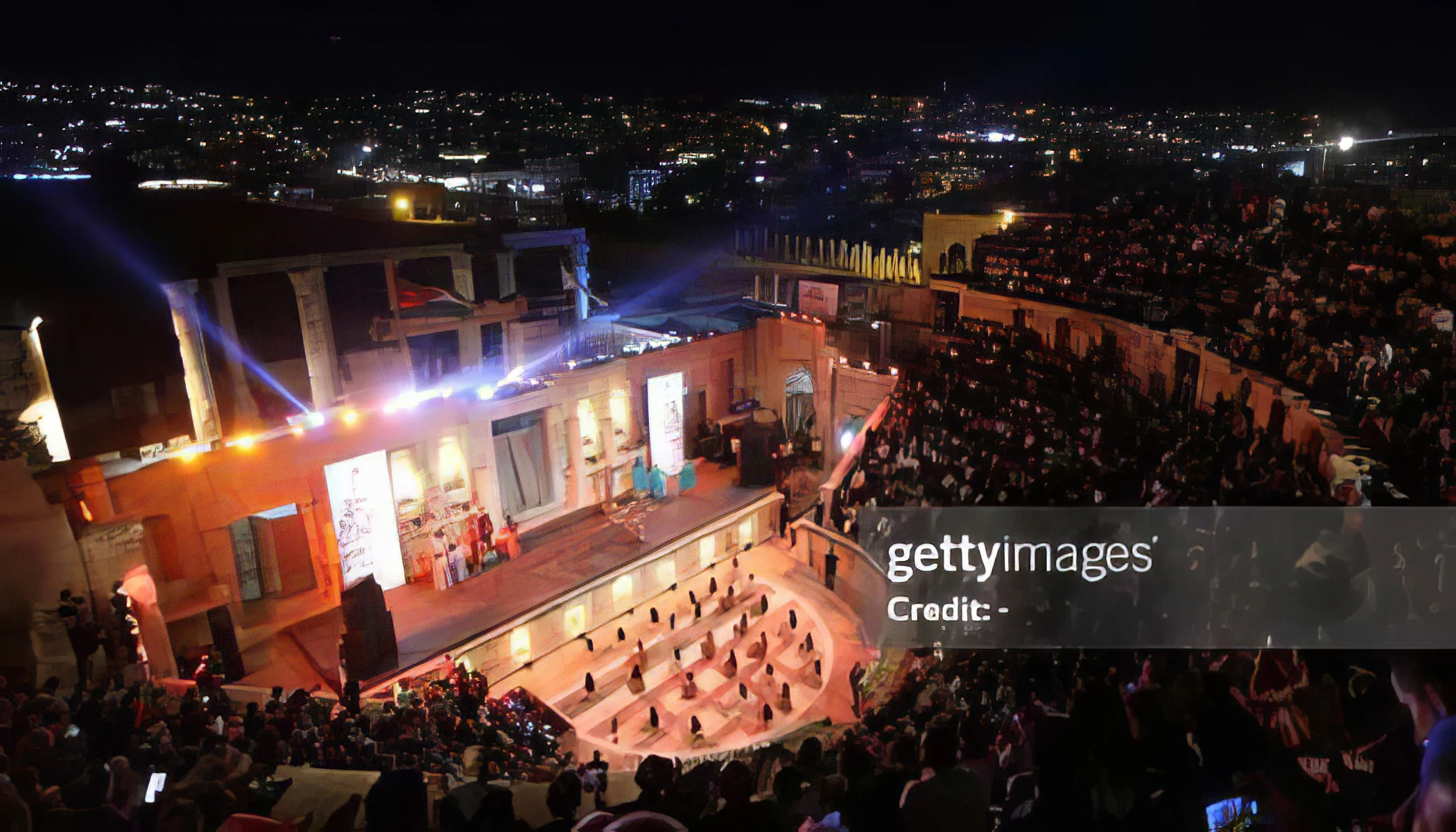
The city hosts the annual Jerash Festival of Culture and Arts, which features a variety of performances including music, dance, and theater. There are also several galleries and cultural centers, such as the Jordan National Gallery of Fine Arts, which showcases local and regional artists. Traditional crafts, like pottery and weaving, are highlighted in various markets and artisan workshops. Regular exhibitions and cultural events take place, promoting both contemporary and traditional art forms.