

Sightseeing in Andong: Culture & Must‑See Spots
This city is known for its traditional culture, historic sites, and the famous Hahoe Folk Village. It hosts various festivals celebrating local customs and offers a glimpse into Korea's past through its preserved architecture and practices.
- Airport
- Andong at 10 km – domestic.
- Train Station
- Andong Station.
- Est. Visit Days
- 2 days
Overview
Andong is a city in South Korea known for its traditional culture and historical sites. Pros include its rich heritage, such as the Hahoe Folk Village, and local cuisine like Andong jjimdak (braised chicken). The city is less crowded than larger urban areas, offering a quieter experience. However, it may lack some modern amenities and entertainment options found in bigger cities. Public transportation can also be limited compared to metropolitan areas.
Traffic & Transport
Public transportation options are limited, but the city can be explored efficiently by using local buses, which connect major attractions and neighborhoods. Biking is also a popular way to navigate the area, as there are bike rental services available for those who prefer a more active approach. Walking is feasible in many parts of the city, particularly in downtown areas where key sites are clustered together. For longer distances or more convenience, renting a car may be considered for flexibility. For taxi services, reputable companies operate within the area, ensuring reliable transportation options for visitors. Additionally, popular taxi-booking apps like Kakao T can be used to conveniently hail taxis directly from your smartphone.
History
This city has a history that dates back to the Three Kingdoms period, serving as an important administrative center. During the Joseon Dynasty, it became known for its Confucian culture and educational institutions. The area was affected by various conflicts, including the Imjin War in the late 16th century. In the 20th century, it experienced economic changes due to industrialization and modernization efforts. Today, traditional practices coexist with modern developments, reflecting its rich cultural heritage.
Itinerary Sample
Here is a sample 2-day itinerary for exploring Andong, South Korea.
– First day: Visit Hahoe Folk Village to see traditional houses and cultural performances.
– Explore Andong Mask Dance Museum for insights into local mask culture.
– Enjoy local cuisine at a nearby restaurant in the evening.
– Second day: Tour Dosan Seowon Confucian Academy for its historical significance.
– Visit the Andong Hanji Museum to learn about traditional paper-making.
– Walk along the Nakdong River and relax before departure.
Near Excursion
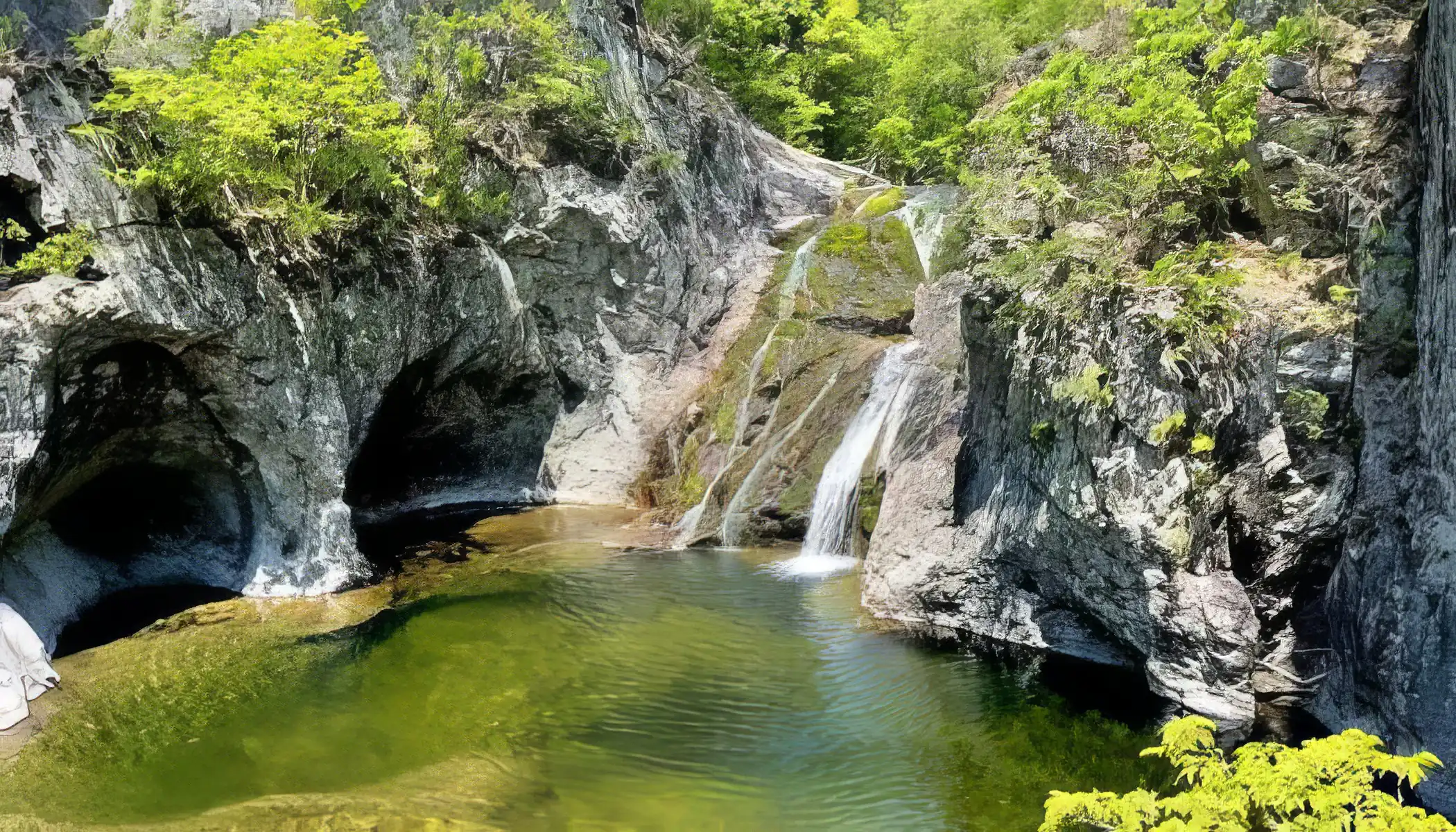
This city is a great starting point for several interesting day trips. Here are some suggestions:
– Hahoe Folk Village at 25 km: A traditional Korean village with well-preserved houses and cultural performances.
– Dosan Seowon Confucian Academy at 28 km: Historic educational facility offering insight into Korea's Confucian heritage.
– Juwangsan National Park at 95 km: Famous for its scenic beauty, hiking trails, and unique rock formations.
– Bonghwa Cheongnyangsa Temple at 70 km: A laid-back temple nestled in the mountains, ideal for relaxation and reflection.
– Mungyeong Saejae Provincial Park at 130 km: Known for its old mountain pass and historical gates along charming trails.
Attraction
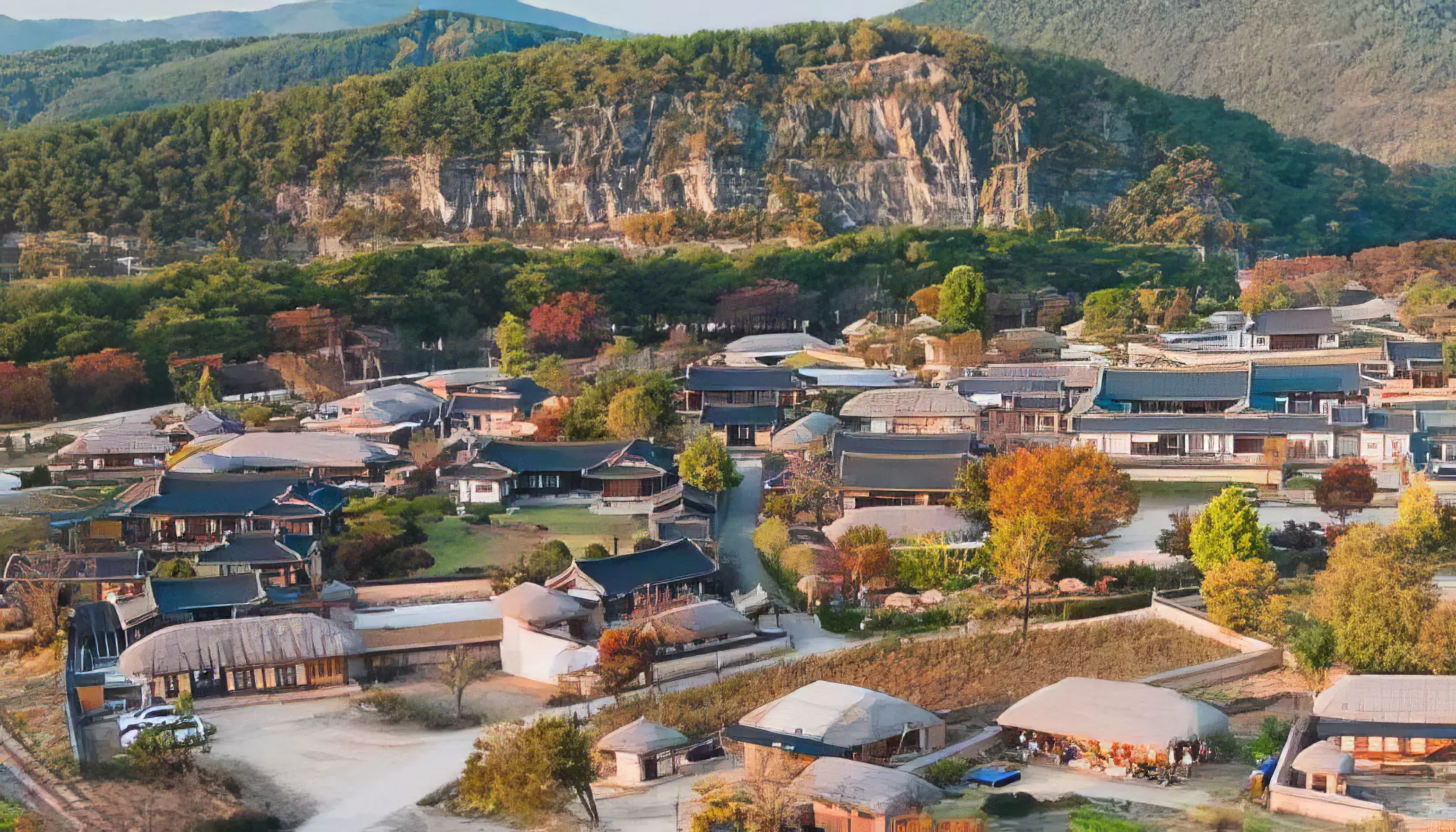
Known for its rich cultural heritage and historic sites, the city offers a glimpse into traditional Korean life.
– Hahoe Folk Village: Explore a UNESCO World Heritage site showcasing well-preserved Joseon-era architecture and traditional Korean village life.
– Andong Confucian Academy: Visit this historic educational institution dedicated to Confucian teachings with beautiful architecture and quiet surroundings.
– Dosanseowon Confucian School: Discover a peaceful academy founded by scholar Yi Hwang, featuring remarkable scenery and historical significance.
– Andong Mask Dance Festival: Experience beautiful performances celebrating Korea's mask dance tradition, typically held annually in autumn.
– Bongjeongsa Temple: See one of the country's oldest wooden buildings nestled in a quiet mountain setting with impressive Buddhist relics.
– Andong Soju Museum: Learn about the history and process of making traditional Korean distilled liquor at this informative museum.
Activity

Travelers in Andong can explore traditional culture, participate in local festivals, and enjoy nature activities amidst scenic landscapes.
– Hahoe Folk Village: Experience traditional Korean culture and architecture in this preserved village with historical significance.
– Andong Mask Dance Festival: Attend this annual festival showcasing unique mask dances and performances from various cultures.
– Buyongdae Cliff: Hike to this scenic viewpoint for panoramic views of the Nakdong River and surrounding mountains.
– Andong Soju Distillery Tour: Learn about the traditional process of making Andong Soju, a famous Korean liquor.
– Traditional Hanbok Experience: Dress in a hanbok, traditional Korean clothing, while exploring cultural sites around the city.
Cuisine
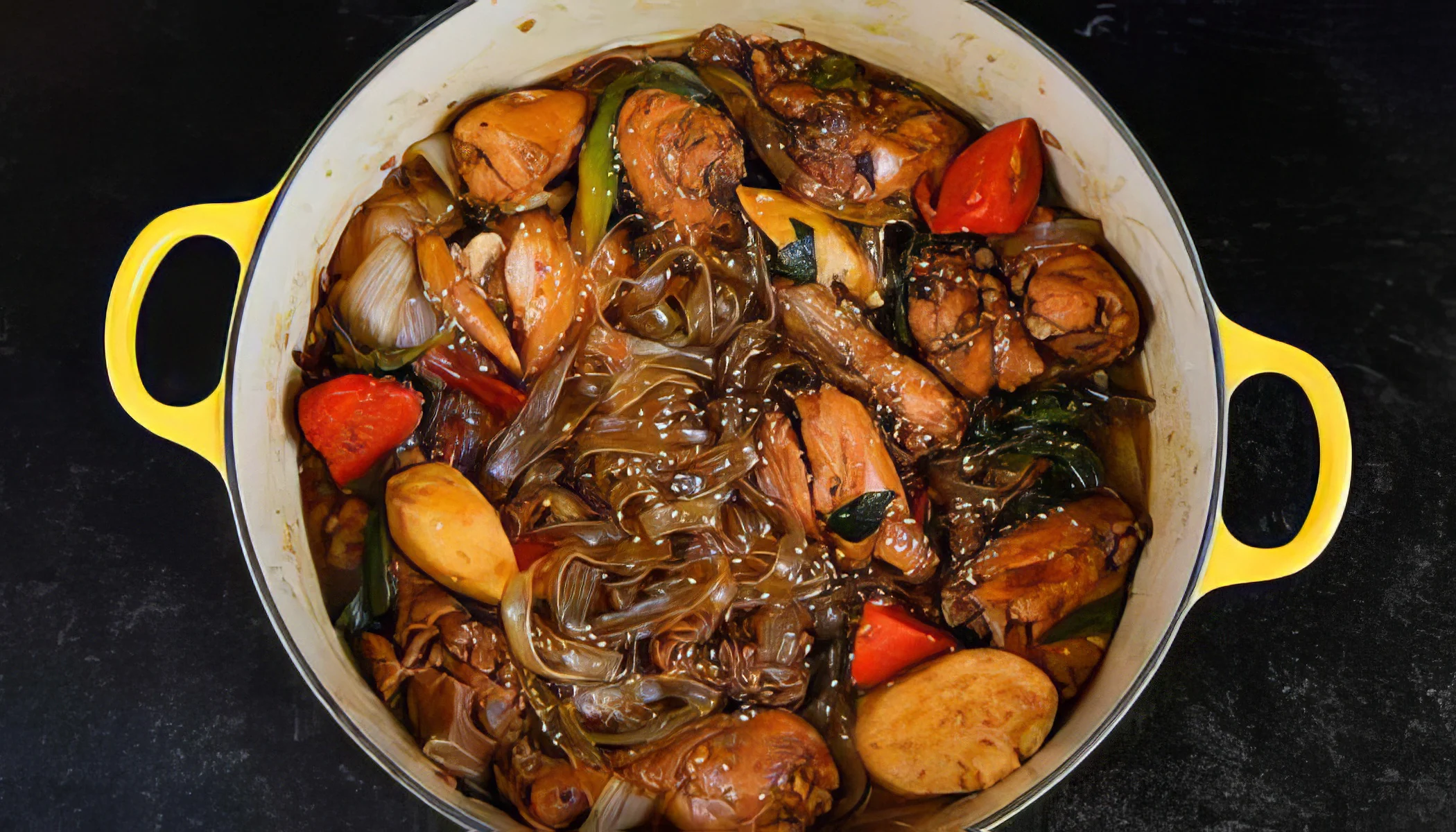
The city offers a distinctive culinary experience, highlighting traditional Korean flavors and historical dishes. Some of the city's most famous dishes include:
– Jjimdak: Spicy braised chicken with soy sauce, vegetables, and chewy glass noodles.
– Heotjesabap: A variety of seasoned rice dishes traditionally served during ancestral rituals.
– Soju: Locally produced Korean distilled spirit known for its smooth taste.
– Ganjeong: Sweet and crispy rice puffs coated with honey or syrup.
Arts & Culture
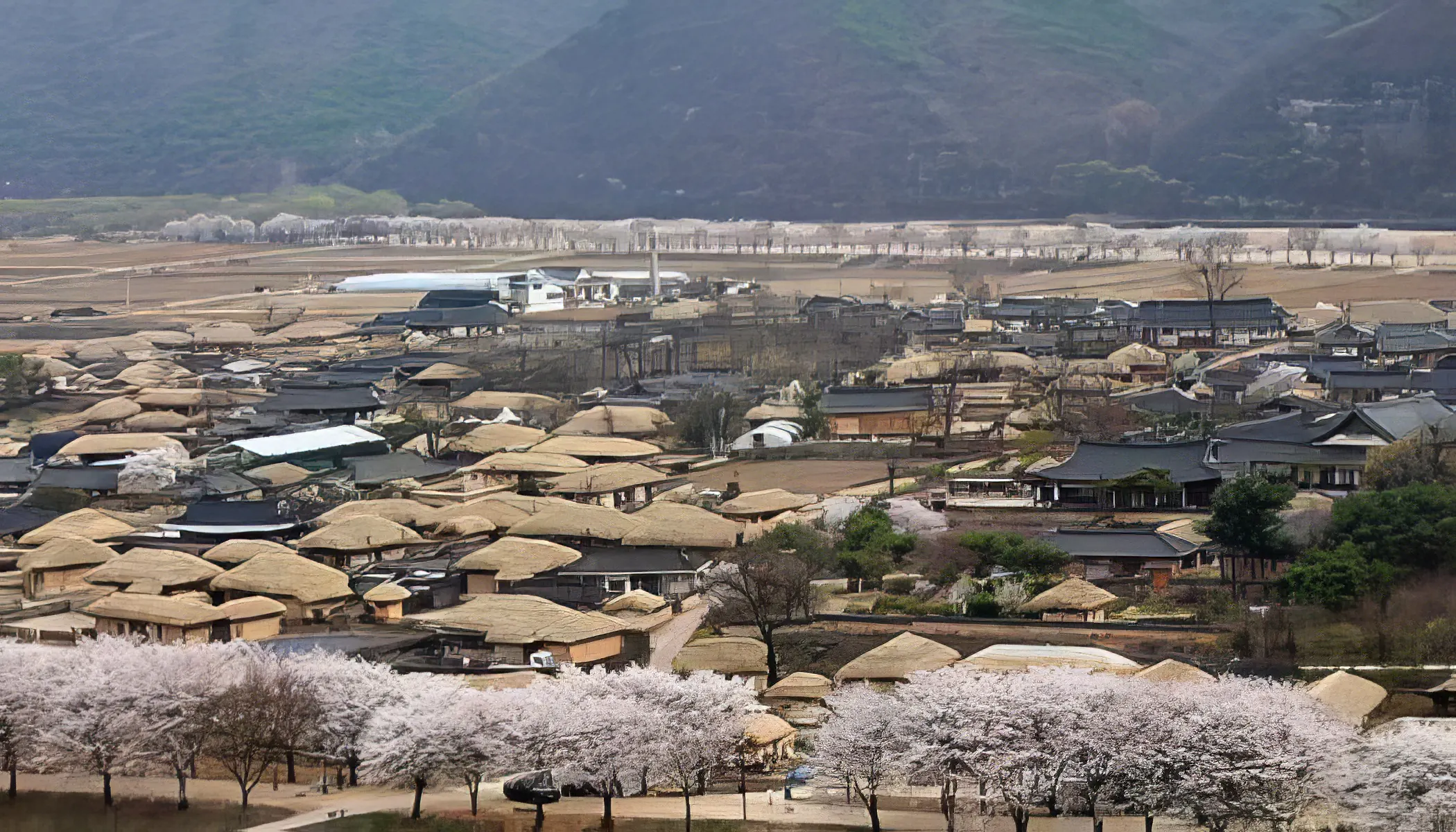
The city is known for its traditional mask dance, Hahoe Byeolsingut Talnori, which is performed during the Mask Dance Festival held in October. It also features the Andong Folk Museum, showcasing local culture and history through various exhibits. Additionally, there are traditional craft workshops where visitors can learn about and participate in making pottery and other artisan goods. The region celebrates Confucian culture with events that highlight its historical significance in South Korea.