

Antibes Travel Guide: Tourist Places & Activities
Located on the French Riviera, this Mediterranean coastal town is known for its old port, Picasso Museum, and well-preserved 16th-century ramparts. It's a popular destination for its beaches and beautiful yachting culture.
- Size
- 26 square km
- Airport
- Nice Côte d'Azur at 16 km – Int'l.
- Train Station
- Gare d'Antibes
- Est. Visit Days
- 2 days
Overview
Antibes, a coastal city in southeastern France, is renowned for its rich history and beautiful Old Town, which is home to the Picasso Museum. The city boasts a pleasant Mediterranean climate and gorgeous beaches, such as Plage de la Gravette and Cap d'Antibes. However, Antibes can be quite crowded, especially during the peak tourist season, which might detract from the experience. Additionally, the cost of living and visiting Antibes is relatively high compared to some other French cities. Despite this, the city's charm, with its blend of historic and modern attractions, makes it a worthwhile destination.
Traffic & Transport
The city's compact size and well-maintained roads make it relatively easy to navigate, with traffic congestion typically not a major issue, especially outside of peak summer months. For exploring the city, walking and cycling are excellent options, allowing visitors to fully appreciate the charming streets and coastal views. Public buses are available and provide a cost-effective way to reach different parts of the area, including nearby towns and attractions. Additionally, renting a car can be convenient for those planning to venture further into the region. For taxi services, several reliable companies operate in the area, offering both traditional taxi rides and the option to book in advance. Visitors can also use popular taxi-booking apps like Uber, which provide additional flexibility and the ability to track the journey in real-time.
History
Originally a Greek trading post established by the Phocaeans in the 5th century BC, the city was known as Antipolis. It later became a Roman town in 43 BC when it was conquered by Julius Caesar. Throughout the Middle Ages, it was a stronghold contested between various powers, including the Counts of Provence, the House of Savoy, and the Kingdom of France. The city's fortifications, including the Fort Carré, were significantly expanded during the Renaissance by King Henry II. In the 20th century, it became a haven for artists, most notably Pablo Picasso, who lived and worked here in the 1940s, leaving a lasting cultural legacy.
Near Excursion
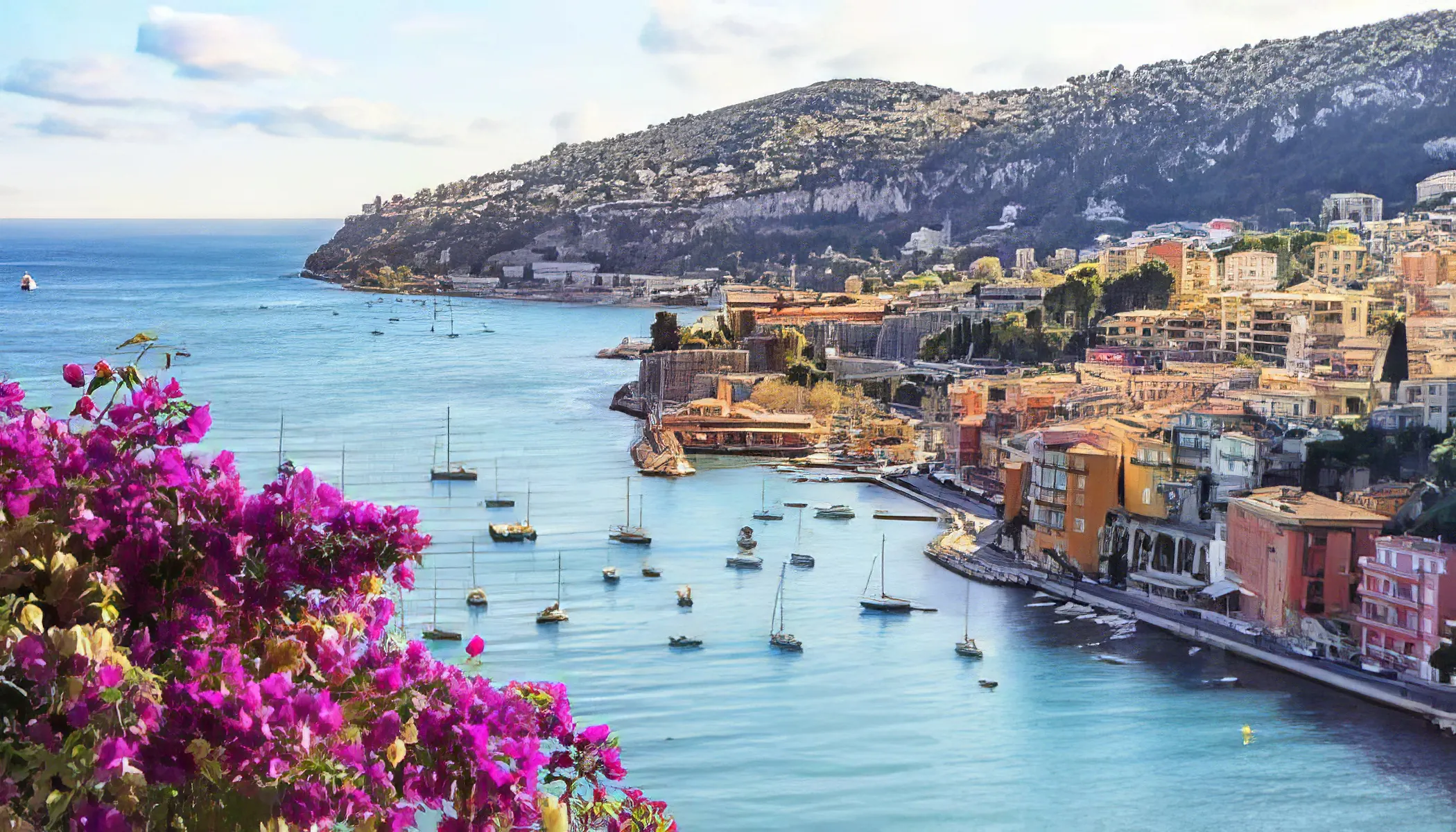
This city offers several interesting day trips within a short distance. Here are some suggestions:
– Nice at 22 km: Explore the Promenade Des Anglais, Old Town, and lively markets.
– Cannes at 11 km: Famous for its film festival, luxury shops, and sandy beaches.
– Monaco at 45 km: Visit the Prince's Palace, Oceanographic Museum, and Monte Carlo Casino.
– Grasse at 25 km: Known as the perfume capital, with several perfumeries and museums.
– Saint-Paul-de-Vence at 17 km: A charming medieval village with art galleries and handsome views.
Attraction
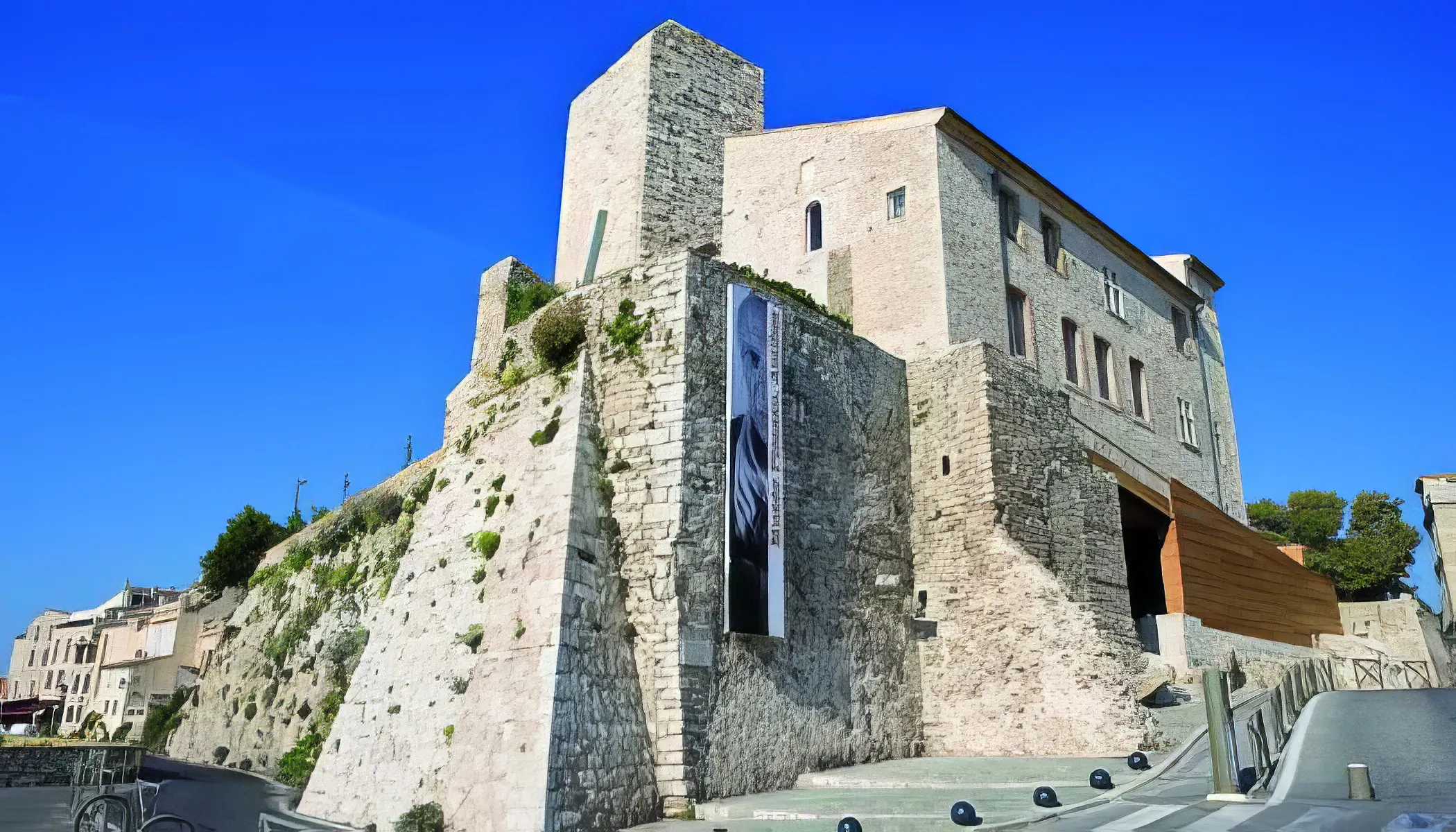
Known for its beautiful beaches, historic sites, and energetic cultural scene, this city offers a variety of attractions for tourists.
– Picasso Museum: Located in the Grimaldi Castle, it showcases many works by Pablo Picasso.
– Fort Carré: A 16th-century fortress offering panoramic views of the surrounding area.
– Cap d'Antibes: A scenic peninsula with luxurious villas and beautiful coastal walks.
– Marineland: A large marine park featuring dolphin and orca shows, as well as an aquarium.
– Old Town: A charming area with narrow streets, local markets, and historic buildings.
– Port Vauban: One of the largest marinas in Europe, home to many luxury yachts.
Activity
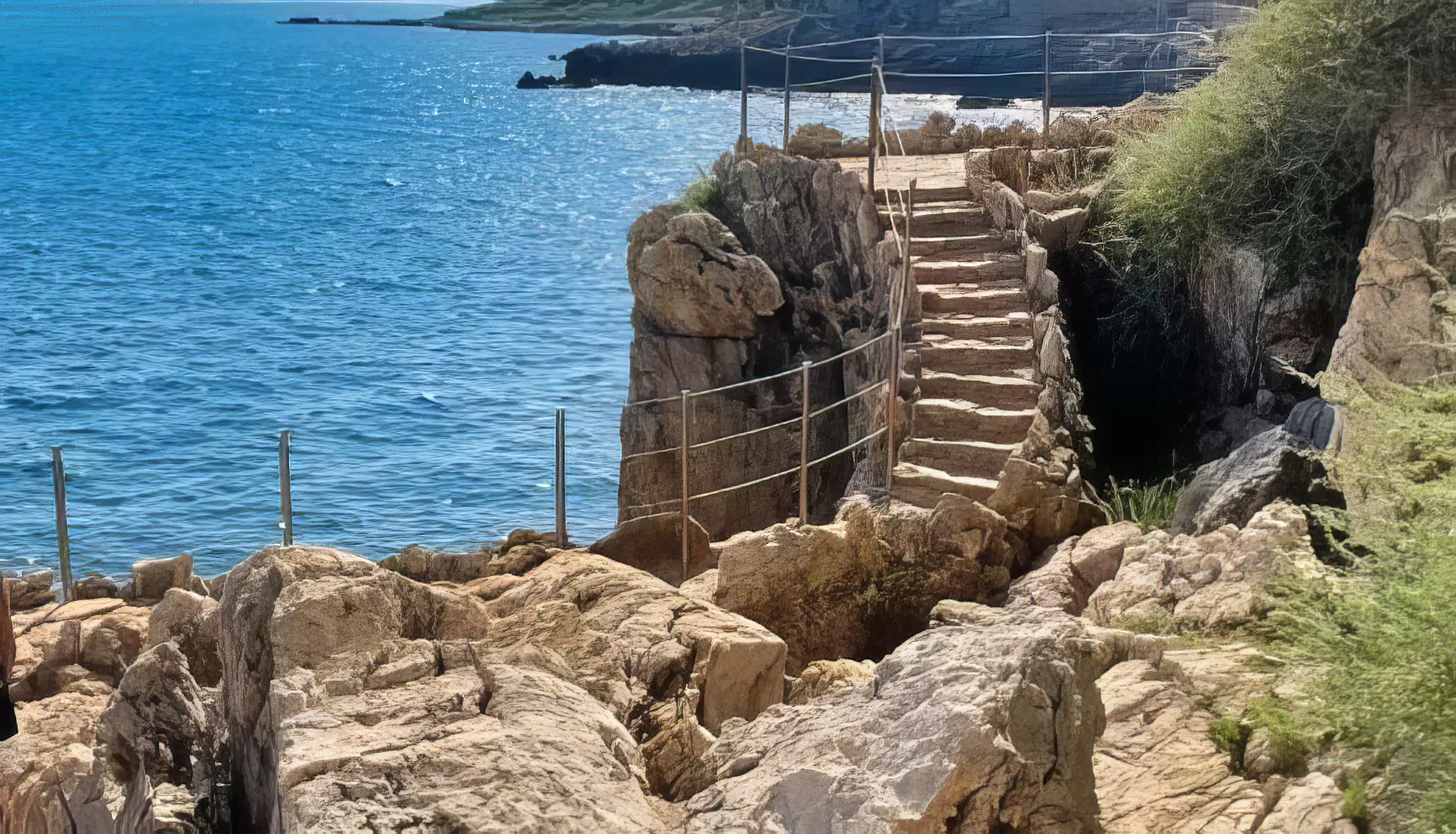
In Antibes, travelers can enjoy coastal walks, historic sites, and unique local markets.
– Cap d'Antibes Coastal Walk: Scenic trail offering views of the Mediterranean Sea and luxurious villas.
– Picasso Museum: Explore works by Picasso in a historic château.
– Provençal Market: Experience local flavors and crafts in the Old Town.
– Marineland: Visit Europe's largest marine park with dolphin and orca shows.
– Fort Carré: Tour a well-preserved 16th-century fortress with panoramic views.
Cuisine
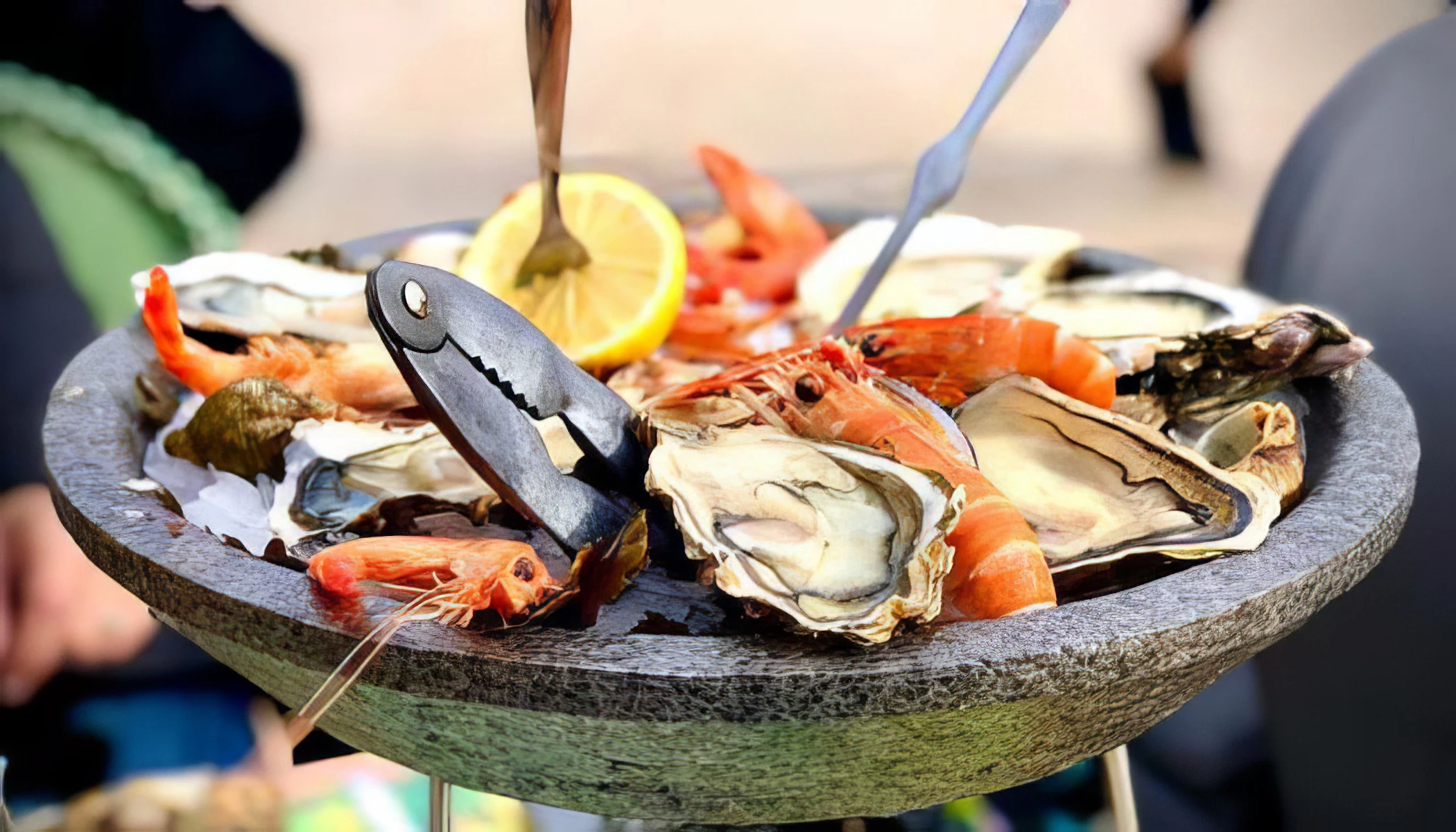
The city offers a blend of traditional Provençal cuisine and fresh Mediterranean seafood, reflecting its coastal location. Some of the city's most famous dishes include:
– Bouillabaisse: A traditional Provençal fish stew with various types of seafood and aromatic herbs.
– Socca: A chickpea flour pancake, crispy on the outside and soft inside, often enjoyed as a snack.
– Ratatouille: A vegetable stew made with tomatoes, zucchini, eggplant, and bell peppers, seasoned with herbs.
– Pissaladière: A savory tart topped with caramelized onions, anchovies, and olives.
– Tarte Tropézienne: A dessert made of brioche filled with a rich cream, originating from nearby Saint-Tropez.
– Pan Bagnat: A sandwich made with tuna, hard-boiled eggs, olives, and vegetables, drizzled with olive oil.
Shopping
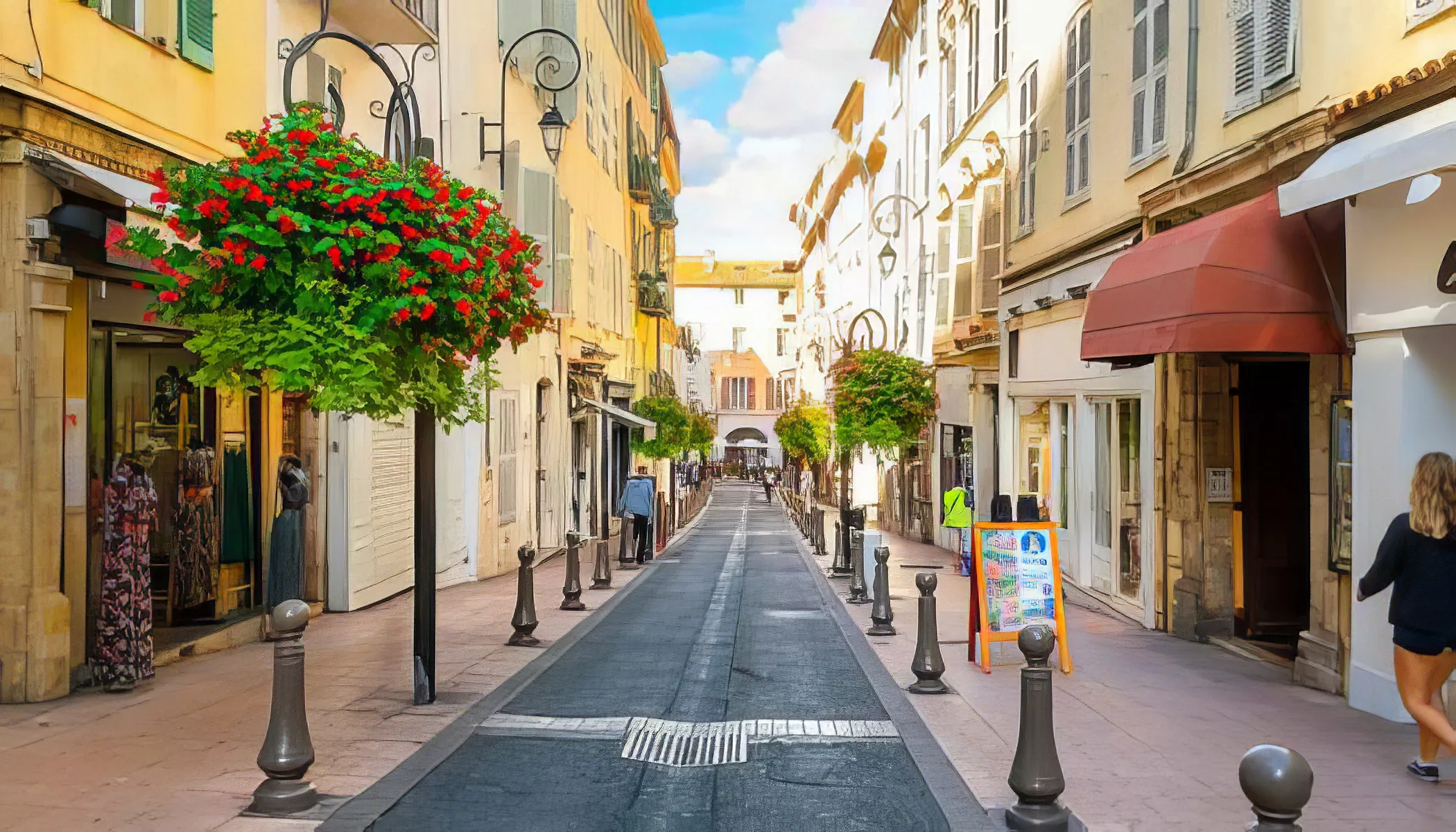
Explore the local markets for artisanal products like handmade soaps and lavender sachets, which reflect the region's natural resources. The Old Town is filled with boutiques offering unique jewelry and Provençal fabrics, ideal for distinctive gifts. Consider purchasing local olive oil or tapenade for a taste of regional cuisine. Art lovers may appreciate a piece of local art or ceramics, showcasing the area's artistic heritage.
Arts & Culture
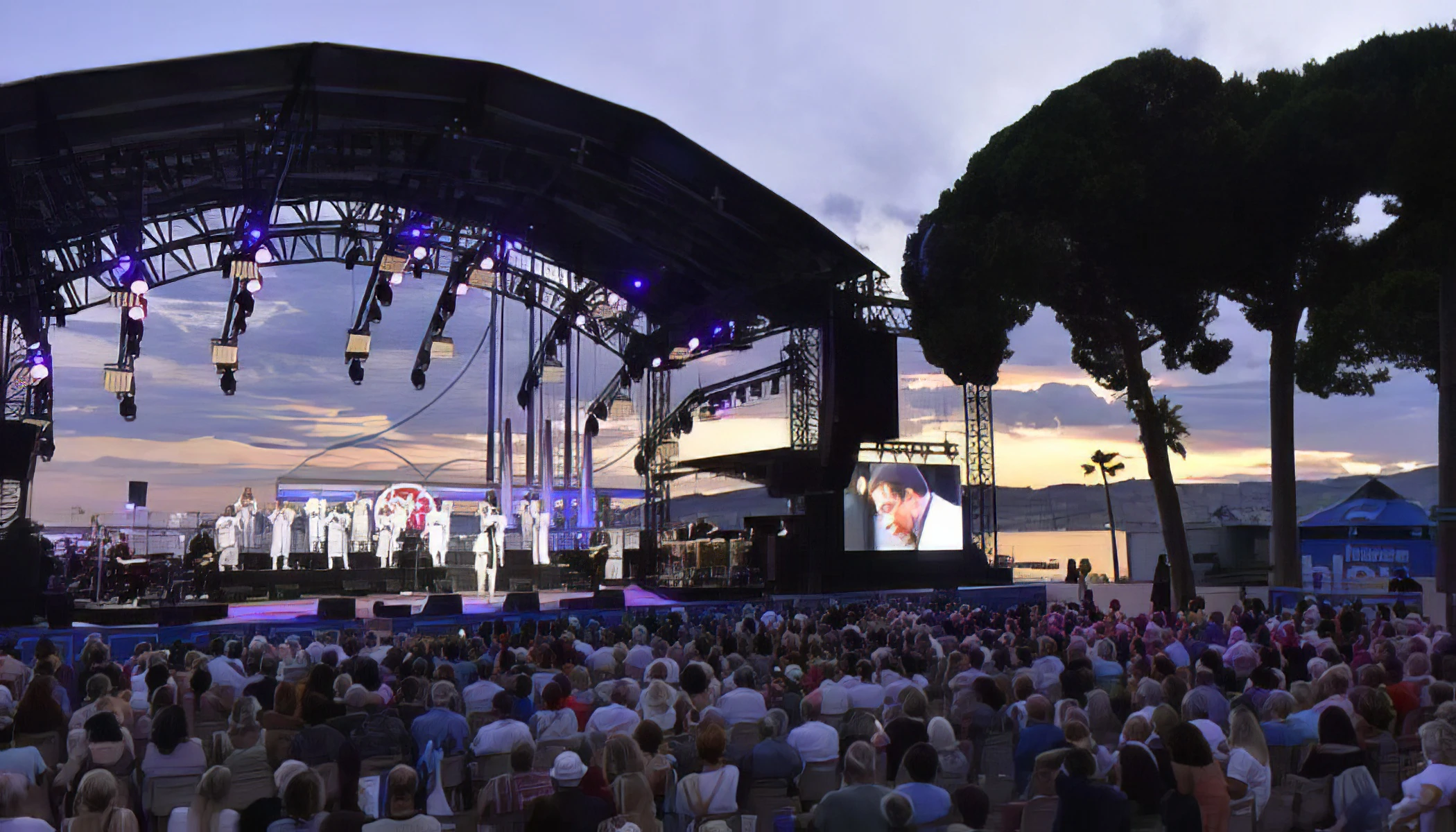
The city hosts the annual Jazz à Juan festival, one of Europe's oldest jazz festivals, attracting global musicians to its stages. The Picasso Museum, located in the Château Grimaldi, showcases an extensive collection of Picasso's works, as the artist spent six months living and working here. The Nomad Film Festival celebrates independent cinema, offering a platform for filmmakers to present their work. Additionally, the city is home to a lively local arts scene with numerous galleries and workshops dedicated to contemporary art.