

Vienna: Best Things to Do & Top Attractions
This capital city is known for its imperial history, classical music heritage, and beautiful cultural scene. It features historic architecture, museums, and coffee houses, making it a significant destination for tourists interested in art and history.
- Population
- 1.9 millions
- Size
- 414 square km
- Airport
- Vienna International – Int'l & 1 other
- Train Station
- Wien Hauptbahnhof & 4 others
- Subway
- Vienna U-Bahn
- Est. Visit Days
- 4 days
Overview
Vienna, the capital of Austria, is known for its rich history and cultural heritage. Pros include a high quality of life, efficient public transport, and numerous museums and historical sites. The city is also home to a attractive music scene and beautiful parks. On the downside, living costs can be high, particularly in central areas. Additionally, the weather can be quite variable, with cold winters and hot summers.
Traffic & Transport
The city boasts an extensive and efficient public transportation system, including trams, buses, and subways, making it easy to explore various attractions. The best way to navigate is by using the U-Bahn (subway) for quick travel across longer distances, while trams provide a scenic route through the city’s historic areas. Biking is also popular, with numerous rental stations available for those who prefer a more leisurely pace. Walking is highly encouraged in the compact city center, allowing visitors to enjoy its architecture and lively atmosphere. For reliable taxi services, local companies such as Taxi 31300 and Taxi 40100 are well-regarded. Additionally, popular taxi-booking apps like Bolt and Free Now operate in the area, providing convenient options for hailing a ride.
History
The city was part of the Roman Empire, serving as a military outpost. In the Middle Ages, it became a significant center for trade and commerce in Europe. The Habsburg dynasty ruled for centuries, leading to a rich cultural development, including art and music. It played a crucial role during both World Wars, facing occupation and changes in governance. Post-war, it emerged as a neutral city and an important hub for international diplomacy.
Itinerary Sample
Here is a suggested 4-day itinerary for exploring Vienna, Austria.
– First day: Visit Schönbrunn Palace and Gardens, explore the historic center, and see St. Stephen's Cathedral. Enjoy dinner at a local restaurant.
– Second day: Discover the MuseumsQuartier, visit the Kunsthistorisches Museum, and relax in the Burggarten park.
– Third day: Tour Belvedere Palace, see Gustav Klimt's "The Kiss," and stroll along the Ringstrasse to view iconic buildings.
– Fourth day: Explore the Vienna State Opera, visit Naschmarkt for lunch, and take a walk in Prater Park to see the Giant Ferris Wheel.
Near Excursion
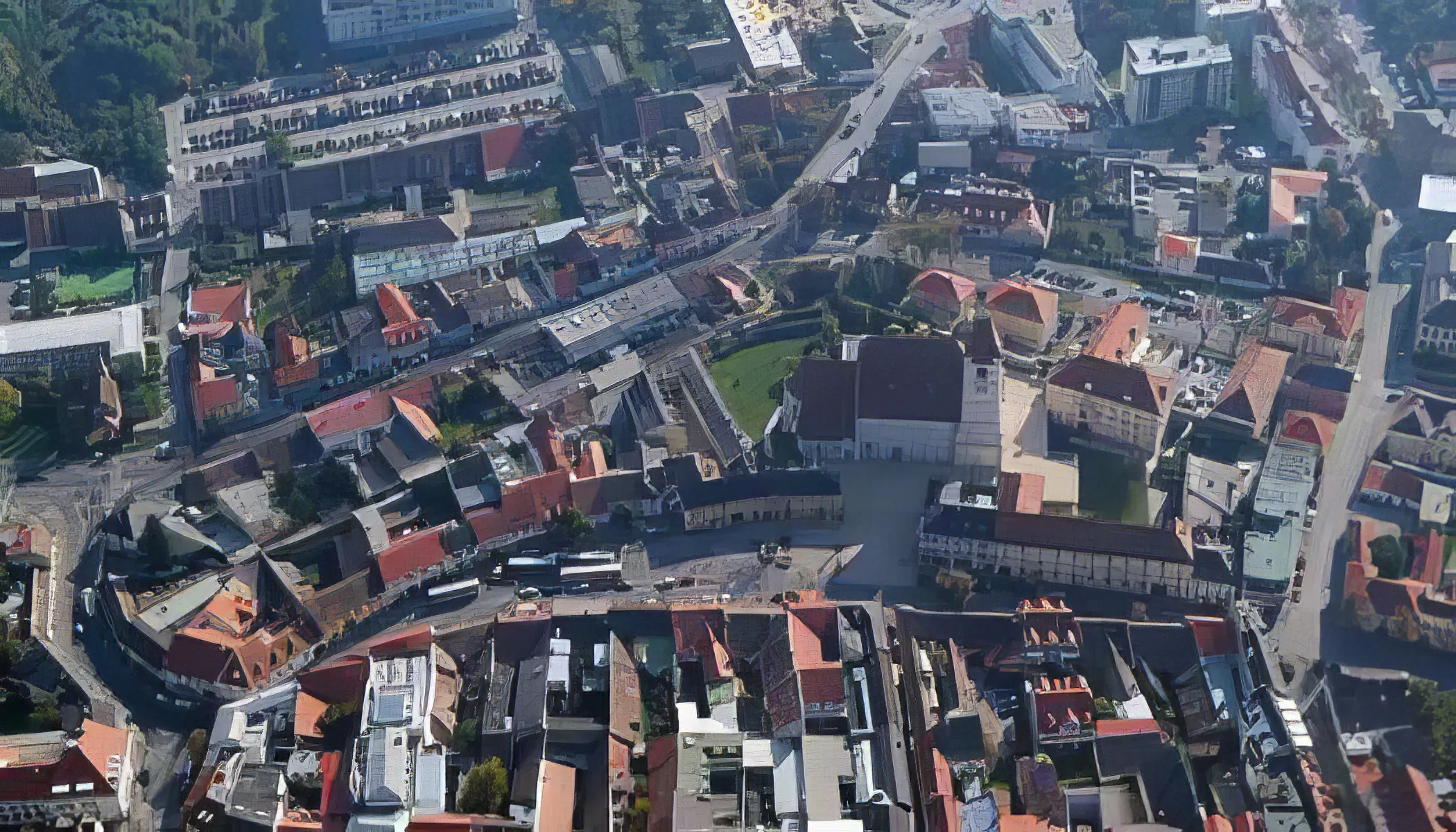
This city is a great starting point for several interesting day trips. Here are some suggestions:
– Kreuzenstein Castle at 30 km: A medieval castle offering fascinating architecture and sensational views of the surrounding area.
– Dürnstein at 80 km: A charming town in the Wachau Valley known for its beautiful landscapes and historic ruins.
– Eisenstadt at 60 km: The capital of Burgenland, rich in culture with the Esterházy Palace as a highlight.
– Melk Abbey at 85 km: A magnificent Benedictine monastery perched above the Danube River, known for its baroque architecture.
– Bratislava at 80 km: The capital of Slovakia offers charming old town streets and historical sites to explore.
Attraction
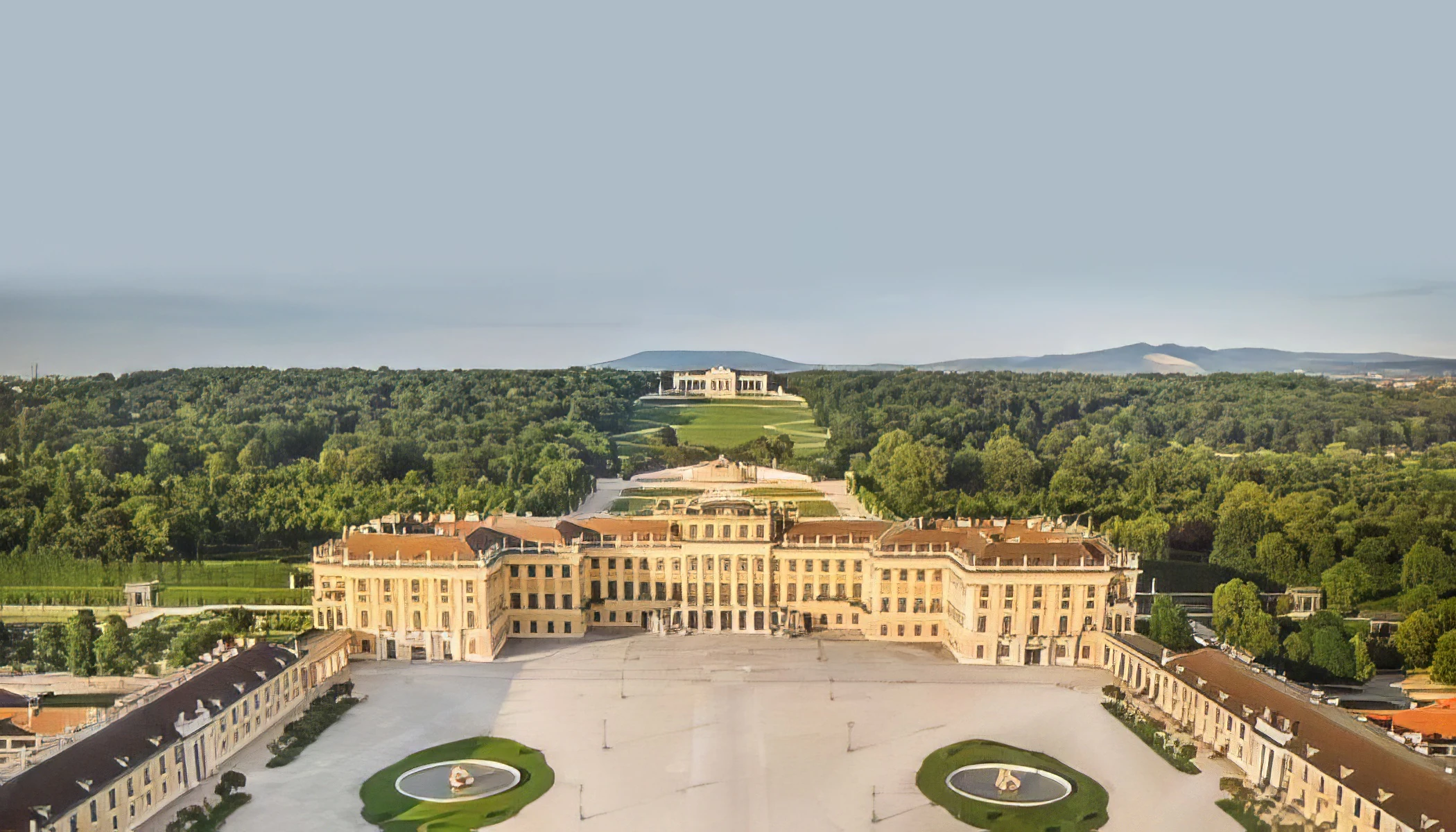
Known for its rich history and classical music heritage, the city offers many cultural and architectural attractions.
– Schönbrunn Palace: A former imperial summer residence with exquisite gardens and a glimpse into royal life.
– St. Stephen's Cathedral: A Gothic masterpiece with stunning architecture and panoramic views from its tower.
– Belvedere Palace: Houses an impressive art collection, including works by Klimt, in a beautiful baroque setting.
– Hofburg Palace: The former imperial palace now serves as the official residence of the President.
– Vienna State Opera: Renowned for world-class performances in a grand historic building.
– Prater Park: Features the iconic Giant Ferris Wheel and various leisure activities.
Activity
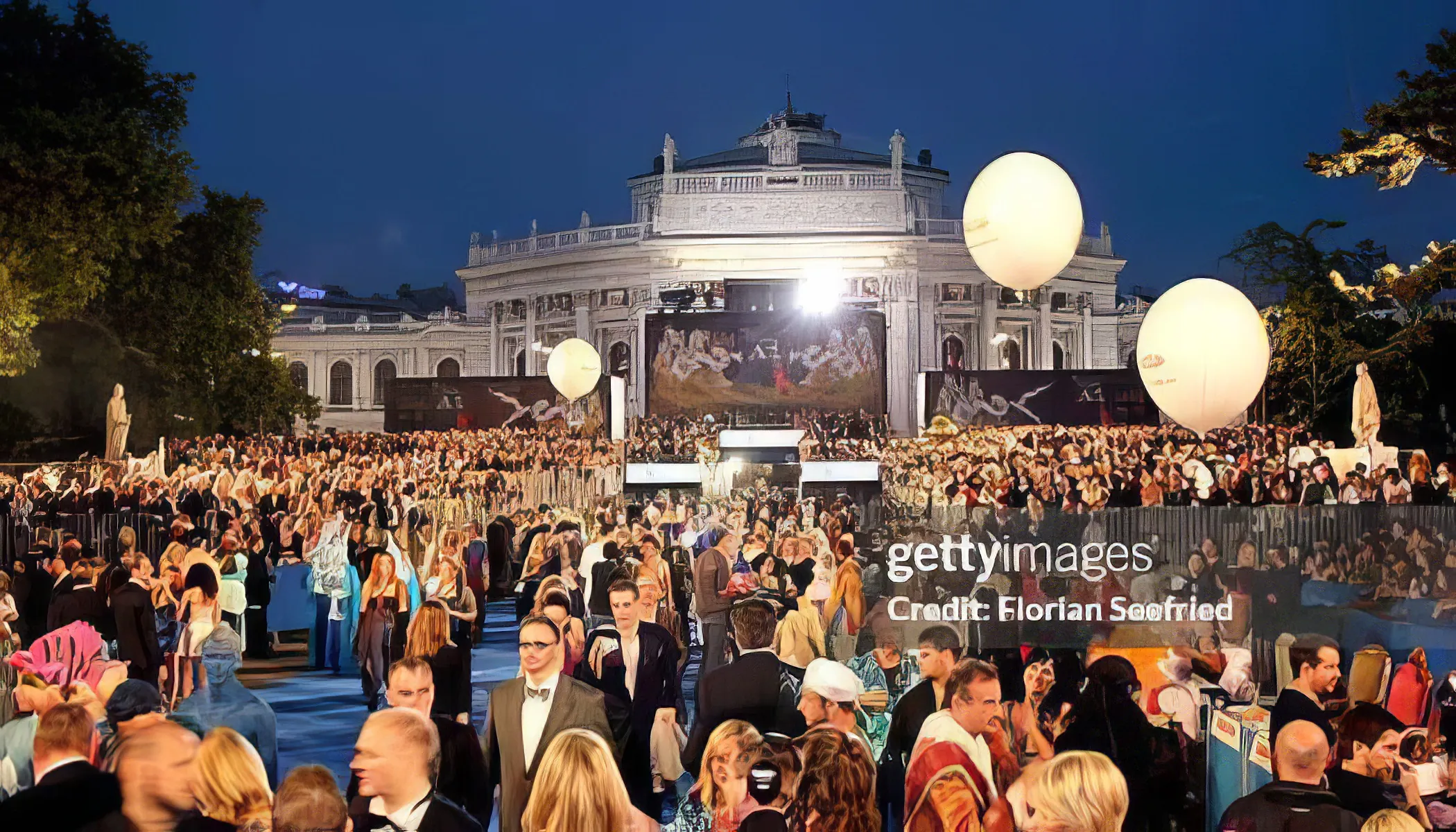
Vienna offers a mix of historical sites, parks, and unique cultural experiences for travelers to explore and enjoy.
– Wine Tasting in the Vineyards: Experience local wine production with tastings in the scenic vineyards surrounding Vienna.
– Danube River Cruise: Enjoy views of the city while cruising along the Danube River on a relaxing boat ride.
– Explore Vienna's Hidden Courtyards: Discover lesser-known courtyards filled with charm and history throughout the city.
– Attend an Outdoor Concert: Experience live music performances in various outdoor locations during the summer months.
– Visit a Traditional Heuriger: Dine at a traditional wine tavern to taste local dishes and wines in a relaxed setting.
Cuisine

The city offers a rich culinary heritage, blending traditional Austrian flavors with international influences. Some of the city's most famous dishes and desserts include:
– Wiener Schnitzel: Breaded and fried veal cutlet, typically served with a slice of lemon.
– Sachertorte: Dense chocolate cake layered with apricot jam and covered in chocolate glaze.
– Apfelstrudel: Classic pastry filled with spiced apples, raisins, and cinnamon.
– Tafelspitz: Boiled beef served with root vegetables and horseradish sauce.
– Kaiserschmarrn: Fluffy shredded pancake dusted with powdered sugar, often accompanied by fruit compote.
Shopping
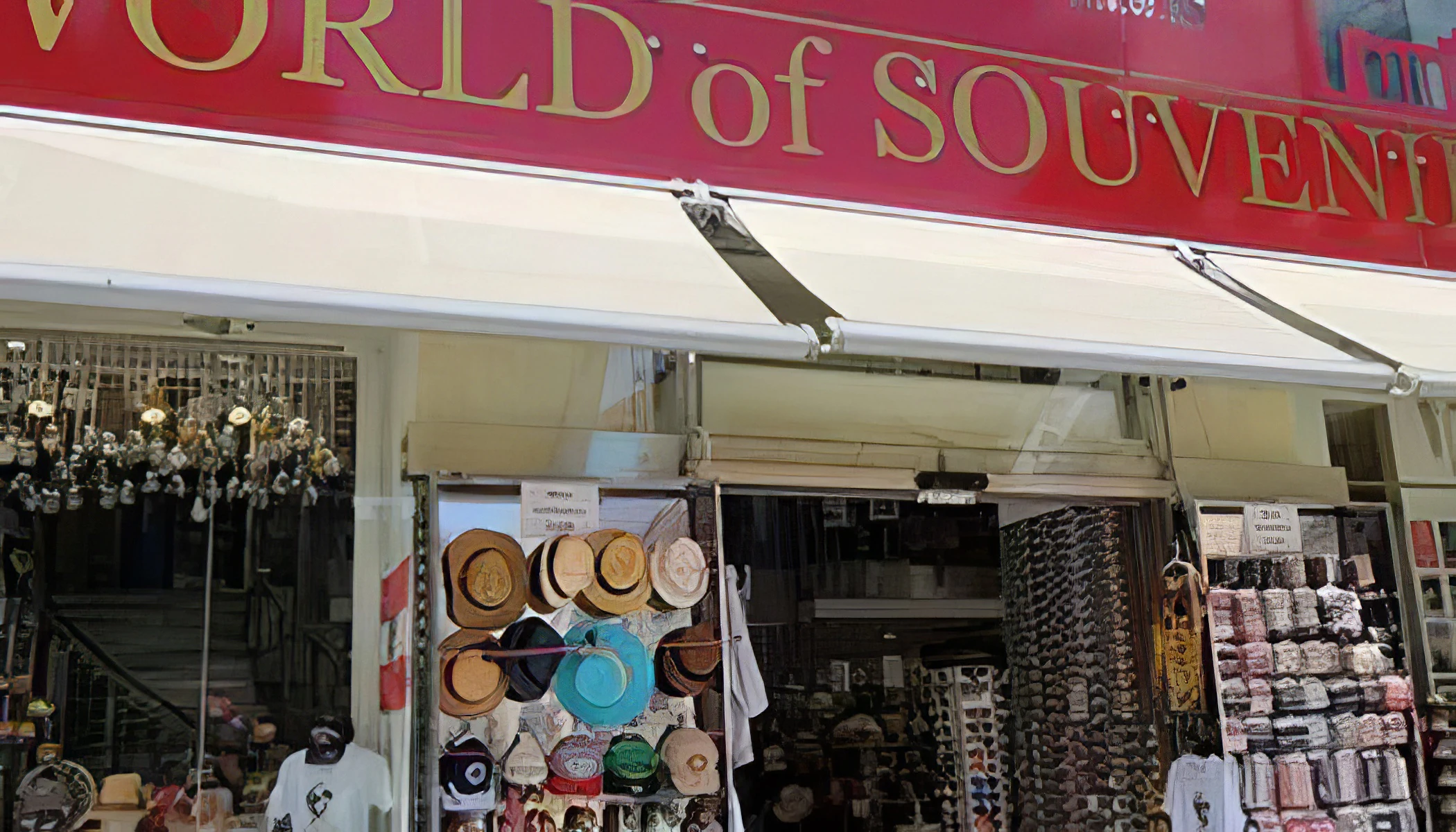
One popular shopping area is the Kärntnertor Theatre district, where you can find various boutiques and shops. A unique gift to consider is a piece of traditional Austrian crystal, known for its craftsmanship. Another option is local chocolates or sweets, which are widely available and make great souvenirs. Additionally, you can find high-quality leather goods in many stores. For art lovers, prints from local artists can be a meaningful memento. Overall, there are several options for interesting gifts in the city.
Arts & Culture
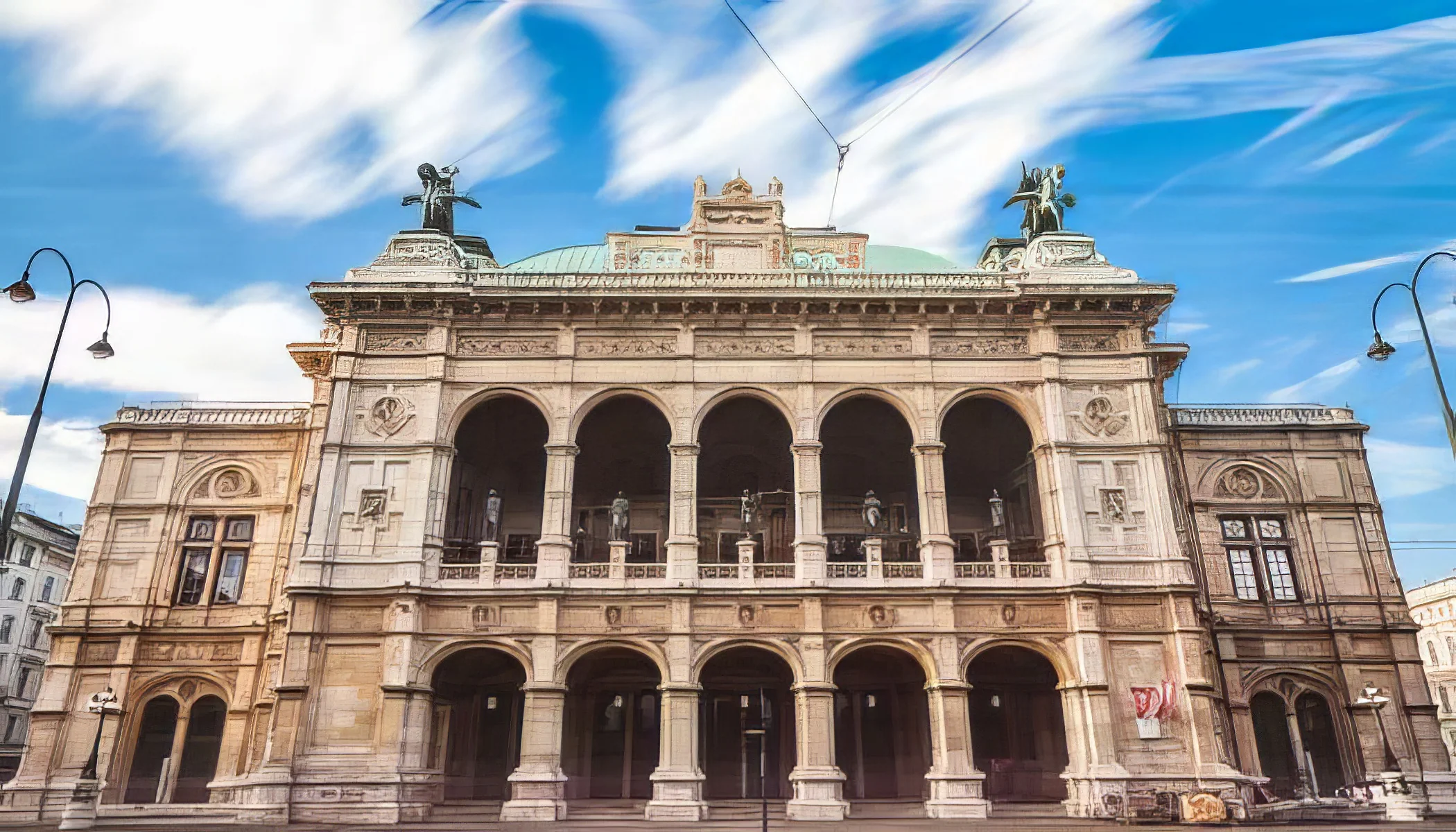
The city is known for its classical music heritage, being home to famous composers such as Beethoven and Strauss. The Vienna State Opera hosts numerous performances throughout the year, attracting opera lovers from around the world. Additionally, events like the Vienna Festival showcase a variety of artistic performances, including theater and dance. Museums such as the Kunsthistorisches Museum exhibit extensive art collections, highlighting works from various periods and styles.