

Sightseeing in Baden-Baden: Culture & Must‑See Spots
Located in the southwestern region, this spa town is known for its thermal baths, nice landscapes, and cultural offerings like the Festspielhaus, one of Europe's largest opera houses. It also features a casino and several museums.
- Population
- 54,000
- Size
- 140 square km
- Airport
- Karlsruhe/Baden-Baden – Int'l.
- Train Station
- Baden-Baden Hbf
- Est. Visit Days
- 2 days
Overview
Baden-Baden, a city in southwestern Germany, is renowned for its thermal baths and spa culture, making it a popular destination for wellness tourism. The city also boasts a rich cultural scene, with its famous Festspielhaus and numerous art galleries. However, Baden-Baden can be quite expensive, which might deter budget travelers. Additionally, its small size means that visitors looking for a dynamic metropolis might find it lacking in terms of urban activities. Despite this, the city's beautiful natural surroundings, including the Black Forest, offer opportunities for outdoor recreation.
Traffic & Transport
The city's compact size and well-maintained roads make it ideal for exploring by foot, especially in the central area where most of the tourist attractions are located. For longer distances, buses are a convenient option, with a reliable network that covers the main areas of interest. Bicycles are also a popular choice, offering visitors a more active way to see the city and its surrounding areas. However, it's important to note that traffic can be heavier during peak tourist seasons, particularly around major sights. For those preferring to use taxi services, several reliable companies operate in the city. Additionally, the use of taxi-booking apps like MyTaxi provides a convenient way to hail a cab directly from your smartphone, ensuring easy access to transportation at any time.
History
Originally a Roman settlement known for its thermal baths, the city was called Aquae ("waters") Aureliae in ancient times. It flourished as a spa town during the 19th century, attracting European nobility and royalty. The city was a site of fierce battles during the Thirty Years' War in the 17th century and was later occupied by French troops in the 17th and 18th centuries. It became a part of the Grand Duchy of Baden in the early 19th century, which significantly influenced its development as a cultural and artistic center. The city's economy historically thrived on tourism, particularly for its healing thermal waters, and it also became known for its elegant architecture and cultural events.
Itinerary Sample
Here's a 2-day itinerary to explore Baden-Baden, Germany:
– First day: Visit the Lichtentaler Allee and the Museum Frieder Burda. Relax at the Caracalla Spa in the afternoon.
– Second day: Explore the Baden-Baden Casino in the morning. In the afternoon, take a trip to the nearby Black Forest.
Near Excursion
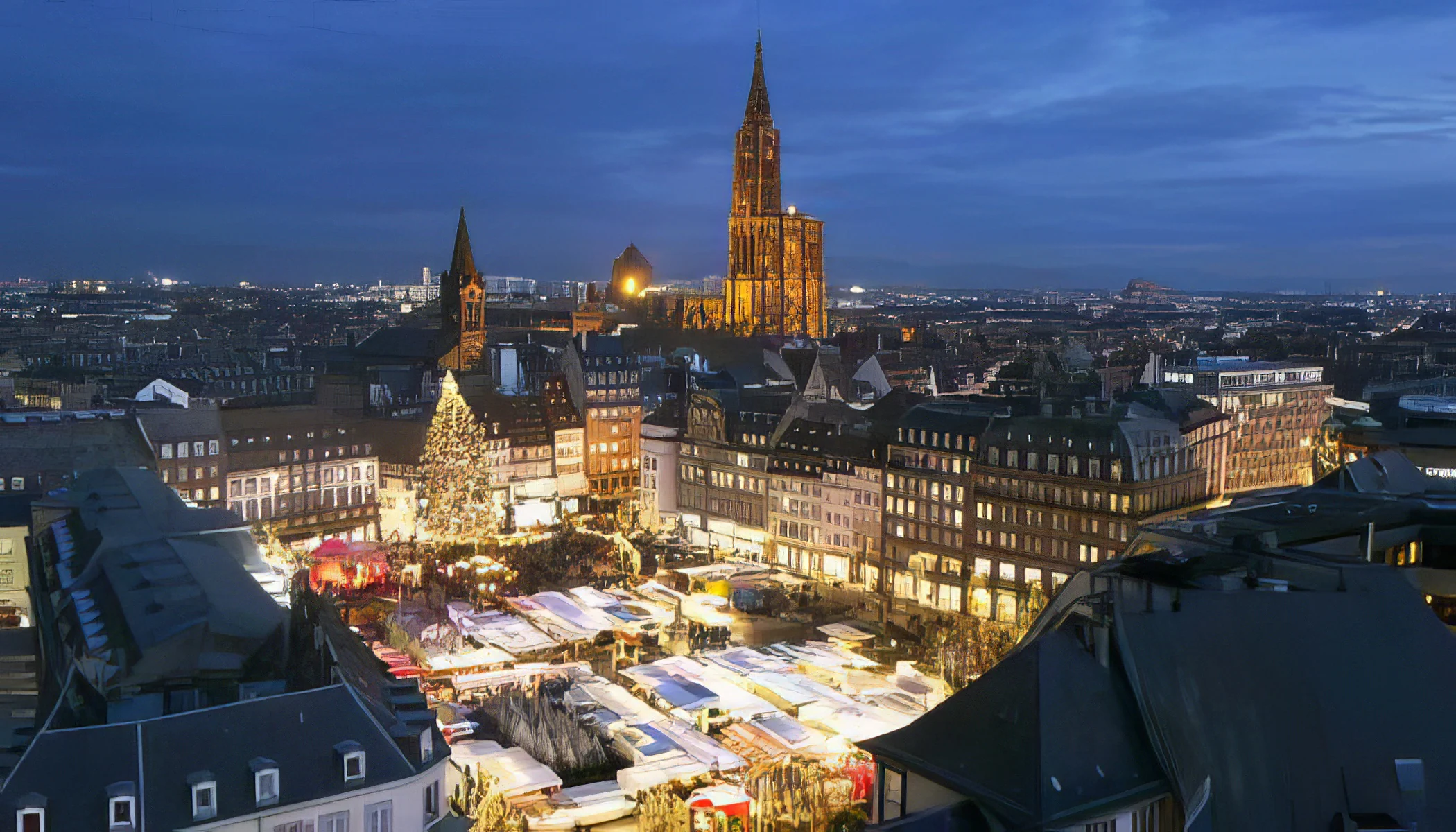
This city is a great starting point for several exciting day trips. Here are some suggestions:
– Strasbourg at 60 km: Explore the charming Old Town and the beautiful Strasbourg Cathedral.
– Heidelberg at 90 km: Visit the historic Heidelberg Castle and stroll along the lovely Philosopher's Walk.
– Black Forest at 40 km: Enjoy scenic drives, hiking trails, and traditional German villages.
– Karlsruhe at 30 km: Discover the Karlsruhe Palace and its beautiful surrounding gardens.
– Triberg at 120 km: See the famous Triberg Waterfalls and visit the Black Forest Museum.
Attraction
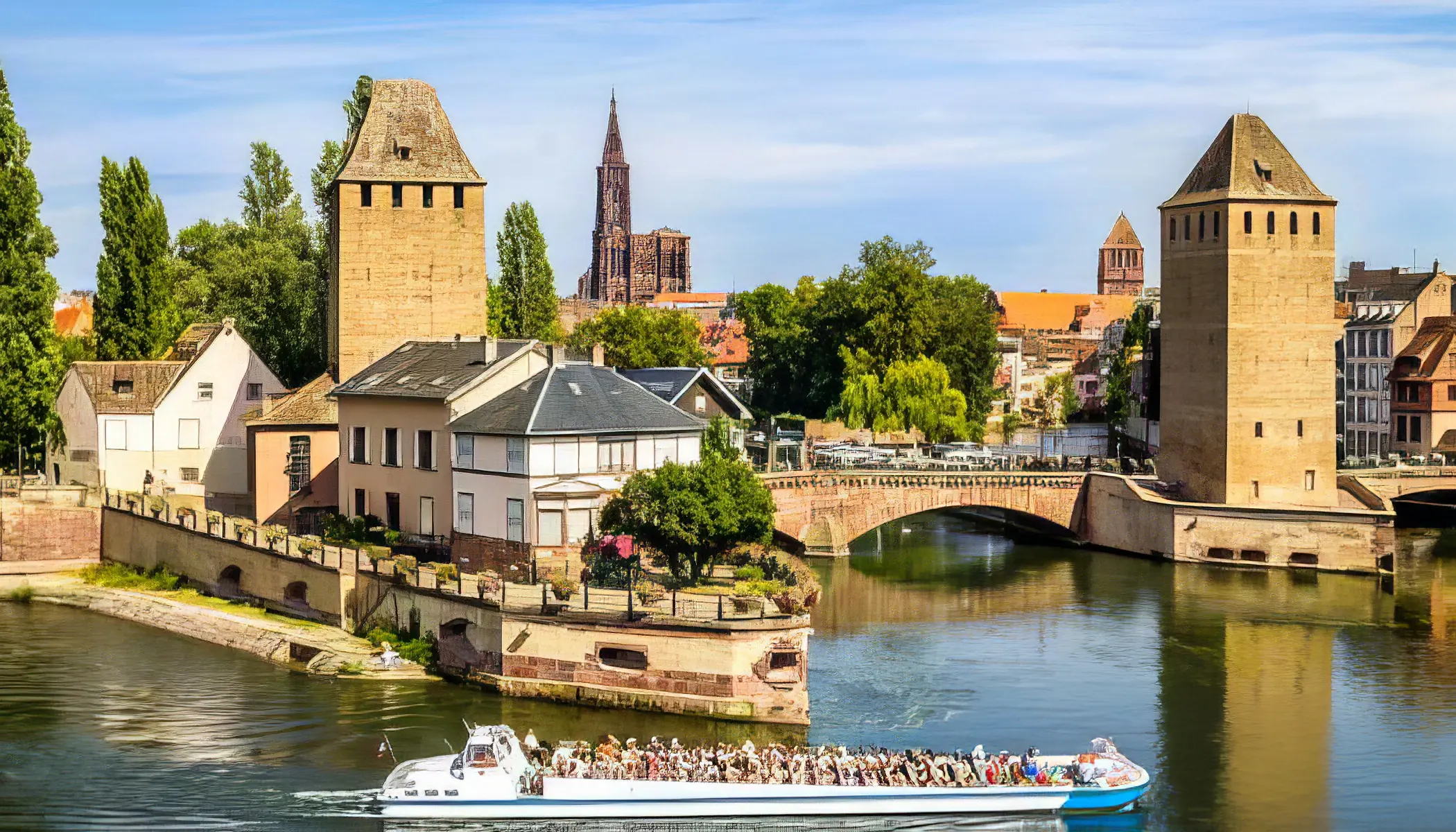
Known for its thermal baths, beautiful parks, and cultural attractions, this city offers a relaxing and enriching experience for tourists.
– Caracalla Spa: A modern thermal bath complex with indoor and outdoor pools, saunas, and wellness treatments.
– Friedrichsbad: A historic Roman-Irish bathhouse offering a unique 17-step bathing ritual.
– Lichtentaler Allee: A charming park and arboretum perfect for leisurely walks and picnics.
– Festspielhaus: One of Europe's largest opera and concert houses, hosting world-class performances.
– Museum Frieder Burda: An art museum featuring modern and contemporary works in a striking building.
– Merkur Mountain: Accessible by funicular, it offers hiking trails and panoramic views from the summit.
Activity
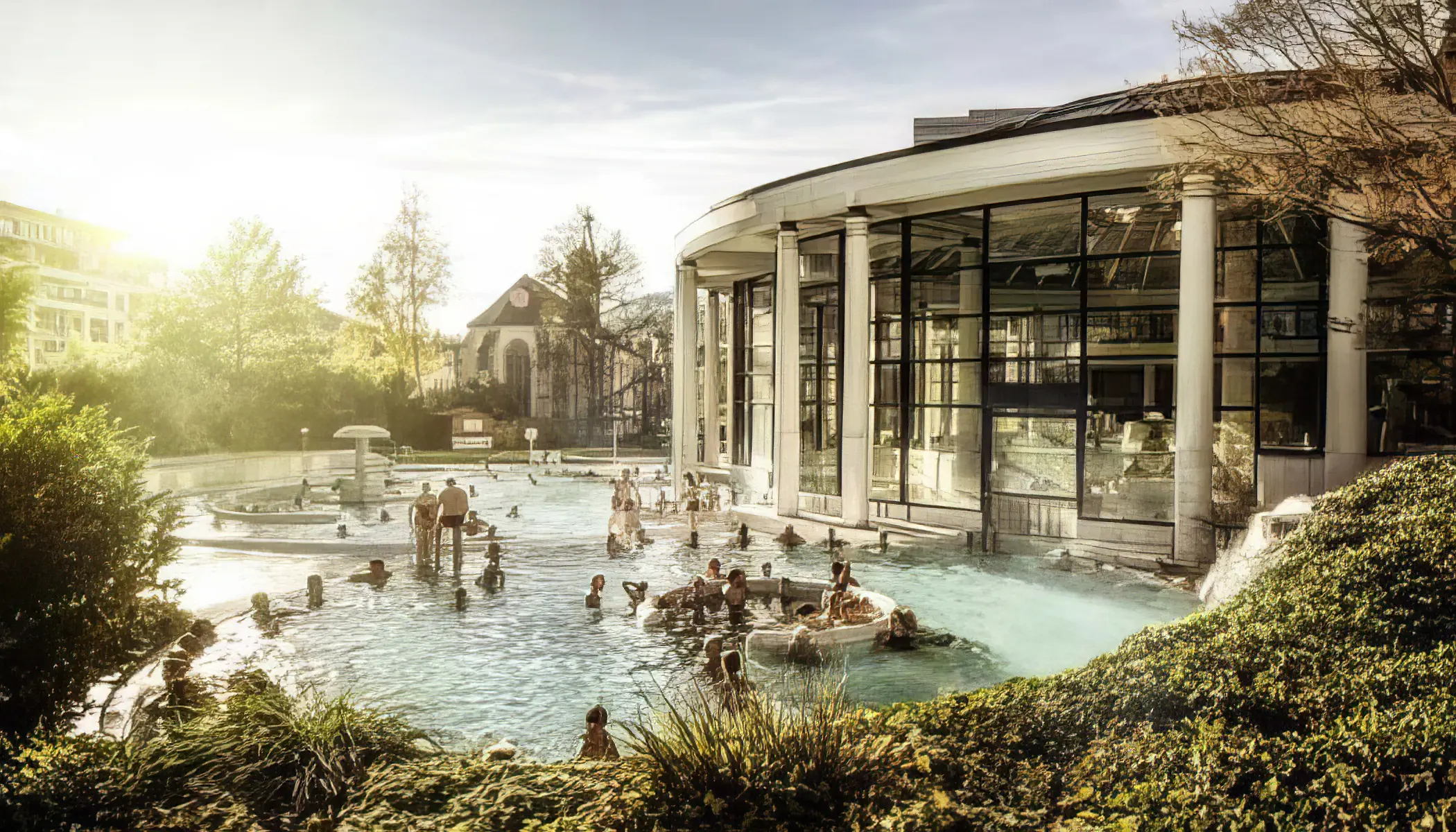
In Baden-Baden, travelers can enjoy thermal baths, scenic walks, and cultural events in a gorgeous setting.
– Caracalla Spa: Relax in thermal waters with various pools and saunas.
– Lichtentaler Allee: Stroll through a beautiful park with impressive tree-lined avenues.
– Merkur Mountain: Hike or take a funicular to enjoy panoramic views of the city and Black Forest.
– Festspielhaus: Attend world-class performances in one of Europe's largest opera and concert halls.
– Black Forest National Park: Explore nearby trails and wildlife in this scenic natural reserve.
Cuisine

The city offers a blend of traditional German cuisine and fine dining experiences, influenced by its location in the Black Forest region. Some of the city's most famous dishes include:
– Maultaschen: German dumplings filled with meat, spinach, and onions, often served in broth.
– Black Forest Cake: A rich chocolate cake layered with cherries and whipped cream.
– Spätzle: Soft egg noodles typically served as a side dish with meat or gravy.
– Flammkuchen: Thin, crispy flatbread topped with crème fraîche, onions, and bacon.
– Sauerbraten: Marinated pot roast, usually served with red cabbage and potato dumplings.
– Apple Strudel: A pastry filled with spiced apples, raisins, and often served with vanilla sauce.
Shopping
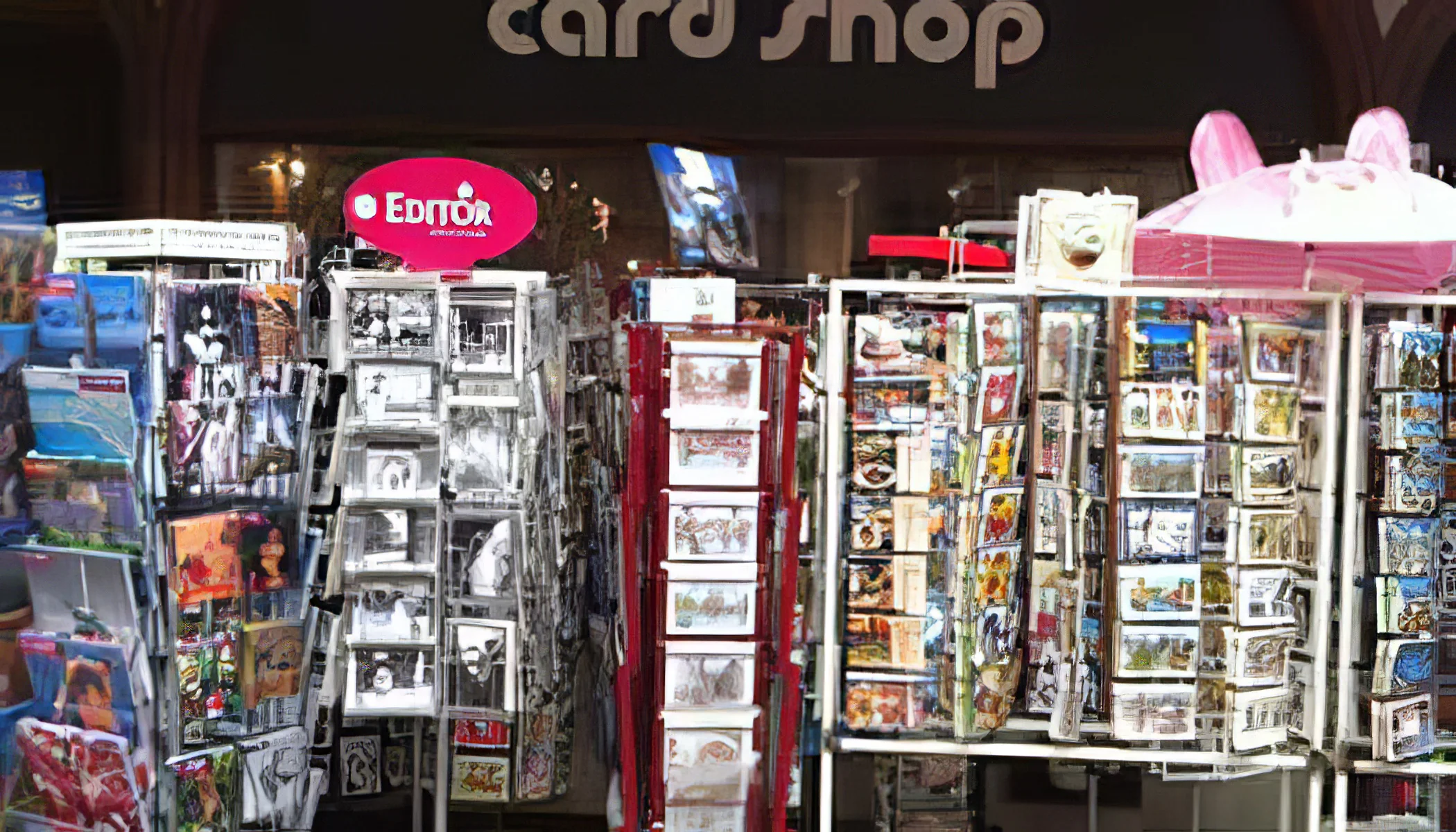
For a unique shopping experience, explore the boutiques and shops along the sophisticated Lichtentaler Strasse. Here, you can find a variety of high-end fashion, jewelry, and art galleries. A popular gift to purchase is traditional German handicrafts, such as cuckoo clocks or hand-painted beer steins, which are available in several local shops. Additionally, the thermal bath salts, available in many local spas, make for a thoughtful and relaxing gift. The weekly market at the Augustaplatz is also a great spot to find local foods and handmade items.
Arts & Culture
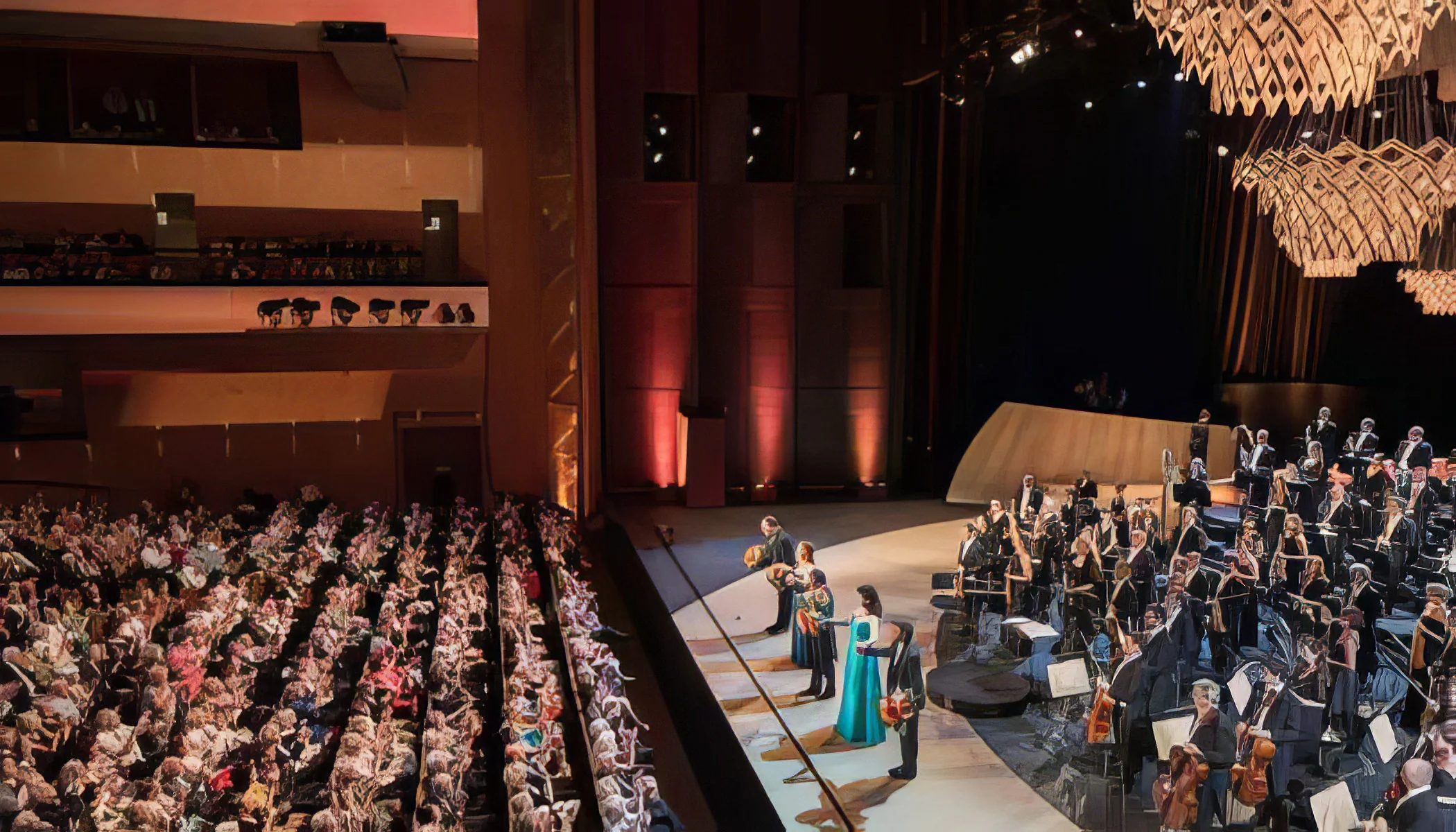
The city hosts the Festspielhaus, one of Europe's largest opera houses and concert halls, which presents a year-round program of opera, ballet, and classical music performances. The Museum Frieder Burda focuses on modern and contemporary art, with works by Picasso, Pollock, and Gerhard Richter. Each July, the city comes alive with the annual Sommerfestspiele, a festival featuring a range of high-profile classical music concerts and performances. Additionally, the city's rich literary history is celebrated at the Stadtbibliothek, which hosts various cultural events and exhibitions.