

Belgrade: Best Things to Do & Top Attractions
This city is the capital and largest urban area in its country. It lies at the confluence of two rivers and has a rich history, featuring various architectural styles, cultural landmarks, and lively nightlife.
- Population
- 1.2 millions
- Size
- 359 square km
- Airport
- Nikola Tesla – Int'l
- Train Station
- Glavna stanica.
- Est. Visit Days
- 3 days
Overview
Belgrade, the capital of Serbia, is known for its rich history and remarkable nightlife. Pros include a diverse cultural scene, affordable cost of living, and friendly locals. However, it faces challenges such as traffic congestion and limited public transportation options. The city also has areas with outdated infrastructure. Overall, Belgrade offers a mix of opportunities and drawbacks for visitors and residents alike.
Traffic & Transport
The city features a well-developed public transportation system, including buses, trams, and trolleybuses, which are efficient for exploring various attractions. For a more intimate experience, bicycles can be rented in several locations, allowing visitors to navigate the scenic routes at their own pace. Walking is also a great option in the central areas, where many sights are within easy reach. Overall, using public transit combined with walking or cycling offers an excellent way to experience the local atmosphere. For reliable taxi services, companies such as "BeoTaxi" and "Pink Taxi" are widely used and trusted by locals. Additionally, popular taxi-booking apps like "CarGo" provide a convenient way for tourists to request rides directly from their smartphones.
History
This city has a long history of conquest and change in ownership, influenced by various empires including the Romans, Byzantines, and Ottomans. It served as a strategic military and trade center due to its location at the confluence of the Sava and Danube rivers. The city witnessed significant conflicts, notably during the Balkan Wars and both World Wars. In 1945, it became the capital of socialist Yugoslavia, shaping its cultural landscape. Today, it reflects a mix of Eastern and Western influences in its architecture and traditions.
Itinerary Sample
Here is a 3-day itinerary for exploring Belgrade, Serbia.
– First day: Visit Kalemegdan Fortress and park, explore Knez Mihailova Street for shopping, and enjoy dinner at Skadarlija, the bohemian quarter.
– Second day: Tour the Church of Saint Sava, visit Nikola Tesla Museum, and relax at Ada Ciganlija lake in the afternoon.
– Third day: Discover the Museum of Yugoslavia, stroll through Tasmajdan Park, and end with a river cruise on the Sava or Danube rivers.
Near Excursion
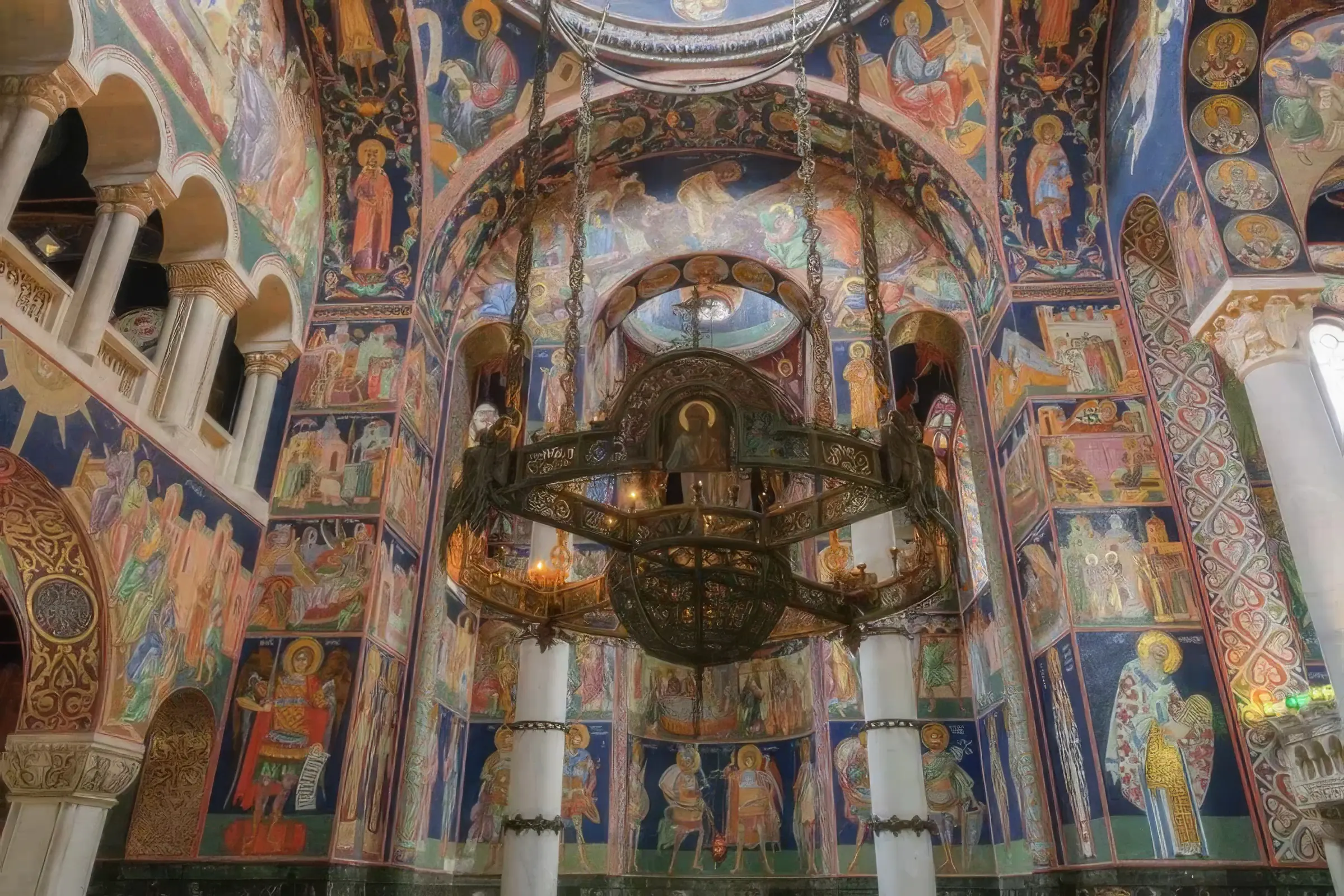
This city offers a variety of day-trip options within a short drive. Here are some suggestions:
– Sremski Karlovci at 80 km: A charming town known for its baroque architecture and wine production.
– Novi Sad at 95 km: Home to the Petrovaradin Fortress and energetic cultural scene.
– Oplenac at 80 km: Famous for the royal mausoleum and beautiful church of St. George.
– Viminacium at 90 km: An archaeological site showcasing ancient Roman ruins and history.
– Golubac Fortress at 130 km: A medieval fortress located on the banks of the Danube River, offering stunning views.
Attraction
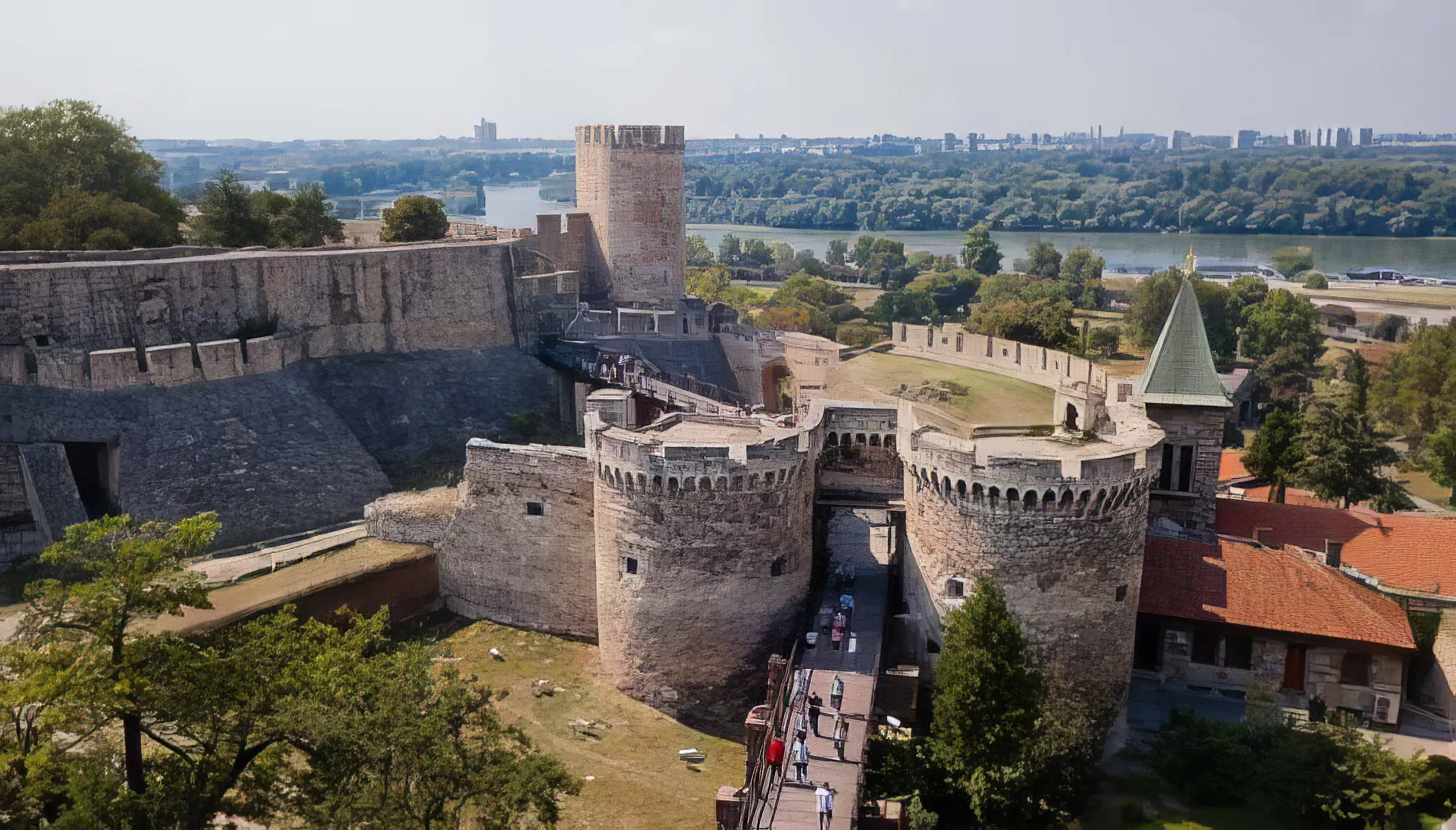
The city offers a mix of historical sites, dynamic culture, and lively nightlife.
– Kalemegdan Fortress: Explore ancient fortifications with panoramic views where the Danube and Sava rivers meet.
– Knez Mihailova Street: Stroll along this dynamic pedestrian zone lined with shops, cafes, and historic architecture.
– Skadarlija: Experience the bohemian charm of cobblestone streets with traditional restaurants and street performers.
– Saint Sava Temple: Visit one of the largest Orthodox churches in the world with impressive interior mosaics.
– Nikola Tesla Museum: Discover the life and inventions of the famous scientist through interactive exhibits.
– Ada Ciganlija: Enjoy outdoor activities at this popular river island known for its beaches and recreational facilities.
Activity
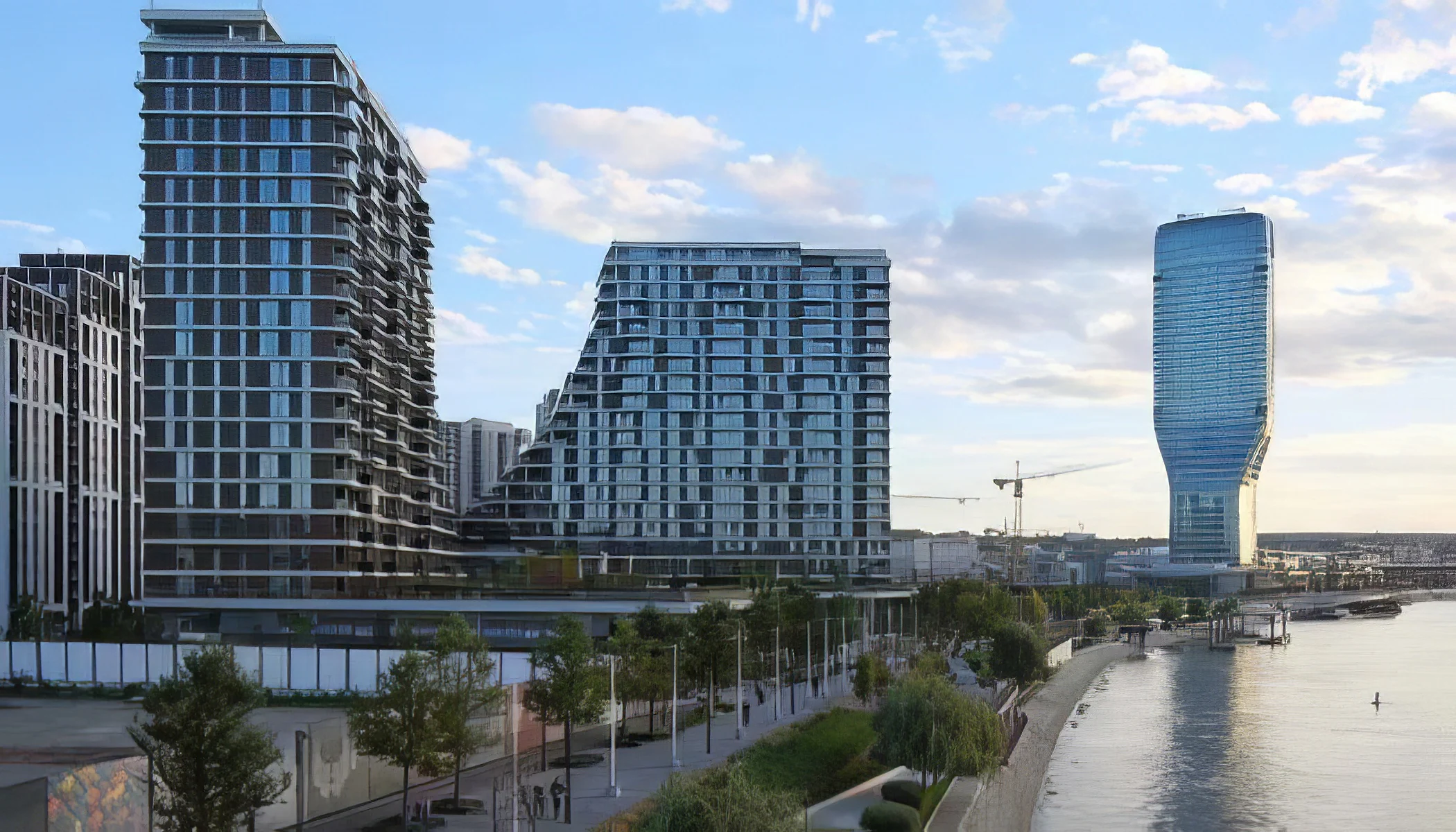
In Belgrade, travelers can explore magnificient neighborhoods, enjoy local cuisine, and experience nightlife along the Sava and Danube rivers.
– Skadarlija: A historic bohemian street with traditional restaurants and live music, offering a glimpse into Serbian culture.
– Ada Ciganlija: An island on the Sava River known for its beaches, water sports, and outdoor activities.
– Kalemegdan Fortress: A historic site with beautiful views of the confluence of the Sava and Danube rivers.
– Belgrade Waterfront: A modern area featuring parks, promenades, shops, and dining options along the riverbank.
– River Cruises: Enjoy scenic boat rides on the Sava or Danube rivers while taking in the city’s skyline.
Cuisine
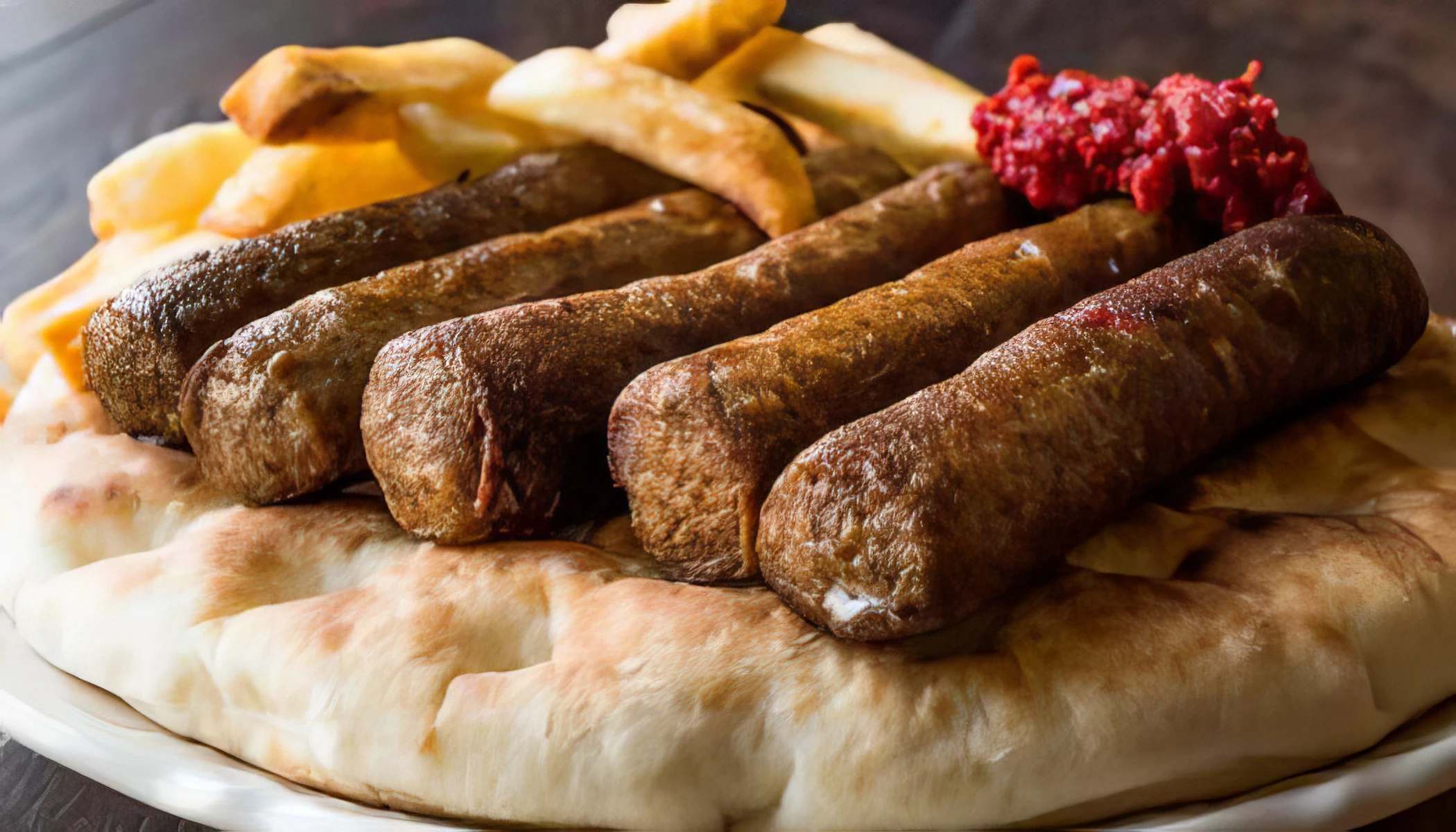
The city offers a mix of traditional Balkan cuisine and modern influences, with hearty meals and pretty flavors. Some of the city's most famous dishes include:
– Ćevapi: Grilled minced meat sausages served with flatbread, onions, and ajvar.
– Pljeskavica: Large grilled meat patty often compared to a burger, served with various toppings.
– Sarma: Cabbage rolls stuffed with minced meat and rice, often cooked in tomato sauce.
– Kajmak: Creamy dairy spread similar to clotted cream, enjoyed as a condiment or topping.
– Ajvar: Roasted red pepper spread sometimes mixed with eggplant, served as a side dish.
– Vanilice: Small sandwich cookies filled with jam and dusted with powdered sugar.
Shopping
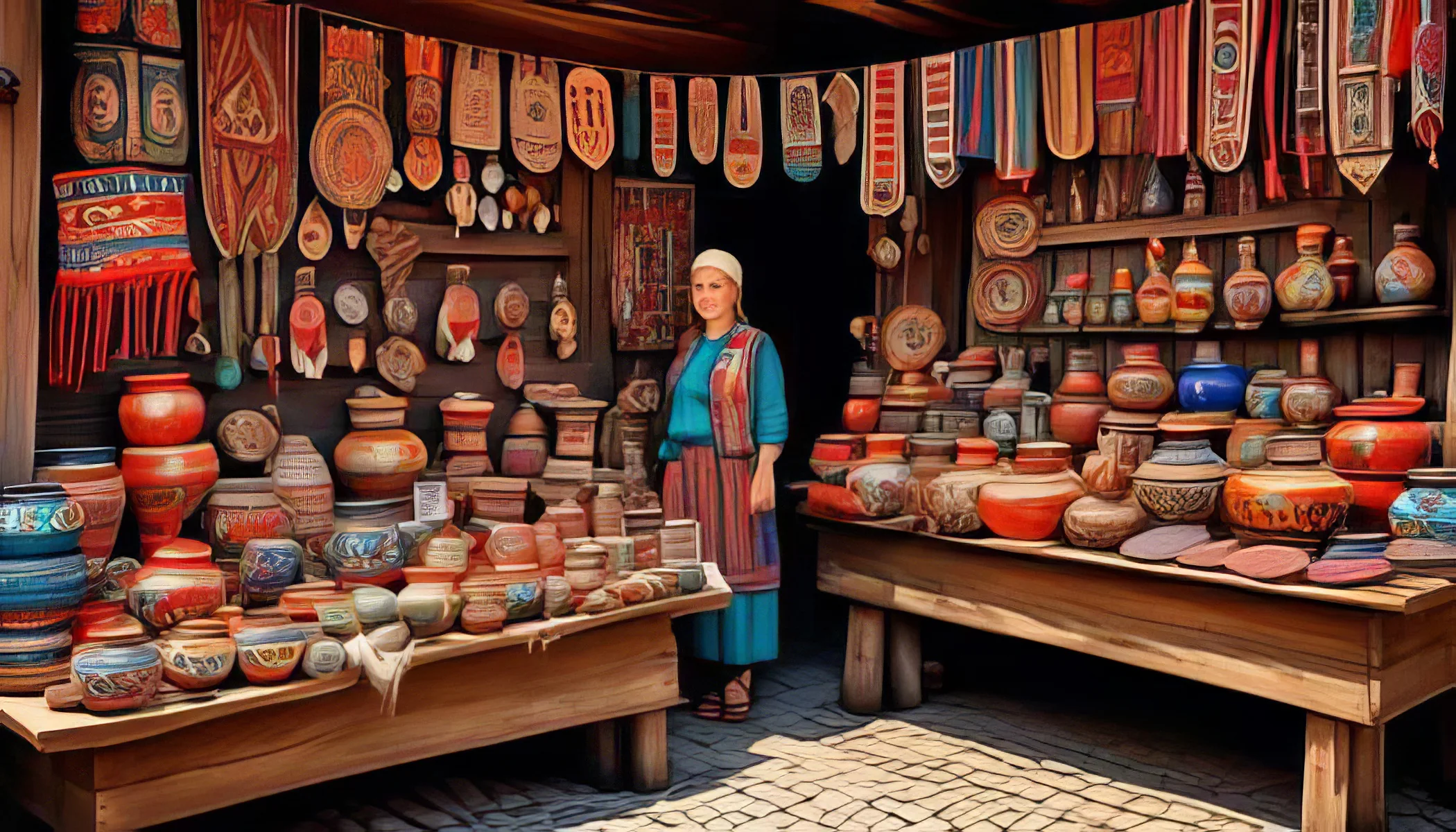
You can find unique handmade crafts at local markets. Traditional Serbian items like pottery and textiles make good gifts. Local food products, such as honey or homemade jams, are also popular. Look for shops selling rakija, a traditional fruit brandy. Art galleries often offer prints and artworks from local artists. These options provide a taste of the culture to take home.
Arts & Culture
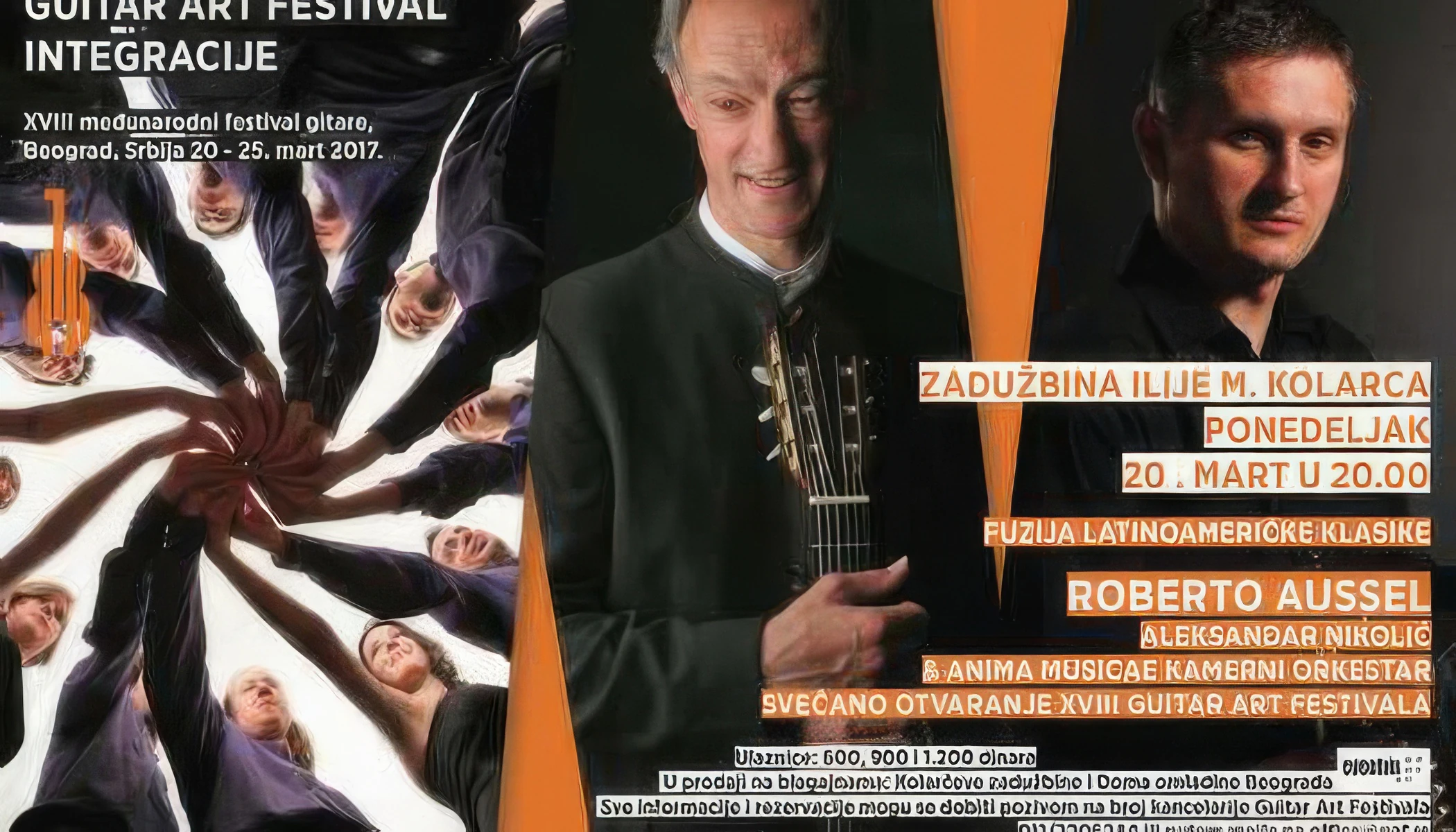
The city hosts the Belgrade Art Festival, which showcases contemporary art and performances from local and international artists. There are numerous galleries and museums, such as the Museum of Contemporary Art, featuring various exhibitions throughout the year. The city also has a beautiful music scene, with events like the BEMUS music festival highlighting classical music. Additionally, street art can be found in many neighborhoods, reflecting urban culture and creativity.