

Sightseeing in Boracay: Culture & Must‑See Spots
This small island is known for its white sandy beaches and clear blue waters. It offers various water sports, nightlife options, and accommodations ranging from budget to luxury. The area attracts both local and international tourists throughout the year.
- Airport
- Godofredo P. Ramos – Int'l & 1 other
- Est. Visit Days
- 4 days
Overview
Boracay is a small island in the Philippines known for its white sandy beaches and nice nightlife. Pros include beautiful scenery, a range of water activities, and various accommodation options. However, it can be crowded, especially during peak tourist seasons, and environmental concerns have been raised due to overdevelopment. Transportation on the island can also be challenging. Overall, Boracay offers both attractive features and some drawbacks for visitors.
Traffic & Transport
The island is known for its limited vehicular traffic, as most areas are best explored on foot or via small motorized vehicles called tricycles. Bicycles and electric scooters are also popular options for getting around, allowing tourists to enjoy the scenic views at a leisurely pace. For longer distances, such as trips to various beaches or attractions, hiring a private van or taking group shuttles is advisable. Overall, the compact layout encourages walking and environmentally friendly transport methods. Reliable taxi services include local operators that can be hailed directly in popular areas or booked through hotel concierges. While there may not be widespread taxi-booking apps, some visitors find success using ride-sharing platforms available in nearby larger cities before arriving on the island.
History
The area was originally inhabited by indigenous groups who practiced fishing and farming. In the late 19th century, Spanish colonial rule introduced Catholicism and new agricultural practices. After the Spanish-American War in 1898, control shifted to the United States, affecting local governance and development. The region's economy grew with the rise of tourism in the late 20th century, bringing both opportunities and challenges. Today, cultural influences from various periods are visible in local traditions and lifestyles.
Itinerary Sample
Here is a sample 4-day itinerary for exploring Boracay, Philippines:
– First day: Arrive in Boracay, check into your hotel, and relax on White Beach. Enjoy the sunset and have dinner at a beachfront restaurant.
– Second day: Go island hopping to explore nearby attractions like Crocodile Island and Puka Beach. Snorkeling opportunities are available during the tour.
– Third day: Participate in water sports such as parasailing or kite surfing. Spend the afternoon lounging on the beach or visiting local shops.
– Fourth day: Visit Mount Luho for panoramic views of Boracay. Enjoy some last-minute shopping before departing.
Near Excursion
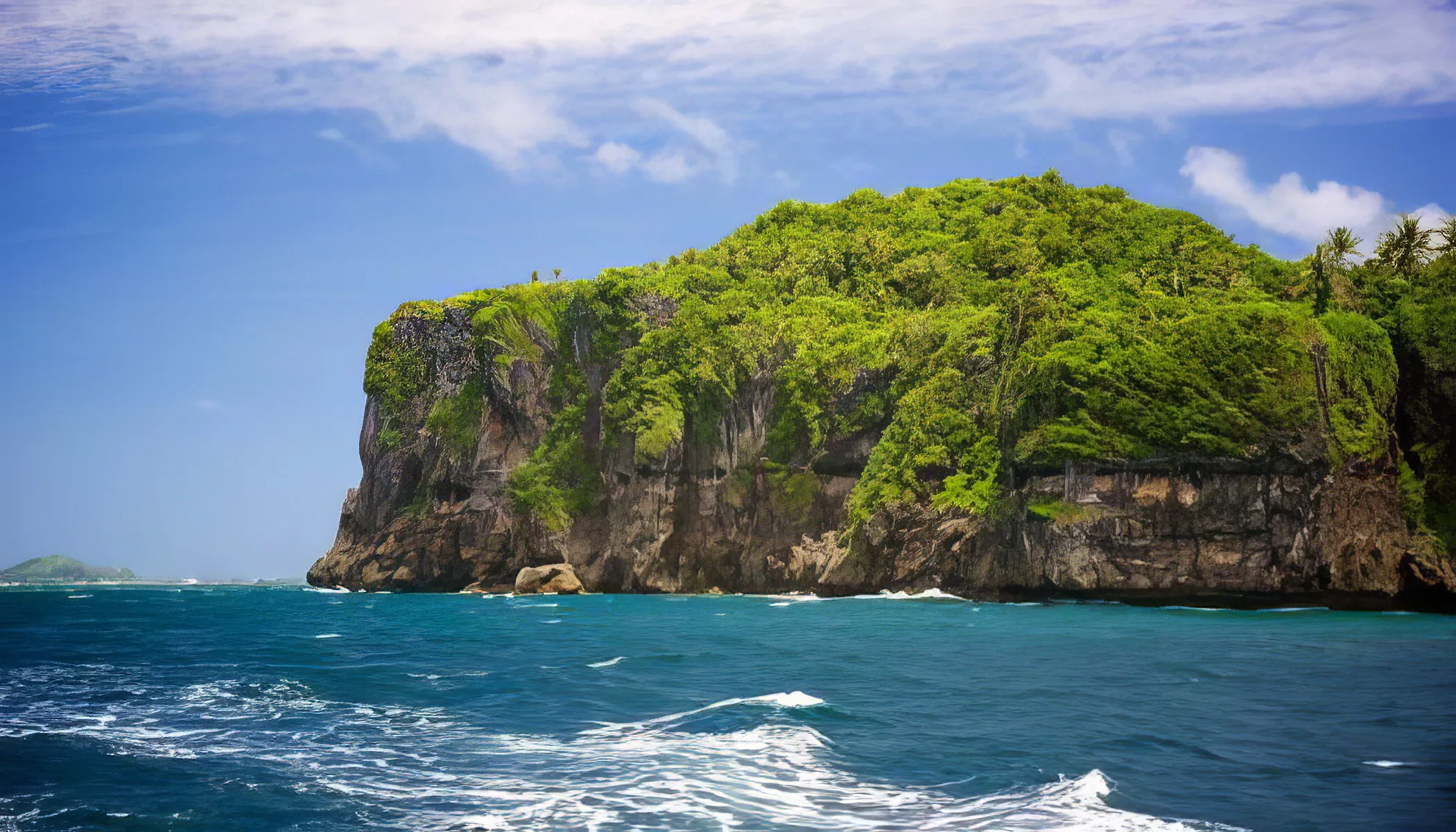
This island offers several interesting day-trip options for travelers. Here are a few suggestions:
– Ariel’s Point at 35 km: A popular spot for cliff diving, kayaking, and snorkeling with lovely ocean views.
– Malumpati Cold Spring at 80 km: A natural spring known for its refreshing waters, ideal for swimming and picnicking.
– Buruanga at 40 km: Offers immaculate beaches and waterfalls for those seeking a quieter escape from the crowds.
– Motag Living Museum at 30 km: An interactive cultural experience showcasing traditional Filipino farming and crafts.
– Seco Island at 100 km: A remote sandbar known for its clear waters, perfect for kitesurfing or simply relaxing.
Attraction
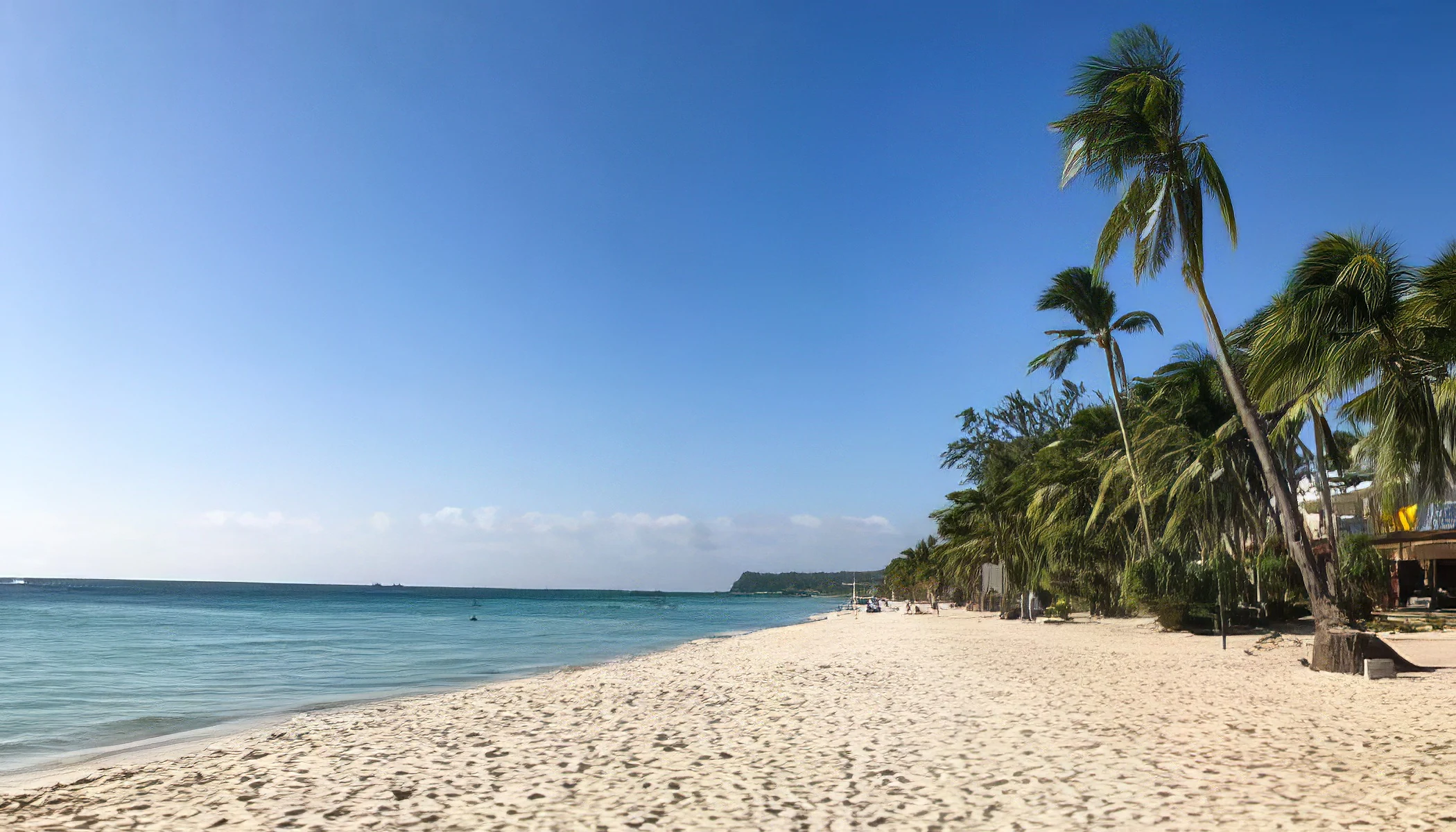
Known for its beautiful beaches and lovely nightlife, this destination attracts tourists seeking relaxation and adventure.
– White Beach: A 4-kilometer stretch known for its powdery white sand and clear blue waters, ideal for swimming and sunbathing.
– Puka Shell Beach: A quieter beach famous for its unique puka shells, offering a more quiet experience away from the crowds.
– Bulabog Beach: Popular among windsurfing and kiteboarding enthusiasts due to its strong winds and thrilling water sports opportunities.
– Mount Luho: The highest point offering panoramic views of the island, accessible via a short hike or ATV ride.
– Ariel's Point: Known for cliff diving adventures with varying heights, plus snorkeling and kayaking in crystal-clear waters.
– D'Mall: A shopping area featuring a variety of local shops, restaurants, and bars catering to both tourists and locals.
Activity
Boracay offers diverse activities including water sports, island hopping, and relaxation on beautiful beaches for travelers to enjoy.
– Kite surfing: Experience thrilling rides on the wind at popular kite surfing spots with suitable conditions for all skill levels.
– Island hopping: Explore nearby islands and lagoons, enjoying snorkeling and swimming in crystal-clear waters along the way.
– Helmet diving: Discover underwater life by walking on the ocean floor while wearing a helmet that provides air supply.
– Sunset sailing: Enjoy pleasant views of sunsets while sailing on a traditional sailboat called a paraw around the island.
– Stand-up paddleboarding: Engage in this relaxing activity, exploring Boracay's coastline and enjoying the calm waters at your own pace.
Shopping
You can find a variety of souvenirs at local markets, including handmade crafts and clothing. Popular items include beachwear, sarongs, and accessories made from shells. You might also consider purchasing local snacks or delicacies to take home. For a unique gift, look for items made from indigenous materials like bamboo or rattan. Consider buying a bottle of locally produced coconut oil as a practical gift. Overall, shopping options are available but may be limited compared to larger cities.
Arts & Culture
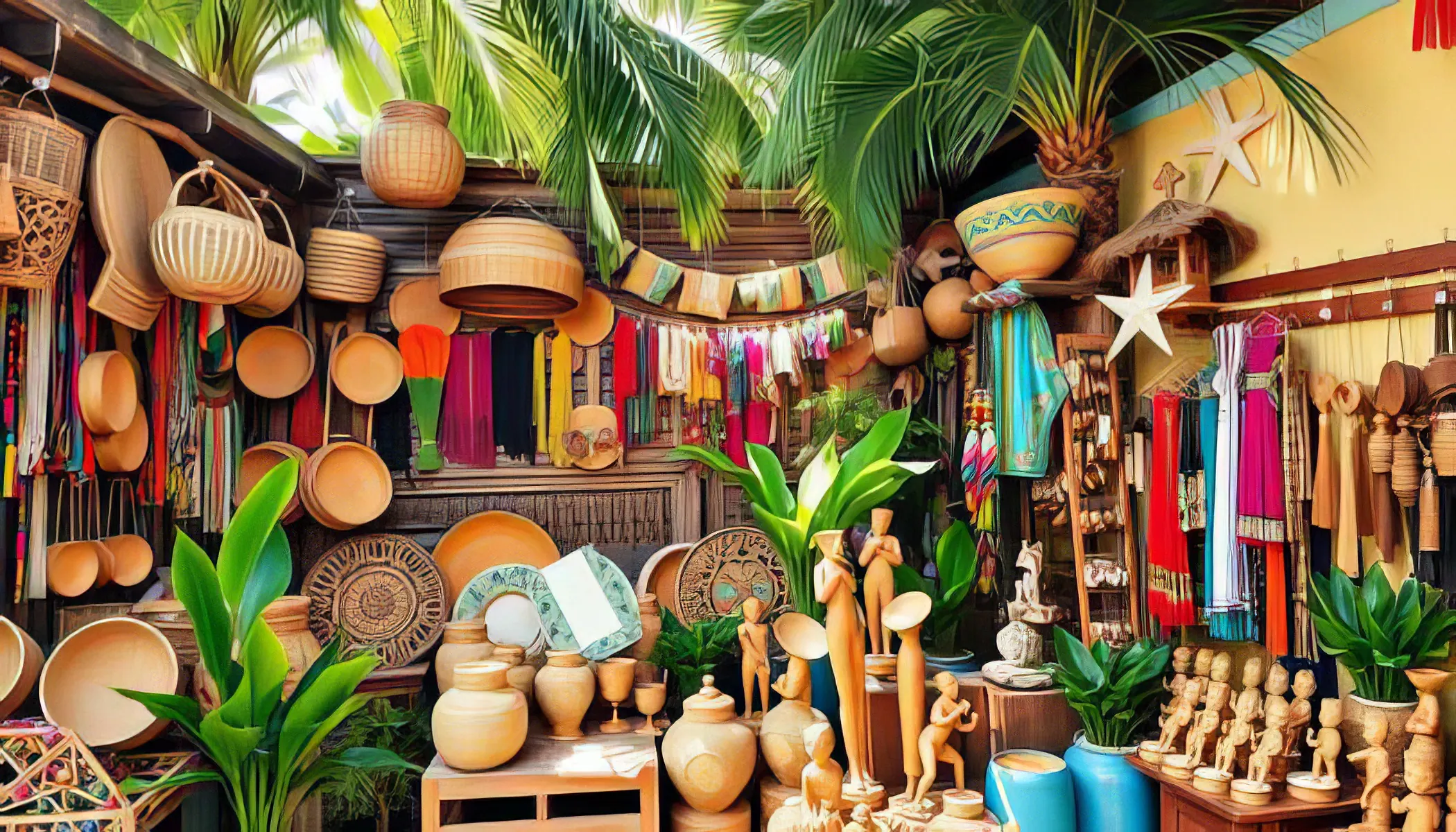
There are limited cultural events and arts activities in the area, as it is primarily known for its beaches and tourism. However, some local artisans sell crafts and souvenirs that reflect Filipino culture. Occasionally, there are beach festivals that showcase traditional music and dance. Overall, the focus is more on leisure than on extensive cultural offerings.