

Bratislava Travel Guide: Tourist Places & Activities
This capital city lies on the banks of the Danube River, near the borders of Austria and Hungary. It features a mix of medieval architecture, animated culture, and various museums, making it a notable destination in Central Europe.
- Population
- 0.5 millions
- Size
- 367 square km
- Airport
- M. R. Štefánik – Int'l
- Train Station
- Hlavná stanica.
- Est. Visit Days
- 2 days
Overview
Bratislava is the capital of Slovakia, known for its historical architecture and location along the Danube River. Pros include a relatively low cost of living compared to other European capitals and a compact city center that is easy to navigate on foot. The city offers a mix of cultural attractions, including museums and galleries. However, cons include limited nightlife options and fewer international flights compared to larger cities. Overall, Bratislava provides a quiet yet interesting experience for visitors.
Traffic & Transport
The city offers a well-connected public transport system, including trams, buses, and trolleybuses, making it easy for tourists to navigate. Walking is also a great option for exploring the compact city center, where many attractions are situated close together. Biking is popular as well, with several rental services available that allow visitors to cycle along scenic routes. Additionally, the use of ride-sharing services can provide convenient transportation options. For taxi services, reputable companies such as City Taxi and 0900 Taxi are commonly used by locals and visitors alike. Popular taxi-booking apps like Bolt and Uber operate in the area, allowing for easy and reliable transportation at your fingertips.
History
This city has a history influenced by various rulers, including the Romans and the Austrians. It was part of the Kingdom of Hungary for centuries, serving as an important administrative center. The city played a significant role during the Hungarian Revolution of 1848. In the 20th century, it experienced changes due to both World Wars and communist rule. Today, it reflects a blend of its diverse cultural heritage through architecture and traditions.
Itinerary Sample
Explore Bratislava in two days with a mix of historic sites, local culture, and scenic views.
– First day: Visit Bratislava Castle, stroll through the Old Town, see St. Martin's Cathedral, and enjoy lunch at a local café.
– Second day: Explore Devin Castle, walk along the Danube River, visit the Slovak National Gallery, and have dinner at a traditional restaurant.
Near Excursion
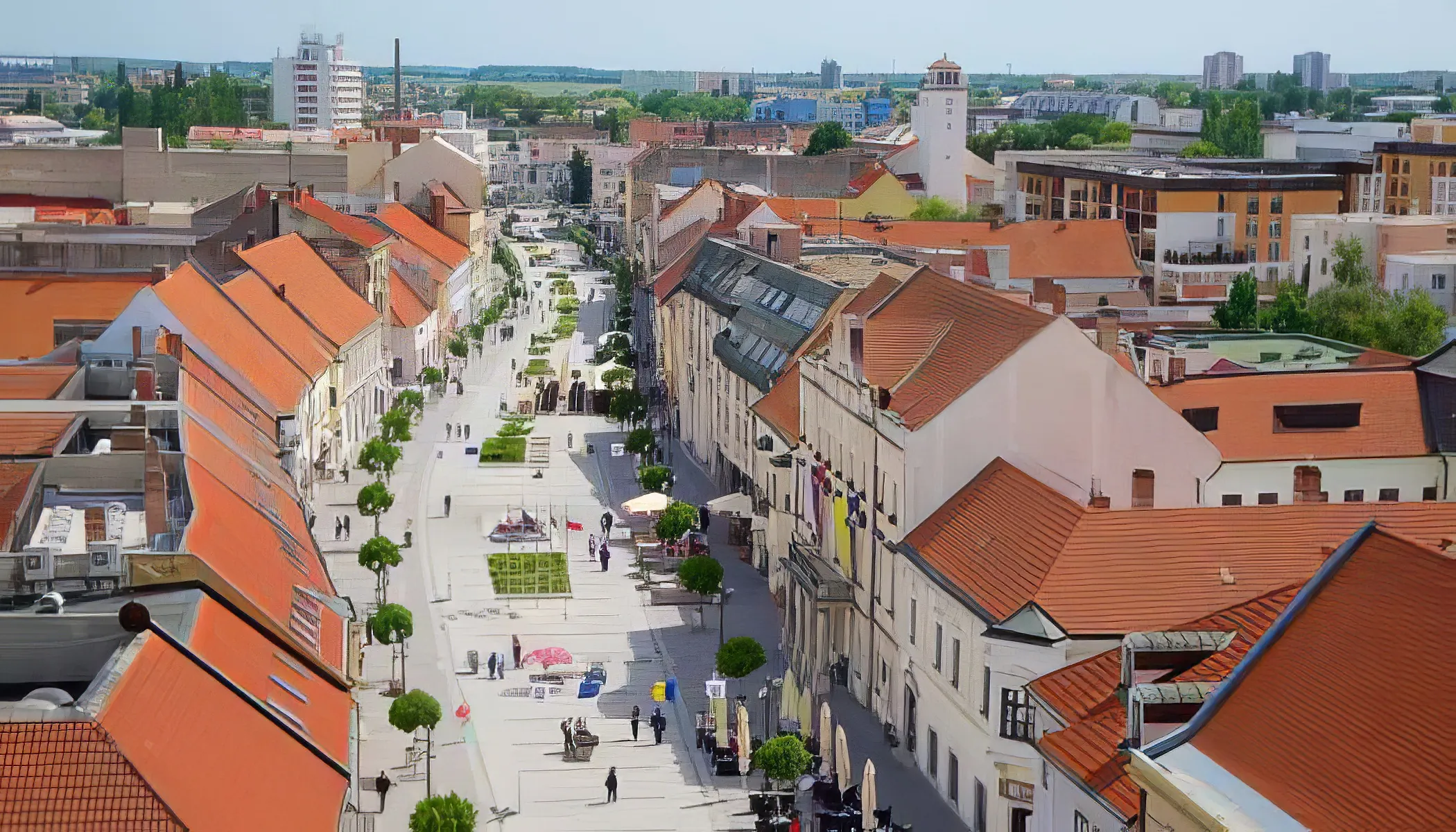
This city offers several interesting day-trip options within a short distance. Here are some suggestions:
– Devin Castle at 12 km: Explore the ruins of a historic castle with panoramic views of the Danube River.
– Modra at 30 km: Visit this charming town known for its wine production and pottery traditions.
– Trnava at 50 km: Discover "Little Rome" with its numerous churches and well-preserved medieval architecture.
– Smolenice Castle at 60 km: Tour a gorgeous castle set in beautiful gardens open to the public in summer.
– Vienna, Austria at 80 km: Experience a different culture by exploring museums, cafes, and historic sites just across the border.
Attraction
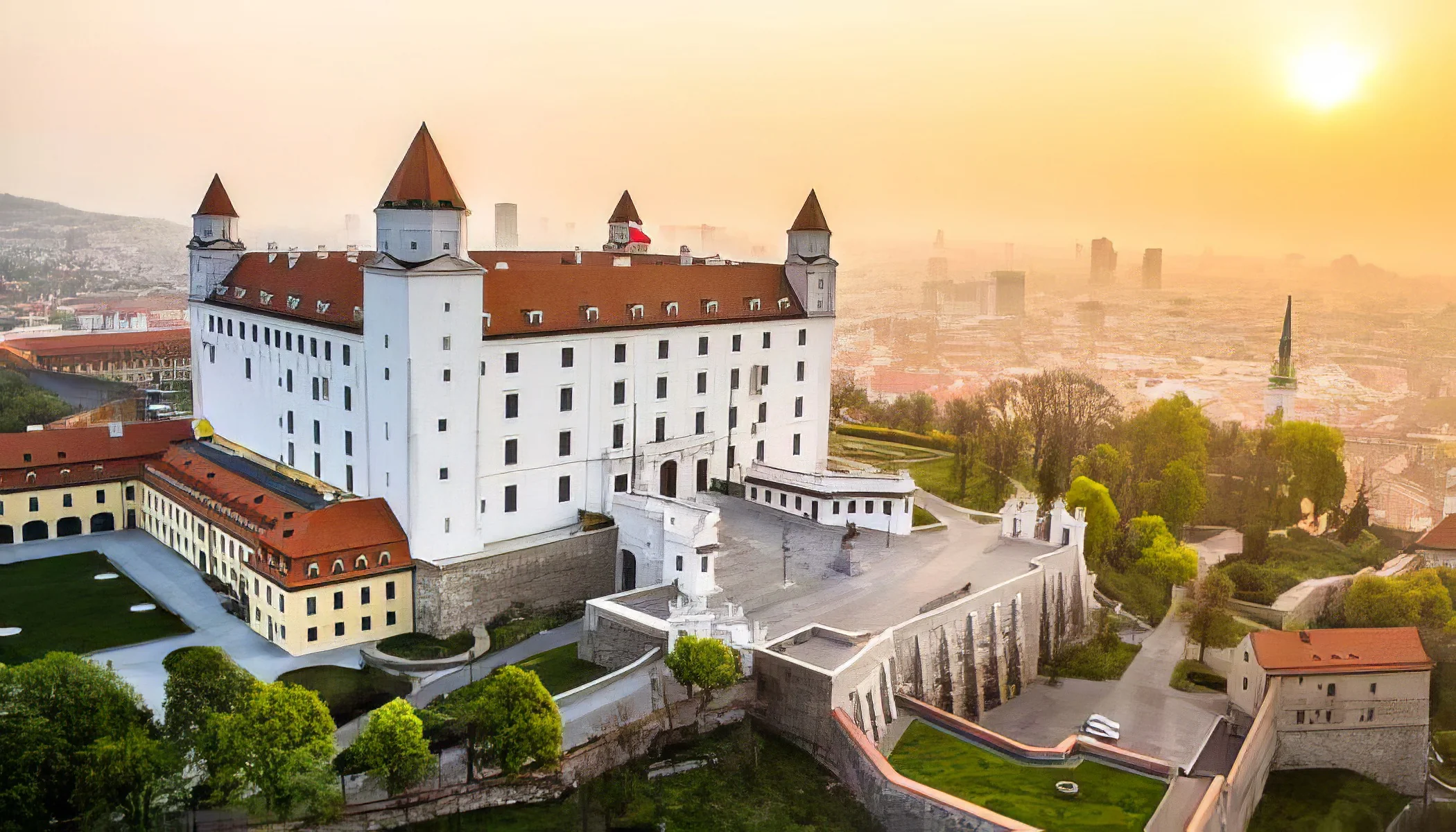
The city offers a mix of medieval history, modern culture, and scenic views.
– Bratislava Castle: A historic castle on a hill offering panoramic views of the city and the Danube River.
– Old Town: A charming area with narrow streets, historic buildings, shops, and cafes.
– St. Martin's Cathedral: A Gothic cathedral known for its historical significance as the coronation site of Hungarian kings.
– Devin Castle: Ruins located at the confluence of the Danube and Morava rivers, providing insights into early European history.
– UFO Observation Deck: Offers unique views from atop the SNP Bridge with a restaurant featuring local cuisine.
– Slavin War Memorial: A solemn monument honoring Soviet soldiers who fell during World War II.
Activity
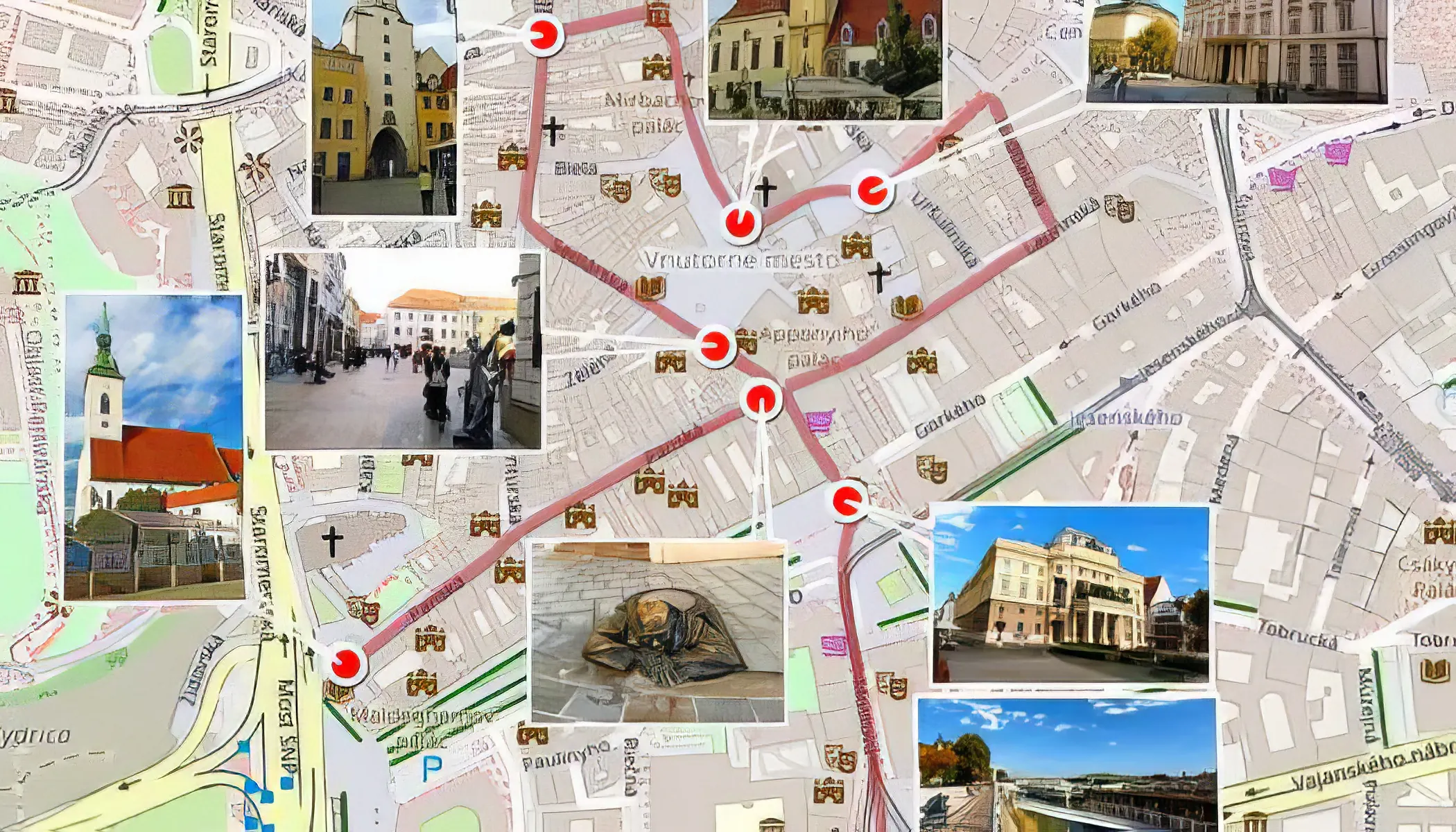
Bratislava offers a mix of historical sites, outdoor activities, and local cuisine experiences for travelers to enjoy.
– Danube River Cruise: Experience scenic views of Bratislava while cruising along the Danube River, enjoying the city from the water.
– UFO Observation Deck: Visit this unique structure for panoramic views of the city and surrounding areas from above.
– Devín Castle Hike: Explore the ruins of this historic castle while enjoying hiking trails with beautiful landscapes along the way.
– Bratislava Old Town Walking Tour: Discover charming streets, hidden squares, and local stories on foot through historic neighborhoods.
– Wine Tasting in Small Carpathians: Sample local wines in nearby vineyards, experiencing Slovakia's wine culture and scenic countryside.
Cuisine
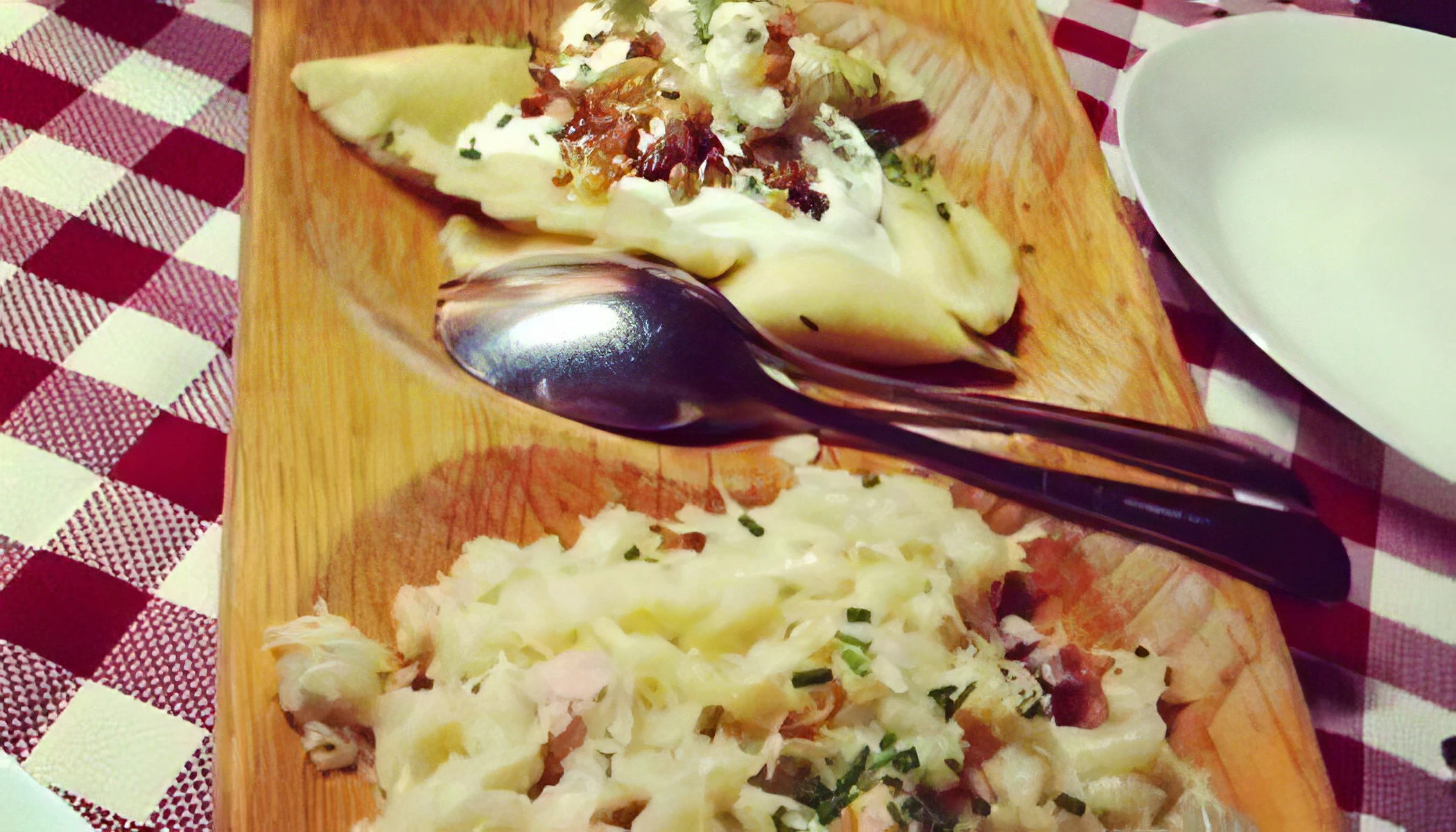
The city offers a blend of traditional Slovak cuisine and international influences, with hearty meals and local specialties. Some of the city's most famous dishes include:
– Bryndzové halušky: Potato dumplings topped with sheep cheese and bacon bits.
– Kapustnica: A tangy sauerkraut soup often featuring sausage or smoked meat.
– Zemiakové placky: Crispy potato pancakes seasoned with garlic and marjoram.
– Viedenský rezeň: Breaded and fried veal cutlet similar to Wiener schnitzel.
– Trdelník: Sweet pastry dough wrapped around a stick, grilled, and coated in sugar.
– Makovník: Rolled pastry filled with sweet poppy seed paste.
Shopping
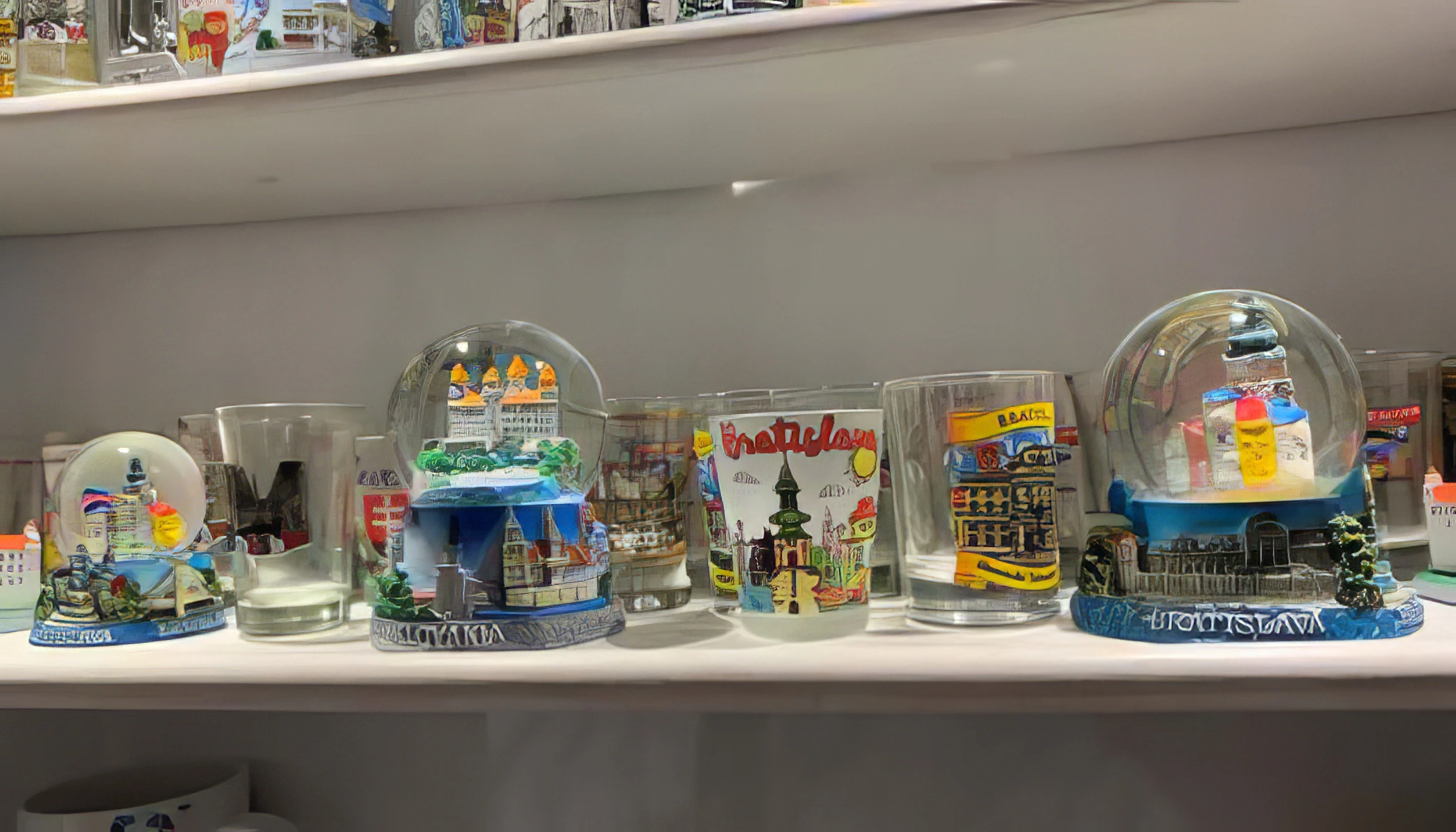
You can find unique handmade crafts and traditional Slovak products at local markets. Look for items like crystal glassware or wooden toys, which are popular souvenirs. Local wines and spirits, especially Slivovitz, make good gifts. Hand-painted ceramics are also a nice option. Shops in the city center offer a variety of these products. Overall, you can find interesting gifts that reflect local culture and craftsmanship.
Arts & Culture
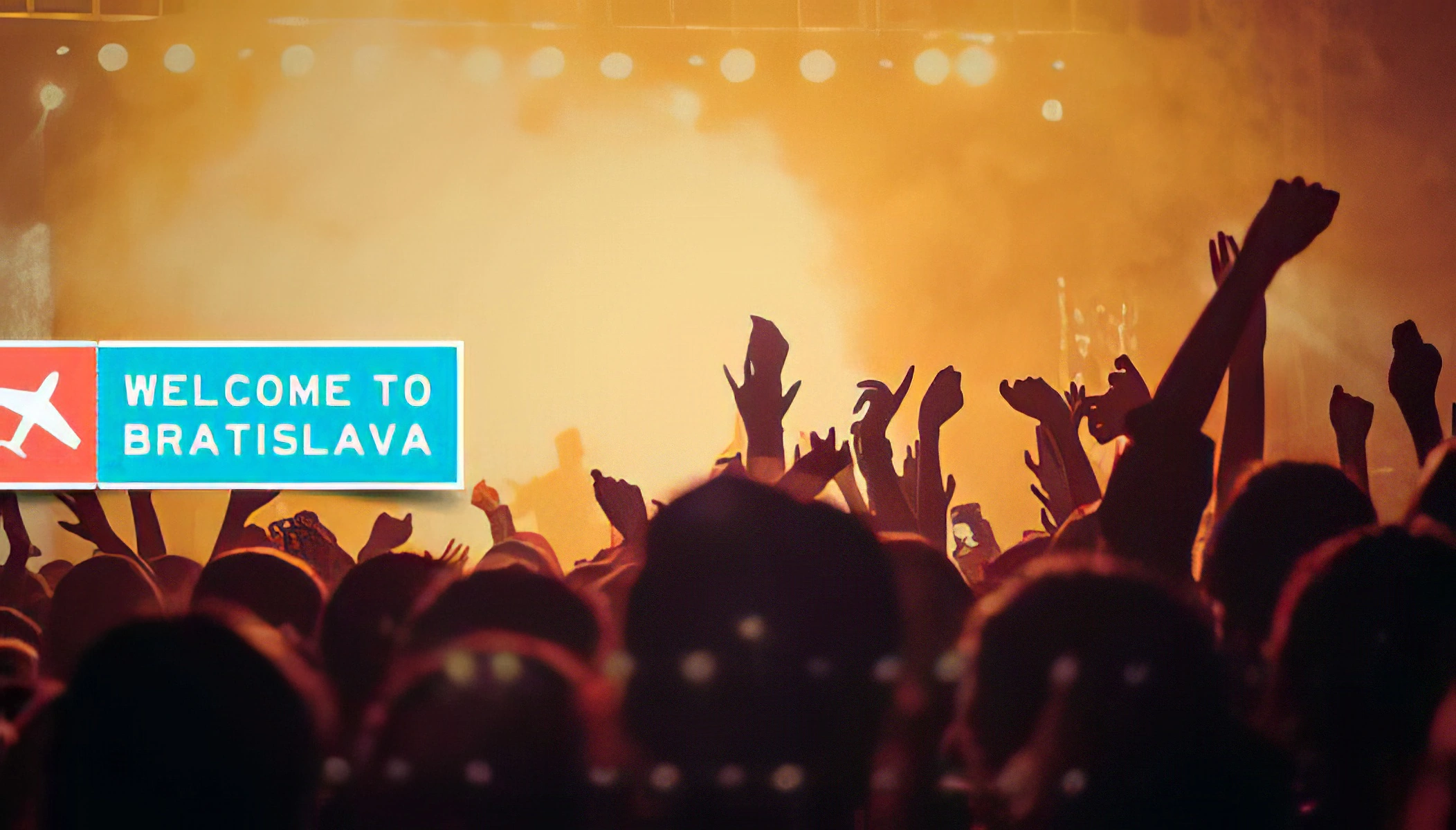
The city hosts various cultural events throughout the year, such as the Bratislava Music Festival, which features classical music performances. The Art Film Fest showcases international films and promotes cinema culture. Numerous galleries exhibit contemporary art, highlighting both local and international artists. Additionally, the Slovak National Theatre offers a range of performances in opera, ballet, and drama.