

Sightseeing in Manaus: Culture & Must‑See Spots
This city is located in the Amazon rainforest region and serves as an important economic and cultural hub. It is near the meeting point of two major rivers, known for its diverse wildlife and access to the Amazon River.
- Population
- 2.14 millions
- Size
- 3 theater be a theater the be a theater theater in theater shmy theater. square km
- Airport
- Eduardo Gomes – Int'l & 0 others
- Est. Visit Days
- 4 days
Overview
Manaus is the capital of the Amazonas state in Brazil and serves as a gateway to the Amazon rainforest. A major pro is its unique location, providing access to diverse wildlife and natural beauty. The city has a rich cultural history, influenced by the rubber boom. However, it faces challenges such as pollution, inadequate infrastructure, and high humidity. Tourists may find the heat uncomfortable, and navigating the city can be difficult due to limited transportation options.
Traffic & Transport
The city features a mix of light urban traffic, but congestion can occur during peak hours, particularly in the central areas. For tourists, the most effective way to explore is by using local buses or walking, as many attractions are within easy reach of each other. Additionally, bicycle rentals are available, allowing visitors to navigate the streets at their own pace while enjoying the scenery. Taxis and ride-sharing services are also a convenient option for those preferring direct transport. Reliable taxi companies like Uber and 99 are popular, providing safe and efficient rides throughout the area. Booking through these apps ensures transparency in pricing and ease of transportation for tourists.
History
Founded in the 17th century, the area was initially a hub for Portuguese exploration and trade. In the late 19th century, the rubber boom brought wealth and development, attracting migrants and investors. The city experienced economic decline after the rubber market collapsed in the early 20th century. Various cultural influences from Indigenous, Portuguese, and African communities shaped local traditions and practices. Today, historical architecture and cultural institutions reflect this diverse heritage.
Itinerary Sample
Here is a 4-day itinerary for exploring Manaus, Brazil.
– First day: Arrive in Manaus, visit the Amazon Theatre, and explore the surrounding area. End the day at the Municipal Market for local food and crafts.
– Second day: Take a boat tour of the Amazon River and visit the Meeting of the Waters, where the Rio Negro and Solimões meet.
– Third day: Explore the Adolpho Ducke Botanical Garden, home to diverse plant species. In the afternoon, visit the Museu do Seringal to learn about rubber production.
– Fourth day: Take a guided tour into the rainforest, experiencing wildlife and local culture. Return to the city for shopping or a last meal before departure.
Near Excursion
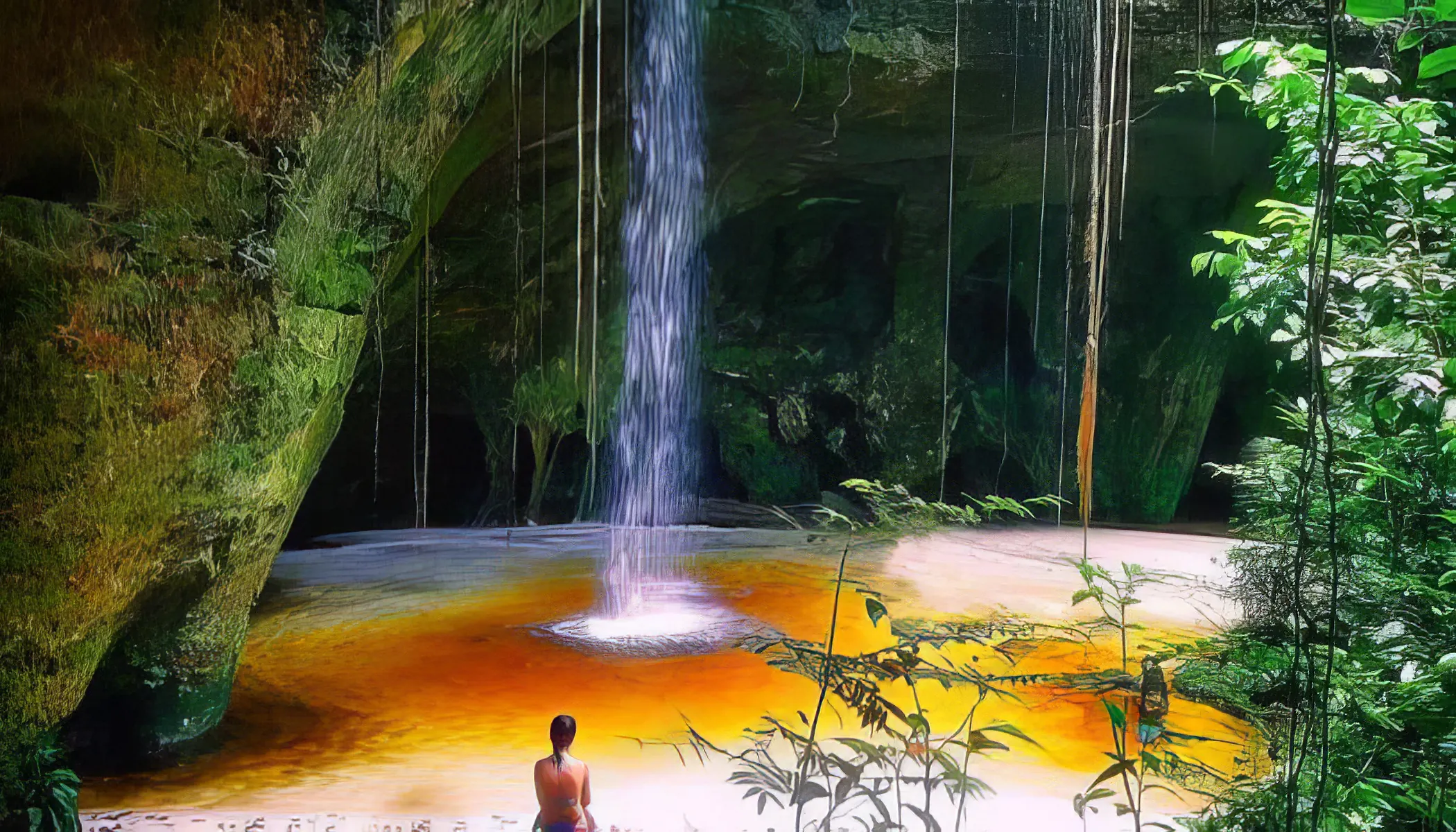
This city offers a variety of day-trip options into the surrounding Amazon region. Here are a few suggestions:
– Meeting Of Waters at 30 km: See where the Rio Negro and Rio Solimões run side by side without mixing.
– Anavilhanas Archipelago at 100 km: Visit one of the world's largest freshwater archipelagos with abundant wildlife.
– Presidente Figueiredo at 107 km: Experience numerous waterfalls and caves in this scenic area ideal for hiking.
– Janauari Ecological Park at 40 km: Explore flooded forests and spot diverse Amazonian flora and fauna.
– Iracema Waterfall at 115 km: Discover a gorgeous waterfall surrounded by dense forest for a relaxing nature escape.
Attraction
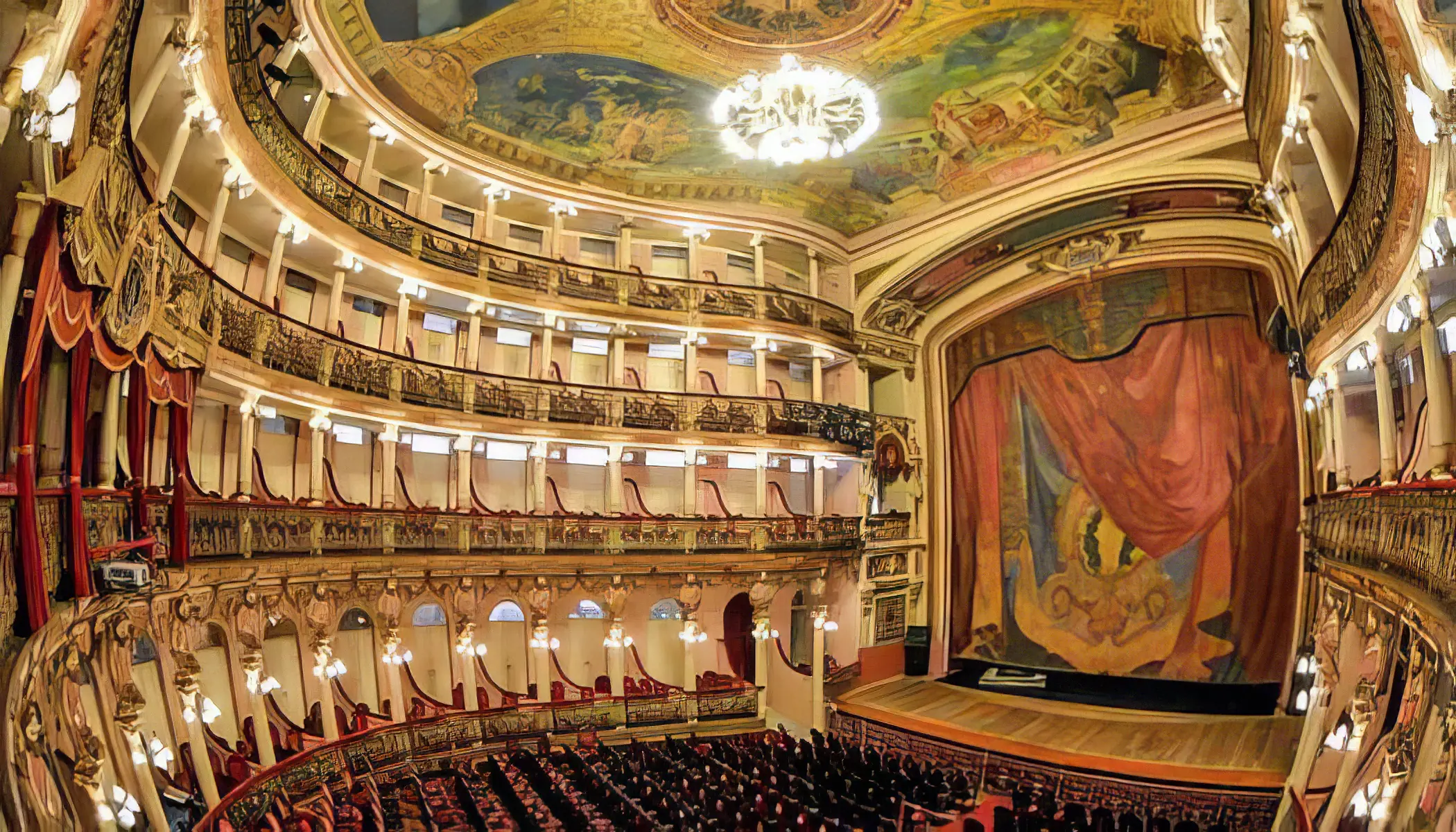
Known for its rich Amazon rainforest access and cultural heritage, this city offers diverse attractions for visitors.
– Teatro Amazonas: An iconic opera house showcasing handsome architecture and animated performances, reflecting the city's prosperous rubber boom era.
– Encontro das Águas: Witness the spectacular natural phenomenon where the black and white waters of two rivers meet but do not mix.
– Ponta Negra Beach: A popular riverside beach offering recreational activities, with a vibrant promenade featuring restaurants and craft markets.
– Adolpho Lisboa Market: A magnificent market, inspired by Les Halles in Paris, offering local produce, handicrafts, and traditional foods.
– Museu do Seringal: Experience a living museum that depicts the rubber extraction process and lifestyle of workers during the rubber boom.
– Bosque da Ciência: A science-focused park offering trails, animal exhibits including manatees, and insights into the Amazon ecosystem.
Activity
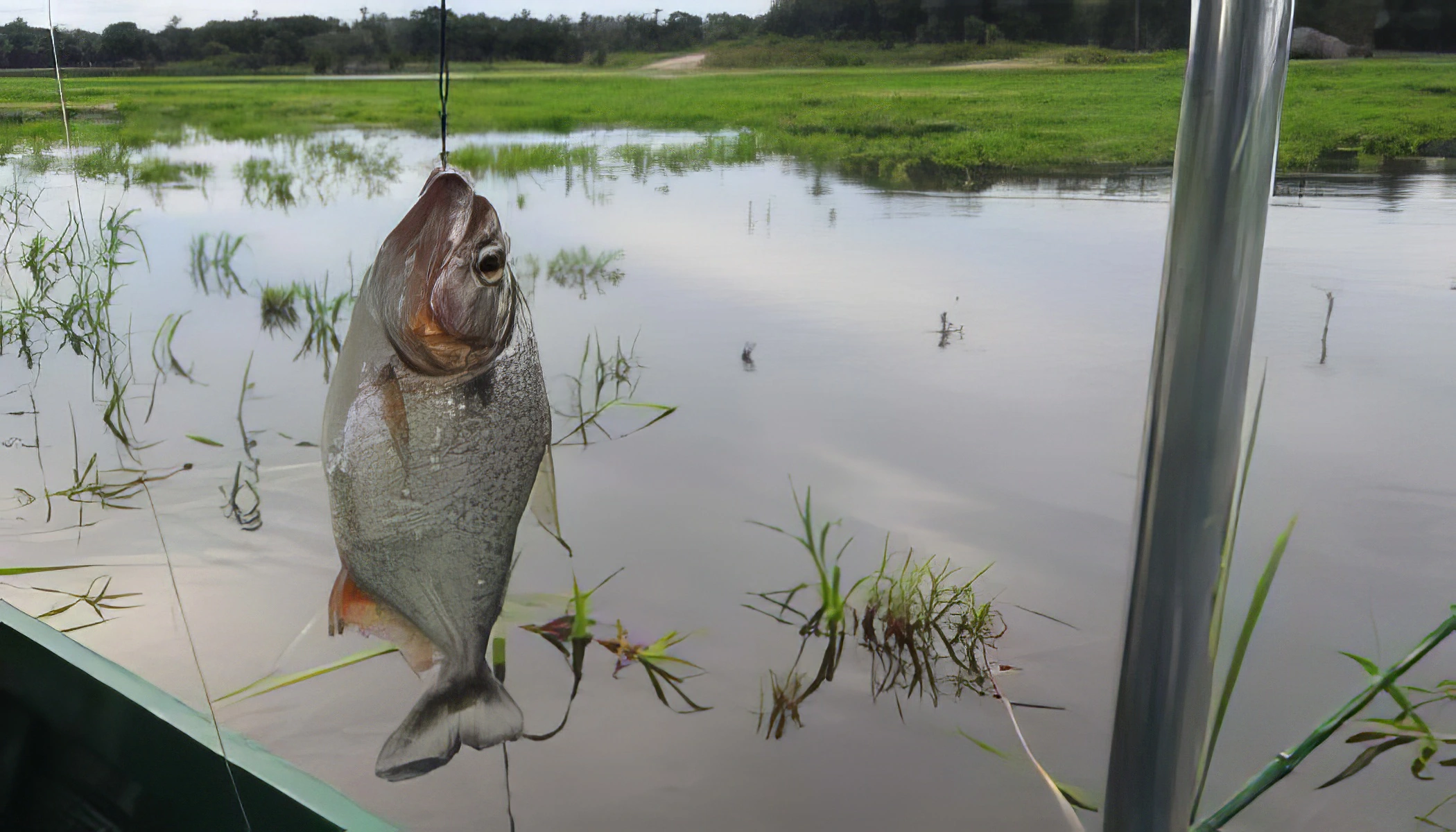
In Manaus, travelers can explore the Amazon rainforest, experience local culture, and enjoy river activities. – Amazon River tour: Discover the unique ecosystem and wildlife of the Amazon River on guided boat tours. – Meeting of the Waters: Observe the interesting phenomenon where two rivers with different temperatures flow side by side without mixing. – Jungle trekking: Take guided hikes through the rainforest to learn about flora and fauna from local experts. – Piranha fishing: Experience fishing for piranhas in the Amazon River, a popular and adventurous activity for travelers. – Native community visits: Engage with indigenous communities to understand their culture and traditions.
Cuisine
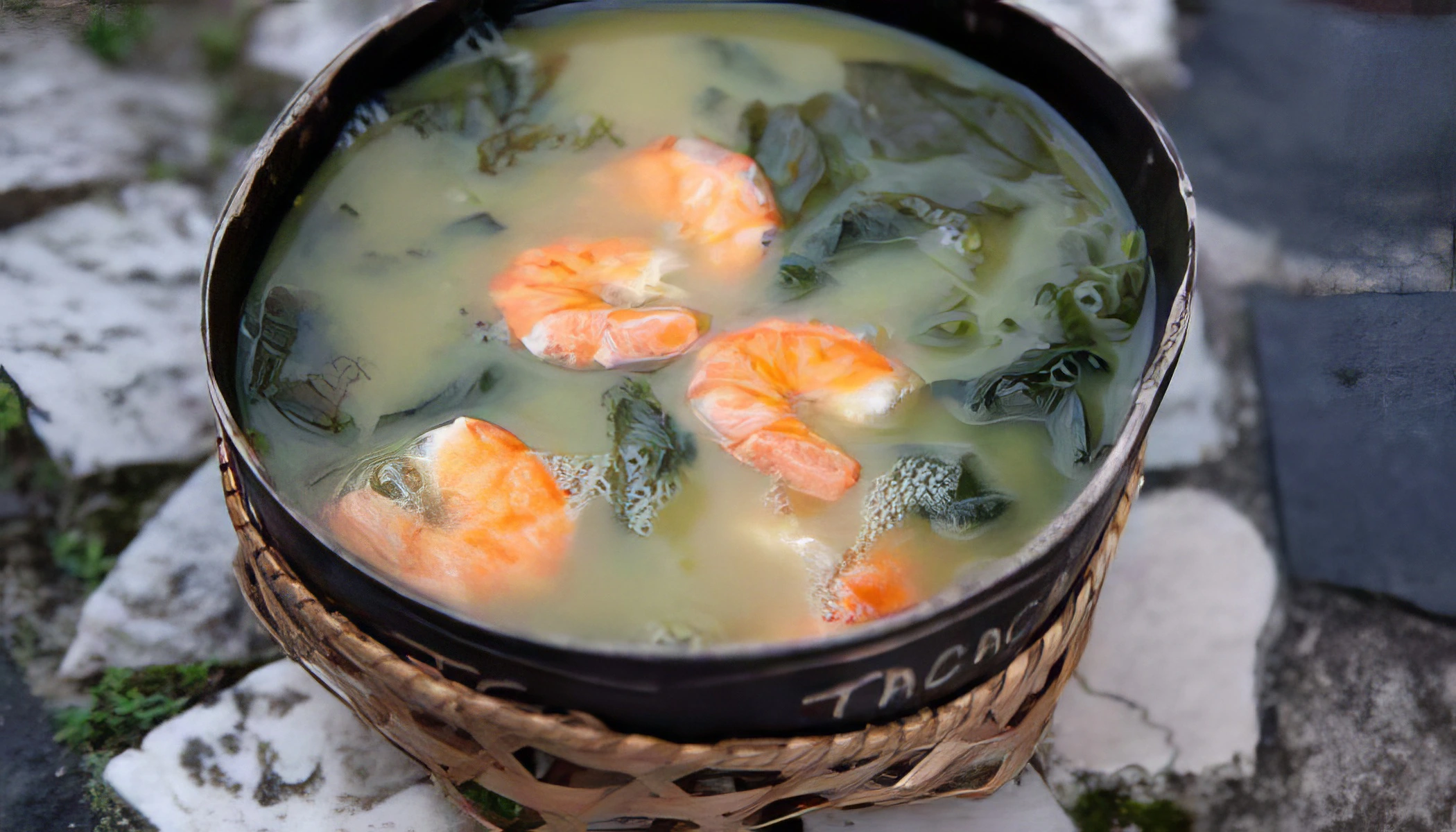
The city's food scene integrates indigenous Amazonian ingredients, offering unique and diverse culinary experiences. Some of the city's most famous dishes include:
– Tacacá: A hot broth with tucupi, jambú leaves, and dried shrimp, often served in a gourd.
– Pirarucu: Amazonian fish prepared either dried and salted or cooked in stews and dishes.
– Pato no Tucupi: Duck cooked in tucupi sauce with jambú leaves, showcasing a rich Amazonian flavor.
– Tambaqui: Grilled fish served as steaks or ribs, known for its delicate taste and large size.
– Cupuaçu: A creamy fruit used in desserts, ice creams, and juices, offering a tropical, acidic flavor.
– Tapioca: A versatile dish where cassava flour makes a chewy crepe, often filled with sweet or savory ingredients.
Shopping
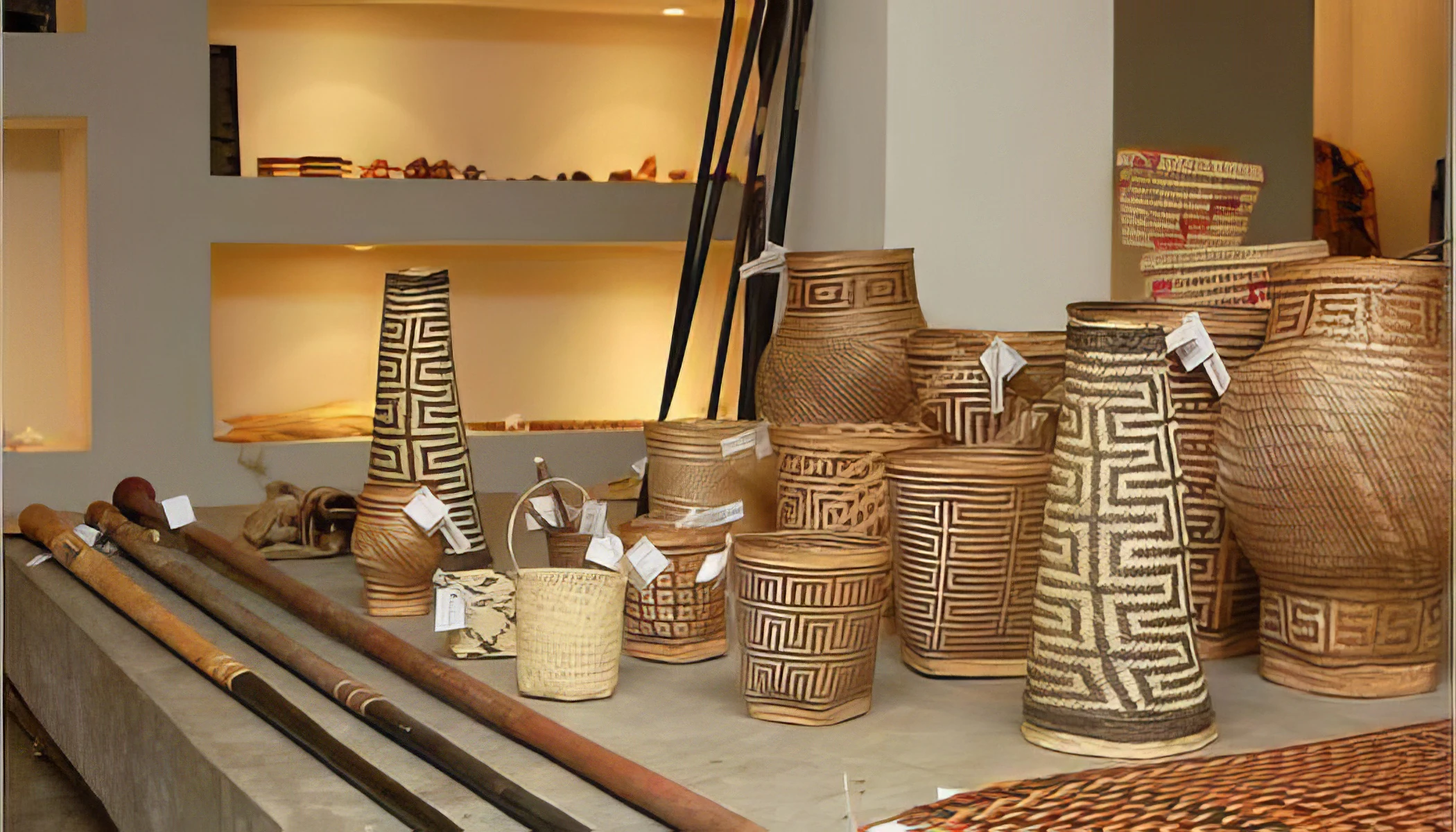
One of the best shopping experiences is at the local market, where visitors can find handcrafted goods. Look for items made from Amazonian materials, like pottery and textiles. Another popular gift is a bottle of regional fruit-based cachaça. It's a traditional Brazilian spirit that many tourists appreciate. Additionally, you can find unique jewelry made from natural stones. These gifts reflect the local culture and environment.
Arts & Culture
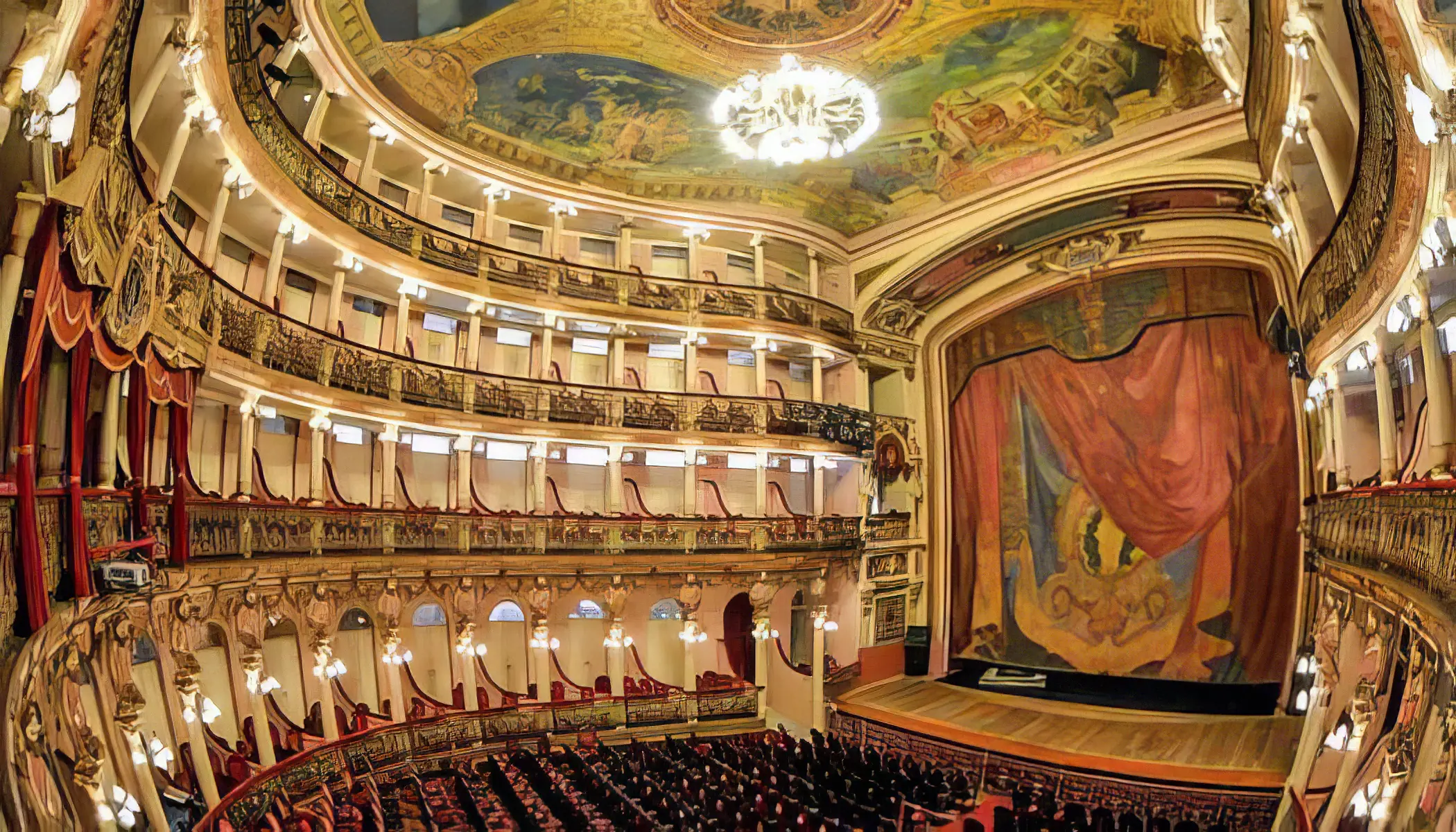
The city is known for its Teatro Amazonas, an opera house built during the rubber boom, showcasing performances and cultural events. The annual Festival Folclórico de Parintins, held nearby, features traditional Amazonian folklore and lively performances. Various art galleries display local artists' works, highlighting the region's cultural diversity. Additionally, there are regular arts and crafts fairs that promote indigenous and local crafts.