

Sightseeing in Salvador: Culture & Must‑See Spots
This city, known for its rich cultural heritage, is located on the northeastern coast of South America. It features colonial architecture, pleasant music, and beautiful beaches, making it a popular destination for tourists exploring the region's history and traditions.
- Population
- 2.9 millions
- Size
- 693 square km
- Airport
- Deputado Luís Eduardo Magalhães – Int'l
- Train Station
- Estação da Calçada.
- Est. Visit Days
- 4 days
Overview
Salvador, located in Brazil's Bahia state, is known for its rich Afro-Brazilian culture and historical significance. Pros include its beautiful festivals, beautiful beaches, and unique cuisine. However, the city faces challenges such as higher crime rates and economic disparities. Tourism can be welcoming, but visitors should stay aware of their surroundings. Salvador offers a mix of cultural experiences, but it's important to balance enjoyment with caution.
Traffic & Transport
The traffic in the city can be congested, especially during peak hours, so planning travel times is essential. The best means of exploring the area includes using public transportation such as buses and the metro, which are affordable and cover significant parts of the city. For a more personalized experience, walking is also recommended, particularly in tourist-friendly neighborhoods where attractions are closely located. Additionally, bike rentals are available, allowing tourists to navigate the area's scenic routes at their own pace. For reliable taxi services, local companies such as "Coopertaxi" are reputable, offering safe transportation options. Taxi-booking apps like 99 and Uber are widely used, providing convenience and ease of access for tourists.
History
Founded in 1549, the city became the first capital of Brazil under Portuguese rule. It played a crucial role in the transatlantic slave trade, serving as a central port for enslaved Africans. The city was the site of several conflicts, including the Dutch-Portuguese War, which saw Dutch troops briefly occupy it in the 17th century. In the 19th century, it transitioned to a commercial hub, particularly for sugar and tobacco. The city's rich African heritage significantly shaped its culture, reflected in its music, cuisine, and religious practices.
Itinerary Sample
This 4-day itinerary will guide you through the main attractions in Salvador, Brazil.
– First day: Explore the historic Pelourinho district, visit the São Francisco Church, and enjoy lunch at a local restaurant.
– Second day: Take a tour to Mercado Modelo and ride the Elevador Lacerda for city views.
– Third day: Visit the beach at Porto da Barra, relax, and swim in the ocean.
– Fourth day: Discover the artistic district of Rio Vermelho and taste local cuisine at a popular eatery.
Near Excursion
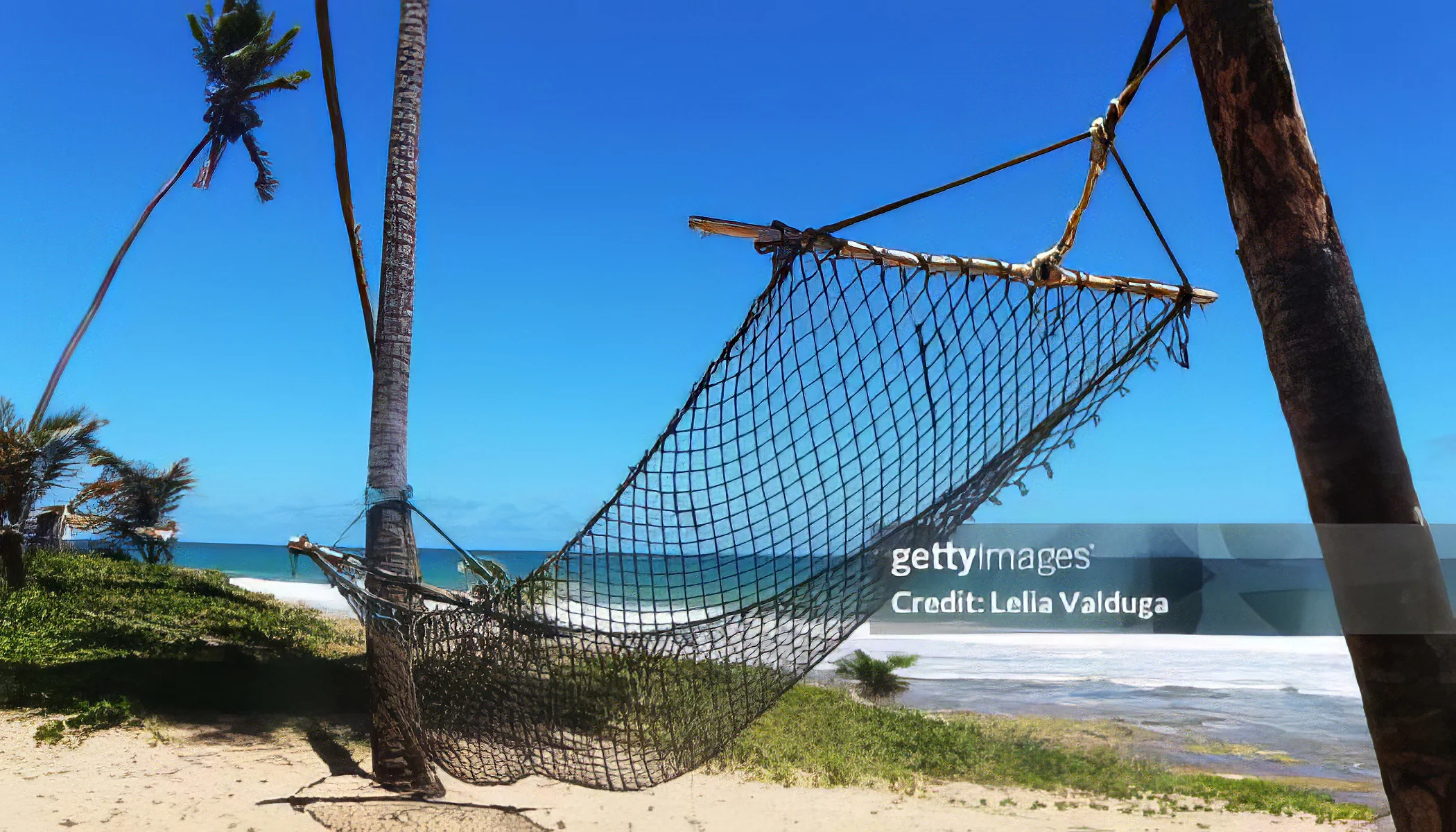
Starting from this vibrant city, there are several interesting day trips you can enjoy. Here are a few options:
– Praia Do Forte at 80 km: A charming beach town known for its beautiful coastline and sea turtle conservation project.
– Cachoeira at 110 km: A historic city with colonial architecture and strong Afro-Brazilian cultural influences.
– Arembepe at 40 km: Offers smooth beaches and a famed hippie village for a relaxed atmosphere.
– Itaparica Island at 20 km by ferry: Enjoy sandy beaches and a historic fort on this harmonious island.
– Imbassai at 90 km: Known for its picturesque beach framed by sand dunes and beautiful coconut palms.
Attraction
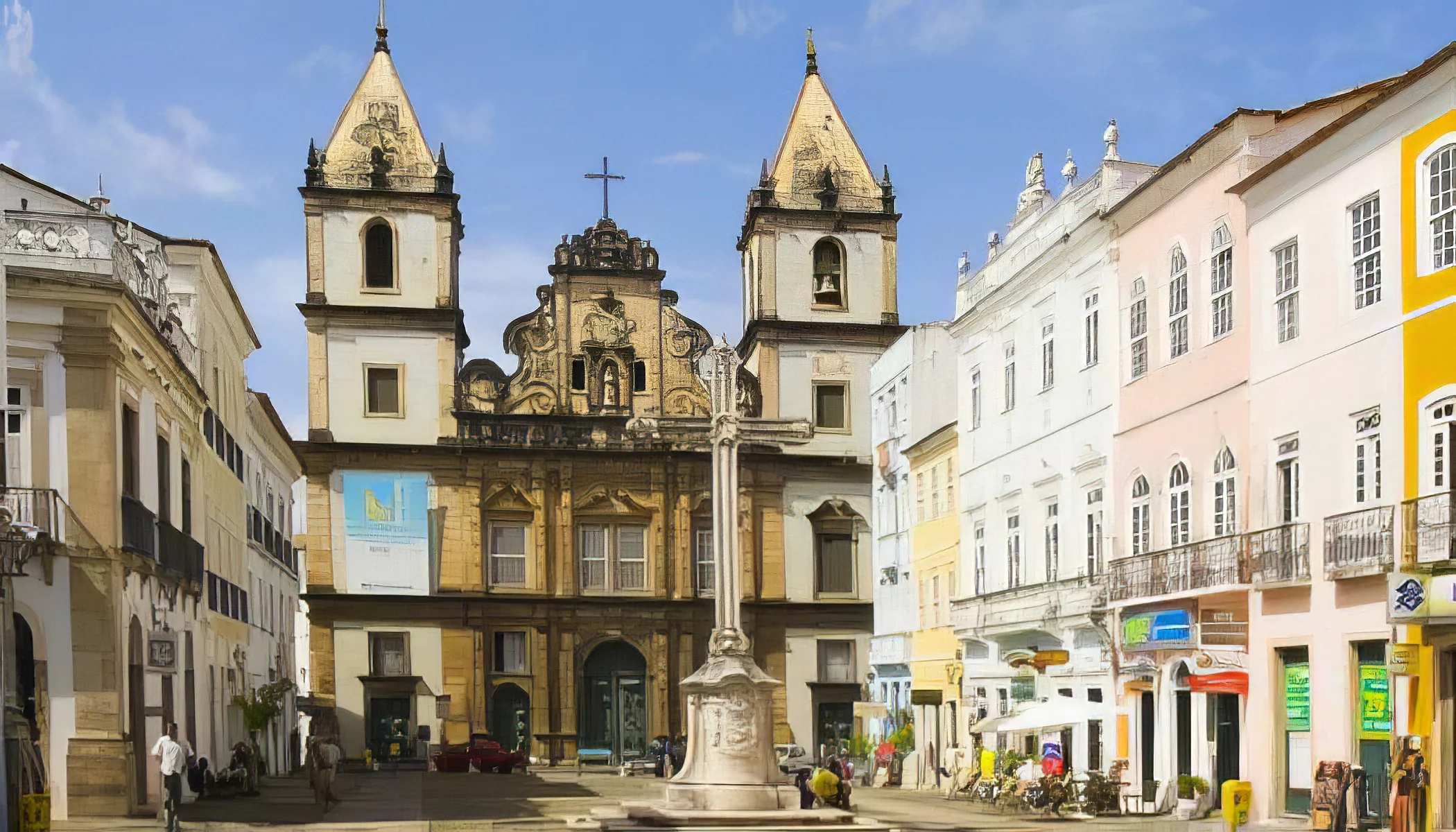
A city known for its rich Afro-Brazilian culture, colonial architecture, and vibrant music scene.
– Pelourinho: Explore the historic heart with colorful colonial buildings and cobblestone streets, offering lively music and cultural events.
– Elevador Lacerda: Ride the famous elevator connecting the lower and upper parts of the city with gorgeous bay views.
– Mercado Modelo: Discover local handicrafts and souvenirs in this lovely market housed in a historic building.
– Igreja de São Francisco: Marvel at the baroque church's gold leaf interior and complex wood carvings in a must-see site.
– Museu Afro-Brasileiro: Learn about African heritage and influence through art, music, and cultural exhibits in this insightful museum.
– Forte de Santo Antônio da Barra: Visit the iconic lighthouse and enjoy panoramic views of the coastline from this historic fort.
Activity
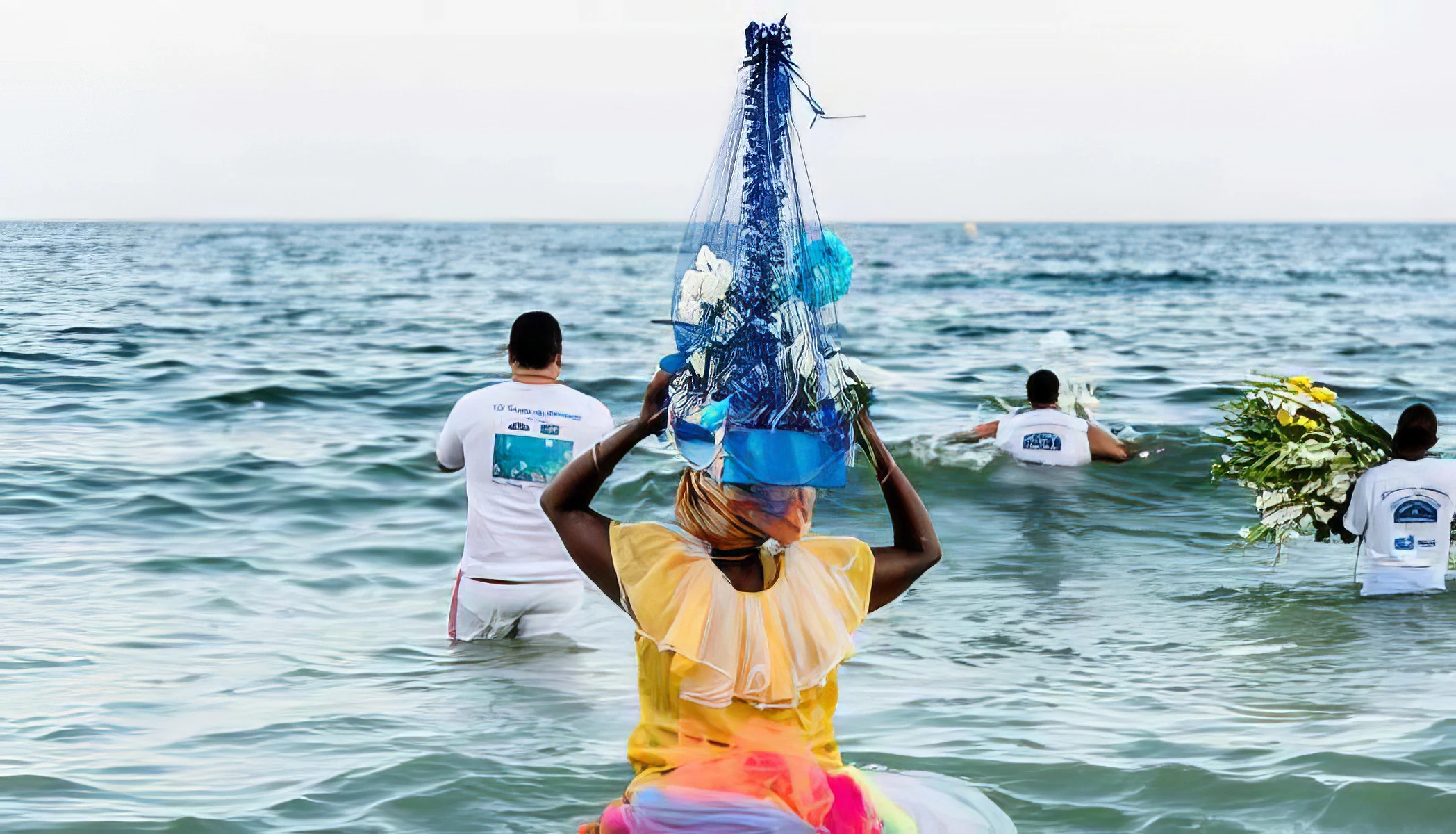
Travelers in Salvador can explore lively markets, experience Afro-Brazilian culture, enjoy local cuisine, and relax on beautiful beaches. – Visit Pelourinho: Discover colorful colonial buildings and beautiful street art in this historic district. – Try Capoeira: Join a class to learn this traditional Brazilian martial art combining dance, music, and acrobatics. – Explore Ilha de Maré: Take a boat trip to this island known for its beautiful beaches and local fishing communities. – Attend a Candomblé Ceremony: Experience this Afro-Brazilian religious practice, showcasing music, dance, and cultural rituals. – Enjoy a Sunset at Farol da Barra: Relax and watch the sunset at this historic lighthouse with nice ocean views.
Cuisine

The city is known for its Afro-Brazilian cuisine, which combines African, Indigenous, and Portuguese influences, offering a unique and flavorful culinary experience. Some of the city's most famous dishes include:
– Acarajé: Deep-fried black-eyed pea fritters filled with spicy shrimp sauce and vatapá.
– Moqueca: A stew made with fish or seafood, coconut milk, dendê oil, and spices.
– Vatapá: Creamy paste made with bread, shrimp, peanuts, and coconut milk, served with rice or acarajé.
– Caruru: Spicy dish of okra, shrimp, and dendê oil, often served with vatapá and rice.
– Quindim: A sweet dessert made with sugar, coconut, and egg yolks with a bright yellow color.
Shopping
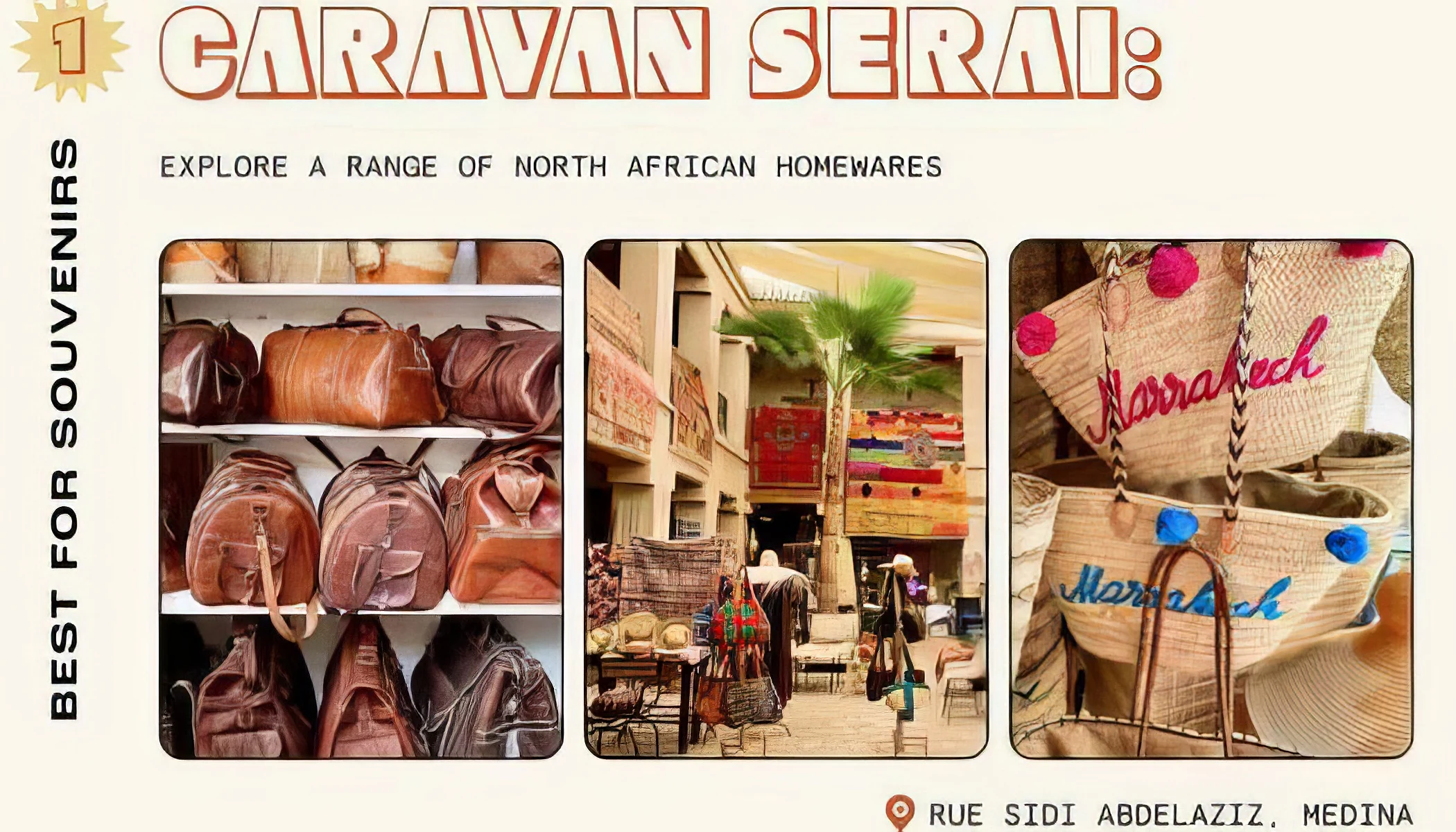
A good shopping experience can be found in local markets, where you can find handmade crafts and souvenirs. Items such as baiana dolls and traditional clothing are popular gifts. Artworks by local artists are also available and can be unique keepsakes. Look for items made from natural materials like ceramic and wood. Local food products, such as doce de leite and spices, make great gifts too. Overall, explore shops that support local artisans for authentic options.
Arts & Culture
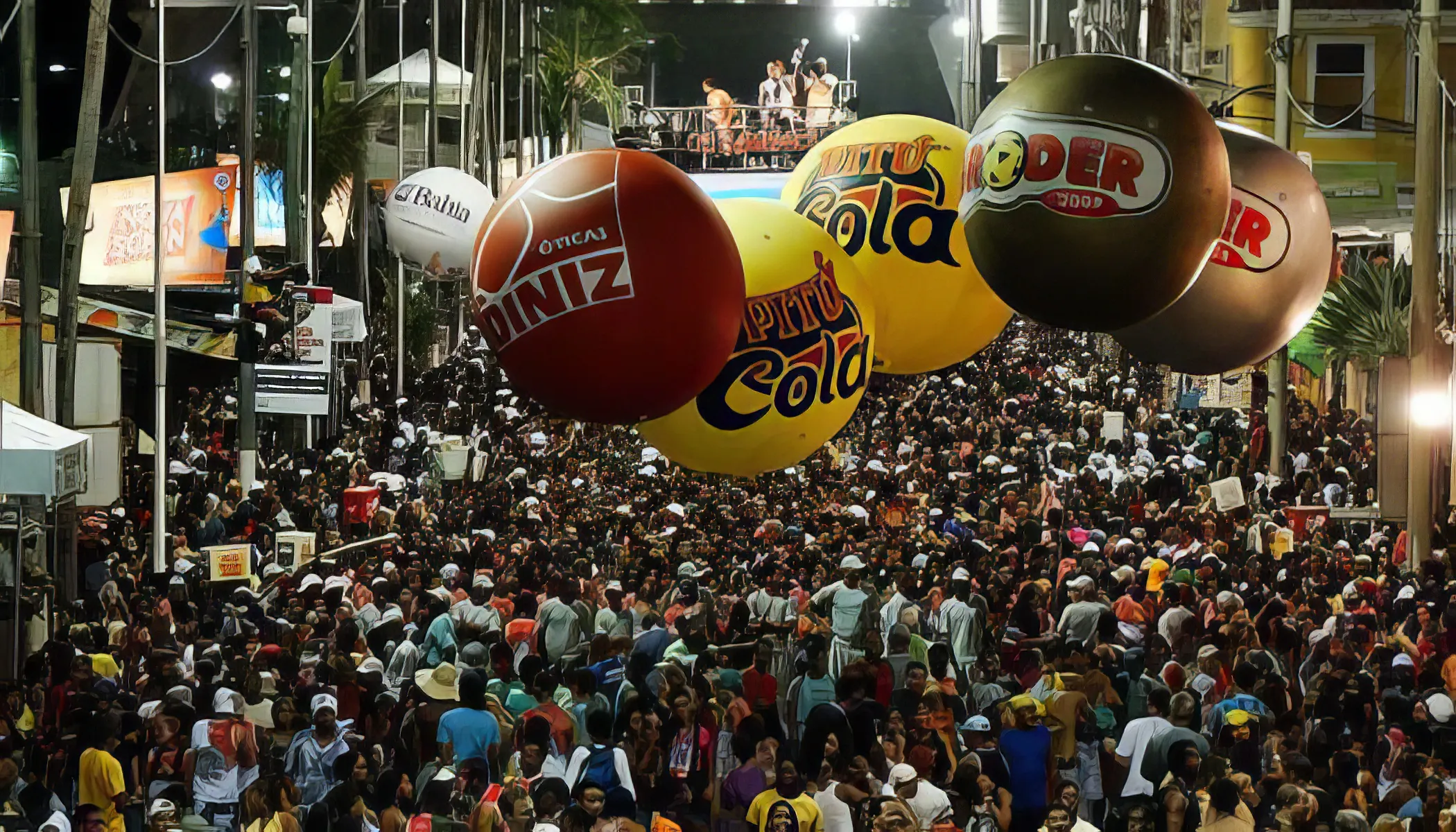
The city hosts the famous Carnaval, one of the largest and most beautiful festivals in Brazil, featuring parades and music. There are many cultural events throughout the year, such as Festa de Iemanjá, a celebration of the goddess of the sea. The area is known for its rich Afro-Brazilian heritage, reflected in its music, dance, and art forms, particularly Candomblé. Art galleries and museums showcase local artists, providing insights into the city's cultural history.