

Brno Travel Guide: Tourist Places & Activities
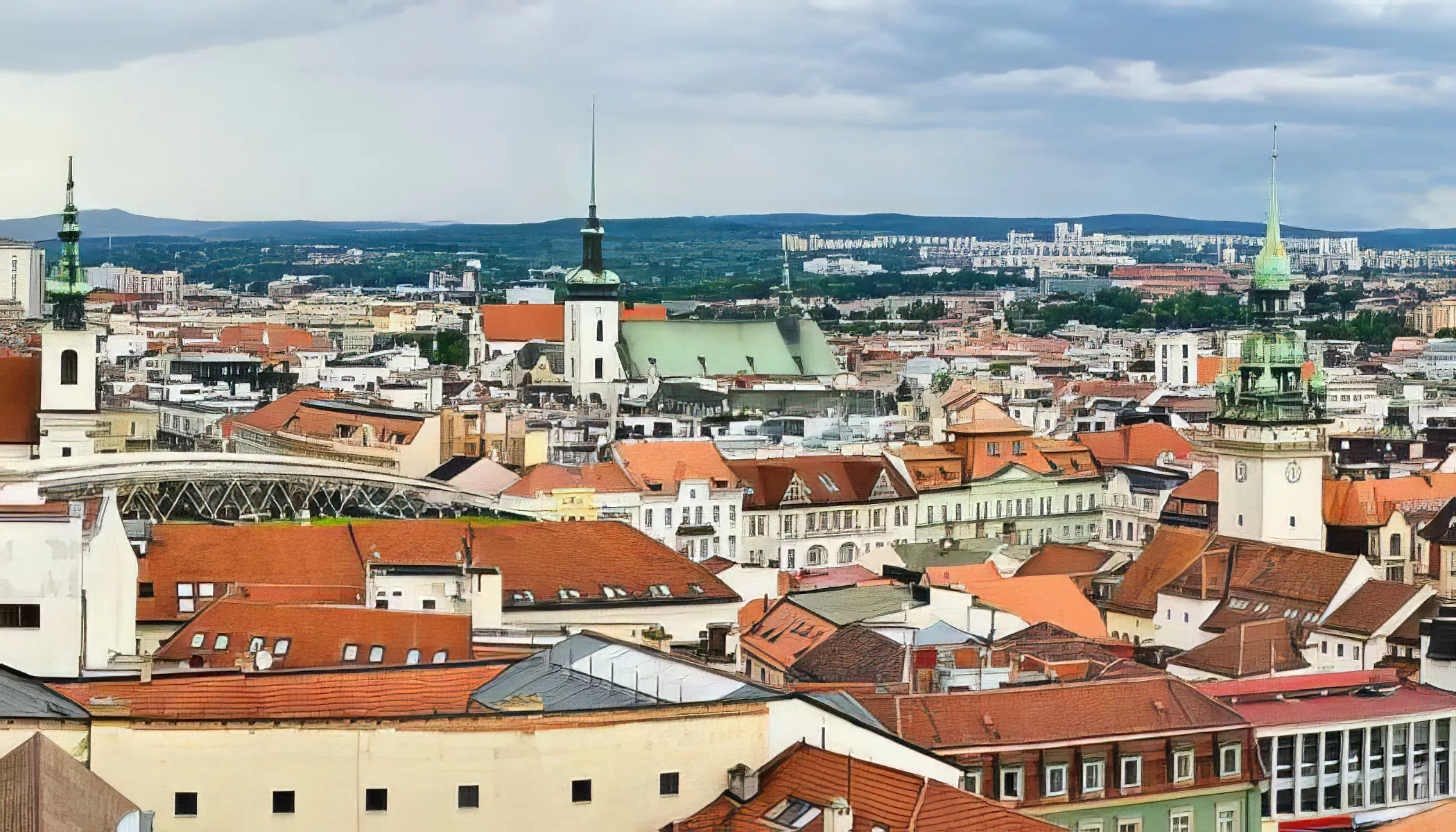
This city is the second largest in its nation, known for its historical architecture, remarkable cultural scene, and numerous universities. It has a mix of modern and traditional elements, making it a notable destination for visitors and students alike.
- Population
- 0.38 millions
- Size
- 232 square km
- Airport
- Tuřany – Int'l
- Train Station
- Brno hlavní nádraží.
- Est. Visit Days
- 2 days
Overview
Brno is the second-largest city in the Czech Republic and is known for its university and remarkable cultural scene. Pros include a lower cost of living compared to Prague, a variety of parks, and a rich history, including architectural sites. However, some cons are limited international connections and less nightlife compared to larger cities. Overall, Brno offers a balanced urban experience for residents and visitors alike.
Traffic & Transport
The city features an efficient public transportation system comprising trams, buses, and trolleybuses, making it easy for visitors to navigate the urban landscape. Trams are particularly useful, as they connect major attractions and neighborhoods, while buses extend access to outlying areas. For those who prefer to explore on foot or by bike, the city offers well-maintained walking paths and biking lanes. Ride-sharing services are also available, providing travelers with convenient options to move around. Reliable taxi companies in the area include Dopravní Podnik and AAA Taxi, both known for their punctuality and affordability. Additionally, travelers can utilize popular taxi-booking apps such as Liftago and Uber for a seamless transportation experience.
History
This city has a history influenced by various rulers, including the Přemyslid dynasty and later the Habsburgs. In the 30 Years’ War, it was occupied and sieged, affecting its development. The city became a center for trade and commerce, especially in the 19th century, with the establishment of railways. It also hosted significant cultural events, including the founding of important institutions and theaters. The city reflects a mix of Gothic, Renaissance, and Baroque architectural styles due to its historical significance.
Itinerary Sample
Explore Brno in two days with this concise itinerary.
– First day: Visit Špilberk Castle, walk through Liberty Square, and explore the Cathedral of St. Peter and Paul. Enjoy lunch at a local café and check out the Brno Underground.
– Second day: Tour the Vila Tugendhat, take a stroll in Lužánky Park, then visit the Moravian Museum. Have dinner at a traditional restaurant and consider a night walk to see the city lights.
Near Excursion
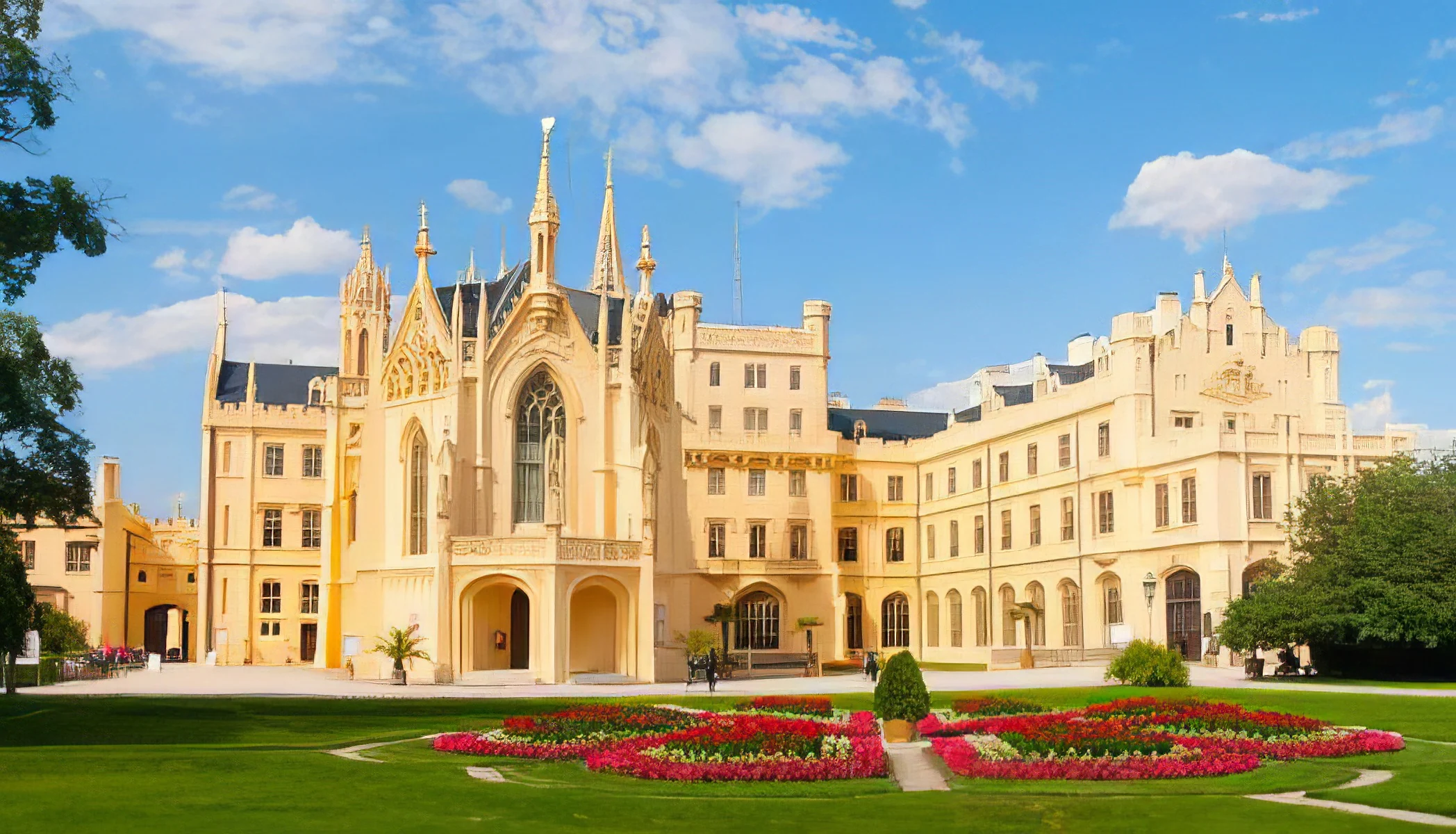
This city offers a variety of nearby day-trip destinations worth exploring. Here are some options:
– Pernštejn Castle at 40 km: A well-preserved medieval fortress offering beautiful architecture and scenic views.
– Macocha Abyss at 35 km: A nice deep karst sinkhole, part of the captivating Moravian Karst region.
– Lednice Chateau at 55 km: A neo-Gothic castle surrounded by charming gardens and calm parklands.
– Olomouc at 80 km: A historic city with impressive baroque architecture and lively cultural sites.
– Telč at 120 km: A UNESCO World Heritage site known for its Renaissance and Baroque-style town square.
Attraction
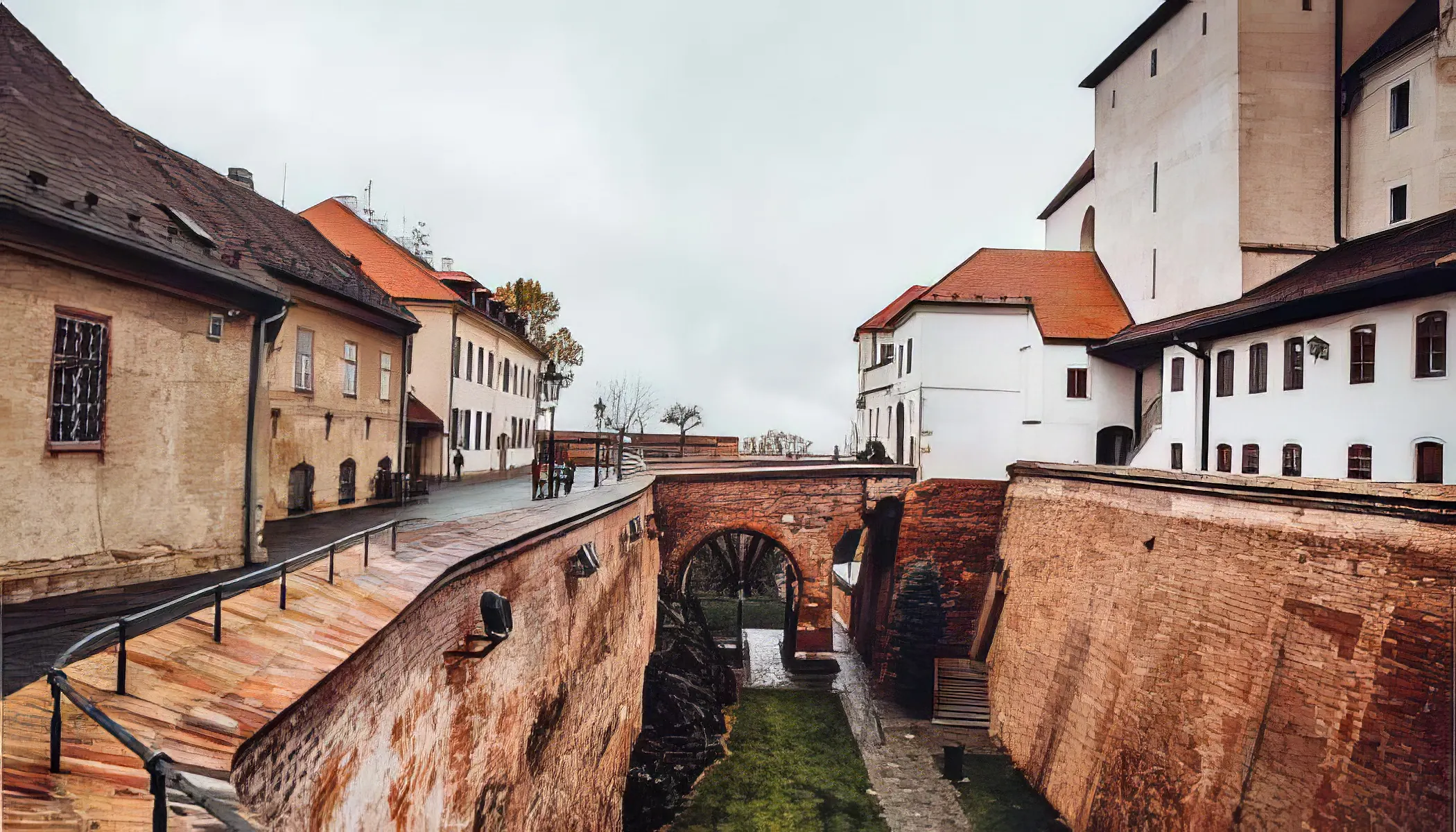
Known for its history and architecture, the city's attractions offer a blend of culture and natural beauty.
– Špilberk Castle: A fortress with a historical museum showcasing the city's past and offering panoramic views.
– Cathedral of St. Peter and Paul: Famous for its twin towers, it's a significant landmark with Gothic architecture.
– Villa Tugendhat: A UNESCO World Heritage site, representing modern architecture and offering guided tours.
– Brno Zoo: Home to diverse animal species and a popular spot for family visits.
– Old Town Hall: Features a Renaissance tower with unique architectural details and legends.
– Moravian Karst: A natural reserve ideal for exploring caves and experiencing outdoor activities.
Activity
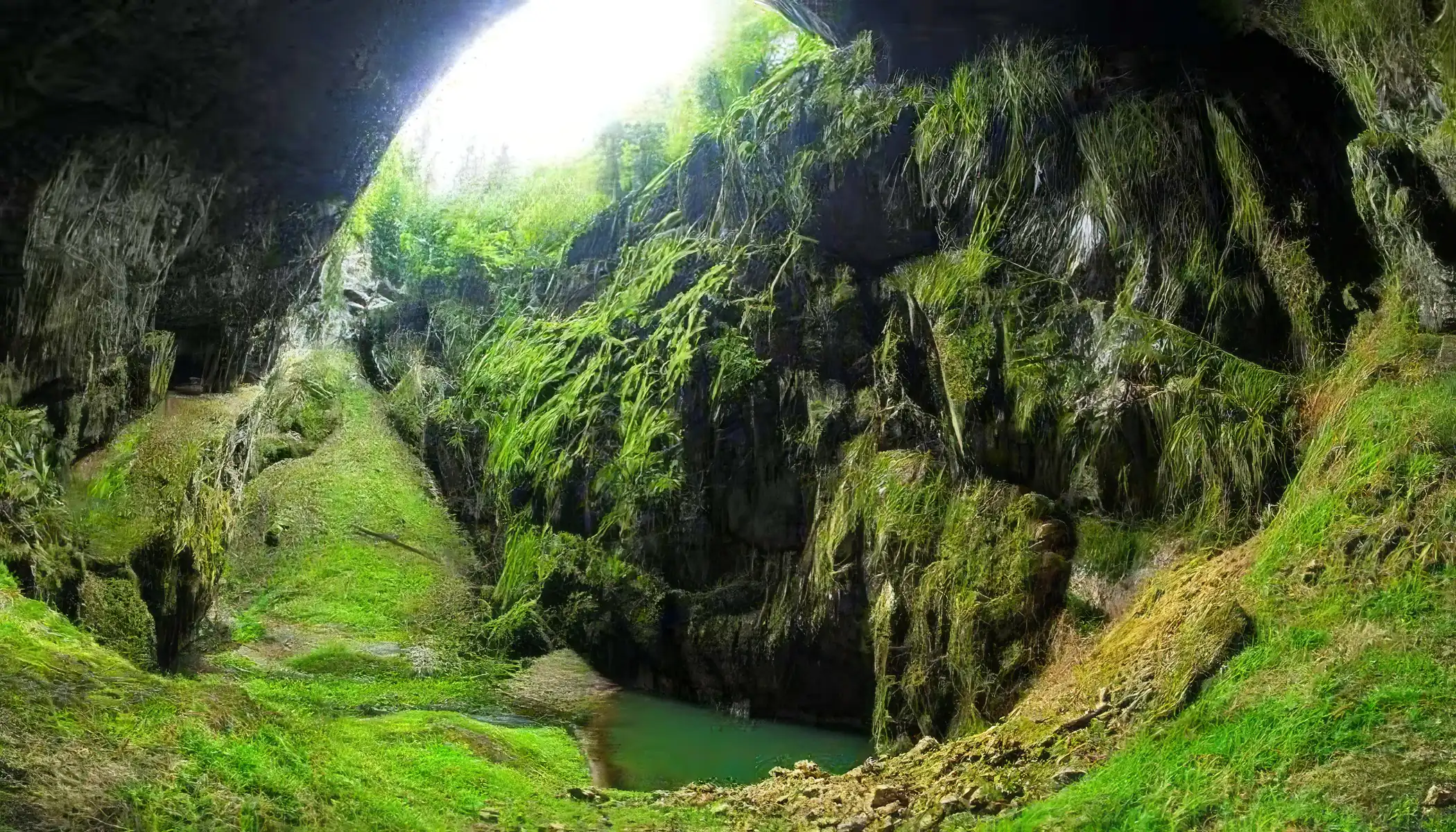
Brno offers various activities, including exploring its unique architecture, historical sites, and animated local culture.
– Tugendhat Villa: A UNESCO site, famous for its modernist architecture and design, representing an important cultural landmark in Brno.
– Špilberk Castle: This historic castle provides panoramic views and offers insights into Brno's history, with fortifications and beautiful grounds.
– Brno Underground: Explore a network of tunnels and cellars beneath the city, highlighting its history and unique subterranean environment.
– Moravian Karst: A nearby region known for its gorgeous bright caves, hiking trails, and nature experiences.
– The Old Town Hall: Discover the historic significance and unique architecture of this landmark, including a view of the iconic Brno Dragon.
Cuisine
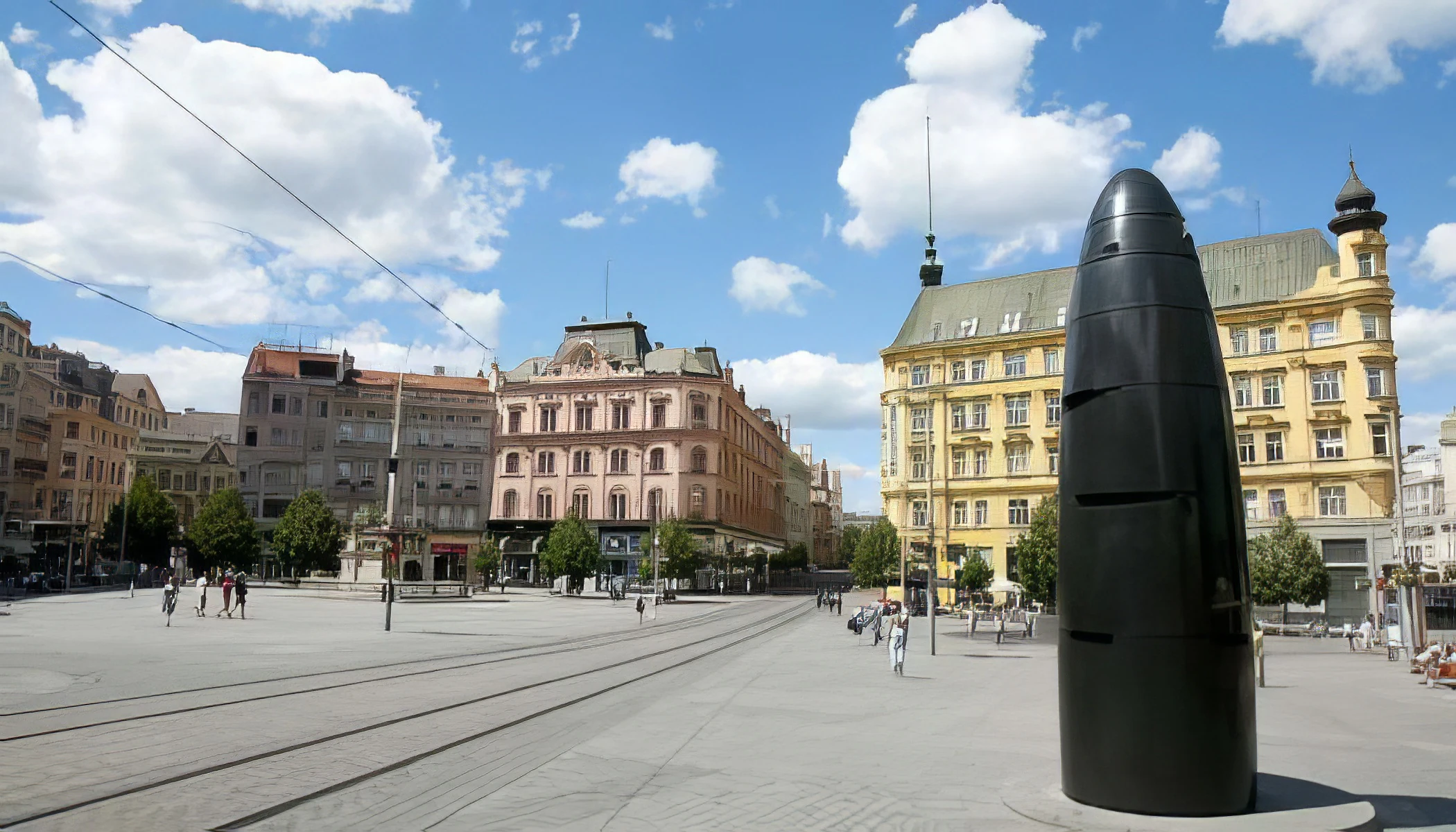
The city offers a mix of traditional Czech cuisine and a gradually emerging modern dining scene, focusing on local ingredients. Some of the city's most famous dishes include:
– Svíčková: Marinated beef sirloin in creamy vegetable sauce, served with bread dumplings.
– Vepřo Knedlo Zelo: Roast pork with bread dumplings and sauerkraut, a classic Czech dish.
– Šunkofleky: Baked pasta with smoked meat, eggs, and onions.
– Moravian Sparrow: Roast pork chunks with dumplings and red cabbage.
– Koláče: Sweet pastry filled with fruit or cheese, often served as a dessert.
Shopping
The city offers various shops where you can find traditional Czech glassware and ceramics. Local markets often sell handmade crafts, which make unique gifts. You might also consider buying a bottle of local wine or spirits, as they are popular souvenirs. Additionally, Czech jewelry, especially silver, can be a nice choice. Overall, there are several options for local and authentic gifts.
Arts & Culture
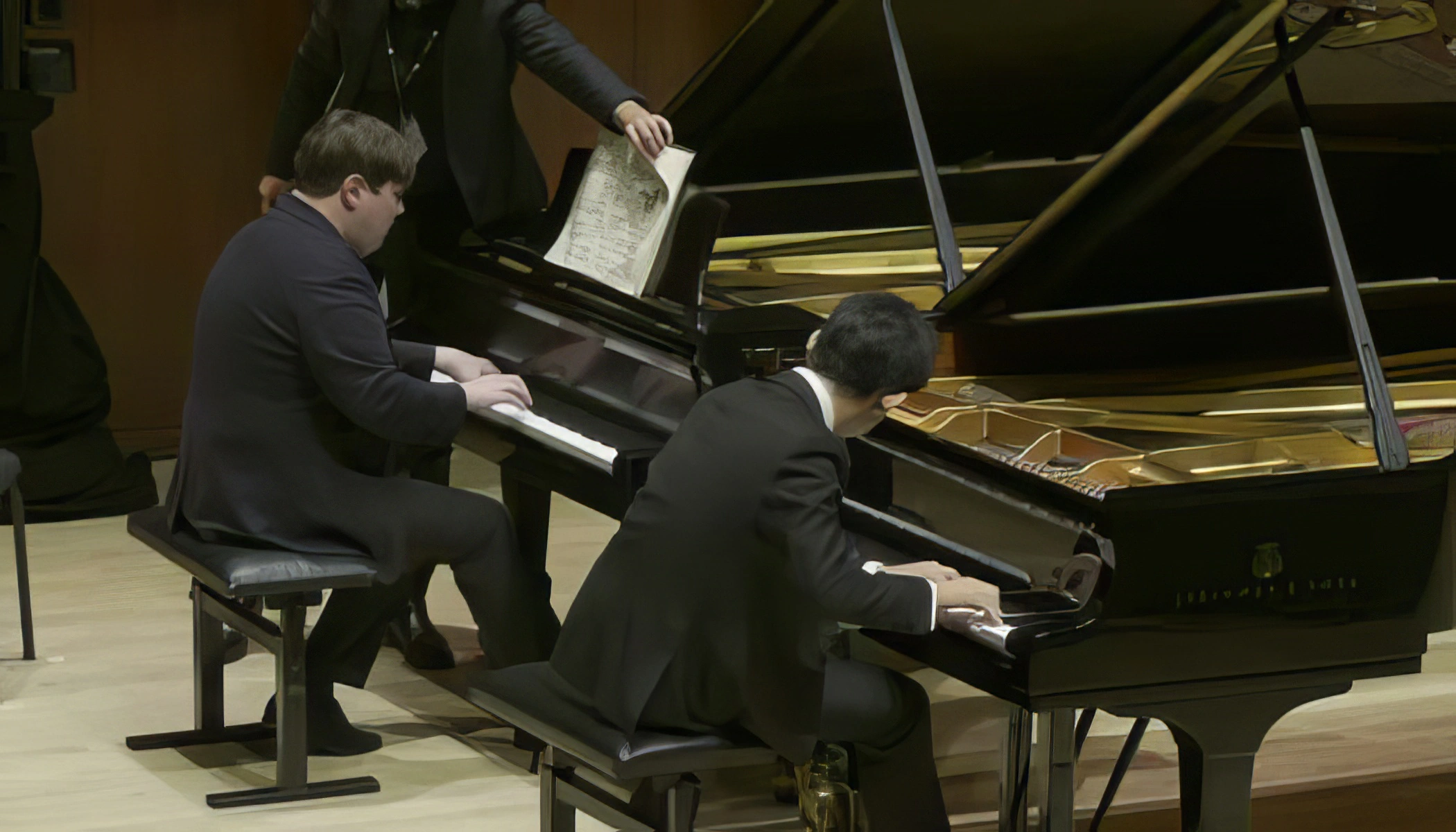
The city hosts the annual MIDSUMMER JAZZ festival, attracting local and international musicians. The International Film Festival is another significant event, showcasing various films and promoting cinema culture. The architecture includes notable examples of modernist design, such as buildings by architect Villa Tugendhat. Additionally, there are several galleries and museums dedicated to contemporary art and local history.