

Sightseeing in Bulawayo: Culture & Must‑See Spots
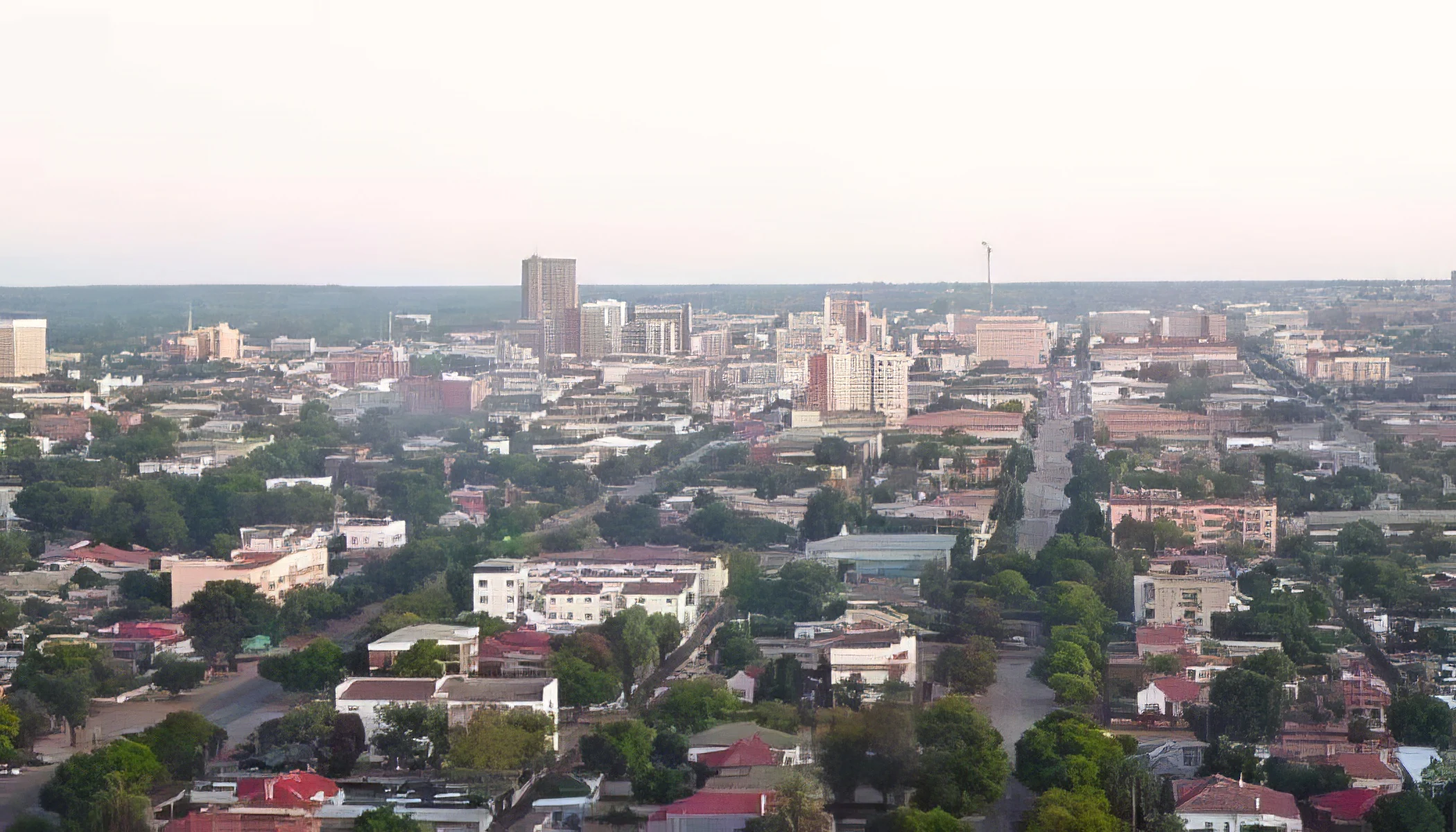
This city is the second-largest in its country, known for its colonial architecture and cultural heritage. It serves as a key industrial and commercial center, with access to national parks and historical sites nearby.
- Airport
- Joshua Mqabuko Nkomo – Int'l
- Train Station
- Bulawayo Station.
- Est. Visit Days
- 2 days
Overview
Bulawayo is the second-largest city in Zimbabwe, known for its historical significance and cultural heritage. Pros include a relatively cooler climate compared to other parts of the country and access to nearby national parks. The city has a rich history with several museums and colonial-era architecture. However, cons include economic challenges, limited job opportunities, and occasional water shortages. Overall, it offers a unique experience but may not suit everyone's needs.
Traffic & Transport
The city features a network of roads that can get busy during peak hours, but navigating is generally manageable. Public transportation options include minibuses and shared taxis, which are popular among locals and provide an affordable way to explore the area. For a more comfortable experience, renting a car or using private hire vehicles can also be a good choice for tourists. Walking is feasible in certain areas, especially in the central district where attractions are concentrated. Reliable taxi services are available, with several companies operating throughout the city. While there may not be widely recognized taxi-booking apps, you can find local taxi operators through hotel recommendations or by asking locals for trusted services.
History
Founded in the late 19th century, the city became a key site during the Second Matabele War in 1896. It served as a commercial hub for trade between European settlers and local communities. The arrival of the railway in 1897 boosted its economic significance. Post-independence in 1980, it became an important center for Zimbabwean culture and industry. Today, it reflects a mix of historical influences from both indigenous and colonial times.
Itinerary Sample
Here is a sample itinerary for exploring Bulawayo in two days:
– First day: Visit the Natural History Museum and the Bulawayo Railway Museum. Explore the city center and enjoy local cuisine at a nearby restaurant.
– Second day: Tour Matobo National Park, see ancient rock paintings, and visit the grave of Cecil Rhodes. Return to Bulawayo for shopping at local markets.
Near Excursion
This city offers a variety of interesting day-trip options nearby. Here are a few to consider:
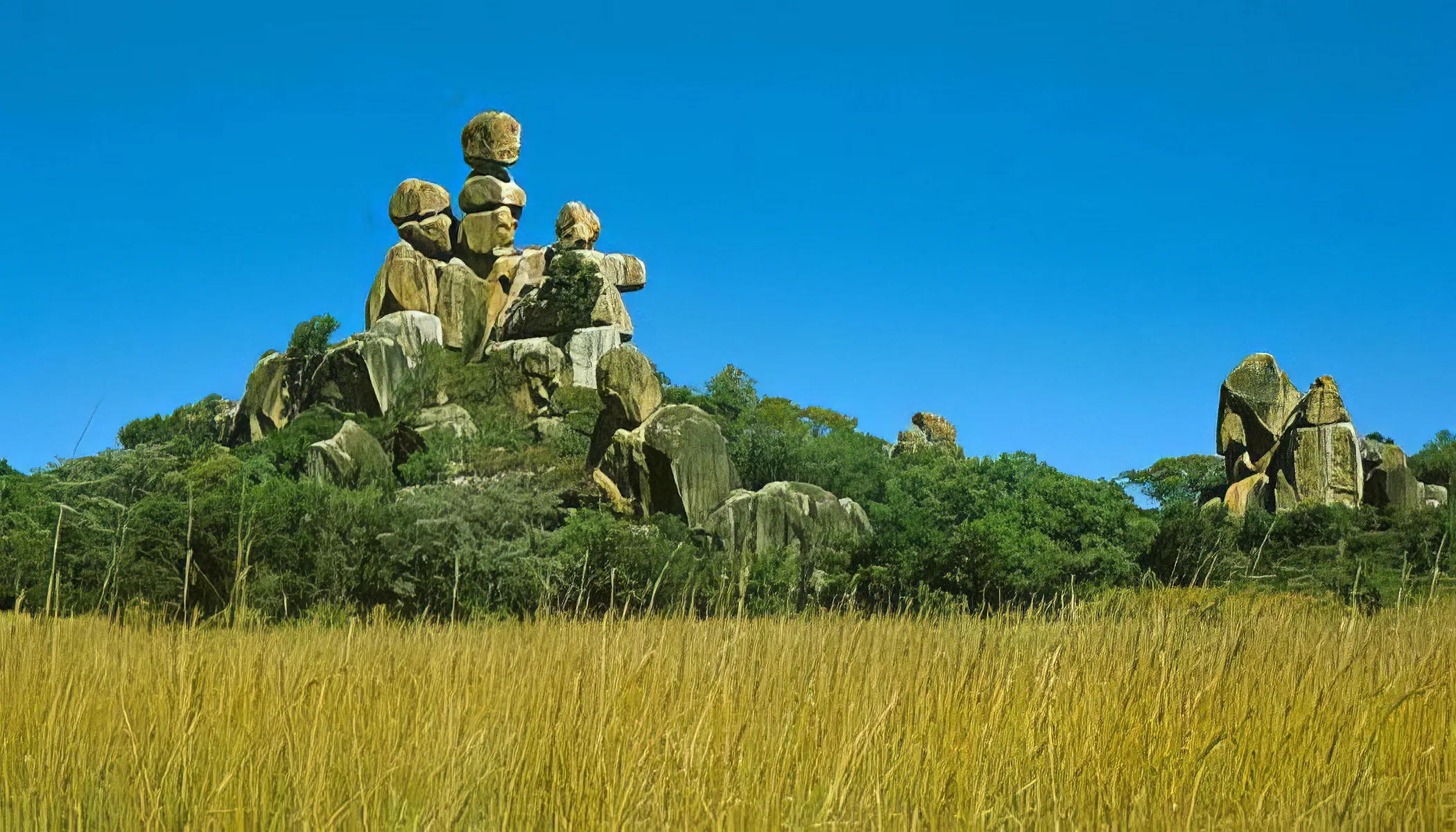
– Matobo National Park at 35 km: Famous for its balancing rocks, ancient rock art, and rhino population.
– Khami Ruins at 22 km: Explore the remnants of an ancient civilization with stone walls and terraced hills.
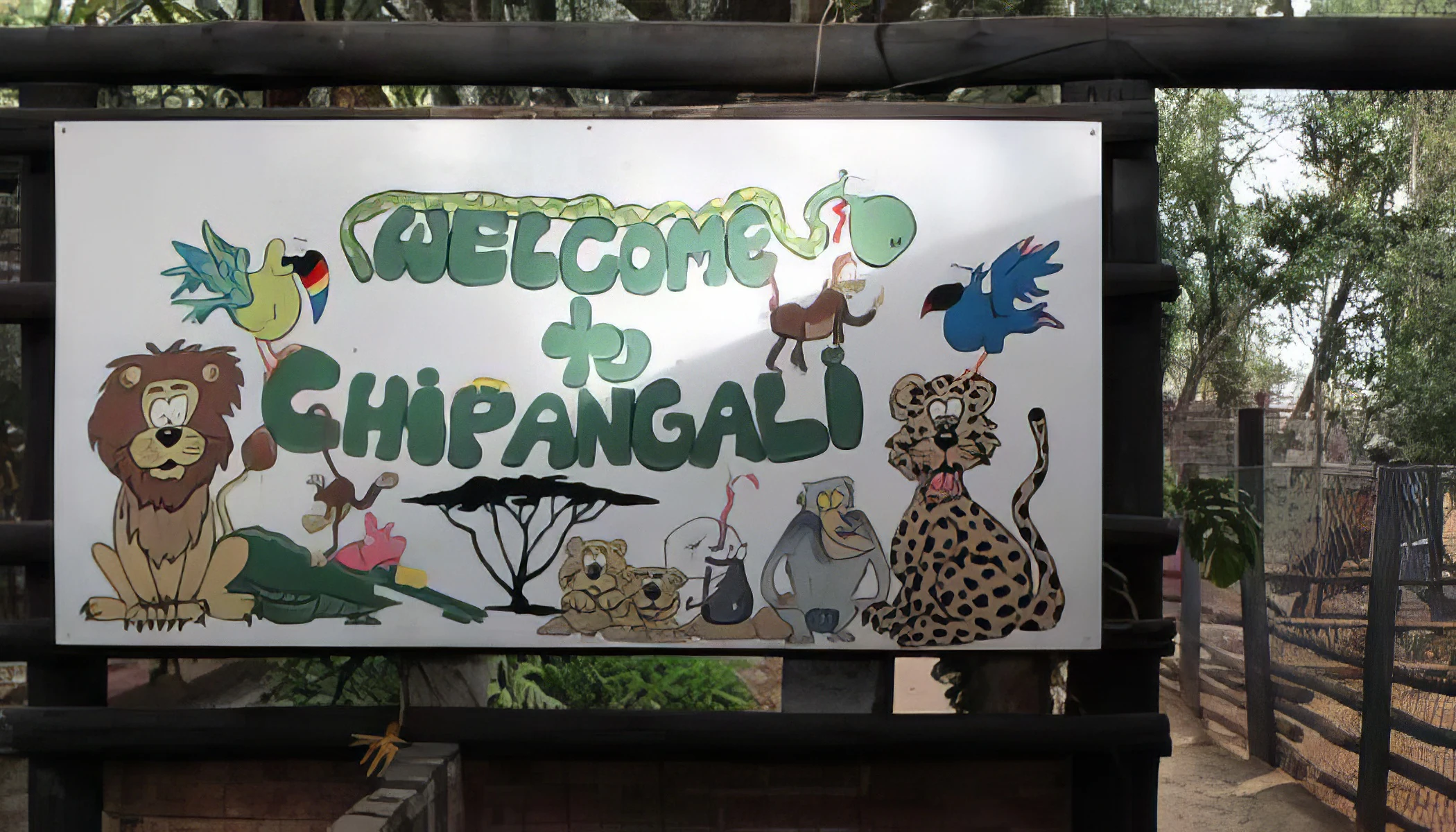
– Chipangali Wildlife Orphanage at 23 km: A sanctuary for orphaned and rescued wild animals, ideal for families.
– Naletale Ruins at 100 km: Discover these lesser-known ruins showcasing impressive stonework and history.
– Tshabalala Game Sanctuary at 10 km: Offers walking safaris and wildlife viewing in a easygoing environment.
Attraction
This city is known for its rich history, cultural heritage, and natural attractions.
– Matobo National Park: Known for its unique granite formations and ancient rock paintings, it's a UNESCO World Heritage Site.
– Natural History Museum: Offers exhibits on the country's history, wildlife, and archaeology with extensive collections.
– Khami Ruins: An archaeological site with stone ruins that provide insight into the region's past civilizations.
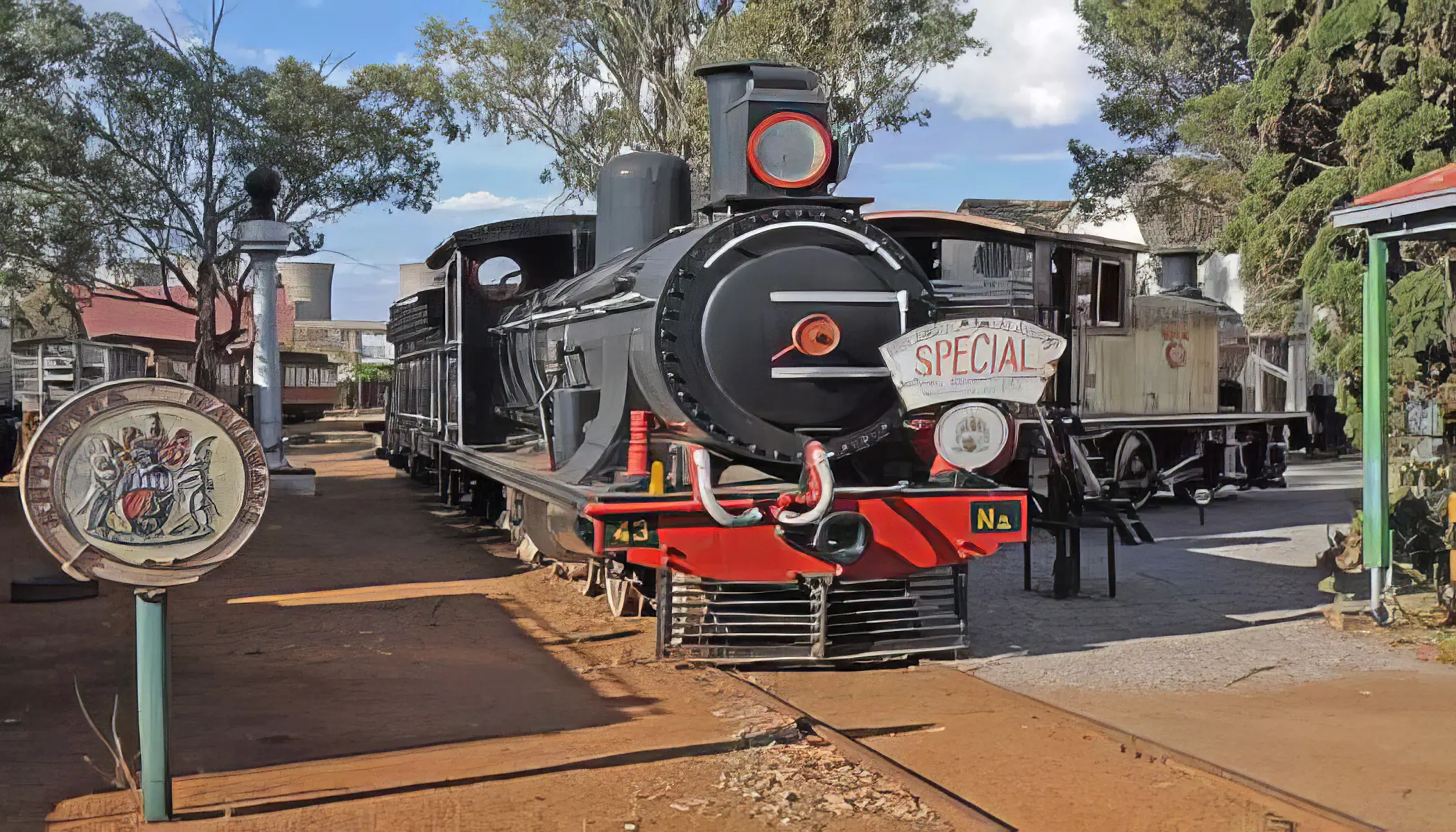
– Railway Museum: Displays historic steam locomotives and offers insights into the country's rail history.
– Mzilikazi Arts and Crafts Centre: Features locally made crafts and artwork, showcasing traditional skills.
– Centenary Park: A public park offering peaceful gardens, fountains, and a small amusement area.
Activity
In Bulawayo, travelers can explore local culture, nature, and adventure through various unique activities.
– Khami Ruins: Explore ancient stone ruins that showcase the history of the Kingdom of Butua in Zimbabwe.
– Matobo National Park: Discover diverse wildlife and nice landscapes, ideal for hiking and rock climbing adventures.
– Chipangali Wildlife Orphanage: Learn about conservation efforts while observing rescued animals and their rehabilitation process.
– Bulawayo Railway Museum: Experience the history of rail transport in Zimbabwe with vintage locomotives and carriages on display.
– Nyanga National Park: Engage in outdoor activities like bird watching, hiking, and fishing in a scenic environment.
Shopping
There are local markets and shops where you can find handmade crafts and artwork. Traditional textiles, such as woven baskets or cloth, make good gifts. You can also purchase wooden carvings that reflect the culture. Look for beadwork jewelry, which is popular among visitors. These items are unique and represent the local heritage. Overall, you can find authentic souvenirs that support local artisans.
Arts & Culture
The city is known for its vibrant arts scene, particularly in traditional music and dance, with events like the annual Zimbabwe International Trade Fair showcasing local talent. The National Gallery of Zimbabwe in Bulawayo features contemporary and traditional art exhibitions. Various cultural festivals celebrate local heritage, including the Intwasa Arts Festival which highlights theater, music, and visual arts. Additionally, there are frequent performances at venues such as the Bulawayo Theatre.