

Sightseeing in Ouagadougou: Culture & Must‑See Spots
The capital city is known for its charming markets, cultural institutions, and historical sites. It serves as the political and economic center of the country, offering a glimpse into local traditions and daily life.
- Population
- 2.5 millions
- Size
- 1 000 square km
- Airport
- Ouagadougou – Int'l
- Train Station
- Gare de Ouagadougou.
- Est. Visit Days
- 2 days
Overview
Ouagadougou is the capital city of Burkina Faso and serves as its political and cultural center. One advantage is its rich cultural heritage, including music and art scenes, which offer visitors insight into local traditions. On the downside, infrastructure can be underdeveloped, leading to challenges in transportation and services. The climate is hot and dry, which may not be comfortable for everyone. Overall, Ouagadougou provides a unique experience but can be difficult for some travelers.
Traffic & Transport
The city features a mix of motorcycles, taxis, and public buses as the primary means of transport for exploring its attractions. Motorbikes are a popular option for short distances, providing a flexible way to navigate through the often congested streets. Public buses offer an economical, though less frequent, way of getting around, while taxis provide a more comfortable travel experience for longer distances. Walking is also a viable option in some areas where points of interest are close together. For reliable taxi services, consider using local companies like HCT (Hauka Cab Taxi) and Taxi Radio. While there may not be widely recognized taxi-booking apps available, taxis can typically be hailed on the street or booked by phone through local service providers.
History
The area was historically part of the Mossi Kingdoms, which emerged in the 11th century and established significant regional power. In the late 19th century, it became a target for French colonial expansion, leading to its incorporation into French West Africa. Following World War II, the region experienced a rise in nationalism, contributing to Burkina Faso's independence from France in 1960. Throughout the 20th century, the city developed economically through trade and agriculture, reflecting its diverse cultural heritage. Traditional festivals and markets remain important in showcasing the local culture and history.
Itinerary Sample
Here is a sample itinerary for exploring Ouagadougou in two days.
– First day: Visit the National Museum, explore the Central Market, and see the Grand Mosque. Enjoy dinner at a local restaurant.
– Second day: Tour the African Art Museum, visit the Bangr Weoogo Park, and experience local crafts at artisans' village.
Near Excursion
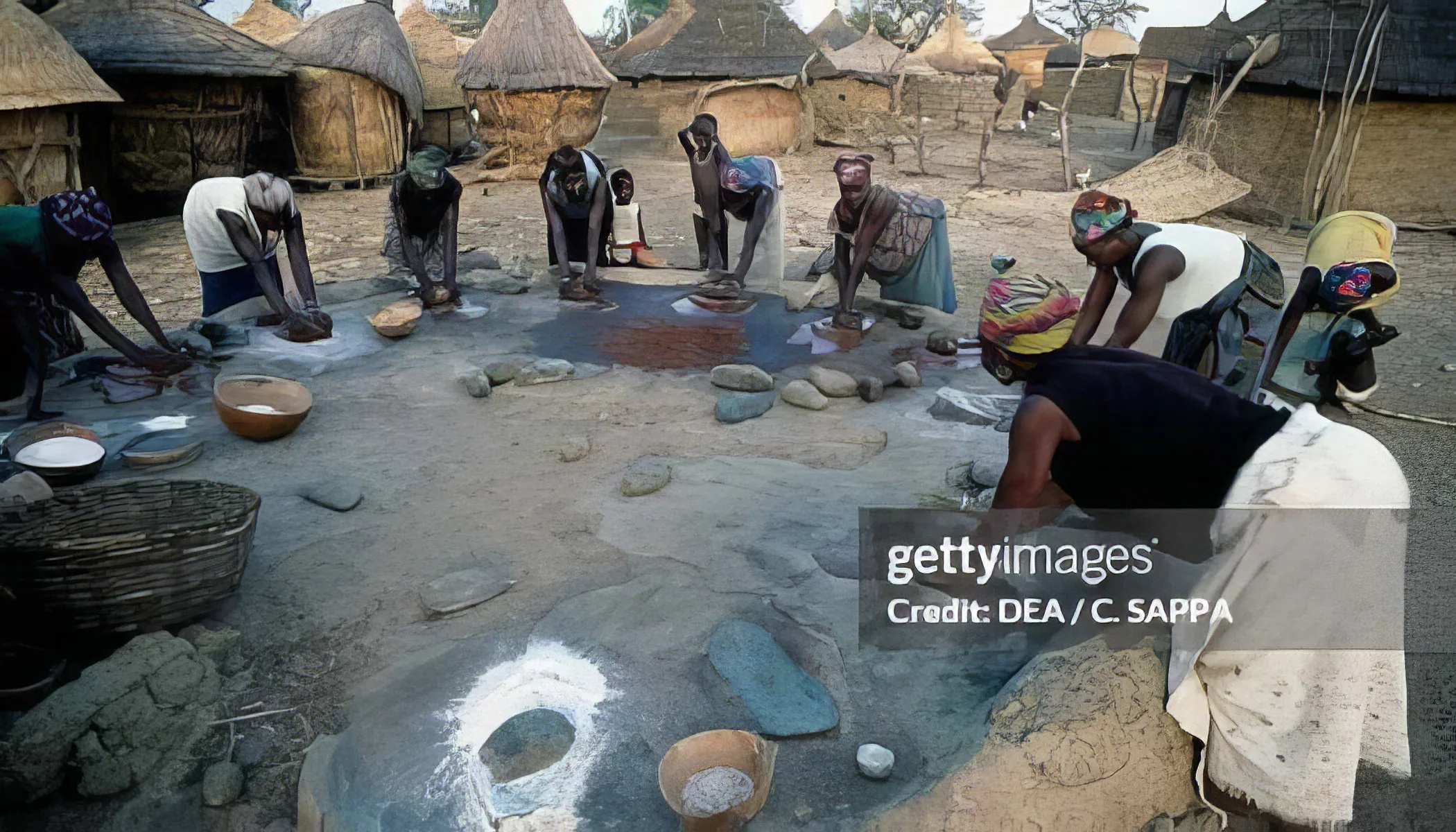
This city offers several interesting day-trip options within a short drive. Here are some suggestions:
– Laongo Sculpture Symposium at 35 km: Open-air granite sculptures created by international artists, offering a unique art experience.
– Bazoule Crocodile Pond at 30 km: Home to sacred crocodiles which can be approached and touched with local guides.
– Koubri Monastery at 50 km: A peaceful retreat with calm gardens maintained by local monks.
– Ziniare Wildlife Park at 45 km: A small reserve featuring African wildlife like lions and elephants.
– Lake Loumbila at 25 km: A recreational spot for picnics, kayaking, and relaxation near the water.
Attraction
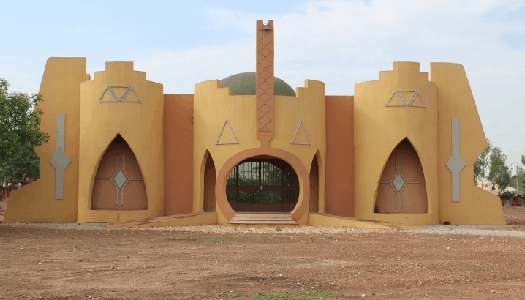
This city offers a mix of cultural attractions and local experiences for tourists.
– National Museum: Offers a collection of artifacts showcasing the diverse cultures and history of the region.
– Village Artisanal: A crafts market where visitors can buy traditional arts and crafts from local artisans.
– Laongo Sculpture Symposium: Features impressive granite sculptures created by artists from around the world in an open-air setting.
– Bangr-Weoogo Urban Park: A natural reserve providing walking trails and opportunities to see local wildlife.
– Cathedral of the Immaculate Conception: A significant religious site known for its distinctive architecture and historical importance.
– Grande Mosquée: A prominent mosque known for its striking design and cultural significance.
Activity
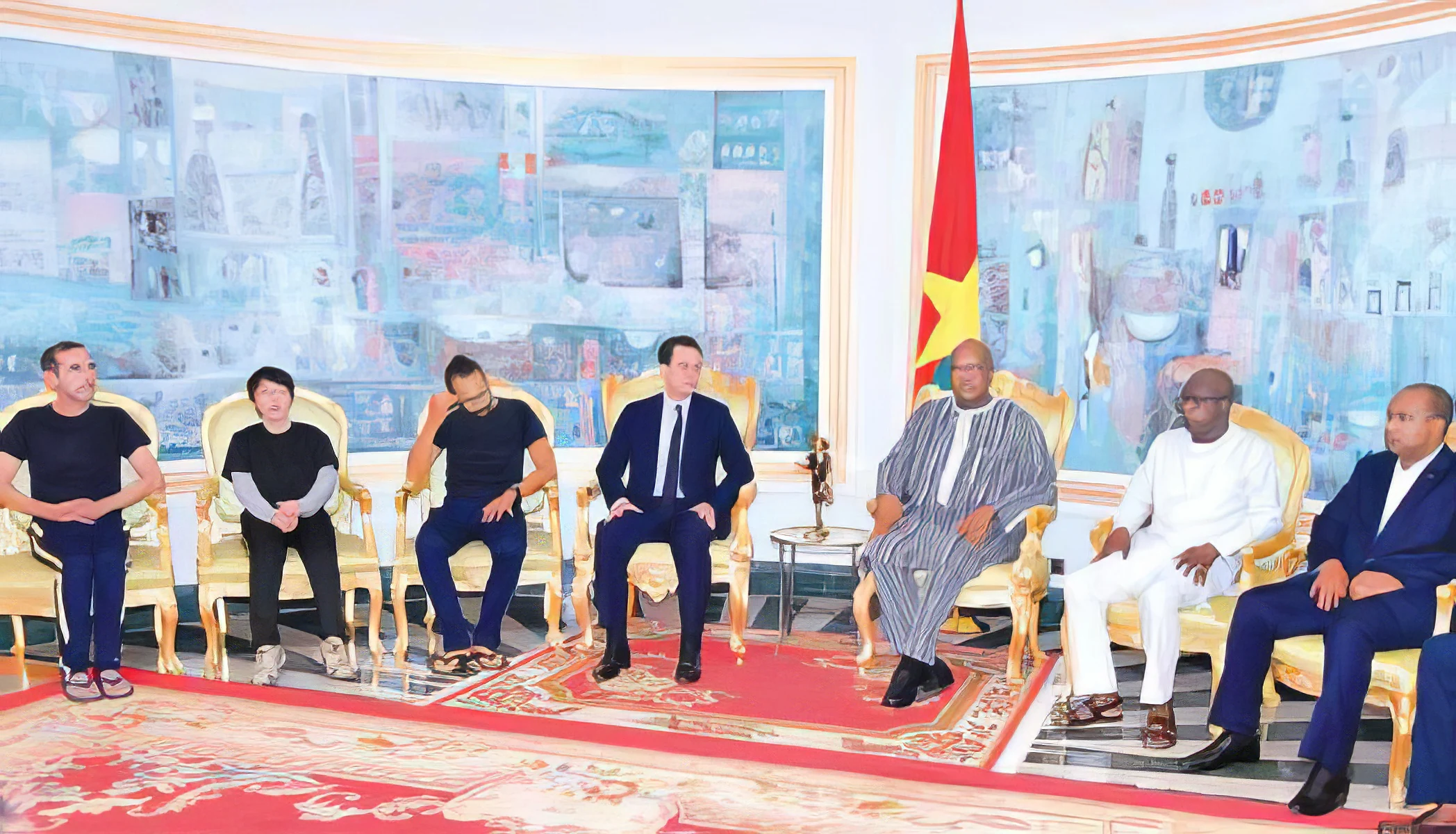
Travelers in Ouagadougou can explore local markets, enjoy cultural performances, and experience unique traditions in this energetic city.
– Visit the Ouagadougou Central Market: Experience local life and shop for handicrafts, fabrics, and spices in a pretty atmosphere.
– Attend a traditional music performance: Enjoy local rhythms and dance at various cultural events showcasing Burkina Faso's rich artistic heritage.
– Explore the Laongo Sculpture Complex: Discover outdoor sculptures and artworks created by regional artists in a beautiful natural setting.
– Take a guided tour of the Kossyam Palace: Learn about the country's politics and history at the presidential residence.
– Go to the Ouaga Film Festival: Watch local and international films and engage in conversations about cinema and culture in Burkina Faso.
Cuisine
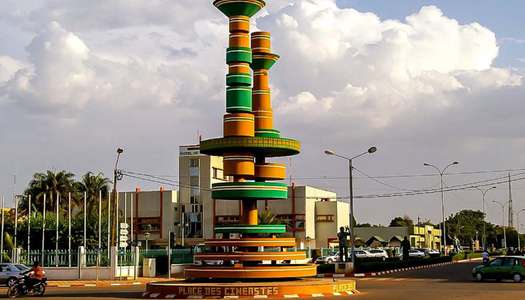
The city boasts a animated food scene with markets offering traditional West African dishes rich in flavors and spices. Some of the city's most famous dishes include:
– Tô: Staple dish made from millet or corn flour, often served with sauce.
– Riz Gras: A flavorful rice dish cooked with tomato sauce and vegetables.
– Poulet Bicyclette: Popular grilled or roasted chicken dish, often spicy.
– Babenda: Leafy greens stew mixed with fermented seeds and sometimes fish.
– Degue: Sweet dessert made from millet couscous and yogurt.
– Yassa: A spicy dish made with onions, lemon, and chicken or fish.
Shopping
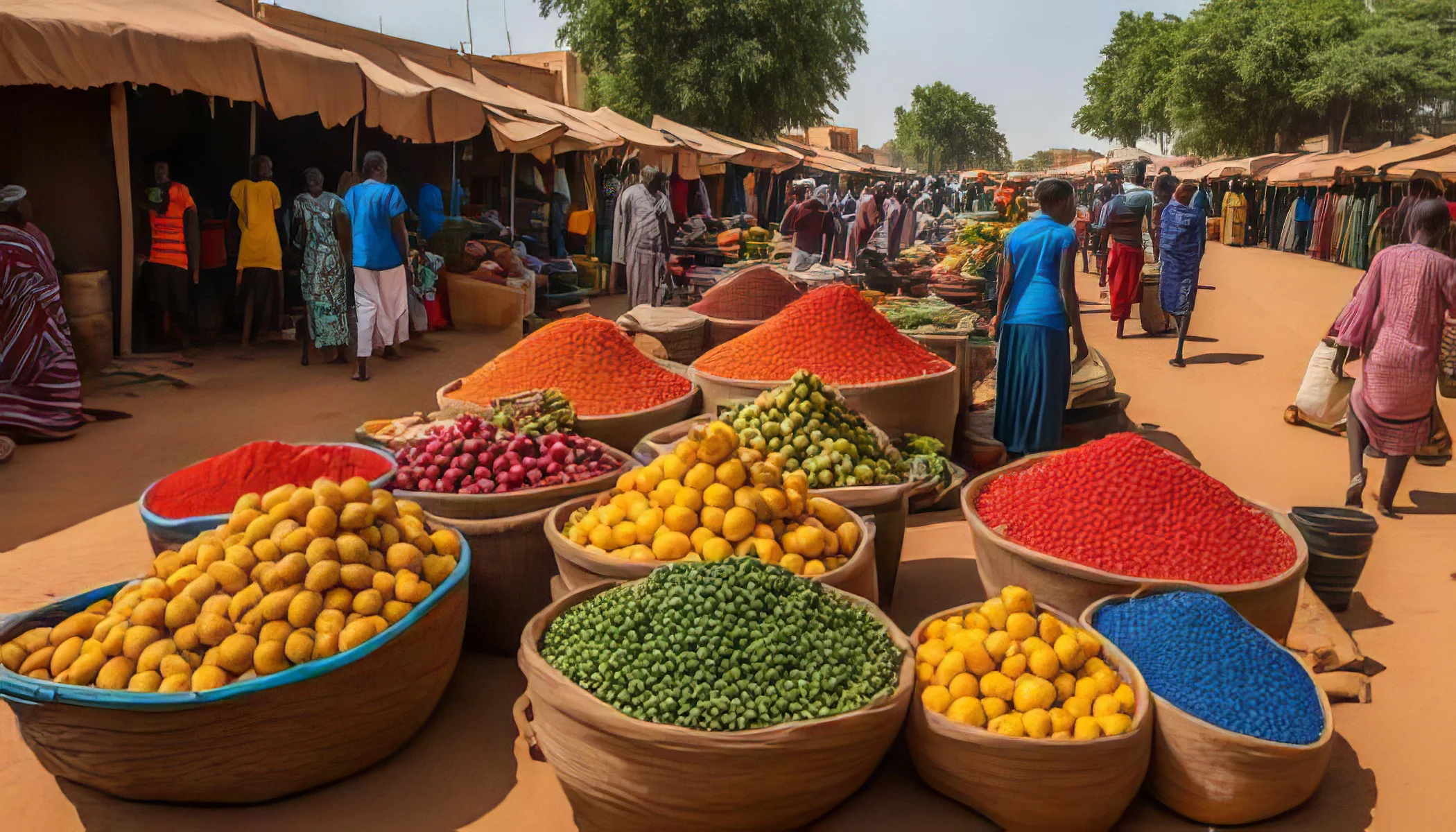
You can find unique handmade crafts and textiles at local markets. Look for lively Faso Dan Fani fabric, which is traditional and popular. Wooden carvings and sculptures are also great gift options, showcasing local artistry. Jewelry made from local materials can serve as a meaningful souvenir. Be prepared to bargain for the best prices. Overall, the shopping experience offers a glimpse into the local culture.
Arts & Culture
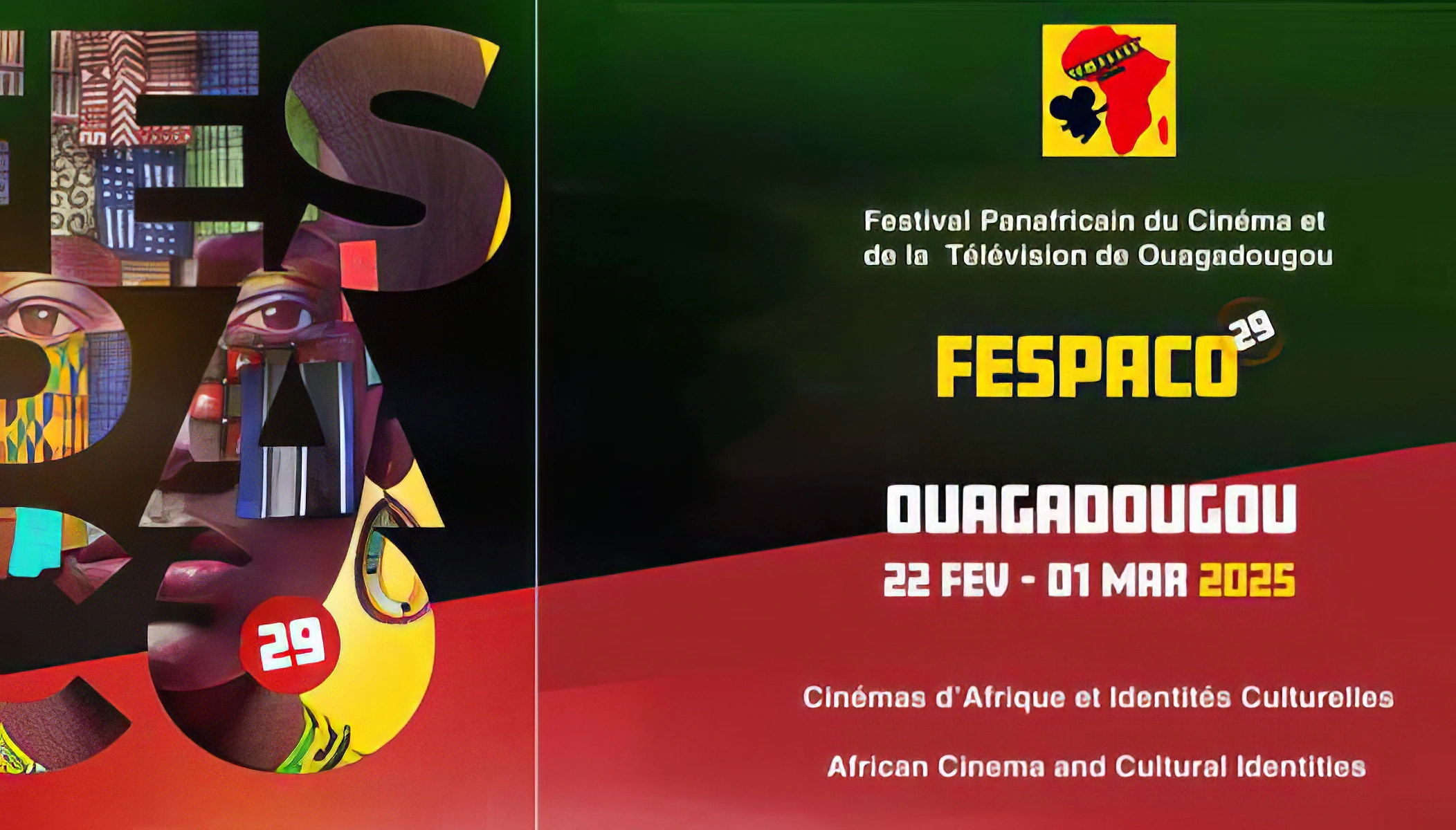
The city hosts the biennial Panafrican Film and Television Festival of Ouagadougou (FESPACO), a significant event in African cinema. Local art galleries showcase contemporary and traditional works, with many featuring the lively textile arts of the region. There are also regular cultural performances, including music and dance festivals, that highlight the rich cultural heritage. Additionally, the National Museum often displays artifacts related to the history and culture of Burkina Faso.