

Busan Travel Guide: Tourist Places & Activities
This coastal city is known for its beautiful beaches, pretty port, and dynamic fish markets. It offers a mix of modern architecture and traditional culture, making it a popular destination for both locals and tourists.
- Population
- 3.4 millions
- Size
- Busan has an area of 부산 (approximately) 770 square kilometers. square km
- Airport
- Gimhae – Int'l & 1 other
- Train Station
- Busan Station & 2 others
- Subway
- Yes.
- Est. Visit Days
- 4 days
Overview
Busan is South Korea's second-largest city, known for its beautiful beaches and lovely ports. Pros include a lively seafood market, cultural festivals, and easy access to nature. The city has a mild climate, making it pleasant for outdoor activities year-round. However, cons include heavy traffic and higher living costs compared to other cities in South Korea. Additionally, English may not be widely spoken, which can pose challenges for tourists.
Traffic & Transport
The city features an efficient public transportation system that includes buses and a subway network, making it easy for tourists to navigate. The subway is particularly convenient for accessing major attractions, while buses can take you to areas less served by the rail system. For a more leisurely exploration, renting a bicycle or using e-scooters is also popular in certain districts. Walking is another great way to discover the local culture and hidden gems. Reliable taxi services are available, and visitors can use apps like Kakao T for convenient booking. This app allows users to easily hail taxis and even choose from different vehicle options based on their needs.
History
The area has a history of being inhabited since ancient times, with evidence of early settlements. It became significant during the Goryeo Dynasty as a trading port and was known for its fishery resources. In the late 19th century, it opened to foreign trade, which led to increased commerce and cultural exchanges. The city experienced heavy destruction during the Korean War but later developed rapidly as a major economic center. Today, it reflects a blend of traditional Korean culture and modern influences due to its historical interactions.
Itinerary Sample
Here is a sample 4-day itinerary for exploring Busan, South Korea.
– First day: Arrive in Busan, visit Haeundae Beach, explore Dongbaek Island, and enjoy local seafood at a nearby restaurant.
– Second day: Visit Gamcheon Culture Village, then head to Jagalchi Fish Market for lunch, followed by a stroll through BIFF Square and Gukje Market.
– Third day: Explore Beomeosa Temple in the morning, visit the Busan Museum of Art in the afternoon, and relax at Centum City’s Shinsegae Department Store.
– Fourth day: Take a trip to Taejongdae Resort Park for scenic views, visit Oryukdo Skywalk, and conclude with a sunset at Songdo Beach.
Near Excursion
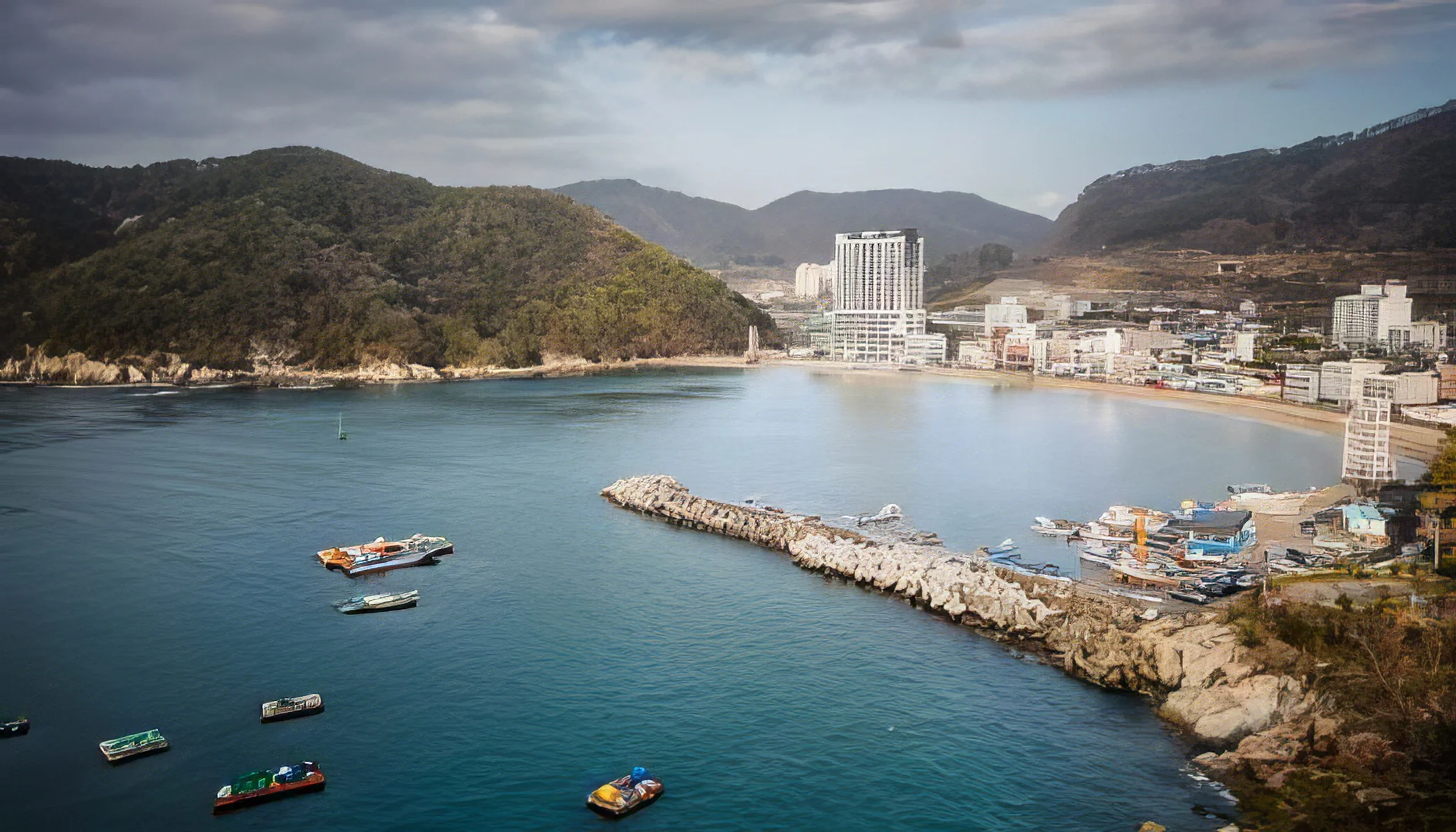
This city offers a variety of interesting day-trip options in its vicinity. Here are some suggestions:
– Gyeongju at 90 km: Known as the "museum without walls," it features ancient temples, tombs, and ruins from the Silla Dynasty.
– Tongdosa Temple at 50 km: One of Korea's Three Jewel Temples, famous for having no outdoor Buddha statues.
– Geoje Island at 60 km: Offers beautiful beaches and the historic Oedo Botania gardens.
– Ulsan Grand Park at 70 km: A large urban park with walking trails, gardens, and a zoo.
– Haeinsa Temple at 130 km: Part of UNESCO-listed site housing the Tripitaka Koreana woodblocks in its Janggyeong Panjeon hall.
Attraction
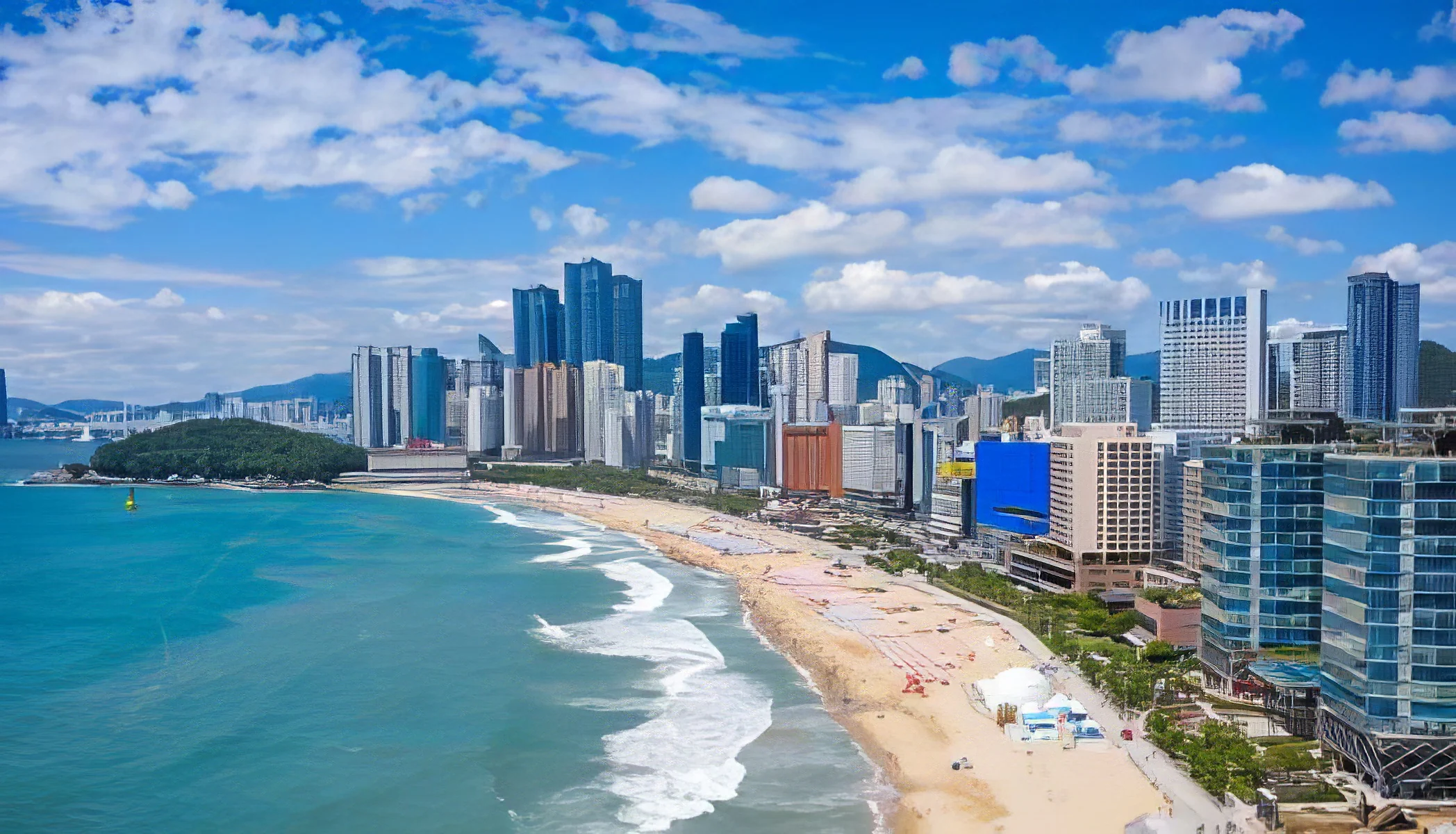
Known for its beaches, mountains, and cultural sites, this city offers diverse attractions.
– Haeundae Beach: A popular beach known for its long sandy shore and lively atmosphere, attracting both locals and tourists.
– Gamcheon Culture Village: A colorful hillside community with narrow streets featuring nice murals and art installations.
– Jagalchi Fish Market: The largest seafood market in the country, offering a wide variety of fresh fish and seafood.
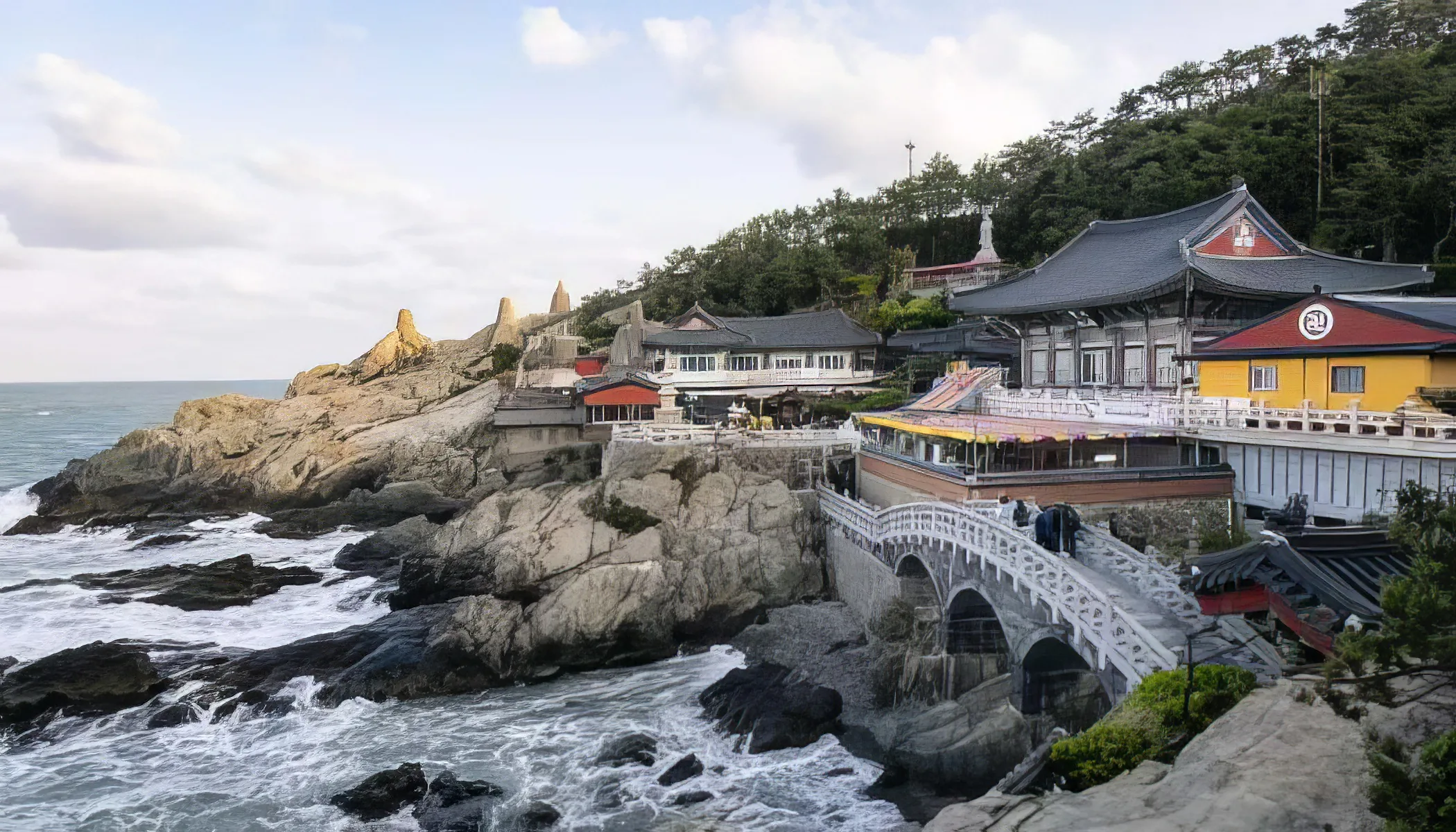
– Beomeosa Temple: A historic Buddhist temple located on a mountain, offering peaceful surroundings and traditional architecture.
– Gwangalli Beach: Known for its fine sand and views of the illuminated Gwangan Bridge at night.
– Taejongdae Resort Park: A natural park with sensational sea cliffs, walking trails, and observatory points.
Activity
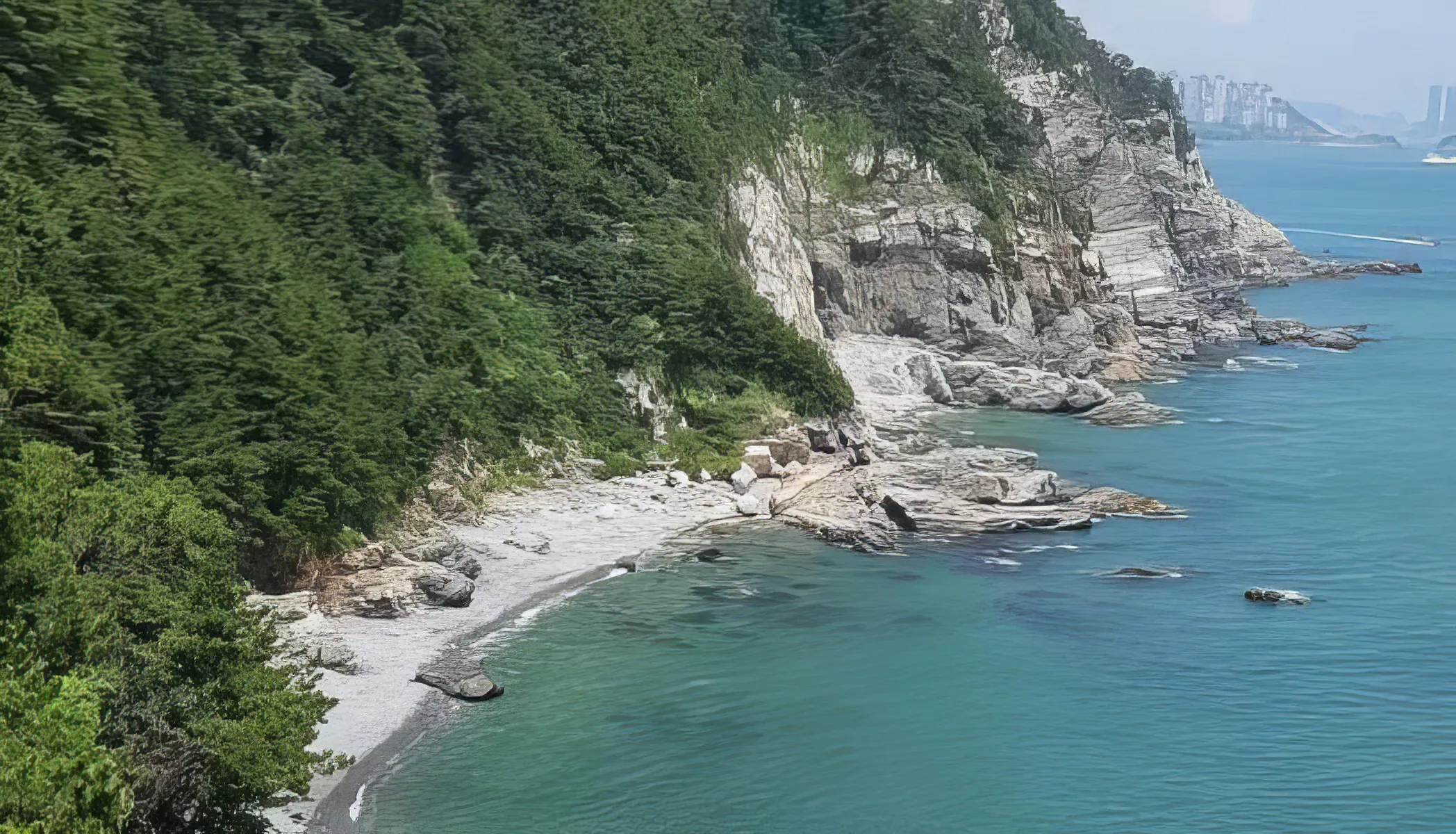
Travelers in Busan can enjoy a mix of nature, culture, and adventure activities unique to the city.
– Haeundae Beach: Relax or swim at this popular beach known for its scenic views and lovely atmosphere.
– Gamcheon Culture Village: Explore colorful houses, art installations, and narrow alleys in this artistic hillside community.
– Jagalchi Fish Market: Experience local seafood culture at Korea’s largest fish market with fresh catches and street food.
– Taejongdae Resort Park: Enjoy coastal cliffs, pine forests, and walking trails with remarkable ocean views.
– Yongdusan Park: Visit the Busan Tower for panoramic views of the city and surrounding areas in a green setting.
Cuisine
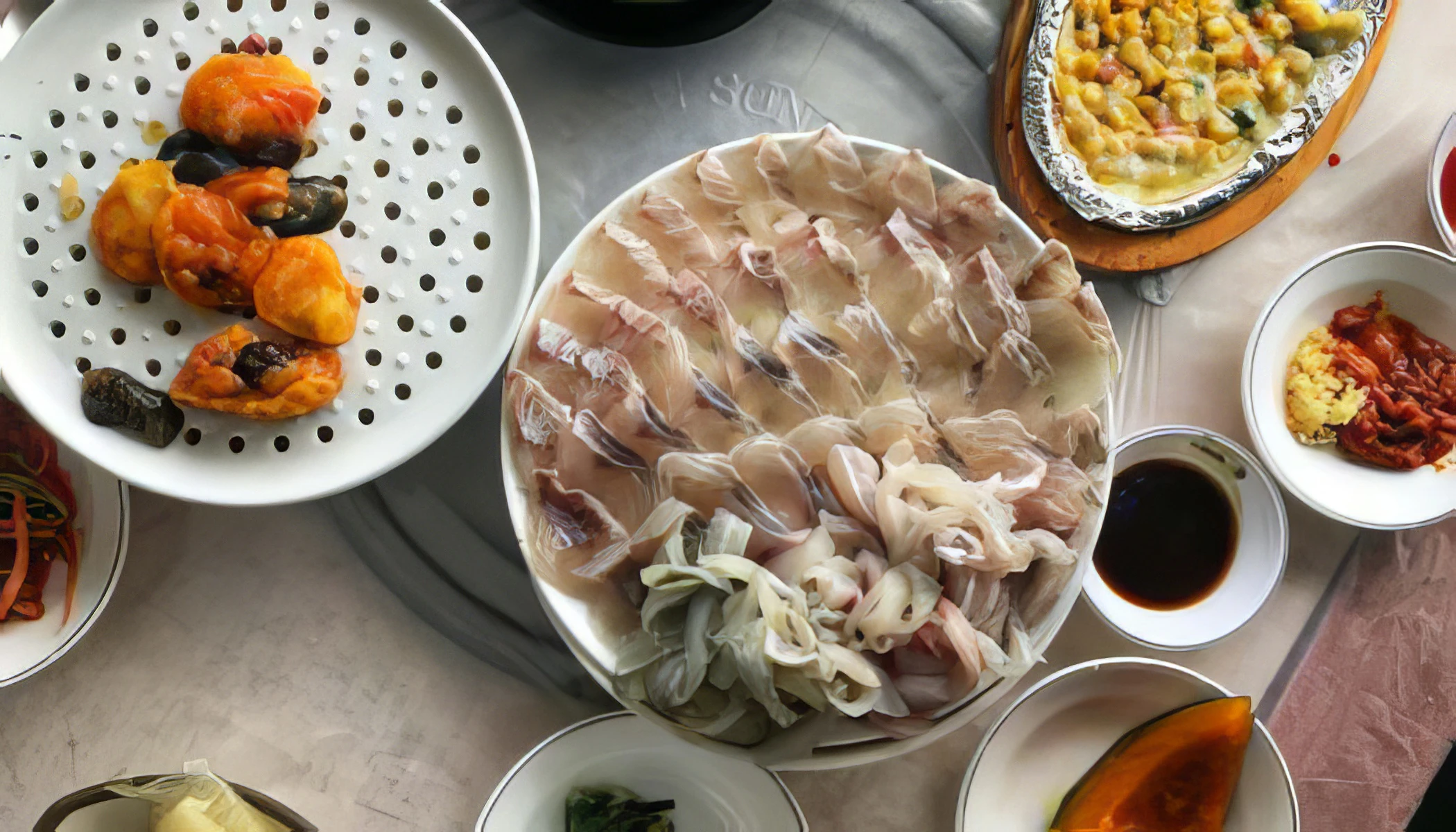
The city offers a energetic food scene centered around fresh seafood and traditional Korean flavors, drawing visitors to its magnificient markets and eateries. Some of the city's most famous dishes include:
– Hoe: Fresh raw fish or seafood, often served with dipping sauces and side dishes.
– Milmyeon: Cold wheat noodles in a tangy broth, garnished with vegetables and slices of meat.
– Dwaeji Gukbap: Pork soup with rice, featuring rich broth and tender pork pieces.
– Ssiat Hotteok: Sweet pancakes filled with seeds, nuts, and brown sugar syrup.
– Eomuk: Fish cake skewers often enjoyed as street food or in soups.
Shopping
You can shop for unique items at local markets and department stores. Look for traditional crafts, such as pottery or handmade jewelry. Korean skincare products are also popular gifts and can be found in various shops. For food lovers, consider purchasing local snacks or specialty teas. Souvenirs like keychains or magnets are available at tourist spots. Overall, there are many options for gifts that reflect the local culture.
Arts & Culture
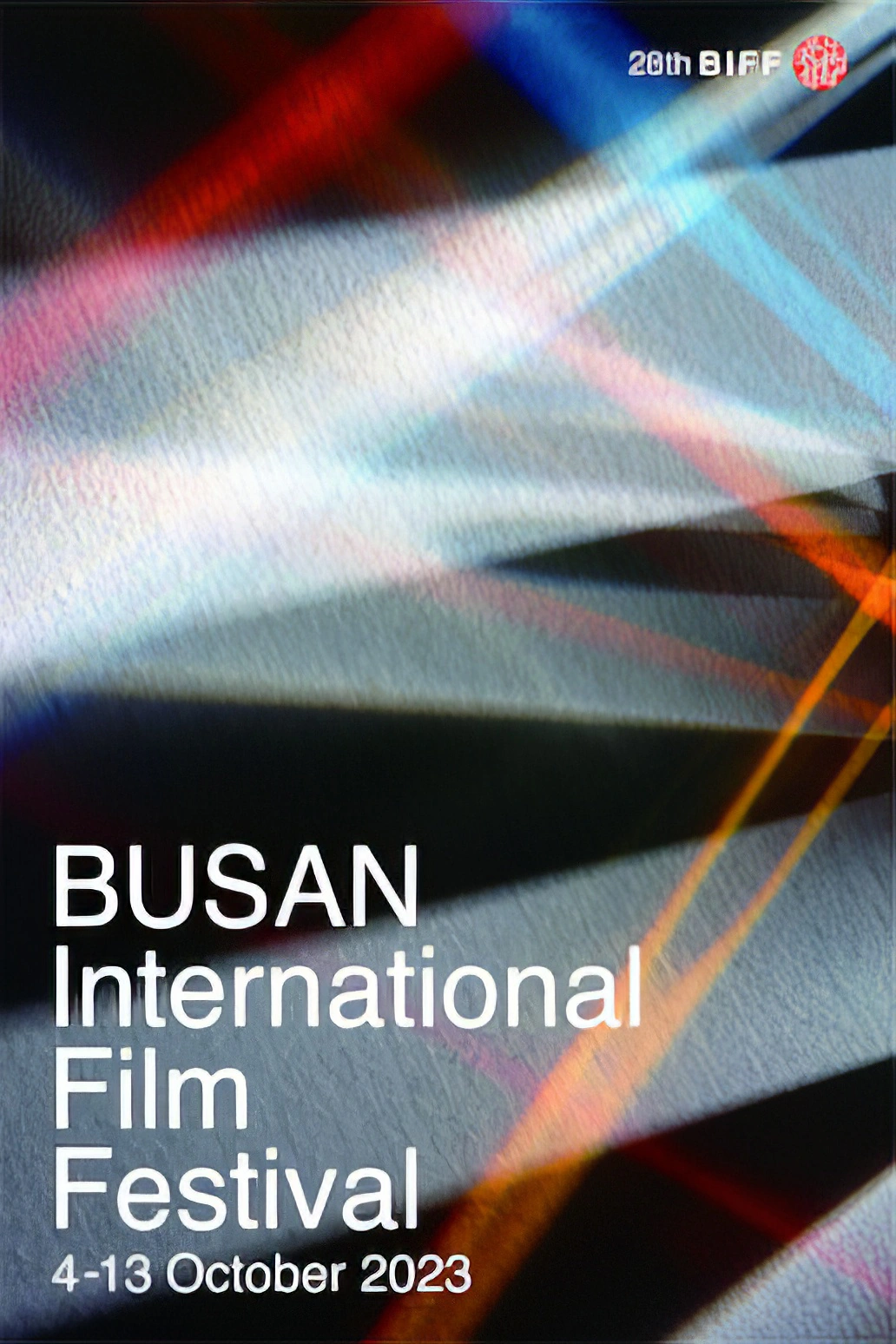
The city hosts the Busan International Film Festival, one of Asia's most significant film festivals, attracting filmmakers and audiences from around the world. There are various art galleries and cultural spaces, such as the Busan Museum of Art, showcasing contemporary works. The annual Busan Biennale is another notable event that features contemporary art exhibitions and installations. Additionally, traditional performances can be seen at venues like the Busan Cultural Center.