

Caracas Travel Guide: Tourist Places & Activities
This city is the capital of its country, situated in a valley surrounded by mountains. It is known for its cultural institutions, parks, and historical sites. The area has a tropical climate and experiences frequent rainfall.
- Population
- 2.9 millions
- Size
- 1 200 square km
- Airport
- Simón Bolívar – Int'l & 1 other
- Subway
- Caracas Metro
- Est. Visit Days
- 4 days
Overview
Caracas is the capital city of Venezuela, known for its cultural institutions and mountainous backdrop. Pros include its rich history, diverse cuisine, and nice arts scene. However, the city faces significant challenges such as high crime rates, political instability, and economic difficulties. Public services can be unreliable, affecting daily life for residents and visitors alike. Overall, while Caracas has much to offer in terms of culture and scenery, safety and stability are major concerns.
Traffic & Transport
The traffic in the city can be quite congested, especially during peak hours, making it essential to plan your journeys accordingly. Public transportation options include the metro system, which is efficient and covers many key areas, as well as buses and colectivos (shared taxis). For a more leisurely exploration, walking in certain neighborhoods can also be enjoyable, though it's advisable to remain aware of your surroundings. Biking is less common due to traffic conditions but can be an option in some areas. For reliable taxi services, consider using established companies such as "Taxi Damas" or "Taxi Express," which are known for their safety and professionalism. Additionally, while traditional ride-hailing apps may not be widely available, local alternatives like "Movilnet" offer booking services that can help you secure a ride.
History
The area was initially inhabited by indigenous groups before Spanish colonization in the 16th century. It became an important center for trade and commerce during colonial times, facilitating the export of cocoa and coffee. The city experienced significant turmoil during Venezuela's struggle for independence from Spain in the early 19th century. In the 20th century, it underwent rapid urbanization due to oil discoveries, transforming its economy and demographics. Cultural influences from indigenous, Spanish, and Afro-Venezuelan traditions continue to shape local customs and celebrations today.
Itinerary Sample
Here is a sample 4-day itinerary for exploring Caracas, Venezuela:
– First day: Visit Plaza Bolívar and explore the historic center. Tour the Cathedral and the Capitolio. Enjoy local cuisine at a nearby restaurant.
– Second day: Explore Parque Nacional El Ávila by taking a cable car ride to the summit. Hike or relax while enjoying views of the city.
– Third day: Visit Museo de Arte Contemporáneo and Museo de Bellas Artes. Spend time in Parque Los Caobos to see gardens and sculptures.
– Fourth day: Discover La Candelaria neighborhood with its colorful streets. Shop at local markets and enjoy traditional Venezuelan food before departure.
Near Excursion
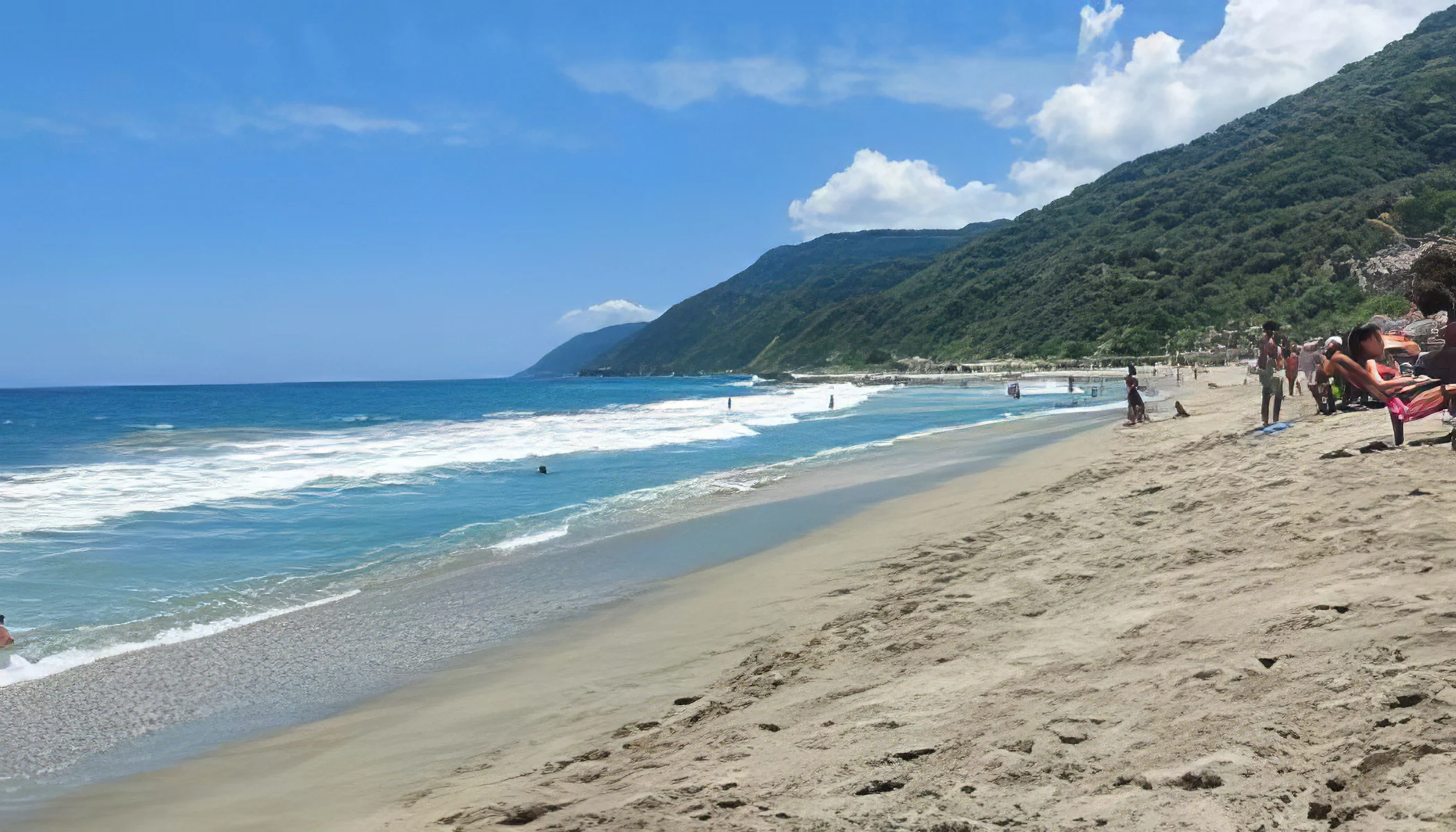
This city offers access to a variety of interesting day-trip destinations. Here are some options:
– El Ávila National Park at 10 km: A popular spot for hiking with beautiful views and diverse flora and fauna.
– Colonia Tovar at 65 km: A quaint town with German-inspired architecture and delicious local cuisine.
– Playa Los Caracas at 60 km: A sandy beach ideal for relaxing and enjoying the sea breeze.
– Cata Bay at 120 km: Known for its clear waters, it's perfect for swimming and sunbathing.
– Hacienda Santa Teresa at 80 km: Offers tours of its rum distillery and beautiful surrounding landscapes.
Attraction
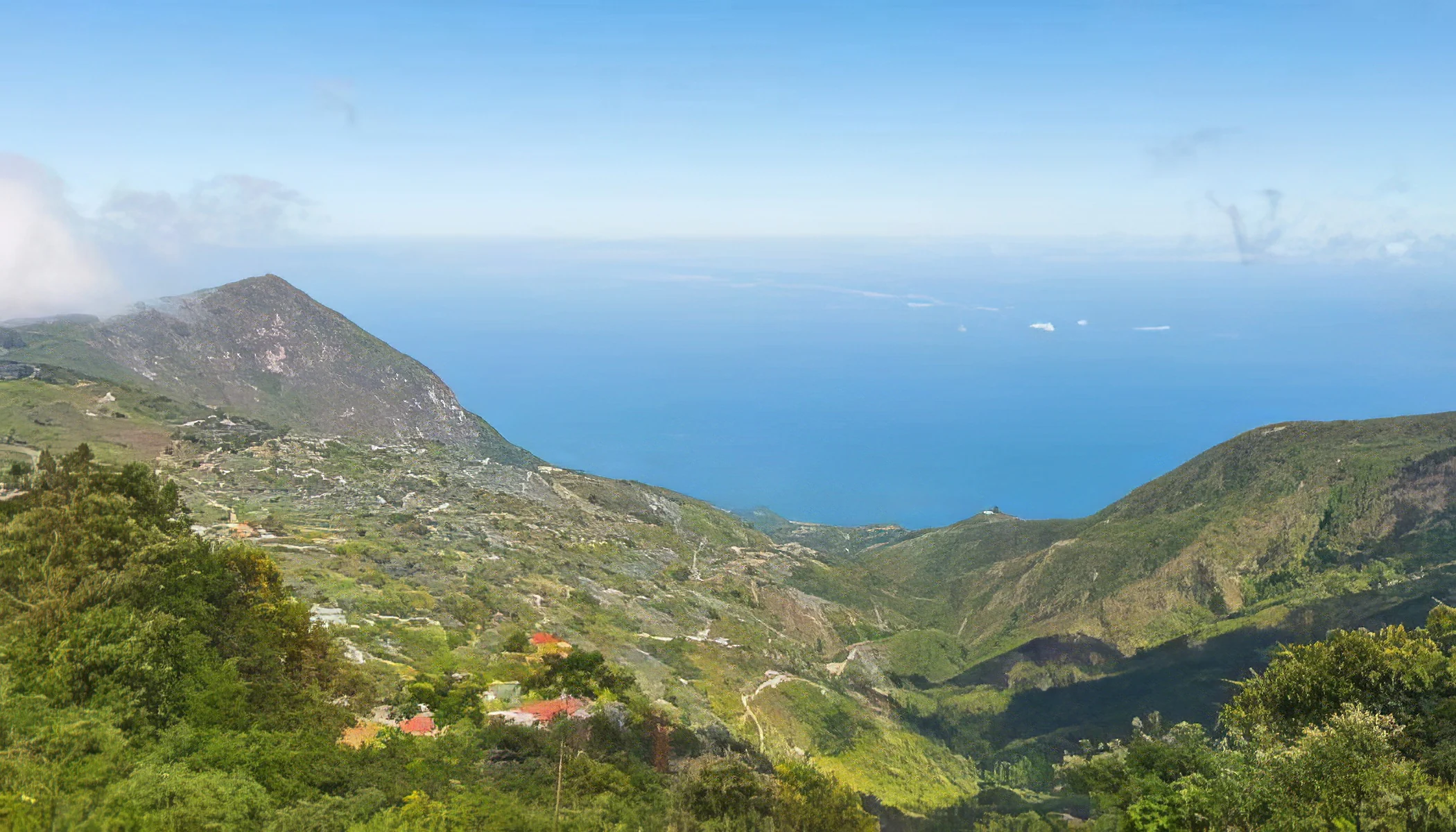
The city offers a mix of cultural, historical, and natural attractions for tourists to explore.
– El Ávila National Park: Offers hiking trails and cable car rides with panoramic views over the city.
– Plaza Bolívar: A historic square featuring a statue of Simón Bolívar, surrounded by colonial architecture.
– Panteón Nacional: Houses the remains of national heroes and is known for its impressive architecture.
– Teresa Carreño Cultural Complex: Hosts concerts, operas, and theater performances in one of Latin America's largest cultural venues.
– Quinta de Anauco: A colonial-era house museum showcasing art and artifacts from the 18th century.
– Museo de Arte Contemporáneo: Features a significant collection of contemporary art from Latin American artists.
Activity
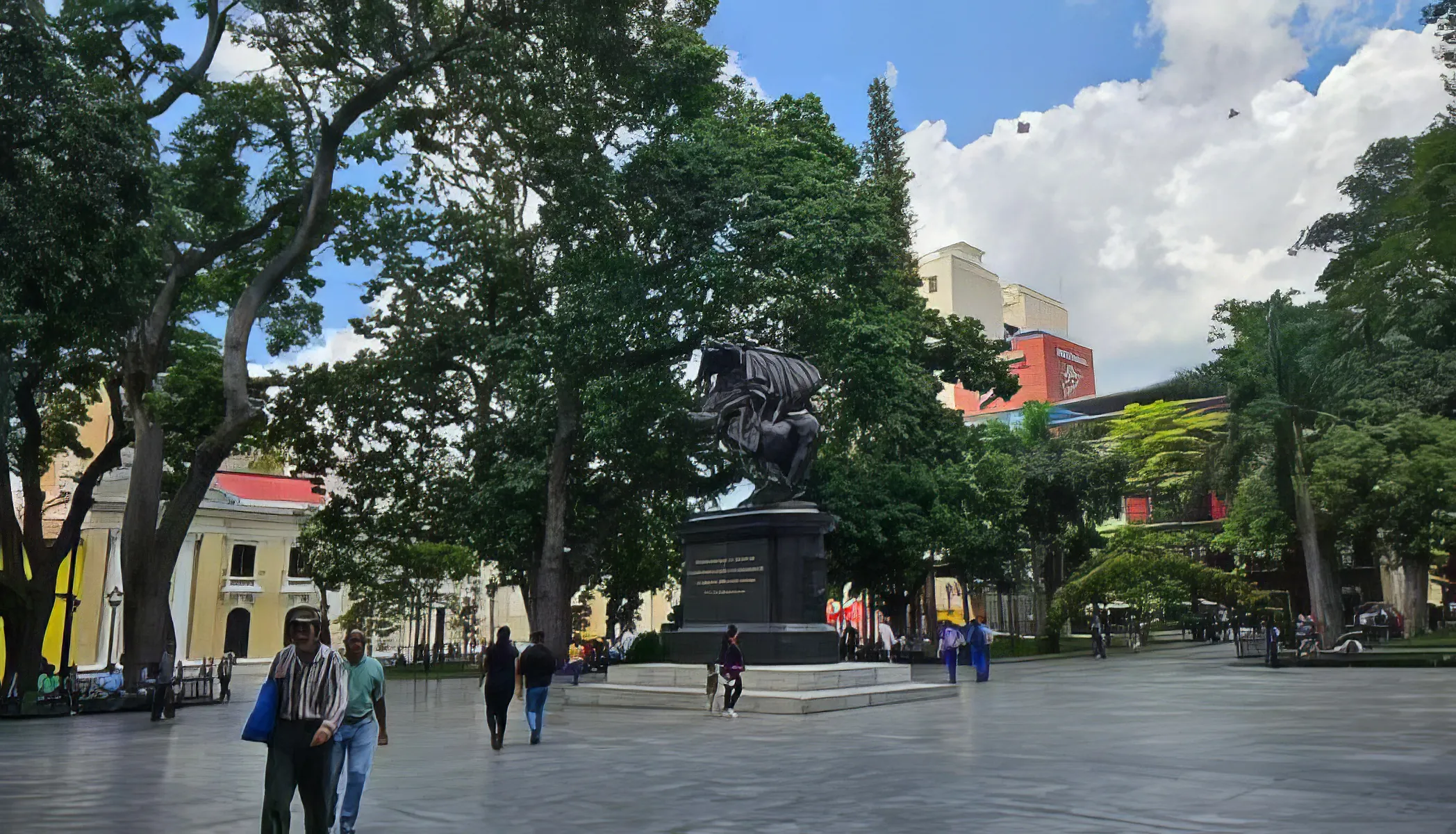
Caracas offers diverse experiences, including parks, local markets, and scenic views of the surrounding mountains.
– Parque Nacional El Ávila: A national park with hiking trails and stunning views of Caracas and the Caribbean Sea.
– Mercado de Chacao: A lively market where travelers can sample local foods and buy traditional crafts.
– Teleférico de Caracas: A cable car ride offering panoramic views of the city and surrounding landscape.
– Plaza Bolívar: A historical square ideal for people-watching, surrounded by important buildings and local vendors.
– Parque del Este: A large urban park featuring walking paths, gardens, and areas for relaxation or picnics.
Cuisine
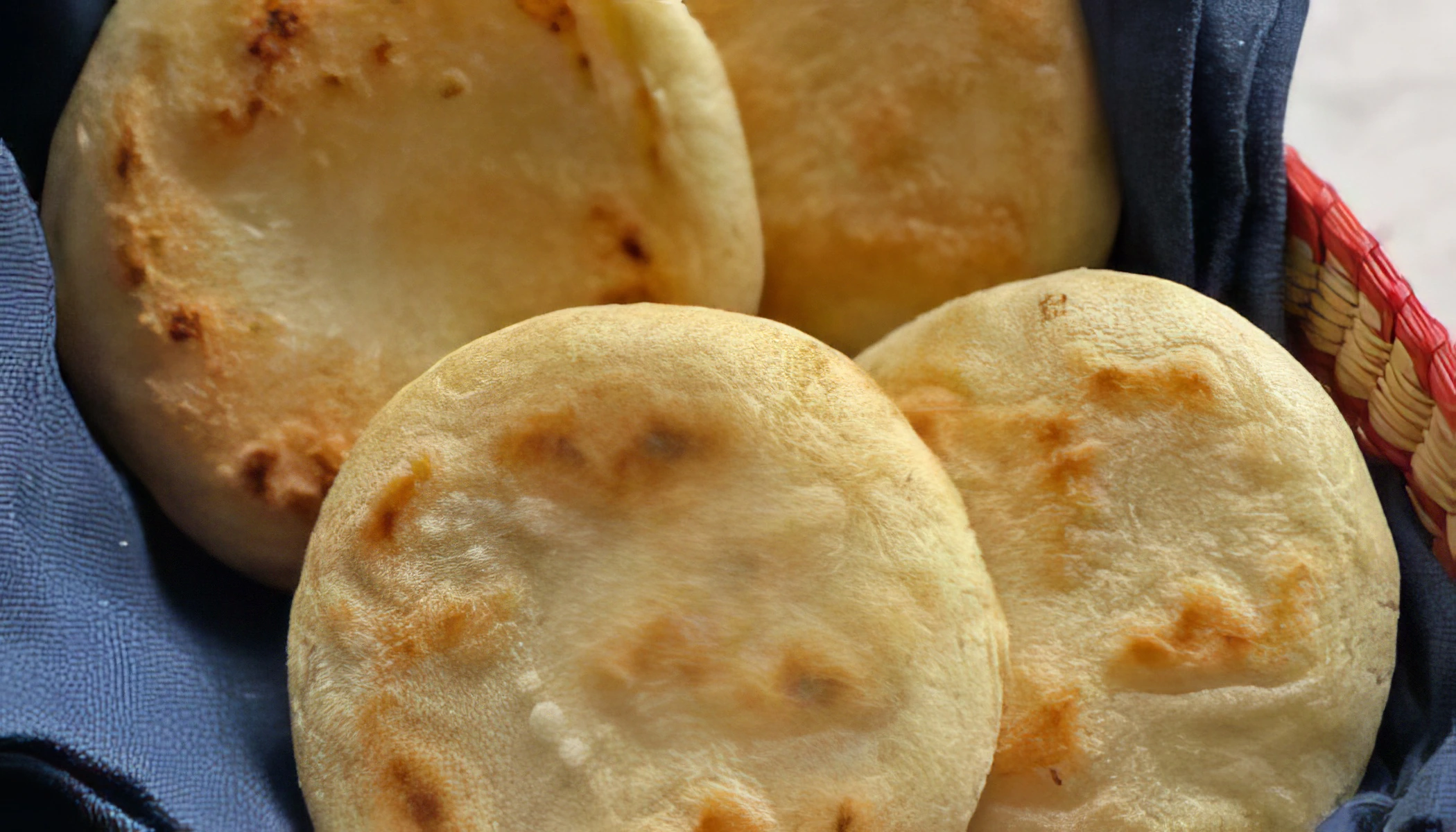
The city offers a lively mix of traditional Venezuelan cuisine and international influences, with street food and local markets playing a key role. Some of the city's most famous dishes include:
– Arepas: Cornmeal patties filled with meats, cheese, or beans, a staple in Venezuelan cuisine.
– Pabellón Criollo: Traditional dish featuring shredded beef, black beans, rice, and fried plantains.
– Cachapas: Sweet corn pancakes typically served with cheese or cream.
– Tequeños: Fried dough sticks filled with cheese, popular as snacks or appetizers.
– Hallaca: Holiday dish made of corn dough stuffed with meats and wrapped in banana leaves.
– Tres Leches Cake: A sponge cake soaked in three types of milk for a rich dessert.
Shopping
You can find a variety of local crafts and handmade goods in markets. One popular item is the traditional Venezuelan hammock, known for its comfort and colorful designs. You may also consider buying artisanal chocolates, which are made from local cacao. Another option is to look for unique jewelry made by local artisans. These gifts reflect the culture and creativity of the region. Overall, shopping for these items can provide a memorable experience.
Arts & Culture
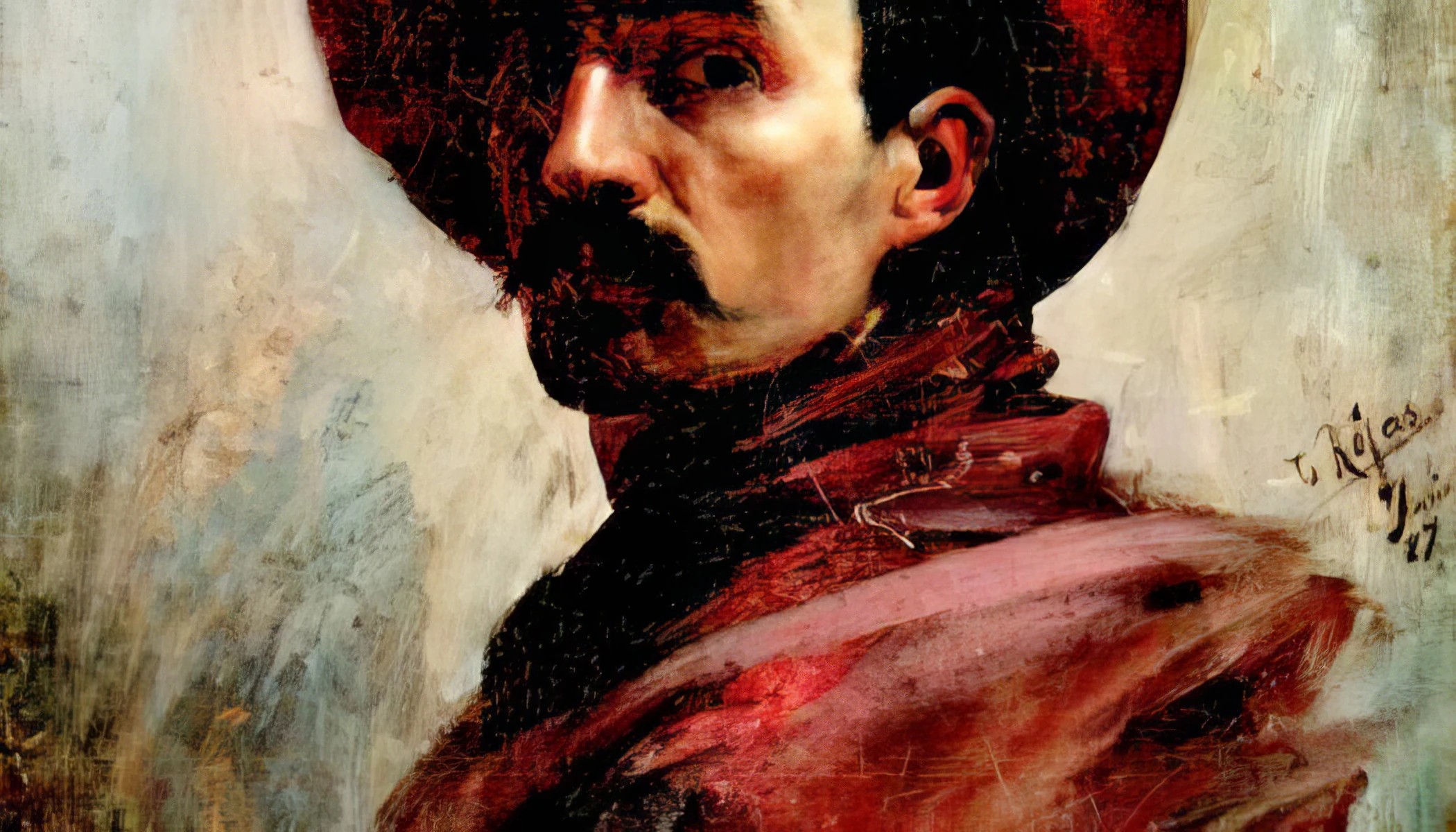
The city hosts the National Art Gallery, which features a collection of Venezuelan art from the colonial period to contemporary works. The Teresa Carreño Theatre offers a variety of performances, including ballet, opera, and concerts throughout the year. Additionally, the city celebrates events like the International Festival of Theatre and the Caracas Book Fair, attracting artists and audiences from around the region. Various street art projects also contribute to its pleasant cultural scene.