

Carcassonne Travel Guide: Tourist Places & Activities
A fortified medieval town known for its massive walls, watchtowers, and double-ringed ramparts. It's a UNESCO World Heritage site, attracting visitors with its historic architecture and pretty cultural festivals.
- Size
- 65 square km
- Airport
- Carcassonne – Int'l.
- Train Station
- Gare de Carcassonne
- Est. Visit Days
- 2 days
Overview
Carcassonne, located in southern France, is renowned for its medieval fortress, La Cité, a UNESCO World Heritage site that draws numerous visitors. The city offers a rich historical experience with its well-preserved walls and towers. However, it can become quite crowded with tourists, especially during peak seasons, which might detract from the experience. Additionally, while the historical aspect is a major draw, some visitors find the commercialization within the fortress walls a bit excessive. Despite this, Carcassonne remains a fascinating destination with a unique glimpse into medieval architecture and history.
Traffic & Transport
In the city, traffic is generally mild, making it easy for tourists to explore without significant delays, especially outside of peak summer months. The best means of transport for sightseeing is by foot, particularly within the medieval citadel, which is pedestrian-friendly. For longer distances, local buses are available and provide an efficient way to navigate the broader area. Renting a bicycle is another excellent option for visitors, offering flexibility to explore at one's own pace. Reliable taxi services are available, and visitors can easily hail a cab from the street or book one through local hotels. Additionally, the use of taxi-booking apps like Uber offers a convenient option for securing a ride directly from a smartphone.
History
Originally settled during the pre-Roman period, the city became a strategic location due to its position on trade routes. Significant for its role in the Albigensian Crusade in the early 13th century, it was fortified by the victorious royal forces. It changed hands between the Trencavel family, the King of Aragon, and eventually became part of the Kingdom of France in the 17th century. The city's fortifications were restored in the 19th century by architect Eugène Viollet-le-Duc. Today, it is celebrated for its historical architecture and is a UNESCO World Heritage Site.
Itinerary Sample
Here's a two-day itinerary to explore Carcassonne, focusing on key attractions and experiences: – First day:
– Morning: Visit the medieval Cité de Carcassonne, explore the castle and ramparts.
– Afternoon: Walk through the Bastide Saint-Louis and visit the Fine Arts Museum.
– Evening: Dine at a local restaurant serving Cassoulet, a regional dish. – Second day:
– Morning: Tour the Basilica of Saints Nazarius and Celsus and admire its stained glass.
– Afternoon: Relax by the Canal du Midi or take a boat tour.
– Evening: Explore local shops for souvenirs and enjoy a leisurely meal in the city.
Near Excursion

Explore the surrounding regions with these day trips, each offering a unique experience:
– Lastours Castles at 15 km: Four medieval castles amidst beautiful natural scenery.
– Narbonne at 60 km: Historic city with a beautiful cathedral and Roman ruins.
– Minerve at 45 km: Charming village known for its dramatic canyon views and vineyards.
– Castres at 75 km: Home to the Goya Museum and lovely houses on the Agout River.
– Mirepoix at 55 km: Medieval town famous for its half-timbered houses and attractive market.
Attraction
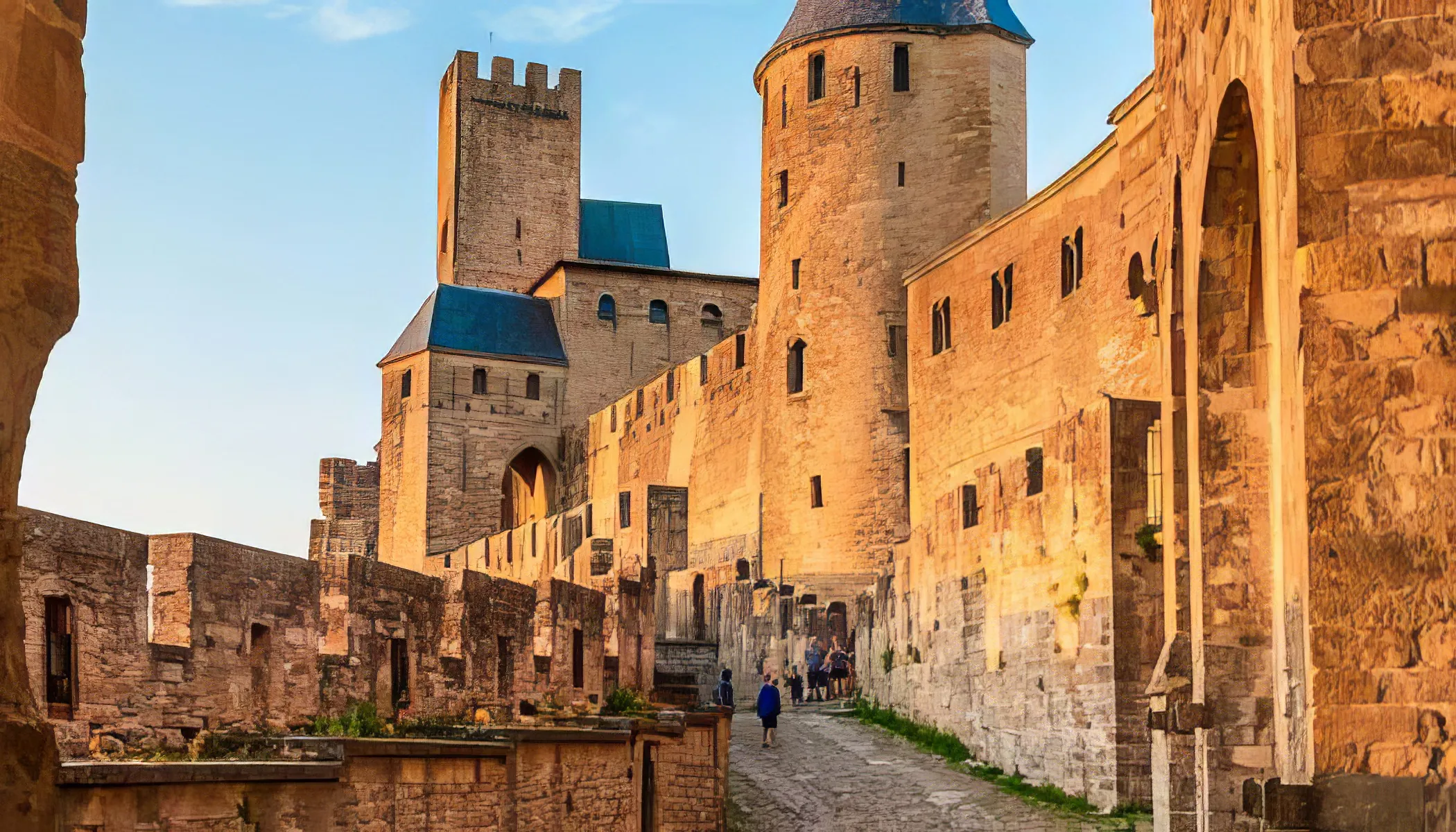
Carcassonne is renowned for its medieval fortress and charming Old Town.
– Cité de Carcassonne: A well-preserved medieval fortress and UNESCO World Heritage site.
– Basilica of Saints Nazarius and Celsus: Gothic church known for its Nice stained glass and carvings.
– Château Comtal: Historic castle within the medieval city offering guided tours.
– Pont Vieux: 14th-century bridge offering charming views of the old city.
– Lac de la Cavayère: Man-made lake ideal for outdoor activities and relaxation.
– Museum of Fine Arts: Houses European paintings, ceramics, and sculptures from various periods.
Cuisine
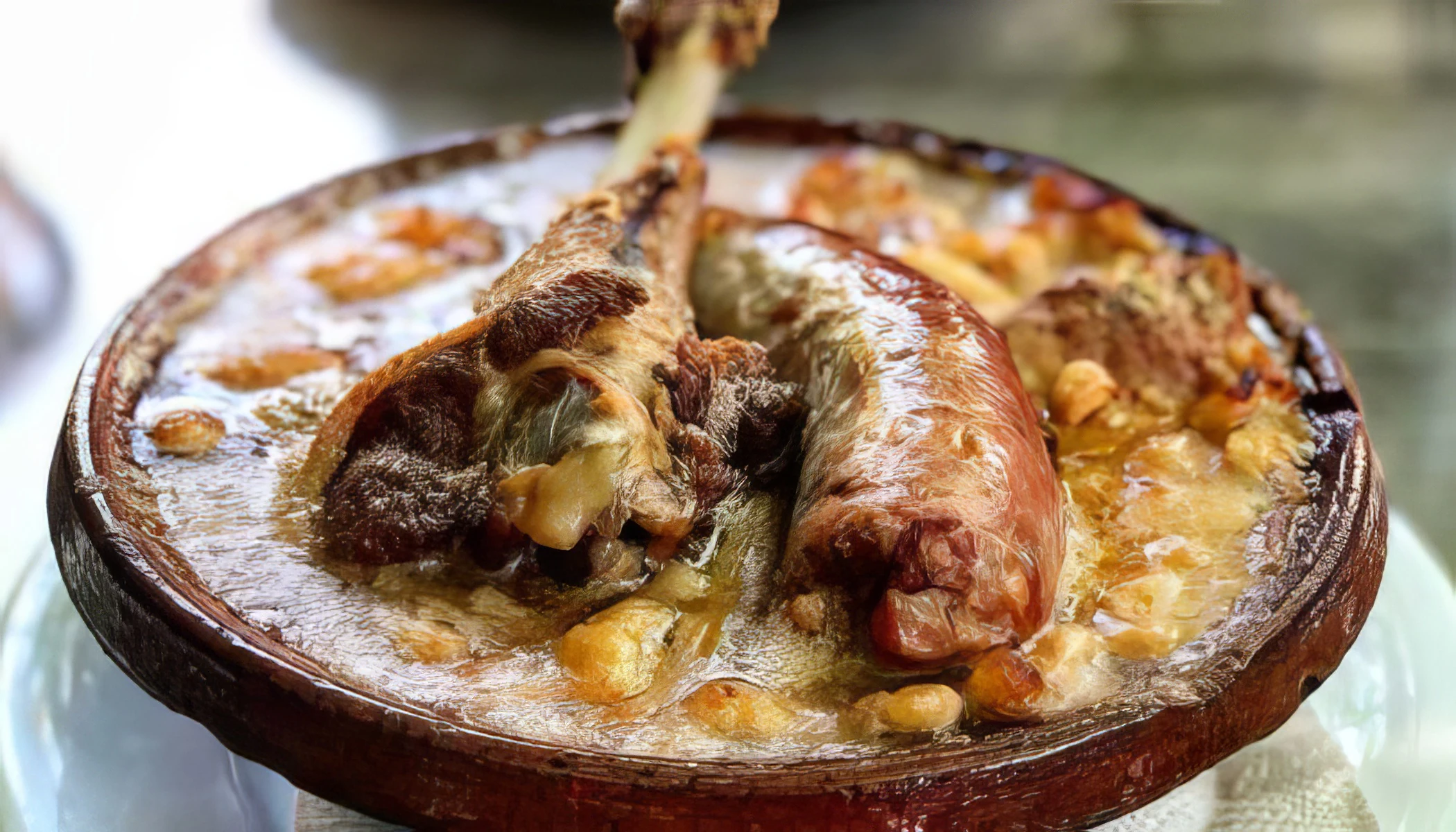
The city is celebrated for its rich culinary heritage, featuring traditional French cuisine with a focus on local ingredients and robust flavors. Some of the city's most famous dishes include:
– Cassoulet: Hearty stew made with beans, duck, pork sausage, and sometimes lamb.
– Confit de Canard: Slow-cooked duck leg preserved in its own fat, typically served crispy.
– Foie Gras: Luxurious pâté or terrine made from the liver of a duck or goose.
– Grilled Lamb: Often seasoned with herbs and garlic, reflecting the region's pastoral traditions.
– Crème Brûlée: Classic French dessert featuring a rich custard base topped with caramelized sugar.
– Tarte aux Noix: Dessert tart made with walnuts, often drizzled with honey or syrup.
Shopping
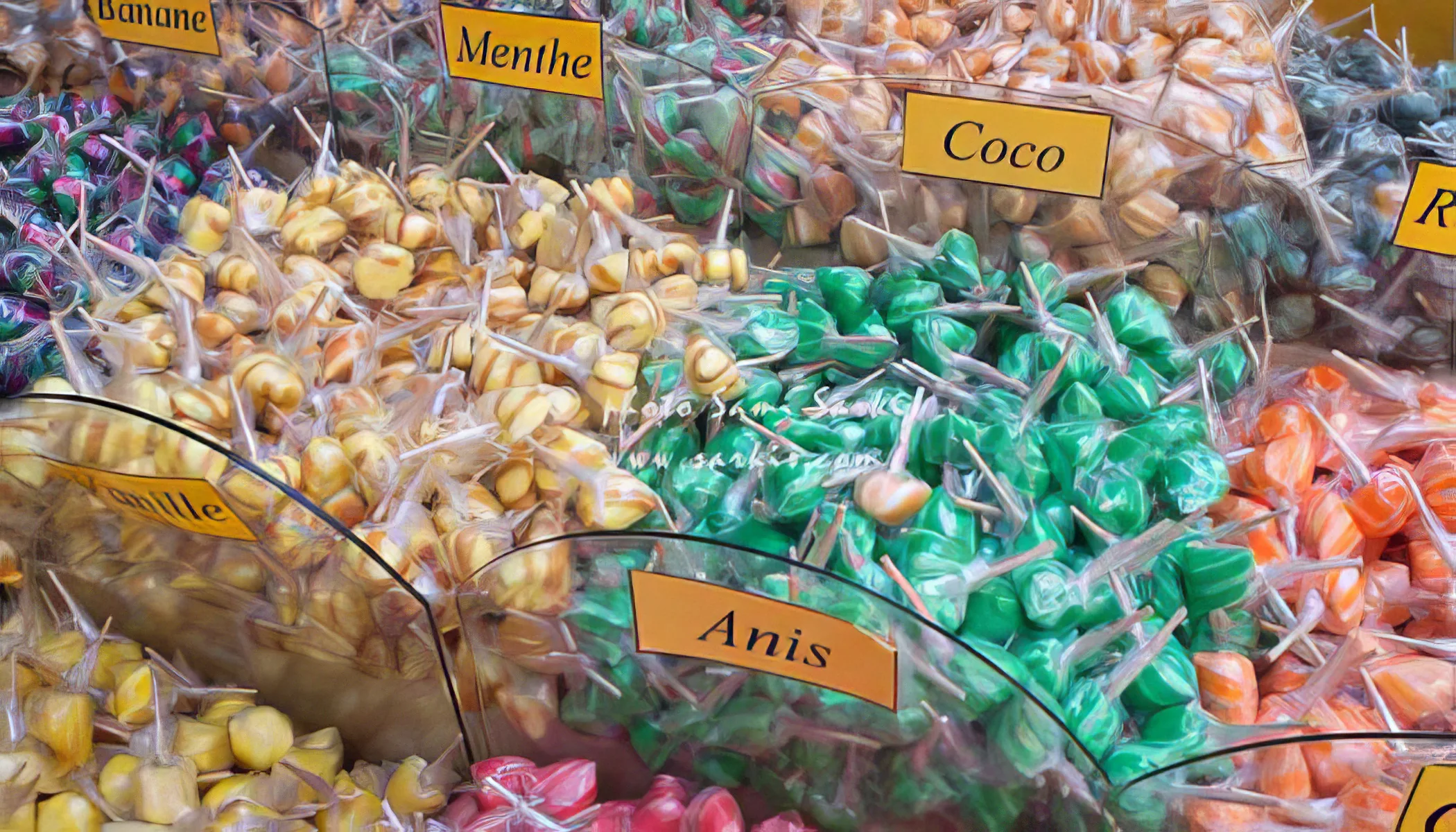
In the city, visitors can explore local artisan shops for unique handcrafted goods, ideal for gifts. The medieval-themed items, such as replica swords and armor, are popular among tourists. Local boutiques offer a selection of fine French wines and regional specialties like cassoulet. Lavender products and handmade soaps are also excellent gift choices. For a truly local experience, consider purchasing hand-painted ceramics. These items reflect the rich cultural heritage and craftsmanship of the region.
Arts & Culture
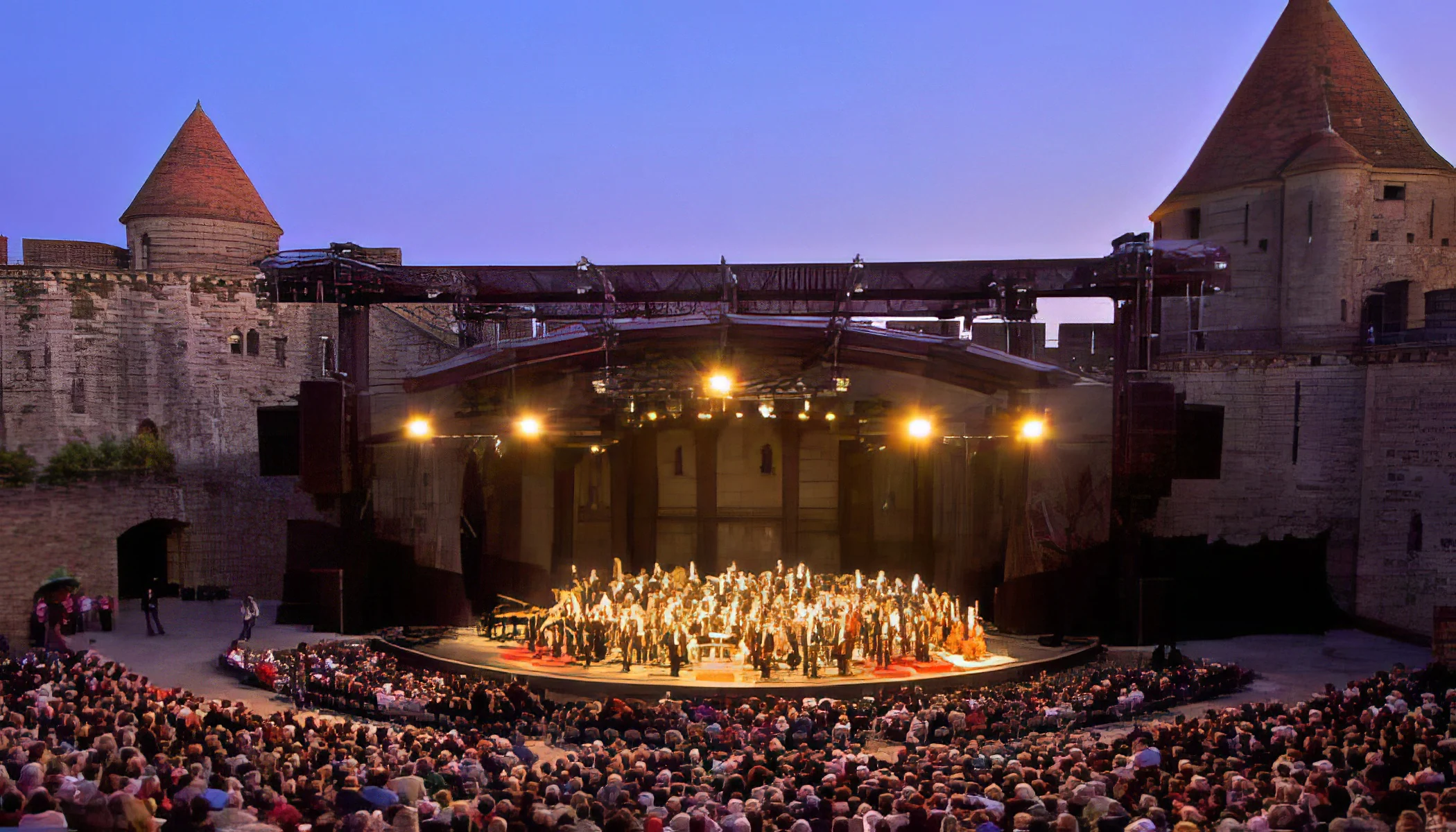
The city is renowned for its Festival de la Cité, held each summer, featuring a diverse lineup of music, dance, and theater performances within the medieval city walls. The Musée des Beaux-Arts offers visitors a look at European paintings from the 17th to the 20th centuries. Additionally, the city hosts an annual fireworks display on July 14, Bastille Day, which is one of the most spectacular in France. The medieval fortress itself, a UNESCO World Heritage site, serves as a Nice backdrop for various cultural events and historical reenactments throughout the year.