

Carthage: Best Things to Do & Top Attractions
An ancient city located near the capital of a North African country, it was a major power in the Mediterranean. Today, its ruins are a UNESCO World Heritage site, attracting visitors interested in history and archaeology.
- Airport
- Carthage – Int'l
- Train Station
- Carthage Presqu'île.
- Est. Visit Days
- 1 day
Overview
Carthage, located near Tunis in Tunisia, is known for its rich history and archaeological sites. Pros include its historical significance, with ruins from the ancient Phoenician city, and proximity to the Mediterranean Sea. The city also offers a quieter atmosphere compared to lovely Tunis. However, cons include limited nightlife options and some areas may feel less developed for tourists. Overall, Carthage is ideal for history enthusiasts but may not appeal to those seeking remarkable urban life.
Traffic & Transport
The city features a relatively compact layout, making it ideal for exploration on foot. However, public transportation options like buses and trams are also available for those looking to cover more ground efficiently. Bicycles can be rented as well, providing a leisurely way to experience the area while enjoying the scenic views. For longer distances, private car rentals offer flexibility but may involve navigating local traffic. For taxi services, reliable companies include local firms that can be hailed on the street or booked via phone. Additionally, popular ride-hailing apps may be available, allowing for convenient and straightforward booking directly from your smartphone.
History
This ancient city was founded by Phoenician settlers from Tyre in the 9th century BC. It became a major trade center in the Mediterranean, known for its wealth and naval power. Conflicts with Rome led to three significant wars, known as the Punic Wars, culminating in its destruction in 146 BC. After its fall, the Romans established a new city on the site, which grew into an important administrative center. The region later became part of various empires, influencing its culture and architecture over centuries.
Itinerary Sample
Explore Carthage in one day with this concise itinerary.
– Morning: Visit the Antonine Baths and explore the ruins.
– Midday: Tour the Carthage Museum for historical insights.
– Afternoon: Discover the Punic Ports and their significance.
– Late Afternoon: Stroll through the charming streets of Sidi Bou Said.
Near Excursion
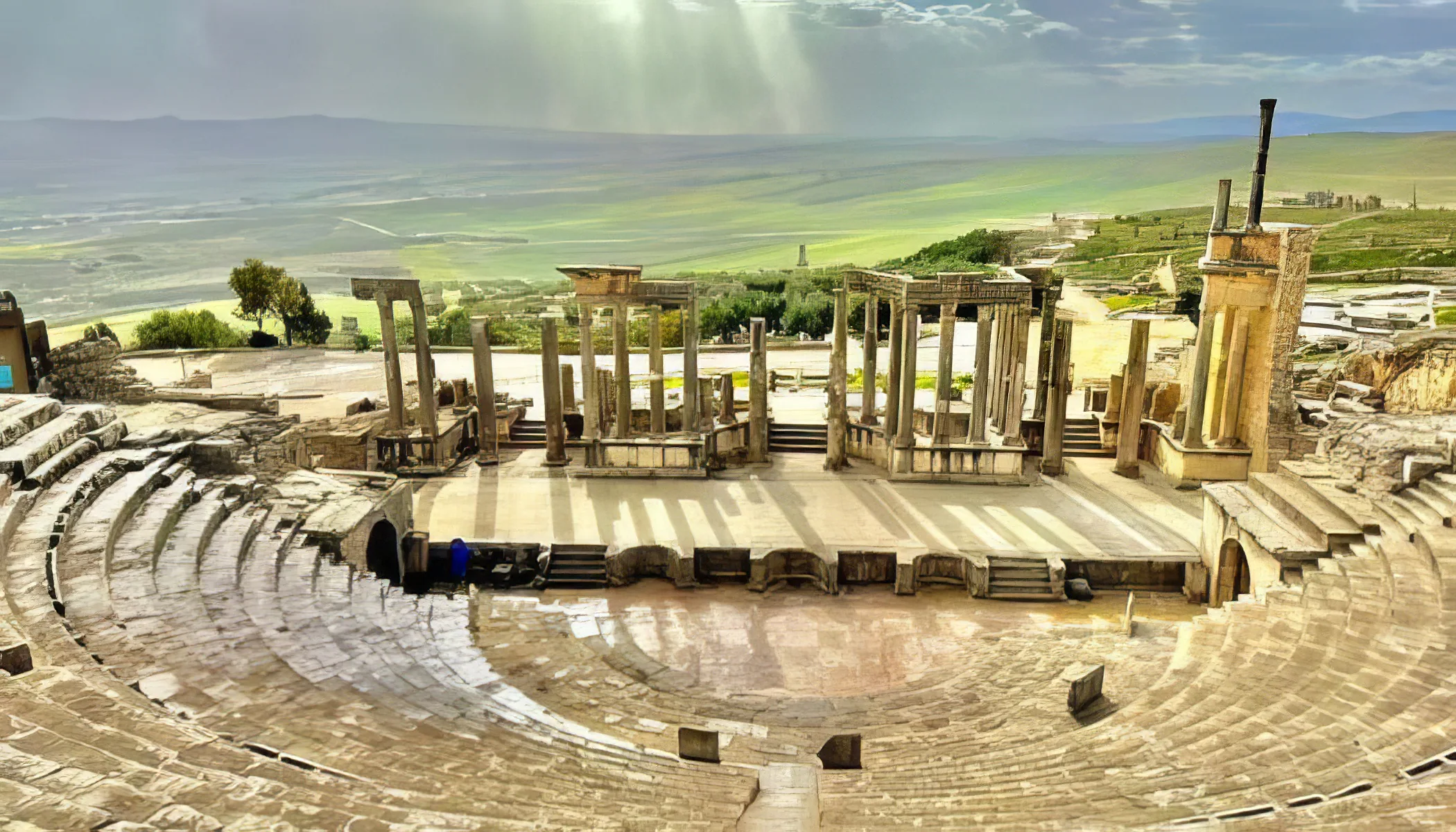
This historic city offers several nearby destinations for interesting day trips. Here are some options:
– Sidi Bou Said at 5 km: A charming village known for its blue and white architecture and fascinating Mediterranean views.
– Tunis Medina at 15 km: A UNESCO World Heritage site with charming souks, historic mosques, and attractive local culture.
– Dougga at 110 km: The best-preserved Roman ruins in Tunisia, offering insight into ancient life with theaters and temples.
– Hammamet at 60 km: A popular coastal town known for its beaches, medina, and relaxing atmosphere.
– Zaghouan at 50 km: Famous for its Roman-era water temple and scenic mountain landscapes ideal for hiking.
Attraction
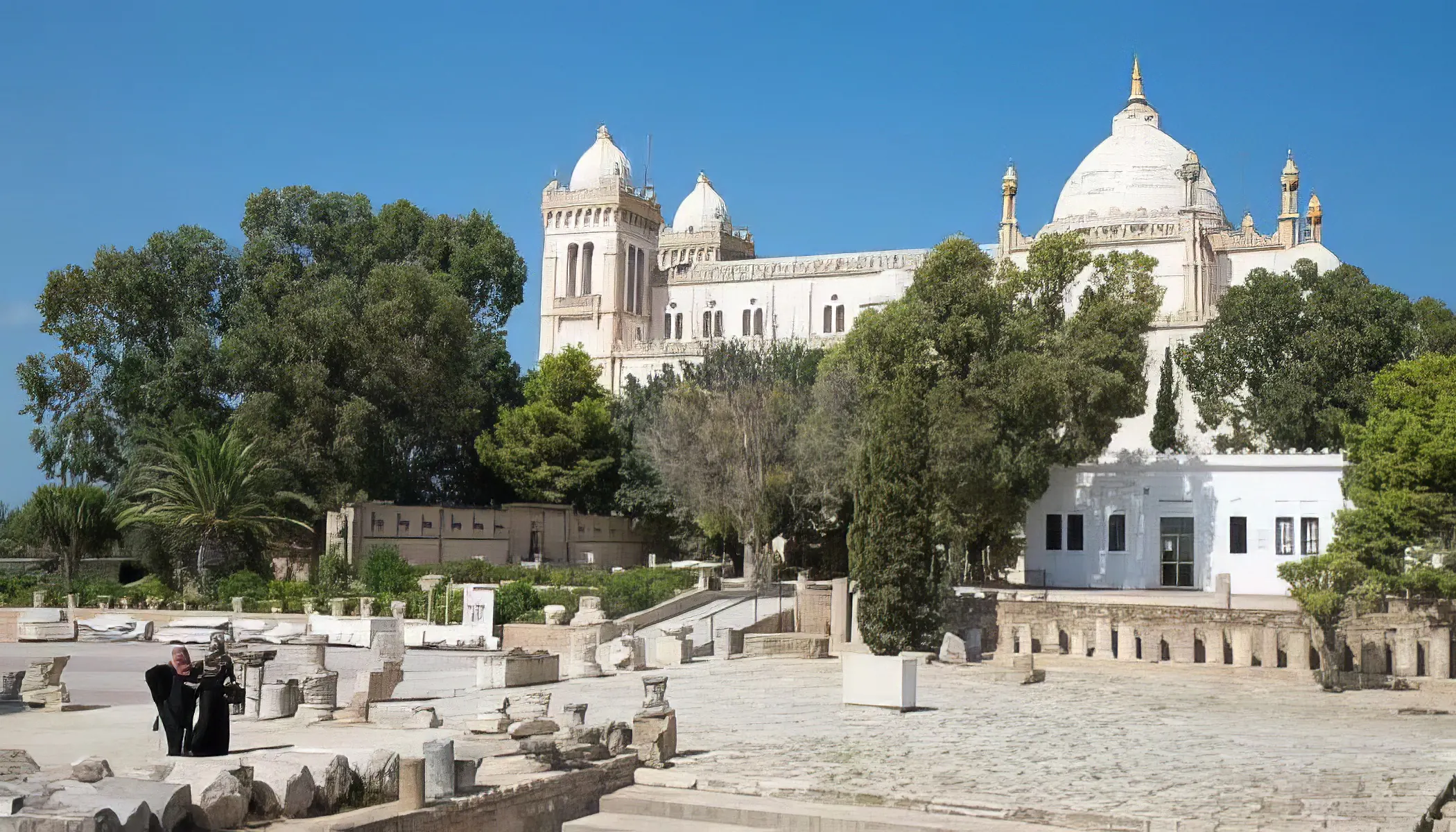
The city offers a rich historical experience with ancient ruins and archaeological sites.
– Byrsa Hill: Explore the site of the ancient city's original center with gorgeous views and historic ruins.
– Antonine Baths: Visit one of the largest Roman bath complexes in Africa, showcasing impressive architecture.
– Carthage Museum: Discover artifacts from various periods, providing insights into the city's storied past.
– Punic Ports: See remnants of ancient harbors that were crucial for trade and naval power.
– Tophet of Salammbô: Learn about ancient religious practices at this unique burial ground.
– Roman Amphitheatre: Witness the remains of an arena that once hosted gladiatorial games and events.
Activity
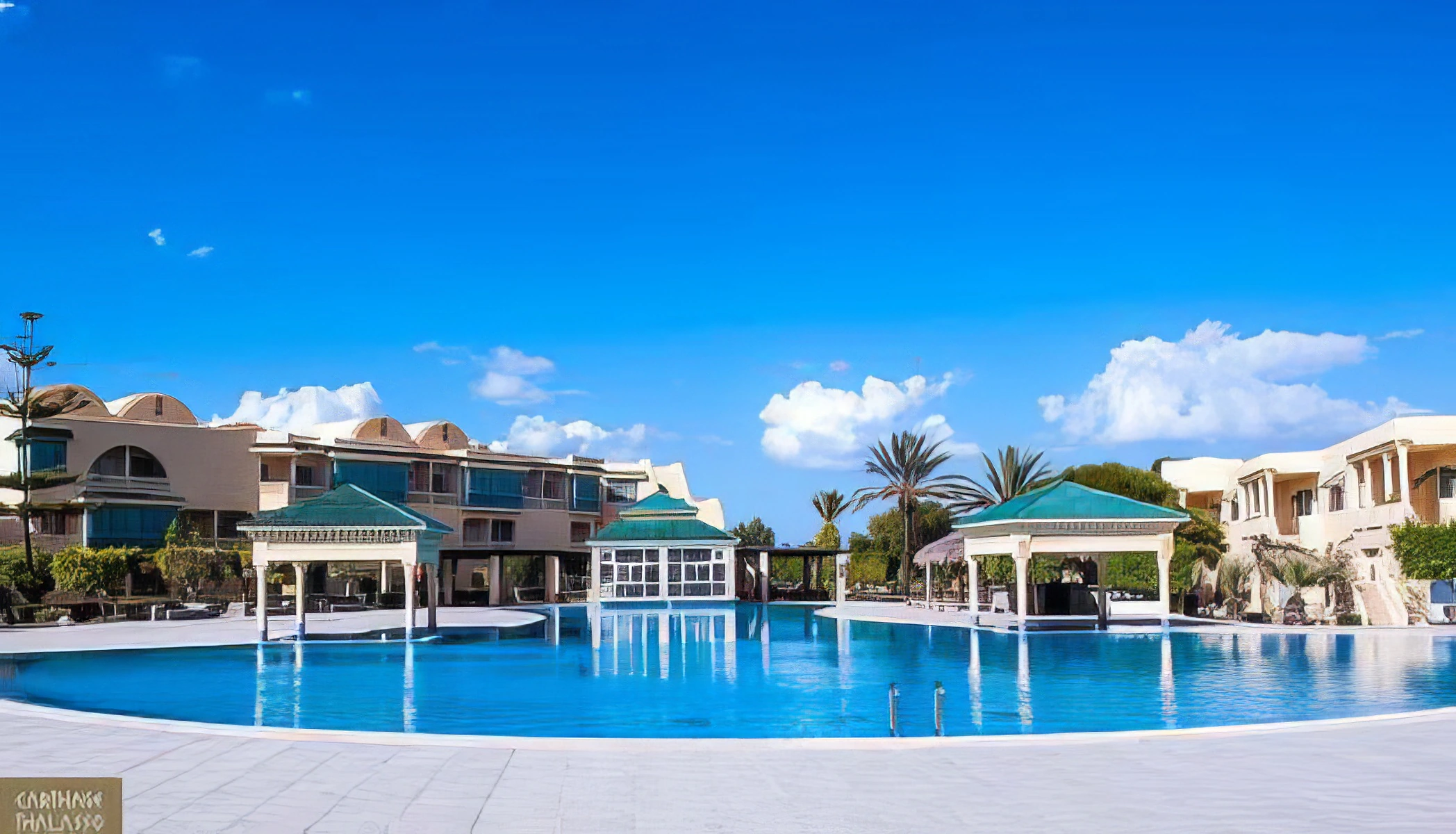
Travelers in Carthage can explore ancient ruins, enjoy coastal views, and experience local culture along the Mediterranean.
– Visit the Antonine Baths: Explore one of the largest Roman bath complexes in Africa with impressive ruins and scenic views.
– Walk through the Carthaginian Villas: Discover ancient residential areas with remarkable architecture and beautiful landscapes overlooking the sea.
– Hike to Byrsa Hill: Enjoy panoramic views of Carthage and Tunis while exploring historical sites on this elevated location.
– Stroll in the Parc de la Mer: Relax in this seaside park featuring gardens, walking paths, and great ocean vistas.
– Attend a local festival: Experience traditional music, dance, and food during cultural events held throughout the year in Carthage.
Shopping
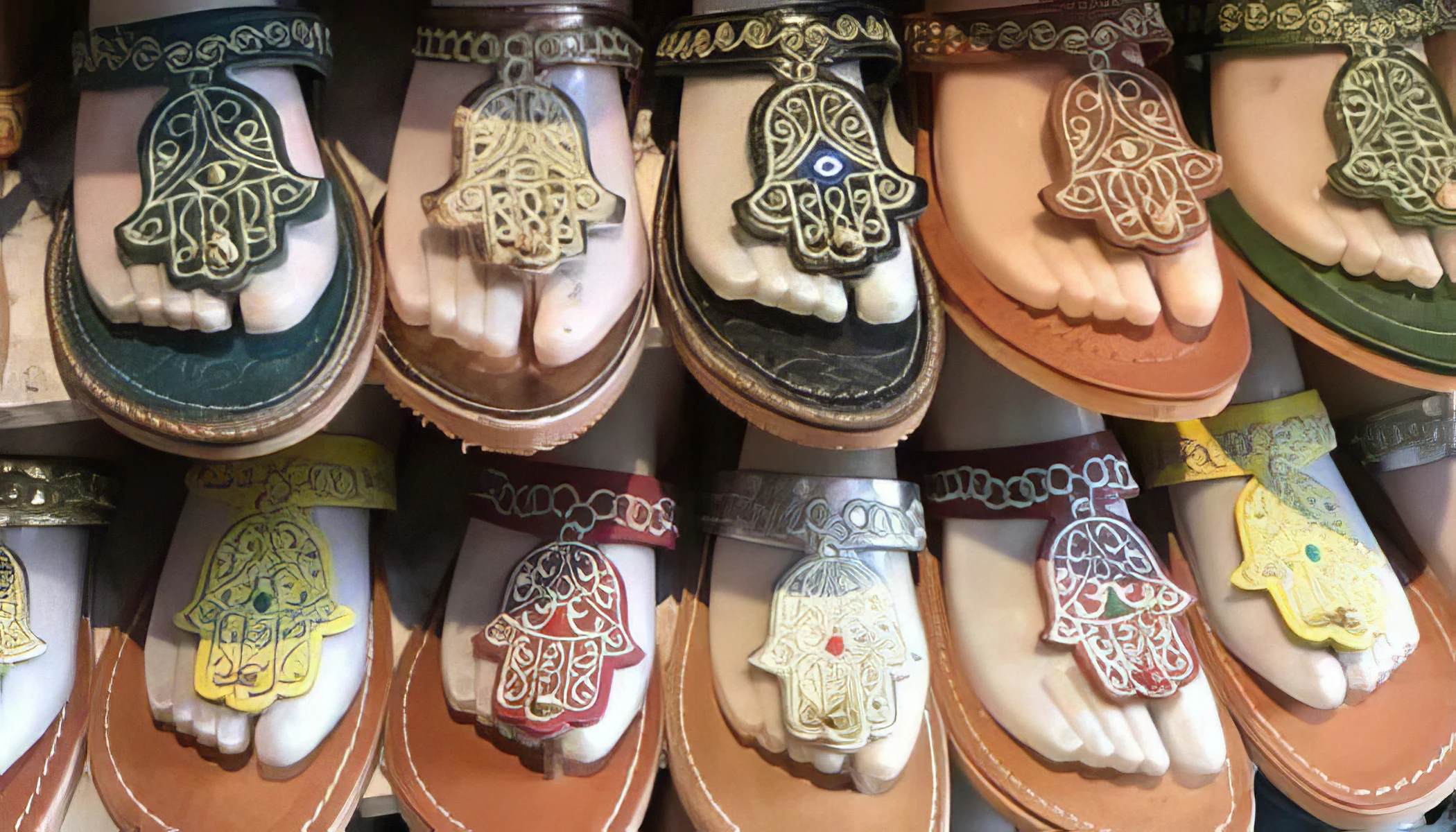
There are local markets where you can find traditional crafts, textiles, and pottery. Handwoven rugs and carpets are popular items to consider as gifts. You can also purchase handmade jewelry that reflects the region's culture. Spices and olive oil from local vendors make good souvenirs. Look for unique ceramics that showcase Tunisian art. These items are meaningful and represent the local heritage.
Arts & Culture
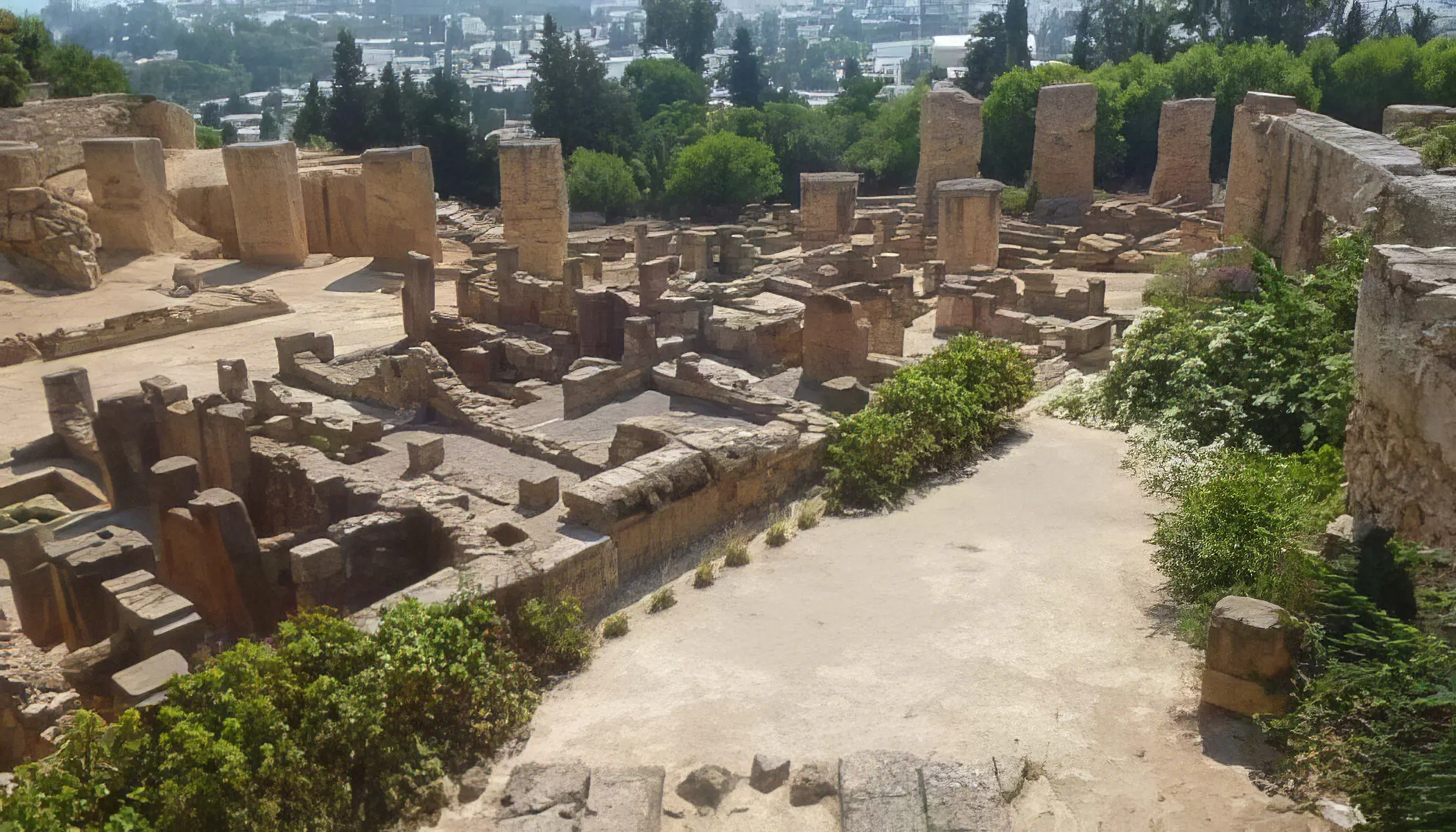
The site is known for its ancient ruins, including theaters and villas that reflect its historical significance in the Mediterranean. The annual International Festival of Carthage features performances of music, dance, and theater, attracting artists from various countries. There are also museums showcasing artifacts from different periods of its history. Events often celebrate local heritage through art exhibitions and cultural activities.