

Sightseeing in Cetinje: Culture & Must‑See Spots
This town, once the historical capital, is known for its cultural heritage and museums. Nestled in a valley, it is surrounded by mountains and offers a glimpse into the region's past through its architecture and landmarks.
- Airport
- Tivat at 17 km – Int'l.
- Est. Visit Days
- 2 days
Overview
Cetinje is a small city in Montenegro known for its historical significance and cultural heritage. Pros include its rich history, with many museums and monasteries, as well as a peaceful atmosphere compared to larger cities. However, the cons are that it lacks modern amenities and nightlife options, which may not appeal to everyone. The city's size means fewer dining and shopping choices. Overall, Cetinje is suitable for those interested in culture and history rather than urban activities.
Traffic & Transport
The city is compact and best explored on foot, allowing visitors to appreciate its historical architecture and scenic views. Alternatively, bicycles can be rented for a more leisurely exploration of the surrounding areas. Public buses connect the city to nearby towns, but schedules may vary, so it’s advisable to check local timetables. For those wishing to venture further afield, car rentals are available at various locations. For taxi services, reliable companies operate in the area, ensuring safe and convenient transportation for tourists. While there may not be specific taxi-booking apps widely used in this region, local taxis can typically be hailed on the street or booked via phone.
History
The area was historically significant as the capital of the Montenegrin state during various periods. It served as a cultural and religious center, especially under Prince-Bishop Petar II Petrović Njegoš in the 19th century. The city was involved in conflicts against Ottoman rule and later played a role in the Balkan Wars. Its strategic location made it important for trade routes in the region. The architecture reflects influences from different eras, showcasing its diverse cultural heritage.
Itinerary Sample
Explore the historical and cultural highlights of Cetinje over two days.
– First day: Visit the National Museum of Montenegro, explore the Cetinje Monastery, and walk through the main street to see local shops and cafes.
– Second day: Tour the former royal palace (Biljarda), visit the Petar II Petrović Njegoš monument, and hike in nearby Lovćen National Park for scenic views.
Near Excursion
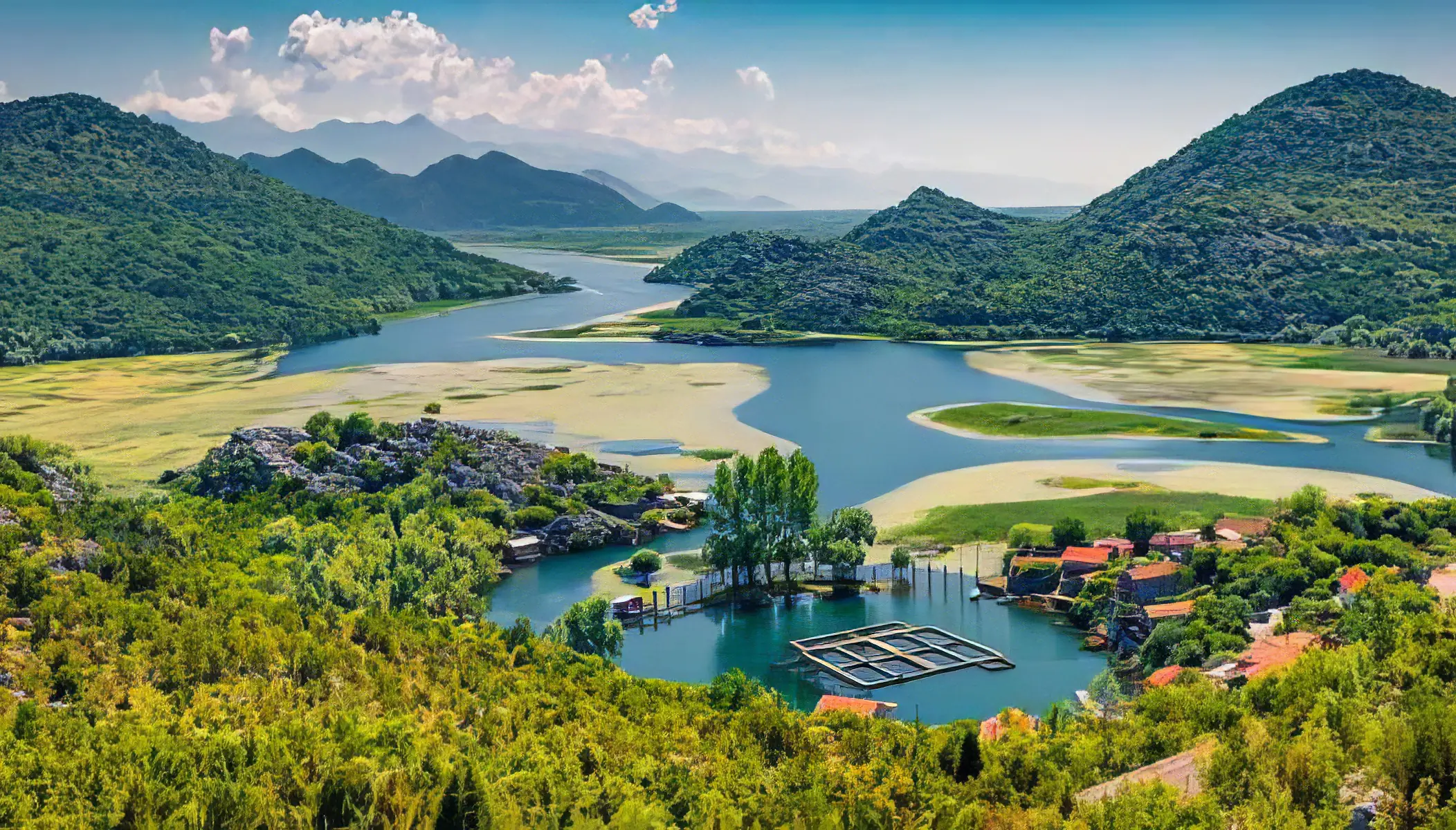
This city is a great starting point for exploring Montenegro’s beautiful landscapes and historical sites. Here are some day-trip suggestions:
– Lovćen National Park at 30 km: Offers nice views and the Mausoleum of Njegoš, a significant cultural landmark.
– Kotor at 50 km: A UNESCO World Heritage site with well-preserved medieval architecture and a scenic bay.
– Skadar Lake at 35 km: The largest lake in the Balkans, ideal for bird watching and boat tours.
– Budva at 40 km: Known for its sandy beaches, animated nightlife, and historic old town.
– Ostrog Monastery at 75 km: A unique monastery built into a cliff, attracting pilgrims from around the world.
Attraction
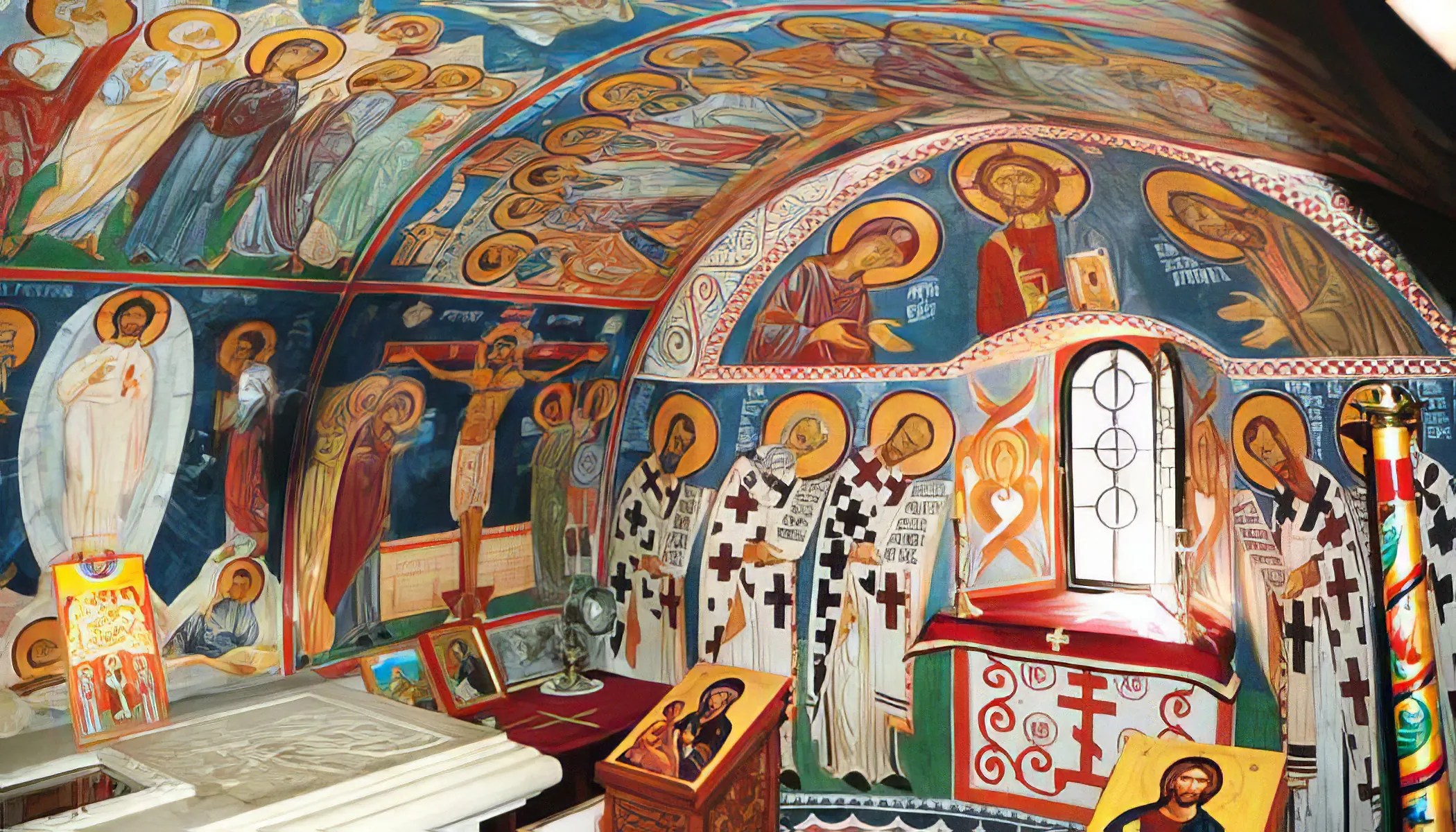
This city is known for its rich history and cultural significance.
– Cetinje Monastery: A historic site housing relics of Saint Peter and a center of Montenegrin spirituality.
– National Museum of Montenegro: Offers insights into the country's history, art, and culture through various exhibits.
– King Nikola's Palace: Former royal residence showcasing period furniture, artworks, and personal items of the Montenegrin royal family.
– Biljarda (Billiard House): A historical building once used by Prince-Bishop Petar II Petrović Njegoš as a residence and office.
– Lovćen National Park: Features sensational mountain landscapes with hiking trails leading to the Mausoleum of Njegoš.
– Blue Palace: The official residence of the President, noted for its distinctive architecture and historical importance.
Activity
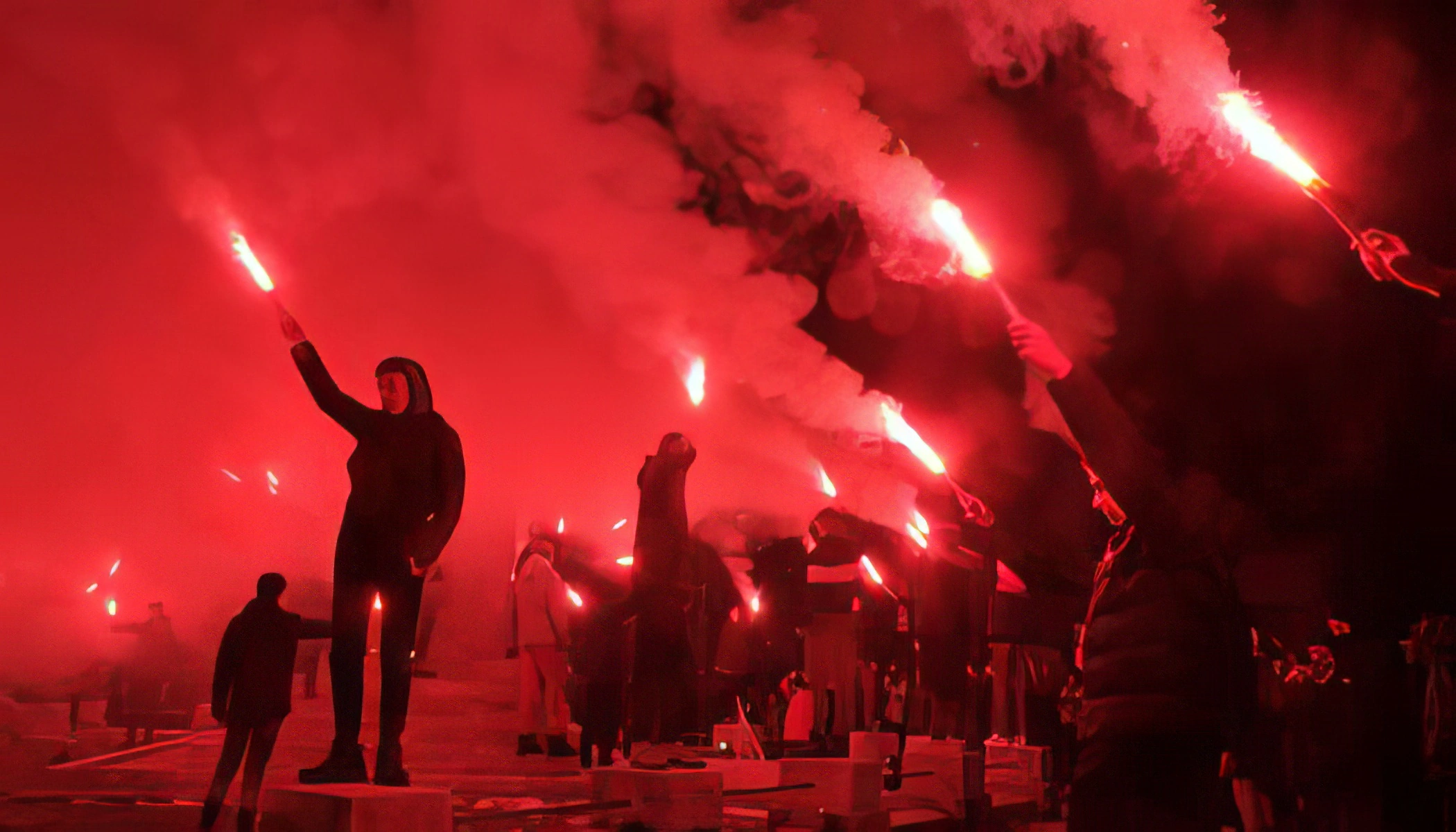
Cetinje offers a mix of cultural experiences, nature activities, and historical sites for travelers to explore.
– Hiking in Lovćen National Park: Explore scenic trails with beautiful views and diverse wildlife within this national park nearby Cetinje.
– Visit the Njegoš Mausoleum: Discover the impressive resting place of Montenegro's notable poet and leader located atop Mount Lovćen.
– Wine tasting at local vineyards: Sample wines produced in the region while learning about Montenegrin winemaking traditions.
– Attend a traditional folk festival: Experience local music, dance, and crafts that showcase Montenegrin culture during seasonal events.
– Explore the old royal capital on foot: Discover historic streets, architecture, and charming squares while walking through Cetinje.
Arts & Culture

Cetinje is known for its rich cultural heritage, featuring several museums such as the National Museum of Montenegro, which showcases art and history. The city hosts the Cetinje Film Festival, promoting local and international films. Additionally, various art galleries display works by Montenegrin artists. Regular cultural events often celebrate traditional music and dance.