

Beijing: Best Things to Do & Top Attractions
This capital city is known for its rich history, featuring ancient sites such as the Forbidden City and the Great Wall. It serves as a political, cultural, and educational center, with a population exceeding 20 million residents.
- Population
- 21.89 millions
- Size
- 16 410 square km
- Airport
- Beijing Capital – Int'l & 1 other
- Train Station
- Beijing West & 5 others
- Subway
- Beijing Subway
- Est. Visit Days
- 5 days
Overview
Beijing, the capital of China, is known for its rich history and cultural landmarks like the Forbidden City and the Great Wall. One advantage of visiting Beijing is its extensive public transport system, making it easy to navigate the city. However, air pollution can be a significant issue, affecting visibility and health. The cost of living can also be high in certain areas, especially for tourists. Overall, Beijing offers a unique blend of ancient tradition and modern development with both benefits and challenges for visitors.
Traffic & Transport
The city features an extensive public transportation network, including subways, buses, and bicycles, making it easy for tourists to navigate. The subway system is particularly efficient and covers most major attractions, while buses offer a more scenic route across the city. For those who prefer a more leisurely pace, bike-sharing services are widely available and provide a great way to explore local neighborhoods. Walking is also a viable option in several districts where attractions are clustered together. Reliable taxi companies include Didi Chuxing and other local services that can be booked via mobile apps. Tourists can download the Didi app for convenient booking and payment options, ensuring a hassle-free travel experience throughout the city.
History
The area has a long history, with its origins dating back over 3,000 years. It became the capital of various dynasties, notably the Yuan, Ming, and Qing. In the 19th century, it faced foreign invasions and was occupied during the Second Opium War. The city played a significant role in trade along the Silk Road. Cultural events like festivals and traditional practices still reflect its imperial past today.
Itinerary Sample
Here is a sample 5-day itinerary to explore Beijing.
– First day: Visit Tiananmen Square and the Forbidden City, then take a walk in Jingshan Park for views of the city.
– Second day: Explore the Great Wall at Badaling, followed by a visit to Ming Tombs nearby.
– Third day: Discover the Temple of Heaven in the morning, then visit the Summer Palace in the afternoon.
– Fourth day: Tour the Hutongs for traditional culture, and end with a Peking Duck dinner in Wangfujing.
– Fifth day: Visit the National Museum of China and explore 798 Art District for contemporary art.
Near Excursion
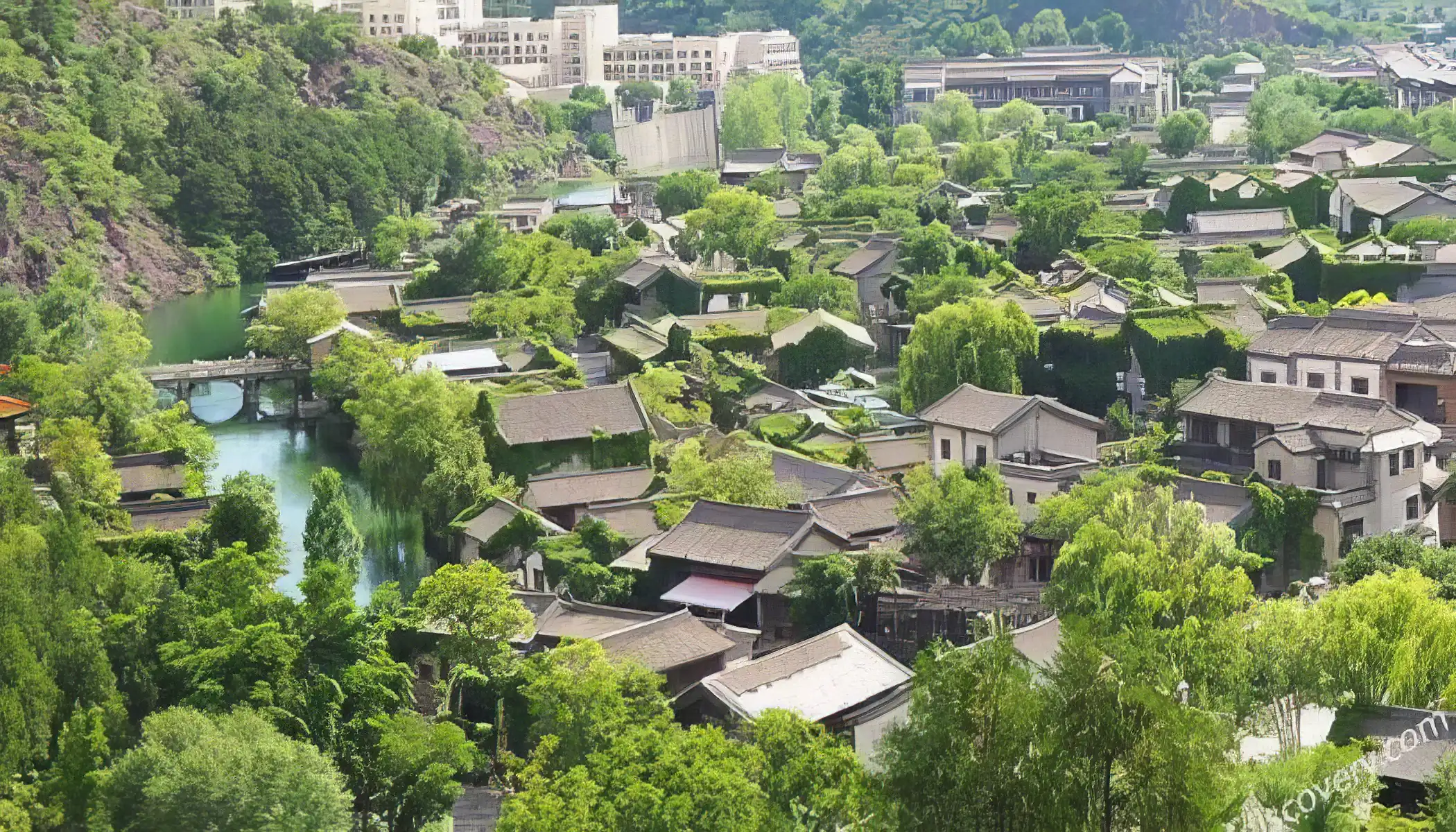
This city offers several interesting day-trip options for visitors. Here are some suggestions:
– Mutianyu Great Wall at 70 km: A well-preserved section of the Great Wall with fewer crowds and gorgeous views.
– Ming Tombs at 50 km: A collection of mausoleums built by the emperors of the Ming dynasty, offering insight into imperial history.
– Gubei Water Town at 140 km: A pleasant water town with traditional architecture and access to Simatai Great Wall.
– Tianjin at 120 km: A energetic city known for its European-style architecture and nice cultural scene.
– Longqing Gorge at 85 km: Known for its dramatic cliffs, boat rides, and an ice lantern festival in winter.
Attraction
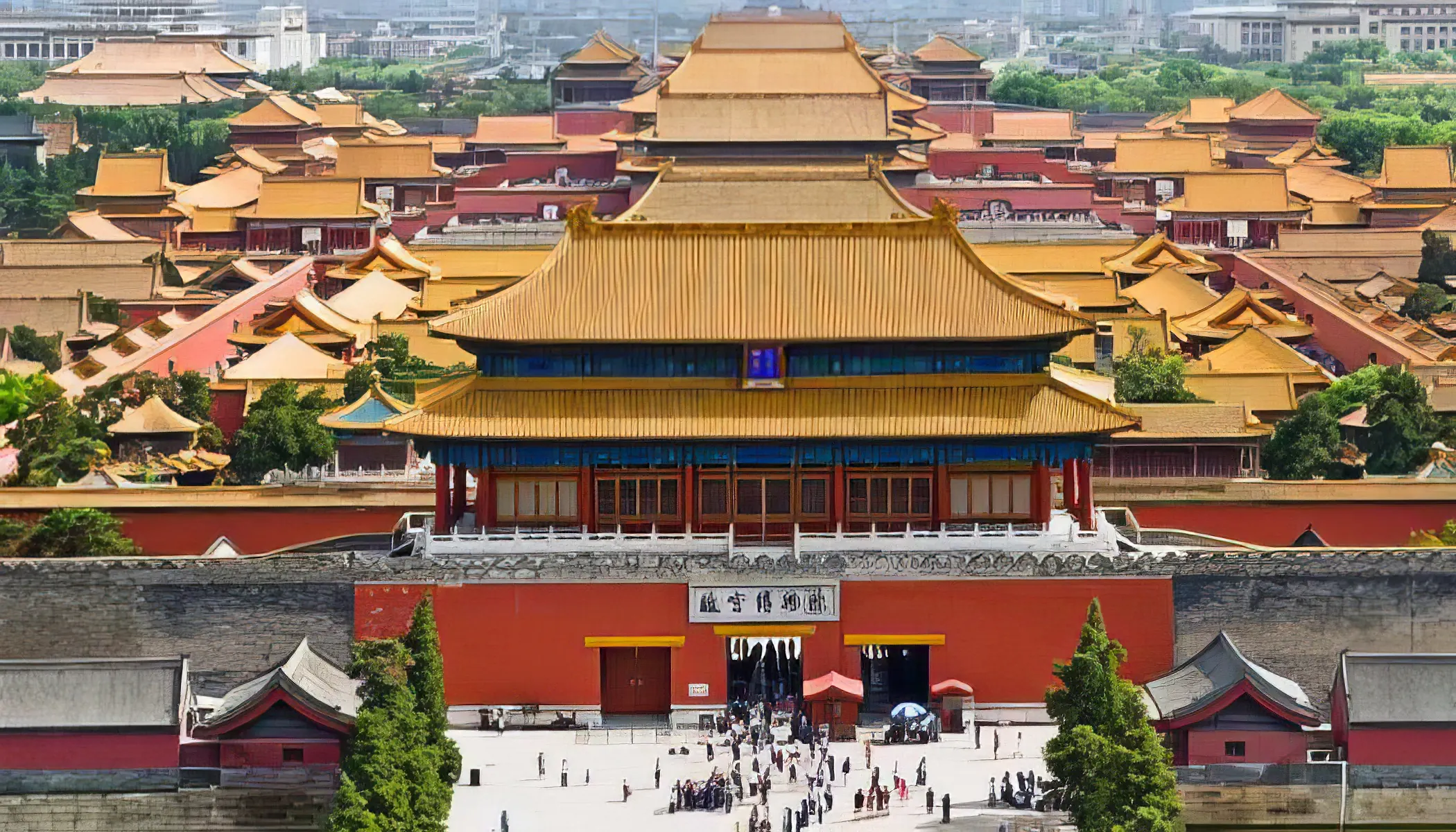
The city offers a mix of historical sites and modern attractions.
– The Forbidden City: A vast imperial palace complex that served as the home of emperors for almost 500 years.
– The Great Wall: An iconic ancient defensive structure stretching thousands of miles through rugged terrains and offering fascinating views.
– Tiananmen Square: One of the world's largest public squares, known for its historical significance and monumental architecture.
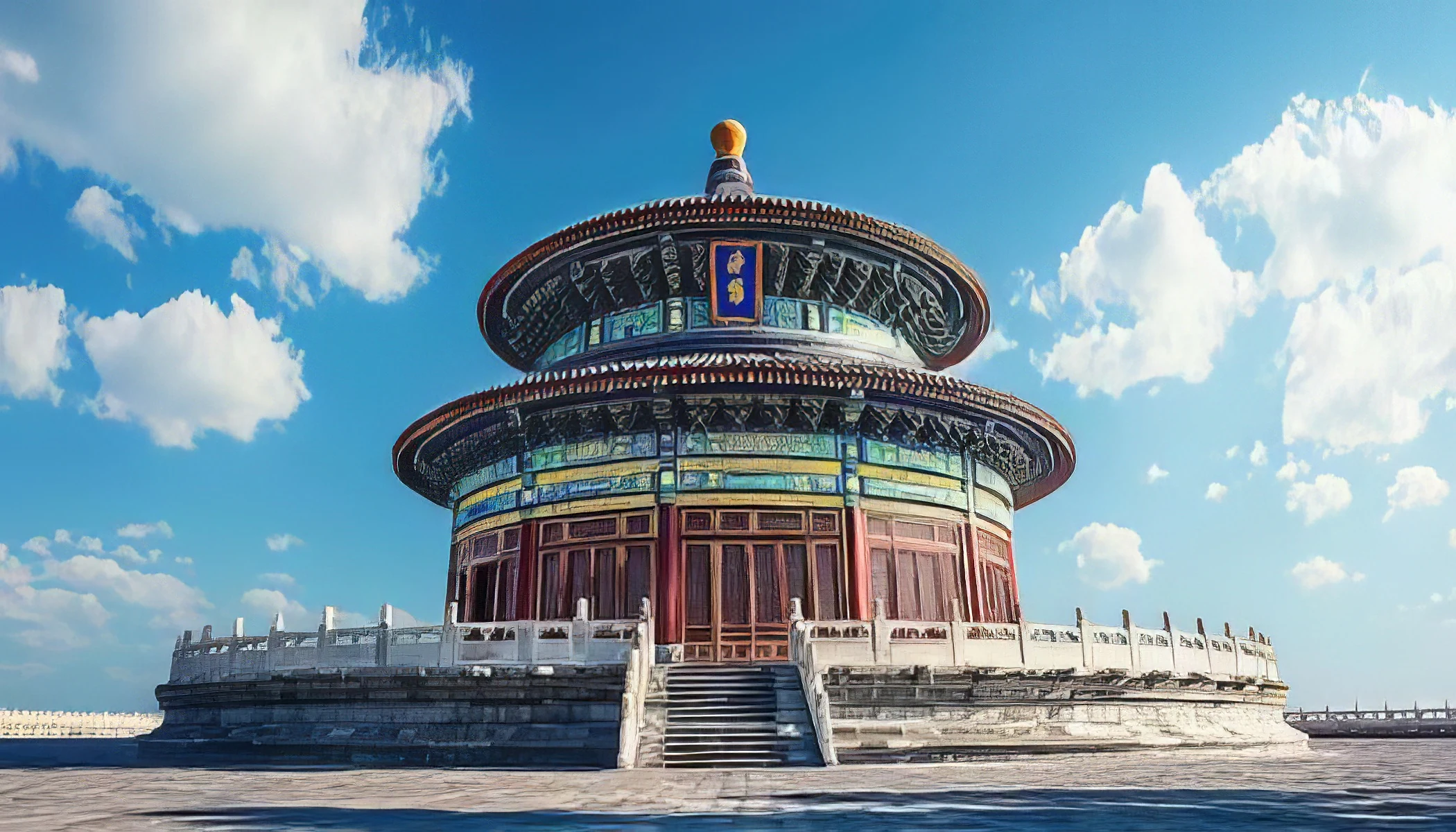
– Temple of Heaven: A Ming dynasty religious complex where emperors prayed for good harvests, surrounded by expansive gardens.
– Summer Palace: A beautiful royal garden with lakes, temples, and pavilions, used as a summer retreat by emperors.
– Lama Temple: A lively Tibetan Buddhist monastery featuring ornate halls and a giant Buddha statue made from sandalwood.
Activity
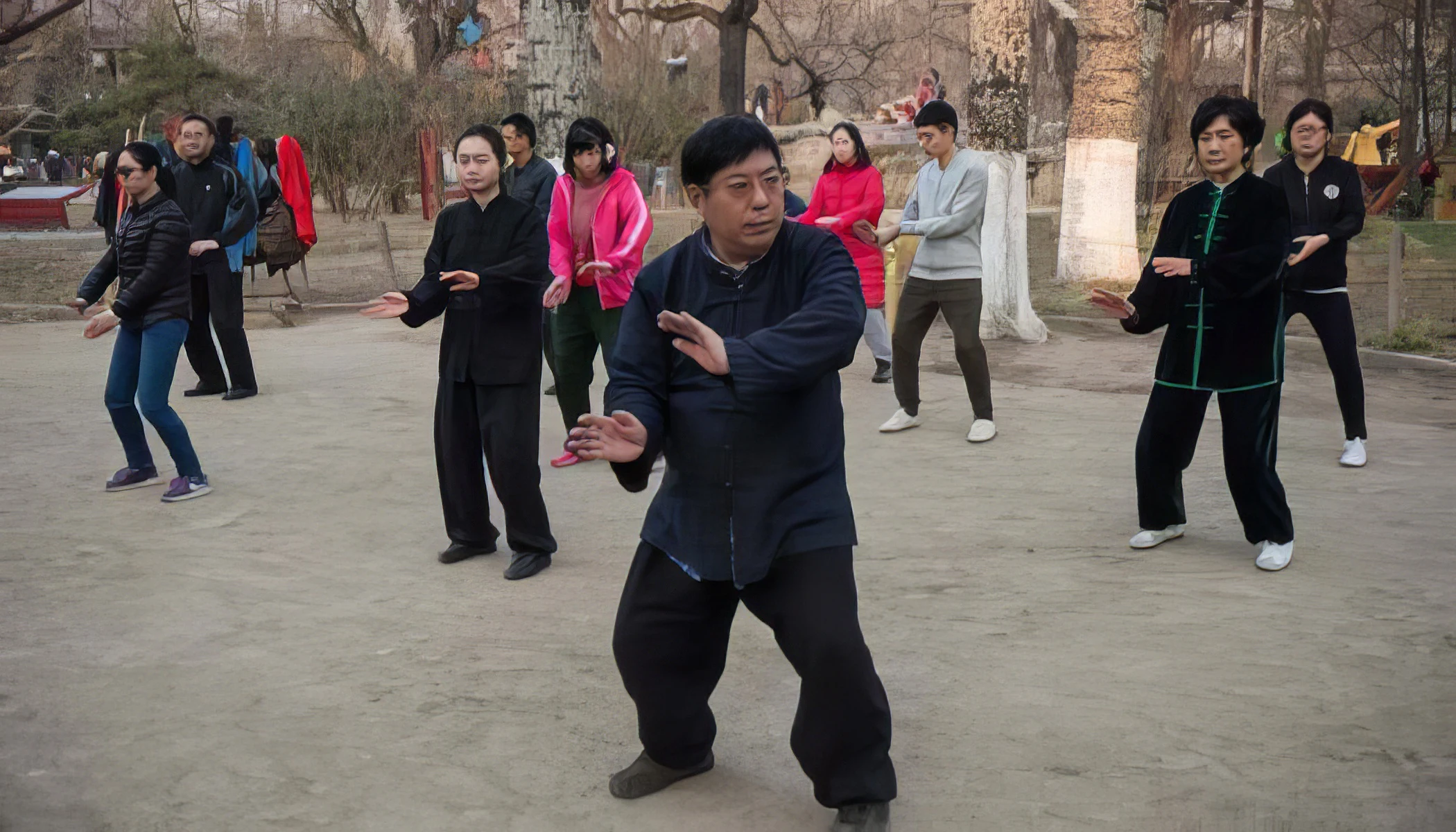
Travelers in Beijing can explore historical sites, enjoy local cuisine, and experience traditional culture and modern attractions.
– Hiking the Great Wall: Walk along less crowded sections of this iconic structure for remarkable views and a unique experience.
– Peking Opera Show: Watch traditional performances featuring music, acrobatics, and elaborate costumes for an authentic cultural experience.
– Hutong Tours: Explore narrow alleys to discover local life, architecture, and hidden gems in Beijing's historic neighborhoods.
– Tai Chi Classes: Participate in morning Tai Chi sessions at parks to learn this ancient martial art while enjoying nature.
– Night Markets: Visit magnificient markets for street food, snacks, and a lively atmosphere showcasing local flavors and culture.
Cuisine
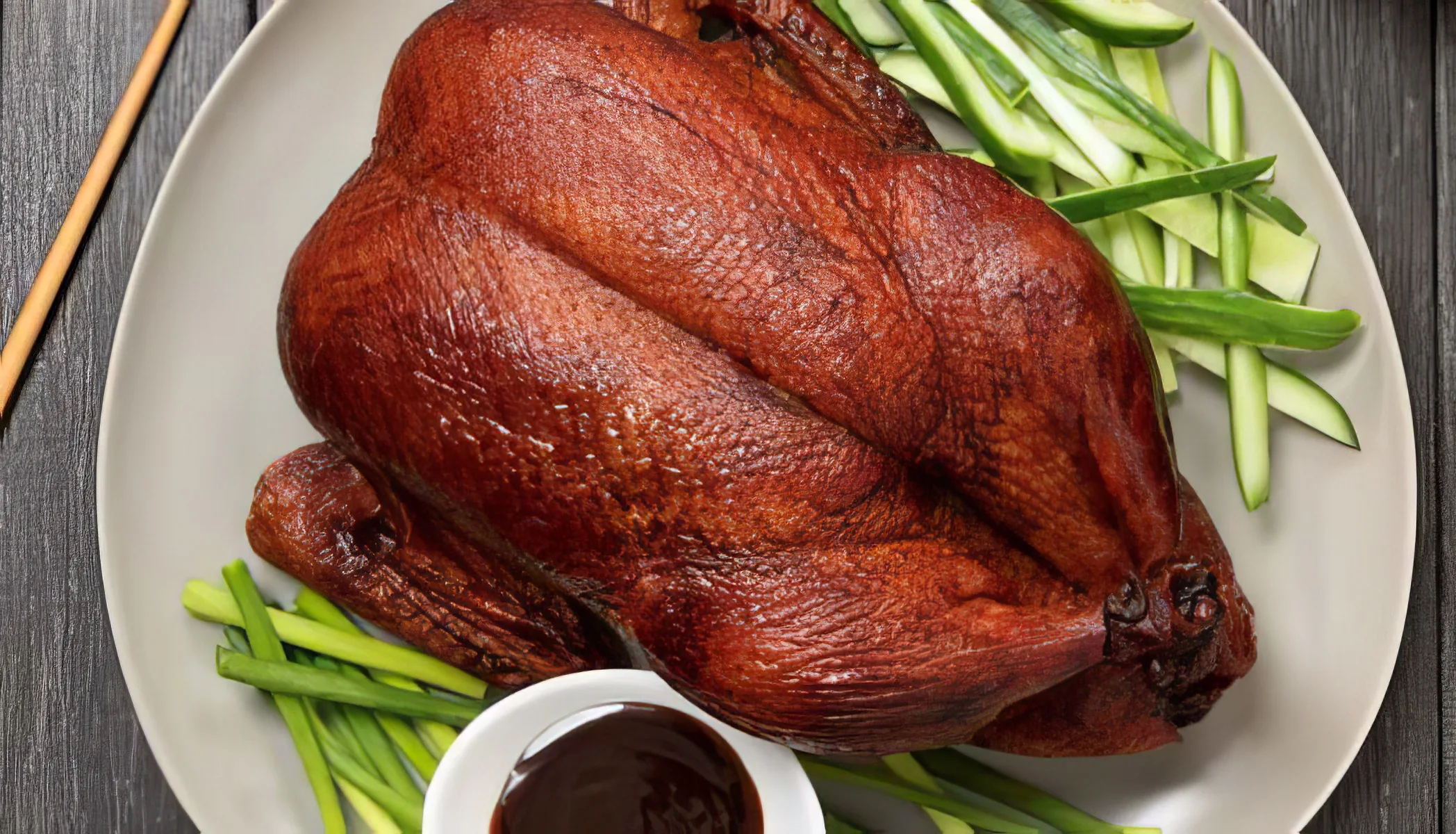
The city offers a blend of traditional and modern cuisine, with street food and upscale dining highlighting its rich culinary heritage. Some of the city's most famous dishes include:
– Peking Duck: Roasted duck known for its crispy skin, often served with pancakes and hoisin sauce.
– Jiaozi: Dumplings filled with meat or vegetables, usually boiled or steamed.
– Zhajiangmian: Wheat noodles topped with a savory soybean paste sauce, typically accompanied by vegetables.
– Hot Pot: Interactive dining where diners cook meat and vegetables in a simmering broth at the table.
– Donkey Burger: A sandwich featuring shredded donkey meat seasoned with spices in a crispy bun.
– Tanghulu: Skewered fruit coated in hardened sugar syrup, offering a sweet and crunchy treat.
Shopping
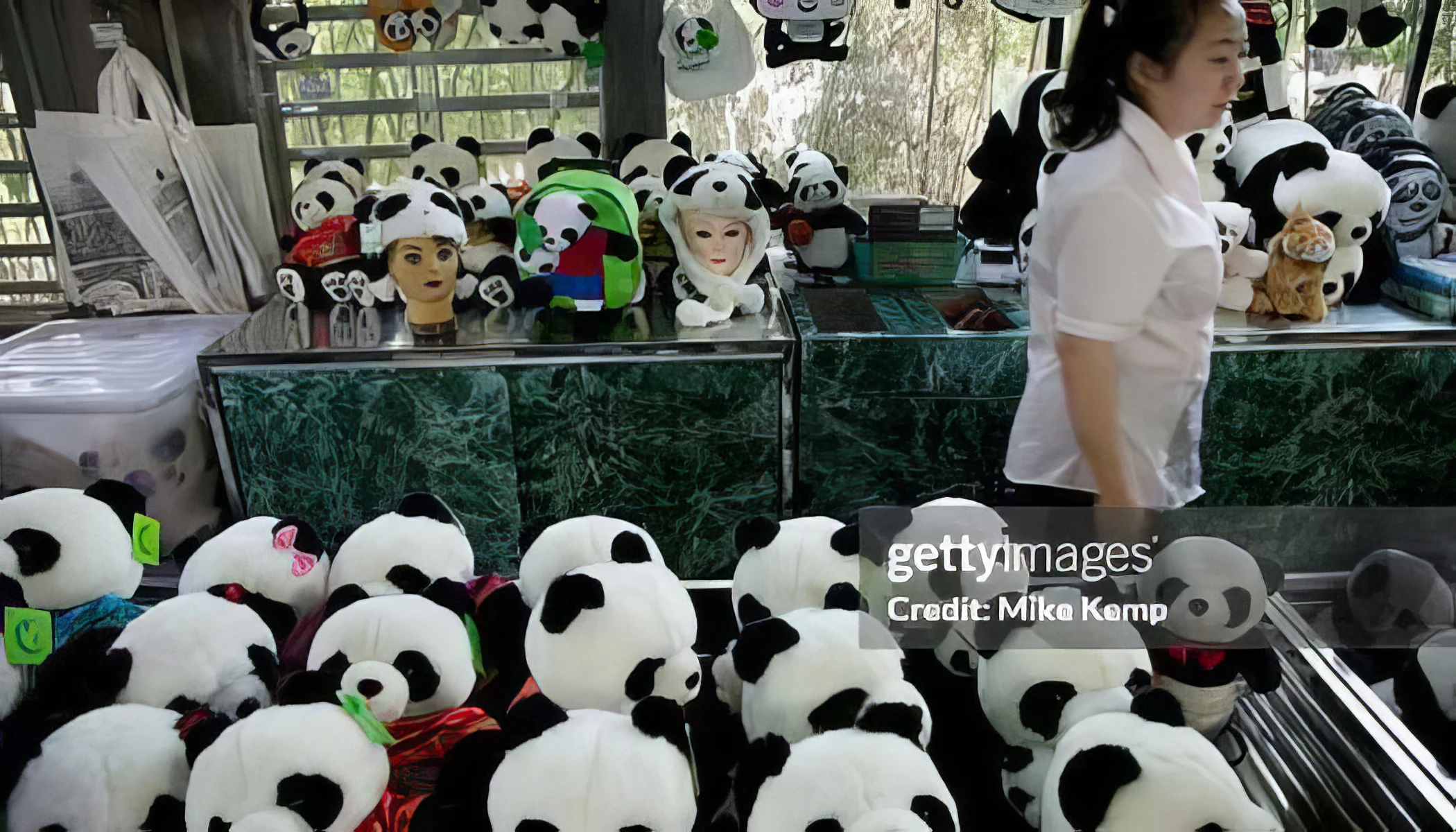
There are many shopping areas offering unique items. Silk products, such as scarves and ties, are popular gifts. Traditional Chinese tea is also a great choice for souvenirs. You can find handcrafted pottery and jade jewelry in local markets. Don't forget to explore street markets for affordable snacks and souvenirs. These options provide a good mix of culture and practicality for tourists.
Arts & Culture
The city is known for its rich cultural heritage, including traditional Peking opera performances that showcase local storytelling through music and movement. The annual Beijing International Film Festival attracts filmmakers and audiences from around the world, promoting cinematic arts. Art districts like 798 Art Zone feature contemporary galleries and installations, reflecting modern artistic expressions. Regular exhibitions at the National Museum of China highlight historical artifacts and art pieces significant to Chinese culture.