

Hangzhou Travel Guide: Tourist Places & Activities
This city is known for its beautiful West Lake, rich history, and tea culture. It serves as a major economic and cultural center, attracting tourists with its scenic landscapes and historical sites.
- Population
- 10.0 millions
- Size
- 16 596 square km
- Airport
- Hangzhou Xiaoshan – Int'l & 0 others
- Train Station
- Hangzhou East & 2 others
- Subway
- Hangzhou Metro
- Est. Visit Days
- 3 days
Overview
Hangzhou is a major city in eastern China, known for its scenic West Lake and rich history. Pros include beautiful landscapes, a magnificient culture, and excellent tea production. The city also has modern infrastructure and good transportation options. However, cons include heavy tourist crowds, especially during peak seasons, and rising living costs. Overall, Hangzhou offers a mix of natural beauty and urban life but may feel busy at times.
Traffic & Transport
The city features a well-developed public transportation system, including buses and a modern metro network that makes it easy for tourists to navigate. The metro is particularly efficient for reaching popular attractions, while buses can provide a more scenic route through the city. Biking is also a favored option, with numerous bike-sharing programs available that allow visitors to explore at their own pace. Walking is another great way to experience the local culture and sights, especially around scenic areas. Reliable taxi services are available, with several reputable companies operating in the area. Additionally, popular taxi-booking apps such as Didi Chuxing can be used for convenient rides throughout the city.
History
This city was a significant center during the Southern Song Dynasty, serving as its capital from 1127 to 1279. It became a major hub for trade and commerce due to its location along important waterways. The area experienced invasions, notably by the Mongols, which led to changes in governance. In the Ming and Qing Dynasties, it continued to thrive as a cultural and economic center. Today, it is known for its historical sites, including ancient temples and gardens that reflect its rich past.
Itinerary Sample
This 3-day itinerary will help you explore the key attractions of Hangzhou.
– First day: Visit West Lake, take a boat ride, stroll along the Su Causeway, and see the Leifeng Pagoda. Enjoy dinner at a local restaurant.
– Second day: Explore Lingyin Temple, hike in the surrounding area, visit the Six Harmonies Pagoda, and end with a tea tasting at Longjing Tea Village.
– Third day: Discover the National Tea Museum, wander through Xixi Wetlands, visit Huqingyu Tang Chinese Medicine Museum, and shop for souvenirs at Hefang Street.
Near Excursion
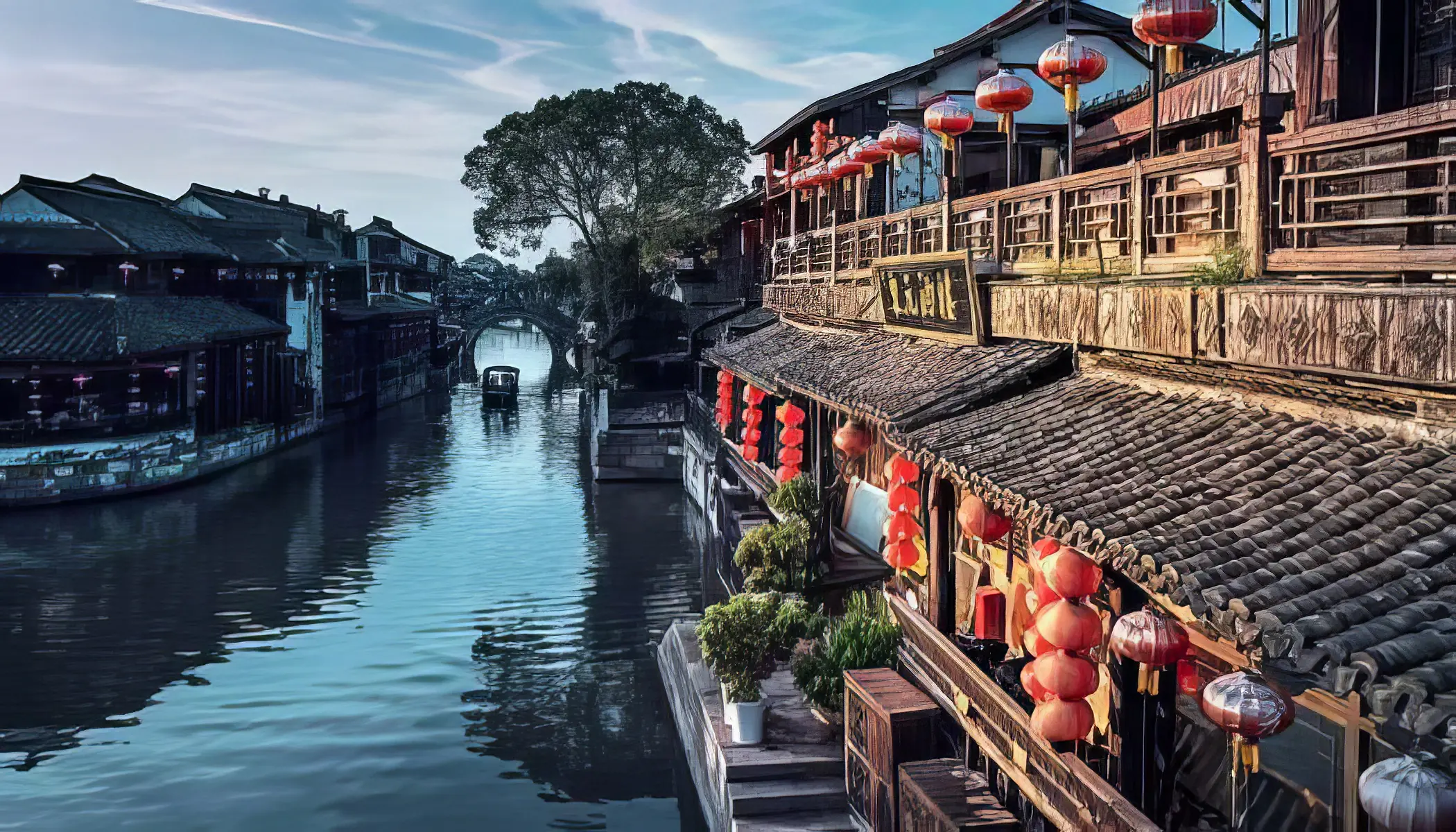
This city offers several interesting day-trip options for tourists. Here are some suggestions:
– Wuzhen Water Town at 80 km: A gorgeous town known for its ancient architecture and canals.
– Shaoxing at 65 km: Famous for its traditional rice wine and historic sites, including Lu Xun's former residence.
– Xitang Water Town at 90 km: Offers charming waterways and well-preserved ancient buildings.
– Mount Mogan at 60 km: Known for its cool climate, scenic views, and historical villas.
– Thousand Island Lake at 130 km: A vast reservoir with numerous islands, ideal for boating and relaxation.
Attraction

Known for its scenic beauty and historical sites, this city offers a blend of nature and culture.
– West Lake: A UNESCO World Heritage site, it's famous for its remarkable scenery and laid-back boat rides.
– Lingyin Temple: One of the largest and wealthiest Buddhist temples, known for its grand architecture and ancient relics.
– Longjing Tea Fields: Explore the abundant green tea plantations and taste the renowned Dragon Well tea.
– Leifeng Pagoda: Offers panoramic views of the lake and is steeped in legends, particularly involving Lady White Snake.
– Hefang Street: A pleasant pedestrian street where you can experience traditional crafts, snacks, and local culture.
– Xixi National Wetland Park: A natural reserve with rich biodiversity, ideal for bird watching and peaceful walks.
Activity
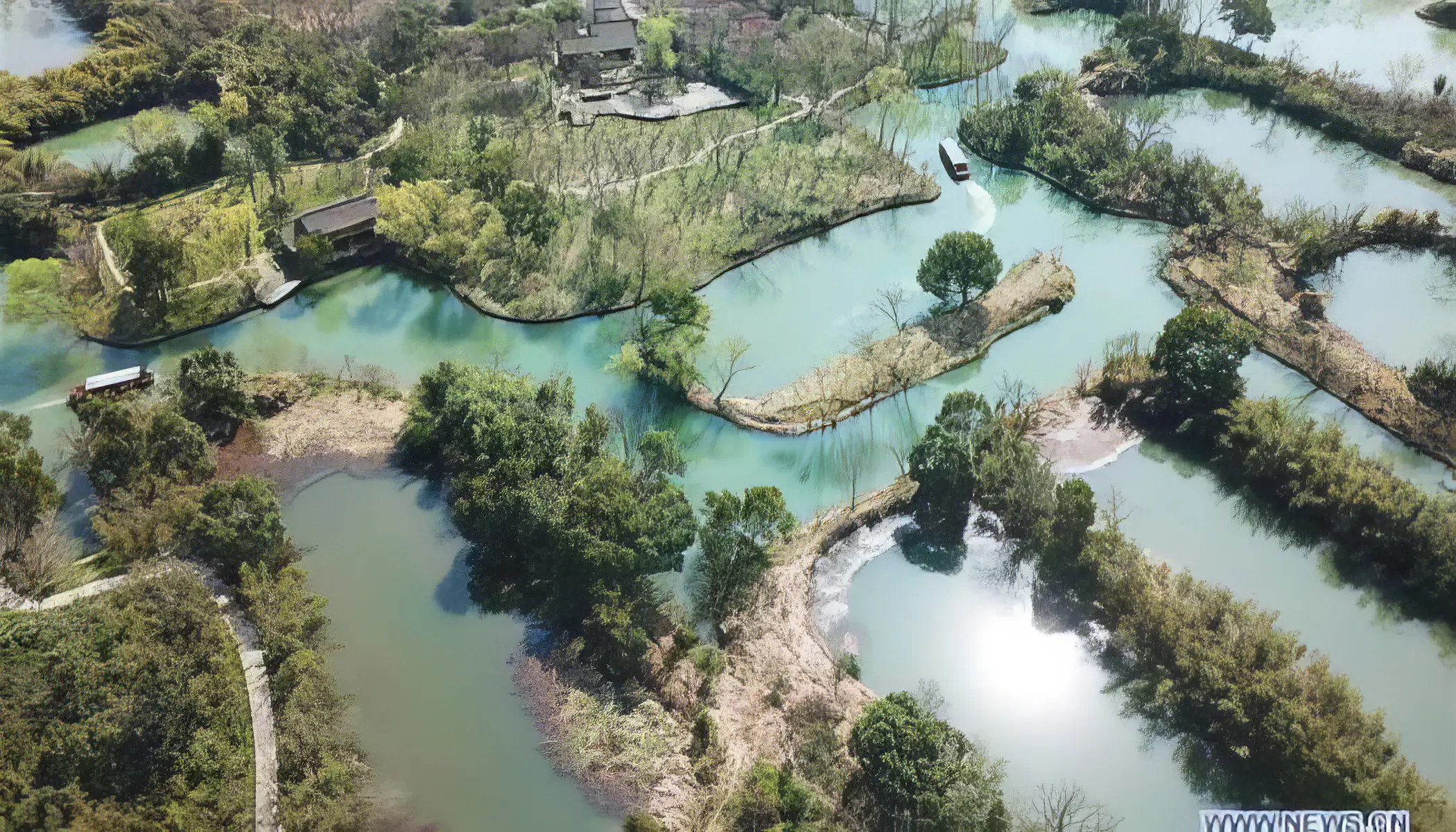
Travelers in Hangzhou can explore beautiful landscapes, historic sites, and local culture through various engaging activities.
– West Lake Boat Ride: Enjoy a scenic boat ride on the iconic West Lake surrounded by picturesque views and ancient architecture.
– Tea Plantation Visit: Experience tea picking and learn about the famous Longjing tea production at a local plantation.
– Leifeng Pagoda Climb: Hike up to Leifeng Pagoda for panoramic views of West Lake and the surrounding mountains.
– Xixi National Wetland Park: Explore this unique urban wetland with diverse wildlife, walking paths, and peaceful boat tours.
– Traditional Chinese Cuisine Cooking Class: Participate in a cooking class to learn how to prepare authentic Hangzhou dishes.
Cuisine
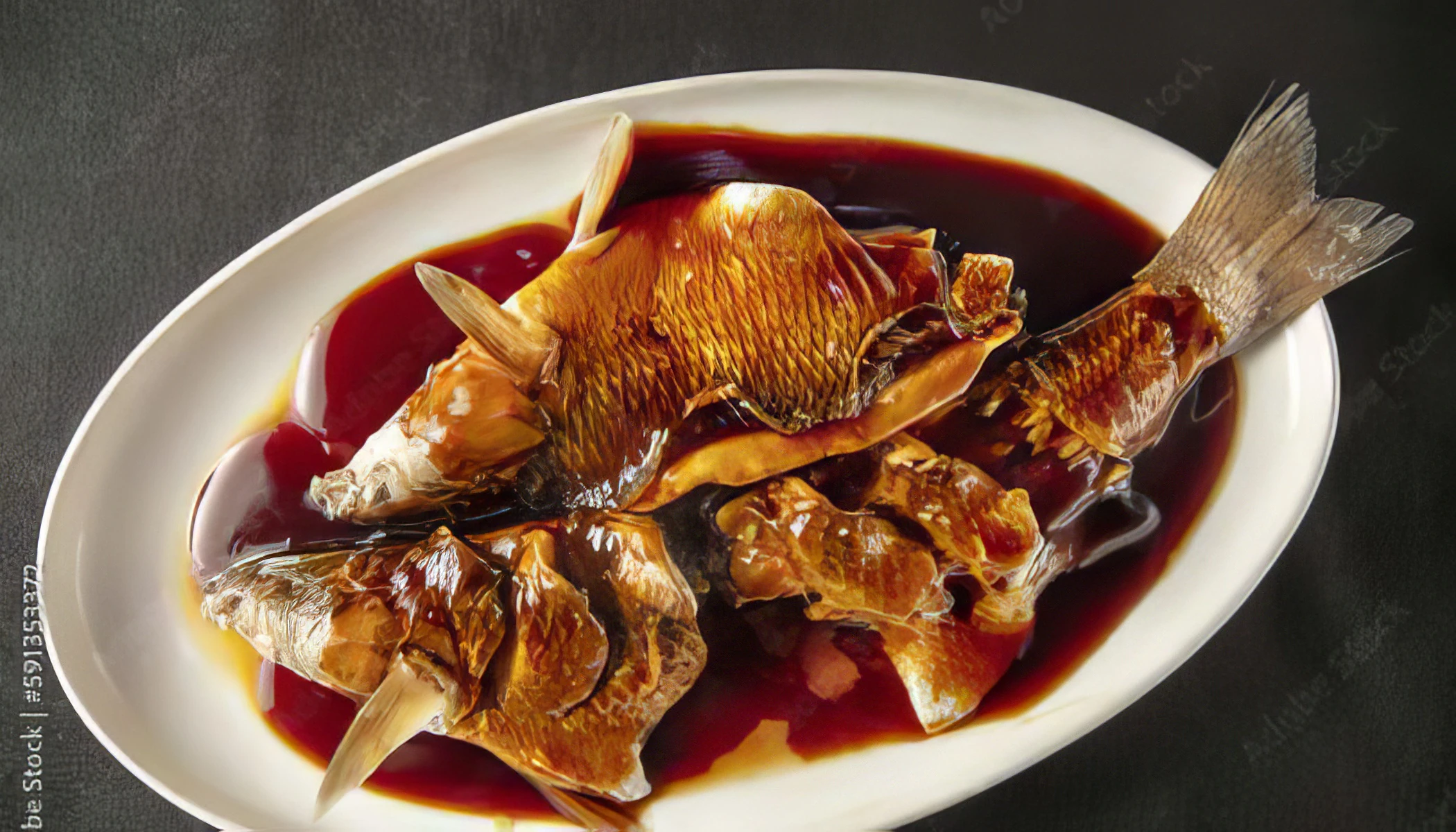
The city is known for its rich culinary heritage, featuring dishes that highlight fresh, local ingredients and subtle flavors. Some of the city's most famous dishes include:
– West Lake Fish in Vinegar Gravy: Fresh fish cooked with vinegar and sugar, offering a sweet and sour taste.
– Dongpo Pork: Braised pork belly dish named after poet Su Dongpo, known for its tender texture.
– Longjing Shrimp: Shrimp stir-fried with Dragon Well tea leaves, imparting a unique aroma.
– Beggar's Chicken: Whole chicken wrapped in lotus leaves and clay, baked to maintain moisture.
– Pian Er Chuan Noodles: Noodle soup with pickled vegetables and pork slices, offering a savory flavor.
– Lotus Root Puffs: Dessert made from lotus root paste with a crispy exterior.
Shopping
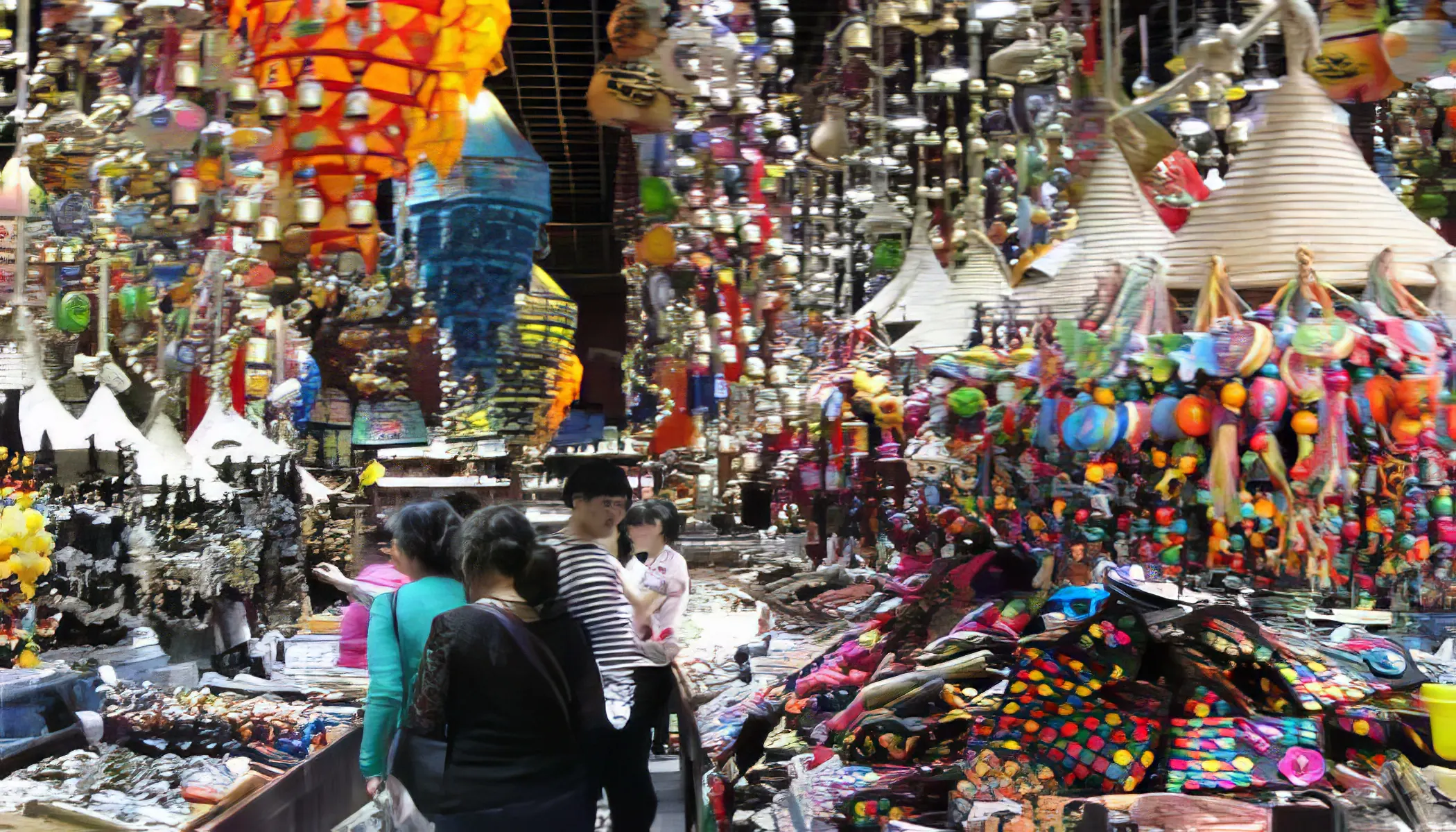
Silk products are a popular gift, as the region is known for high-quality silk. Tea is another great option, especially Longjing (Dragon Well) tea, which is famous in this area. Local handicrafts, such as bamboo products and traditional fans, can also be found. For shopping, visit local markets or specialty stores for authentic items. The West Lake area has shops that offer a variety of souvenirs. Overall, these items reflect the local culture and make good gifts.
Arts & Culture
The city is known for its rich cultural heritage, including traditional Chinese opera and silk weaving. The West Lake area often hosts art exhibitions and performances celebrating local artists. The China National Silk Museum showcases the history and artistry of silk production. Additionally, various festivals throughout the year feature traditional music and dance performances.