

Xiamen Travel Guide: Tourist Places & Activities
This coastal city is known for its mild climate, beautiful beaches, and colonial architecture. It features Gulangyu Island, a UNESCO World Heritage site, and serves as an important trade and cultural hub in the region.
- Population
- 4.00 millions
- Size
- 1 578 square km
- Airport
- Xiamen Gaoqi – Int'l
- Train Station
- Xiamen Station & 2 others
- Subway
- Yes, there is a subway in Xiamen.
- Est. Visit Days
- 2 days
Overview
Xiamen is a coastal city in China known for its pleasant climate and beautiful scenery. Pros include its clean environment, rich cultural heritage, and the famous Gulangyu Island, which attracts many tourists. The city has a growing economy and good infrastructure. However, cons include increasing living costs and occasional air pollution. Overall, Xiamen offers a mix of modernity and tradition but may not suit everyone’s budget.
Traffic & Transport
The city offers a variety of transportation options for tourists, including an efficient public bus system that covers major attractions. The metro is another convenient choice, providing quick access to key areas with clean and modern trains. Bicycles and electric scooters are popular for exploring scenic coastal routes, while walking is encouraged in pedestrian-friendly districts. Overall, using a combination of these methods allows visitors to easily navigate the city's attractions. For taxi services, several reliable companies operate in the area, such as Didi Chuxing, which is a widely used ride-hailing app similar to Uber. Tourists can also find local taxis readily available at designated stands or can book rides through apps for convenience and ease of payment.
History
This city was established during the Song Dynasty and became a significant port for trade. In the 17th century, it was involved in conflicts between local forces and European colonizers. The Treaty of Nanking in 1842 opened it to foreign trade after the First Opium War. British control influenced its architecture and culture until the early 20th century. Today, this history is reflected in its blend of traditional Chinese and colonial buildings.
Itinerary Sample
This 2-day itinerary covers key attractions in Xiamen for a quick exploration.
– First day: Visit Gulangyu Island, explore Shuzhuang Garden, and enjoy the local seafood at a waterfront restaurant.
– Second day: Tour Nanputuo Temple, walk through Xiamen University, and relax at Huandao Road beach.
Near Excursion
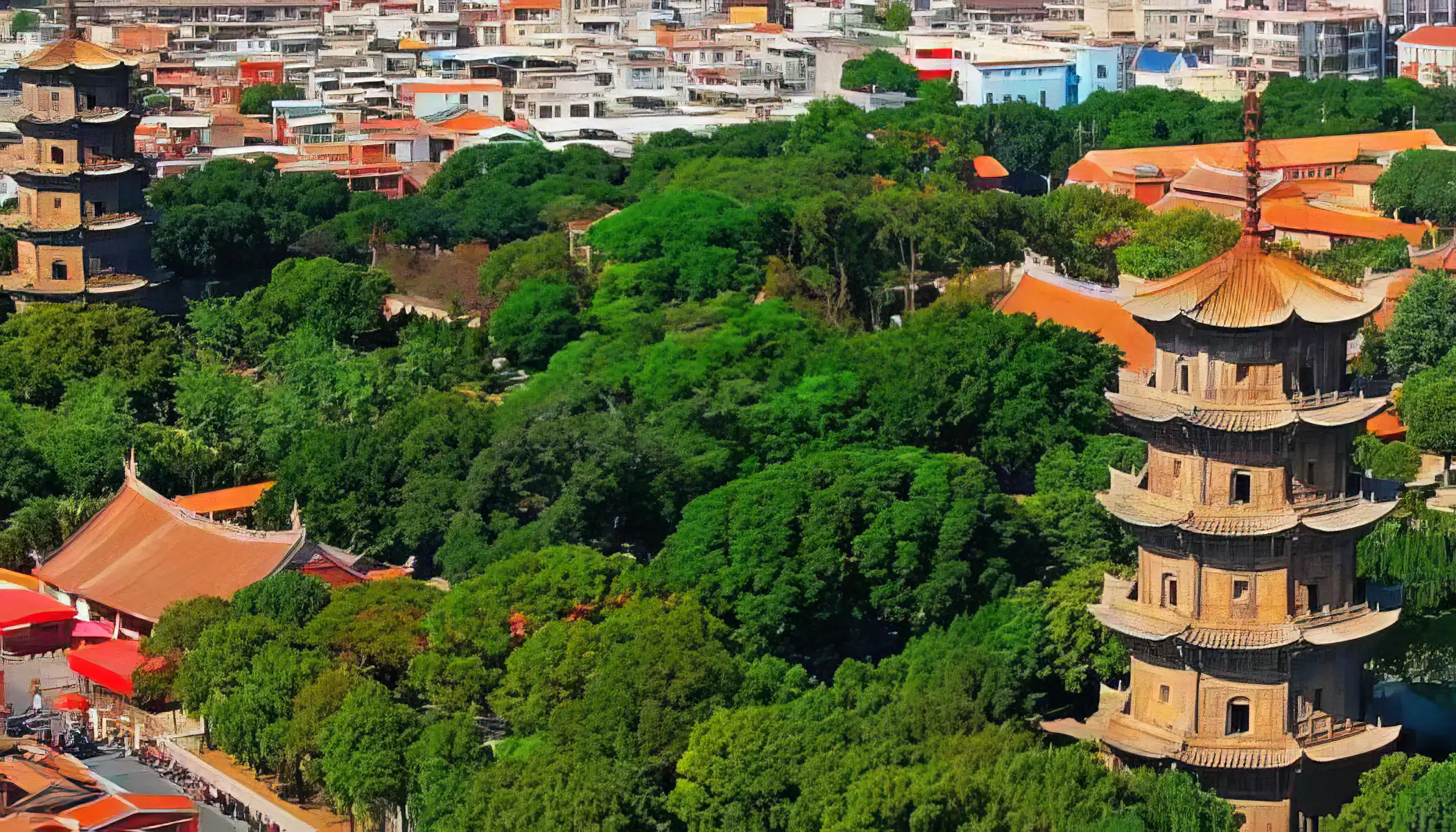
This city offers a variety of day-trip options within a reasonable distance. Here are some recommendations:
– Gulangyu Island at 5 km: A pedestrian-only island known for its colonial architecture and beautiful beaches.
– Tulou Clusters at 150 km: Unique earthen structures built by the Hakka people, showcasing traditional communal living.
– Quanzhou at 100 km: A historic port city with ancient temples and maritime museums.
– Mount Wuyi at 140 km: Famous for its nice landscapes and tea culture, ideal for nature enthusiasts.
– Zhangzhou Volcano National Geopark at 50 km: Features extinct volcanoes and unique geological formations.
Attraction
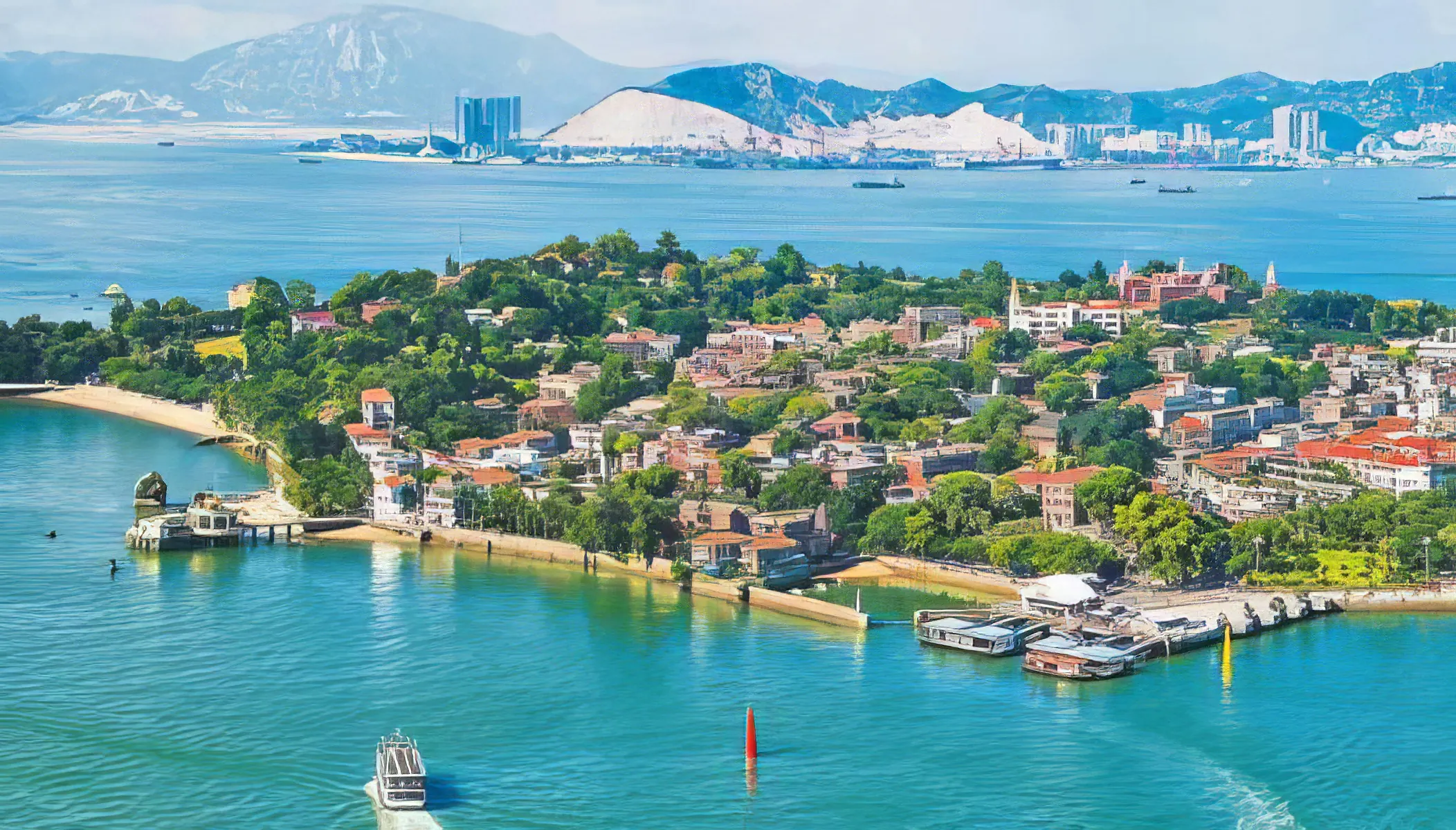
This city is known for its beautiful coastal scenery and cultural heritage.
– Gulangyu Island: A pedestrian-only island famous for colonial architecture, beaches, and the Piano Museum.
– Nanputuo Temple: A historic Buddhist temple complex with beautiful gardens and views from Wulao Peak.
– Hulishan Fortress: Features a 19th-century coastal defense fort with cannons and offers panoramic sea views.
– Zhongshan Road Pedestrian Street: A attractive shopping street lined with local shops, eateries, and historic buildings.
– Jimei School Village: Known for its educational institutions founded by philanthropist Tan Kah Kee and traditional Fujian architecture.
– Xiamen Botanical Garden: Offers diverse plant collections within a scenic landscape of rock formations and lakes.
Activity
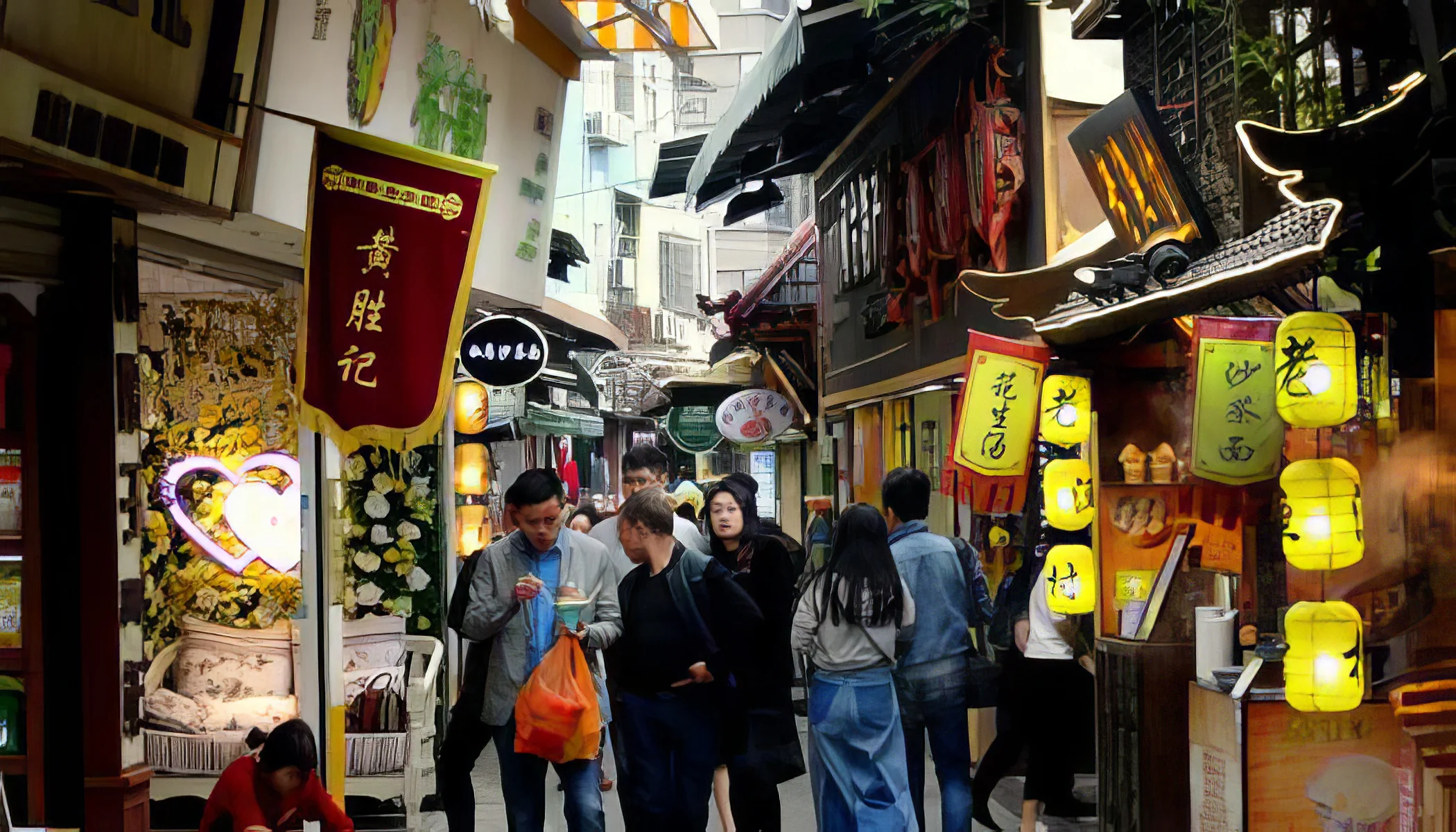
Travelers in Xiamen can explore scenic coastal areas, local markets, and enjoy unique cultural experiences. – Gulangyu Island: A car-free island known for its colonial architecture, beaches, and gardens. – Huandao Road: Ideal for cycling along the coastline with beautiful sea views and fresh air. – Xiamen University: Visit one of China's most beautiful campuses with nice scenery and historical buildings. – Zeng Cuo An Village: Experience local culture through food stalls, shops, and art galleries in this pleasant village. – Tea Picking Experience: Participate in tea picking at nearby plantations and learn about traditional Chinese tea culture.
Cuisine
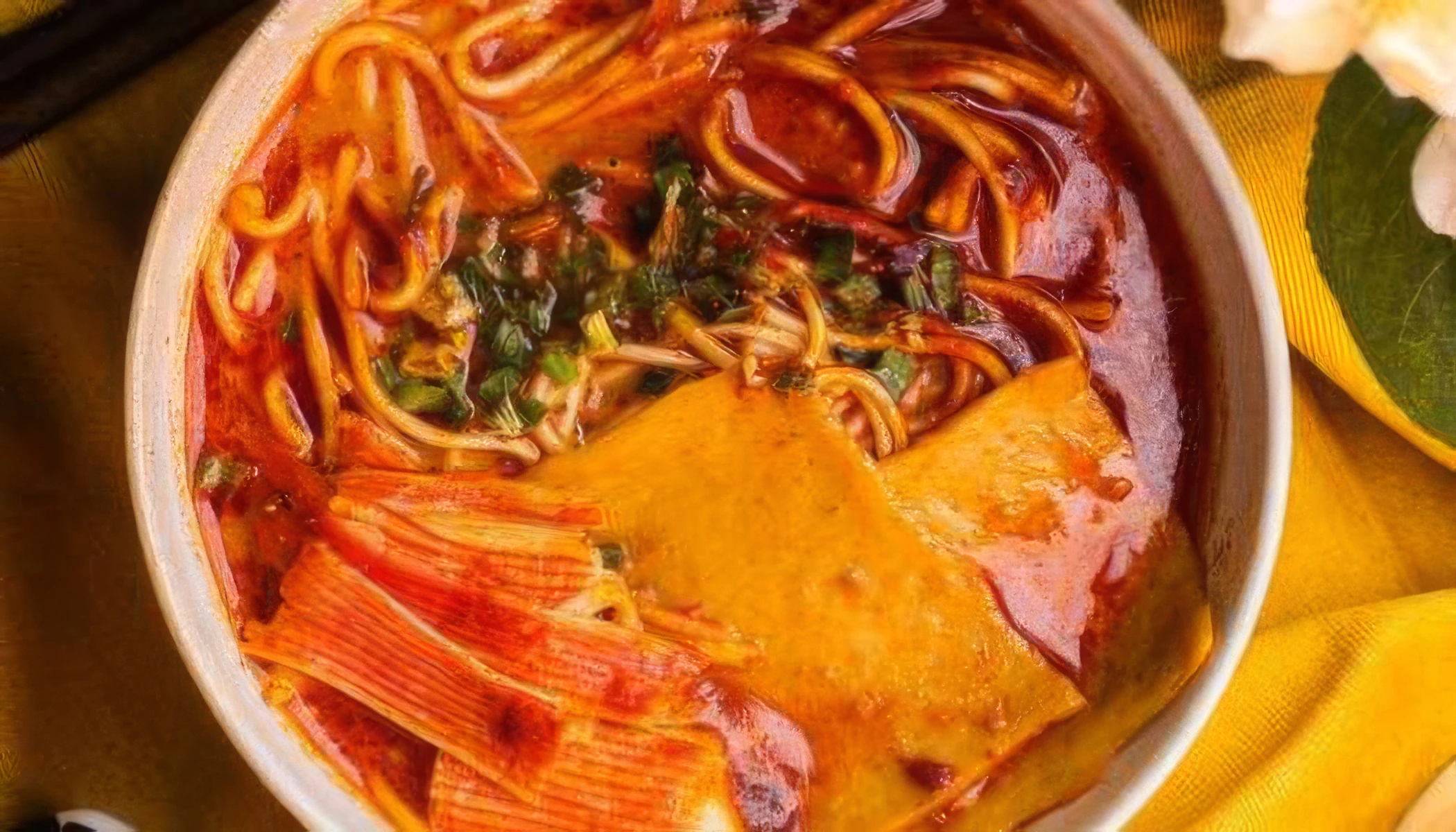
The city offers a lively food scene with influences from Fujian cuisine, emphasizing seafood and local snacks. Some of the city's most famous dishes include:
– Shacha Noodles: Wheat noodles in a savory peanut and spice-infused broth with meats or seafood.
– Oyster Omelette: A popular street food dish combining eggs, oysters, and tapioca starch for a chewy texture.
– Peanut Soup: A sweet dessert soup made with peanuts and glutinous rice balls.
– Tu Sun Dong: Sea worm jelly served cold, often accompanied by garlic vinegar sauce.
– Spring Rolls: Thin pastry rolls filled with vegetables, meat, or seafood, deep-fried until crispy.
– Fried Rice Cake: Stir-fried slices of rice cake with vegetables and choice of meat or seafood.
Shopping
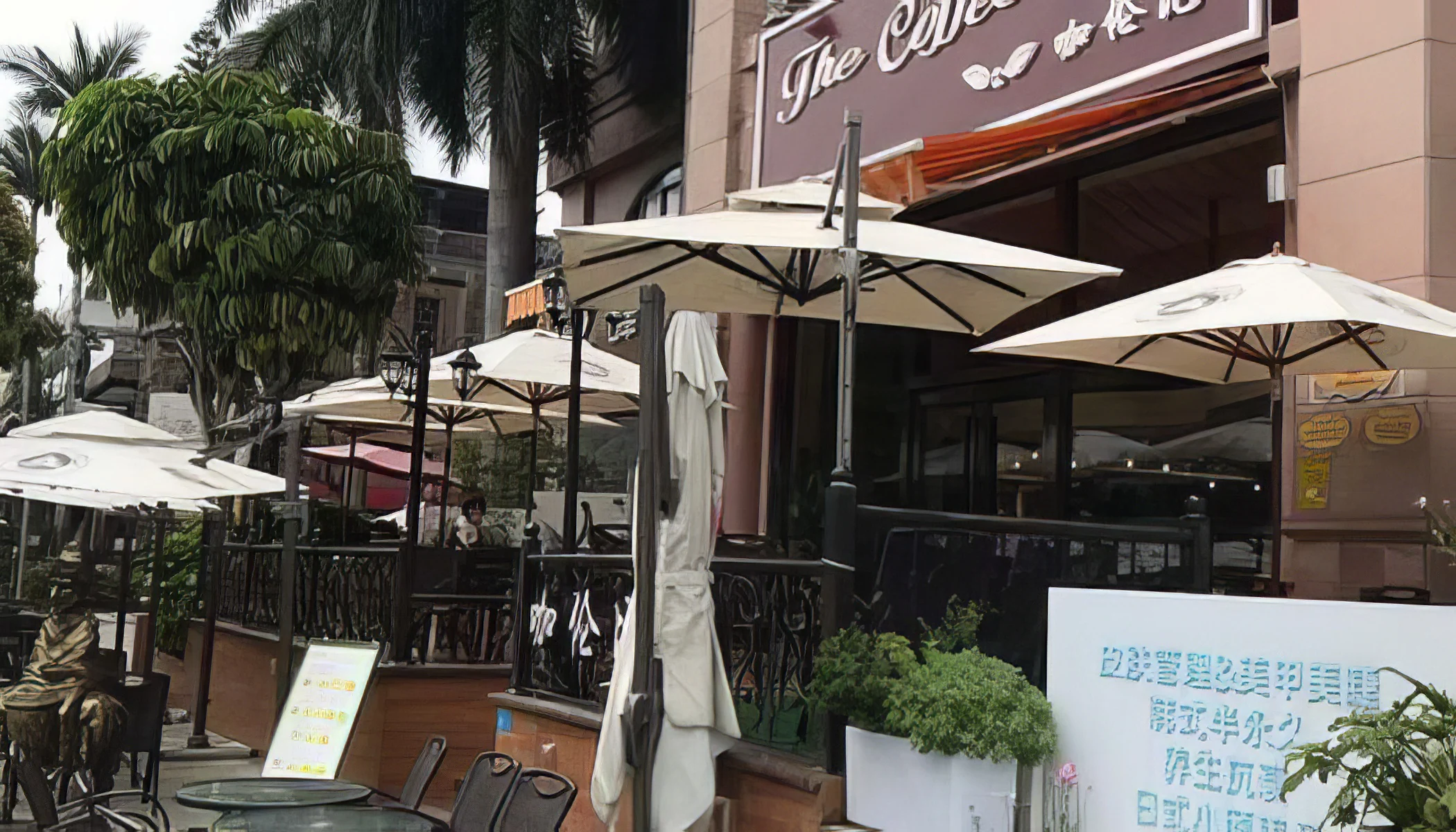
There are several shopping areas where tourists can find unique items. Traditional Chinese tea is a popular gift and can be purchased in various shops. Local snacks, such as peanut brittle and dried fruit, also make good souvenirs. Handcrafted items like bamboo products are available in local markets. You can find clothing and accessories inspired by local culture too. Overall, there are many options for gifts that reflect the region's heritage.
Arts & Culture

The city hosts the annual Xiamen International Marathon, which attracts participants from around the world and showcases local culture. The Gulangyu Island area is known for its colonial architecture and music history, particularly the piano culture with many music schools. There are also various art galleries and exhibitions that highlight contemporary Chinese artists. Additionally, traditional festivals such as the Lantern Festival feature cultural performances and artistic displays.