

Córdoba Travel Guide: Tourist Places & Activities
Located in Andalusia, this city is renowned for its historic mosque-cathedral, dynamic patios, and Roman bridge. It's a UNESCO World Heritage site with a rich Moorish heritage.
- Size
- 1 250 square km
- Train Station
- Estación de Córdoba Central
- Est. Visit Days
- 2 days
Overview
Córdoba, located in southern Spain, is renowned for its well-preserved medieval architecture, notably the Mezquita, a mosque-cathedral that is a testament to the city's diverse history. The city's historic center, a UNESCO World Heritage site, offers a charming maze of narrow streets and gorgeous patios. Córdoba also hosts the annual Courtyards Festival, a celebration of its floral tradition. However, visitors might find the summer heat quite intense, which can detract from outdoor activities. Additionally, while the historical sites are a major draw, the city's public transportation system is somewhat limited.
Traffic & Transport
The city's compact size and well-preserved historic center make it ideal for exploring on foot, especially in the central areas where traffic can be congested. For longer distances, the local bus network is a convenient and cost-effective option, with routes covering the main tourist attractions. Bicycles are also a popular choice, and there are several rental shops available for those who prefer cycling around the city. However, it's important to note that some of the historic streets are narrow and not accessible by car or bus, so walking remains the best way to fully experience the old town. For those preferring taxi services, several reliable taxi companies operate in the city, and hailing a cab from the street is usually easy, especially near major hotels and transportation hubs. Additionally, the use of taxi-booking apps like Cabify provides a convenient option for securing a ride, allowing for easy payment and tracking of the journey.
History
Originally a Roman settlement, the city was conquered by Muslim armies in 711, becoming the capital of the Islamic Emirate. During this period, it flourished as a center of learning, culture, and commerce, known for its libraries and universities. The city was reconquered by Christian forces in 1236, leading to the construction of the iconic cathedral within the former mosque. This blend of Islamic, Christian, and Jewish influences is evident in its architecture, festivals, and cuisine, reflecting its diverse historical and cultural heritage. The city's historic center was designated a UNESCO World Heritage Site in 1984.
Itinerary Sample
Explore the highlights of Córdoba, Spain over two days with this focused itinerary:
– First day: Visit the Mezquita, a beautiful example of Islamic architecture, then stroll through the historic Jewish Quarter and see the Synagogue.
– Second day: Explore the Alcázar de los Reyes Cristianos, wander the gardens, and finish at the Palacio de Viana with its beautiful patios.
Near Excursion
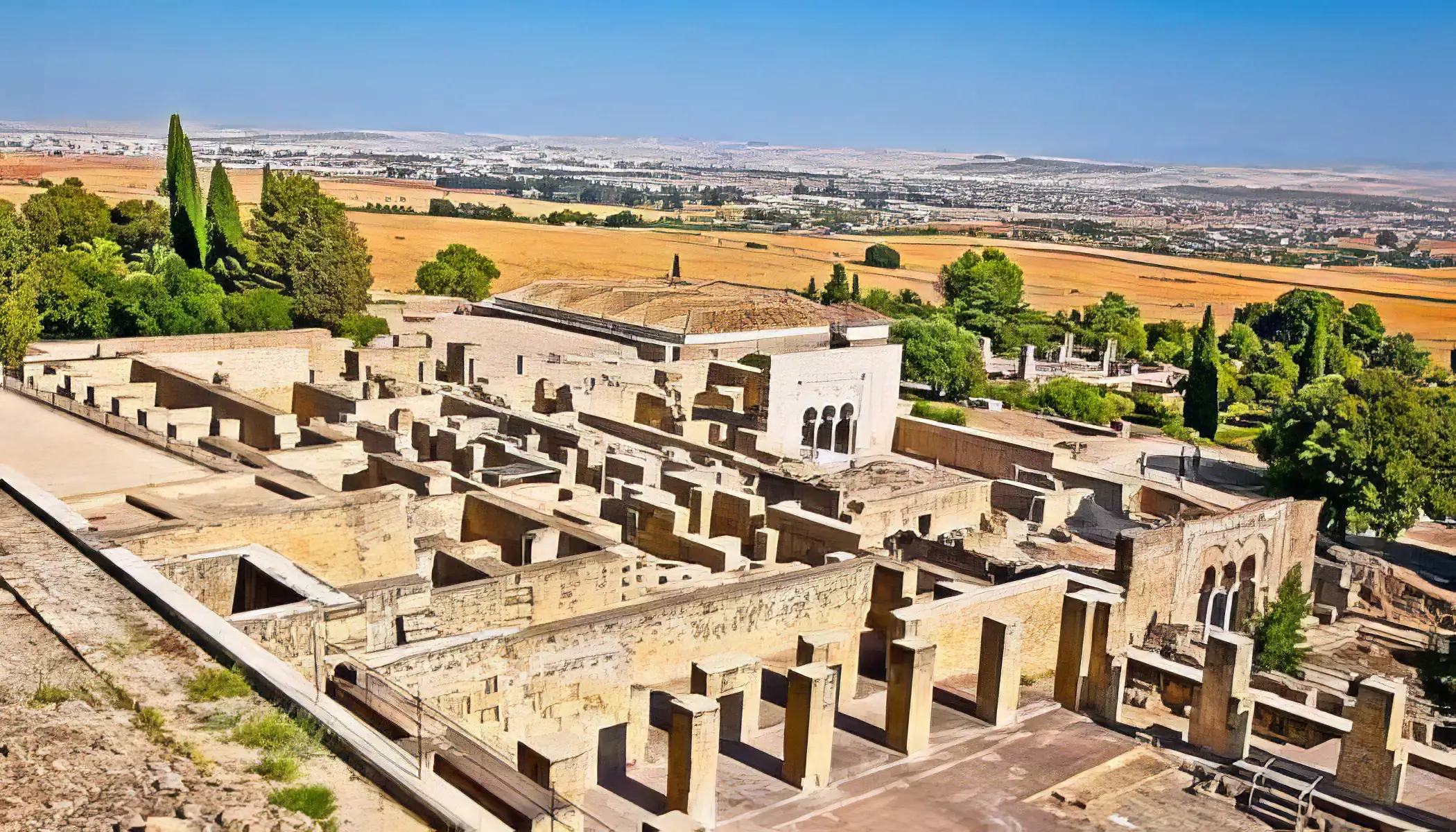
This city offers several interesting day trips within a short distance. Here are some suggestions:
– Medina Azahara at 8 km: Explore the ruins of a vast, fortified Arab Muslim medieval palace-city.
– Montilla at 45 km: Visit this town known for its wine production and beautiful vineyards.
– Priego de Córdoba at 75 km: Discover Baroque architecture and scenic views in this charming town.
– Zuheros at 76 km: A nice village with a beautiful castle and nearby cave, Cueva de los Murciélagos.
– Antequera at 100 km: Explore ancient dolmens, a Moorish fortress, and the unique rock formations of El Torcal.
Attraction
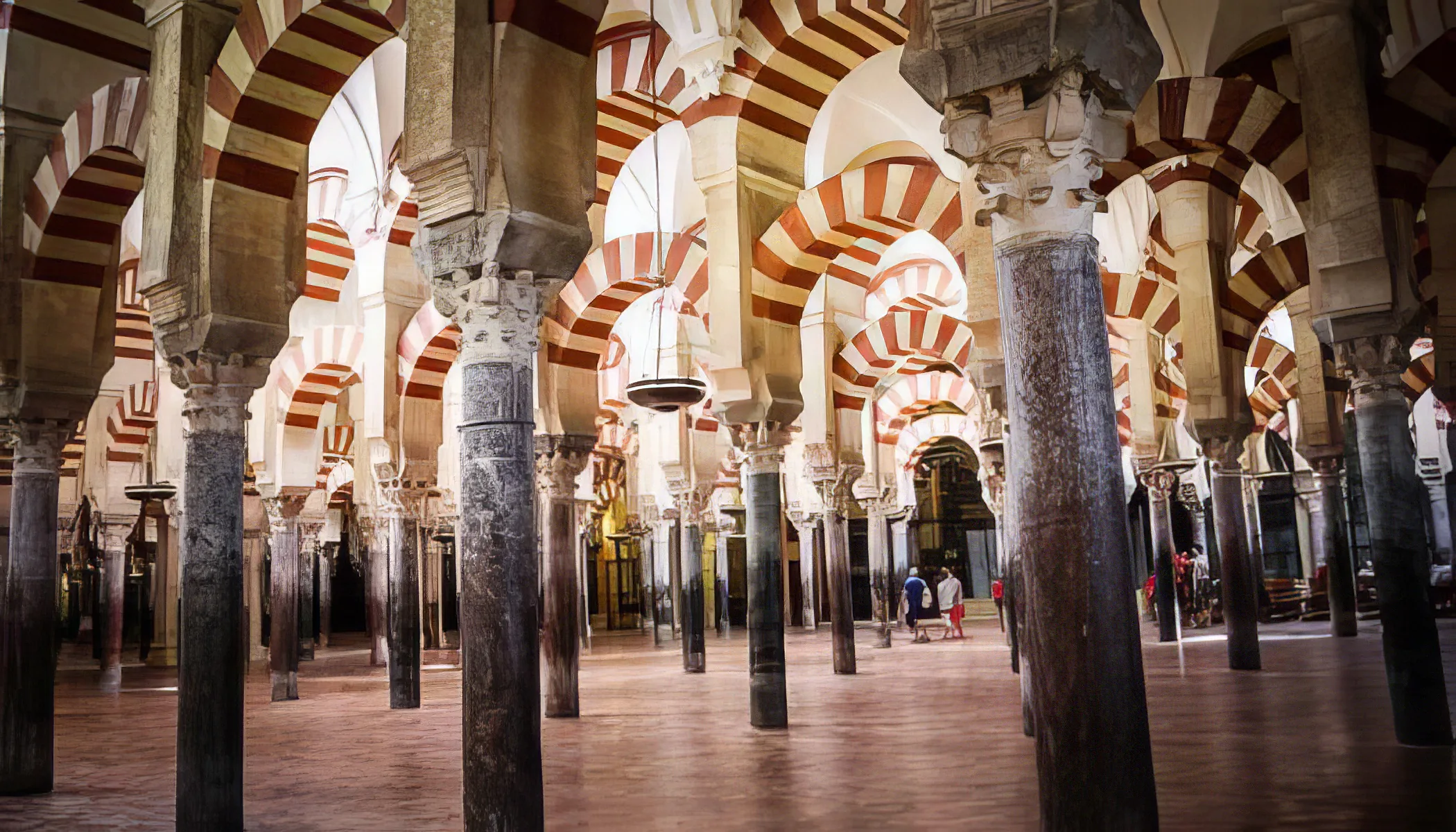
This city is known for its rich history, remarkable architecture, and cultural heritage.
– La Mezquita: A former mosque turned cathedral, famous for its handsome arches and sophisticated design.
– Alcázar de los Reyes Cristianos: A medieval fortress with beautiful gardens and historical significance.
– Roman Bridge: An ancient bridge offering gorgeous views and a connection to the city's Roman past.
– Jewish Quarter: A historic area with narrow streets, traditional houses, and the Synagogue.
– Medina Azahara: Ruins of a vast, ancient palace-city showcasing Islamic architecture.
– Plaza de la Corredera: A large, animated square surrounded by historic buildings and cafes.
Activity
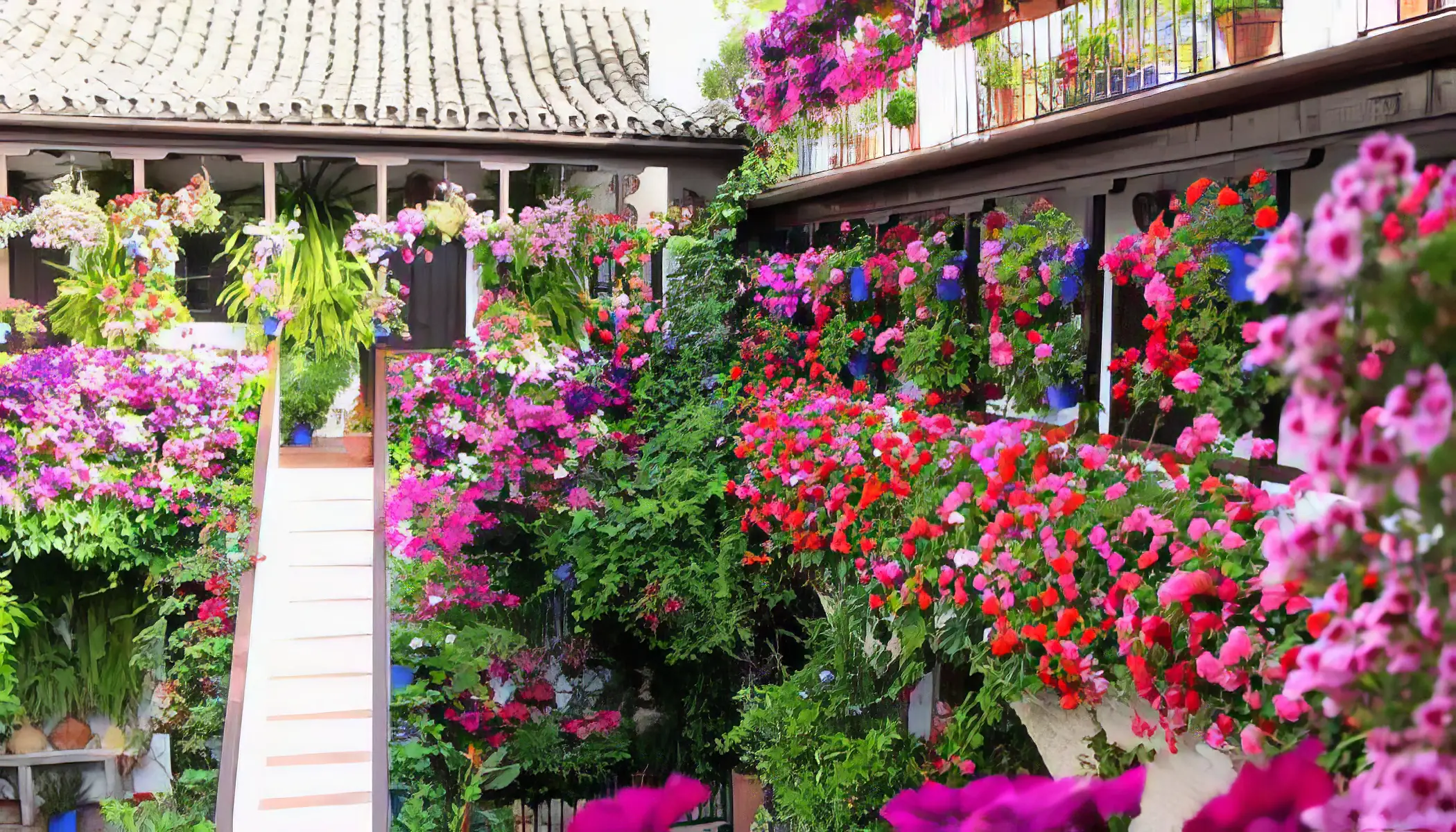
In Córdoba, travelers can explore a mix of history, architecture, and local traditions.
– Patios Festival: Visit during May to see beautifully decorated private courtyards.
– Horseback Riding in Sierra Morena: Enjoy scenic rides in the nearby mountains.
– Flamenco Show: Experience traditional Andalusian music and dance performances.
– Hammam Al Ándalus: Relax in Arab baths inspired by ancient traditions.
– Medina Azahara: Explore the ruins of a medieval Islamic palace-city.
Cuisine

The city offers a rich culinary heritage influenced by Moorish and Andalusian traditions, featuring hearty stews and refreshing cold soups. Some of the city's most famous dishes include:
– Salmorejo: A thick, chilled tomato soup garnished with hard-boiled eggs and ham.
– Flamenquín: Breaded and fried roll of pork loin filled with ham.
– Rabo de Toro: Slow-cooked oxtail stew, tender and flavorful.
– Berenjenas con Miel: Fried eggplant drizzled with honey, a sweet and savory treat.
– Pastel Cordobés: Puff pastry filled with sweet pumpkin and topped with sugar.
– Torrijas: Spanish-style French toast soaked in milk and honey, often enjoyed during Easter.
Shopping
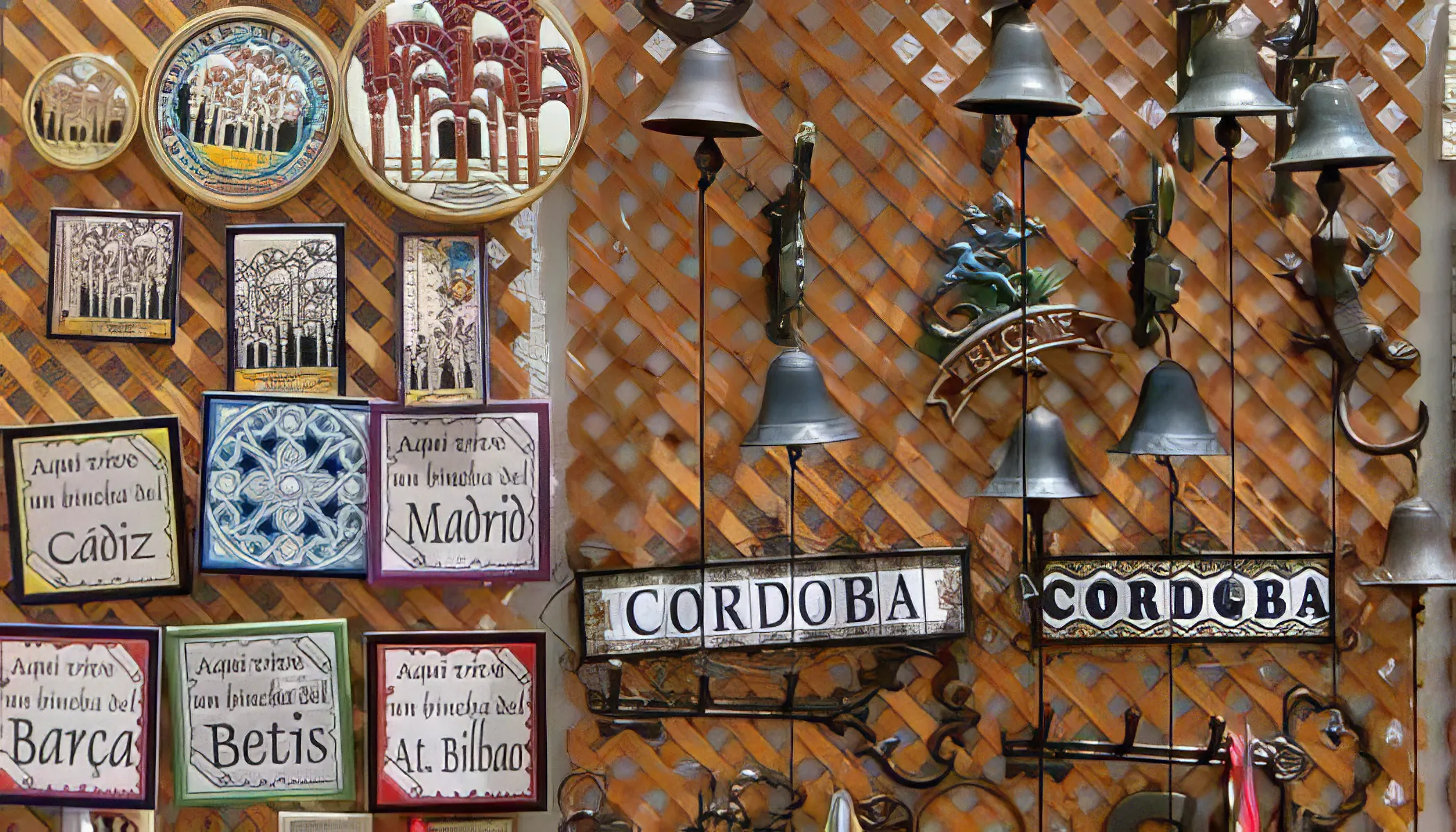
In the city, tourists can explore a variety of shops offering traditional Spanish crafts. A popular gift to purchase is the finely crafted leather goods, renowned for their quality and design. Another excellent choice is jewelry featuring nice filigree work, a local specialty. The historic Jewish Quarter is a great place to find these unique items. Additionally, the city is known for its beautiful ceramic and pottery pieces. These make for distinctive and cherished gifts reflecting the local artistry.
Arts & Culture
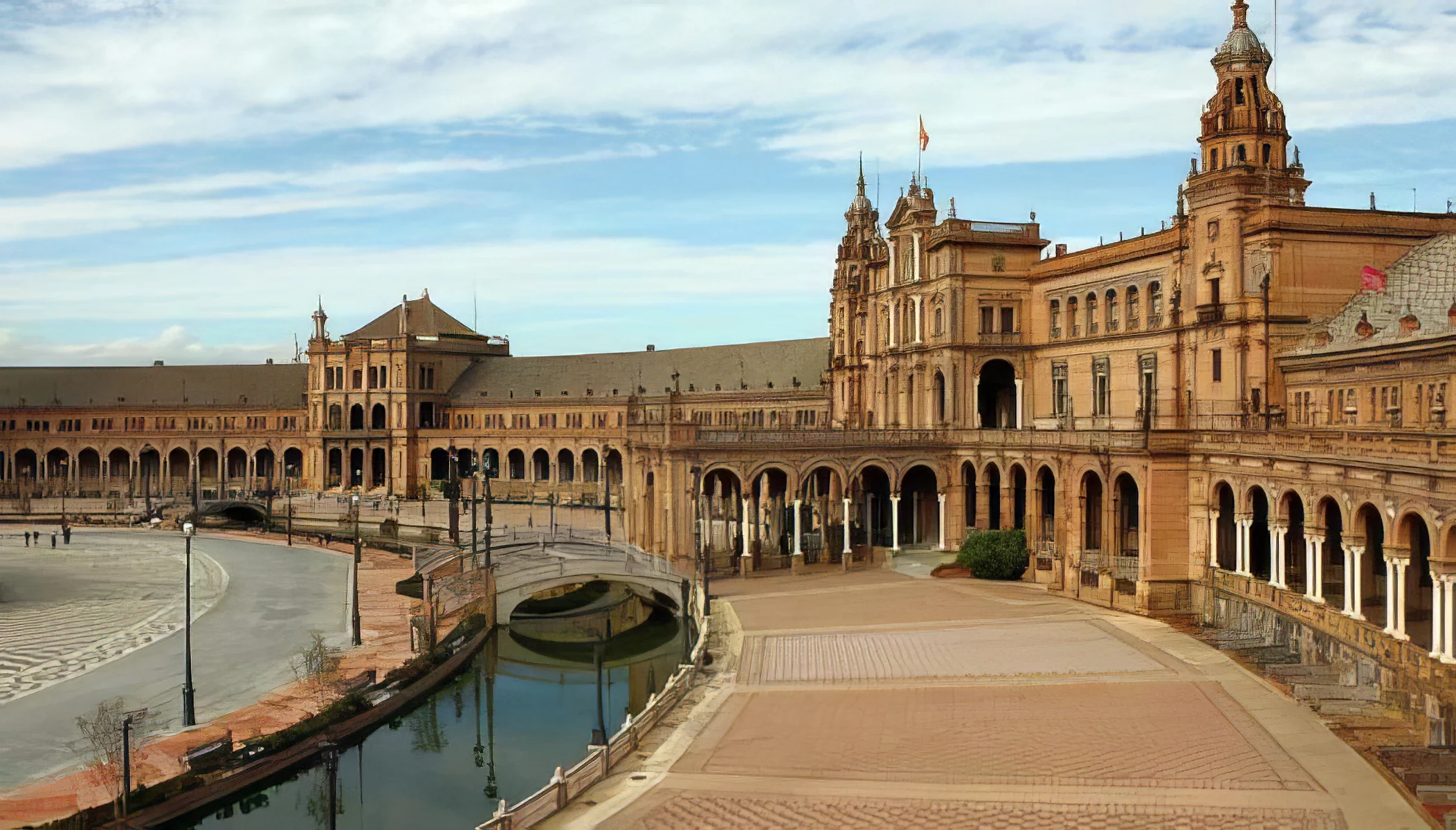
The city is renowned for its historical architecture, including the Mezquita, a sensational example of Islamic architecture that was later converted into a cathedral. It hosts the Festival de los Patios in May, where private homes open their traditionally decorated courtyards to the public. The city is also a center for flamenco arts, including performances and festivals celebrating this traditional Spanish dance and music form. Additionally, it has several museums and galleries, such as the Julio Romero de Torres Museum, dedicated to the famous local painter.