

Havana: Best Things to Do & Top Attractions
The capital city is known for its colonial architecture, pleasant culture, and historic significance. It features beautiful plazas, museums, and a rich musical heritage. The coastal location offers scenic views and attracts many visitors each year.
- Population
- 2.1 millions
- Size
- 728 square km
- Airport
- José Martí – Int'l
- Train Station
- Estación Central de Ferrocarriles.
- Est. Visit Days
- 4 days
Overview
Havana, the capital of Cuba, is known for its rich history and beautiful culture. Pros include its historic architecture, lively music scene, and affordable prices for tourists. However, cons include the challenges of infrastructure, such as limited public transport and unreliable utilities. Additionally, some areas may have a higher level of poverty, which can impact the overall experience. Overall, Havana offers a unique glimpse into Cuban life, with both attractive and challenging aspects.
Traffic & Transport
To explore the city, the best means of transport include vintage cars, public buses, and walking. The city's layout is pedestrian-friendly, allowing visitors to easily navigate on foot in many areas. For a unique experience, renting a classic car or taking a ride in one can add to the charm of the journey. Bicycles are also available for rent, providing an eco-friendly way to see the sights at your leisure. Reliable taxi options include state-run taxis, which are usually easy to find, and private taxi services that can be hailed on the street. While there may not be widely-used taxi-booking apps, some visitors have had success with local apps that cater specifically to the area, though it's advisable to inquire locally for the most current services.
History
The area was founded in 1519 by Spanish colonists as a crucial port for trade. It became a key military outpost during the Spanish-American War in 1898. Control shifted to the United States for a brief period before Cuba gained independence in 1902. The city later played a significant role in the Cuban Revolution of the 1950s. Its diverse culture reflects a blend of Spanish, African, and indigenous influences.
Itinerary Sample
Here is a sample 4-day itinerary for exploring Havana, Cuba.
– First day: Arrive in Havana, visit Old Havana (Habana Vieja) to see Plaza de Armas and have lunch at a local café. Explore El Capitolio and stroll along the Malecón in the evening.
– Second day: Visit the Museum of the Revolution and learn about Cuban history. Take a guided tour of the iconic Capitolio building. Evening classic car tour around the city.
– Third day: Spend the morning at the Museum of Fine Arts. Explore the Vedado neighborhood, including the John Lennon Park. Visit the famous Tropicana Club for a live performance later at night.
– Fourth day: Tour the Fusterlandia neighborhood to see unique artworks. Visit the Ernest Hemingway Museum at Finca Vigía. Depart from Havana.
Near Excursion
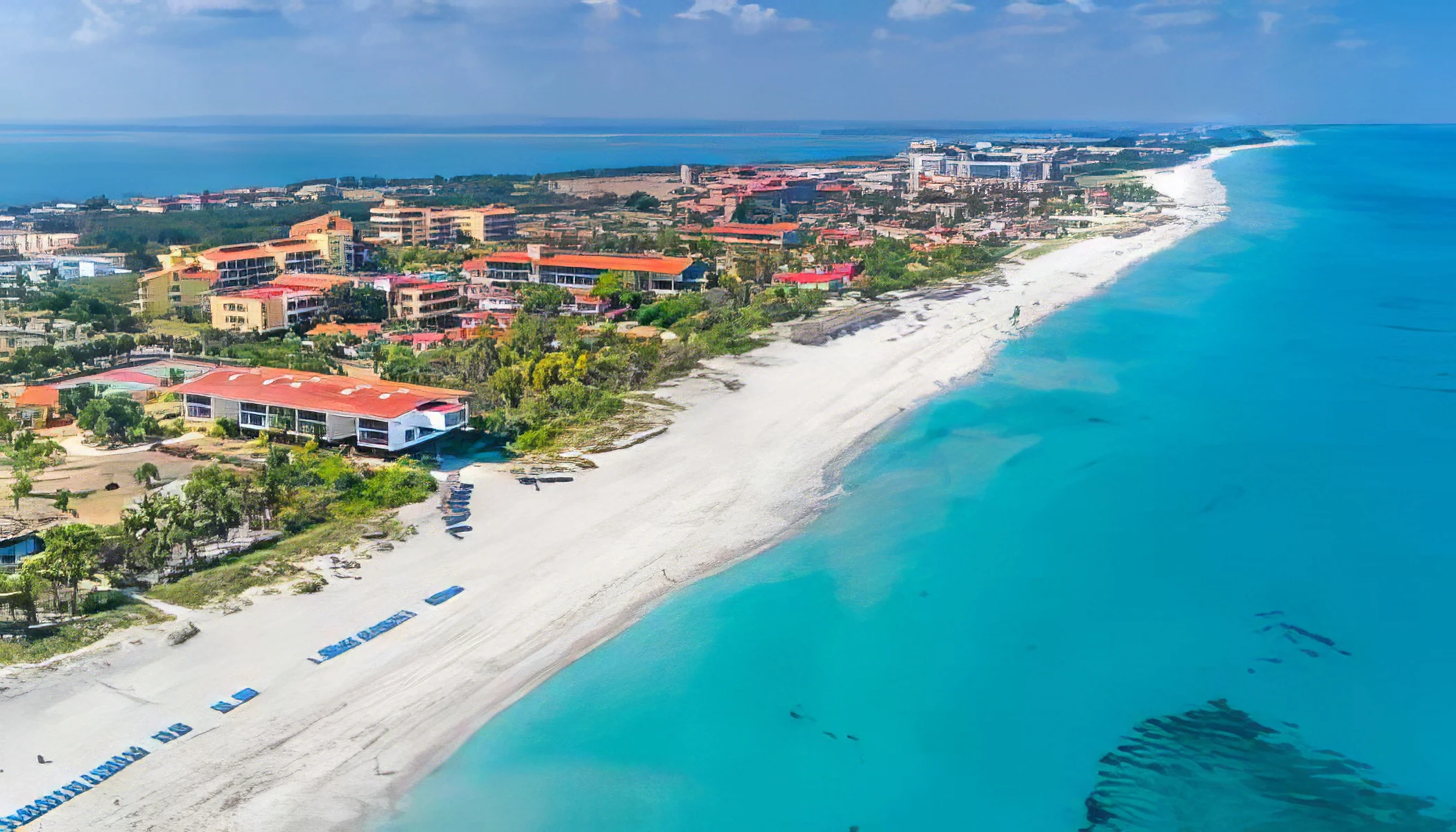
This city offers several interesting day trips to explore Cuban culture and nature. Here are some options:
– Viñales Valley at 150 km: Famous for its tobacco plantations, shiny mogotes, and rich agricultural landscapes.
– Matanzas at 98 km: Known as the "Athens of Cuba", it has a pretty cultural scene and historic architecture.
– Varadero Beach at 140 km: Offers remarkable beaches with white sand and clear waters, perfect for a relaxing getaway.
– Finca Vigía at 24 km: Visit the former home of Ernest Hemingway, now a museum showcasing his life and works.
– Jibacoa Beach at 60 km: A calm beach spot ideal for snorkeling and enjoying natural coastal beauty.
Attraction
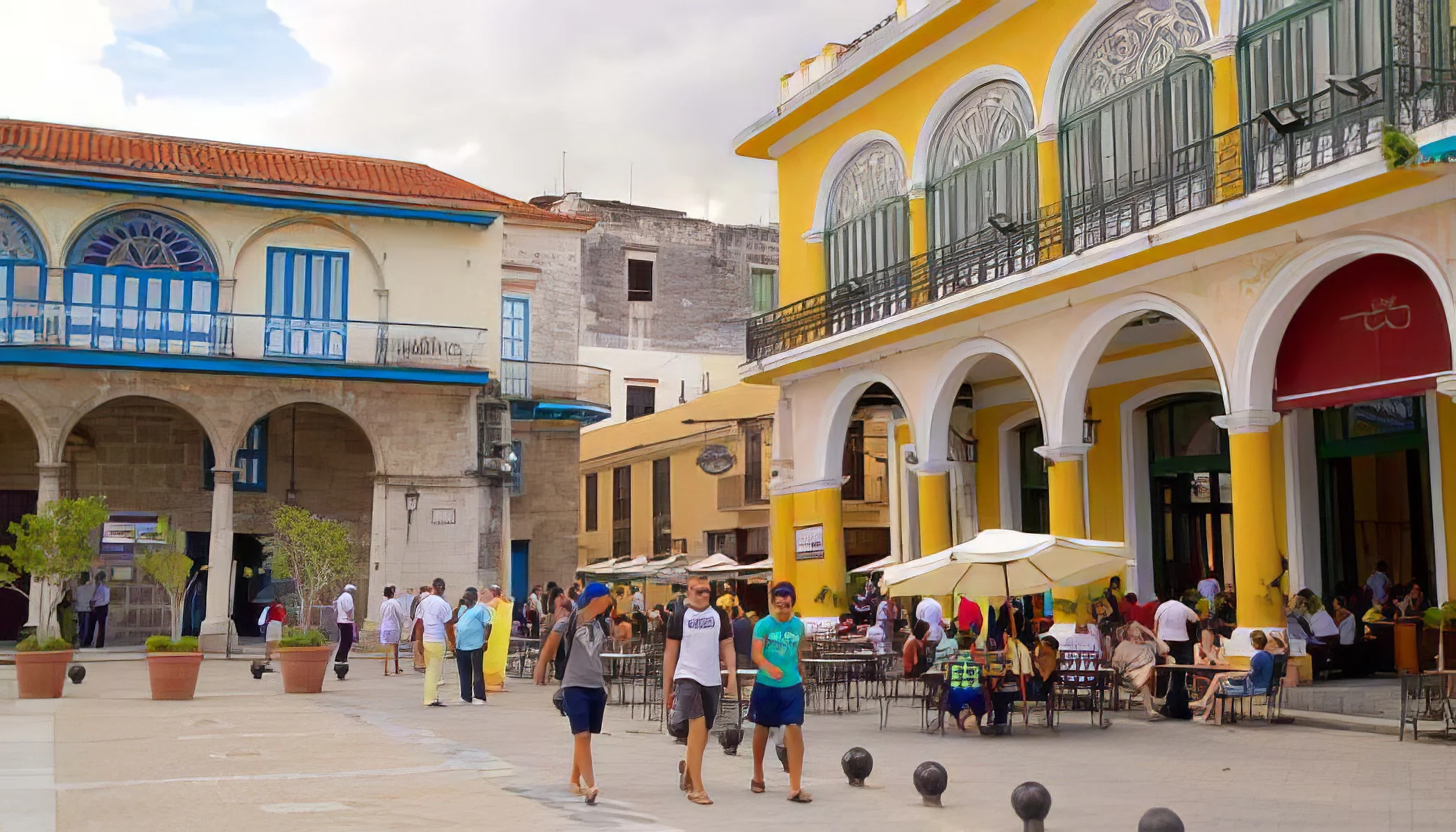
The city is known for its historic architecture, beautiful music scene, and rich cultural history.
– Old Town (Habana Vieja): A UNESCO World Heritage site with colonial architecture, cobblestone streets, and historic landmarks.
– El Malecón: A famous seaside promenade known for sunset views and a lively atmosphere.
– Castillo de la Real Fuerza: One of the oldest forts in the Americas, offering insight into the city's military history.
– El Capitolio: A grandiose building, reminiscent of the U.S. Capitol, now housing the National Assembly.
– Plaza de la Revolución: Scene of many political rallies, featuring a large José Martí memorial.
– Museo Nacional de Bellas Artes: A museum displaying Cuban art spanning several centuries, from colonial to contemporary.
Activity

Travelers in Havana can explore lively neighborhoods, enjoy local music, experience traditional cuisine, and participate in classic car tours.
– Classic Car Tour: Ride in vintage American cars while exploring Havana's historic streets and landmarks.
– Malecón Stroll: Walk along the scenic waterfront promenade, experiencing local life and views of the ocean.
– Salsa Dancing Lessons: Take a class to learn salsa in its birthplace, capturing the rhythm of Cuban culture.
– Tobacco Farm Visit: Tour a local tobacco farm to see cigar production and learn about its significance in Cuba.
– Street Art Tour: Discover beautiful murals and street art by local artists while exploring Havana's neighborhoods.
Cuisine
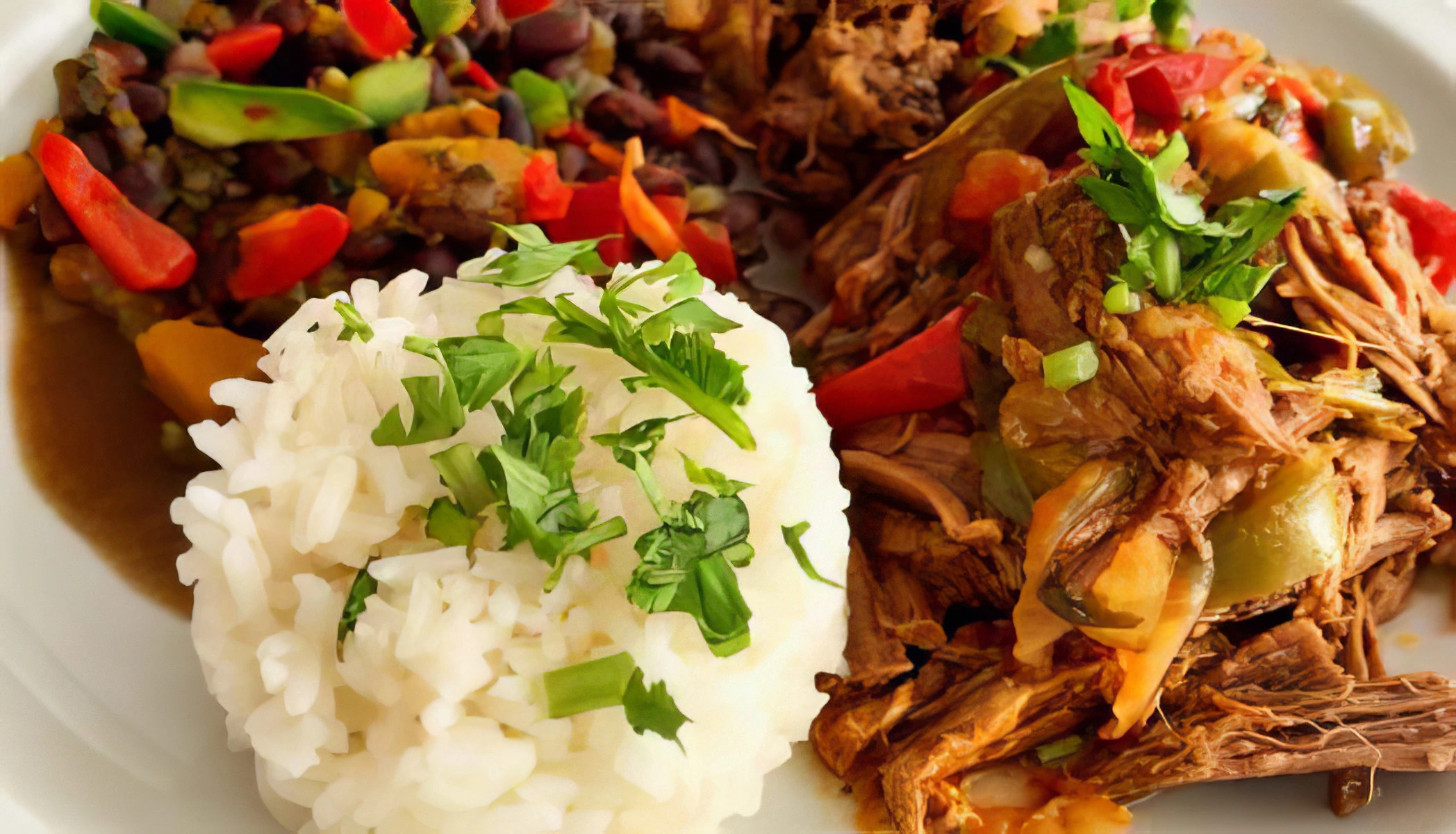
The food scene is characterized by a blend of traditional Cuban flavors and influences from Spanish, African, and Caribbean cuisines. Some of the city's most famous dishes include:
– Ropa Vieja: Shredded beef stew cooked with tomatoes, bell peppers, olives, and spices.
– Arroz con Pollo: Chicken and rice cooked with assorted spices, giving it a pretty flavor.
– Moros y Cristianos: Black beans and rice seasoned with garlic, onion, and herbs.
– Lechón Asado: Roasted pork marinated in citrus and garlic, typically served during celebrations.
– Tostones: Twice-fried plantain slices, crispy on the outside and soft inside.
– Flan: A caramel custard dessert, sweet and creamy with a smooth texture.
Shopping
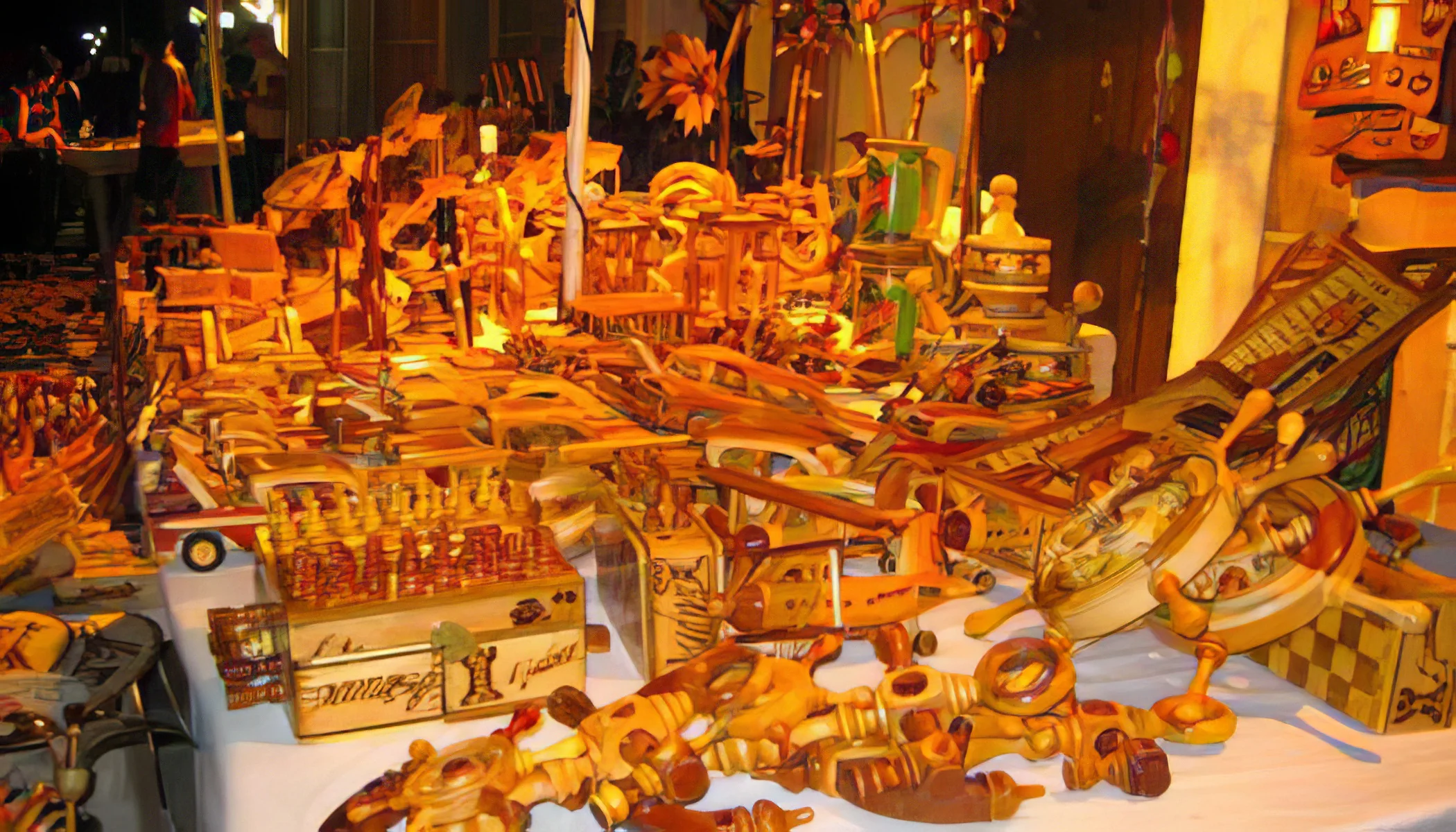
There are markets where you can find handmade crafts and local art. A popular gift is a rum bottle, which reflects the local culture. You can also buy cigars, known for their quality. Other options include colorful textiles and traditional music CDs. Look for locally made jewelry for a unique keepsake. These items can serve as memorable gifts.
Arts & Culture
The city is known for its remarkable music scene, particularly in genres like son, rumba, and salsa, with many venues hosting live performances. The annual Havana International Jazz Festival draws international musicians and audiences to celebrate jazz in various forms. Additionally, numerous art galleries and exhibitions showcase Cuban artists, reflecting the island's rich artistic heritage. The Biennial Art Exhibition, held every two years, highlights contemporary art from Cuba and around the world.