

Santiago de Cuba: Best Things to Do & Top Attractions
This city is located in the southeastern part of the island, known for its historical significance, beautiful music scene, and colonial architecture. It is also the second-largest city and has a rich cultural heritage reflected in its festivals.
- Population
- 0.5 millions
- Size
- 1 400 square km
- Airport
- Antonio Maceo – Int'l
- Train Station
- Estación de Ferrocarriles de Santiago de Cuba.
- Est. Visit Days
- 2 days
Overview
Santiago de Cuba, located on the southeastern coast of the island, is known for its rich history and cultural heritage. Pros include its beautiful music scene, historical sites like Castillo del Morro, and beautiful natural surroundings. However, cons consist of limited infrastructure, occasional power outages, and economic challenges. The city experiences a hotter climate, which may not suit everyone's preference. Overall, Santiago de Cuba offers a unique experience but comes with some practical difficulties.
Traffic & Transport
The city features a mix of public transportation options, including buses, which are cost-effective but can be less frequent. For a more convenient experience, bike rentals and walking are excellent ways to explore the city’s historical sites and neighborhoods. Additionally, many areas are best navigated by using classic cars, which serve as informal taxis and provide a unique way to experience the local culture. Overall, the city's manageable size makes it easy to traverse on foot or by bicycle. Reliable taxi services are available, with a few well-known companies operating in the area. While there are no major taxi-booking apps, local taxis can often be hailed on the street or booked through hotel concierges.
History
Founded in 1515, this city was the first capital of Cuba and played a significant role in the Spanish colonial period. It served as a key port for trade and military operations, especially during conflicts with pirates and rival European powers. The city was heavily damaged during the Spanish-American War in 1898, resulting in a shift in control to the United States. In the mid-20th century, it became a focal point for the Cuban Revolution, influencing the country's political landscape. The culture reflects a mix of Spanish, African, and Caribbean influences seen in its music, festivals, and architecture.
Itinerary Sample
Here is a suggested 2-day itinerary for exploring Santiago de Cuba.
– First day: Visit the Castillo del Morro, explore the historic city center, and learn about local culture at the Museo del Caribe. Enjoy dinner at a local restaurant.
– Second day: Tour the Basilica del Cobre, visit the Cementerio de Santa Ifigenia, and stroll along the Malecón. Conclude with live music at a nearby venue.
Near Excursion
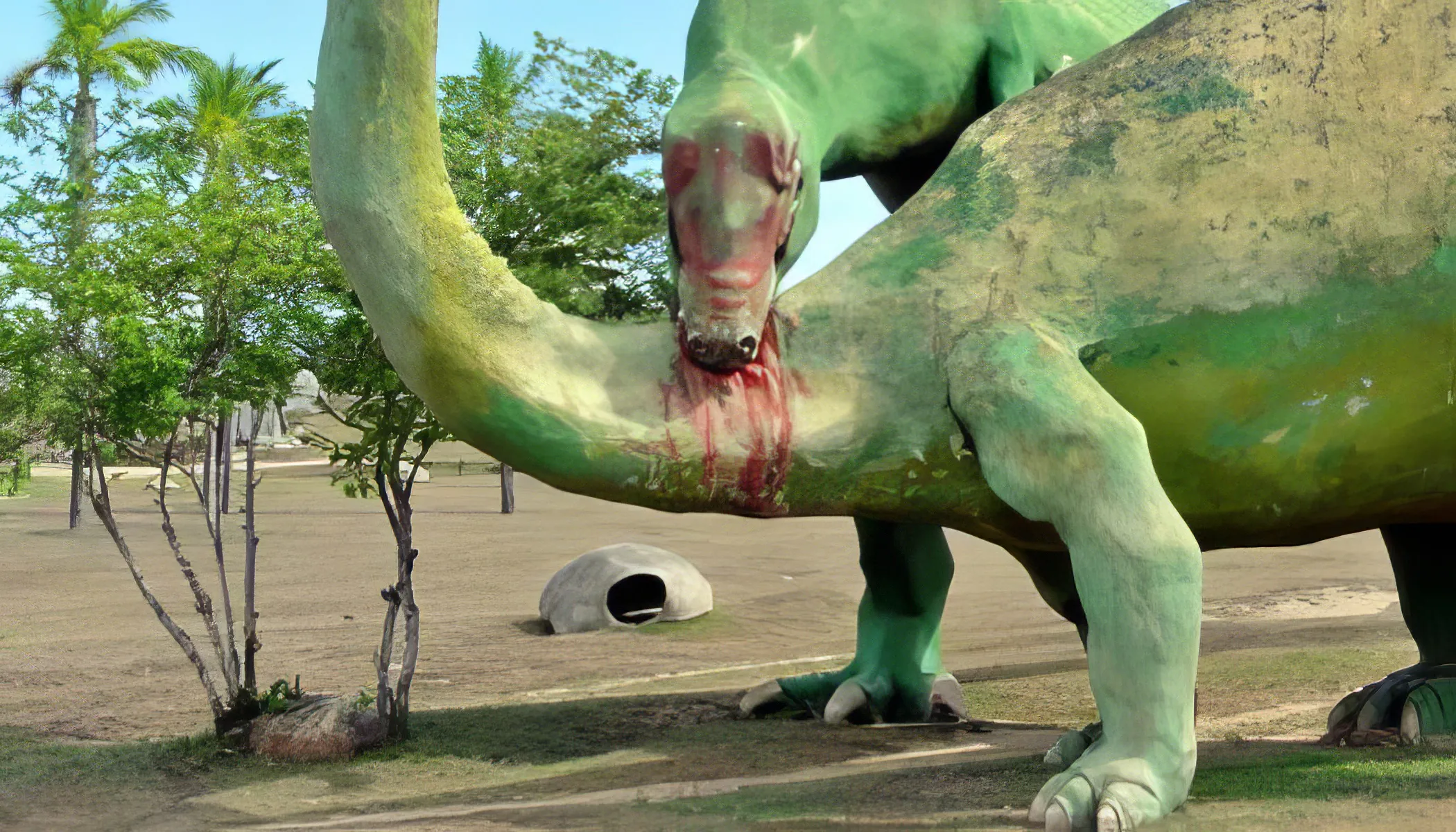
This city offers various day-trip options to explore the surrounding areas. Here are a few suggestions:
– El Cobre at 23 km: Home to Cuba's most important pilgrimage site, the Basilica of Our Lady of Charity.
– Gran Piedra at 28 km: Features a massive rock formation and panoramic views of the region from the top.
– Baconao Park at 30 km: A large park with natural beauty, prehistoric sculptures, and various attractions.
– La Gran Piedra at 25 km: Known for hiking trails and an impressive lookout point.
– El Salton at 95 km: A rural getaway with a waterfall and opportunities for eco-tourism.
Attraction
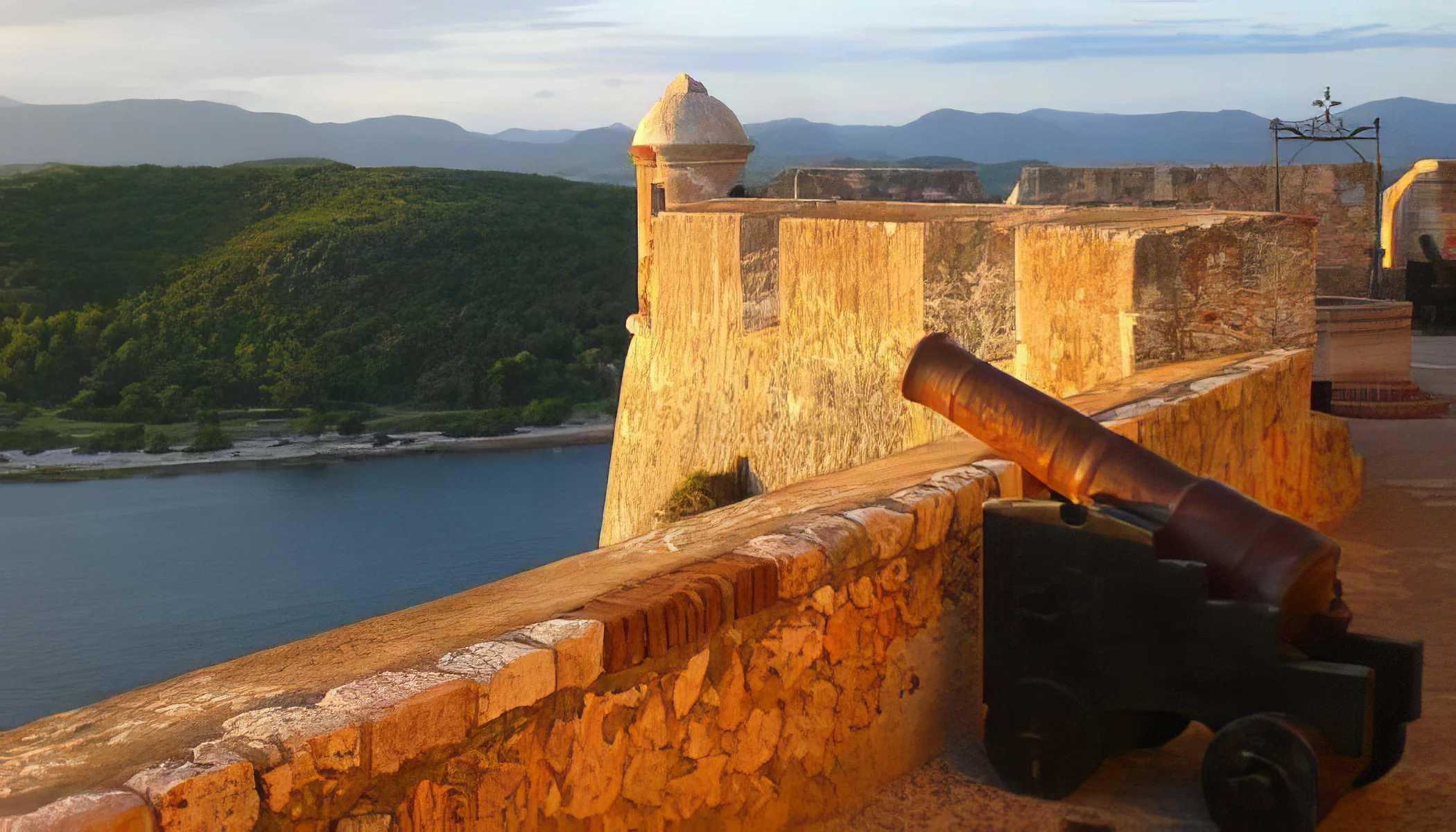
Santiago is known for its rich history, charming music scene, and diverse cultural influences.
– Castillo del Morro: This 17th-century fortress offers historical insights and fascinating views of the Caribbean coastline.
– Casa de la Trova: A lively venue for traditional Cuban music where you can experience live performances.
– Basilica de Nuestra Señora de la Caridad del Cobre: A pilgrimage site dedicated to Cuba's patron saint, known for its beautiful architecture.
– Parque Céspedes: A central square perfect for people-watching and enjoying local life.
– Museo Emilio Bacardí Moreau: Exhibits art, history, and artifacts, highlighting Cuba’s colonial past and independence.
– Cementerio Santa Ifigenia: The burial place of national heroes, featuring impressive monuments and daily guard ceremonies.
Activity
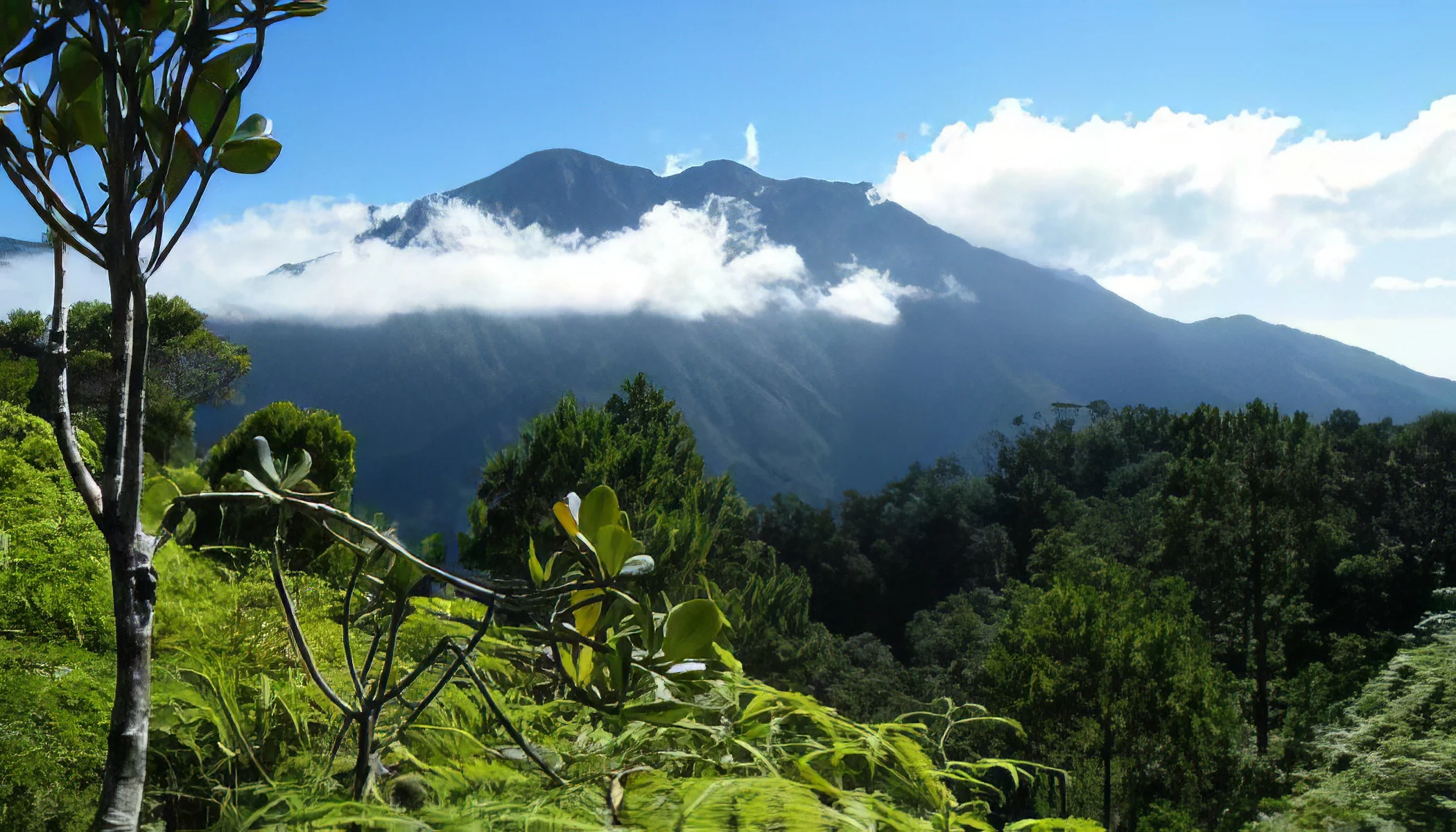
Santiago de Cuba offers a mix of cultural, historical, and natural experiences for travelers to enjoy throughout the city.
– Explore Castillo del Morro: This historic fortress provides lovely views and insight into Cuba's colonial military architecture.
– Stroll through Son de Cuba: Experience beautiful local music and dance performances in an open-air venue, capturing the region's cultural essence.
– Visit El Cobre Basilica: Discover this important pilgrimage site surrounded by beautiful landscapes, honoring Cuba's patron saint of the Virgin of Charity.
– Hike in Sierra Maestra: Venture into dense mountains for scenic trails and a glimpse of Fidel Castro's revolutionary history.
– Relax at Playa Siboney: Enjoy this quiet beach known for its clear water and local charm, ideal for a peaceful day.
Shopping
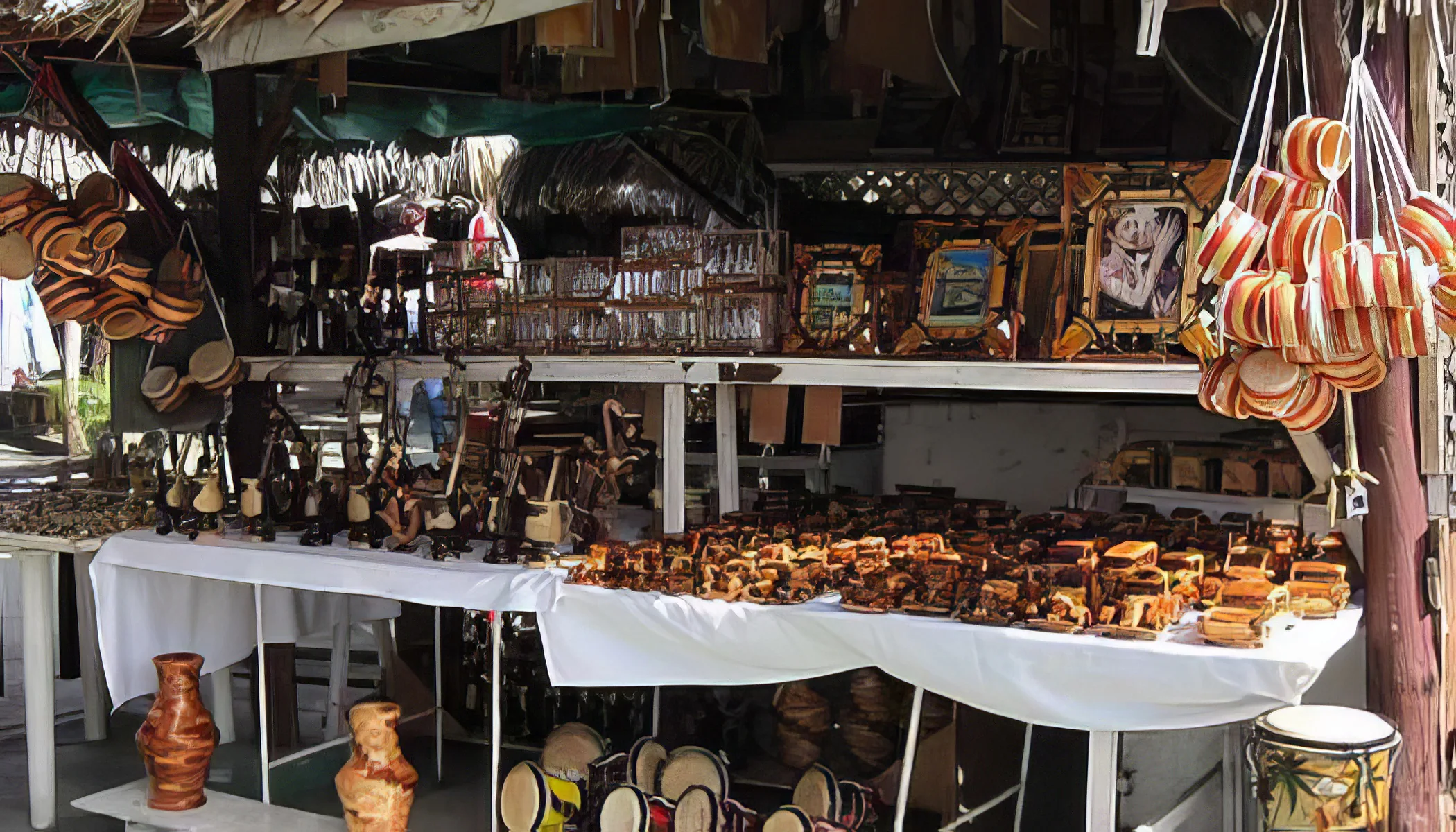
You can find local crafts at various markets, including handmade jewelry and artwork. Cuban rum is a popular gift and can be purchased at liquor stores. Additionally, consider buying traditional coffee, known for its strong flavor. Music lovers might enjoy CDs of local musicians. Hand-rolled cigars are also a common and sought-after item. These gifts reflect the local culture and are well-received.
Arts & Culture
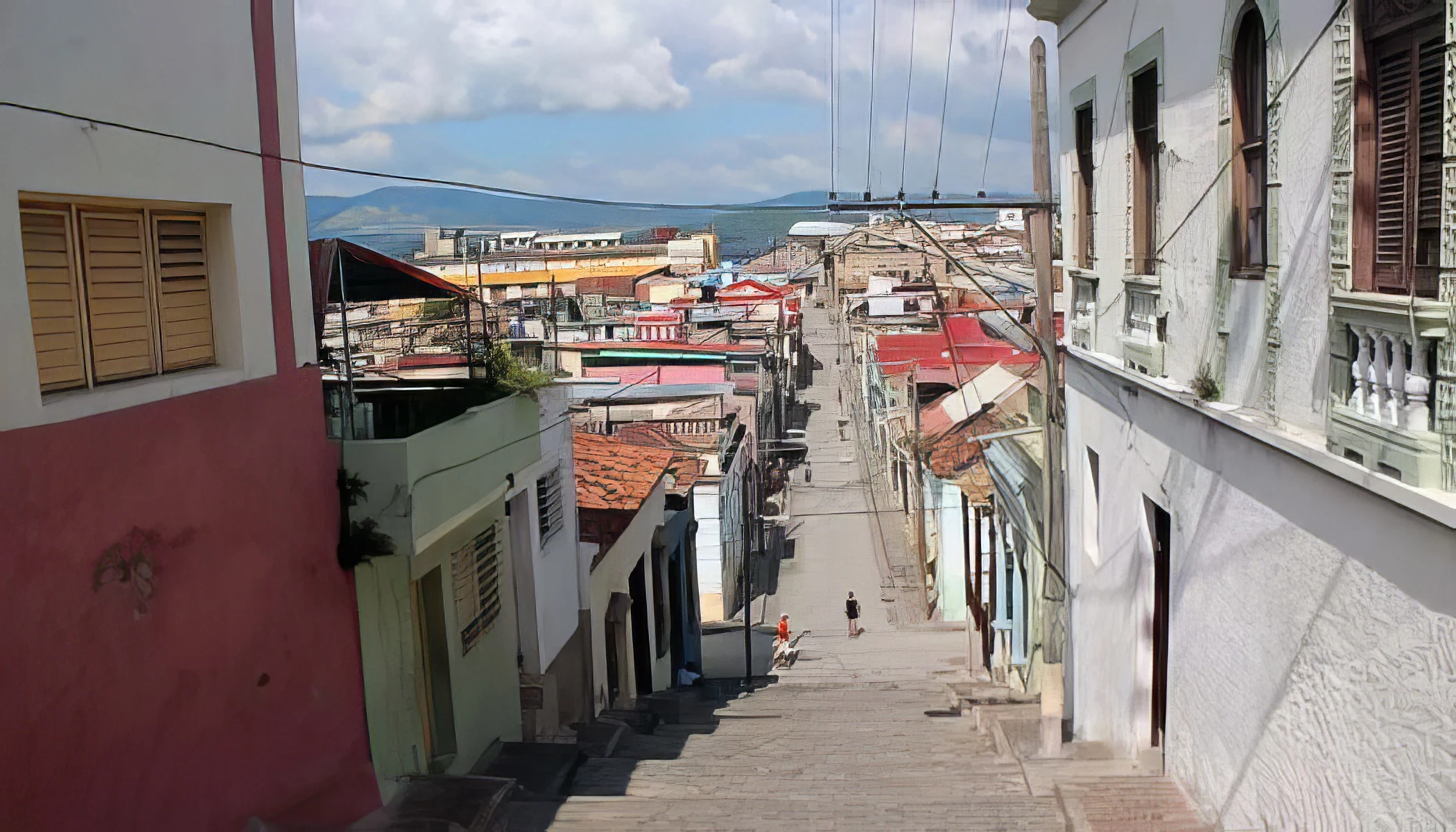
The city hosts the Festival del Caribe, showcasing Caribbean culture through music, dance, and art every July. The Casa de la Cultura is an important venue for local artists, offering exhibitions and performances. The area is known for its beautiful music scene, particularly son and trova genres. Additionally, the city boasts historical sites connected to the Cuban Revolution, which often serve as cultural landmarks.