

Sightseeing in Damascus: Culture & Must‑See Spots
This city is one of the oldest continuously inhabited cities in the world. It features a rich history, with significant cultural and religious sites, and has been affected by ongoing conflict in recent years.
- Population
- 1.8 millions
- Airport
- Damascus International – Int'l
- Est. Visit Days
- 4 days
Overview
Damascus is one of the oldest continuously inhabited cities in the world. It has a rich history, with numerous historical sites and cultural landmarks. However, the ongoing conflict in Syria has led to significant destruction and instability in the city. While some areas have been restored, safety can be a concern for visitors. Overall, those interested in history may find value in visiting, but caution is advised due to current conditions.
Traffic & Transport
Public transportation in the city primarily consists of buses and microbuses, which are cost-effective options for exploring various neighborhoods. However, due to traffic congestion, especially during peak hours, using taxis or ride-sharing services can be more convenient for tourists looking to navigate efficiently. Walking is also a viable option in many areas, particularly the historical districts where attractions are close together. Bicycles may be rented in some locations, offering a unique way to experience the city at a leisurely pace. For reliable taxi services, local companies operate throughout the area, with some known names being "Taxi Syria" and "Sheraton Taxi." While there may not be widely recognized international taxi-booking apps available, checking for any emerging local apps could provide additional convenience for tourists seeking to book rides easily.
History
The area has been inhabited for thousands of years, with evidence of ancient civilizations. It was an important center during the Roman Empire and later became a key city in the Umayyad Caliphate. The Silk Road trade routes passed through, enhancing its commercial significance. Various empires, including the Ottoman Empire, controlled the region until World War I. Cultural influences from these periods are still evident in local architecture and traditions.
Itinerary Sample
This 4-day itinerary offers a structured way to explore Damascus, focusing on key historical and cultural sites.
– First day: Visit the Umayyad Mosque, explore the Old City, and walk through the historic Souq al-Hamidiyah.
– Second day: Tour the National Museum of Damascus and visit Azm Palace; enjoy local cuisine for dinner.
– Third day: Explore the Citadel of Damascus, then head to the Chapel of Saint Paul; relax at a local café.
– Fourth day: Visit Sayyidah Ruqayya Mosque, stroll through Tishreen Park, and shop for souvenirs in local markets.
Near Excursion
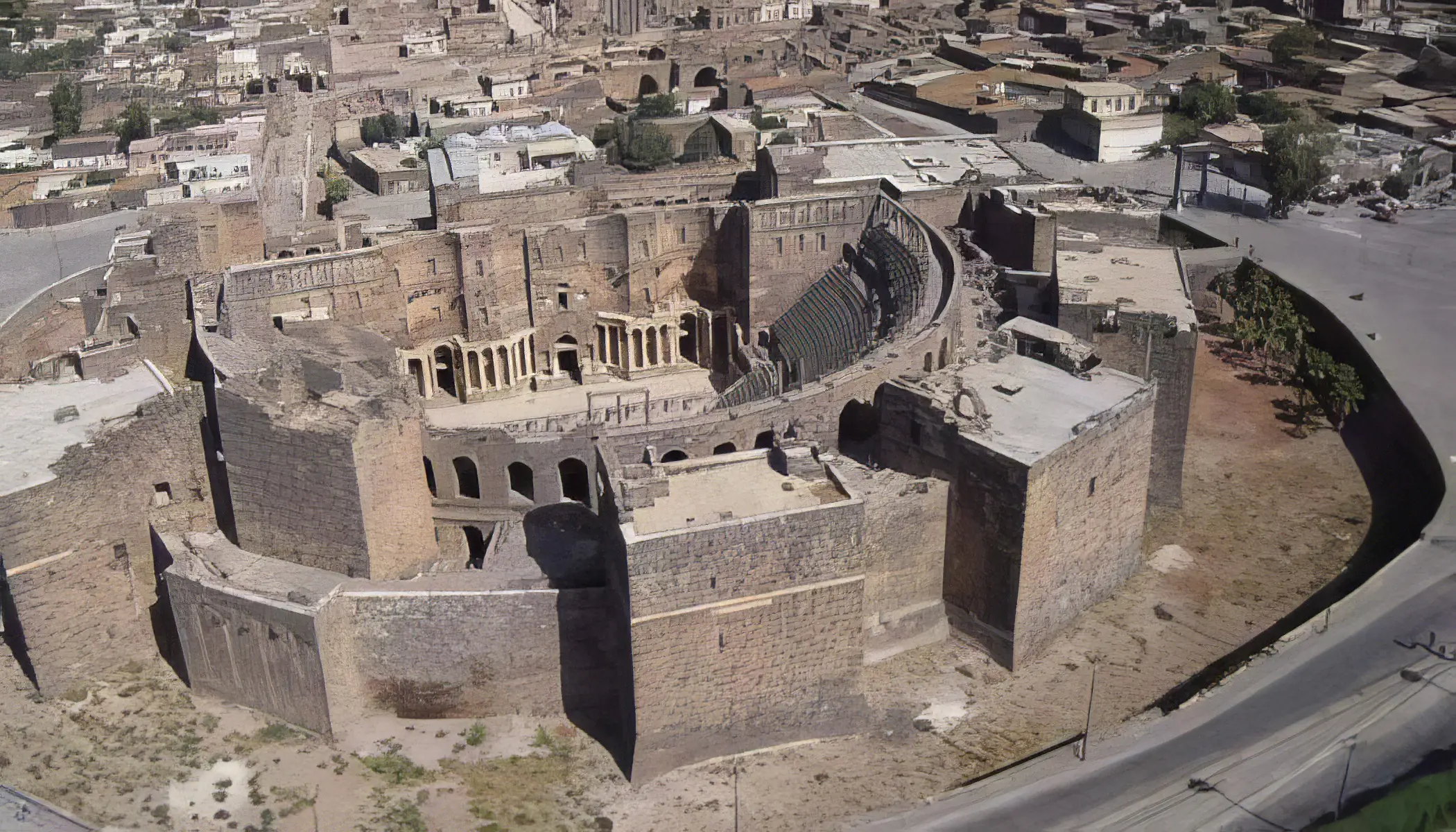
This city offers several unexpected day-trip destinations within a short drive. Here are some options:
– Maaloula at 56 km: A elegant Christian village where Aramaic, the language of Jesus, is still spoken.
– Sednaya at 30 km: Known for its ancient monasteries and beautiful mountain views.
– Bosra at 140 km: Features well-preserved Roman ruins including an impressive amphitheater.
– Mar Musa Monastery at 80 km: A remote monastery known for its fascinating location and welcoming atmosphere.
– Zabadani Valley at 45 km: Offers attractive landscapes and a pleasant climate, ideal for relaxation and picnics.
Attraction
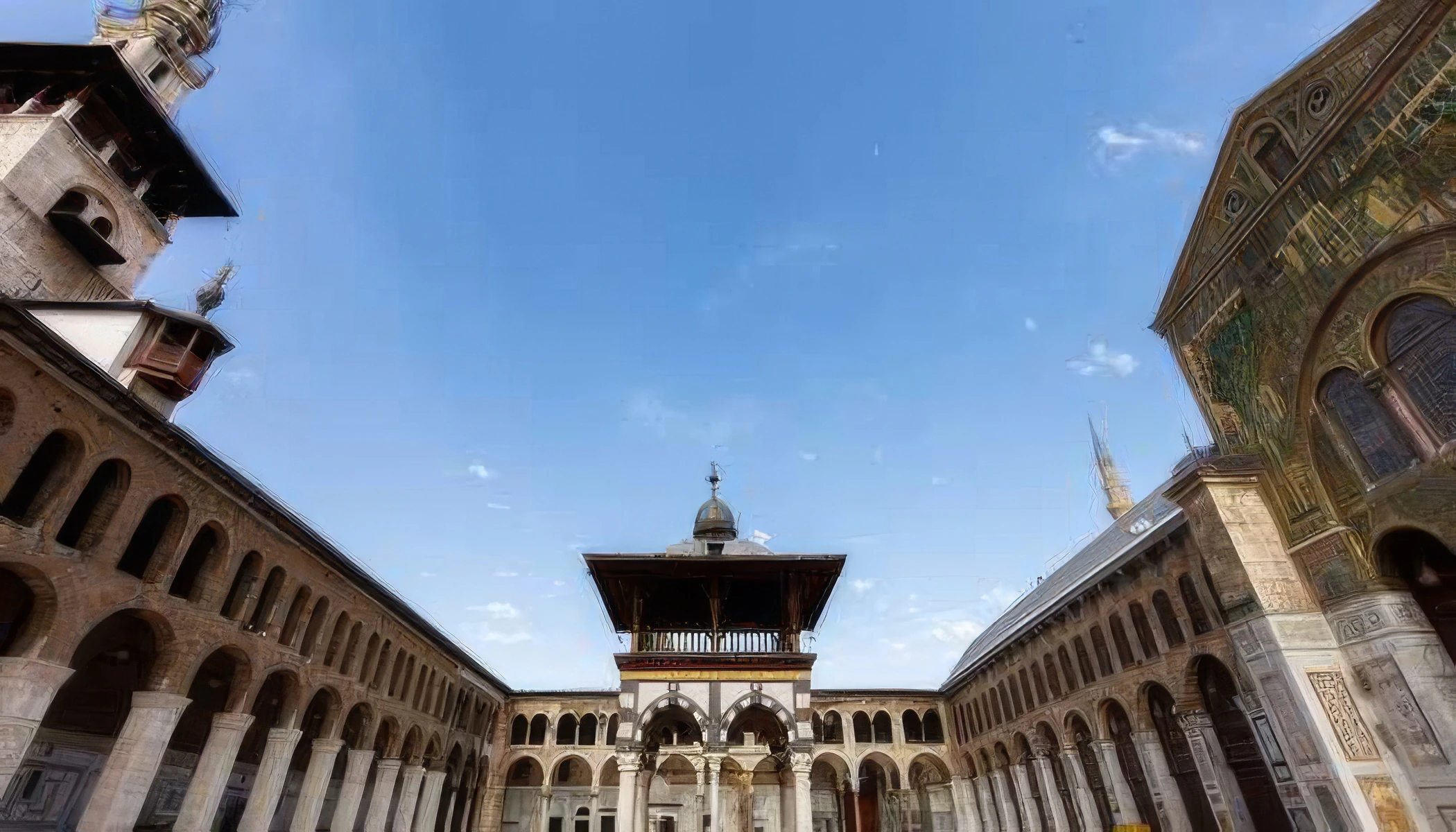
This ancient city offers a rich history and cultural experiences for tourists.
– Umayyad Mosque: A significant religious site with impressive architecture and a rich history dating back to the 8th century.
– Souq al-Hamidiyya: A lively market offering a variety of goods, from spices to textiles, in a historic setting.
– Azem Palace: A well-preserved example of Ottoman-era architecture showcasing traditional Syrian design and lifestyle.
– Citadel: An ancient fortress providing insights into the city's defensive history, though access may be limited due to restoration.
– National Museum: Offers a collection of artifacts that trace the region's long and diverse history through various civilizations.
– Straight Street: Known for its biblical associations, it's one of the oldest streets featuring shops and historic sites.
Activity
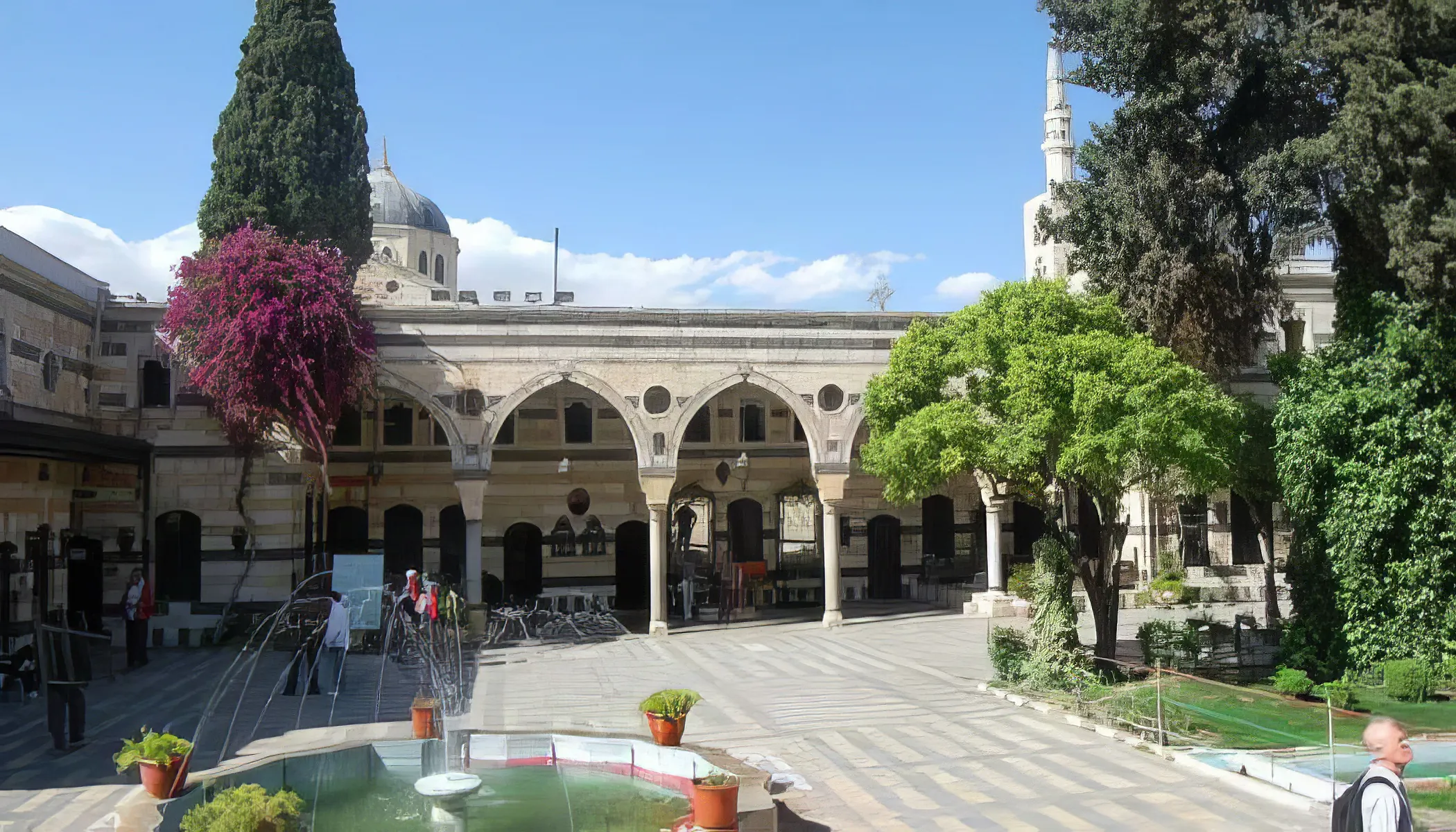
In Damascus, travelers can explore ancient sites, experience local culture, and enjoy traditional cuisine in a historic setting.
– Souq al-Hamidiyah: A pleasant market offering local crafts, spices, and food; a beautiful place to experience daily life.
– Mount Qasioun: A popular viewpoint for panoramic views of the city; suitable for hiking and photography enthusiasts.
– Umayyad Mosque: An architectural marvel with rich history; visitors can appreciate its unique design and spiritual significance.
– Azm Palace Gardens: A smooth space featuring beautiful gardens where visitors can relax and enjoy nature away from the city bustle.
– Traditional Syrian Cooking Class: Engage in hands-on cooking sessions to learn about authentic Syrian dishes and culinary techniques.
Cuisine

The city offers a rich culinary heritage with traditional Middle Eastern flavors, featuring aromatic spices and fresh ingredients. Some of the city's most famous dishes include:
– Kibbeh: Ground meat mixed with bulgur, often shaped into balls or patties and fried.
– Fatteh: Layered dish of bread, chickpeas, yogurt, and pine nuts, seasoned with spices.
– Shawarma: Marinated meat roasted on a spit, served in flatbread with vegetables and sauce.
– Baklava: Sweet pastry made of layers of phyllo dough filled with nuts and honey syrup.
– Ma'amoul: Shortbread cookies stuffed with dates or nuts, often enjoyed during holidays.
Shopping
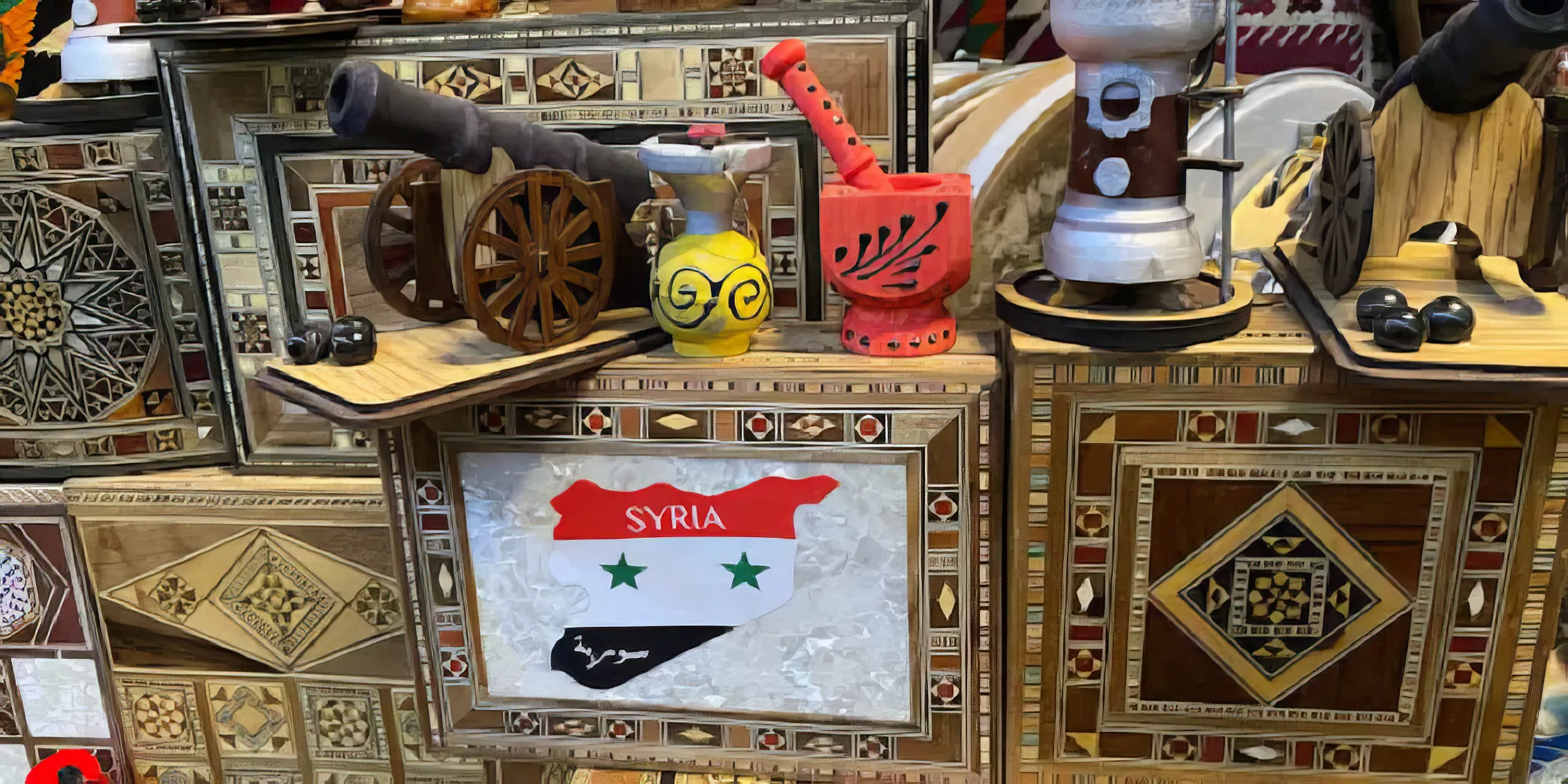
You can find traditional handmade crafts, including refined silver jewelry and decorative items. Local markets often sell colorful textiles and scarves that make good gifts. Spices are also popular; consider purchasing a selection of local spices for a unique souvenir. Olive oil is another option, known for its quality in the region. There are also beautiful ceramics available that showcase local artistry. Overall, these items reflect the local culture and make meaningful gifts.
Arts & Culture
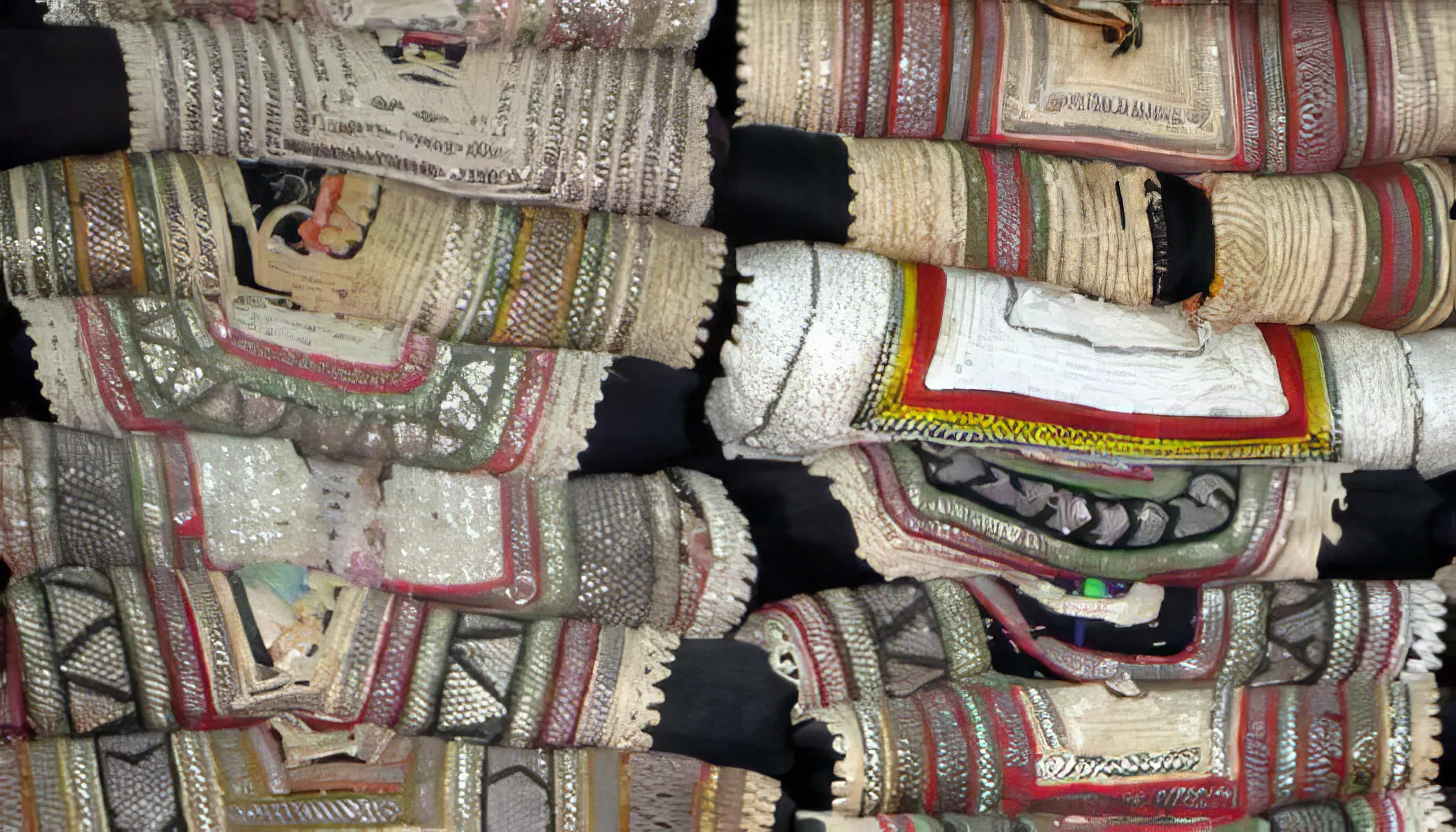
The city has a rich history in traditional crafts, including textiles and handmade goods. Cultural events like the Damascus International Film Festival highlight local and regional cinema. The annual Al-Balad Festival celebrates arts through performances and exhibitions in historic areas. Additionally, there are numerous galleries showcasing contemporary Syrian art throughout the city.