

Darjeeling: Best Things to Do & Top Attractions
This hill station is known for its tea plantations, remarkable mountain views, and cool climate. It is located in the eastern Himalayas and serves as a popular tourist destination, offering scenic train rides and rich cultural experiences.
- Airport
- Bagdogra at 70 km – domestic.
- Est. Visit Days
- 4 days
Overview
Darjeeling is a popular hill station in India, known for its tea plantations and scenic views of the Himalayas. Pros include its pleasant climate, beautiful landscapes, and attractions like the Darjeeling Himalayan Railway. However, it can be crowded with tourists, especially during peak seasons. Infrastructure may not always meet expectations, leading to issues with transportation and accommodations. Overall, it offers a unique experience but comes with some challenges.
Traffic & Transport
The city is characterized by narrow, winding roads and steep inclines, making traffic congestion common, especially during peak tourist seasons. The best way to explore the area is on foot or by using local shared jeep services that connect key attractions. For a more leisurely experience, the vintage toy train offers a scenic ride through the hills. Bicycles can also be rented for those seeking an active way to navigate the charming streets. Reliable taxi services include local companies that can be booked directly at stands or via phone. Additionally, popular taxi-booking apps are available for convenience, allowing tourists to arrange transportation easily from their accommodations.
History
This city was part of the Kingdom of Sikkim before becoming a popular hill station during British rule in the 19th century. The British developed tea plantations, which became a significant part of its economy. It also served as a strategic military outpost during conflicts, including World War II. The area has seen cultural influences from Tibetan Buddhism due to its proximity to Tibet. Today, it reflects a mix of colonial history and local traditions.
Itinerary Sample
This 4-day itinerary will help you explore the key attractions of Darjeeling.
– First day: Arrive in Darjeeling, check into your hotel, and visit the Peace Pagoda and Mall Road for a leisurely evening.
– Second day: Early morning trip to Tiger Hill for sunrise views, then visit Batasia Loop and Ghoom Monastery.
– Third day: Explore the Himalayan Mountaineering Institute and Zoo, followed by a ride on the Darjeeling Himalayan Railway.
– Fourth day: Visit Tea Gardens, then shop at local markets before departure.
Near Excursion
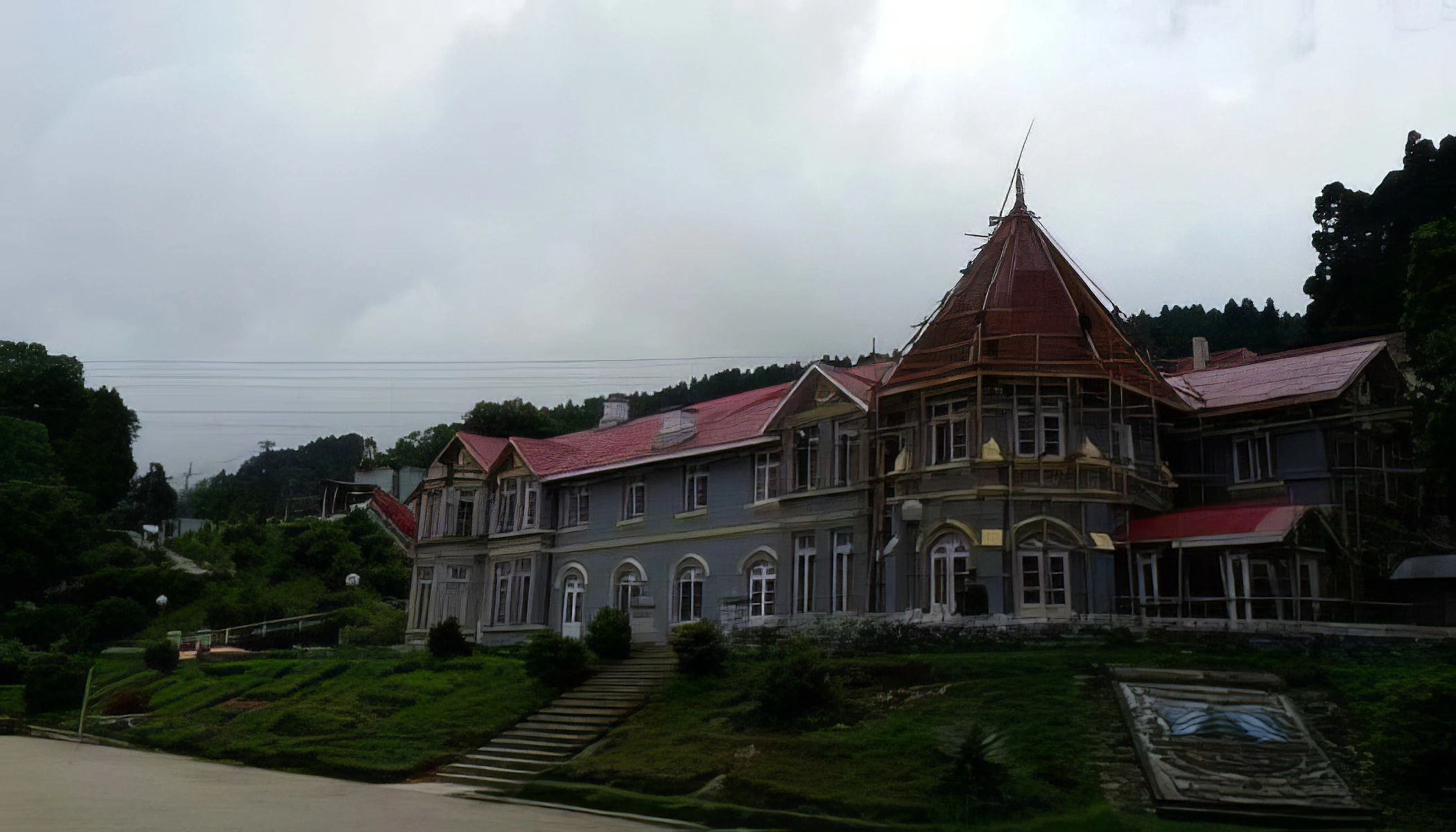
This city offers several interesting day-trip options in its vicinity. Here are some suggestions:
– Mirik at 49 km: A quaint town known for its beautiful lake and orange orchards.
– Kalimpong at 51 km: Explore colonial architecture, flower nurseries, and scenic views of the Himalayas.
– Kurseong at 32 km: Visit Tea Gardens and enjoy panoramic views from Eagle's Crag viewpoint.
– Pashupati Market at 35 km: A remarkable market on the India-Nepal border offering various goods.
– Sandakphu at 140 km: The highest peak in West Bengal with nice views of four of the world's five highest peaks.
Attraction
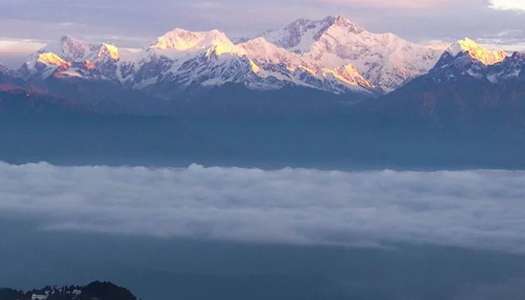
This city is known for its scenic beauty, Tea Gardens, and views of the Himalayas.
– Tiger Hill: Offers panoramic sunrise views over the Kanchenjunga and Mount Everest on clear days.
– Batasia Loop: A spiral railway track with a garden offering beautiful views of surrounding peaks.
– Padmaja Naidu Himalayan Zoological Park: Home to rare species like red pandas and snow leopards in a natural habitat.
– Happy Valley Tea Estate: Provides tours showing the tea production process amidst lush plantations.
– Peace Pagoda: A Buddhist temple promoting peace with calm surroundings and mountain views.
– Rock Garden: Terraced garden with waterfalls, ideal for leisurely walks and picnics.
Activity
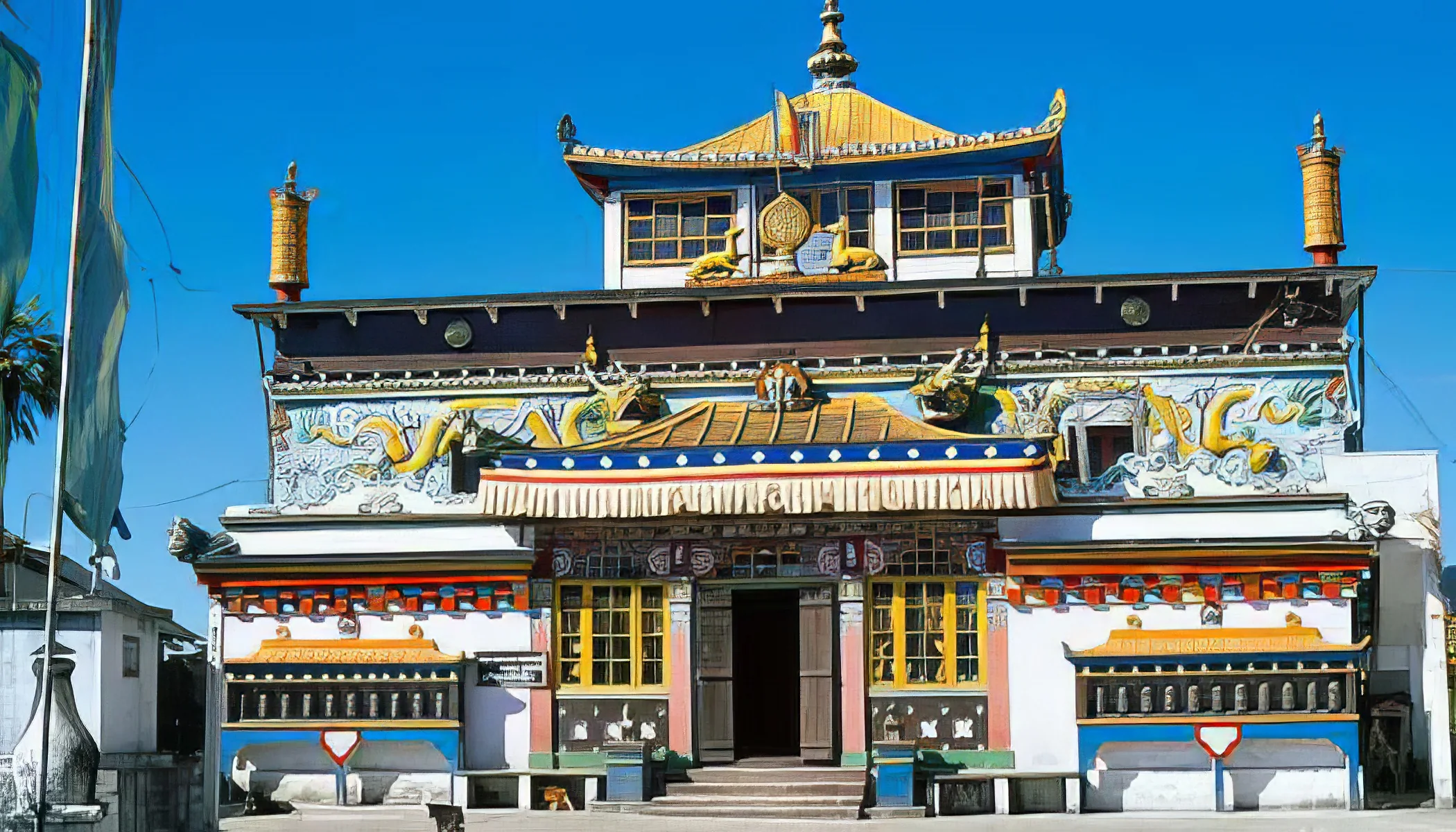
Travelers in Darjeeling can enjoy scenic views, tea plantations, trekking, local culture, and outdoor adventures.
– Tea Garden Tours: Visit expansive tea estates to learn about tea production and enjoy tasting sessions.
– Tiger Hill Sunrise Trek: Experience a pre-dawn trek for wonderful sunrise views over the Himalayas.
– Batasia Loop: Explore this unique railway loop with gardens and panoramic views of the surrounding mountains.
– Ghoom Monastery Visit: Discover one of the oldest Tibetan monasteries with impressive architecture and beautiful atmosphere.
– Darjeeling Ropeway Ride: Take a cable car ride offering handsome views of the valleys and Tea Gardens below.
Cuisine
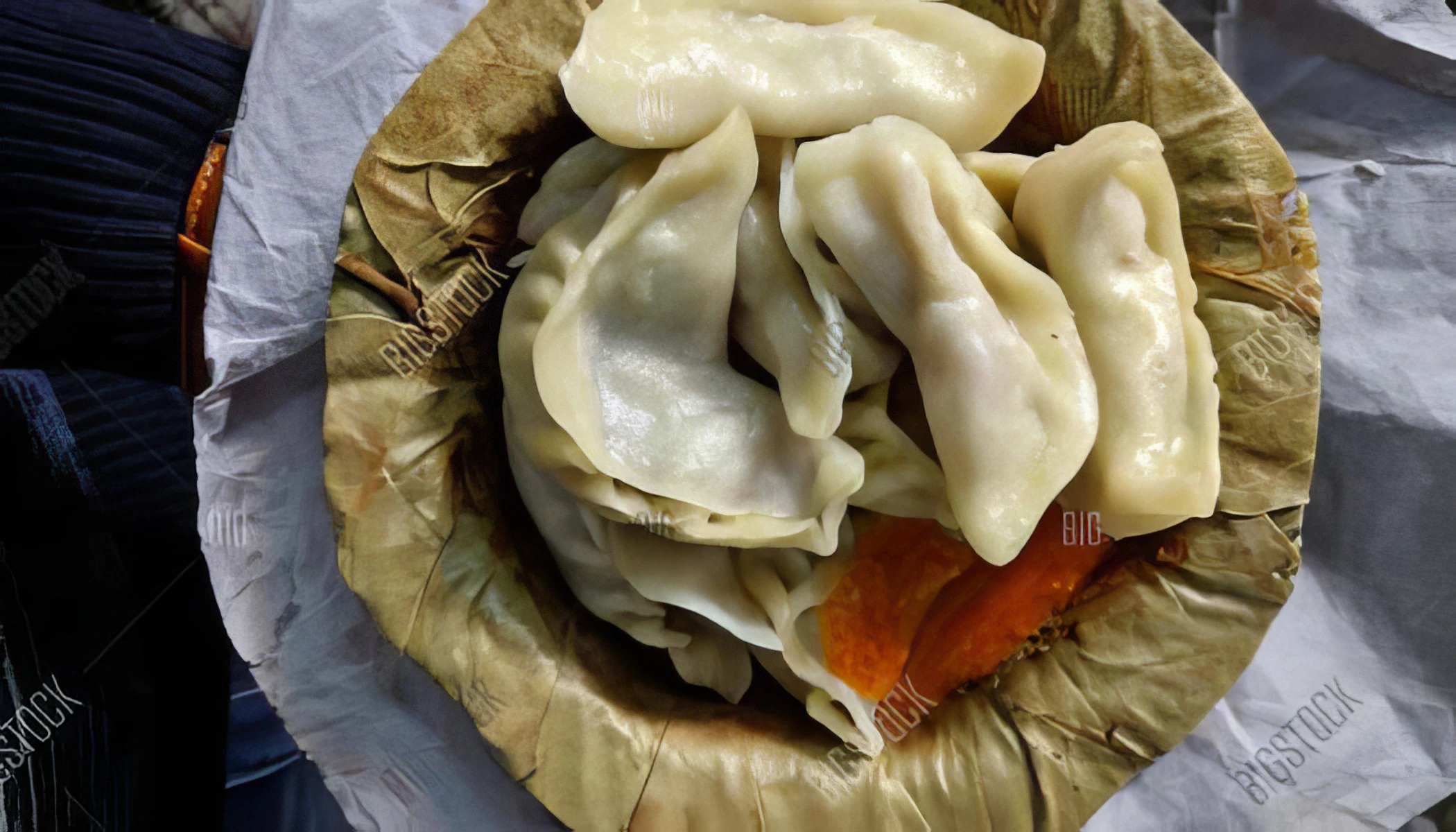
The city offers a blend of Indian, Tibetan, and Nepalese cuisines, reflecting its diverse cultural influences. Some of the city's most famous dishes include:
– Momos: Steamed or fried dumplings filled with vegetables or meat, served with spicy chutney.
– Thukpa: A hearty noodle soup made with vegetables, meat, and spices.
– Aloo Dum: Spicy potato curry cooked with local spices and herbs.
– Sel Roti: Traditional homemade ring-shaped rice bread, often enjoyed during festivals.
– Gundruk: Fermented leafy green vegetable dish with a tangy flavor, popular in Nepalese cuisine.
Shopping

You can find a variety of local tea, which is a popular gift. Shopping for traditional woolen shawls and scarves is also common. Handcrafted wooden items are available in local markets. Look for unique jewelry made from semi-precious stones. Local handicrafts, such as prayer flags and thangkas, are good souvenirs too. Overall, there are several interesting shopping options for tourists.
Arts & Culture
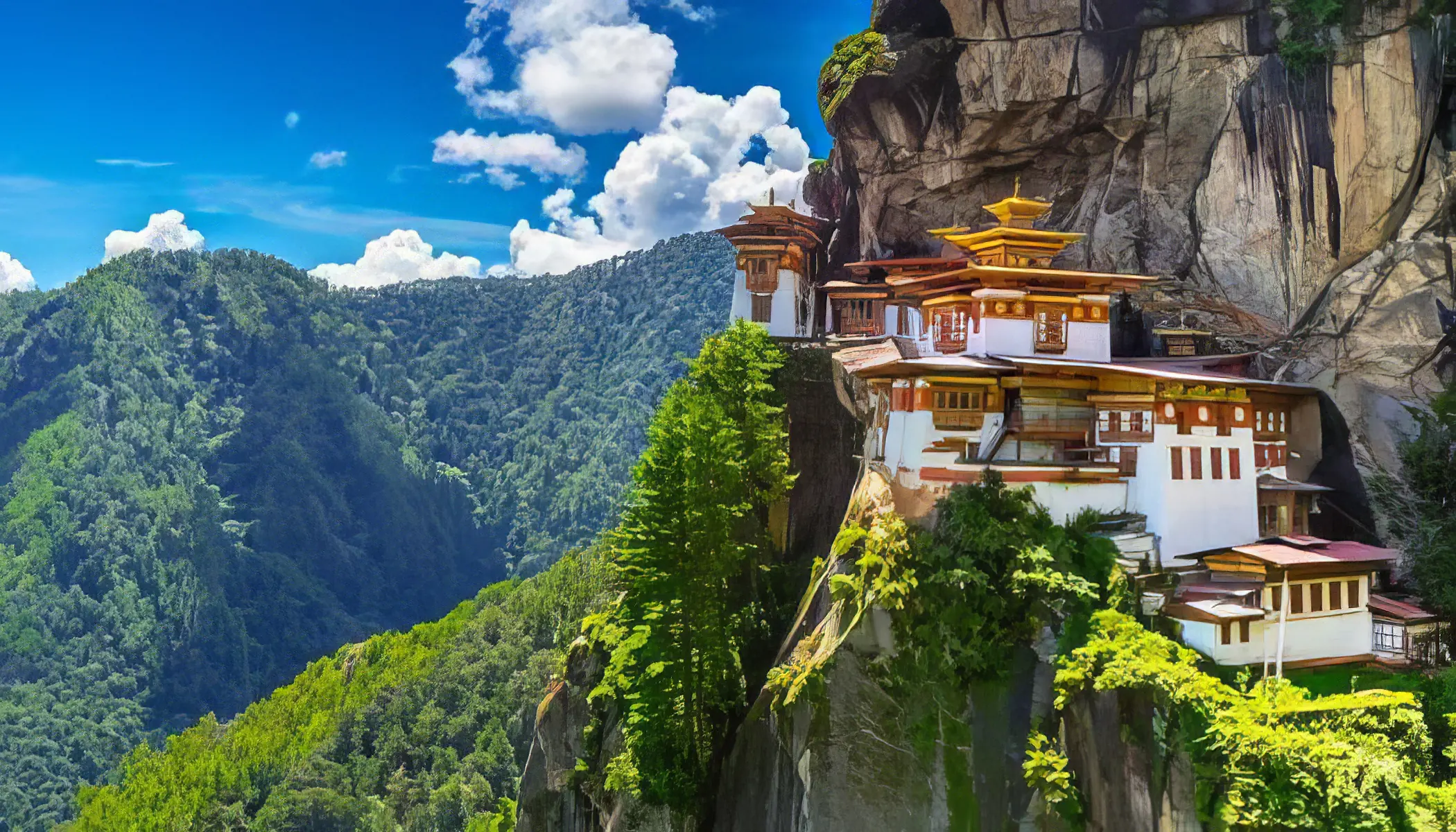
The city is known for its nice Tibetan culture, with several monasteries showcasing traditional art and architecture. Annual festivals like the Darjeeling Carnival celebrate local arts, music, and dance. Local artisans produce unique handicrafts, including handcrafted textiles and woodwork. Additionally, the region has a history of colonial influence reflected in its architecture and cultural events.