

Darwin Travel Guide: Tourist Places & Activities
The capital city of the Northern Territory is situated in the northern region, known for its tropical climate and proximity to natural parks. It serves as a gateway to various attractions, including national parks and Indigenous cultural sites.
- Population
- 0.15 millions
- Size
- 112 000 square km
- Airport
- Darwin – Int'l & 1 other
- Train Station
- Darwin.
- Est. Visit Days
- 5 days
Overview
Darwin is the capital city of the Northern Territory in Australia. It has a warm climate and is known for its proximity to national parks and natural attractions. Pros include a laid-back lifestyle, cultural diversity, and outdoor activities. However, cons include high humidity during the wet season and limited job opportunities compared to larger cities. Additionally, it's relatively isolated from other major Australian cities.
Traffic & Transport
The city features a well-connected road system, making it easy to navigate with a personal vehicle or rental car. Public transport options, including buses, are available, but many tourists prefer to explore on foot or by bicycle, especially in areas with scenic views. For a more leisurely experience, electric scooters can be rented throughout the city. The compact layout allows visitors to access major attractions conveniently. Reliable taxi services include local companies that operate throughout the city, providing a quick and efficient means of transportation. Popular taxi-booking apps, such as Uber, are also available, offering an easy way for tourists to arrange rides with minimal hassle.
History
Originally inhabited by Indigenous peoples, the area saw European exploration in the 19th century. It was established as a British outpost in 1869 to support commerce and trade. During World War II, the region faced significant conflict, with bombings in 1942 affecting the local population. Post-war, the city developed rapidly as a commercial hub for northern Australia. Today, it reflects diverse cultures, largely due to migration and its historical ties to various nations.
Itinerary Sample
Here's a sample five-day itinerary for exploring Darwin, Australia.
– First day: Arrive in Darwin, visit the Darwin Waterfront precinct, explore the Wave Lagoon, and enjoy dinner at a waterfront restaurant.
– Second day: Take a guided tour to Litchfield National Park, see waterfalls, swim in natural pools, and visit termite mounds.
– Third day: Explore the Museum And Art Gallery Of The Northern Territory, learn about Indigenous culture, and visit the Darwin Military Museum.
– Fourth day: Experience a sunset cruise on Darwin Harbour, look for dolphins, and enjoy the view of the sunset over the water.
– Fifth day: Visit the Mindil Beach Sunset Market, shop for local crafts, try different foods, and enjoy live entertainment before departure.
Near Excursion
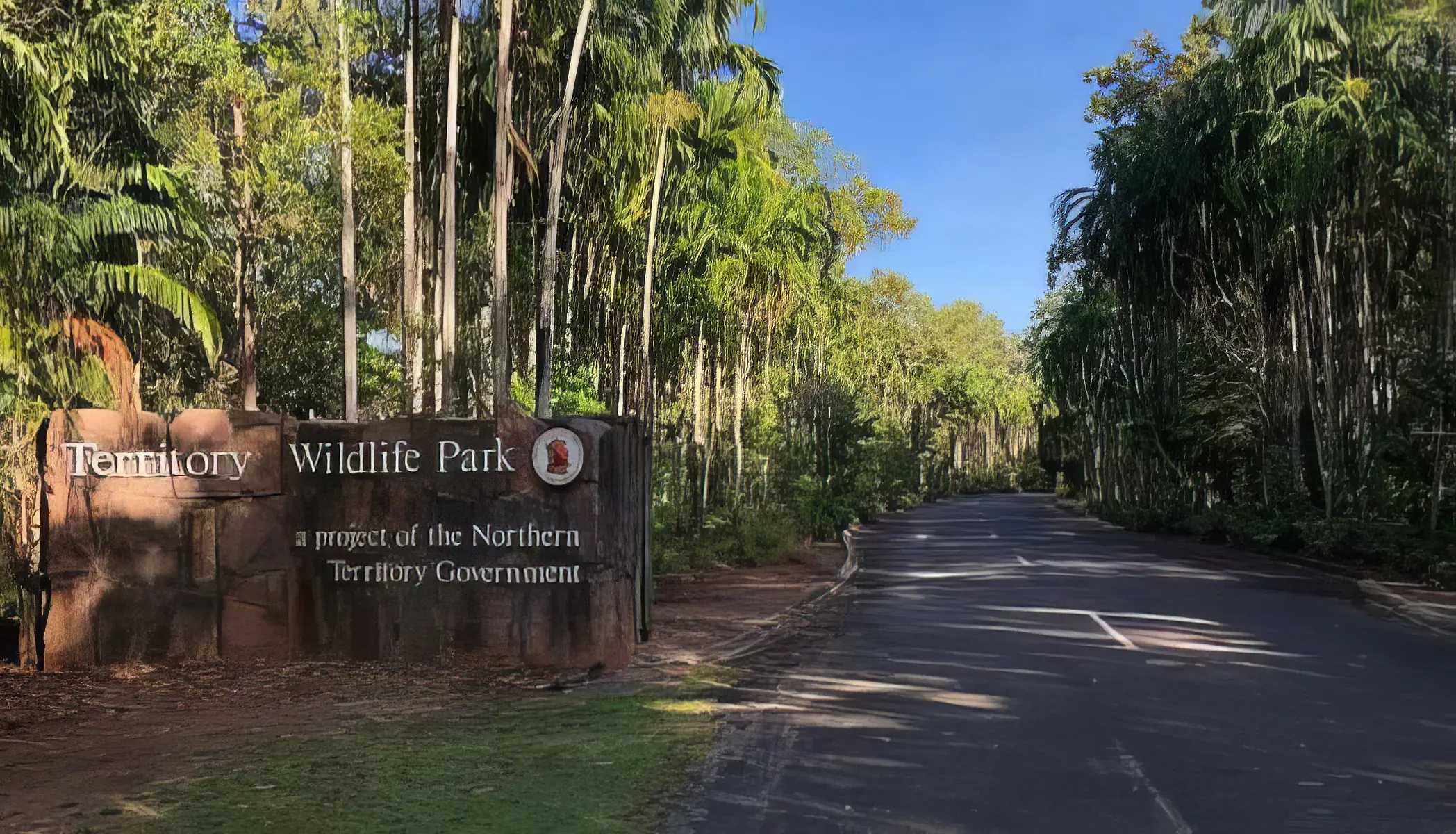
This city offers a variety of day-trip destinations rich in natural beauty and cultural experiences. Here are some suggestions:
– Litchfield National Park at 100 km: Experience lovely waterfalls, crystal-clear water holes, and termite mounds.
– Berry Springs Nature Park at 50 km: Enjoy swimming, picnicking, and leisurely walks in a tropical setting.
– Territory Wildlife Park at 45 km: Explore flora and fauna including interactive displays and animal encounters.
– Adelaide River at 75 km: Famous for jumping crocodile cruises along its waters.
– Fogg Dam Conservation Reserve at 60 km: Offers excellent birdwatching opportunities amidst abundant wetlands.
Attraction
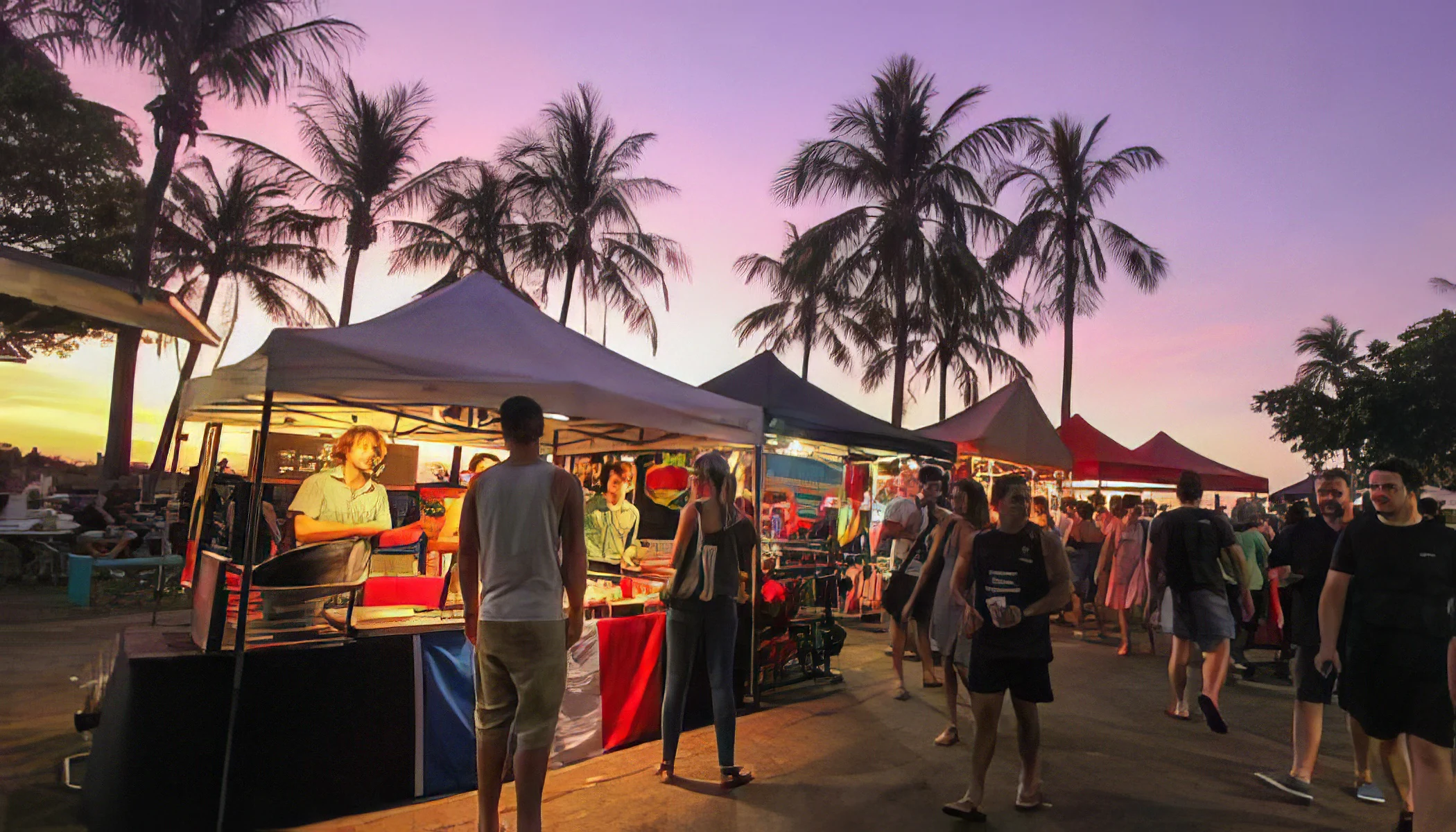
Known for its tropical climate and beautiful multicultural atmosphere, this city offers a unique blend of history, nature, and culture.
– Mindil Beach Sunset Market: Experience diverse food stalls and crafts while enjoying a remarkable sunset view over the sea.
– Museum And Art Gallery Of The Northern Territory: Explore Aboriginal art collections, natural history, and the story of Cyclone Tracy.
– Crocosaurus Cove: Get up close with saltwater crocodiles and other reptiles, including the thrilling Cage of Death experience.
– Litchfield National Park: Discover waterfalls and natural swimming holes, just a short drive from the city's center.
– Stokes Hill Wharf: Enjoy dining with scenic waterfront views and learn about the area's maritime history.
– East Point Reserve: Visit this nature reserve for picnics, WWII history, and spectacular views.
Activity
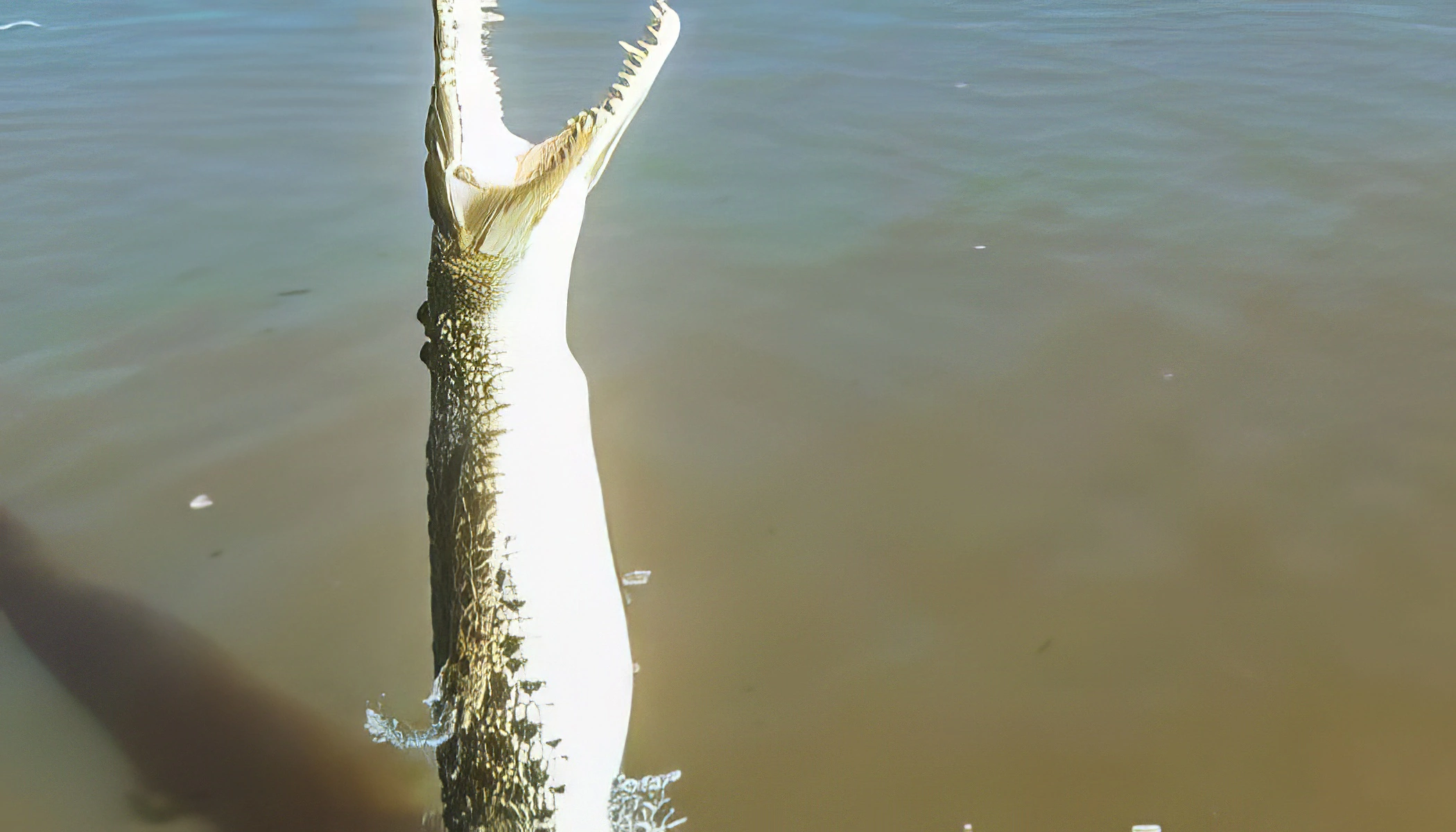
In Darwin, travelers can enjoy outdoor activities, charming markets, and unique wildlife experiences in a tropical setting. – Mindil Beach Sunset Market: Explore local crafts, food stalls, and live entertainment at this popular evening market by the beach. – Litchfield National Park Day Trip: Experience beautiful waterfalls, swimming holes, and walking trails in this beautiful protected area south of Darwin. – Crocosaurus Cove: Get up close with crocodiles and other reptiles, and try cage diving for a thrilling encounter. – Jumping Crocodile Cruise: Take a river cruise to see saltwater crocodiles in their natural habitat while learning about the ecosystem. – Darwin Waterfront Precinct: Relax by the lagoon, enjoy restaurants, and engage in various water activities at this lively waterfront area.
Cuisine
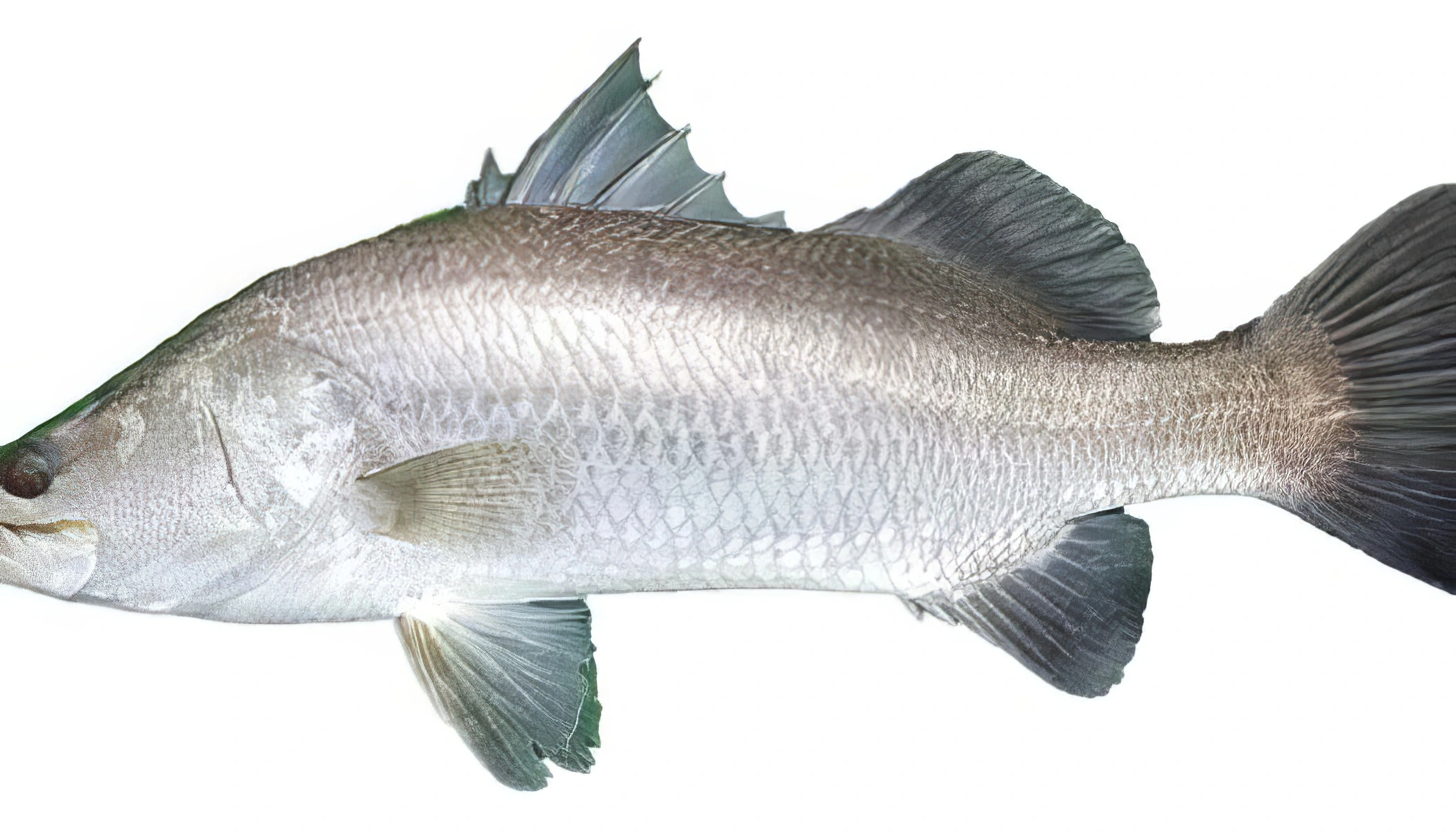
The city's food scene features a mix of Southeast Asian influences and local Australian flavors, emphasizing seafood and tropical produce. Some of the city's most famous dishes include:
– Barramundi: Popular local fish, often grilled, known for its mild, buttery flavor.
– Laksa: Spicy noodle soup with coconut milk, featuring seafood or chicken and traditional Malaysian spices.
– Mud Crab: Local delicacy, typically served with chili sauce or in curries.
– Mango Cheesecake: Dessert highlighting the region's fresh and abundant mangoes.
Arts & Culture

There are several cultural highlights, including the annual Darwin Festival, which showcases local and international performances, music, and arts. The Museum And Art Gallery Of The Northern Territory features exhibitions on Indigenous culture and local history. The Northern Territory Library also hosts various art-related events throughout the year. Additionally, local galleries display works from Indigenous artists and contemporary creators.