

Sightseeing in Dong Van: Culture & Must‑See Spots
This mountainous district is known for its rugged landscapes, ethnic diversity, and traditional culture. It features unique rock formations and a cool climate, attracting visitors interested in nature and local customs. The area also has historical significance.
- Est. Visit Days
- 2 days
Overview
Dong Van is a small town in Vietnam's northern mountainous region, known for its fascinating landscapes and ethnic diversity. Pros include beautiful scenery, unique local culture, and opportunities for outdoor activities like trekking. However, cons are limited infrastructure, fewer tourist amenities, and occasional language barriers with locals. Overall, it offers an authentic experience for those looking to explore rural Vietnam but may not suit travelers seeking modern conveniences.
Traffic & Transport
The city can be explored most effectively on foot or by renting a motorbike, as the compact nature of the area allows visitors to easily navigate its streets and enjoy local sights. Bicycles are also available for rent, providing an eco-friendly way to see the surroundings while taking in the scenic views. Public buses may connect nearby towns, but they are less convenient for tourists looking to explore at their own pace. Overall, motorbiking offers a flexible option for those comfortable with navigating local traffic. For reliable transportation within the city, visitors can use local taxi companies that are known for their service quality. While specific taxi-booking apps may not be prominent in this area, traditional taxis can be hailed directly or booked via phone through reputable companies to ensure safe and efficient travel.
History
The area was part of the ancient kingdom of Nanyue, established around 200 BC. It later came under Chinese control during various dynasties, influencing local culture and governance. In the late 19th century, it became part of French Indochina, which introduced colonial administration and infrastructure development. The region was affected by conflicts during the Vietnam War, impacting its population and economy. Today, it reflects a mix of ethnic cultures and traditions influenced by its historical ties.
Itinerary Sample
Here is a suggested 2-day itinerary for exploring Dong Van, Vietnam.
– First day: Arrive in Dong Van, visit the Dong Van Market, explore the old town, and take a short hike to the nearby Ma Pi Leng Pass for scenic views.
– Second day: Visit the Hmong King's Palace, enjoy local cuisine at a restaurant, and take a walking tour of surrounding villages to experience local culture before departing.
Near Excursion
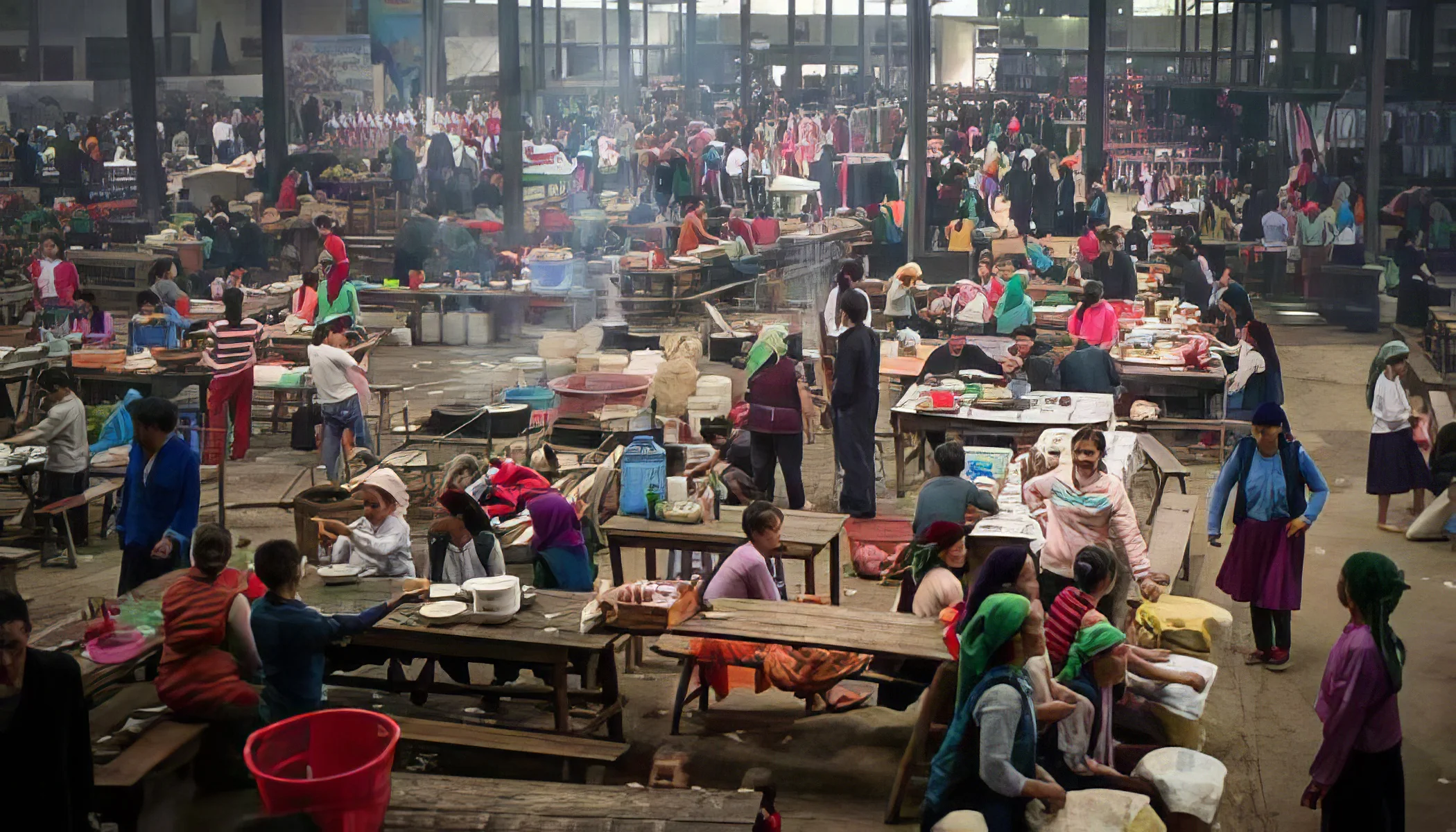
This area provides access to several fascinating day trips. Here are some options:
– Lung Cu Flag Tower at 30 km: A symbolic flagpole marking the northernmost point of Vietnam with panoramic views.
– Ma Pi Leng Pass at 50 km: A scenic mountain pass offering beautiful views of deep valleys and winding roads.
– Meo Vac Market at 60 km: A pretty local market showcasing ethnic minority cultures and goods every Sunday.
– Quan Ba Heaven Gate at 70 km: Known for its handsome landscapes and the Twin Mountains view.
– Du Gia Waterfall at 80 km: A peaceful spot ideal for swimming and enjoying nature's tranquility.
Attraction
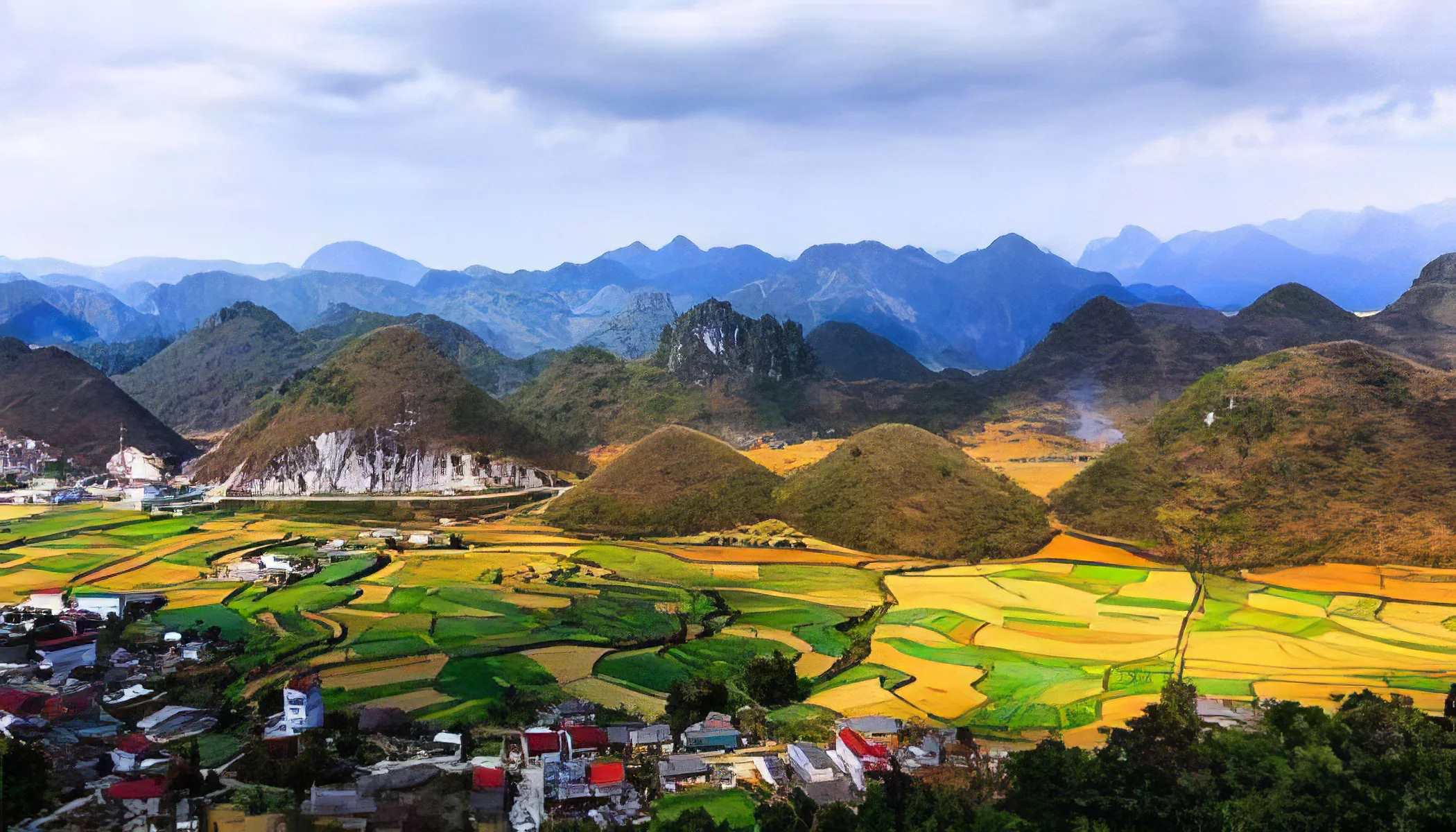
The city is known for its stunning landscapes and rich cultural heritage.
– Dong Van Karst Plateau Geopark: Recognized by UNESCO, this area offers unique limestone formations and impressive mountain views.
– Lung Cu Flag Tower: Visit the northernmost point with panoramic views and a significant national symbol.
– Ma Pi Leng Pass: Experience one of the most scenic mountain passes with dramatic cliffs and deep valleys.
– Dong Van Old Quarter: Explore traditional houses, pleasant markets, and local culture in this historic area.
– Hmong King's Palace: A historical site showcasing impressive architecture and the history of local ethnic groups.
– Lo Lo Chai Village: Discover traditional customs and lifestyle of the Lo Lo ethnic minority in a charming setting.
Activity
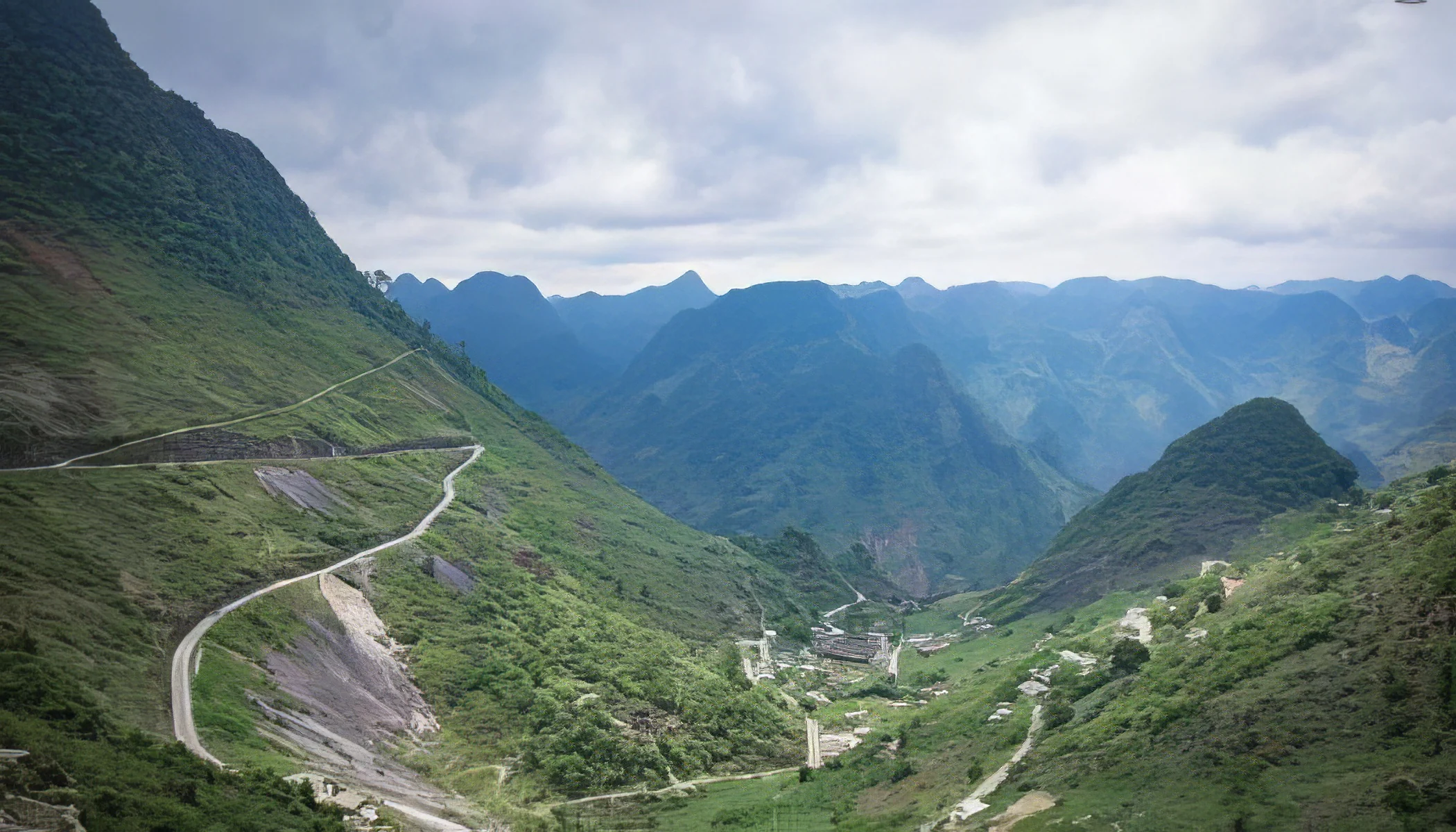
Travelers in Dong Van can explore nice landscapes, local culture, and unique ethnic communities through various activities.
– Trekking in the Dong Van Karst Plateau: Discover beautiful scenery and diverse flora while hiking through this UNESCO Geopark.
– Visit the Sunday Market: Experience local culture by shopping for traditional products and interacting with ethnic minorities.
– Explore Pho Bang Ancient Town: Walk through historic streets to see traditional wooden houses and learn about local history.
– Ride a motorbike along the Ma Pi Leng Pass: Enjoy breathtaking views of mountains and valleys on this scenic route.
– Participate in a homestay experience: Live with local families to understand their customs, traditions, and daily life.
Arts & Culture
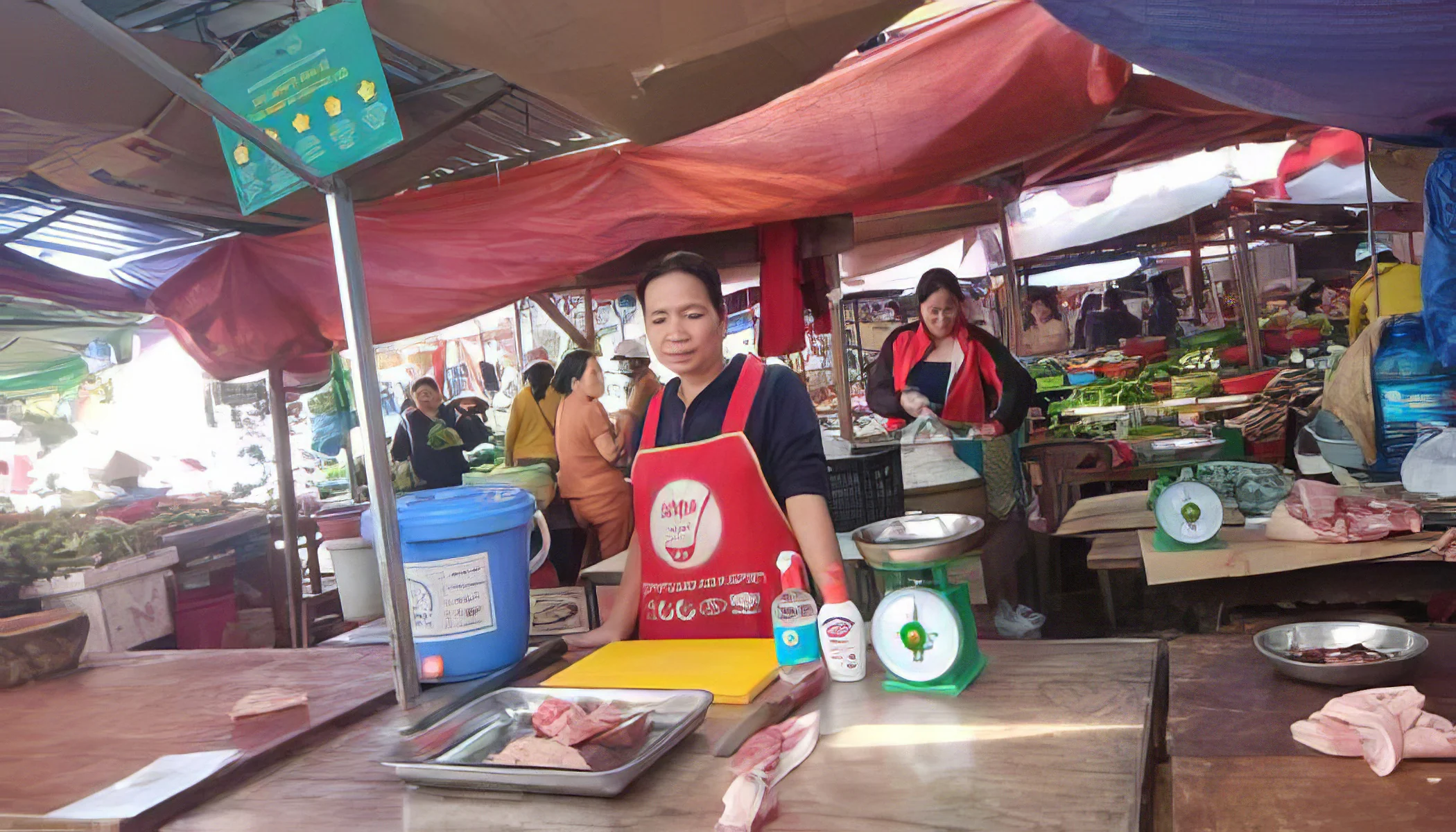
The region is known for its traditional markets where local crafts and textiles are sold, reflecting the culture of the ethnic minority groups. Cultural festivals often take place, showcasing folk music and dance unique to the area. Artisans in the region practice various traditional crafts, including weaving and carving. Additionally, there may be opportunities to experience local customs during annual celebrations.