

Dublin: Best Things to Do & Top Attractions
The capital city is known for its rich history, dynamic culture, and literary heritage. It features historic buildings, numerous parks, and a lively music scene, making it a popular destination for tourists and locals alike.
- Population
- 1.4 millions
- Size
- 115 square km
- Airport
- Dublin – Int'l & 1 other
- Train Station
- Heuston & 1 other station
- Est. Visit Days
- 2 days
Overview
Dublin, the capital of Ireland, is known for its rich history and charming culture. Pros include a lively atmosphere, numerous historical sites, and a friendly local population. However, it can be expensive, particularly in terms of accommodation and dining. Public transport is available but can be limited outside the city center. Overall, Dublin offers a unique experience but may not suit all budgets.
Traffic & Transport
The city features a well-connected public transport system that includes buses, trams (luas), and trains, making it easy for tourists to navigate. Biking is also popular, with numerous rental options available and dedicated bike lanes throughout the city. Walking is another excellent way to explore, as many attractions are within a compact area. Traffic can be congested during peak hours, so utilizing public transport or bicycles can save time. For convenient taxi services, reputable companies such as MyTaxi and Free Now are widely used, as well as local taxi options available through phone booking or hailed on the street. Several taxi-booking apps are also available, enhancing the ease of securing a ride from anywhere in the city.
History
Originally founded by the Vikings in the 9th century, the area developed as a significant trading post. In the 12th century, it came under the control of the Anglo-Normans, which influenced its architecture and governance. The city played a vital role during the English Civil War in the 17th century, marking it as a site of conflict. The 18th century saw it grow as a center for commerce and culture with the establishment of notable institutions. Throughout the 20th century, it experienced many social and political changes, particularly related to Irish independence.
Itinerary Sample
Explore Dublin in two days with this concise itinerary.
– First day: Visit Trinity College and see the Book of Kells, stroll through St. Stephen's Green, explore the National Museum, and enjoy an evening at Temple Bar.
– Second day: Tour Dublin Castle, visit the Guinness Storehouse, walk along the River Liffey, and discover the historic Kilmainham Gaol.
Near Excursion
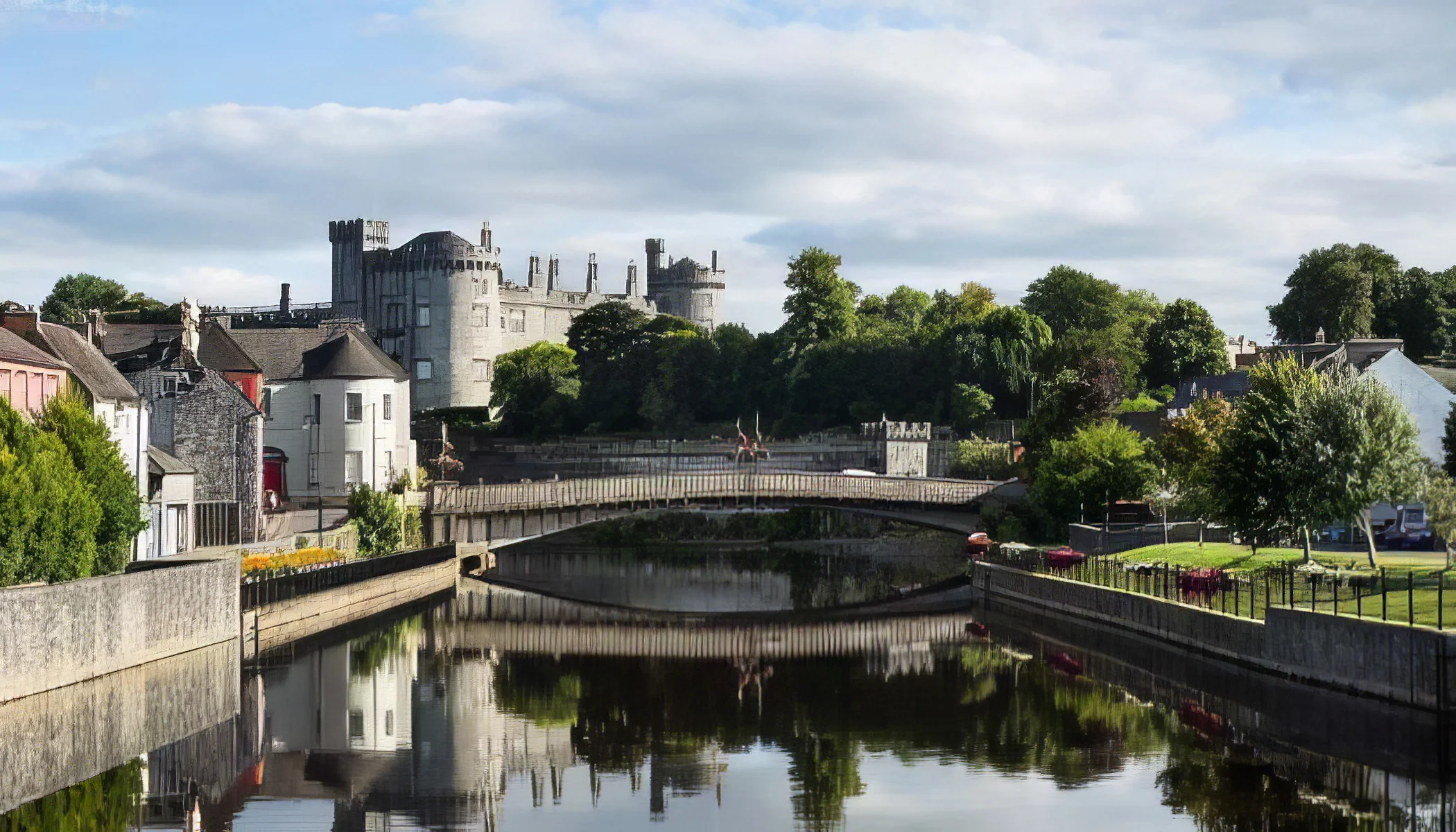
This city provides access to several captivating day-trip options within a short distance. Here are some recommendations:
– Wicklow Mountains at 50 km: Known for its remarkable landscapes, Glendalough's monastic site and beautiful hiking trails.
– Newgrange at 50 km: A prehistoric monument older than Stonehenge and the pyramids, famous for its passage tomb.
– Kilkenny at 125 km: A historic city featuring a magnificent castle, medieval streets, and lively arts scene.
– Trim Castle at 45 km: The largest Anglo-Norman castle in Ireland, located along the banks of the River Boyne.
– Powerscourt Estate at 30 km: Offers magnificent gardens, a striking waterfall, and an impressive 18th-century house.
Attraction
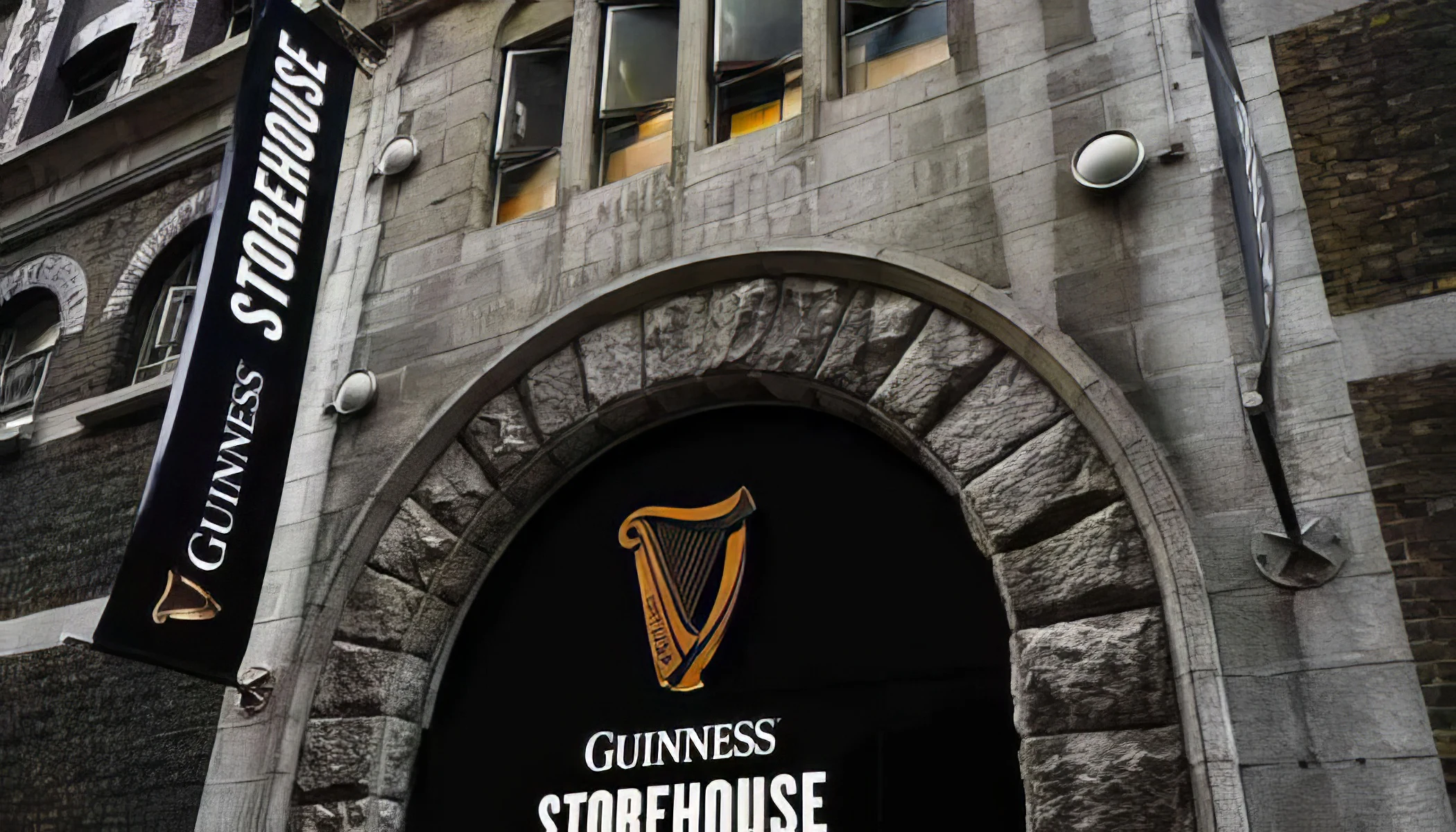
This city offers a mix of historical landmarks and lively culture for tourists.
– Guinness Storehouse: Explore the history and making of the famous stout with interactive exhibits and a rooftop bar.
– Trinity College Library: Home to the ancient Book of Kells, showcasing Ireland's rich literary heritage.
– Dublin Castle: Discover the medieval and Georgian architecture and learn about its role in the city's history.
– Kilmainham Gaol: Visit a historic prison that played a key role in the country's fight for independence.
– St. Stephen’s Green: Enjoy a peaceful walk in this large public garden with Victorian layout and sculptures.
– Temple Bar: Experience the lively atmosphere with pubs, shops, and cultural events in this popular cobblestone area.
Activity
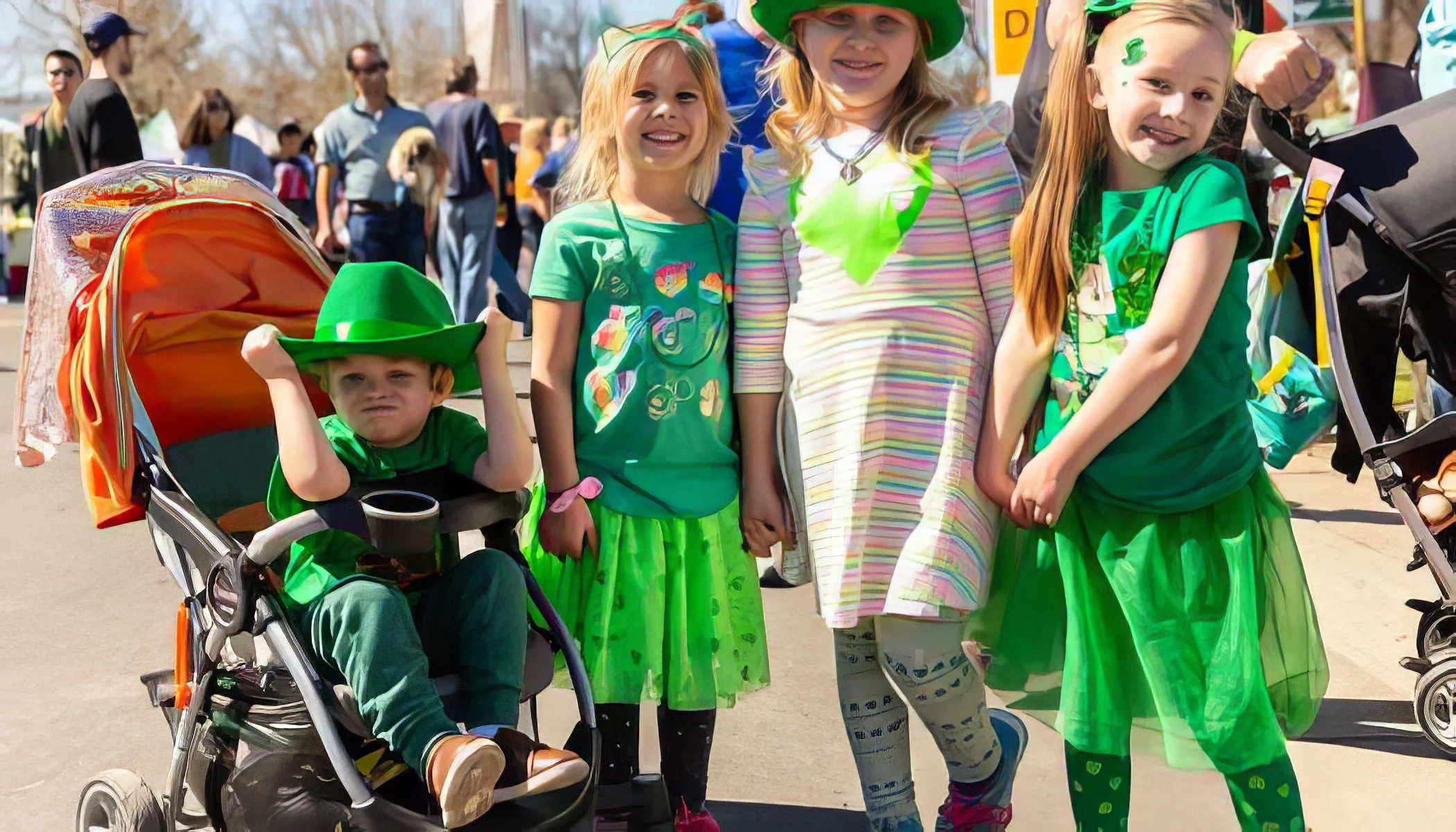
Travelers in Dublin can explore its rich history, unique culture, and vibrant atmosphere through various exciting activities.
– Literary Pub Crawl: Experience Dublin's literary heritage while enjoying drinks and stories in famous pubs frequented by renowned writers.
– Viking Splash Tours: Discover Dublin’s history on a unique amphibious tour that includes both land and water experiences.
– Dublin Bay Kayaking: Paddle through Dublin Bay, enjoying scenic views and wildlife while getting an active workout.
– St. Patrick's Festival: Participate in this annual celebration with parades, music, and cultural events reflecting Irish traditions.
– Walking Ghost Tour: Venture into Dublin’s haunted past with guides sharing eerie tales of the city's most famous spirits.
Shopping

One notable shopping experience is at the local markets, where you can find handmade crafts and artisan products. Woolen goods, such as scarves and blankets, make for popular gifts. You can also consider buying Irish whiskey or local food products like jam or chocolate. Another option is to explore shops that sell traditional Irish jewelry, especially those featuring Celtic designs. Art prints from local artists are also good keepsakes. Overall, there are various unique items available that reflect local culture.
Arts & Culture
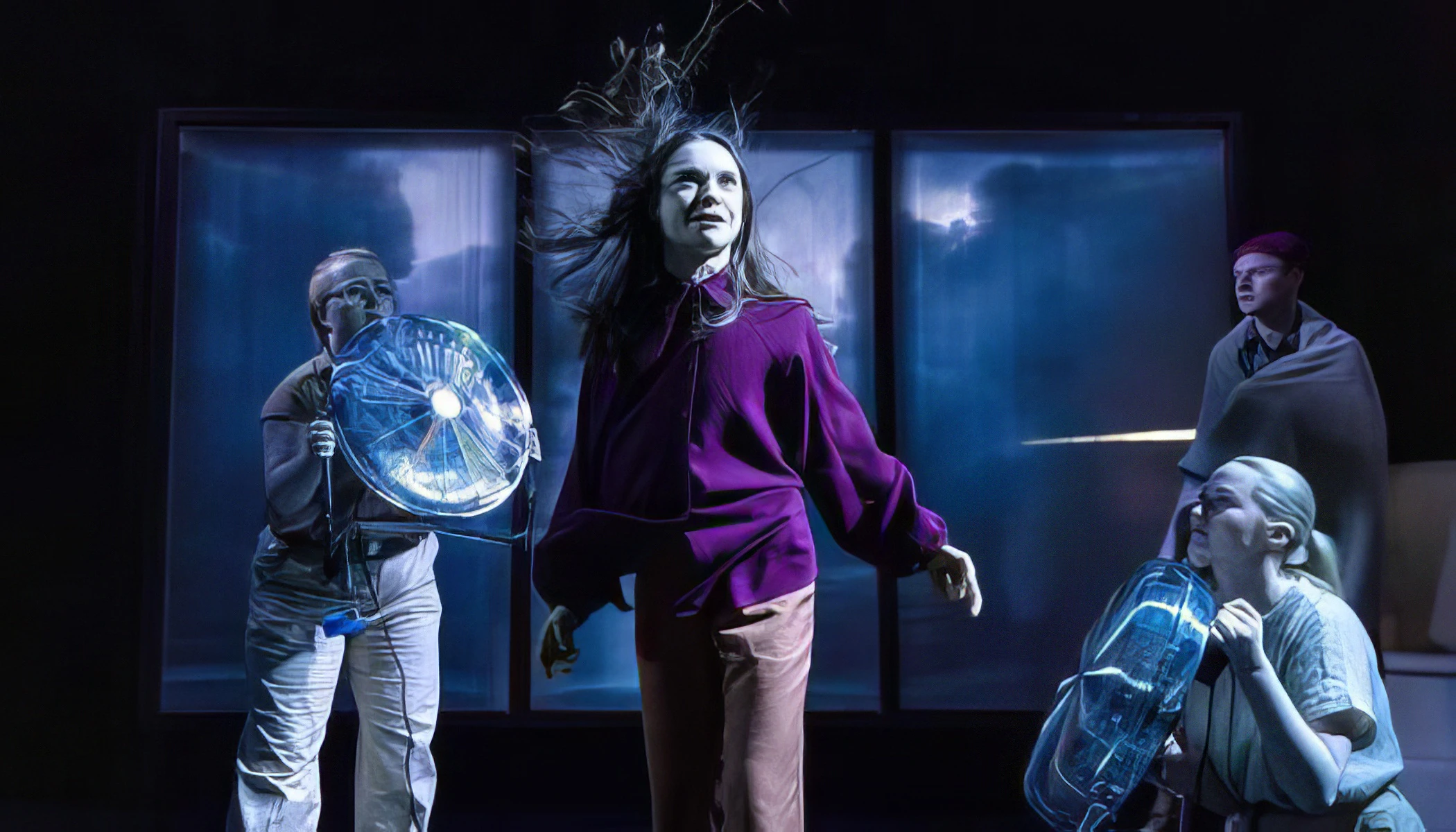
The city has a lively arts scene, with numerous galleries showcasing contemporary and traditional Irish art. Notable events include the Dublin Theatre Festival, which features local and international performances each autumn, and the annual Bloomsday celebration honoring James Joyce's "Ulysses." Various museums, such as the Irish Museum of Modern Art, provide insight into the country's artistic heritage. The city also has a strong literary tradition, with events like the Dublin Literary Award celebrating global authors.