

Cuenca: Best Things to Do & Top Attractions
This city is known for its colonial architecture and pleasant hills. It sits at a high altitude and is recognized for its rich cultural heritage, including traditional crafts, local markets, and a strong emphasis on art and education.
- Population
- 0.4 millions
- Size
- 7 000 square km
- Airport
- Mariscal Lamar – Int'l
- Train Station
- Estación de Cuenca.
- Est. Visit Days
- 3 days
Overview
Cuenca is a city in southern Ecuador known for its historical architecture and cultural heritage. The pros include its pleasant climate, relatively low cost of living, and a pleasant expat community. Additionally, Cuenca has a range of cultural events and a rich local history. On the downside, the altitude can affect some visitors, and traffic congestion is common in the city. Overall, Cuenca offers a mix of cultural experiences and challenges typical of urban life.
Traffic & Transport
The city features a compact layout, making walking a convenient and pleasant way for tourists to explore its charming streets and historic sites. Public transportation options, including buses and trams, are available, but may be less reliable for timely travel. Bicycles can also be rented, providing a fun way to navigate the city and its surrounding areas. Overall, walking or cycling is recommended for getting the best experience while soaking in the local ambiance. For taxi services, reliable companies include local options that ensure safe and fair fares. Popular taxi-booking apps are available, allowing tourists to conveniently arrange transportation through their smartphones.
History
The city was founded in 1557 by Spanish settlers and became an important colonial center. It was established on the ruins of an Inca city known as Tomebamba. Throughout the colonial period, it thrived due to agriculture and trade in silver. The area experienced various conflicts during the wars of independence in the early 19th century. Today, its cultural heritage reflects a blend of Indigenous and Spanish influences, evident in its architecture and traditions.
Itinerary Sample
Explore Cuenca's historical sites, culture, and natural beauty in this 3-day itinerary.
– First day: Visit the Old Town, see the Cathedral of Immaculate Conception, stroll by the Tomebamba River, and explore the local markets.
– Second day: Tour the Ingapirca Archaeological Site, enjoy local cuisine in a traditional restaurant, and visit the Museum of Modern Art.
– Third day: Discover the Cajas National Park for hiking and scenic views, visit a local artisan workshop, and relax at a café in the central square.
Near Excursion

This city offers several interesting day-trip destinations nearby. Here are a few options:
– Ingapirca Ruins at 80 km: Ecuador’s largest and best-preserved archaeological site showcasing Incan and Cañari cultures.
– Cajas National Park at 30 km: A fascinating natural reserve with over 200 lakes, ideal for hiking and bird watching.
– Chordeleg at 42 km: A charming town known for refined handmade jewelry and traditional crafts.
– Girón Waterfalls at 60 km: Offers beautiful cascading falls and scenic trails for nature enthusiasts.
– Biblián at 52 km: Features the Sanctuary of the Virgin of El Rocío, a church built on a steep hillside.
Attraction
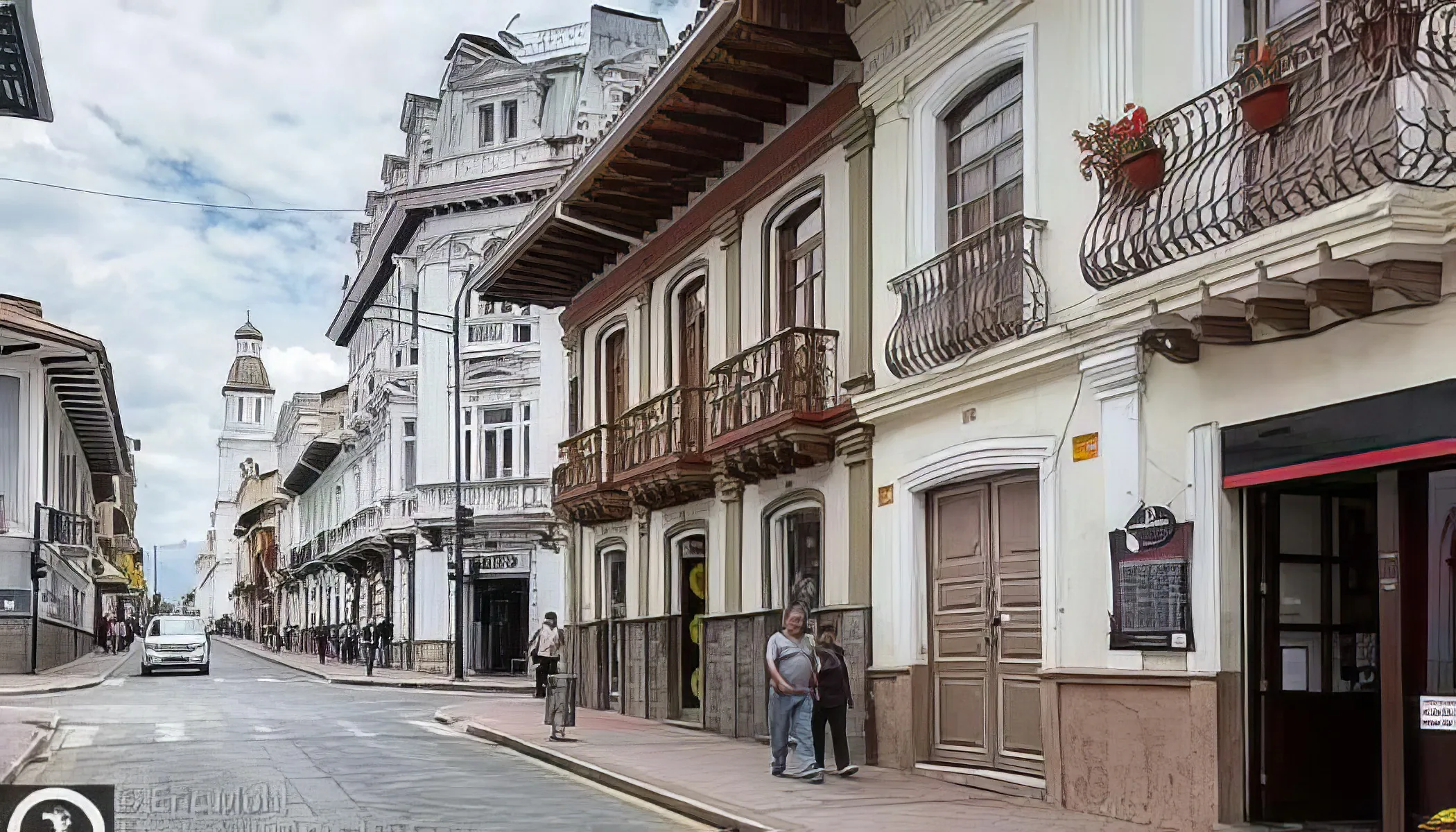
Known for its colonial architecture, beautiful culture, and rich history, the city offers a unique experience for visitors.
– Historic Center: Explore well-preserved colonial buildings and charming cobblestone streets in this UNESCO World Heritage site.
– New Cathedral: Visit this striking cathedral known for its blue domes and impressive design.
– Museum of Aboriginal Cultures: Learn about indigenous history and artifacts spanning thousands of years in this museum.
– Cajas National Park: Discover nice landscapes with diverse flora and fauna in this close-by national park.
– Pumapungo Archaeological Park: See Incan ruins and beautiful gardens in this historical park.
– Tomebamba River Walk: Stroll along this scenic river with views of both nature and the city.
Activity
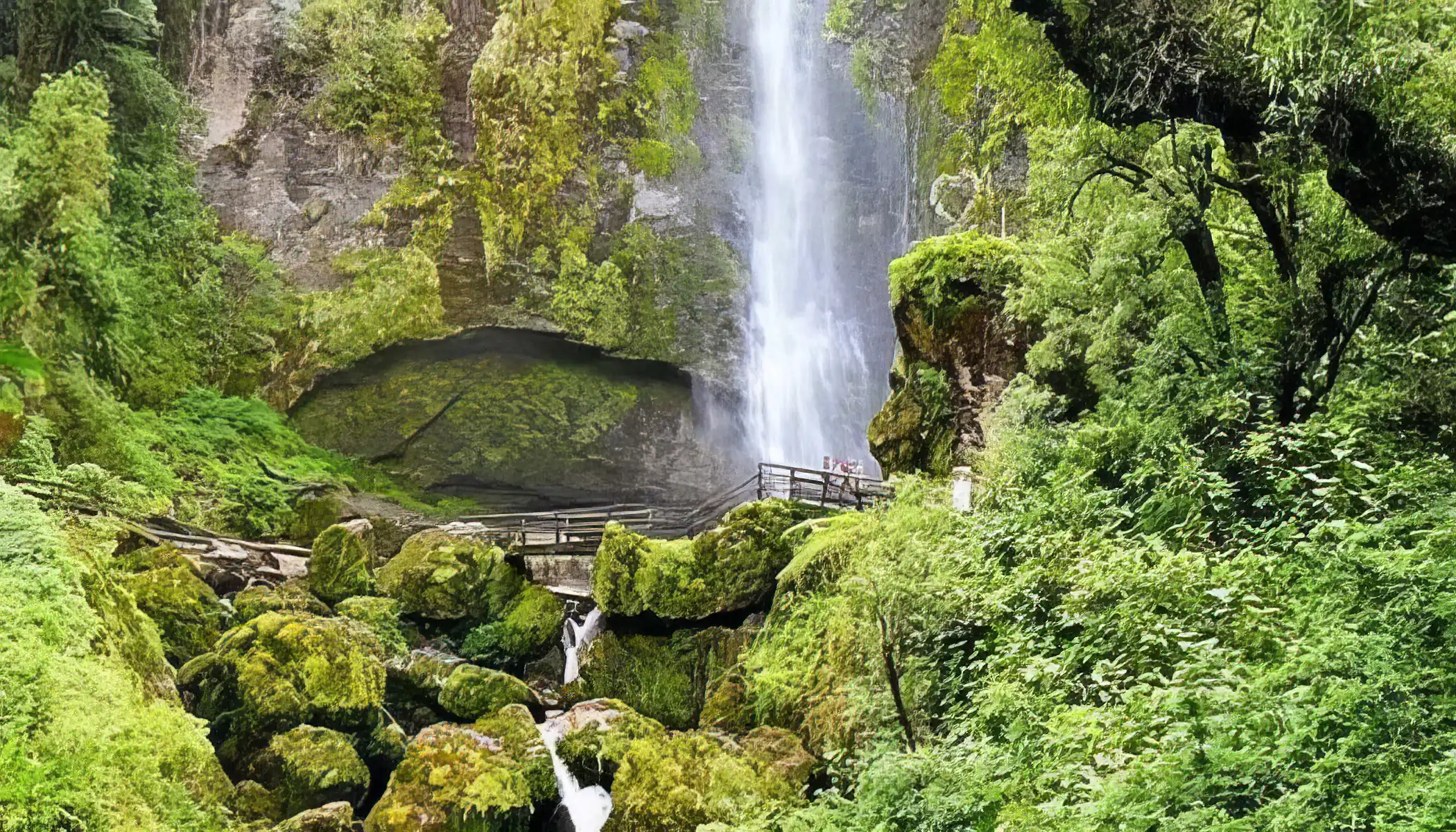
In Cuenca, travelers can explore historic streets, scenic viewpoints, and the nearby Cajas National Park for outdoor adventures.
– Traditional Panama Hat Tour: Visit local artisans to learn how Panama hats are handmade and their cultural significance.
– Cajas National Park Hiking: Explore nice landscapes, lakes, and diverse flora and fauna with multiple trails of varying difficulty.
– Inga Pirca Archeological Site: Discover ancient ruins and learn about Indigenous culture and history in the region.
– Cuenca’s Waterfalls Tour: Visit nearby waterfalls for scenic views and nature walks, ideal for photography and relaxation.
– Chocolateria Tour: Experience the chocolate-making process while sampling various types of local Ecuadorian chocolate.
Cuisine
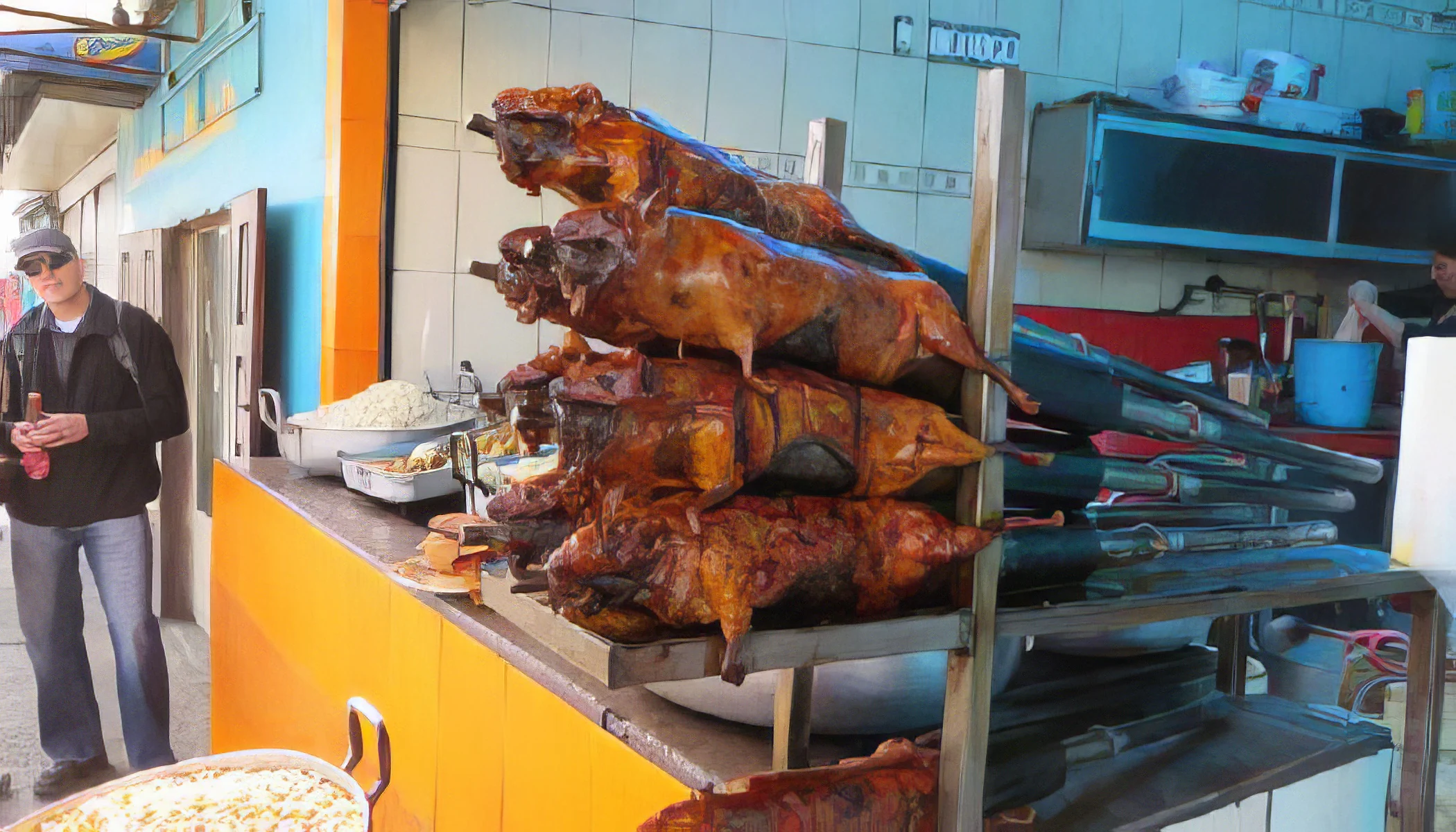
The city offers a blend of traditional Andean flavors with Spanish influences, showcasing diverse dishes and remarkable markets. Some of the city's most famous dishes include:
– Cuy: Roasted guinea pig, considered a delicacy, typically served whole with sides.
– Locro de Papa: Creamy potato soup with cheese, avocado, and sometimes corn.
– Llapingachos: Fried potato patties usually stuffed with cheese, often served with sausage.
– Mote Pillo: Hominy corn mixed with scrambled eggs and seasoned with spices.
– Fritada: Fried pork often served with corn, potatoes, and plantains.
– Espumillas: Meringue dessert similar to a fruit-flavored foam, often served in cones.
Shopping
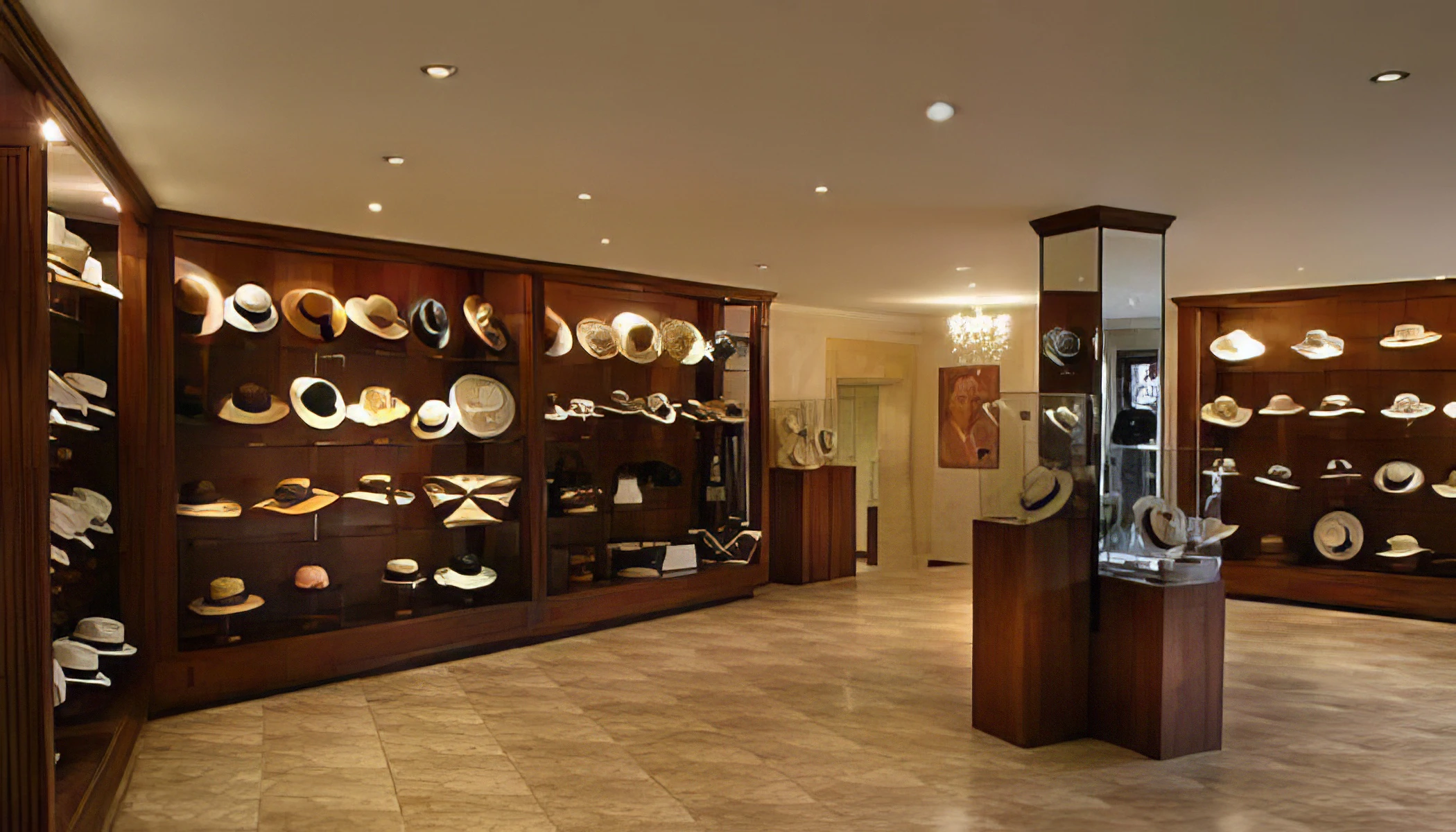
One interesting shopping experience is visiting local artisan markets. You can find handmade Panama hats, which are a recognized craft. Another popular item is colorful textiles, often made by local indigenous communities. Jewelry made from silver and unique materials is also available. These gifts reflect the region's culture and craftsmanship. They make authentic souvenirs for visitors.
Arts & Culture
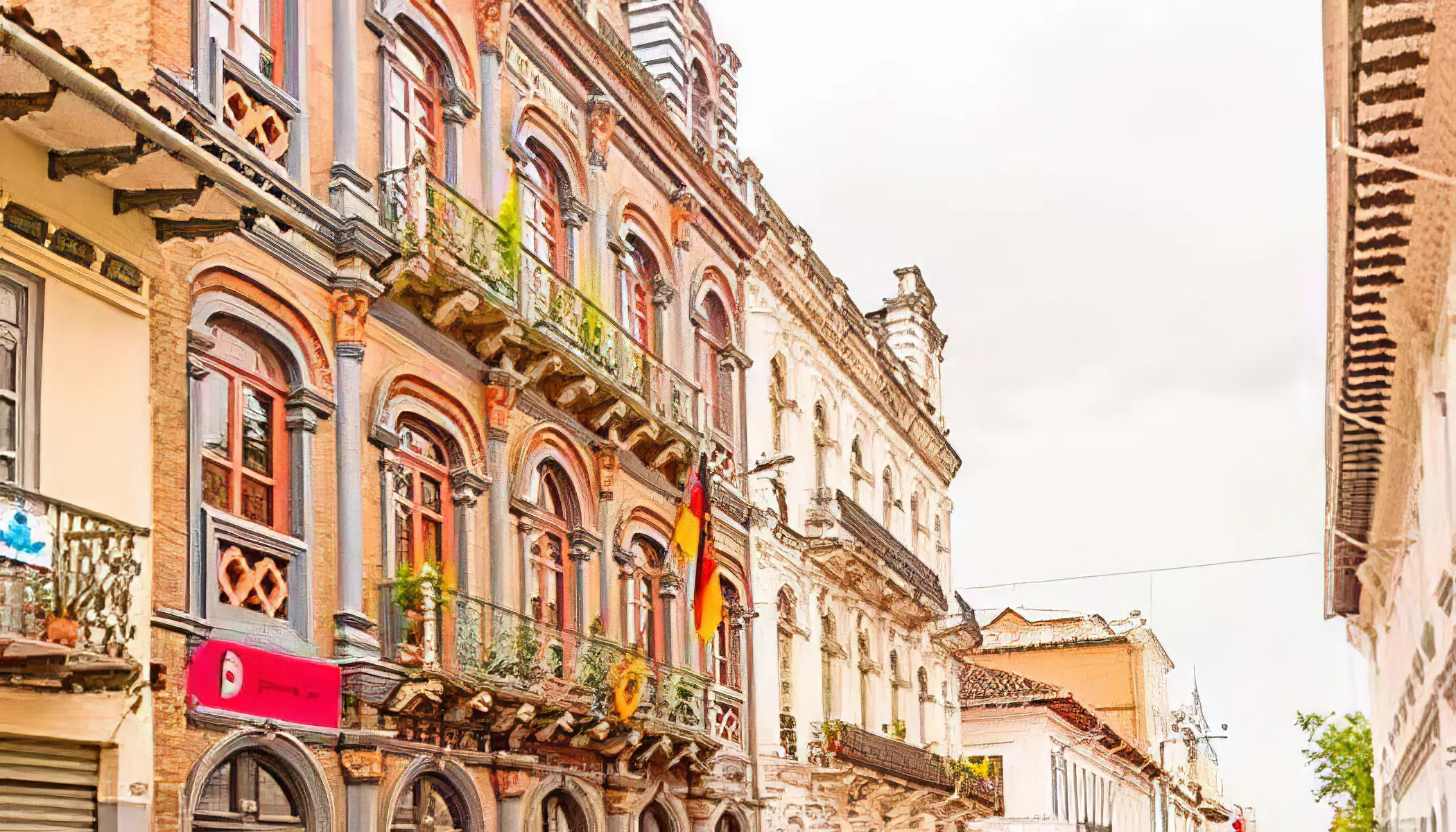
The city is known for its beautiful arts scene, particularly in textiles, with many local artisans creating nice handmade products. The annual Festival de las Flores y las Frutas celebrates local culture through parades and artistic displays, showcasing floral designs and fruit arrangements. Additionally, the local Cathedral and various museums highlight the region's colonial architecture and history through art exhibitions. Various theaters and galleries regularly host performances and art shows, contributing to the cultural landscape.