

Alexandria Travel Guide: Tourist Places & Activities
This Mediterranean city is known for its ancient history, pleasant culture, and significant landmarks like the Bibliotheca Alexandrina. It was an important center for trade and learning in antiquity, blending various influences from different civilizations.
- Population
- 5.5 millions
- Airport
- Borg El Arab – Int'l & 1 other
- Train Station
- Misr Station.
- Est. Visit Days
- 2 days
Overview
Alexandria, located on the Mediterranean coast of Egypt, is known for its rich history and cultural significance. Pros include its historical sites, like the Catacombs of Kom el Shoqafa and the Bibliotheca Alexandrina, which attract many tourists. The city also offers a energetic waterfront and local cuisine. However, cons include traffic congestion and pollution, which can be issues in urban areas. Overall, Alexandria provides a mix of cultural experiences but faces challenges typical of large cities.
Traffic & Transport
The city experiences heavy traffic, particularly during peak hours, so it’s advisable for tourists to plan their journeys accordingly. Public transport options include buses and trams that are economical but may be crowded. For a more comfortable experience, renting a bicycle or using a ride-hailing service can provide flexibility in navigating the city. Walking is also a great way to explore local areas, especially since many attractions are within walking distance of each other. Reliable taxi services include well-known companies that maintain high safety and service standards. Additionally, ride-hailing apps like Uber are available, providing a convenient option for tourists to book rides easily.
History
Founded in 331 BC by Alexander the Great, the city became a center of trade and culture in the ancient world. It was part of the Ptolemaic Kingdom, known for the famous Library and Lighthouse. The Romans took control in 30 BC, furthering its role as an important commercial hub. In the early Islamic period, the city transitioned as it became part of various Islamic empires. Over the centuries, it was influenced by different cultures, which shaped its diverse heritage.
Itinerary Sample
Explore Alexandria's rich history and coastal charm in this two-day itinerary.
– First day: Visit the Catacombs of Kom el Shoqafa, explore the Citadel of Qaitbay, and see the Alexandria Library. Enjoy a stroll along the Corniche.
– Second day: Tour the Roman Theater, visit the Montazah Palace gardens, and relax at Mamoura Beach. Discover local markets for souvenirs.
Near Excursion
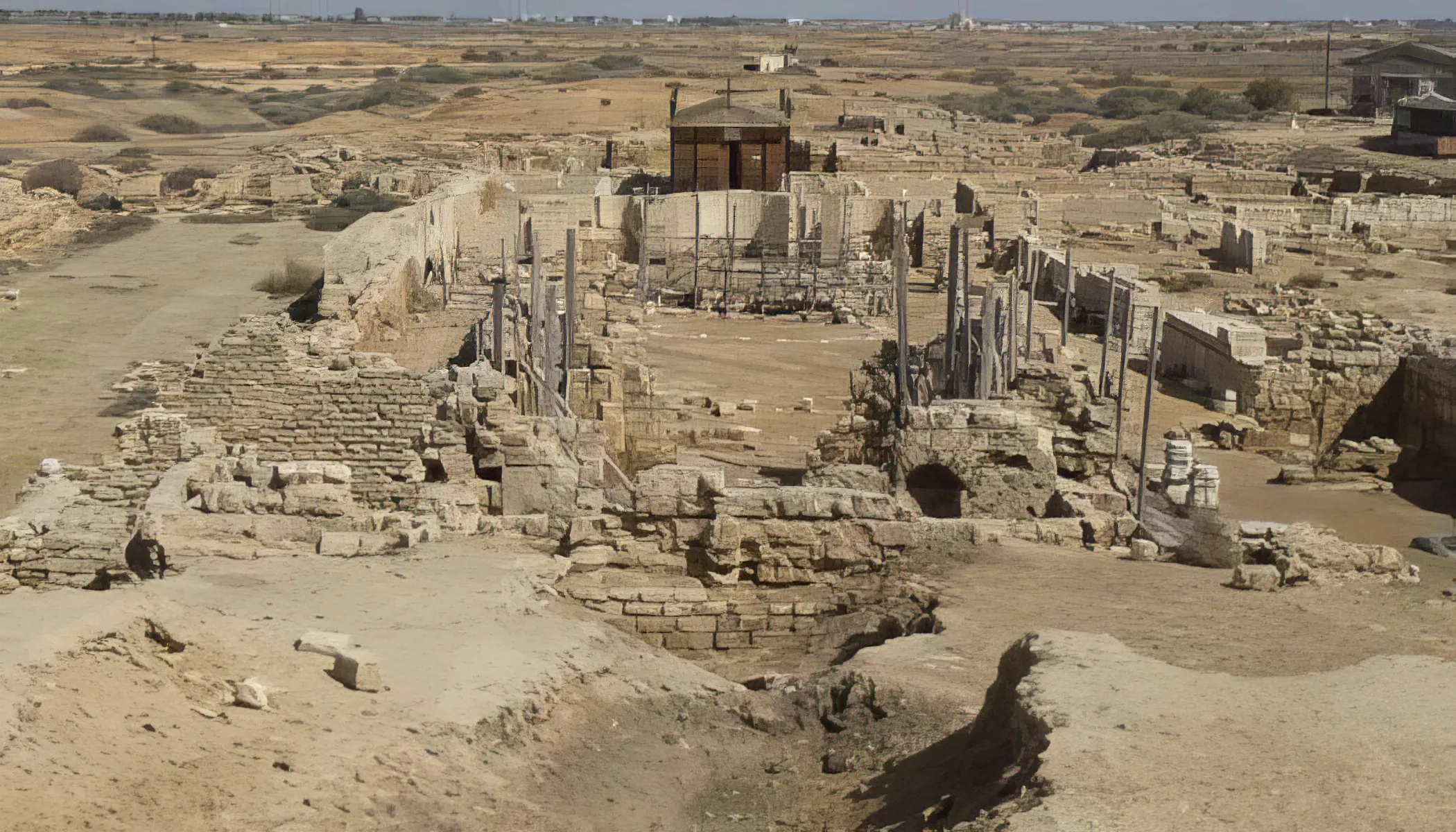
This city offers a variety of interesting day trips within a reasonable distance. Here are a few options:
– El Alamein at 106 km: A historical site famous for its World War II battle and military museum.
– Borg El Arab at 52 km: Features the impressive Borg El Arab Stadium and nearby beaches.
– Abu Mena at 45 km: An ancient Christian pilgrimage center with early Christian ruins.
– Rosetta at 65 km: Known for the Rosetta Stone, it offers Ottoman-era architecture and historic sites.
– Wadi El Natrun at 100 km: A desert area with ancient Coptic monasteries reflecting Egypt's Christian history.
Attraction
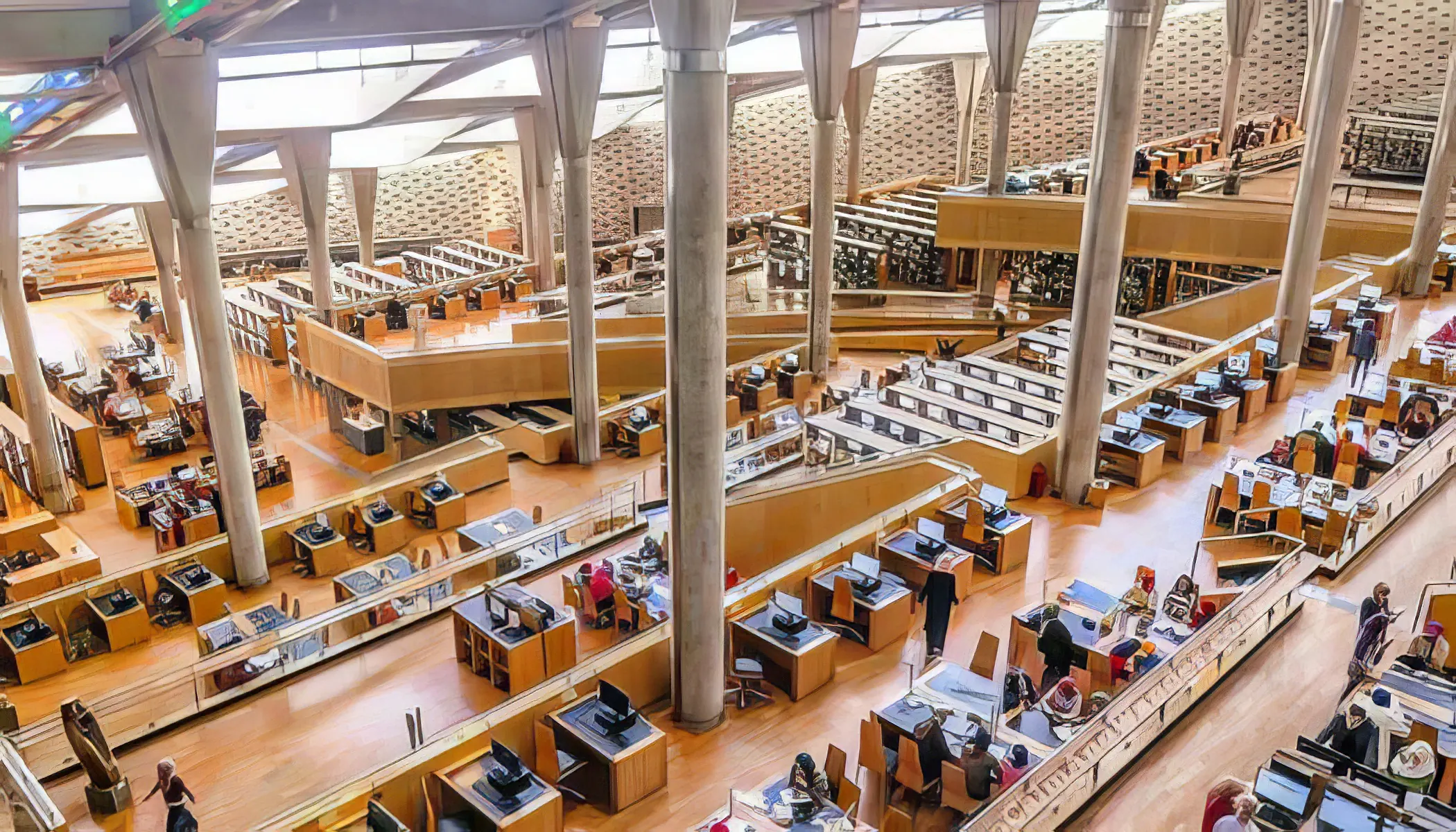
Known for its rich history and coastal views, this city offers a blend of ancient landmarks and Mediterranean charm.
– Bibliotheca: A modern library and cultural center that pays homage to the ancient library, offering a planetarium and museums.
– Catacombs of Kom El Shoqafa: An ancient underground necropolis blending Pharaonic, Greek, and Roman styles.
– Citadel of Qaitbay: A 15th-century fortress located on the Mediterranean coast, built on the site of the Lighthouse.
– Montaza Palace: A royal palace with extensive gardens, set along the Mediterranean, ideal for leisurely walks.
– Pompey's Pillar: A Roman triumphal column standing amidst ruins, significant as a historical landmark.
– Royal Jewelry Museum: Displays royal family treasures in a palace setting, offering insight into a bygone era.
Activity
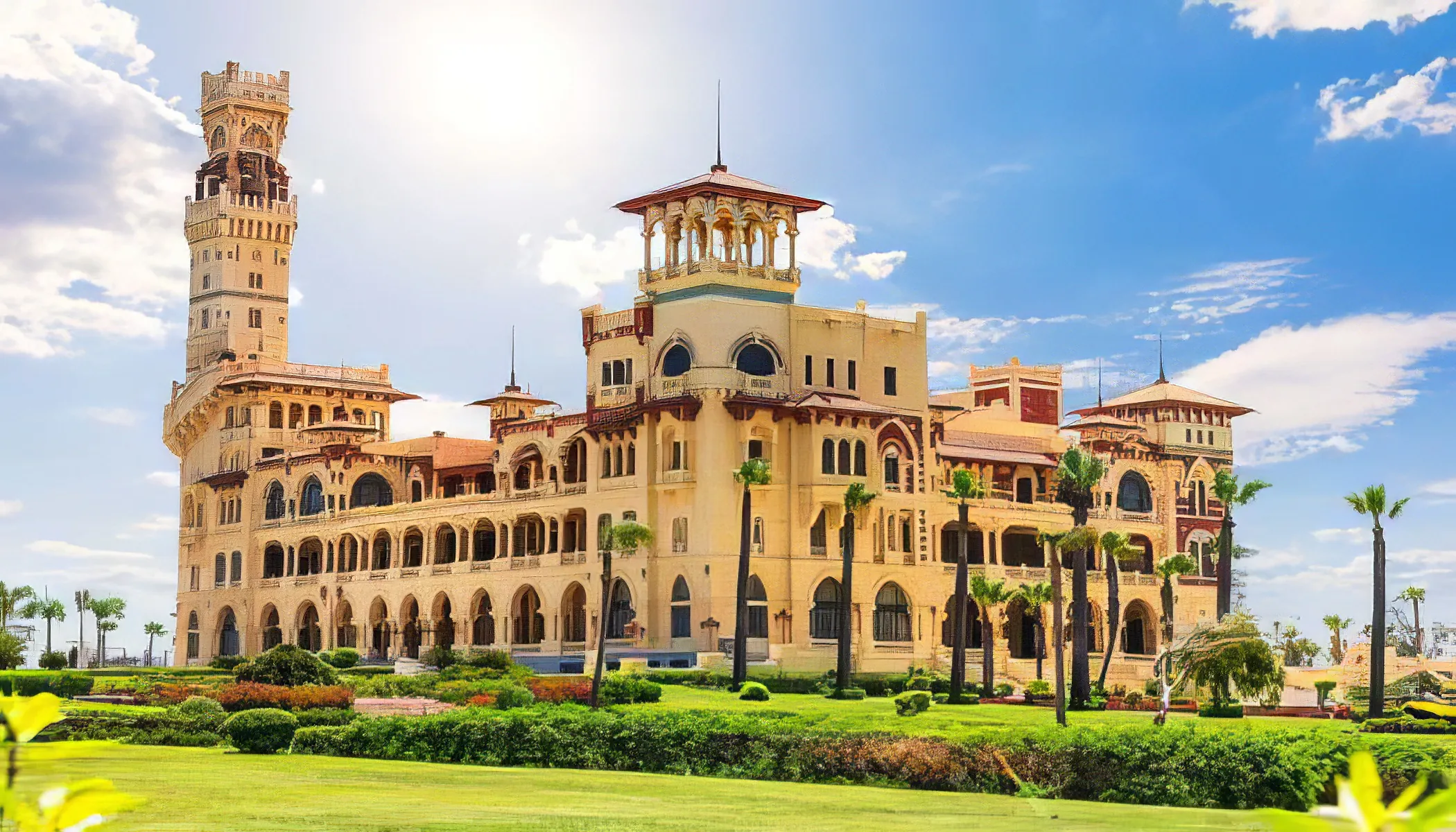
In Alexandria, travelers can explore historical sites, relax by the Mediterranean, and enjoy local cuisine and culture.
– Catacombs of Kom El Shoqafa: Ancient burial site with unique blend of Egyptian, Greek, and Roman architecture and art.
– Fort Qaitbey: 15th-century fortress offering views of the Mediterranean Sea and the lively harbor area.
– Alexandria Library Gardens: Peaceful gardens for relaxation, providing a natural escape in the city’s cultural hub.
– Montazah Palace Gardens: Beautiful landscaped grounds perfect for a leisurely walk or picnic near the sea.
– Alexandria Corniche: Scenic waterfront promenade ideal for strolling, enjoying sea views, and local street food.
Cuisine
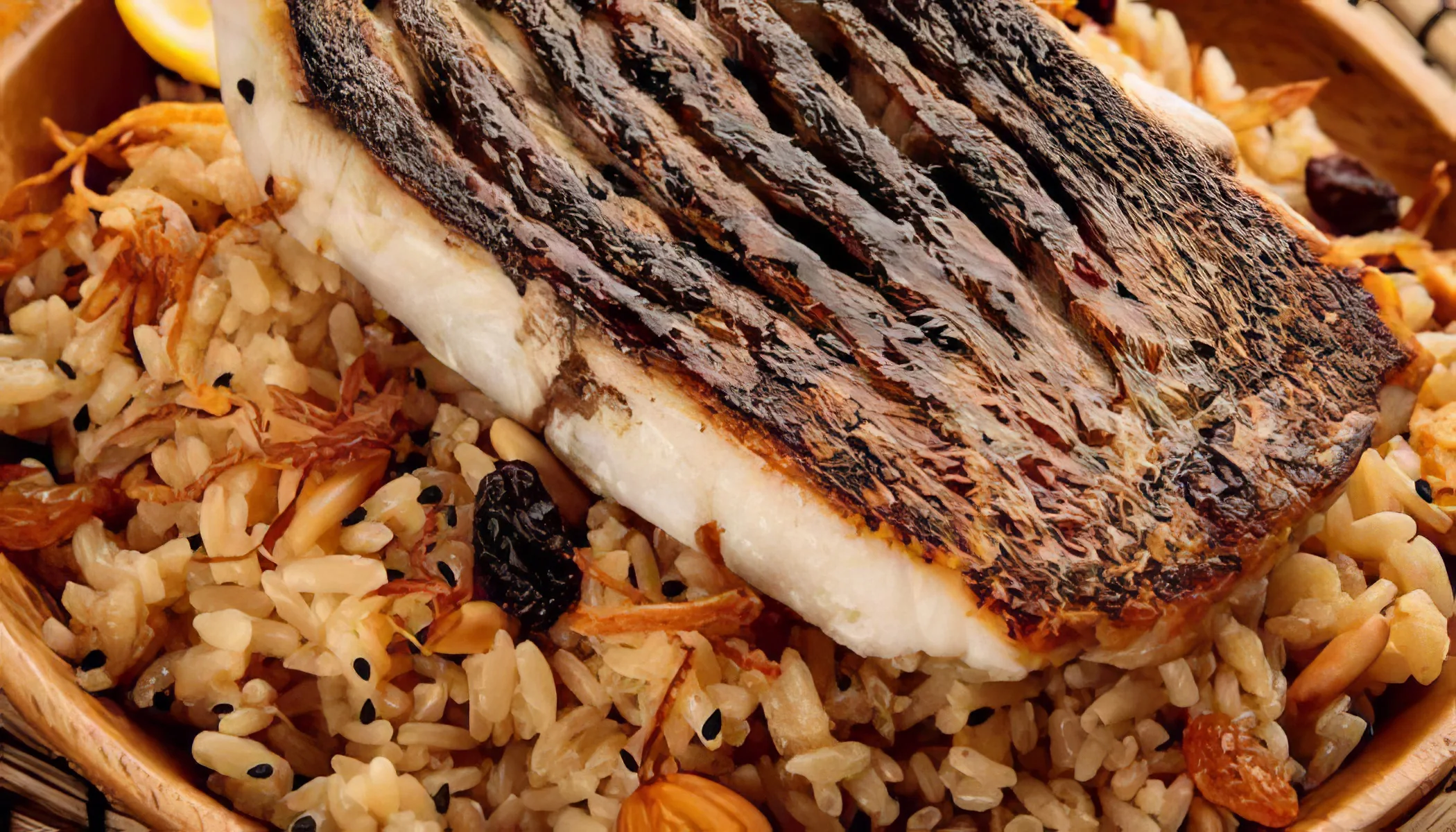
The city's food scene reflects its coastal location, offering an array of seafood dishes along with traditional Egyptian cuisine. Some of the most famous dishes include:
– Sayadieh: A flavorful fish and rice dish cooked with onions, spices, and served with tomato sauce.
– Feseekh: Salted and fermented fish, traditionally eaten during the festival of Sham El-Nessim.
– Kebda Eskandarani: Spicy fried liver seasoned with garlic, cumin, and chilies.
– Koshari: A mix of rice, lentils, pasta, chickpeas, topped with tomato sauce and crispy onions.
– Roz Bel Laban: Creamy rice pudding dessert, often flavored with vanilla or cinnamon.
Arts & Culture
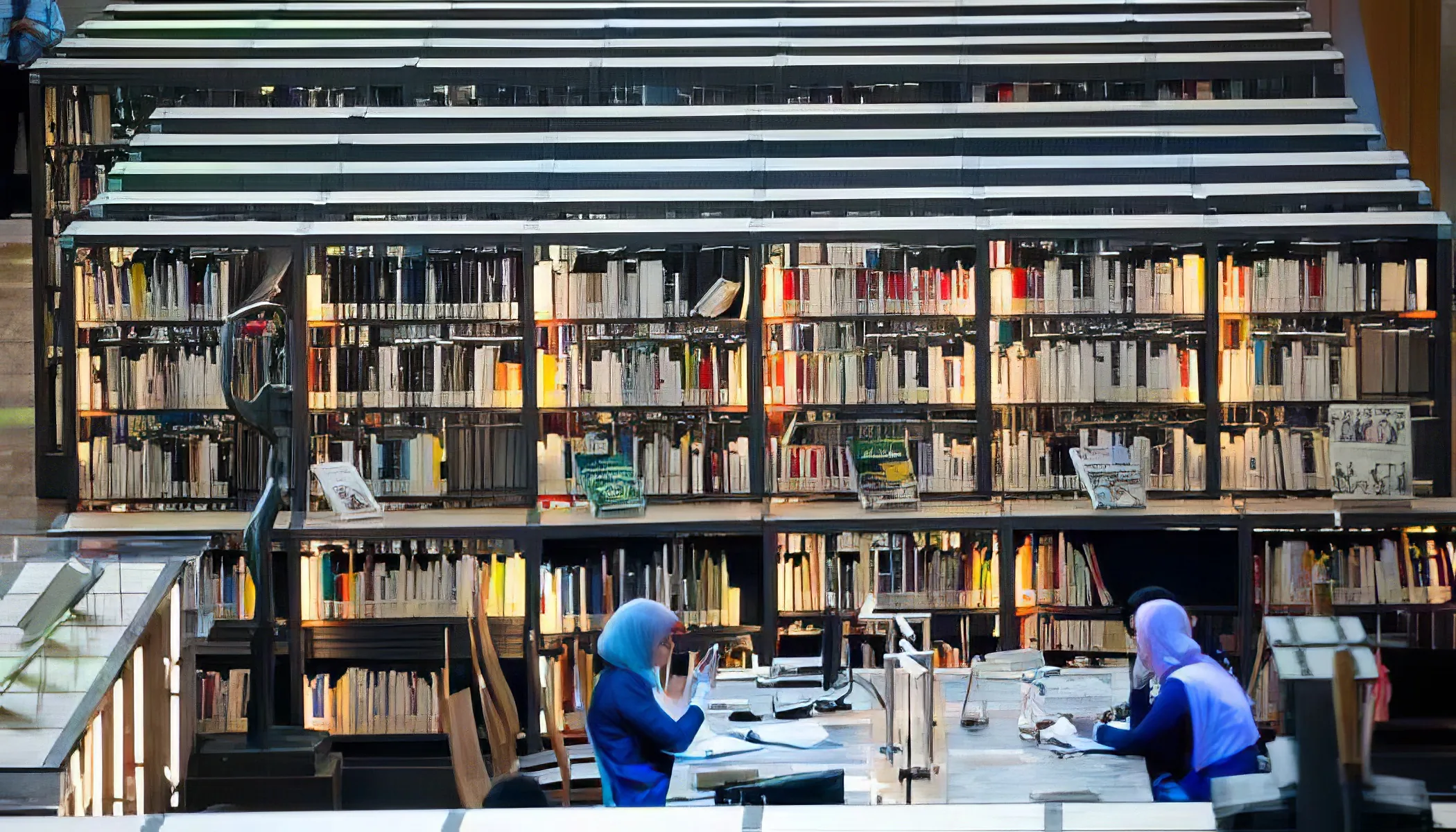
The Bibliotheca Alexandrina is a major cultural center that hosts various art exhibitions, literary events, and cultural festivals throughout the year. The city also features several theaters where traditional performances, including folk dances and music, are often showcased. The Alexandria International Film Festival is an annual event that celebrates Arab cinema and attracts filmmakers and audiences from across the region. Additionally, local galleries frequently exhibit contemporary art, providing insight into the current artistic trends in the area.