

Sightseeing in Esbjerg: Culture & Must‑See Spots
This coastal city is situated on the North Sea and is known for its port and offshore wind energy industry. It features a beach, art museums, and a famous monument of four white men overlooking the sea.
- Size
- 1 202 square km
- Airport
- Esbjerg – Int'l
- Train Station
- Esbjerg Station
- Est. Visit Days
- 2 days
Overview
Esbjerg is a city in southwestern Denmark, known for its port and wind energy industry. Pros include its strong economy, good transport links, and access to nature, including beaches and parks. The city also has a range of cultural activities and educational institutions. However, cons include a smaller population, which may limit entertainment and dining options compared to larger cities. Overall, Esbjerg is a practical choice for those interested in maritime industries and outdoor activities.
Traffic & Transport
The city is well-connected with public transport options including buses that efficiently cover various routes, making it easy for tourists to navigate and explore. Biking is also popular, with dedicated lanes and bike rentals available, allowing visitors to experience the city at a leisurely pace. Additionally, walking is a feasible option, especially in the central areas, where attractions are closely situated. For those who prefer more convenience, car rentals are accessible and provide flexibility in exploring surrounding areas. Reliable taxi companies operate in the city, like Taxa, which is well-regarded for its punctual service and availability. There are also taxi-booking apps available, making it easy for visitors to order rides directly from their smartphones.
History
The area has roots in the 19th century when it developed as a fishing village. In 1868, it was officially established as a town due to its strategic position for shipping. The North Sea trade boosted its growth, leading to significant economic development. The harbor construction in the early 20th century transformed it into an important shipping hub. Local culture reflects its maritime history, with events celebrating fishing and trade activities.
Itinerary Sample
Explore Esbjerg's attractions and enjoy the coastal experience with this 2-day itinerary.
– First day: Visit the Esbjerg Water Tower, explore the beach areas, and see the famous "Man Meets the Sea" sculptures. Enjoy local cuisine for dinner.
– Second day: Tour the Fisheries and Maritime Museum, take a stroll through Esbjerg's city center, and enjoy some shopping. Visit the nearby town of Ribe if time permits.
Near Excursion
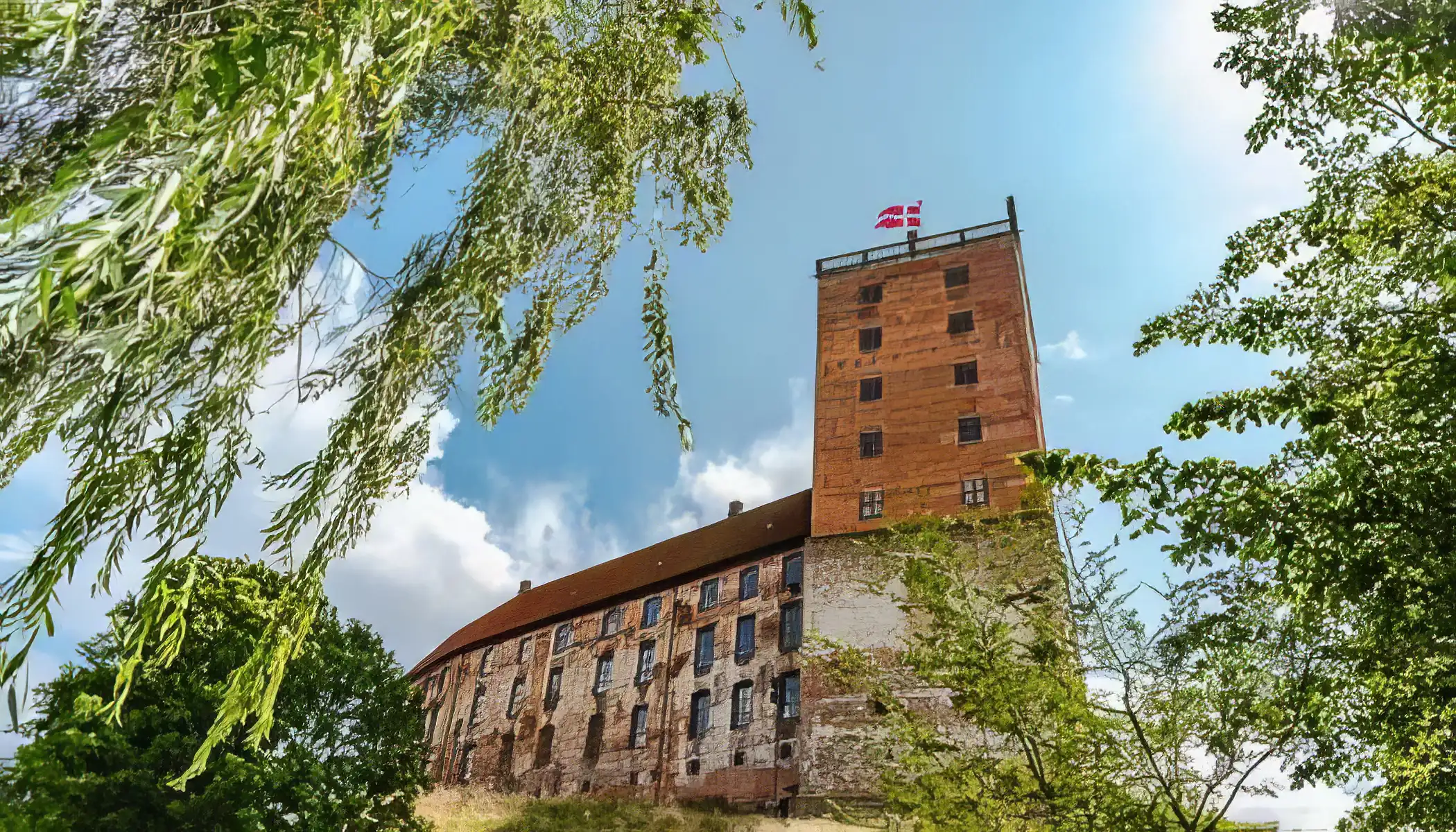
This city serves as a convenient base for exploring nearby attractions. Consider these day trips:
– Ribe at 32 km: Denmark's oldest town, offering charming medieval streets and a Viking history museum.
– Fanø Island at 12 km (plus ferry ride): Known for sandy beaches and quaint villages, accessible via a short ferry trip.
– Kolding at 75 km: Visit the historic Koldinghus Castle and the contemporary Trapholt Museum.
– Legoland Billund at 62 km: Popular amusement park with themed zones and rides for all ages.
– Vejle Fjord at 75 km: Picturesque fjord ideal for hiking, cycling, and exploring the harbor village.
Attraction
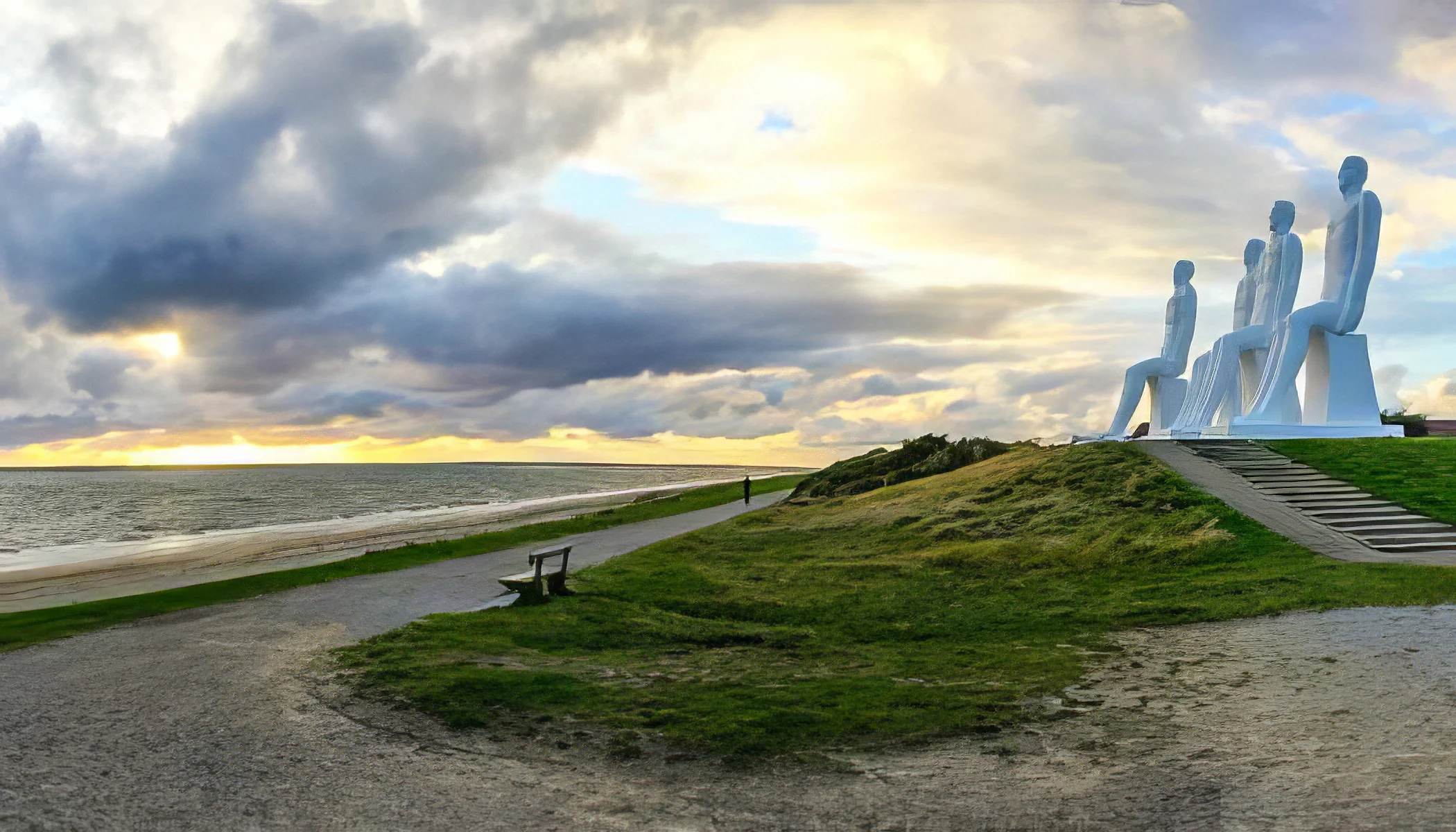
Esbjerg is known for its maritime activities and offers a variety of cultural and natural attractions.
– Men at Sea: Iconic 9-meter tall sculptures symbolizing humans interacting with nature, located by the waterfront.
– Fisheries and Maritime Museum: Offers exhibits on marine life, local history, and North Sea fishing industry.
– Wadden Sea National Park: UNESCO World Heritage site with rich biodiversity, offering guided walks and birdwatching opportunities.
– Esbjerg Art Museum: Features contemporary and modern art in an ever-evolving collection and exhibition program.
– Water Tower: Provides panoramic views of the city and surrounding landscapes from its viewing platform.
– Fanø Island: Easily accessible by ferry, known for sandy beaches, cycling trails, and charming villages.
Activity
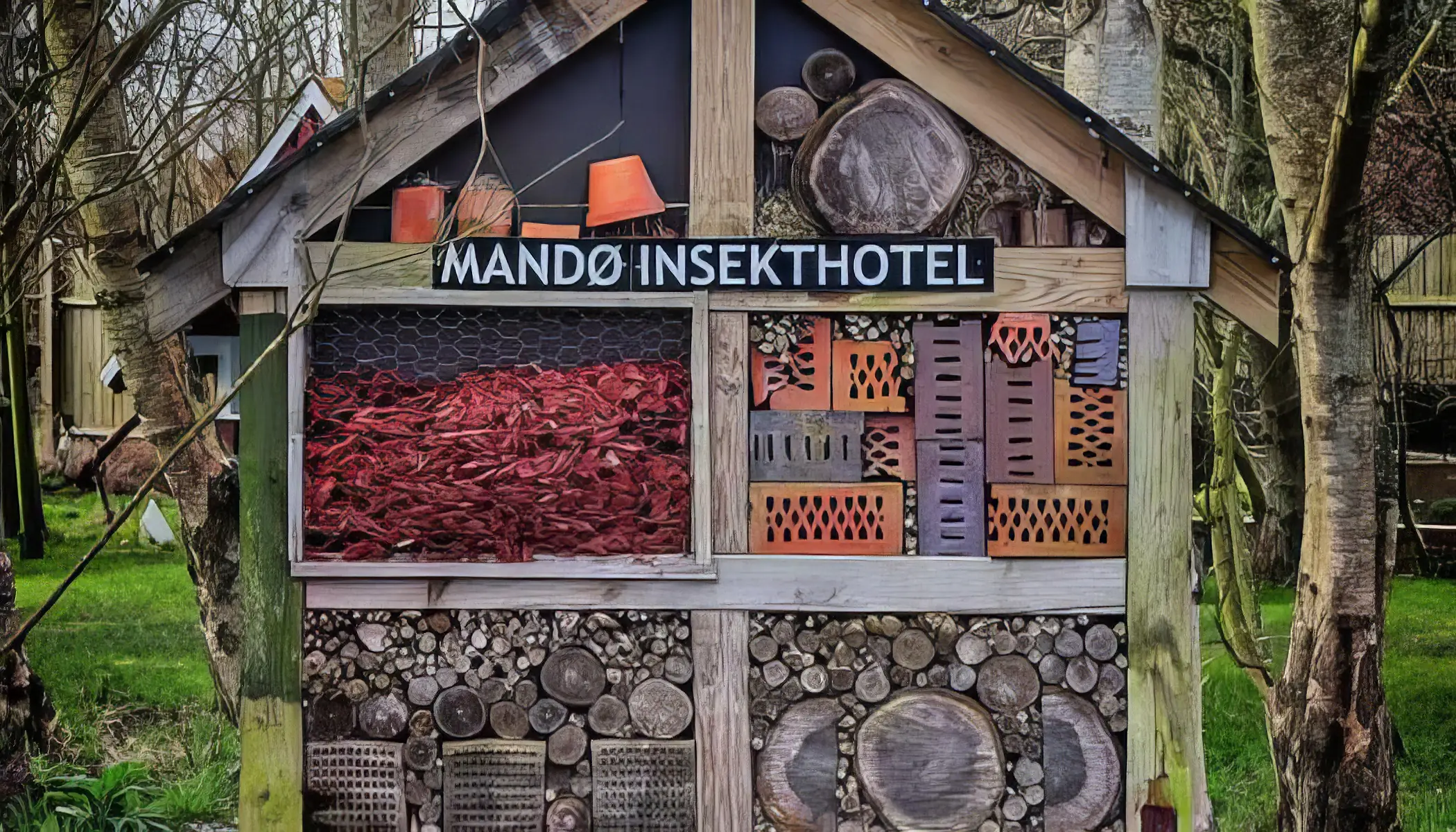
In Esbjerg, travelers can explore coastal scenery, enjoy outdoor activities, and experience local culture along the waterfront.
– Blåvand Coast: Walk along remarkable white sand beaches with dunes and experience the natural landscape of the Danish west coastline.
– Ribe Viking Center: Engage in the history of Vikings through live displays and activities in a reconstructed Viking village.
– Esbjerg Wind Farm: Take a guided tour of one of the largest offshore wind farms and learn about renewable energy.
– Mandoe Island: Discover beautiful nature trails, birdwatching, and seal watching opportunities in this harmonious island setting.
– Fish Market: Visit the local fish market to taste fresh seafood and experience local fishing culture.
Shopping
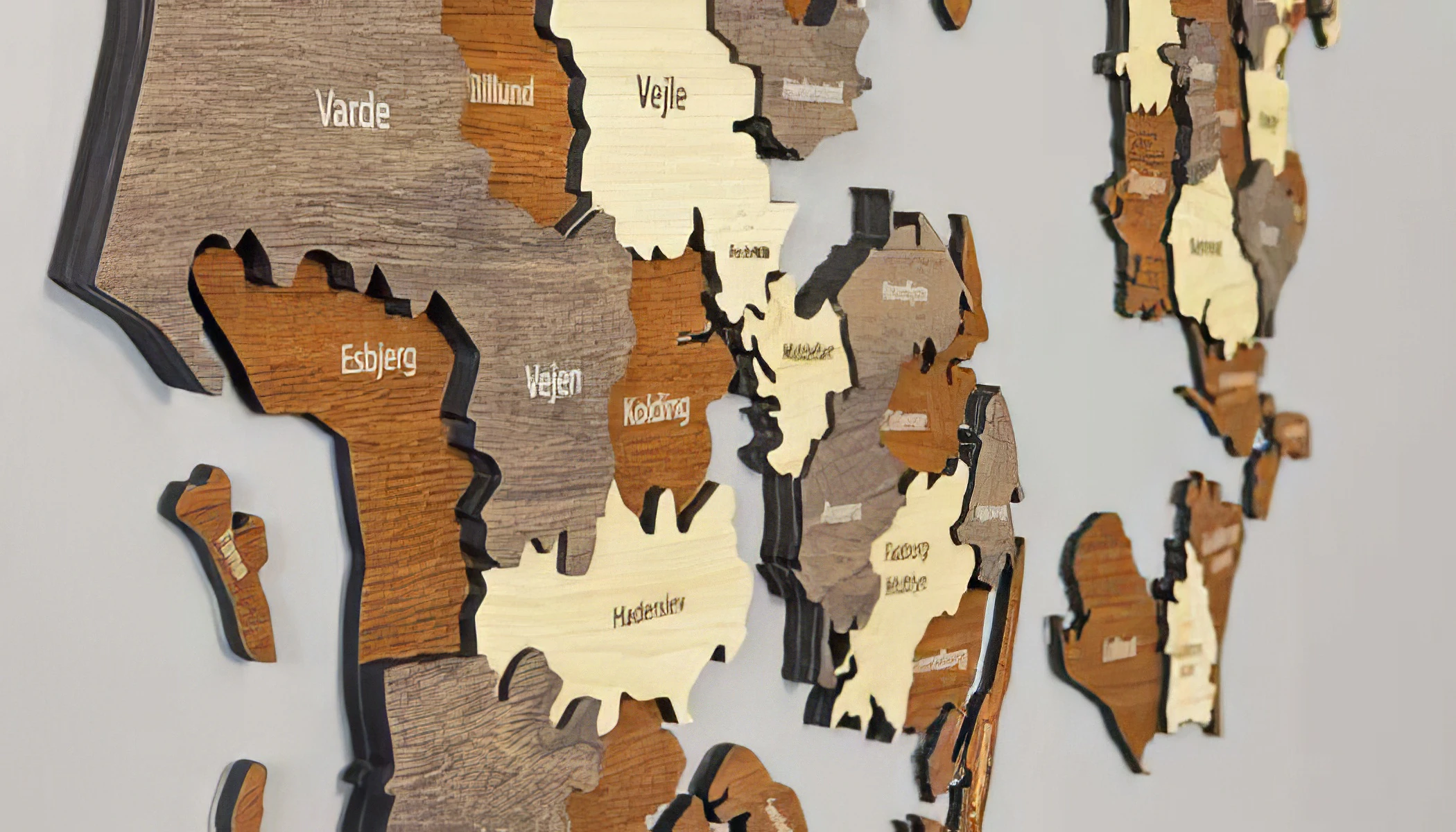
There are several shops offering local goods, such as pottery and textiles. You can find design items and souvenirs at the local market. A popular gift option is Danish design homewares. Another choice is local food products, like honey or jam. You can also consider unique jewelry made by local artisans. Overall, there are interesting items to purchase for gifts.
Arts & Culture
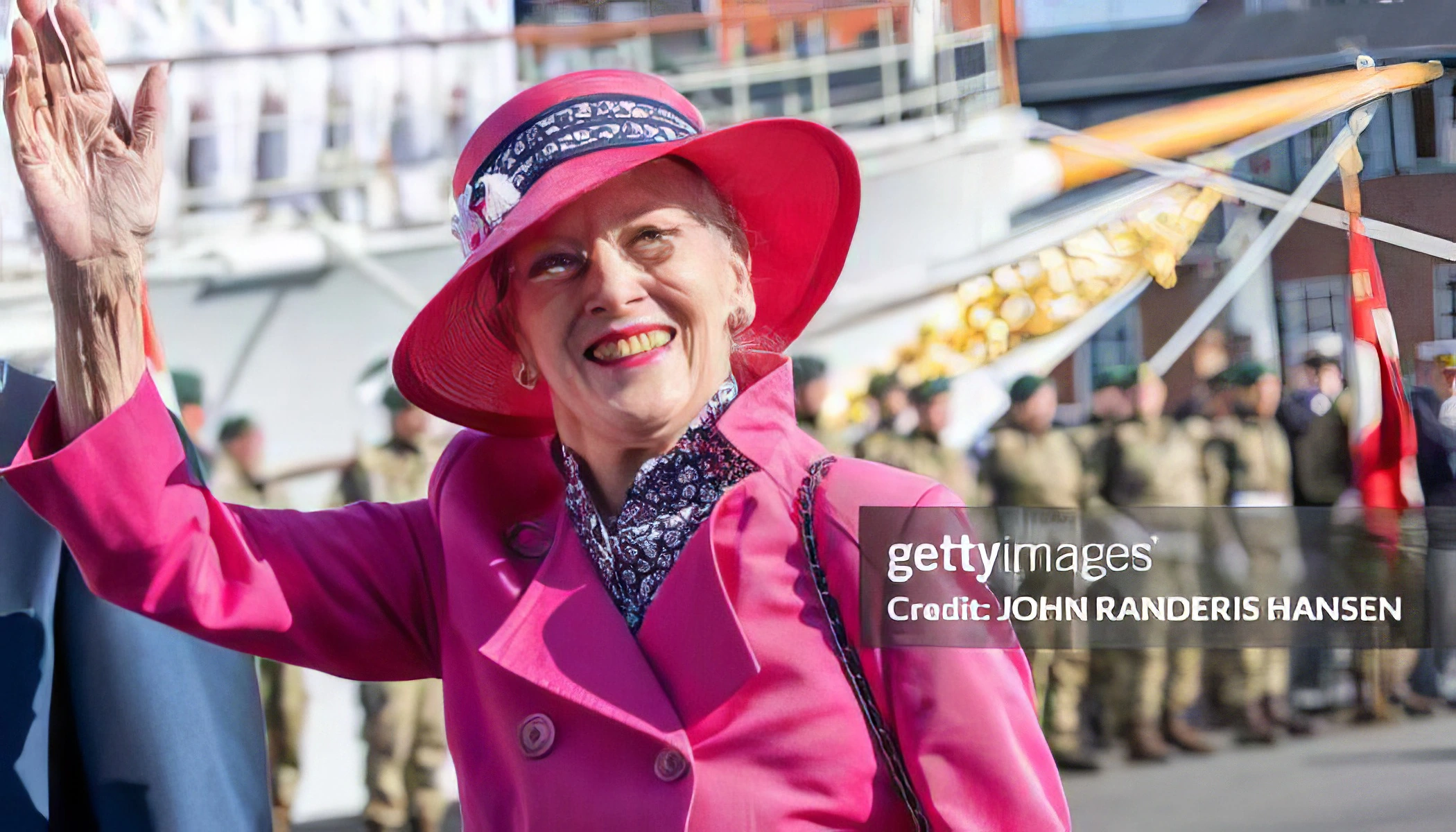
The city hosts the annual Esbjerg Festuge, a cultural festival featuring music, theater, and art exhibitions. The Art Museum offers a range of contemporary and modern art pieces, showcasing both local and international artists. Additionally, there are frequent performances at the Musikhuset, which presents concerts and various artistic events throughout the year. There is also a focus on public art with installations scattered around the city.