

Essaouira Travel Guide: Tourist Places & Activities
This coastal city features historic medina walls, a animated arts scene, and a vibrant harbor. Known for its windsurfing and relaxed atmosphere, it attracts visitors seeking culture, history, and scenic ocean views. It is a UNESCO World Heritage site.
- Airport
- Essaouira-Mogador – Int'l.
- Est. Visit Days
- 2 days
Overview
Essaouira is a coastal city in Morocco known for its historic medina and fishing port. One of the pros is its relaxed atmosphere, making it a pleasant place to explore. The city also offers beautiful beaches and a dynamic arts scene. However, some cons include strong winds that can affect outdoor activities and limited nightlife options. Overall, Essaouira is a good destination for those seeking culture and tranquility by the sea.
Traffic & Transport
The city is best explored on foot due to its compact size and pedestrian-friendly streets, especially in the medina where cars cannot enter. Bicycles are also a popular option, with rental services available that allow tourists to enjoy the coastal views at their own pace. For those looking for a more relaxed experience, horse-drawn carriages offer a unique way to navigate the charming streets. Public transportation is limited, but local buses can connect you to nearby areas. For taxi services, there are several reliable companies operating in the area, including local taxis that can be hailed on the street or booked in advance. Currently, there are no widely used taxi-booking apps specific to this location, making traditional methods the most common approach for getting around.
History
This coastal city was established in the 18th century and became an important port for trade. It was influenced by various cultures, including Berber, Portuguese, and French. The city played a role in the transatlantic trade, especially in the export of goods like sugar and textiles. In the 19th century, it faced conflicts due to colonial interests but remained a key commercial center. The architecture reflects its diverse historical influences, showcasing a blend of styles from different periods.
Itinerary Sample
Explore Essaouira's coastal charm and historical sites in this 2-day itinerary.
– First day: Visit the medina, walk along the ramparts, explore local markets, and enjoy fresh seafood at a harbor restaurant.
– Second day: Discover the Skala de la Ville, visit local art galleries, relax on the beach, and take a sunset camel ride.
Near Excursion
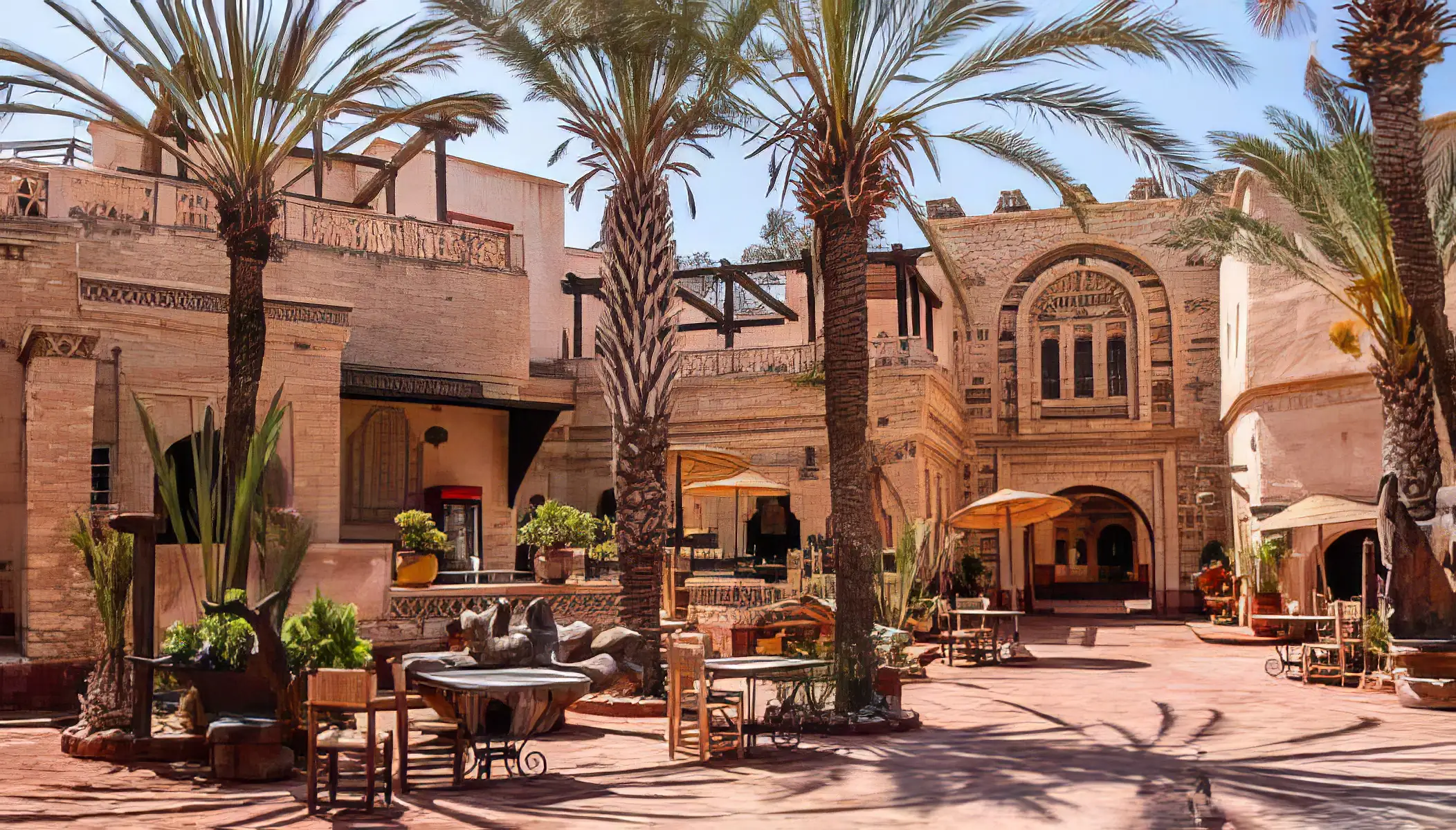
This city offers easy access to several interesting day-trip destinations. Here are a few options:
– Sidi Kaouki at 25 km: A quiet beach village known for its surfing spots and relaxed atmosphere.
– Moulay Bouzerktoun at 30 km: A small fishing village popular for windsurfing and kitesurfing activities.
– Agadir at 150 km: A lively city with sandy beaches, a pleasant souk, and a hilltop Kasbah.
– Safi at 120 km: Known for its pottery, historic sites, and the impressive Kechla fortress.
– Ounara Vineyard at 30 km: Offers wine tastings and tours in a beautiful countryside setting.
Attraction
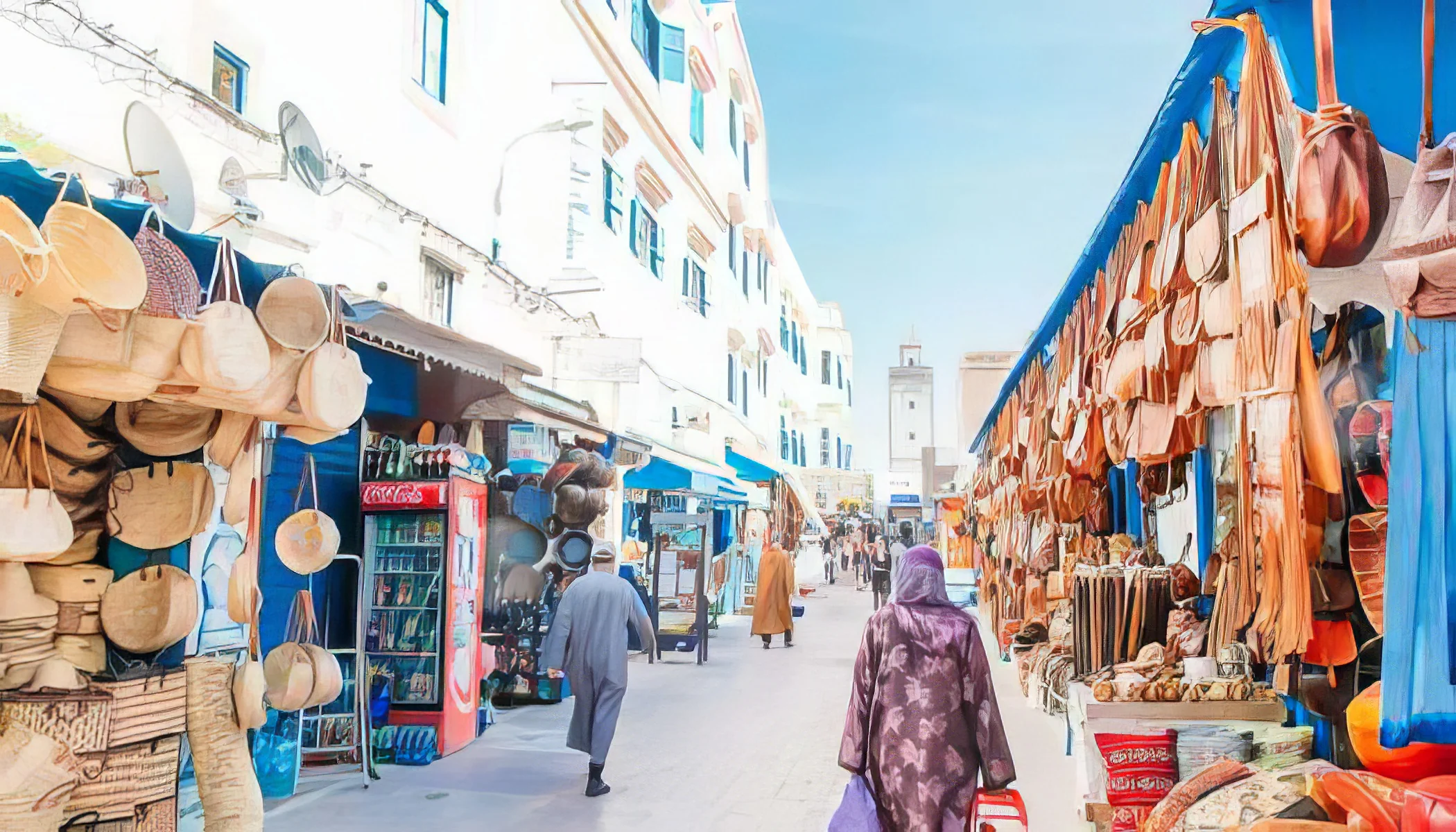
The city offers a blend of historical sites, beautiful culture, and scenic coastal views.
– Medina: Explore this UNESCO World Heritage site with its narrow streets, nice markets, and traditional architecture.
– Skala de la Ville: Walk along the historic sea bastion offering panoramic views of the Atlantic Ocean and old cannons.
– Moulay Hassan Square: Visit this lively square filled with cafes, shops, and opportunities to experience local life.
– Essaouira Beach: Relax or enjoy water sports on this long sandy beach known for windsurfing and kitesurfing.
– Essaouira Citadel: Discover this historic fortress that once protected the city from invasions by sea.
– Jewish Quarter (Mellah): Stroll through an area reflecting the city's multicultural history with its unique atmosphere.
Activity
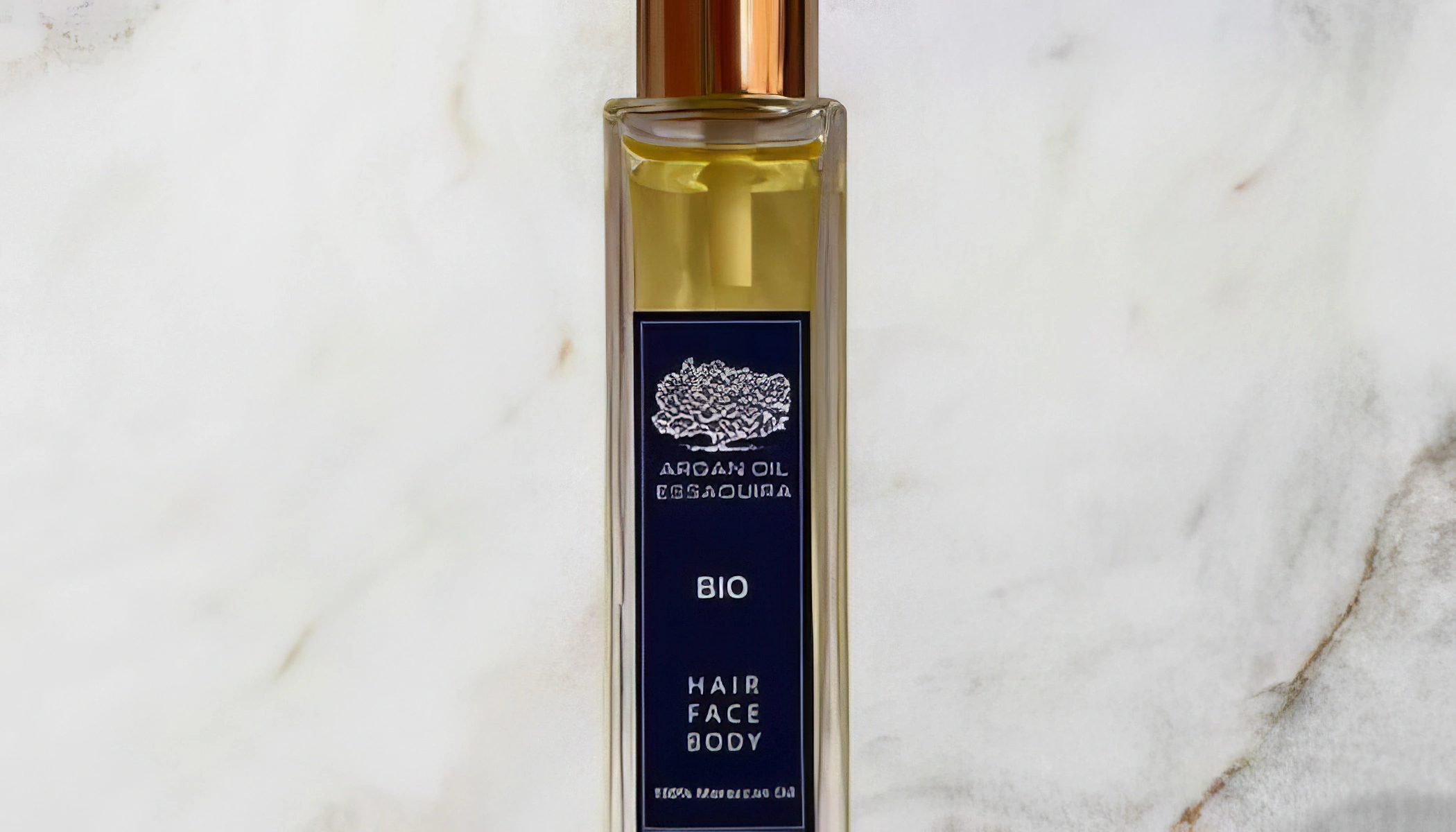
In Essaouira, travelers can enjoy the coastal scenery, local markets, and various cultural experiences throughout the city.
– Kite Surfing: Experience the wind and waves with kite surfing lessons along Essaouira's beaches.
– Horse Riding: Explore the surrounding landscapes on horseback, including beach rides and countryside trails.
– Fishing Trip: Join a local fisherman for a day at sea, catching fresh fish and learning traditional methods.
– Argan Oil Workshop: Participate in a workshop to learn about argan oil production and its uses in daily life.
– Gnaoua Music Festival: Attend this annual festival celebrating traditional Gnaoua music with performances from local and international artists.
Cuisine
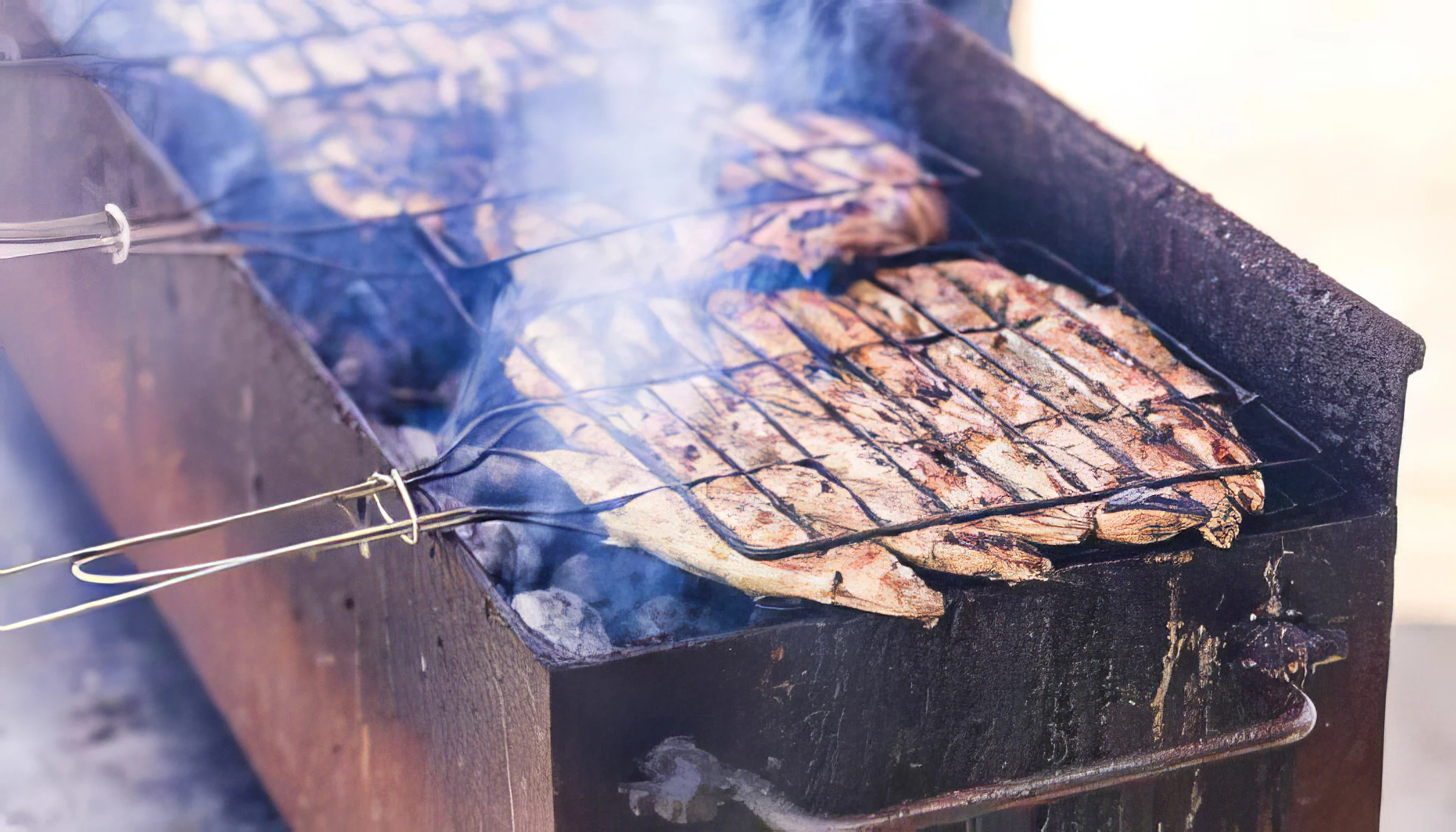
The coastal city offers a seafood-rich culinary scene, influenced by Berber and Arab traditions, with lively spices and fresh ingredients. Some of the city's most famous dishes include:
– Grilled Sardines: Freshly caught sardines seasoned with local spices and grilled.
– Tagine: Slow-cooked stew made with meat or fish, vegetables, and aromatic spices.
– Harira Soup: Traditional soup with tomatoes, lentils, chickpeas, and fresh herbs.
– Couscous: Steamed semolina grains served with vegetables and meats in rich sauce.
– Pastilla: Savory-sweet pie filled with spiced meat or seafood and topped with sugar.
Shopping
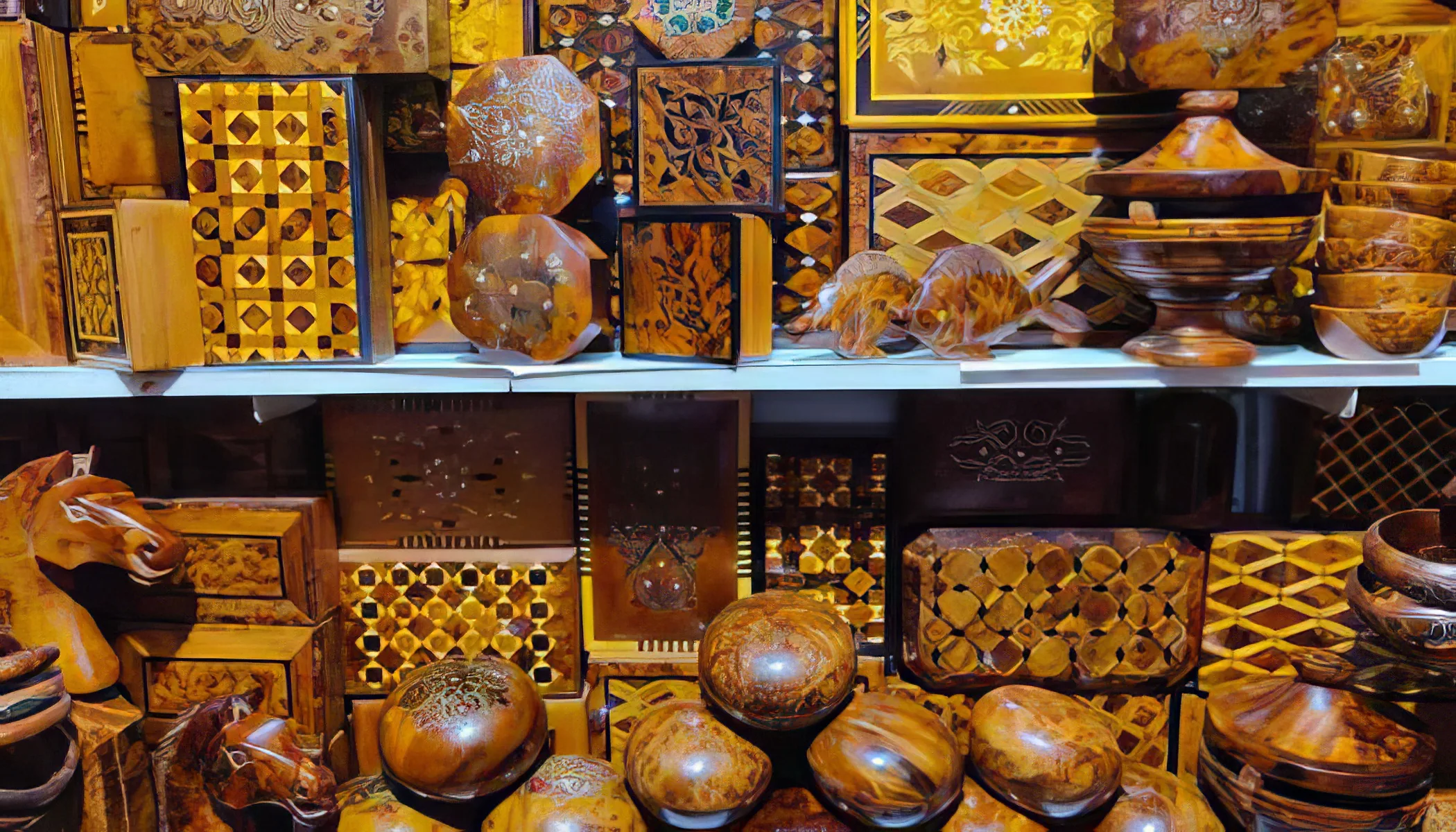
You can find unique handicrafts, such as hand-painted ceramics and traditional textiles. Leather goods, especially bags and slippers, are popular purchases. Local artisans offer beautiful wooden items, including inlaid boxes and furniture. Spices and argan oil make great gifts to take home. Souvenirs like jewelry made from silver or semi-precious stones are also available. The local markets provide a beautiful shopping experience.
Arts & Culture
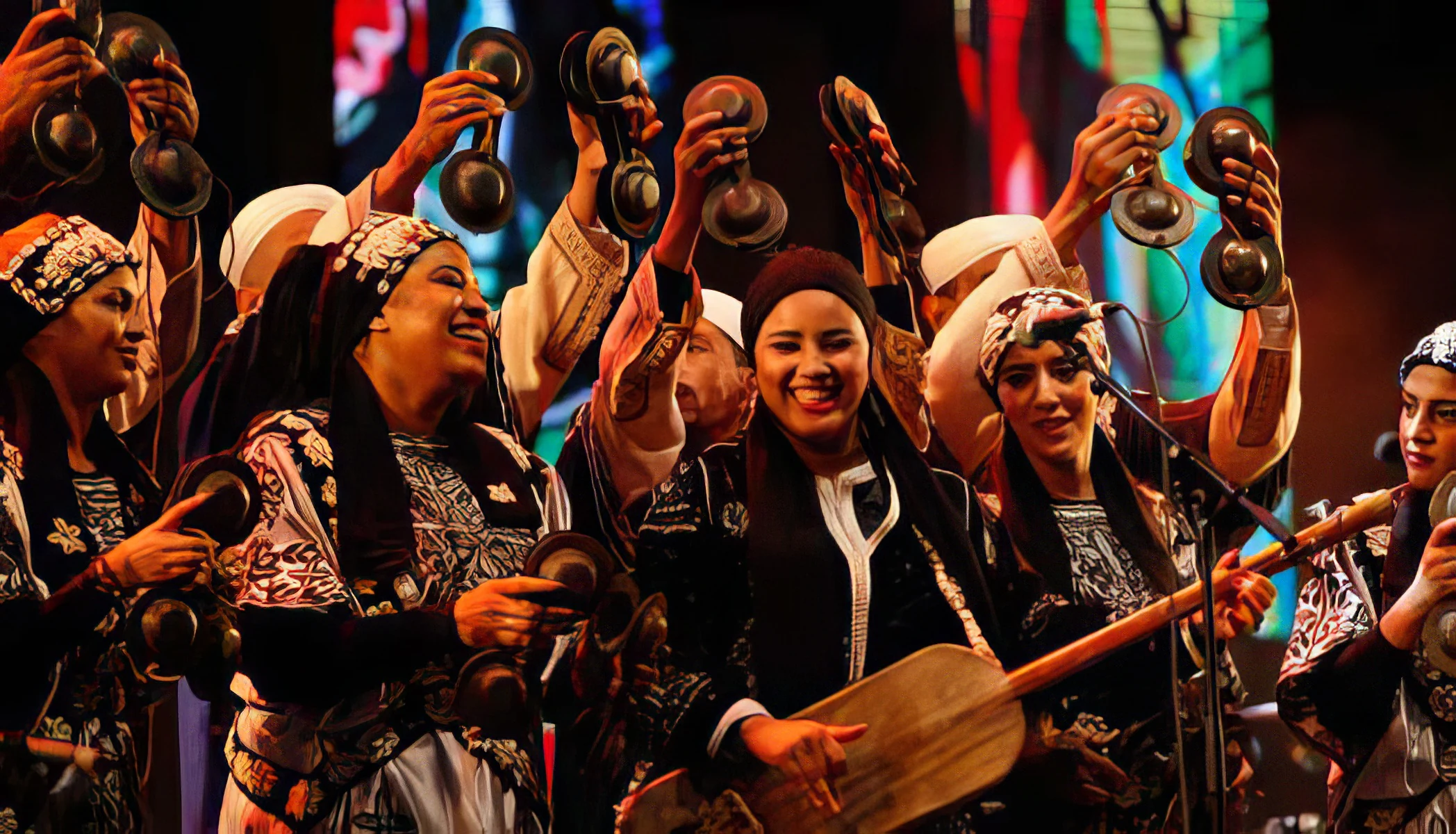
The city is known for its annual Gnaoua World Music Festival, which celebrates traditional Gnaoua music and attracts international artists. It also hosts numerous art galleries showcasing local and contemporary Moroccan art. The cultural scene includes regular exhibitions and workshops that highlight the region's craftsmanship, particularly in woodwork and textiles. Additionally, there are traditional music performances that take place in various venues throughout the year.