

Sightseeing in Évora: Culture & Must‑See Spots
This city is known for its well-preserved Roman temple and medieval architecture. It features a rich history, with influences from various cultures, and is recognized as a UNESCO World Heritage site. The area is also noted for its wine production.
- Size
- 1 307 square km
- Airport
- Évora has no airport; Beja at 56 km – Int'l.
- Train Station
- Estação de Évora.
- Est. Visit Days
- 2 days
Overview
Évora is a historic city in Portugal known for its well-preserved architecture and rich cultural heritage. Pros include its UNESCO World Heritage status, lively local markets, and numerous historical sites like the Roman Temple and the Cathedral of Évora. However, some cons are its relatively small size, which may limit nightlife and entertainment options, and the hot summer temperatures that can be uncomfortable for visitors. Overall, Évora offers a unique experience for those interested in history and culture.
Traffic & Transport
The city is best explored on foot due to its compact size and pedestrian-friendly streets, allowing visitors to enjoy the historical architecture and beautiful atmosphere. Bicycles are also a popular option, with rental services available for those who prefer cycling. Public buses connect key areas, but they may not be as convenient for tourists wanting to see the main attractions. For a more leisurely experience, some visitors opt for guided tours that include transportation. Reliable taxi companies operate in the area, providing convenient options for getting around. Additionally, popular taxi-booking apps can be used to hail rides easily and efficiently.
History
This city was founded by the Romans in the 1st century BC and became an important administrative center. During the Middle Ages, it was a key location for the Portuguese monarchy and saw significant trade. The city played a role in various conflicts, including those during the Reconquista when Christian forces sought to reclaim territory from Muslim rule. In the 16th century, it became a center for Jesuit education and religious influence. Its historical architecture reflects these diverse cultural influences and periods of prosperity.
Itinerary Sample
Explore Évora with this concise two-day itinerary.
– First day: Visit the Roman Temple, explore the Évora Cathedral, and stroll through the historic center. Enjoy local cuisine for dinner at a traditional restaurant.
– Second day: Tour the Chapel of Bones, visit the University of Évora, and relax in Giraldo Square. End with a wine tasting at a nearby vineyard.
Near Excursion
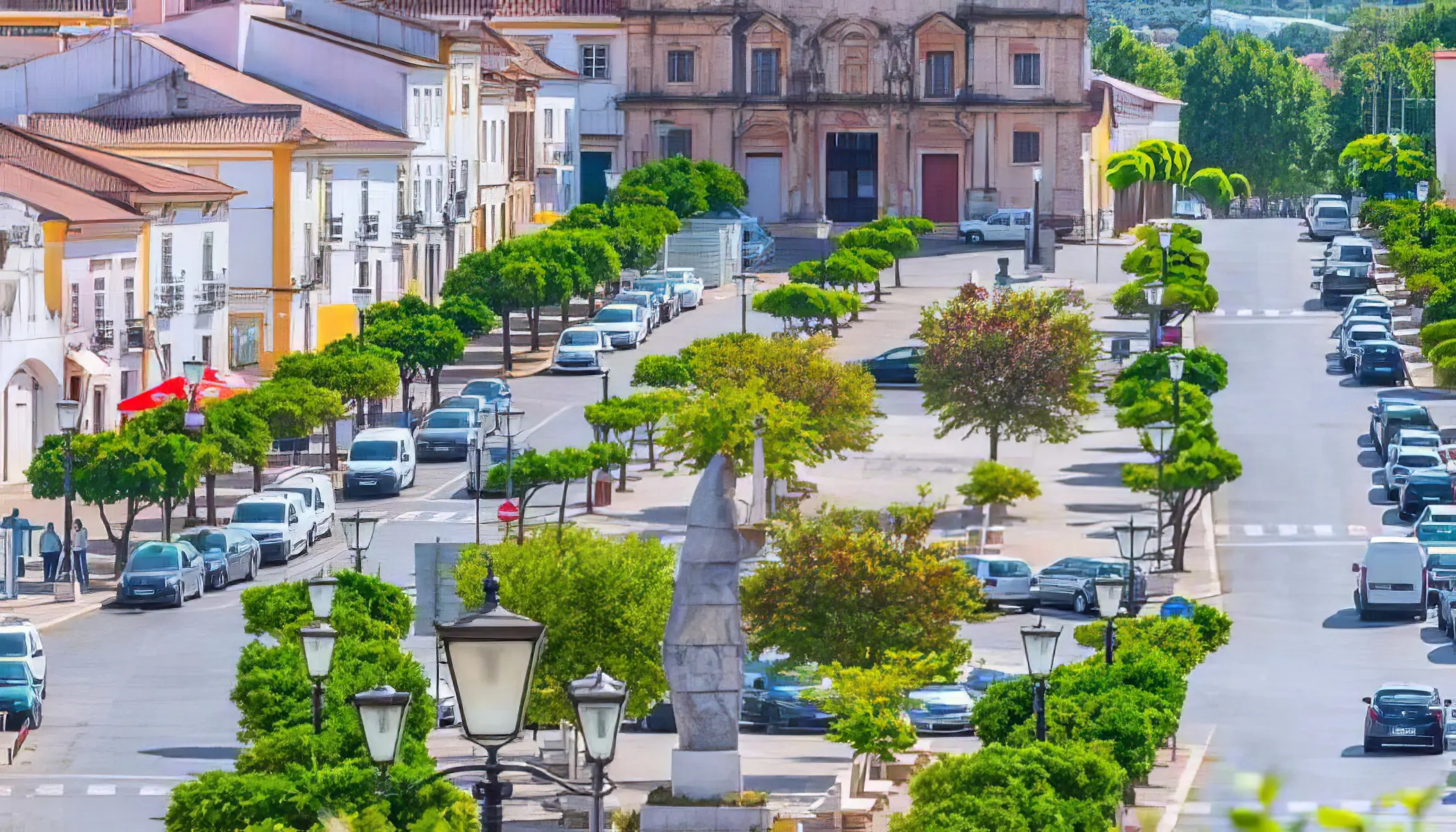
This city offers access to several interesting day trips within a reasonable distance. Here are some options:
– Monsaraz at 50 km: A medieval village with nice views of the Alqueva Dam and historic architecture.
– Estremoz at 45 km: Known for its marble quarries and a lively Saturday market in the town square.
– Vila Viçosa at 60 km: Home to the impressive Ducal Palace and rich in royal history.
– Arraiolos at 25 km: Famous for its traditional hand-made tapestries and a charming castle.
– Elvas at 85 km: A fortified town with UNESCO World Heritage status, featuring impressive fortifications.
Attraction
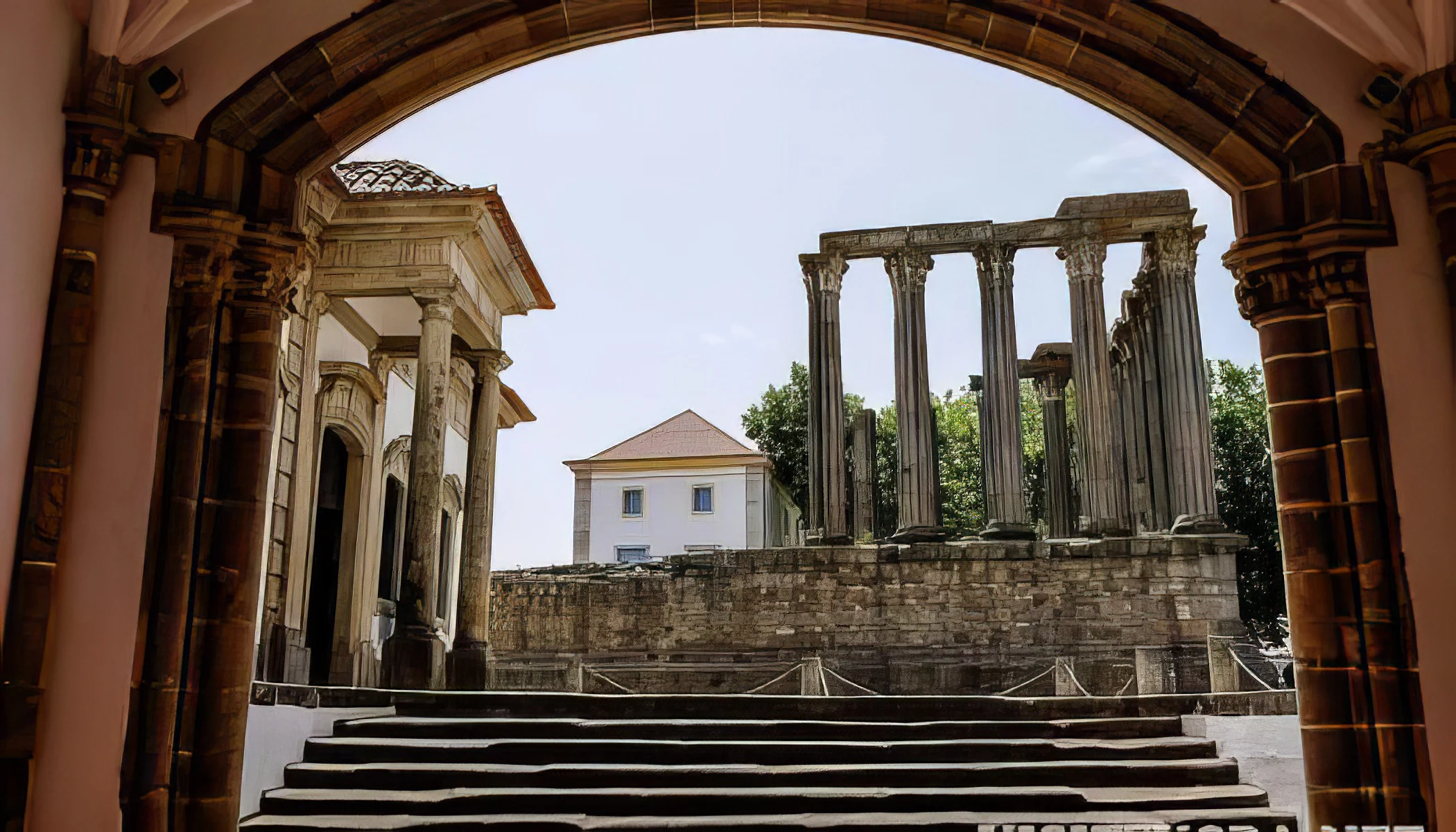
This city offers a rich historical experience with well-preserved ancient architecture and cultural landmarks.
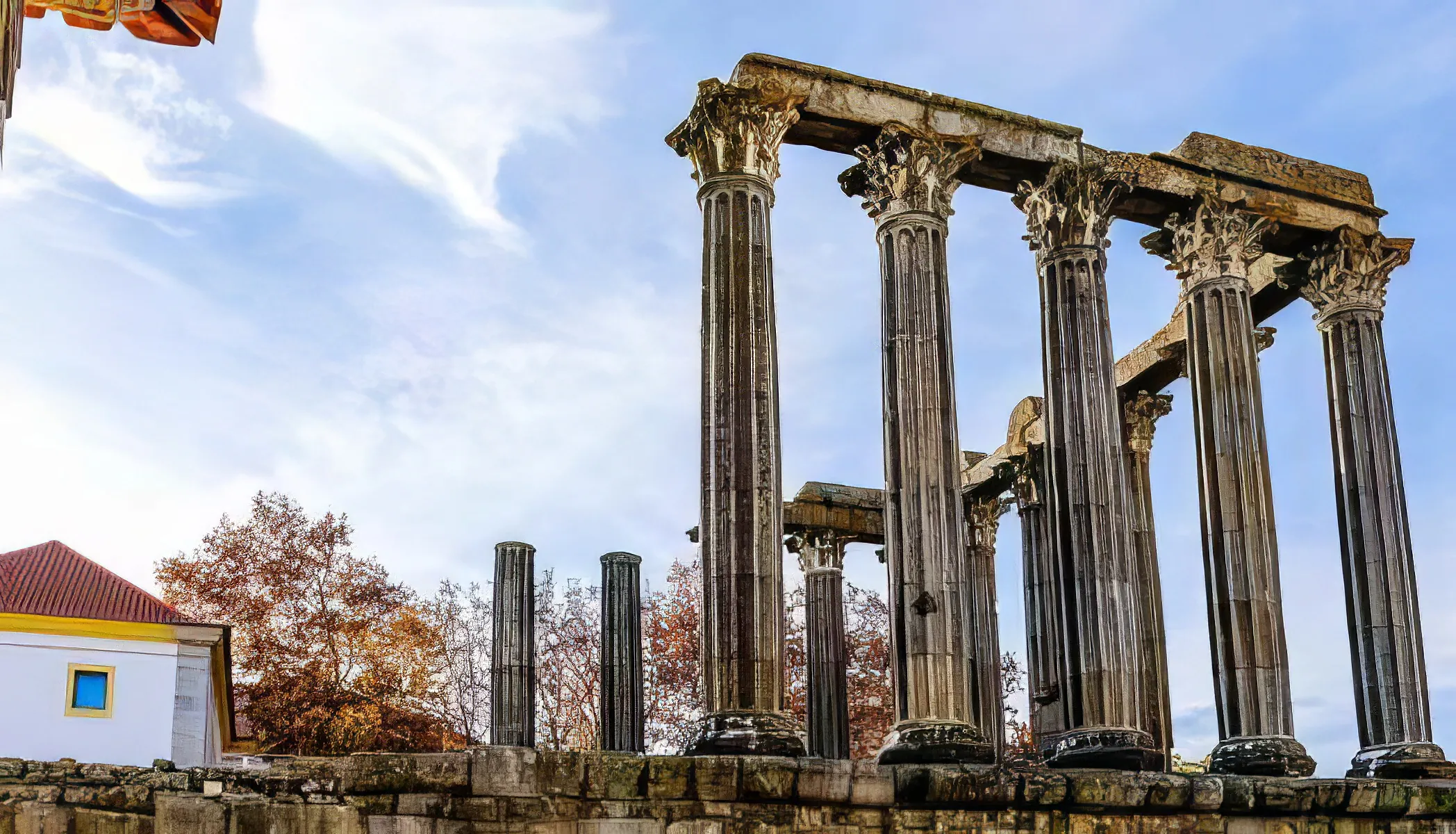
– Roman Temple: An impressive ancient structure dating back to the 1st century, showcasing classical Roman architecture.
– Évora Cathedral: A massive Gothic cathedral known for its refined details and panoramic views from the rooftop.
– Chapel of Bones: A peculiar chapel decorated with human bones, serving as a reminder of life's transience.
– Praça do Giraldo: The main square, attractive with cafes and history, is an ideal spot for people-watching and relaxation.
– University of Évora: One of the oldest universities in Europe featuring beautiful cloisters and historic educational buildings.
– Almendres Cromlech: A prehistoric stone circle located just outside the city, offering insights into ancient ceremonial practices.
Activity
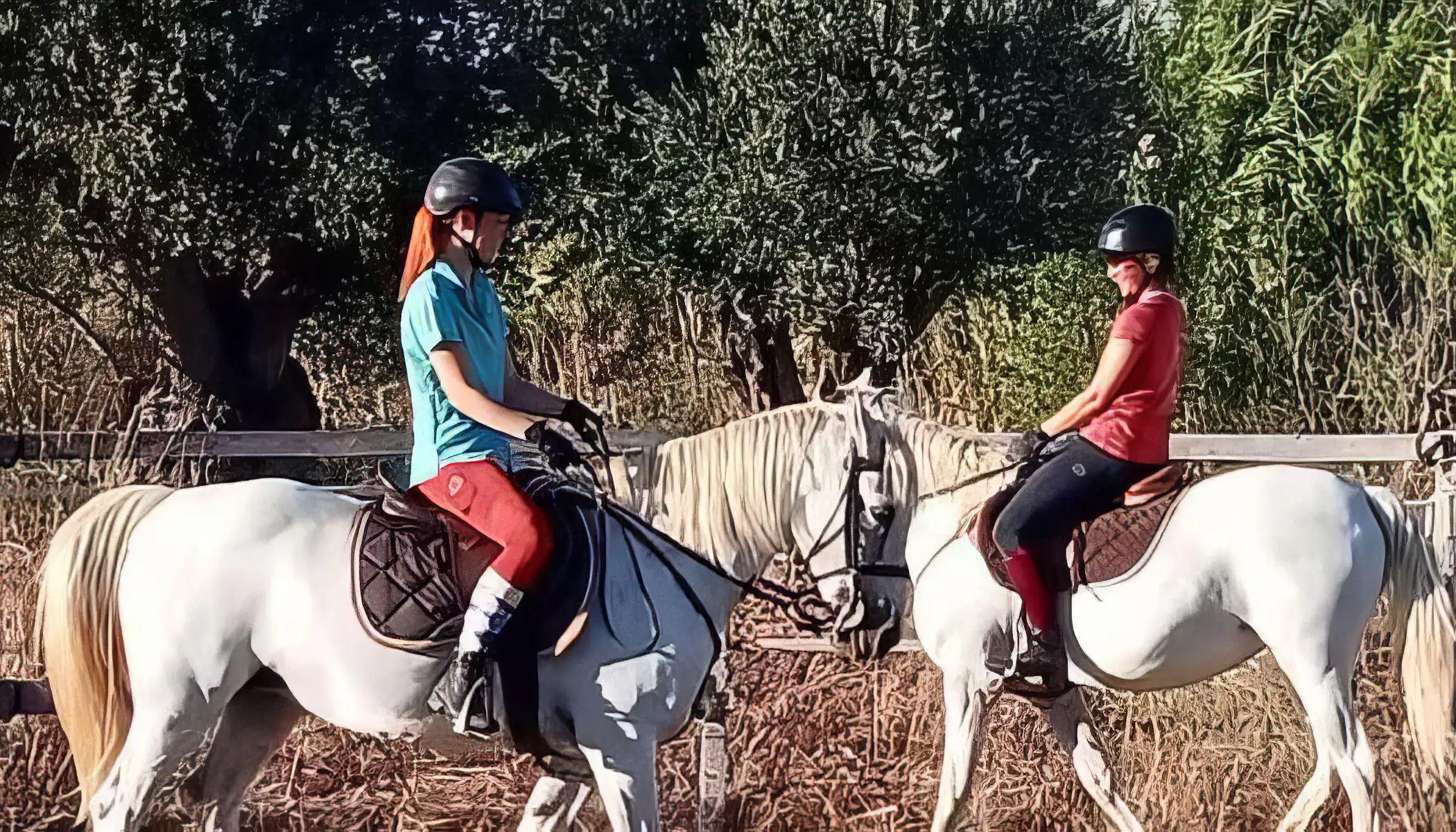
In Évora, travelers can explore historical sites, enjoy local cuisine, and experience the beautiful Alentejo countryside.
– Wine Tasting: Visit local vineyards to sample regional wines and learn about the winemaking process in Alentejo.
– Megalithic Route: Discover ancient standing stones and dolmens in the surrounding countryside on a guided tour.
– Cooking Class: Participate in a hands-on cooking class to learn traditional Portuguese recipes using local ingredients.
– Horseback Riding: Explore the scenic landscapes of Alentejo on horseback with guided rides through rural areas.
– Hot Air Balloon Ride: Experience nice views of Évora and its surroundings from above in a hot air balloon.
Cuisine
The city offers a traditional Portuguese culinary experience, emphasizing rich flavors and local ingredients from the Alentejo region. Some of the city's most famous dishes include:
– Açorda Alentejana: Bread soup flavored with garlic, cilantro, and poached egg.
– Migas: A dish of seasoned breadcrumbs often served with pork or sausages.
– Porco à Alentejana: Pork and clams cooked with garlic, coriander, and wine.
– Sopa de Cação: Dogfish soup seasoned with coriander and lemon.
– Sericaia: A soft egg-based dessert typically topped with cinnamon.
– Encharcada: A sweet made from eggs, sugar syrup, and cinnamon.
Shopping
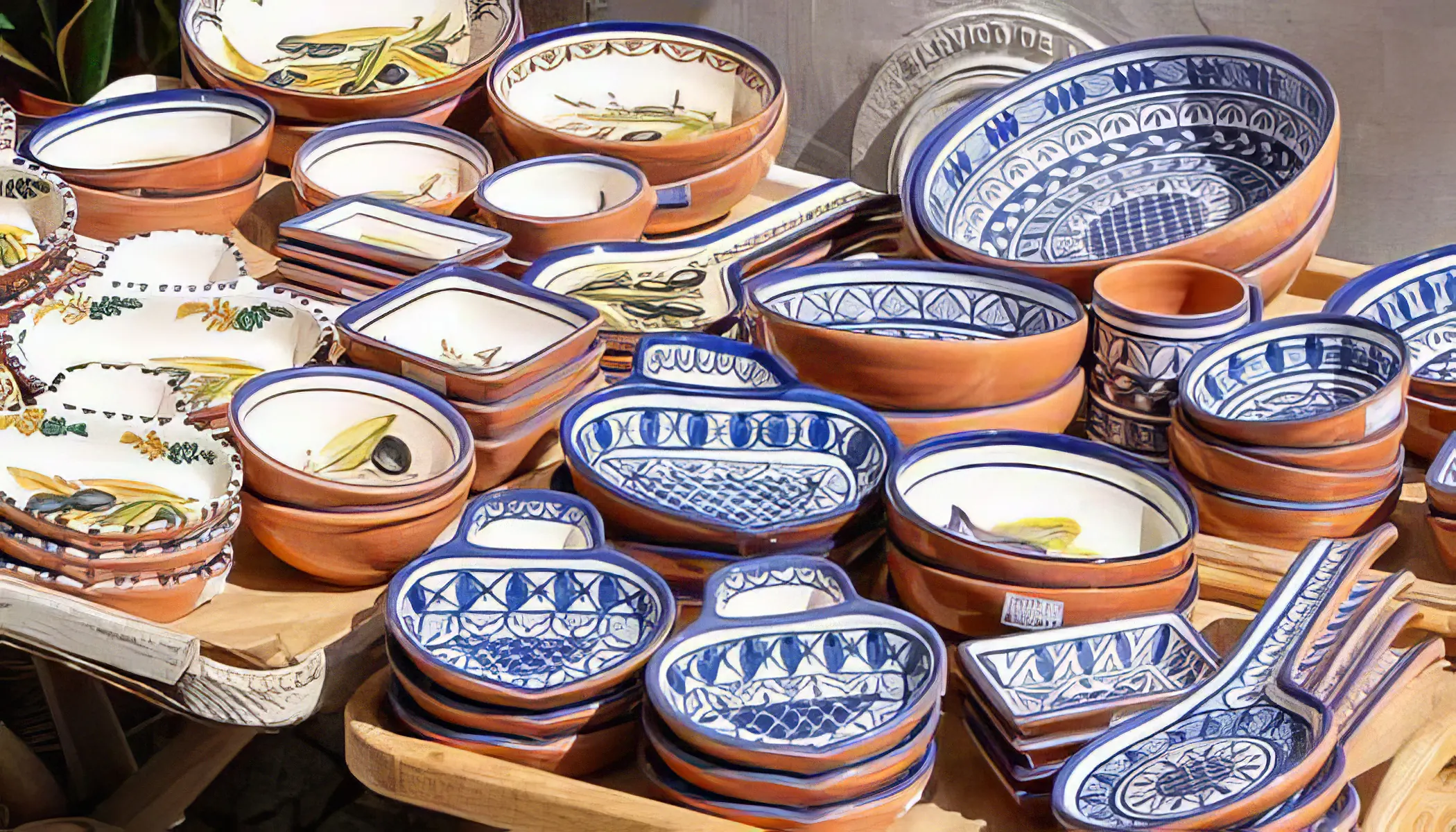
You can find traditional pottery and ceramics, which make for a unique gift. Local wines, especially those from the Alentejo region, are also popular choices. Olive oil is another great option, as it reflects the local agricultural heritage. Many shops offer handmade cork products like bags and wallets. These items showcase regional craftsmanship and are practical souvenirs. Overall, there are several interesting shopping options to consider.
Arts & Culture
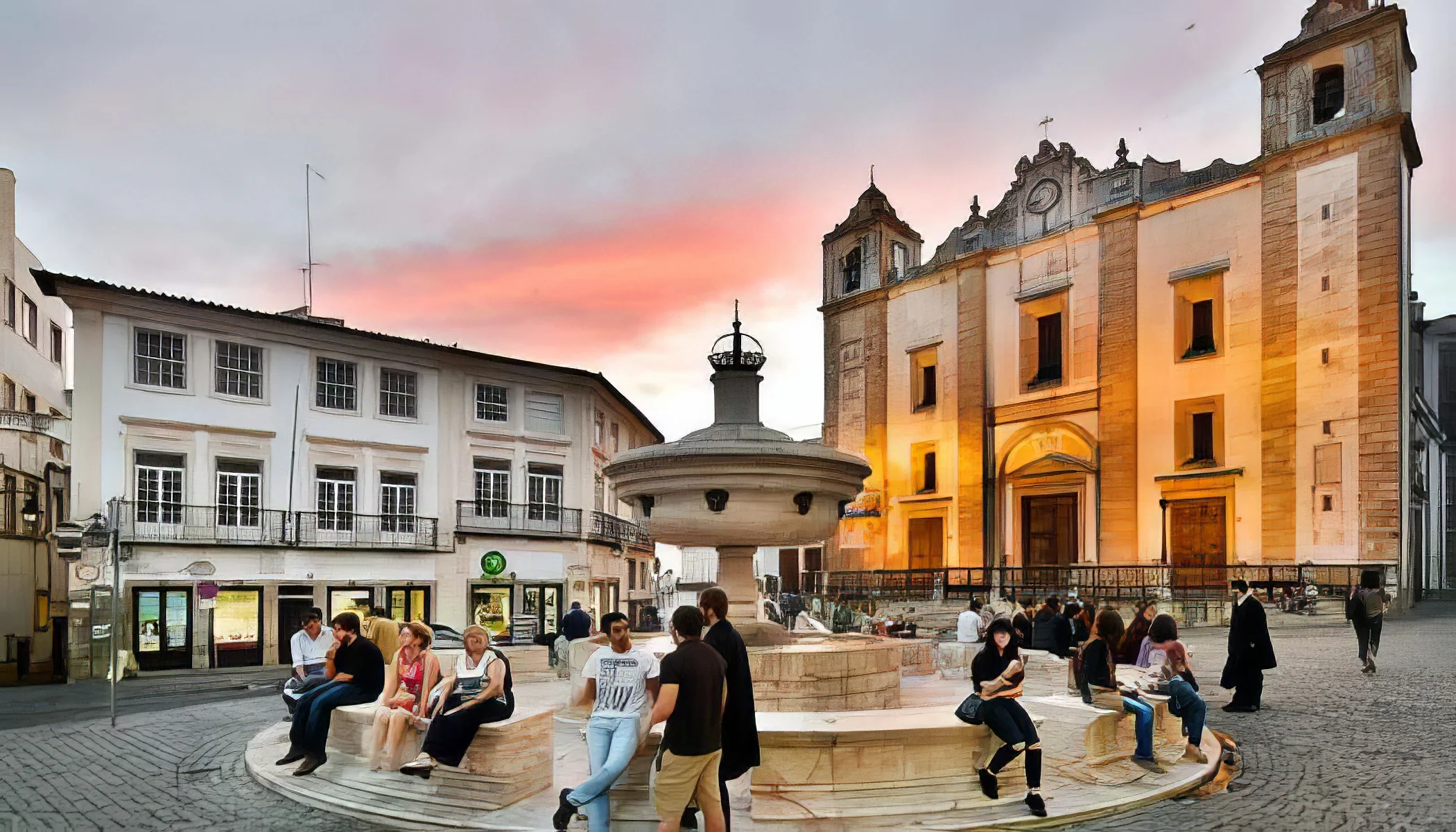
The city is known for its historical architecture, including the Roman Temple and the Cathedral, which reflect its rich cultural heritage. It hosts various cultural events such as the Festival Internacional de Música Antiga, celebrating early music with performances in unique venues. Additionally, there are art exhibitions throughout the year in local galleries and museums. The annual Festa de São João is also significant, featuring traditional music and dance.