

Sightseeing in Fes: Culture & Must‑See Spots
This city is known for its historic medina, magnificient souks, and traditional crafts. It features ancient architecture, including mosques and palaces, reflecting its rich cultural heritage. The area is a UNESCO World Heritage site attracting many visitors.
- Population
- 0.5 millions
- Airport
- Fès–Saïs – Int'l
- Train Station
- Gare de Fès.
- Est. Visit Days
- 2 days
Overview
Fes is one of Morocco's oldest cities, known for its historic medina and lively culture. Pros include its rich history, unique architecture, and an opportunity to experience traditional Moroccan life. However, the city can be crowded and some areas may have issues with cleanliness. Navigating the narrow streets can be challenging for visitors. Overall, Fes offers a deep cultural experience but requires some patience.
Traffic & Transport
The city features narrow, winding streets, particularly in the old medina, making it challenging for vehicles to navigate. The best way to explore is on foot or by using local taxis and horse-drawn carriages known as caleches. Bicycles can also be rented for a more adventurous way to see the sights. Public buses are available but may not reach all tourist spots efficiently. For taxi services, look for reputable companies like "Taxi Fes" or "Fes Taxis," which are known for their reliability. While there may not be dedicated taxi-booking apps specific to this area, ride-hailing services like Uber might be available in nearby larger cities.
History
This city was founded in the 9th century by Idris II and became a significant center for education and culture. It served as the capital of Morocco during various dynasties, including the Almoravids and Almohads. The city was a key location for trade, connecting different regions of North Africa and Europe. Conflicts such as the Moroccan Civil War in the 17th century affected its growth but also led to cultural exchanges. Today, it is known for its well-preserved medieval architecture and charming artisan traditions.
Itinerary Sample
Explore the historical and cultural highlights of Fes in this 2-day itinerary.
– First day: Visit the Medina, explore Al Quaraouiyine University, and see Bou Inania Madrasa. Enjoy lunch at a local restaurant and shop for crafts in the souks.
– Second day: Tour the Royal Palace, visit the Jewish Quarter, and explore the tanneries. Have lunch at a café and relax in Jnan Sbil Gardens before departure.
Near Excursion
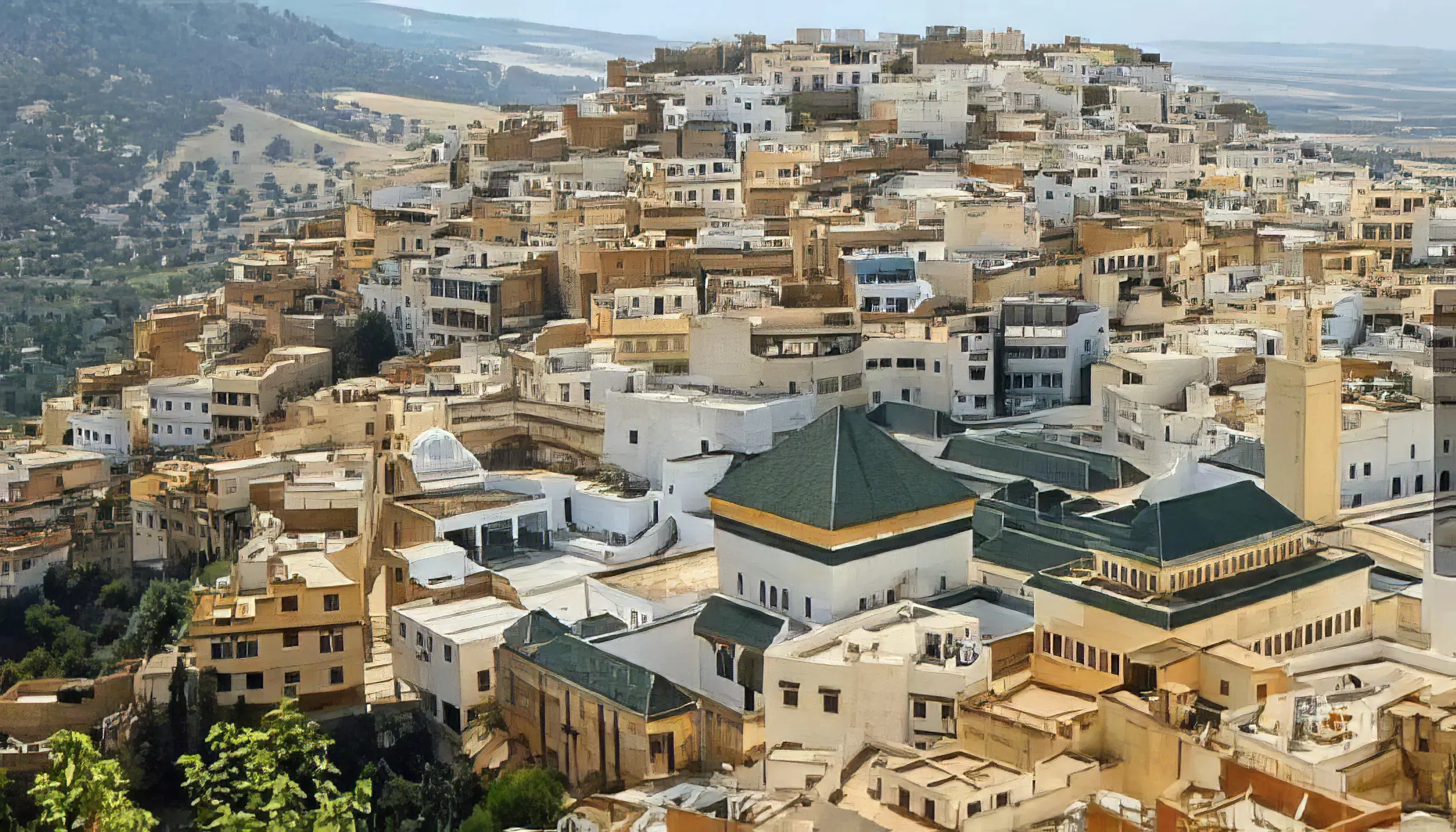
This city serves as a gateway to several fascinating day trips. Here are some options:
– Meknes at 65 km: Explore this imperial city known for its historic landmarks and royal stables.
– Volubilis at 80 km: Discover the best-preserved Roman ruins in Morocco with impressive mosaics.
– Moulay Idriss Zerhoun at 75 km: Visit this sacred town built on two hills, offering panoramic views.
– Ifrane at 70 km: Experience this charming town known for its alpine architecture and cool climate.
– Sefrou at 30 km: Enjoy the nice waterfalls and explore the ancient medina of this small town.
Attraction
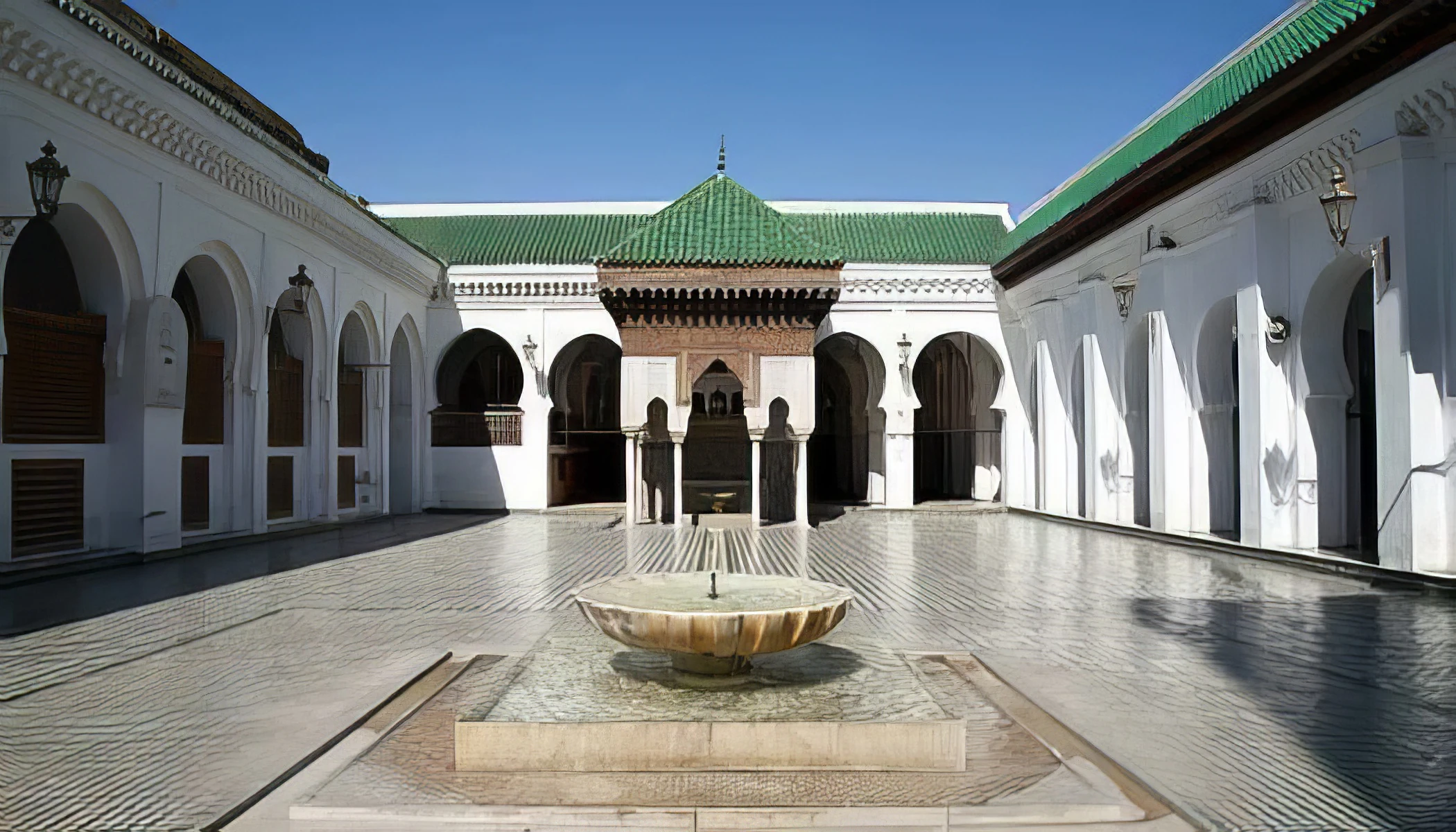
Known for its historic medina and lively culture, the city offers a rich experience for history and architecture enthusiasts.
– Al Quaraouiyine University: Founded in 859, it is recognized as the oldest existing university in the world.
– Bou Inania Madrasa: A nice example of Marinid architecture with refined carvings and a beautiful courtyard.
– Chouara Tannery: Offers an insight into traditional leather-making processes with colorful dyeing pits.
– Dar Batha Museum: Features a collection of traditional Moroccan arts, crafts, and artifacts in a former royal palace.
– Bab Bou Jeloud: Known as the Blue Gate, it is a famous entrance to the old medina with striking blue tilework.
– Nejjarine Museum of Wooden Arts & Crafts: Showcases exquisite woodwork in a restored caravanserai building.
Activity
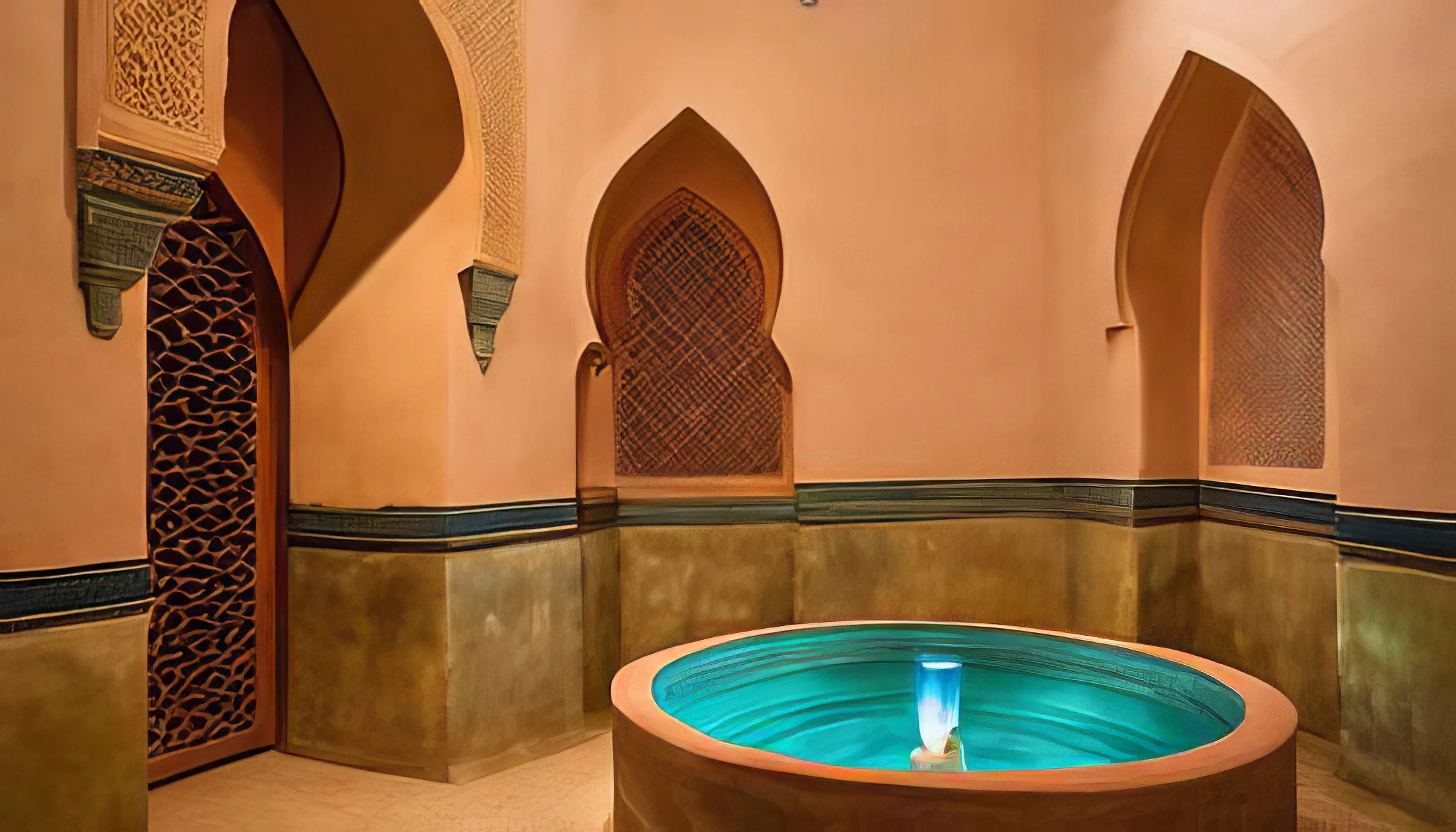
In Fes, travelers can explore ancient medinas, pleasant souks, and experience local traditions and crafts.
– Tannery tour: Observe traditional leather production at the famous Chouara Tannery, a unique and historic process still in use today.
– Cooking class: Learn to prepare Moroccan dishes with local ingredients while gaining insight into Fassi culinary traditions.
– Medina walking tour: Navigate the narrow streets of the UNESCO-listed medina, discovering hidden gems and local artisans along the way.
– Hammam experience: Relax in a traditional bathhouse, enjoying steam treatments and massages for an authentic wellness experience.
– Carpet weaving workshop: Participate in a hands-on session at a local workshop to understand the intricate art of carpet making.
Cuisine
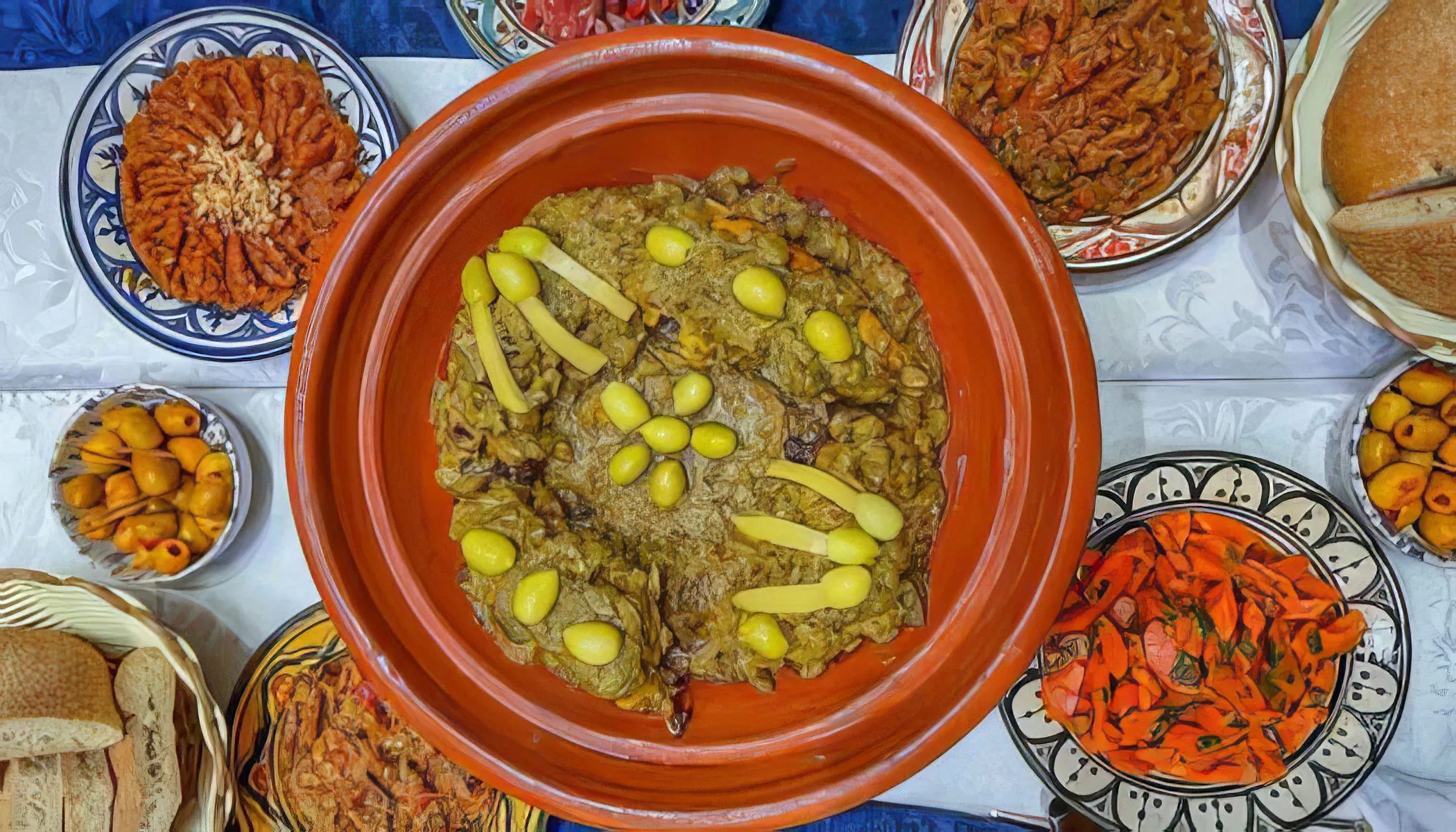
The city offers a rich culinary experience with traditional Moroccan dishes, showcasing a blend of spices and flavors. Some of the city's most famous dishes include:
– Tagine: Slow-cooked stew made with meat or vegetables, seasoned with Moroccan spices.
– Couscous: Steamed semolina granules often served with meat and vegetable stew.
– Pastilla: Sweet and savory pie filled with pigeon or chicken, almonds, and cinnamon.
– Harira: Hearty soup made from tomatoes, lentils, chickpeas, and lamb or beef.
– Msemen: Layered flatbread often enjoyed with honey or jam for breakfast.
– Chebakia: Sweet sesame cookies fried and coated in honey.
Shopping
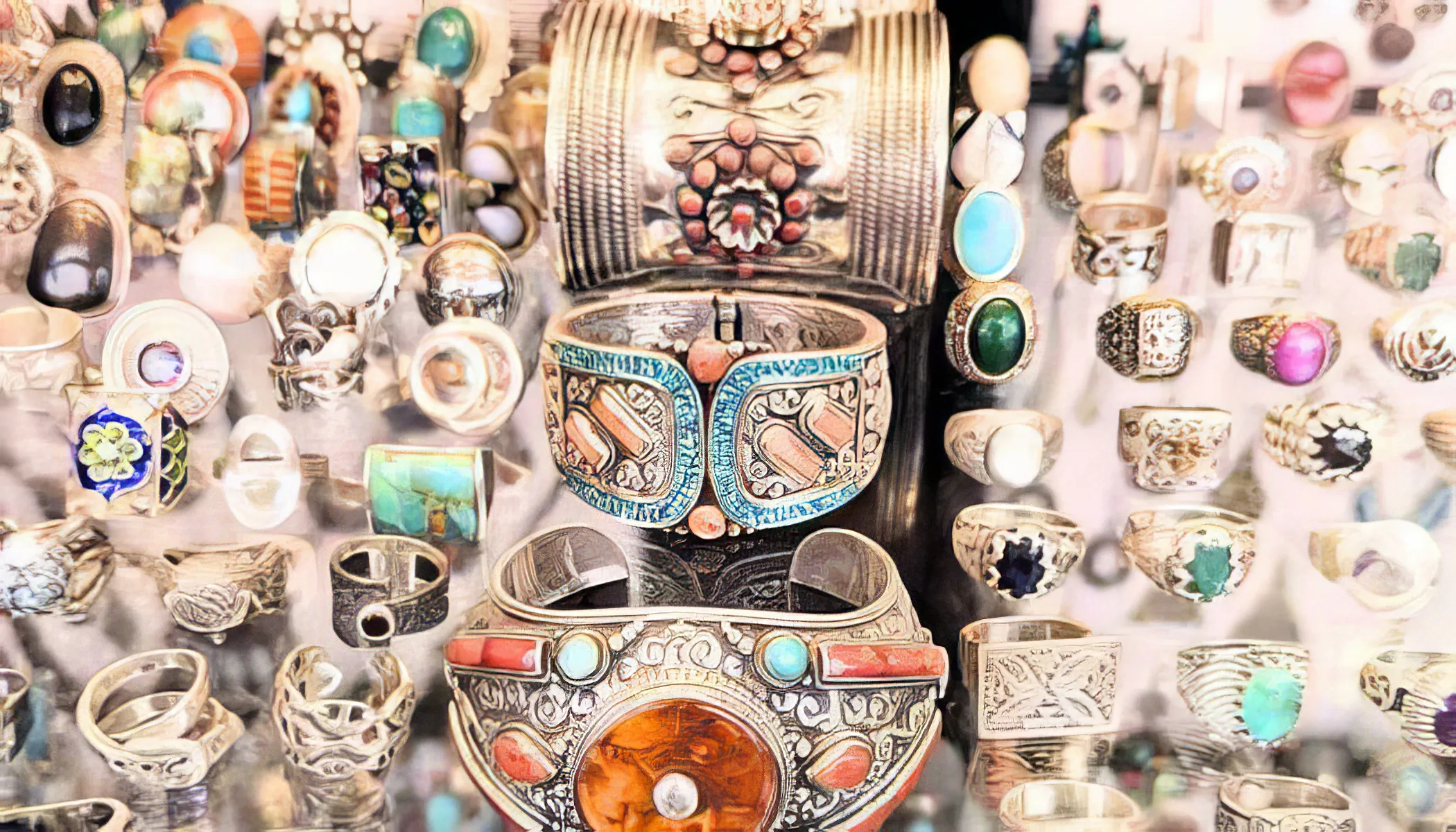
You can find traditional Moroccan handicrafts, such as ceramics and leather goods, in the local markets. A popular gift is a hand-painted pottery item or a leather bag. Spices are also a great option for bringing home a taste of Morocco. Look for unique jewelry made from silver and semi-precious stones. Be prepared to haggle for the best prices while shopping. Enjoy exploring the beautiful stalls and shops for authentic items.
Arts & Culture
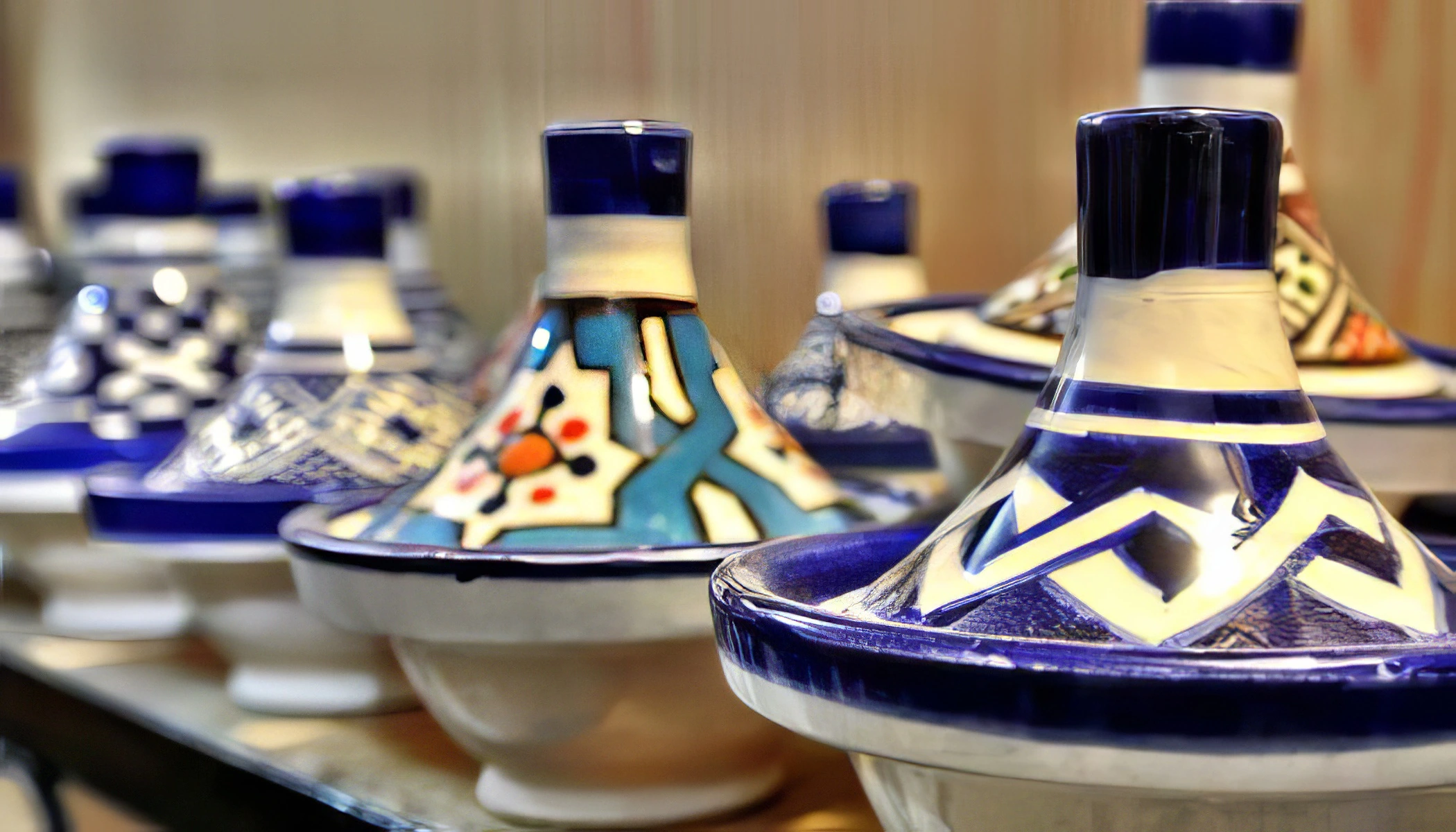
The city is known for its traditional crafts, including pottery, leatherwork, and textiles. The annual Festival of World Sacred Music attracts artists from various cultures to perform in historic venues. There are also numerous art galleries showcasing contemporary Moroccan art. Additionally, the city's historic medina is a UNESCO World Heritage site with significant architectural and artistic value.