

Lille Travel Guide: Tourist Places & Activities
Situated in the northern region, this city is known for its vibrant cultural scene, historic architecture, and strong industrial background. It serves as a major educational and artistic hub.
- Population
- 233,000
- Size
- 39 square km
- Airport
- Lille Lesquin – Int'l
- Train Station
- Gare de Lille Europe
- Subway
- Lille Metro
- Est. Visit Days
- 2 days
Overview
Lille, a city in northern France, is known for its rich cultural scene, particularly the Palais des Beaux-Arts and the annual Braderie de Lille, a large-scale flea market. The city also boasts beautiful architecture, such as the Old Town's Flemish-style buildings and the modern Euralille complex. However, Lille's weather can be quite gloomy and rainy, which might deter some visitors. Additionally, the local dialect and accent can sometimes pose a challenge for non-French speakers. Despite these issues, Lille's efficient public transportation system and its proximity to other major European cities make it a convenient hub for exploring the region.
Traffic & Transport
The city's compact size and well-developed public transportation system make it easy for tourists to navigate without a car, which is often more of a hindrance due to limited parking and pedestrianized areas in the city center. The most efficient way to explore is by using the extensive network of buses and trams, which cover all major attractions and neighborhoods. For those preferring a more active experience, renting a bicycle from one of the many V'Lille stations is a great option, as the city is very bike-friendly with dedicated lanes. Walking is also a pleasant way to discover the historic streets and dynamic atmosphere, especially in the central areas. For those who prefer using taxis, several reliable companies operate in the city. Notable options include Taxi Union, Taxi Gare Lille, and Taxi Lille Europe. Additionally, the use of taxi-booking apps like Uber provides a convenient and widely available alternative for securing a ride, with the added benefit of easy payment through the app.
History
Historically, the city was a prominent center for various European cultures due to its strategic location on the Deûle River. It changed hands between France and the County of Flanders multiple times from the 12th to the 17th centuries, significantly impacting its development and culture. The city was a focal point during the Spanish Netherlands period, leading to its fortification by Vauban in the 17th century. It also played a crucial role in the textile industry during the Industrial Revolution, enhancing its economic significance. The city's annual Great Lille Braderie, a large flea market, has been a cultural highlight since the 12th century, attracting visitors from around the world.
Itinerary Sample
Here's a 2-day itinerary to explore Lille, France:
– First day: Visit the Palais des Beaux-Arts in the morning, stroll through Vieux Lille, and enjoy lunch there. Explore the Citadel in the afternoon.
– Second day: Start with the Maison Natale de Charles de Gaulle, then shop at Euralille, and finish with a walk at Parc Jean-Baptiste Lebas.
Near Excursion
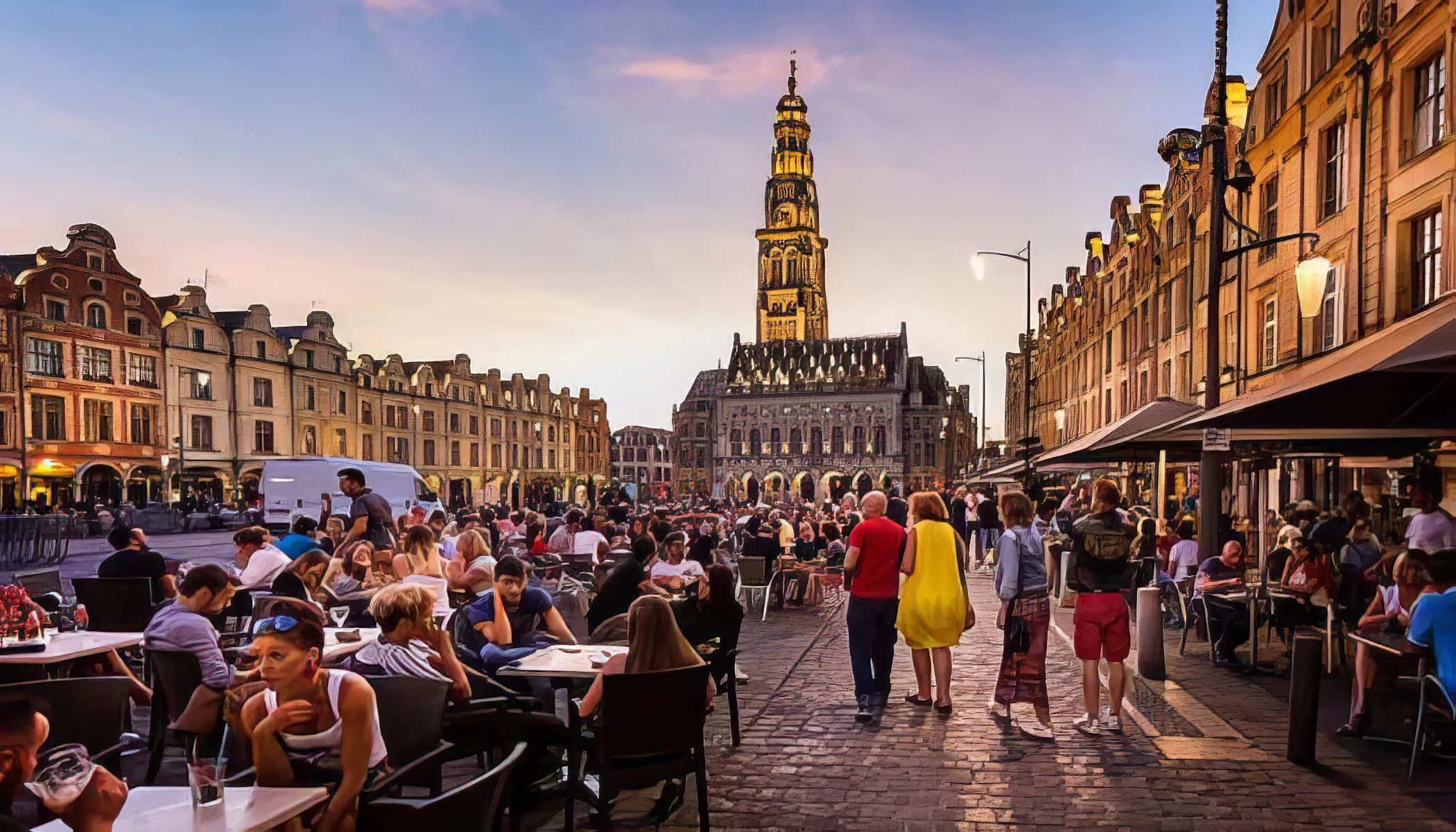
This city offers several interesting day trips within a short distance. Here are some suggestions:
– Arras at 45 km: Explore the beautiful Grand Place and the historic belfry.
– Lens at 40 km: Visit the Louvre-Lens museum, a branch of the famous Louvre in Paris.
– Bruges at 75 km: Discover the charming canals and medieval architecture of this Belgian city.
– Ghent at 80 km: Enjoy the beautiful cultural scene and historic sites like Gravensteen Castle.
– Dunkirk at 85 km: Learn about World War II history and relax on the sandy beaches.
Attraction
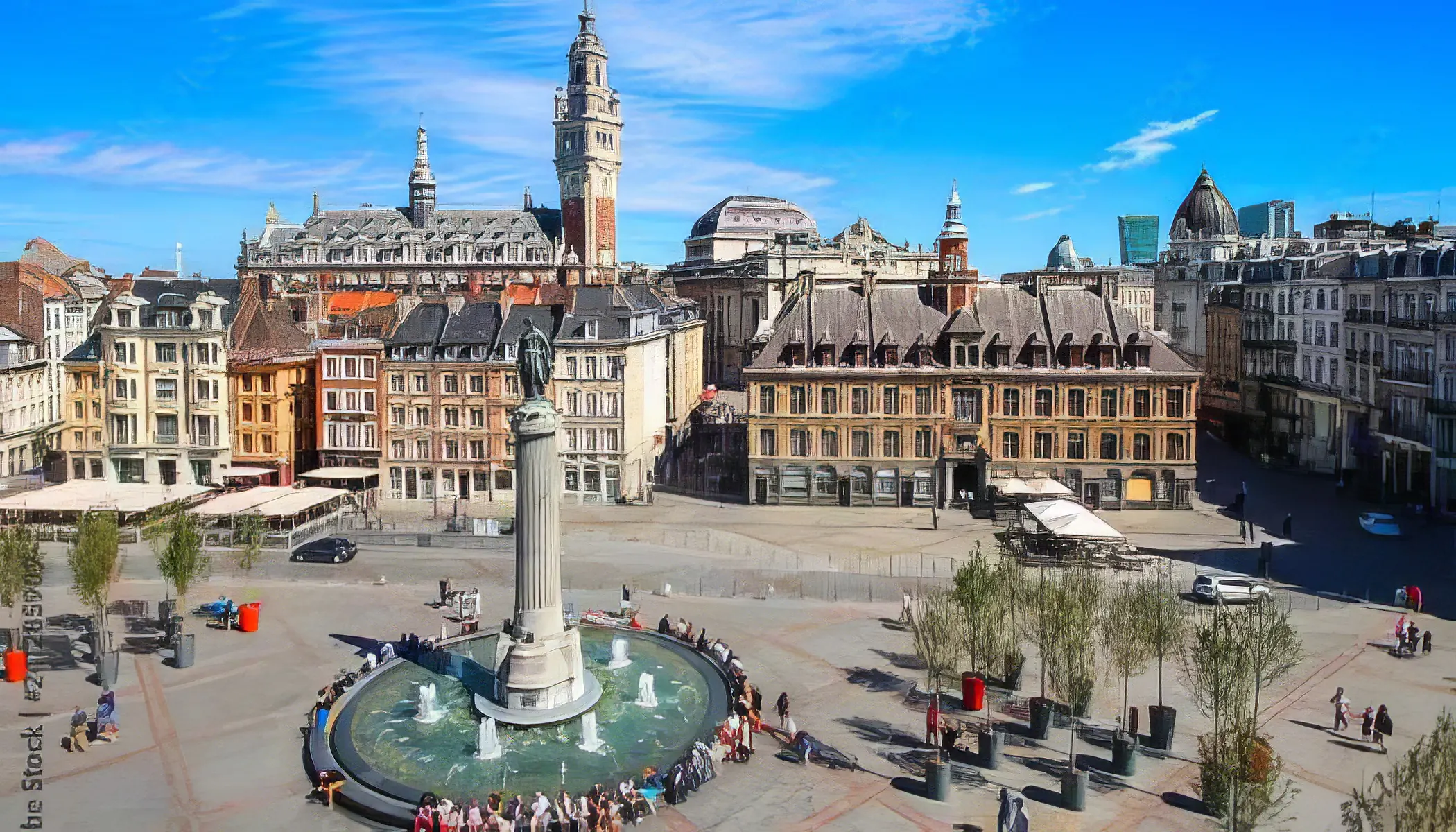
Known for its rich history, beautiful culture, and beautiful architecture, this city offers a variety of attractions for tourists.
– Grand Place: The central square surrounded by historic buildings and lively cafes.
– Palais des Beaux-Arts: One of the largest art museums in the country, featuring European masterpieces.
– Old Town (Vieux): A charming area with cobblestone streets, boutiques, and traditional houses.
– Citadel: A 17th-century military fortress designed by Vauban, now a public park.
– La Piscine Museum: An art and industry museum housed in a former Art Deco swimming pool.
– Zoo: A free-entry zoo with a variety of animals, located near the Citadel.
Activity
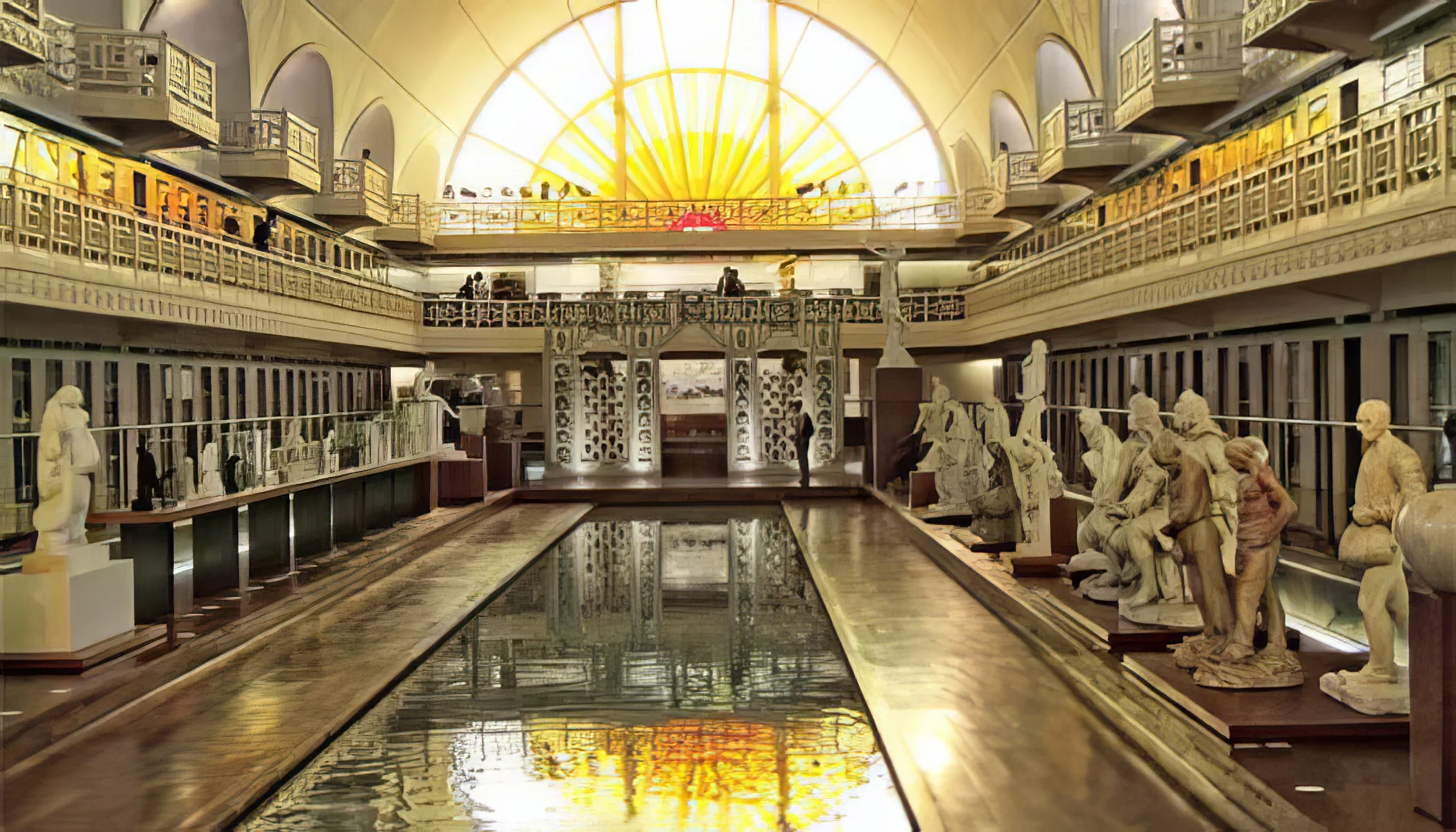
In Lille, travelers can enjoy unique experiences like exploring historic architecture and local markets.
– La Piscine Museum: Visit a museum housed in a former art deco swimming pool.
– Citadelle de Lille: Walk or bike around a well-preserved 17th-century citadel.
– Wazemmes Market: Experience a beautiful and diverse market with local produce and international foods.
– Lille Zoo: Discover a variety of animals in a compact and family-friendly zoo.
– Lille Flea Market: Browse antiques, vintage items, and curios at one of Europe's largest flea markets.
Cuisine
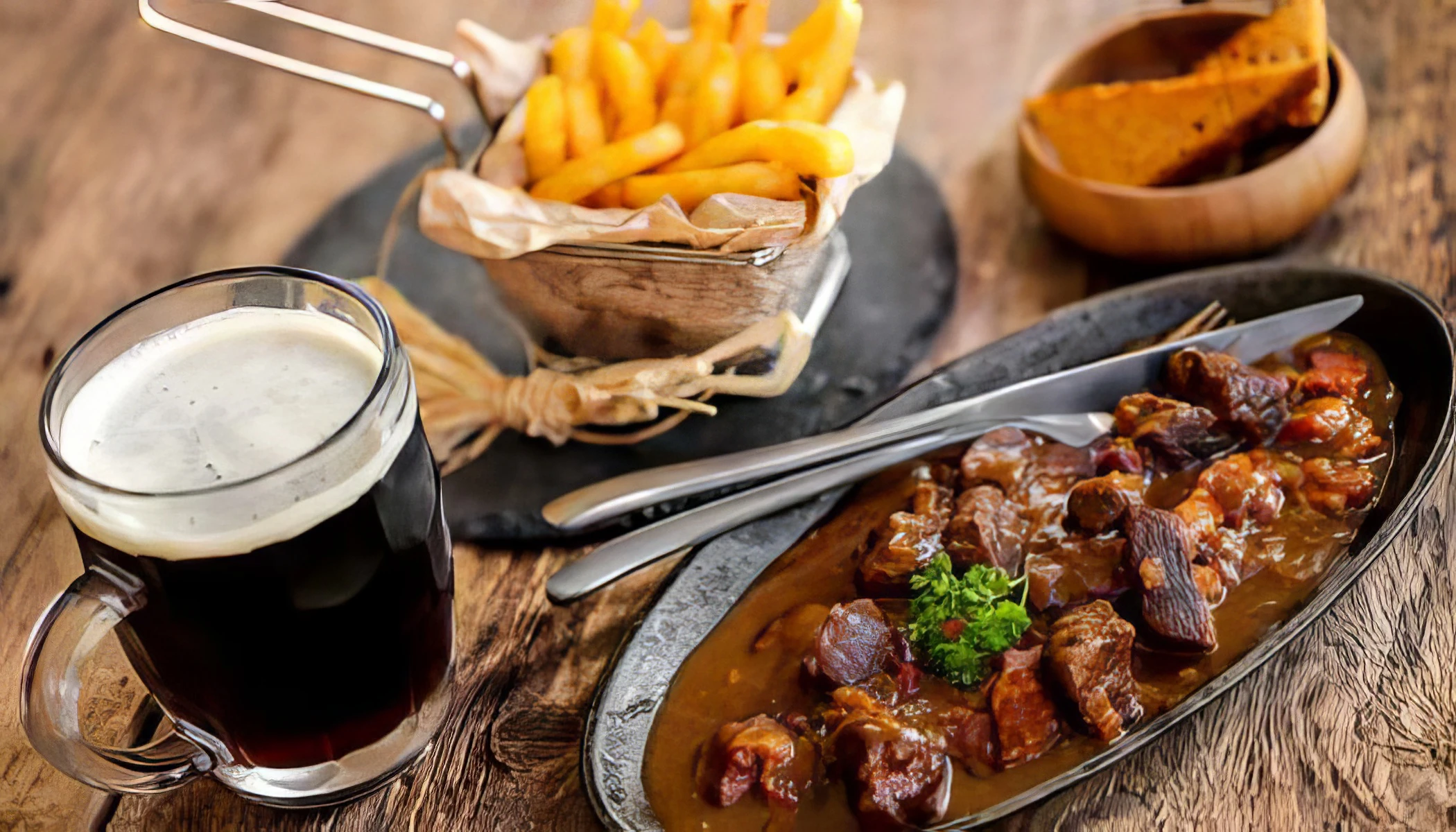
The city offers a rich culinary heritage with a blend of French and Flemish influences, featuring hearty dishes and unique desserts. Some of the city's most famous dishes include:
– Carbonade Flamande: A beef stew cooked with beer, onions, and brown sugar.
– Moules-Frites: Mussels cooked in white wine and herbs, served with fries.
– Potjevleesch: A cold terrine of mixed meats in gelatin, often served with fries.
– Welsh Rarebit: Toast topped with ham, mustard, and melted cheese, often served with beer.
– Tarte au Maroilles: A savory tart made with Maroilles cheese.
– Merveilleux: A dessert made of meringue, whipped cream, and chocolate shavings.
Shopping
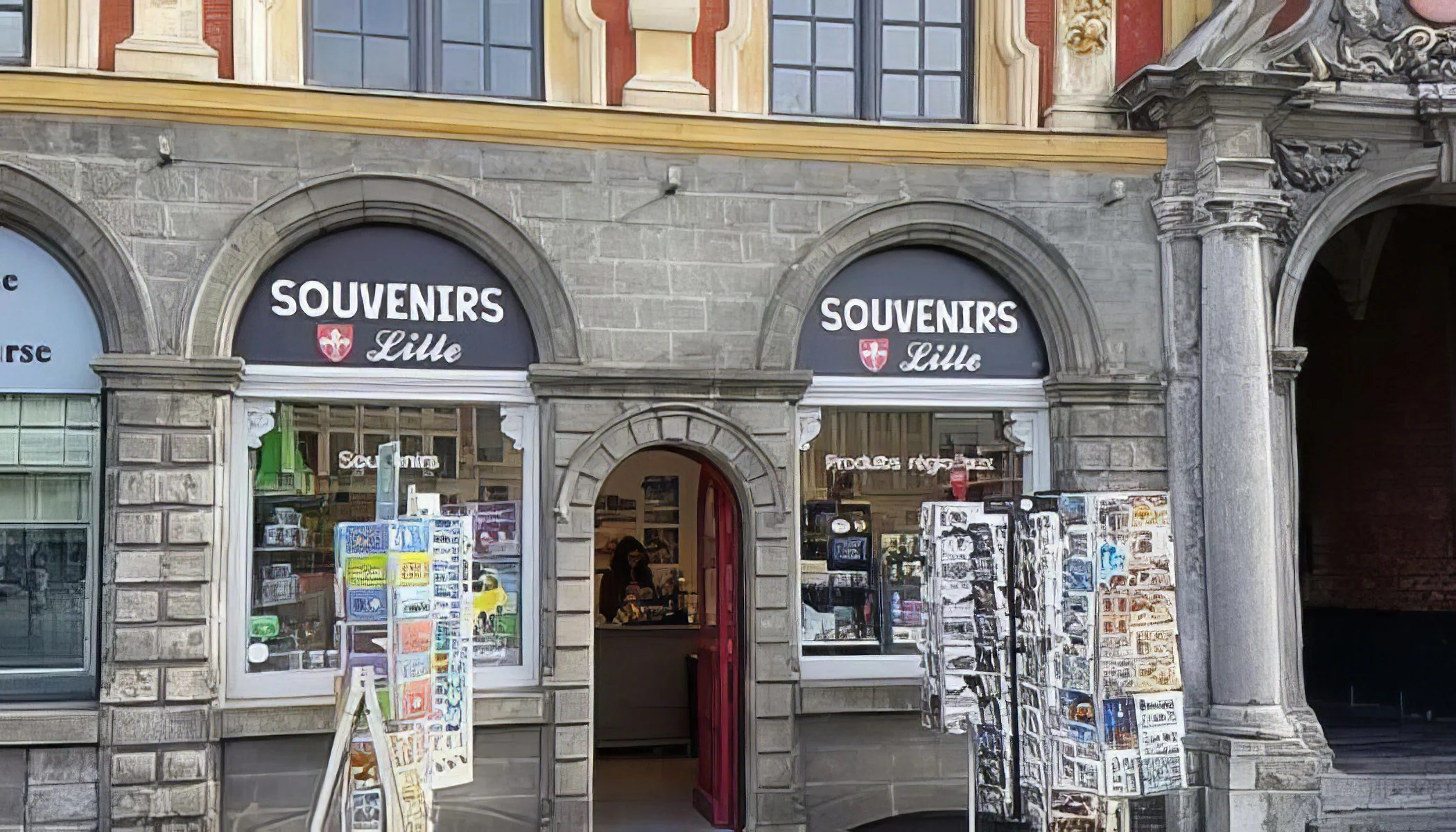
For a unique shopping experience, visit the historic district of Vieux-Lille, where you can explore charming boutiques offering local crafts and designer goods. The Wazemmes market is a must-visit for its energetic atmosphere and diverse selection of products, from fresh produce to textiles. A popular gift to purchase is French cheese, which you can find in specialty shops throughout the city. Another great option is a bottle of local beer from one of the city's artisanal breweries. For a more artistic souvenir, consider buying a piece of handmade jewelry or art from local artisans. These gifts not only provide a taste of the region but also support local creators.
Arts & Culture
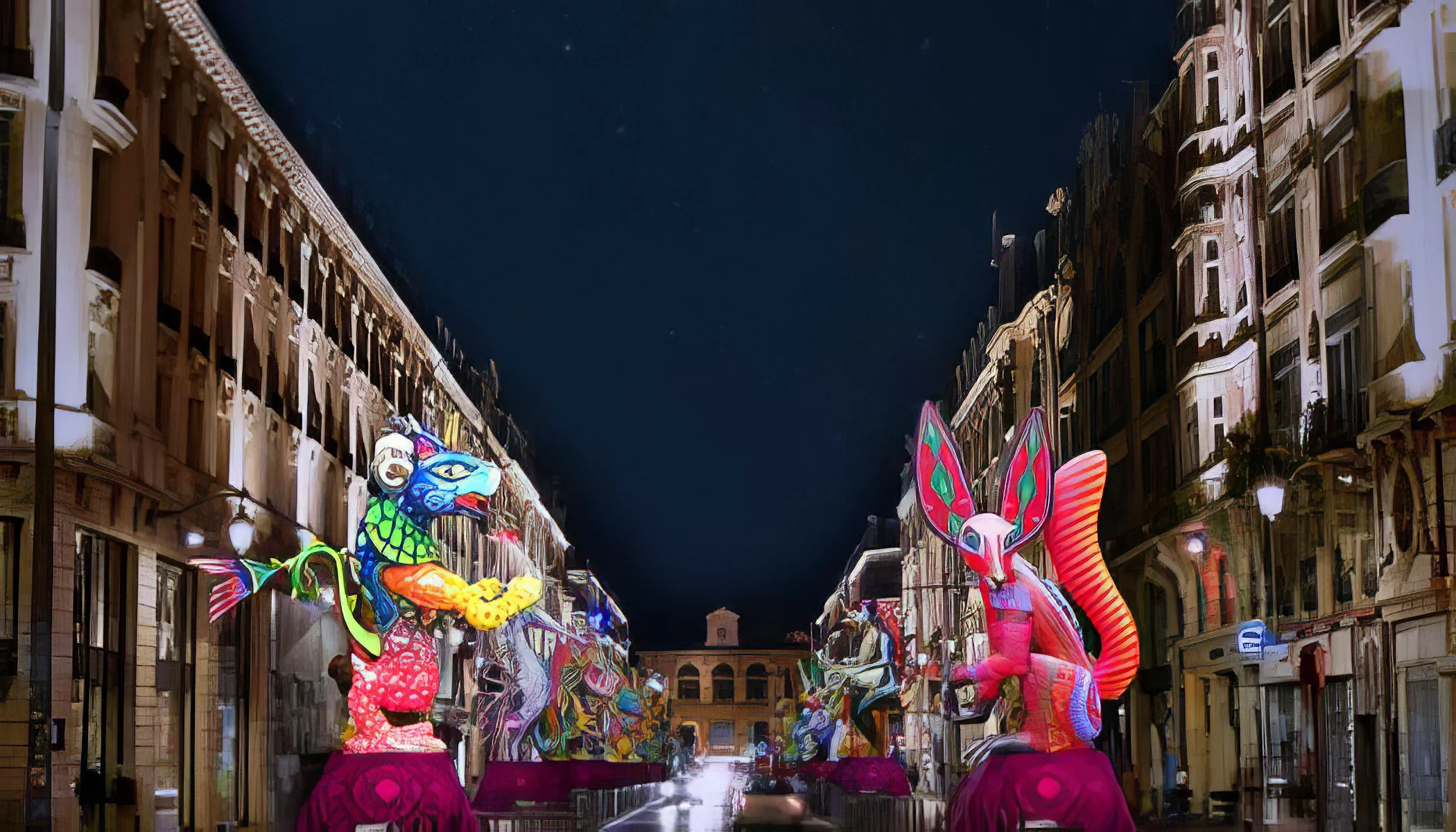
The city hosts the annual Lille3000, an event that transforms the city with art exhibitions, parades, and concerts, drawing on themes from around the world. The Palais des Beaux-Arts is one of France's largest museums, housing impressive collections of European paintings and sculptures. La Braderie de Lille, Europe's largest flea market, takes place every September, offering a unique blend of shopping and local culture. The Maison Folie series of cultural venues offer eclectic programs ranging from visual arts to contemporary music and theater.