

Sightseeing in Lyon: Culture & Must‑See Spots
Situated in the Auvergne-Rhône-Alpes region, this city is renowned for its historical and architectural landmarks, nice culinary scene, and as a UNESCO World Heritage Site. It's also a significant hub for banking, chemical, pharmaceutical, and biotech industries.
- Population
- 520,000
- Size
- 48 square km
- Airport
- Lyon-Saint Exupéry – Int'l
- Train Station
- Gare de Lyon Part-Dieu & 2 others
- Subway
- Lyon Metro
- Est. Visit Days
- 2 days
Overview
Lyon, France's third-largest city, is renowned for its rich history, beautiful cultural scene, and gastronomic excellence. It boasts a well-preserved Old Town, UNESCO World Heritage sites, and numerous museums. The city is also a hub for international businesses and has efficient public transportation. However, Lyon can be quite expensive in terms of living costs and tourism, and the weather might be gloomy during the winter months. Additionally, the city can get crowded, especially during major festivals and events.
Traffic & Transport
The city is known for its efficient public transportation system, which is often the best way to navigate through the urban area, especially during peak hours when traffic congestion can be significant. The extensive network includes trams, buses, and a metro system, all interconnected and accessible with a single ticketing system. Bicycles are also a popular mode of transport, with numerous bike-sharing stations available throughout the city. For those looking to explore at their own pace, walking remains a pleasant and viable option, given the city's pedestrian-friendly streets. For taxi services, several reliable companies operate in the city, including Taxi Radio and Allo Taxi. Additionally, ride-hailing apps like Uber provide convenient options for booking a ride directly from your smartphone, ensuring accessibility and ease of travel around the city.
History
Founded by the Romans in 43 BCE as Lugdunum, this city quickly became the capital of the Roman province of Gaul. Throughout the Middle Ages, it was a key location for trade between Paris and the Mediterranean, significantly boosting its economic status. In the Renaissance, it emerged as a European banking center and a hub for the silk industry, attracting Italian bankers and merchants. The city was also a focal point during the French Wars of Religion in the 16th century, experiencing significant conflict and demographic shifts. In the 19th century, it became a center for the printing industry and a stronghold of resistance during World War II.
Itinerary Sample
Here's a two-day itinerary to explore Lyon, focusing on key attractions and experiences: – First day:
– Morning: Visit the historic Vieux Lyon, explore its traboules and Saint-Jean Cathedral.
– Afternoon: Tour the Musée des Beaux-Arts, then stroll through the Parc de la Tête d'Or.
– Evening: Dine in a traditional bouchon Lyonnais. – Second day:
– Morning: Explore the Confluence district and its museum.
– Afternoon: Visit the Basilica of Notre-Dame de Fourvière, then enjoy the panoramic views of Lyon.
– Evening: Walk along the Rhône riverbanks and try some local wine bars.
Near Excursion
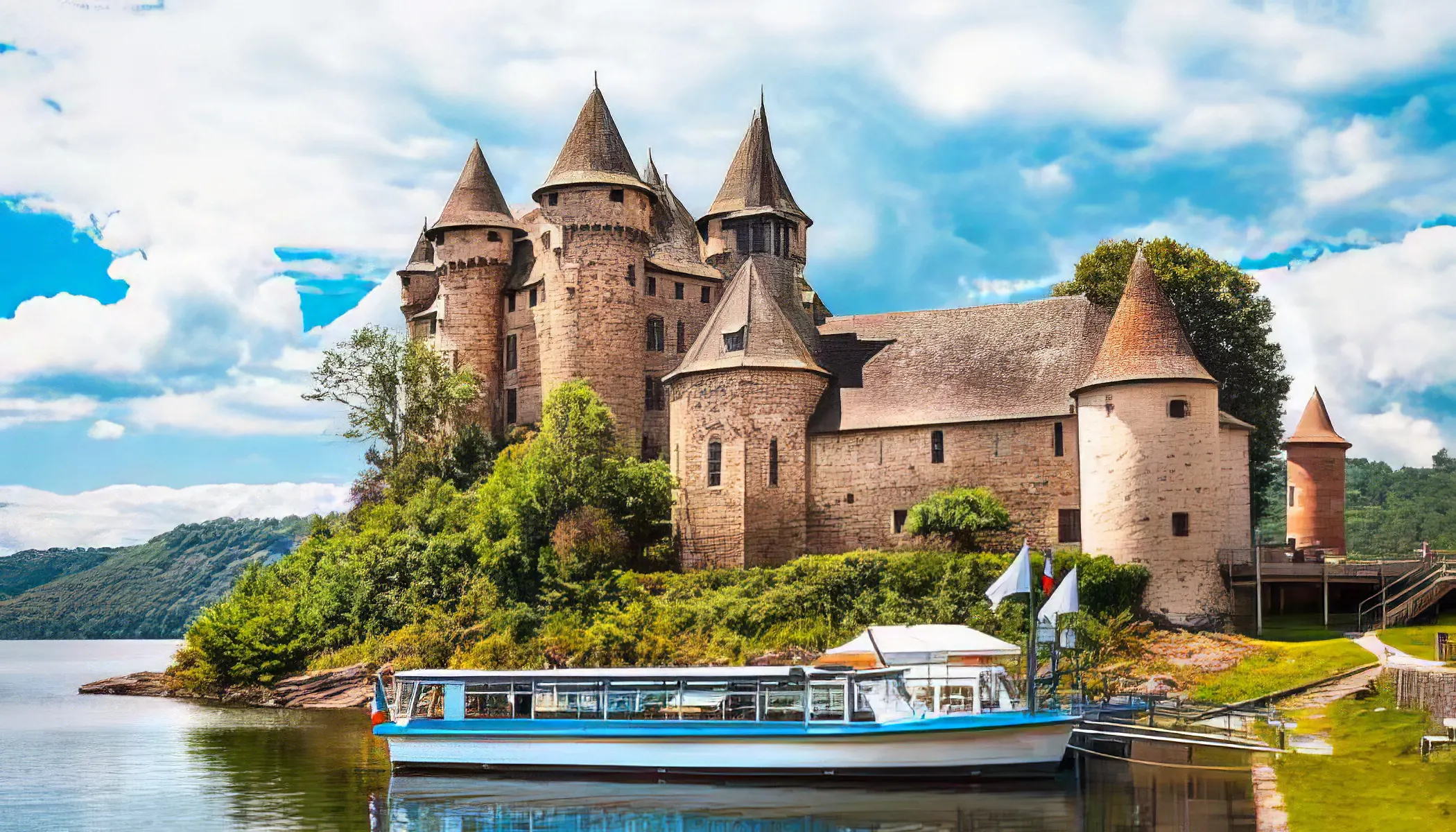
Explore the surrounding regions with these day trips, each offering a unique experience:
– Perouges at 36 km: A medieval walled town, well-preserved and charming.
– Annecy at 140 km: Known for its Old Town, canals, and beautiful lake views.
– Vienne at 35 km: Rich in Roman history, featuring ancient ruins and a lively cultural scene.
– Beaune at 145 km: The heart of Burgundy wine country, ideal for wine tasting and exploring vineyards.
– Cluny at 92 km: Home to the impressive Cluny Abbey, a site of significant historical and architectural interest.
Attraction
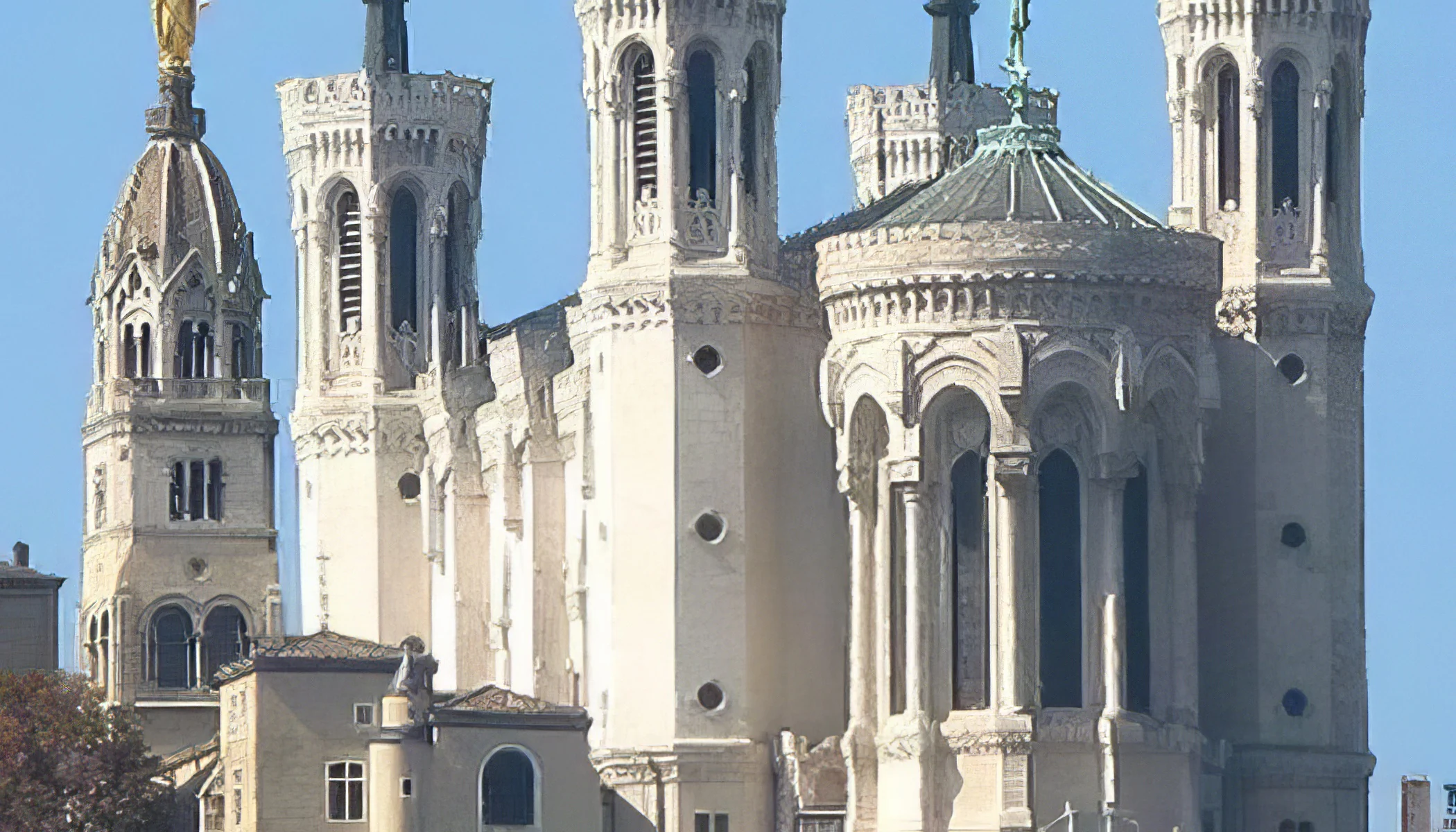
Lyon is renowned for its historical and architectural landmarks, and its lively culinary scene.
– Basilica of Notre-Dame de Fourvière: Offers panoramic views of the city from a hilltop.
– Vieux Lyon: A well-preserved Renaissance district with narrow passageways called traboules.
– Parc de la Tête d'Or: A large urban park featuring a lake, zoo, and botanical gardens.
– Musée des Confluences: A science and anthropology museum with striking modern architecture.
– Lyon Opera House: An impressive building blending modern and traditional design, hosting opera and ballet.
– Halles de Lyon Paul Bocuse: A famous indoor food market known for high-quality local products.
Activity
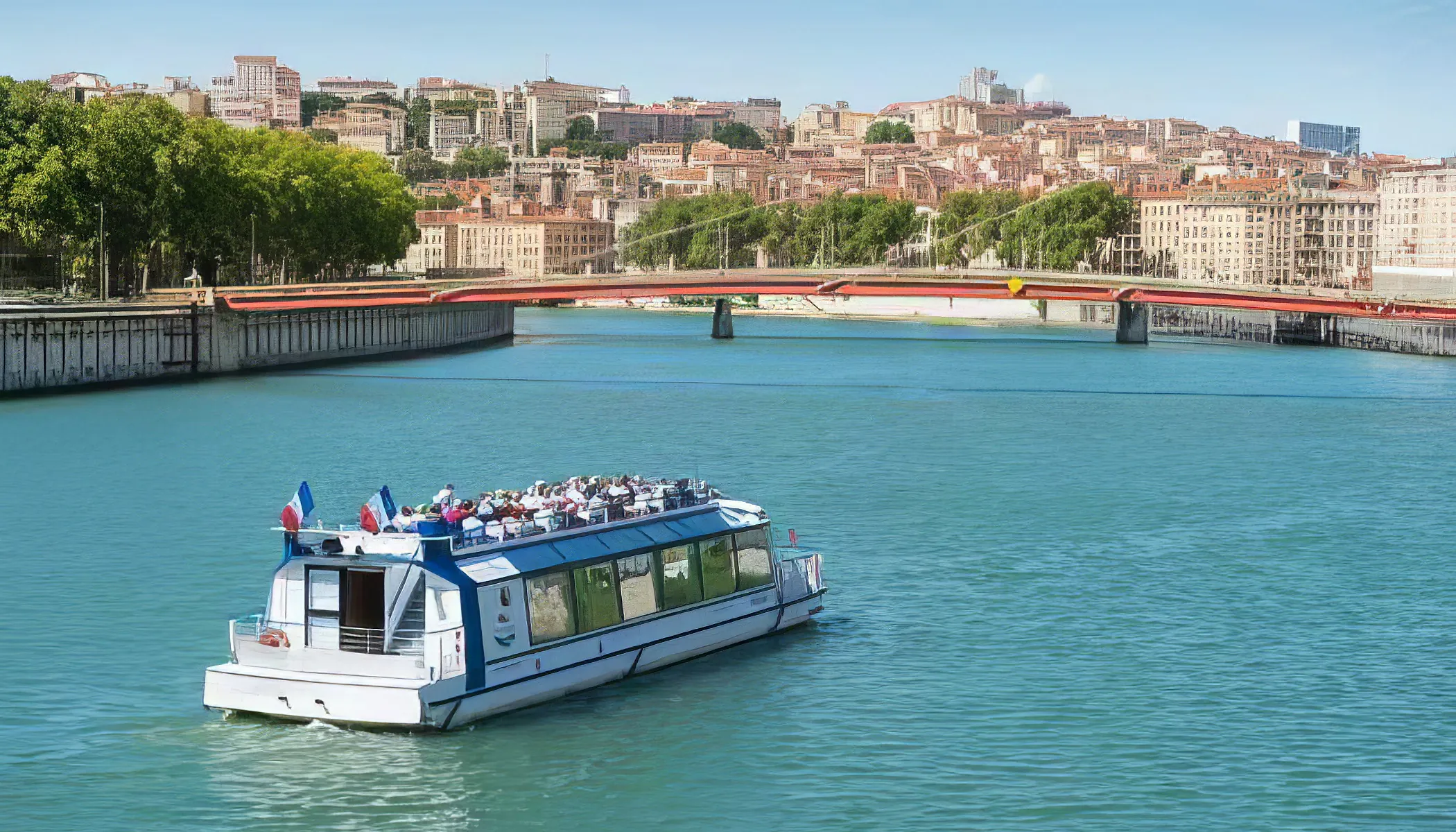
Lyon offers rich historical tours, remarkable culinary experiences, and scenic river cruises.
– Vieux Lyon Tour: Explore Renaissance architecture and hidden traboules.
– Rhône River Cruise: Enjoy scenic views and relaxation on the water.
– Lyon Food Tour: Sample local delicacies like quenelles and Lyonnaise sausages. – Parc de la Tête d'Or: Cycling, boating, and a zoo in a large urban park.
– Cooking Class: Learn to make traditional Lyonnaise dishes from a local chef.
Cuisine
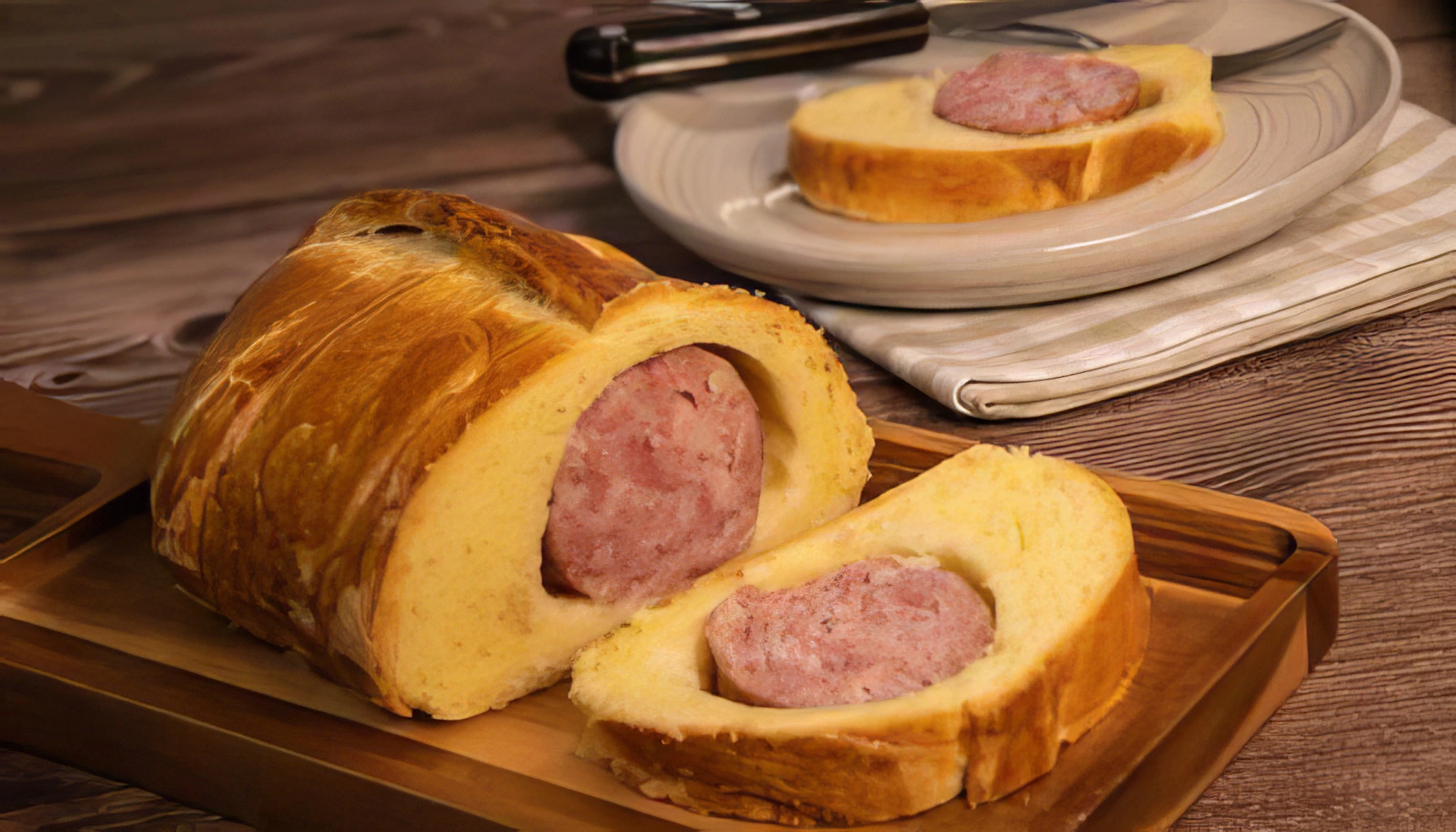
The city is celebrated as the gastronomic capital of France, offering a rich culinary tradition with a focus on high-quality, local ingredients. Some of the city's most famous dishes include:
– Quenelles: Pike fish dumplings in a creamy lobster sauce.
– Salade Lyonnaise: Salad with bacon, croutons, and a poached egg.
– Coq au Vin: Chicken cooked slowly in red wine with mushrooms and onions.
– Saucisson de Lyon: A type of dry-cured sausage typically cooked in brioche or with lentils.
– Tarte aux pralines: A sweet tart made with pink sugared almonds.
– Cervelle de canut: Soft cheese seasoned with herbs, shallots, and vinegar.
Shopping
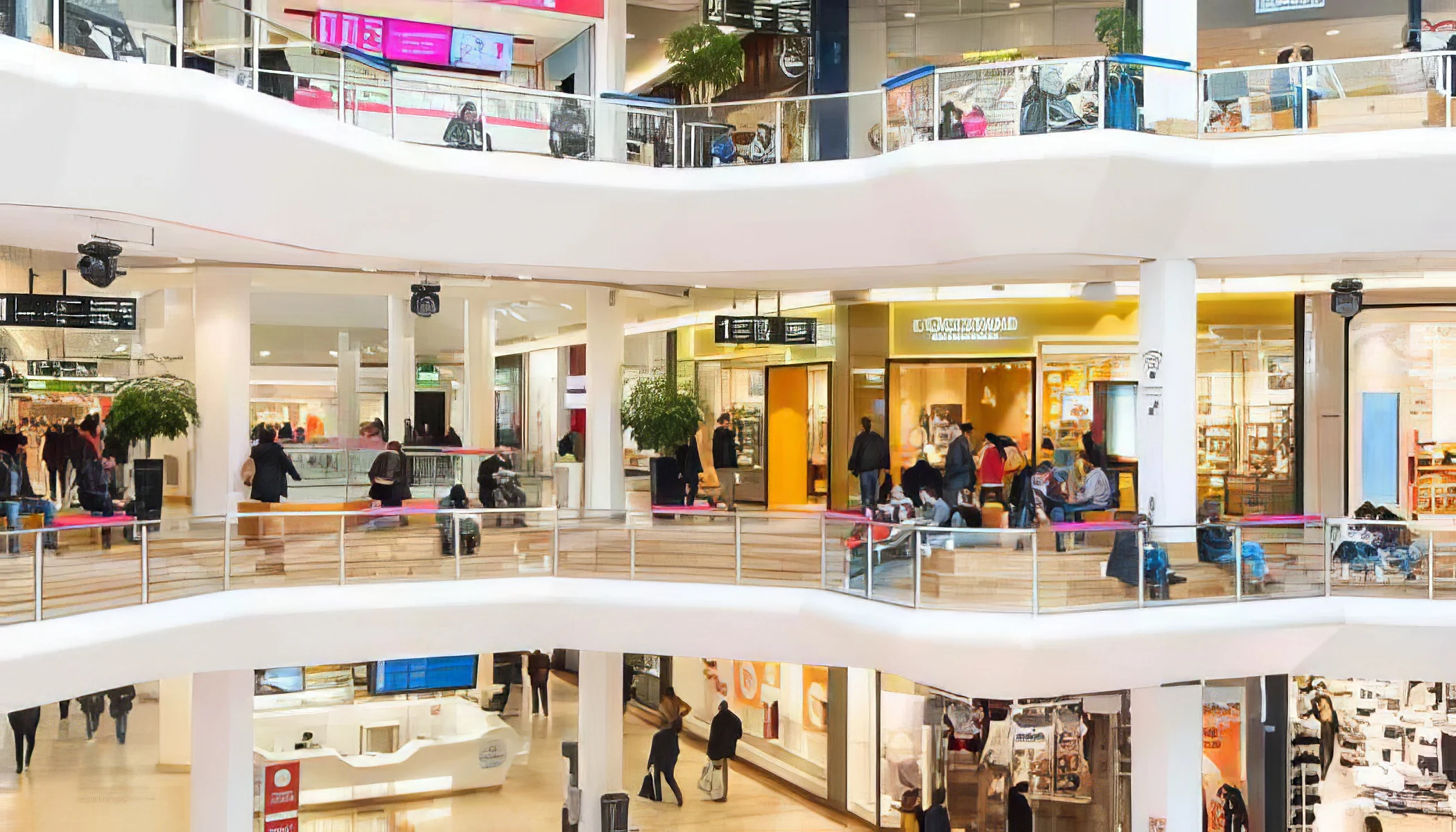
For a memorable shopping experience, visit the Part-Dieu district, which hosts one of Europe's largest urban shopping centers. Explore the charming streets of Vieux (Old Town) for unique boutiques offering local crafts and souvenirs. A popular gift to purchase is a traditional silk scarf, reflecting the city's historic silk industry. Another excellent choice is a bottle of local wine or gourmet chocolates from a local artisan. These gifts are not only unique but also embody the rich cultural heritage of the region.
Arts & Culture
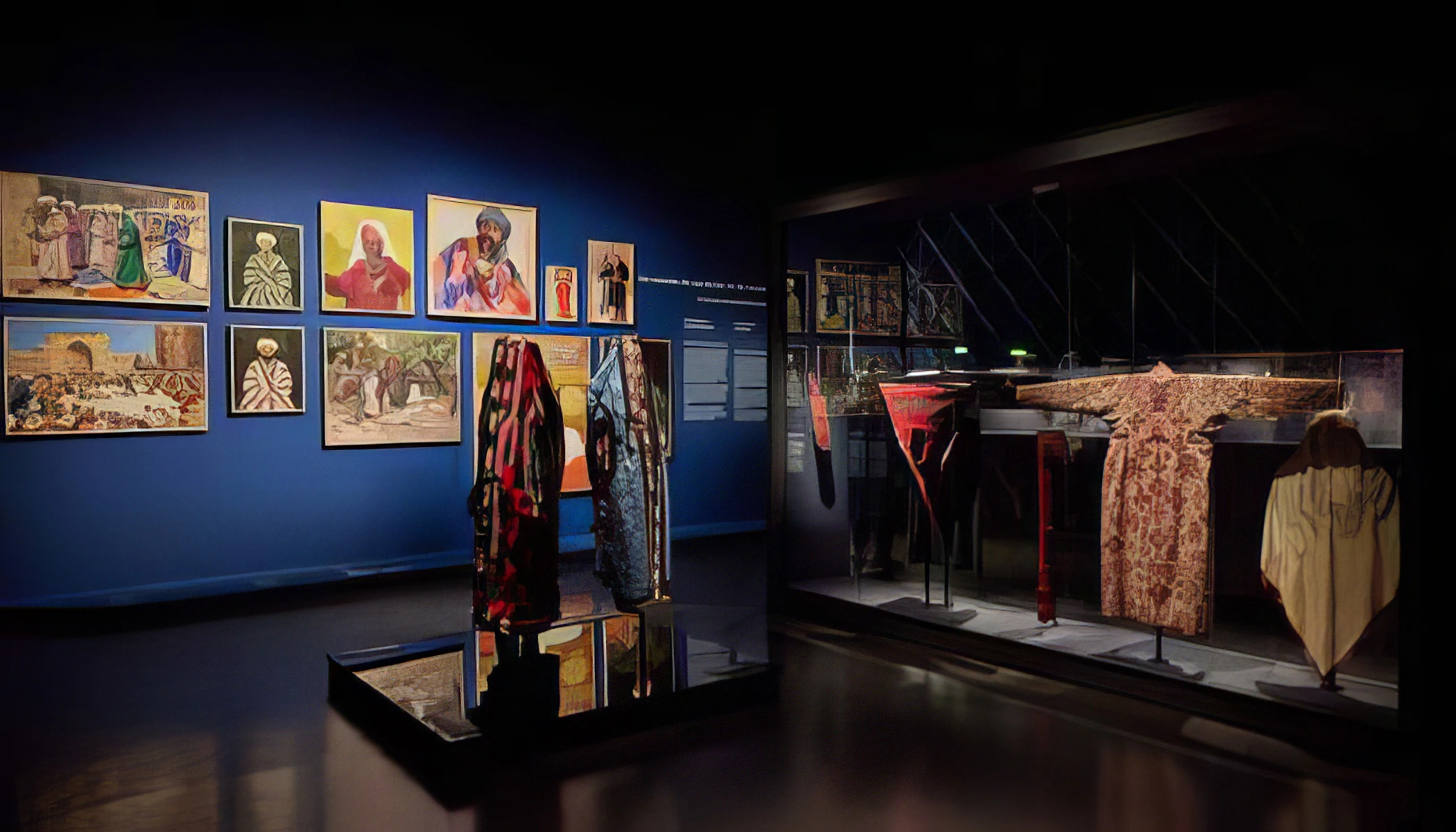
The city is renowned for its lively cultural scene, particularly the Fête des Lumières, an annual light festival that transforms the urban landscape with spectacular light installations each December. It is also home to the Biennale de la Danse, a significant dance festival featuring international performers. The Musée des Beaux-Arts, one of the largest art museums in France, houses an impressive collection of paintings, sculptures, and antiquities. Additionally, the Opéra Nouvel, designed by architect Jean Nouvel, hosts a variety of opera and dance performances throughout the year.