

Dresden: Best Things to Do & Top Attractions
Situated in eastern Saxony, this city is renowned for its Baroque architecture, art treasures, and the rebuilt Frauenkirche. It was heavily bombed in WWII but has been extensively restored.
- Population
- 556,000
- Size
- 328 square km
- Airport
- Dresden – Int'l.
- Train Station
- Dresden Hauptbahnhof
- Est. Visit Days
- 2 days
Overview
Dresden, located in eastern Germany, is known for its rich history and remarkable Baroque architecture, notably the Frauenkirche and the Zwinger. The city offers a wealth of cultural attractions, including world-class museums and galleries. However, Dresden also bears the scars of extensive bombing during World War II, which destroyed much of its historic center. Additionally, the city can be quite crowded with tourists, especially during peak seasons, which may detract from the experience for some visitors. Despite this, Dresden's unique blend of old-world charm and modernity makes it a compelling destination.
Traffic & Transport
The city's public transportation system is highly efficient and is the recommended way to navigate the urban area, especially for tourists. Trams and buses cover most of the city and are well-connected, offering a convenient way to reach major attractions. For those preferring a more personalized experience, bicycles are also a popular and practical option, with many rental services available. Walking is another excellent way to explore the city center, which is compact and pedestrian-friendly. For taxi services, several reliable companies operate in the city, including Taxi-Ruf and Funktaxi. Additionally, the use of taxi-booking apps like MyTaxi provides a convenient option for securing a cab directly from your smartphone, ensuring easy access to transportation at any time.
History
Originally founded as a Slavic settlement in the 12th century, the city became a significant cultural and economic center under the rule of the Wettin dynasty in the 15th century. It was known for its contributions to art, architecture, and music during the Renaissance and Baroque periods. The city was heavily bombed and largely destroyed during World War II in February 1945, resulting in significant loss of life and cultural heritage. Following the war, it was part of the German Democratic Republic until reunification in 1990, experiencing a period of reconstruction and revitalization. Today, it is celebrated for its restored historic landmarks, world-renowned art collections, and annual cultural festivals.
Itinerary Sample
Explore Dresden's highlights over two days with this focused itinerary:
– First day: Visit the historic Zwinger Palace, explore the Old Masters Picture Gallery, and stroll through the Frauenkirche and Neumarkt area.
– Second day: Tour the Royal Palace, see the Green Vault treasures, and walk along the Elbe River.
Near Excursion
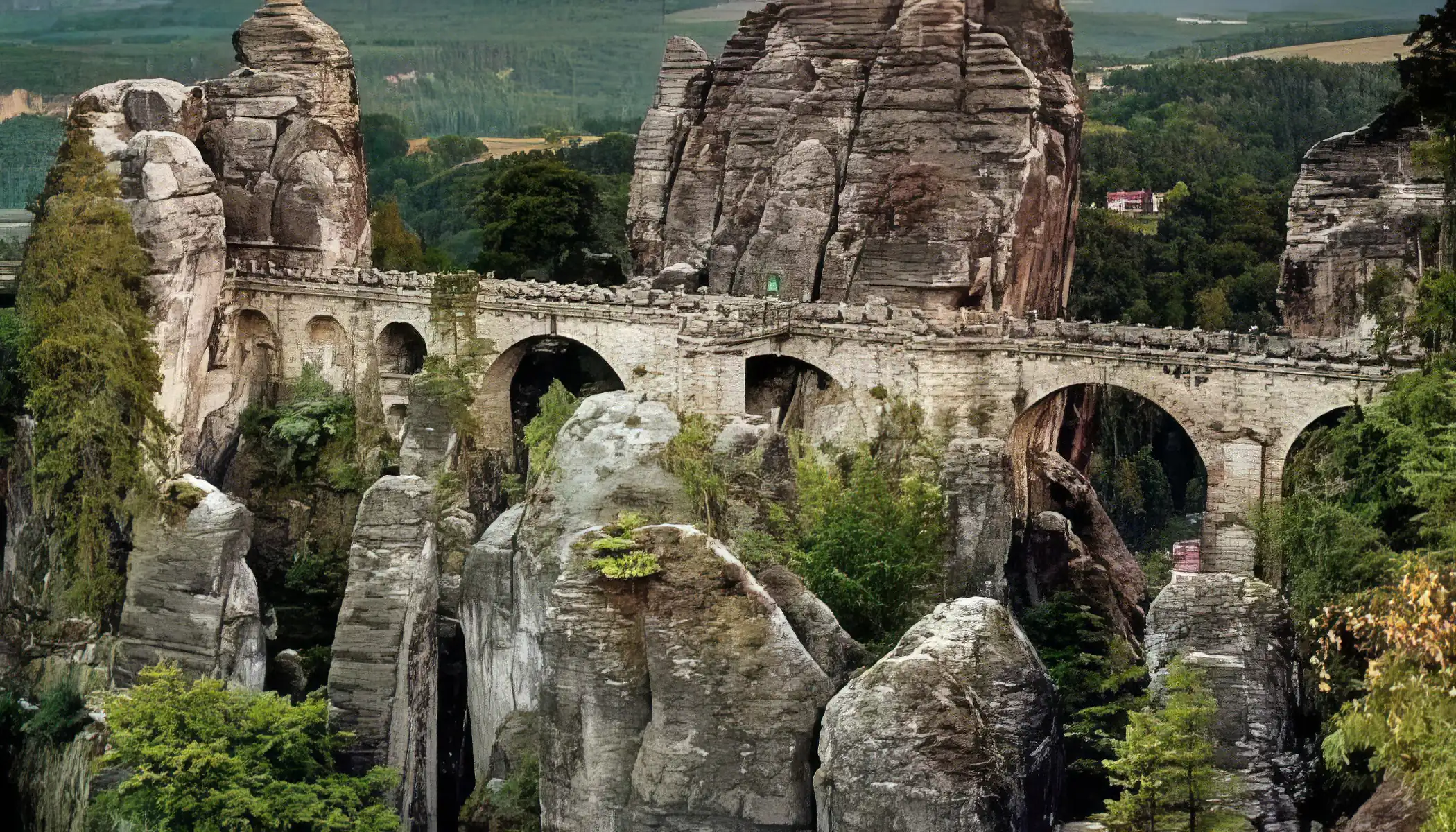
This city is a great starting point for several exciting day trips. Here are some suggestions:
– Saxon Switzerland National Park at 40 km: Offers sensational rock formations and hiking trails.
– Meissen at 30 km: Famous for its porcelain and charming Old Town.
– Moritzburg Castle at 15 km: A beautiful baroque castle surrounded by lakes and forests.
– Leipzig at 100 km: Known for its animated arts scene and historical sites.
– Colditz Castle at 50 km: A historic castle used as a POW camp during World War II.
Attraction
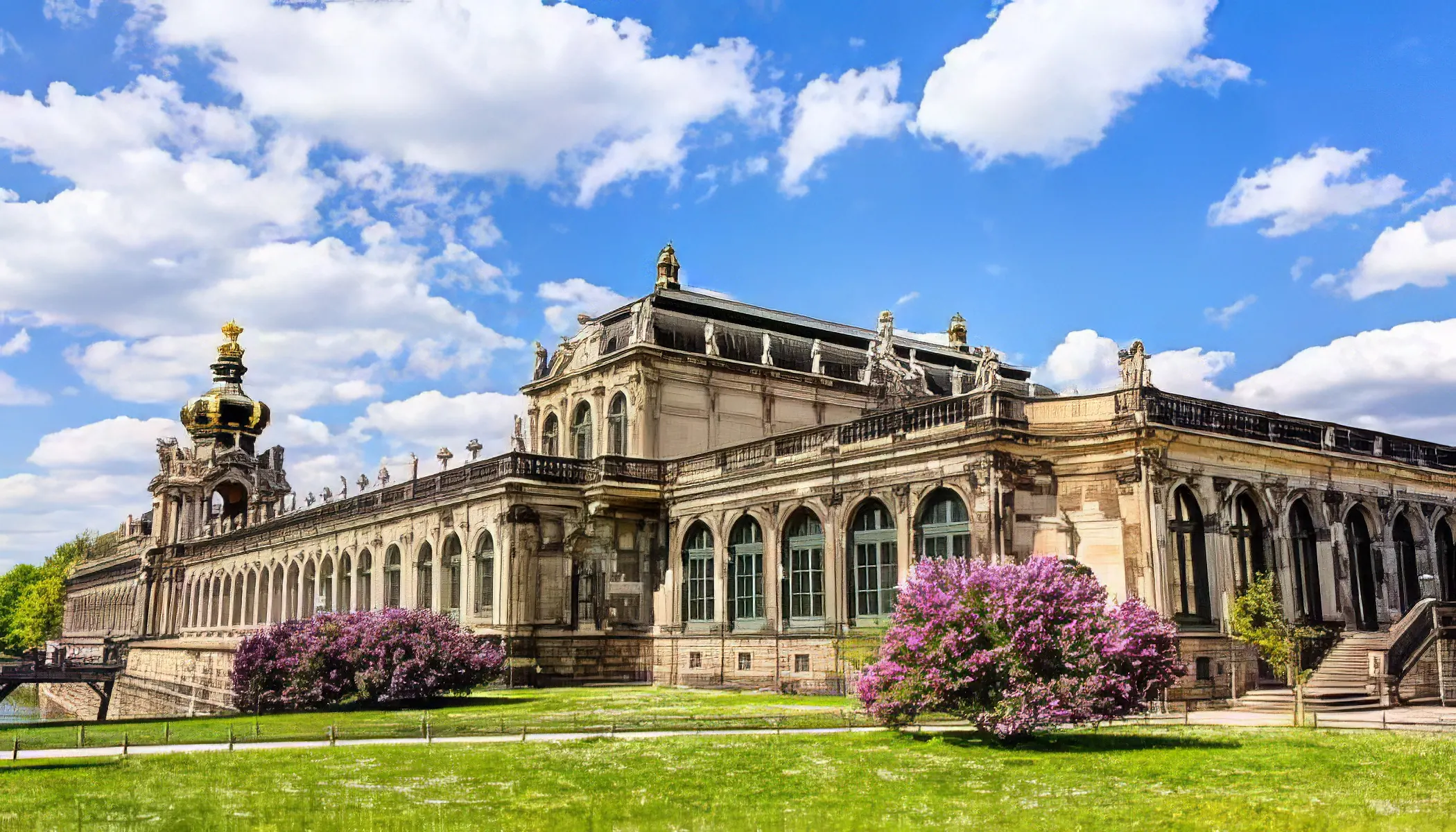
This city is known for its rich cultural heritage and nice architecture.
– Zwinger Palace: A baroque palace with beautiful gardens and art collections.
– Frauenkirche: A reconstructed church with impressive architecture and a viewing dome.
– Semper Opera House: A historic opera house renowned for its performances and architecture.
– Dresden Castle: A former royal palace with museums showcasing art and historical artifacts.
– Brühl's Terrace: A scenic promenade along the river offering great views and historic buildings.
– Albertinum: An art museum featuring modern and contemporary art collections.
Activity
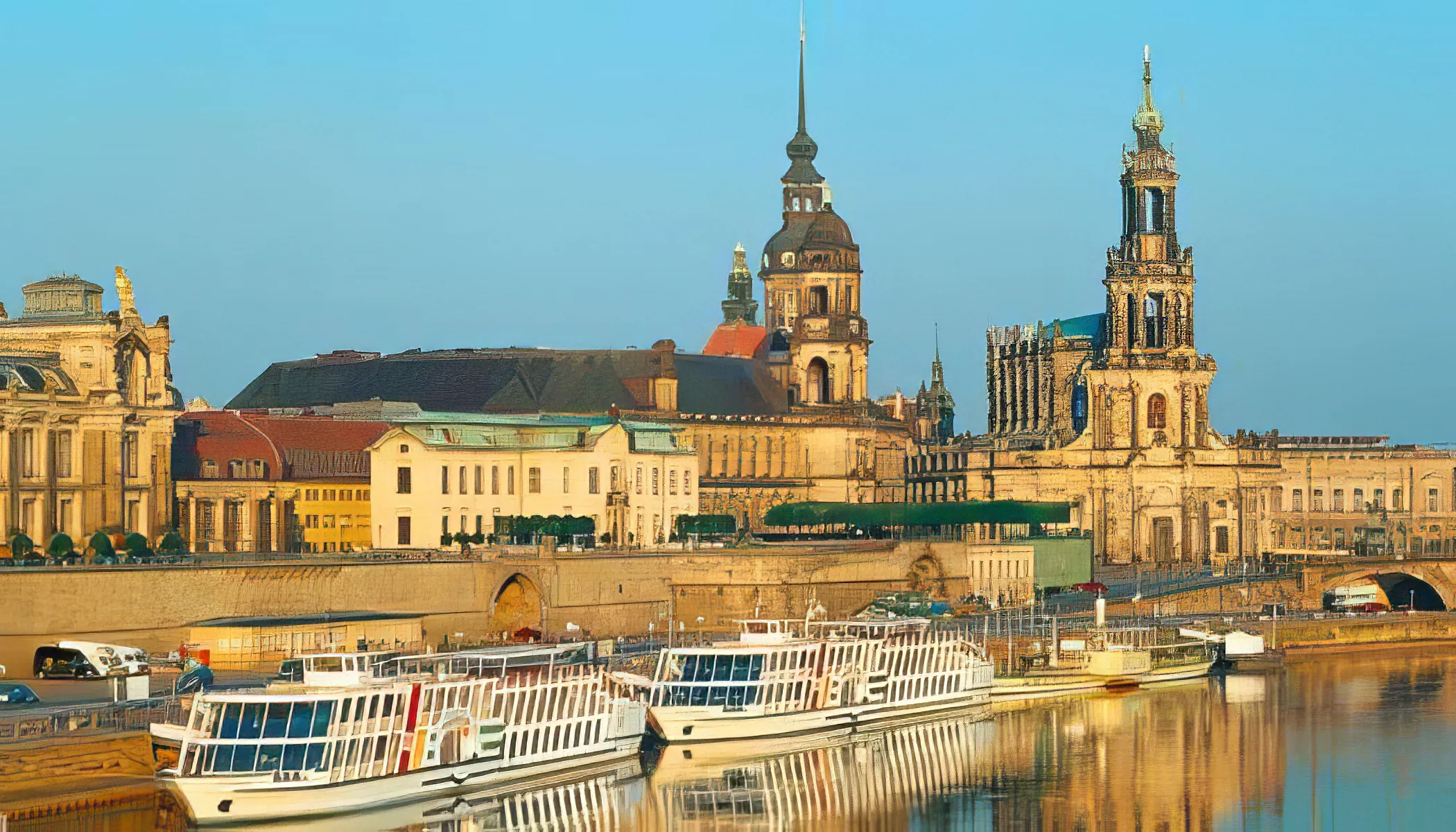
In Dresden, travelers can enjoy unique architecture, river cruises, and scenic parks.
– Elbe River Cruise: Experience Dresden's skyline and historic landmarks from the water.
– Pillnitz Castle and Park: Explore a beautiful palace and gardens on the Elbe River.
– Saxon Switzerland National Park: Hike through unique rock formations and scenic landscapes near Dresden.
– Zwinger Palace Gardens: Relax in the Baroque-style gardens of this historic palace complex.
– Dresden Funicular Railway: Ride a historic funicular up to a panoramic viewpoint over the city.
Cuisine

The city offers a mix of traditional Saxon cuisine and modern culinary delights, with numerous restaurants and cafes showcasing local flavors. Some of the city's most famous dishes include:
– Sauerbraten: Marinated pot roast, typically served with red cabbage and dumplings.
– Sächsische Kartoffelsuppe: Hearty potato soup with vegetables and sausage.
– Quarkkeulchen: Sweet quark cheese pancakes, often served with apple sauce.
– Eierschecke: Layered cake with a creamy custard topping, a regional dessert specialty.
– Dresdner Stollen: Traditional Christmas fruitcake with nuts, spices, and powdered sugar.
– Radeberger Beer: A well-known local pilsner, often enjoyed with meals.
Shopping
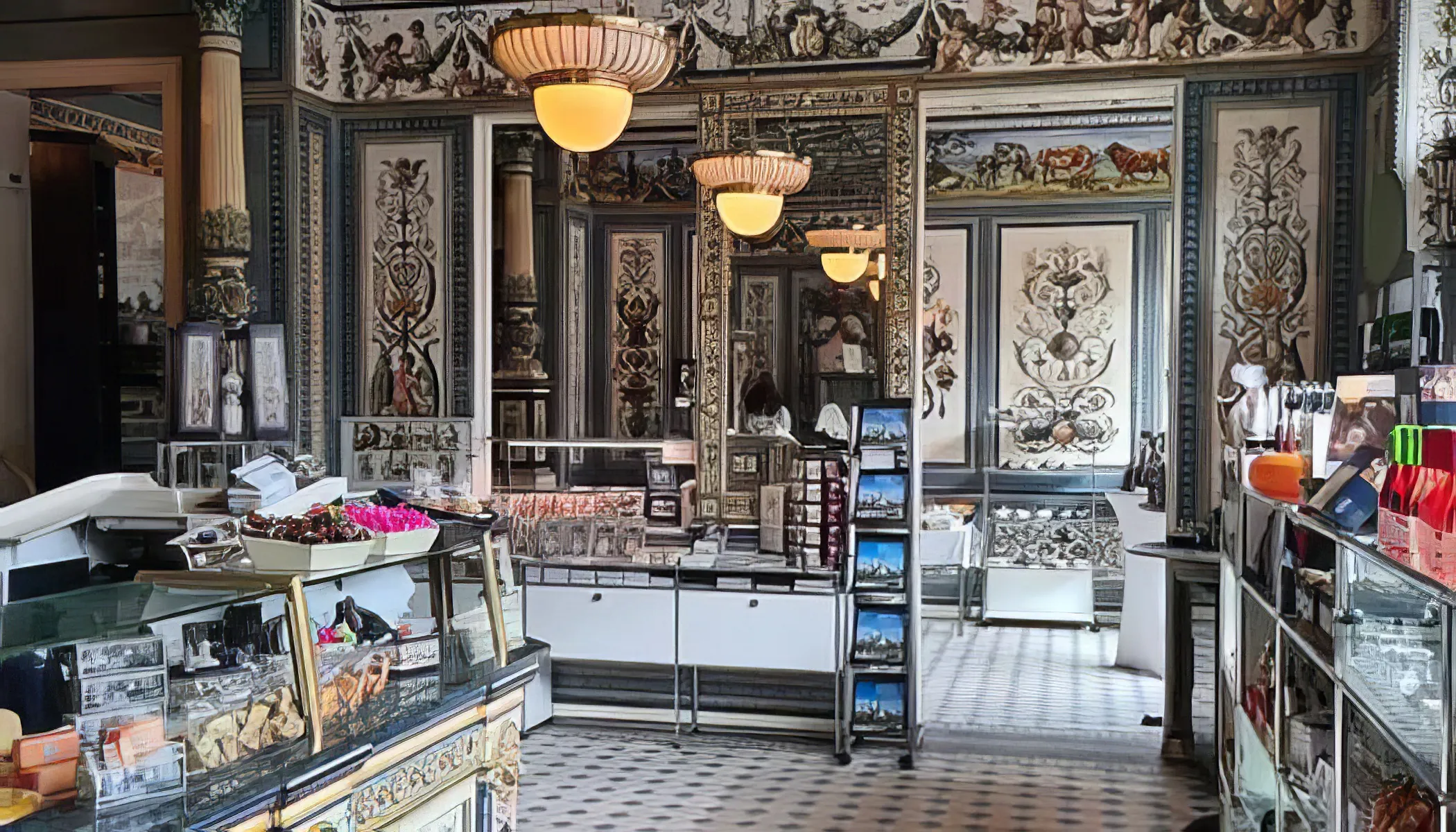
For a unique shopping experience, visit the Altmarkt-Galerie, which offers a wide range of shops from international brands to local boutiques. The Kunsthofpassage is an artistic and quirky shopping area, ideal for finding one-of-a-kind gifts and crafts. Traditional gifts to consider include handcrafted items from the Erzgebirge region, such as wooden nutcrackers or Christmas pyramids. Local porcelain, known for its quality and craftsmanship, also makes a thoughtful gift. For food enthusiasts, consider purchasing Dresden Stollen, a traditional German fruit bread, especially popular during the Christmas season.
Arts & Culture
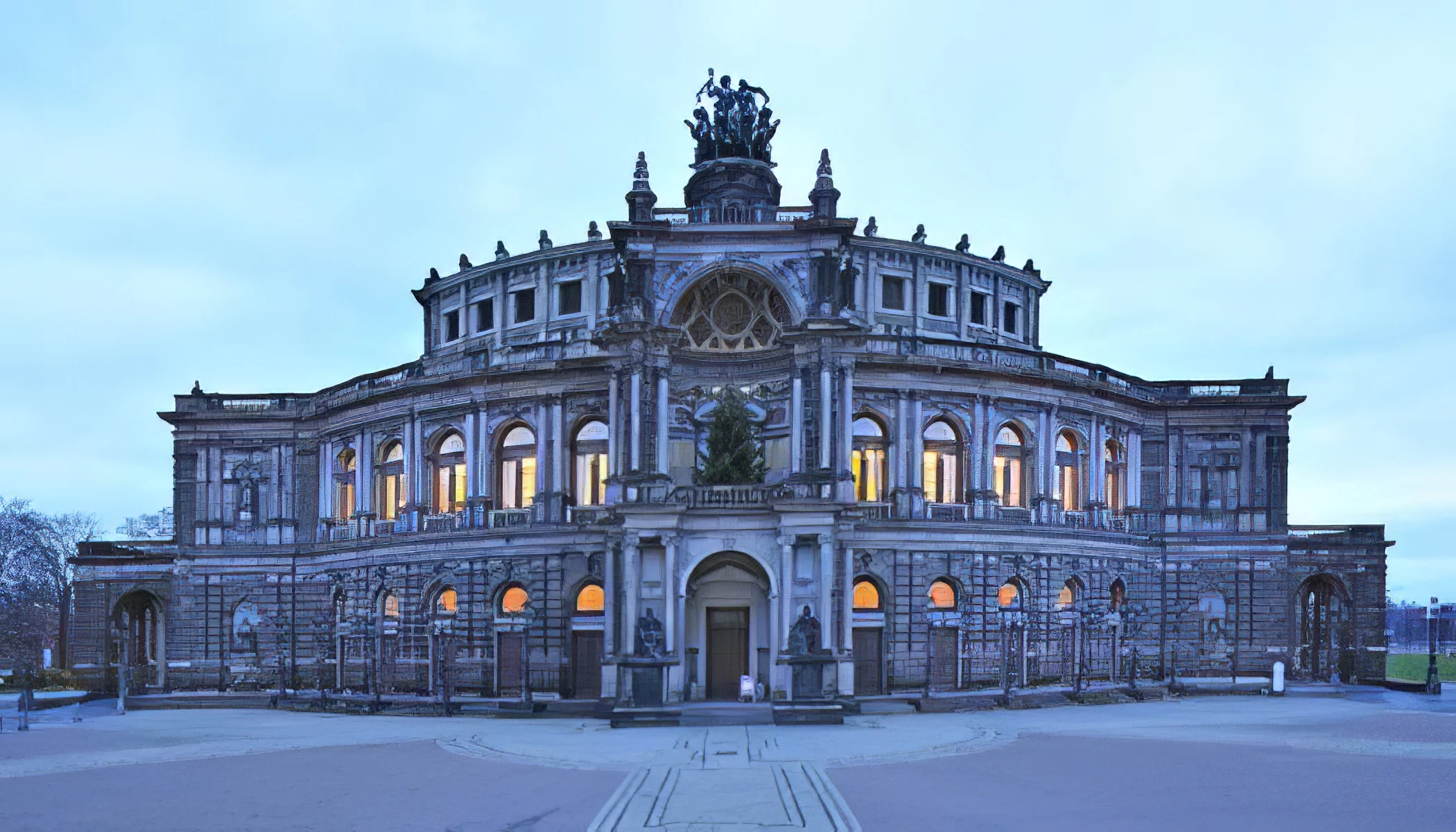
The city is renowned for its lively arts scene, including the Semperoper Opera House, which hosts a range of performances from opera to ballet. The Staatliche Kunstsammlungen is one of the oldest and most prominent museum establishments in the world, featuring a vast collection of artworks across multiple locations. Each year, the city comes alive with the Dresden Music Festival, one of Germany's largest classical music festivals. Additionally, the city has a rich tradition in visual arts, notably with the New Masters Gallery showcasing a vast array of modern artworks.