

Frankfurt: Best Things to Do & Top Attractions
Located in the heart of Europe, this city is a major financial hub, home to the European Central Bank. Known for its futuristic skyline, it also boasts a rich history with museums, opera, and traditional apple wine pubs.
- Population
- 760,000
- Size
- 248 square km
- Airport
- Frankfurt am Main – Int'l
- Train Station
- Frankfurt Hauptbahnhof
- Subway
- U-Bahn
- Est. Visit Days
- 2 days
Overview
Frankfurt, Germany's financial hub, is known for its modern skyline including the iconic 155-meter high Commerzbank Tower. The city boasts a rich cultural scene with diverse museums and a historical Old Town, the Römer. However, Frankfurt can be quite expensive in terms of living costs and tourism. The weather is often unpredictable, with winters being cold and summers sometimes rainy. Public transportation is efficient, though the city is not as large as some other major European capitals.
Traffic & Transport
The city's public transportation system is highly efficient, making it the best option for navigating the urban area. The extensive network includes trams, buses, and an underground metro, all of which are interconnected and operate frequently. For tourists, purchasing a day ticket or a multi-day pass is cost-effective and provides unlimited access to all modes of public transport. Bicycles are also a popular and convenient way to explore, with numerous rental stations available throughout the city. For those preferring taxi services, several reliable companies operate, including Taxi Auto-Zentrale Frankfurt and Taxi-Ruf Frankfurt. Additionally, the MyTaxi app is widely used for booking taxis, offering a convenient and user-friendly option for securing a ride.
History
Historically, the city was a significant location for trade fairs, dating back to the early Middle Ages, which greatly boosted its economic development. It became a free imperial city in 1372, gaining independence from the Holy Roman Empire. Throughout the centuries, it was a key site for the election and coronation of German emperors. The city was heavily bombed during World War II, leading to extensive damage and post-war reconstruction. It has since evolved into a major financial hub, hosting the European Central Bank and being a key player in global finance.
Itinerary Sample
Here's a 2-day itinerary to explore Frankfurt, Germany:
– First day: Start with a visit to Römerberg, explore Frankfurt Cathedral, and stroll along the Main River. End your day at the Palmengarten.
– Second day: Visit the Städel Museum, shop on Zeil, and finish with a climb up Main Tower for city views.
–
Near Excursion
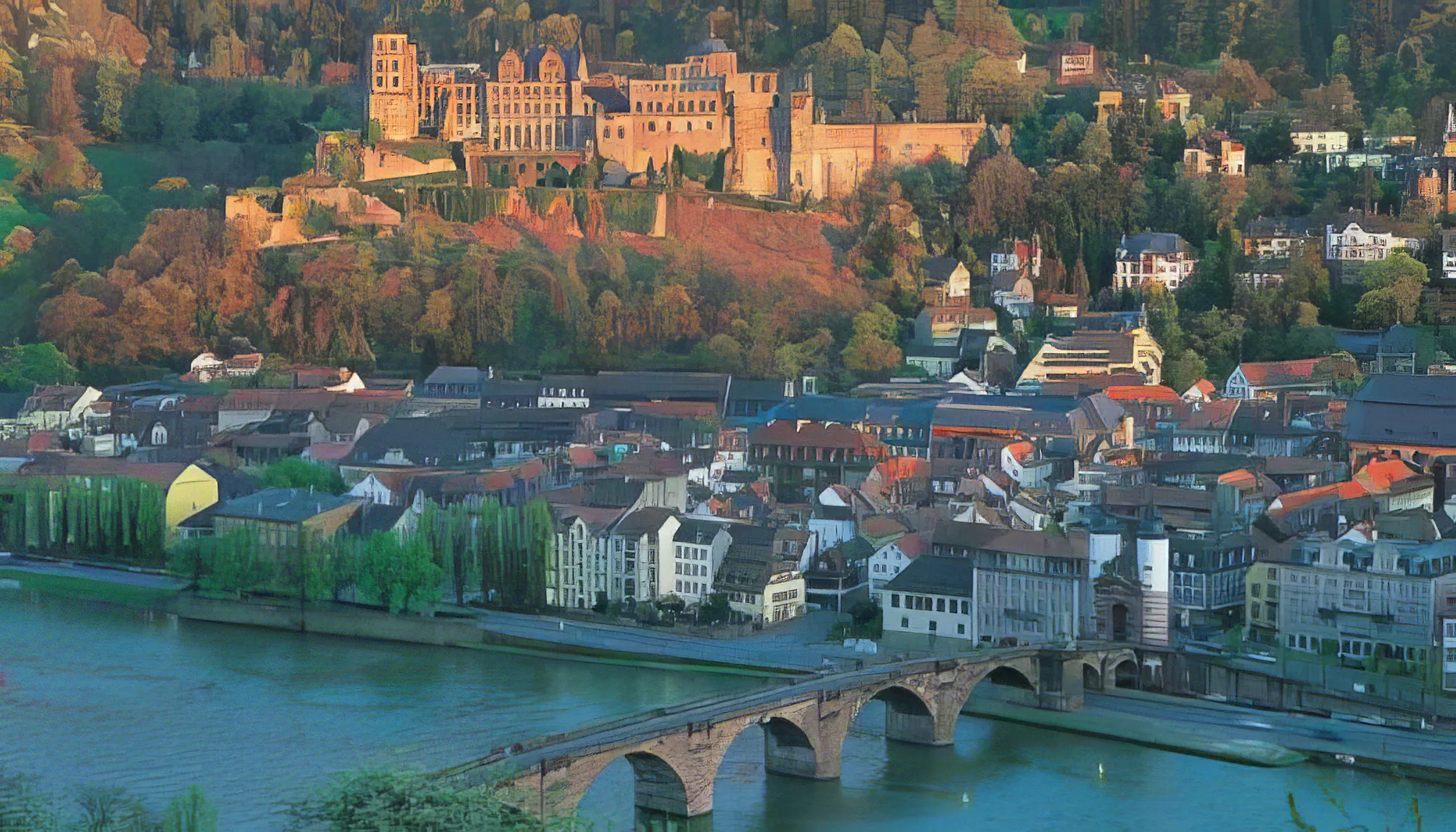
This city is a great starting point for several exciting day trips. Here are some suggestions:
– Heidelberg at 90 km: A elegant city with a historic castle and a renowned university.
– Mainz at 45 km: Known for its beautiful Old Town and the Gutenberg Museum.
– Wiesbaden at 40 km: A spa town with elegant architecture and thermal baths.
– Rüdesheim am Rhein at 65 km: Famous for its wine, scenic vineyards, and the Drosselgasse street.
– Marburg at 100 km: A charming town with a medieval castle and a historic university.
Attraction
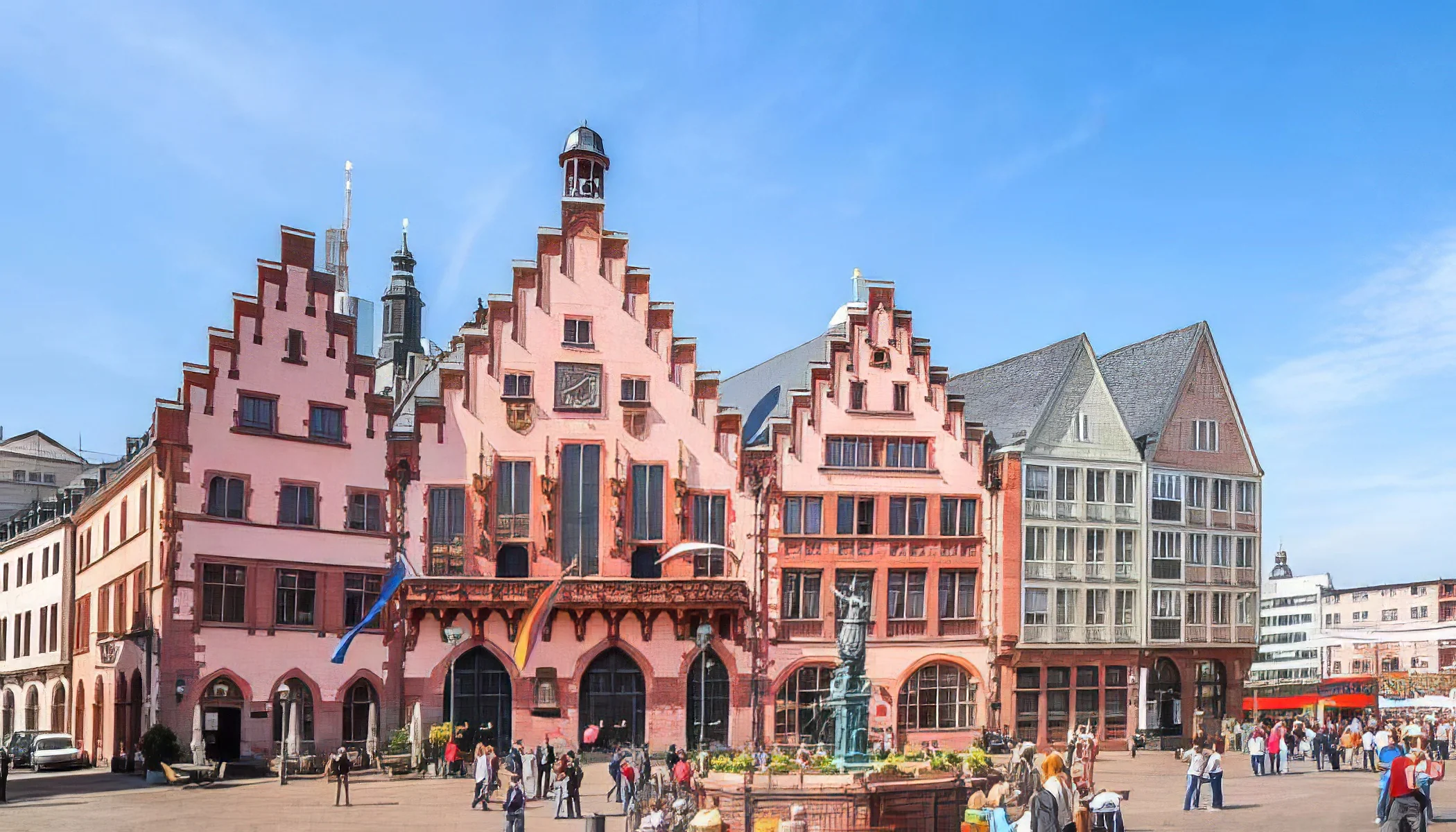
Known for its modern skyline and rich history, this city offers a mix of contemporary and historical attractions.
– Römer: A historic city hall with a distinctive facade, dating back to the 15th century.
– Städel Museum: An art museum featuring European masterpieces from the Middle Ages to the present.
– Palmengarten: A large botanical garden showcasing a variety of plants from around the world.
– Main Tower: A skyscraper with an observation deck offering panoramic views of the city.
– Goethe House: The birthplace of the famous writer Johann Wolfgang von Goethe, now a museum.
– Senckenberg Natural History Museum: Known for its extensive dinosaur exhibits and natural history collections.
Activity
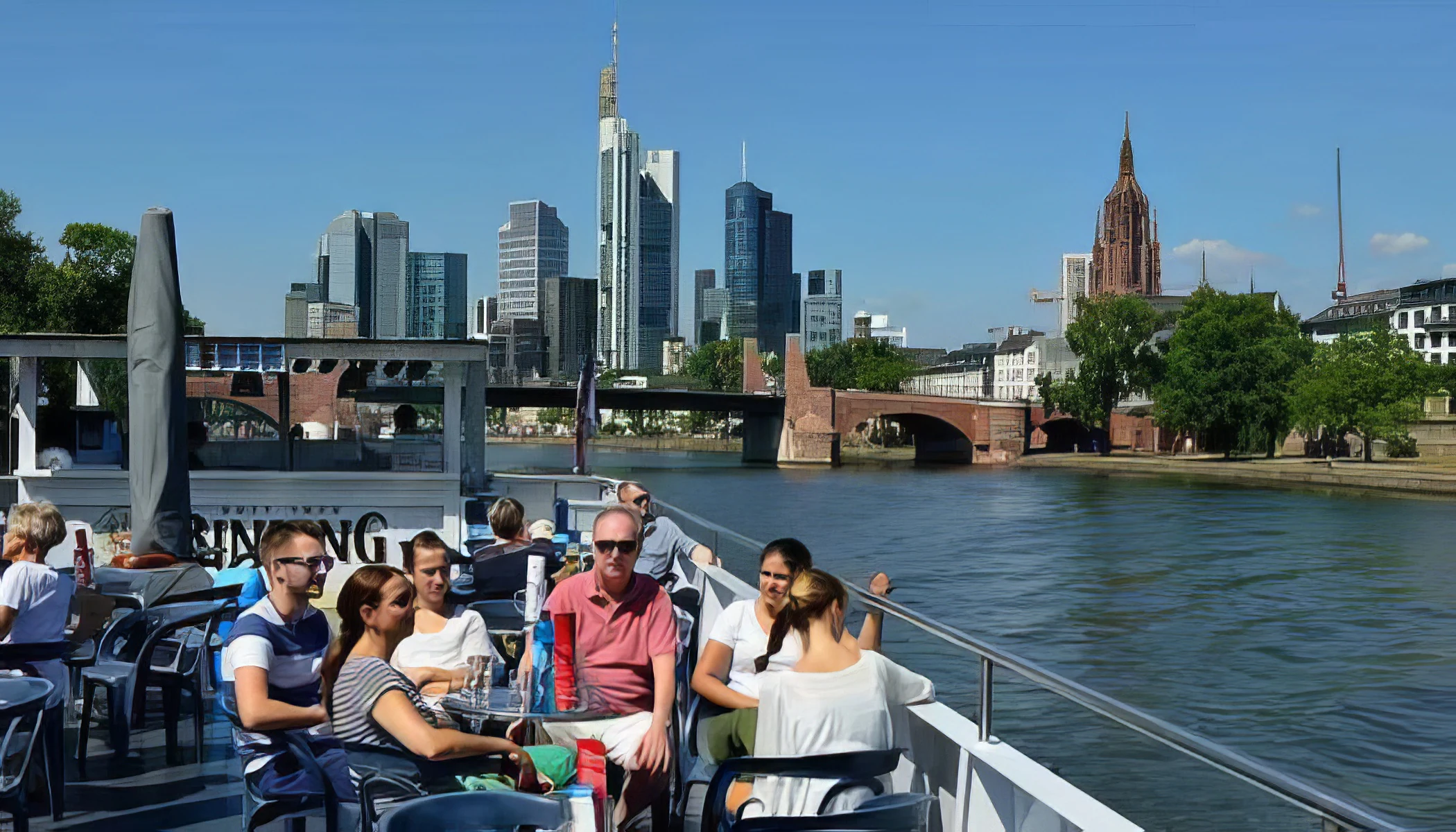
In Frankfurt, travelers can enjoy unique river cruises, explore historic districts, and experience modern architecture.
– River Main Cruise: Enjoy scenic views of Frankfurt's skyline and historic landmarks from the water.
– Sachsenhausen District Walk: Discover traditional cider taverns, historic buildings, and local culture.
– Palmengarten Botanical Garden: Explore diverse plant species in a large botanical garden.
– Goethe House and Museum: Visit the birthplace of Johann Wolfgang von Goethe, a famous German writer.
– Frankfurt City Forest: Hike, bike, or relax in this large urban forest near the city.
Cuisine

The city offers a mix of traditional German cuisine and international flavors, with a focus on hearty and comforting dishes. Some of the city's most famous dishes include:
– Frankfurter Würstchen: Traditional sausages often served with bread, mustard, and sauerkraut.
– Grüne Soße: A cold herb sauce made from seven fresh herbs, typically served with boiled eggs and potatoes.
– Handkäse mit Musik: A sour milk cheese marinated in vinegar, oil, and onions, often served with bread.
– Apfelwein: A tart apple cider, commonly enjoyed in local taverns.
– Rippchen mit Kraut: Smoked pork chops served with sauerkraut and mashed potatoes.
– Bethmännchen: Small almond-paste cookies, traditionally enjoyed during the Christmas season.
Shopping
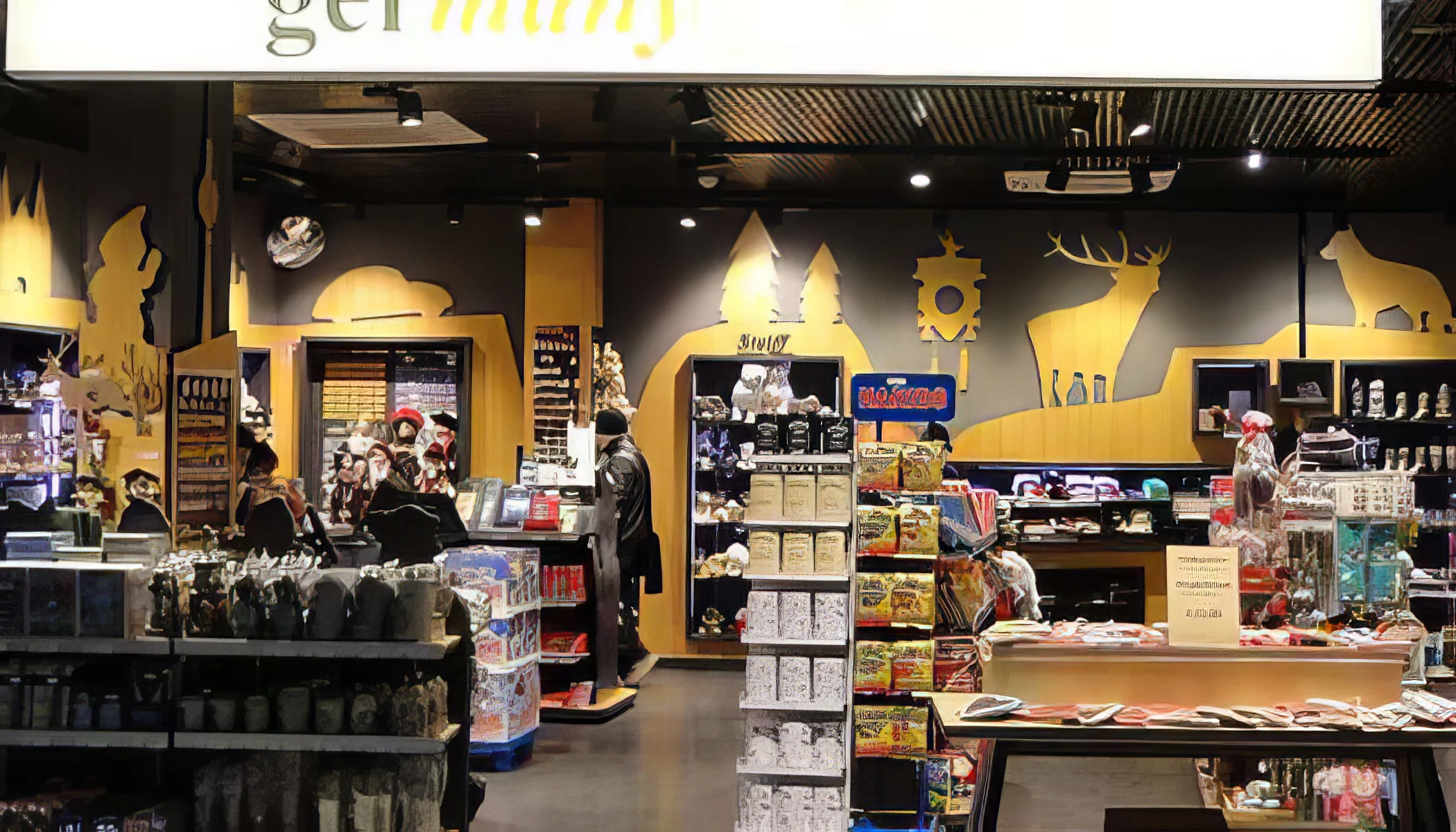
For a great shopping experience, visit Zeil, one of the busiest shopping streets in Germany, offering a range of international brands and department stores. The Kleinmarkthalle is a nice indoor market where you can find a variety of local foods and spices, ideal for unique gifts. For a quintessential gift, consider purchasing Apfelwein, a traditional apple wine from the region, or handcrafted Ebbelwoi glasses. Another popular gift option is the Bembel, a traditional ceramic jug used to serve Apfelwein. These items not only serve as souvenirs but also provide a taste of local culture and craftsmanship.
Arts & Culture
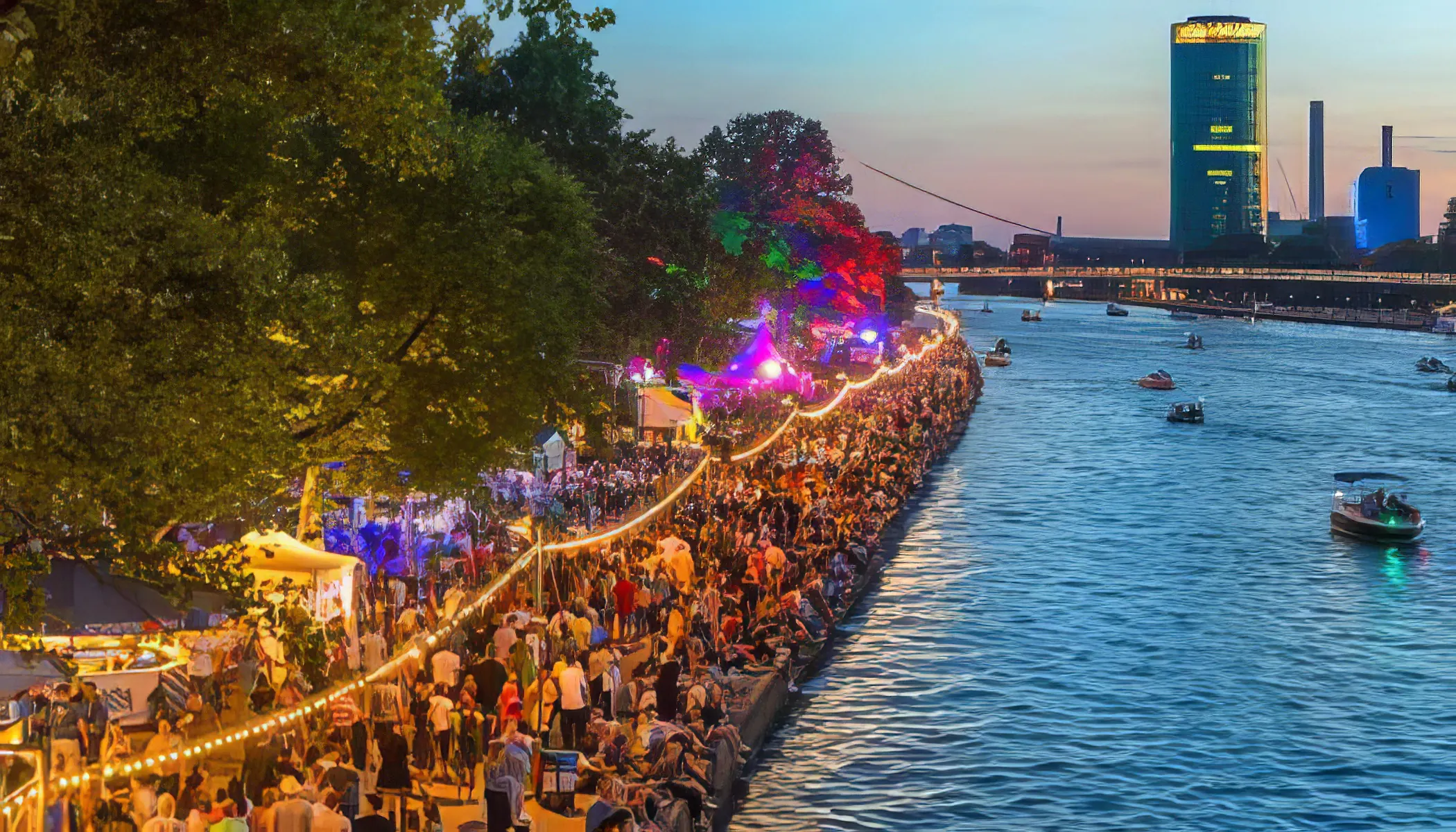
The city hosts a lively array of cultural events, including the Museumsuferfest, an annual festival celebrating the arts with a focus on the museums lining the Main River. It is also home to the Alte Oper, a restored opera house that now serves as a major venue for concerts and performances. The Städel Museum, one of Germany's oldest art galleries, offers an extensive collection of European art from the 14th century to the present. Additionally, the city's Book Fair is one of the largest literary events in the world, attracting publishers, authors, and readers from across the globe.