

Sightseeing in Leipzig: Culture & Must‑See Spots
Located in Saxony, this city is known for its animated arts scene, historical music heritage, and significant role during the Peaceful Revolution. It boasts a renowned university and a rich cultural landscape with numerous museums and galleries.
- Population
- 600,000
- Size
- 297 square km
- Airport
- Leipzig/Halle – Int'l.
- Train Station
- Leipzig Hauptbahnhof
- Est. Visit Days
- 2 days
Overview
Leipzig, located in eastern Germany, is known for its rich cultural heritage, particularly in music and the arts, with the famous St. Thomas Church being a significant historical landmark. The city also boasts a thriving contemporary scene, with a range of galleries and a dynamic nightlife. However, Leipzig has faced some challenges with regards to air pollution, which can affect visitors, especially those sensitive to poor air quality. Additionally, while public transportation is generally efficient, the city's tram network can be crowded during peak times. Despite these issues, Leipzig's blend of history and modernity makes it a compelling destination.
Traffic & Transport
The city's public transportation system is highly efficient and is the recommended mode for navigating the urban area, especially for tourists. Trams, buses, and the S-Bahn (suburban trains) provide extensive coverage, making it easy to reach major attractions and neighborhoods. For those preferring a more flexible option, bicycles are also a popular choice, with numerous rental stations available throughout the city. Walking is another excellent way to explore the central areas, which are pedestrian-friendly and offer a chance to experience the city up close. For taxi services, several reliable companies operate in the city, including Taxi-Ruf and Taxi-Zentrale. Additionally, the use of taxi-booking apps like MyTaxi and Uber provides convenient options for securing a ride, with the added benefit of real-time tracking and payment through the app.
History
Founded as a settlement by the Slavic Sorbs in the 7th century, the city was first documented in 1015. It developed into a trade hub due to its location at the intersection of two important medieval trade routes, the Via Regia and the Via Imperii. The city was a significant center for trade fairs in the Holy Roman Empire from the 12th century, enhancing its economic and cultural influence. It was the site of the Battle of the Nations in 1813, a pivotal event in the Napoleonic Wars, leading to the end of French hegemony in Europe. The city also played a key role in the peaceful revolution of 1989, which ultimately led to the fall of the Berlin Wall and the reunification of Germany.
Itinerary Sample
Explore Leipzig's highlights over two days with this focused itinerary:
– First day: Visit the historic St. Thomas Church, explore the Museum der bildenden Künste, and stroll through the Leipzig Zoo.
– Second day: Tour the Battle of the Nations Monument, relax at Clara-Zetkin-Park, and enjoy the evening at Plagwitz district.
Near Excursion
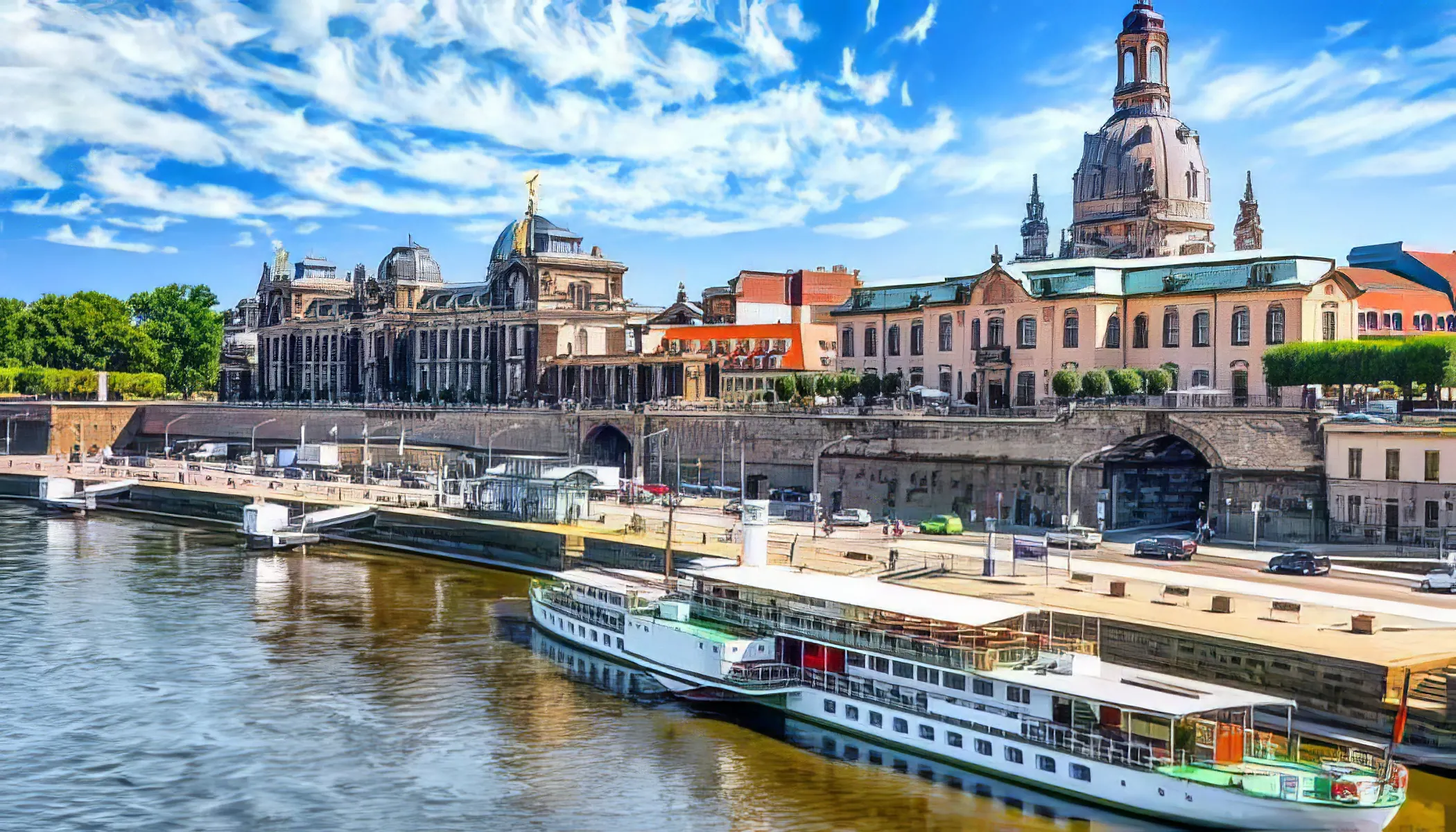
This city is a great starting point for several exciting day trips. Here are some suggestions:
– Dresden at 115 km: Known for its fascinating architecture and art museums.
– Wittenberg at 70 km: Famous for its association with Martin Luther and the Reformation.
– Naumburg at 60 km: Home to the impressive Naumburg Cathedral, a UNESCO World Heritage site.
– Colditz Castle at 50 km: A historic castle used as a prisoner-of-war camp during World War II.
– Halle at 40 km: Offers a mix of cultural attractions, including the Handel House and Moritzburg Art Museum.
Attraction
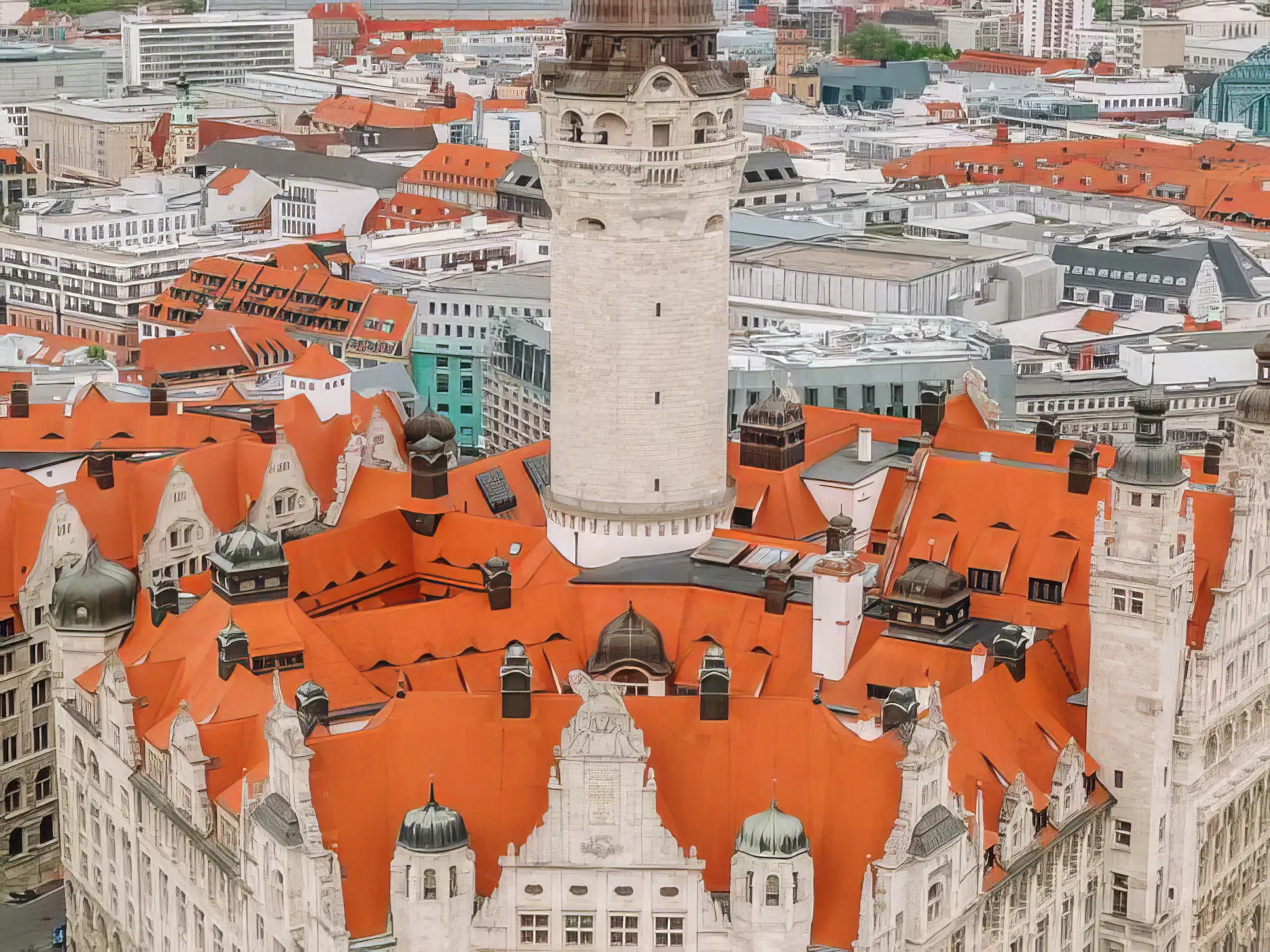
Known for its rich history, lively culture, and music heritage, this city offers a variety of attractions for tourists.
– St. Thomas Church: Famous for its association with Johann Sebastian Bach, who served as its music director.
– Monument to the Battle of the Nations: A massive monument commemorating the 1813 battle against Napoleon.
– Leipzig Zoo: One of the oldest and most modern zoos, featuring a large tropical hall.
– Museum of Fine Arts: Hosts an extensive collection of European art from the Middle Ages to modern times.
– Gewandhaus: Renowned concert hall, home to the world-famous Gewandhaus Orchestra.
– Grassi Museum: A complex of three museums focusing on ethnography, musical instruments, and applied arts.
Activity
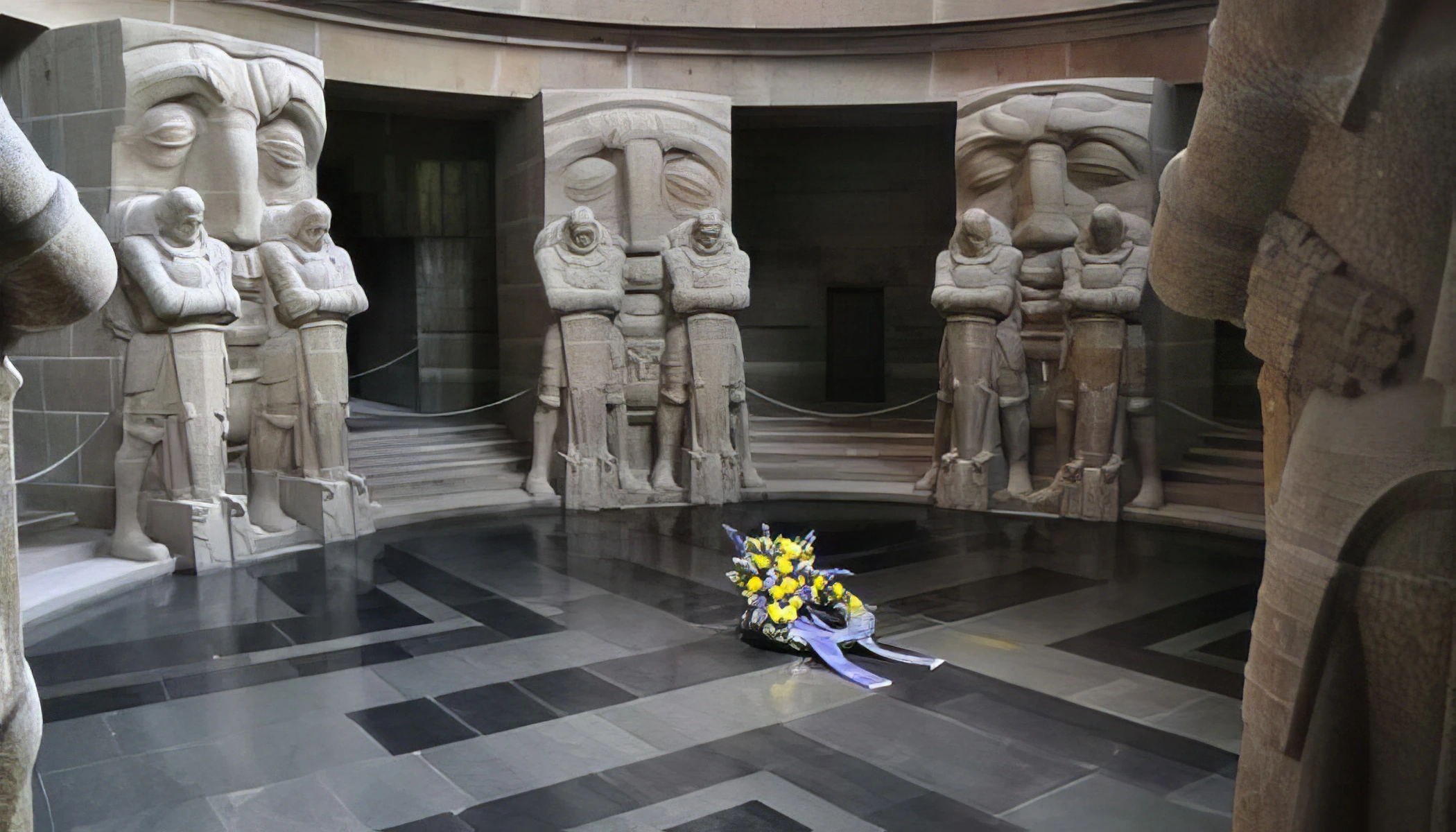
In Leipzig, travelers can enjoy unique experiences like visiting the Monument to the Battle of the Nations and exploring the city's lively street art scene.
– Monument to the Battle of the Nations: Visit the impressive monument commemorating the defeat of Napoleon.
– Street Art Tour: Explore Leipzig's diverse street art scene on a guided tour.
– Leipzig Zoo: Visit one of the oldest zoos in the world with a wide variety of animals.
– Canoeing on the White Elster River: Enjoy a peaceful paddle through Leipzig's scenic waterways.
– Leipzig Panometer: Experience a 360-degree panoramic painting depicting historical or contemporary scenes.
Cuisine

The city offers a mix of traditional Saxon cuisine and modern culinary trends, with a variety of local and international dishes. Some of the city's most famous dishes include:
– Leipziger Allerlei: A vegetable medley with peas, carrots, asparagus, and more, often served with crayfish.
– Sauerbraten: Marinated pot roast, typically served with red cabbage and dumplings.
– Quarkkeulchen: Sweet quark cheese pancakes, often served with apple sauce or cinnamon sugar.
– Rinderroulade: Beef rolls stuffed with bacon, onions, and pickles, served with gravy.
– Eierschecke: A layered cake with a quark cheese filling, custard, and a sponge base.
– Lerchen: Pastry filled with nuts, almonds, and jam, named after the lark bird.
Shopping
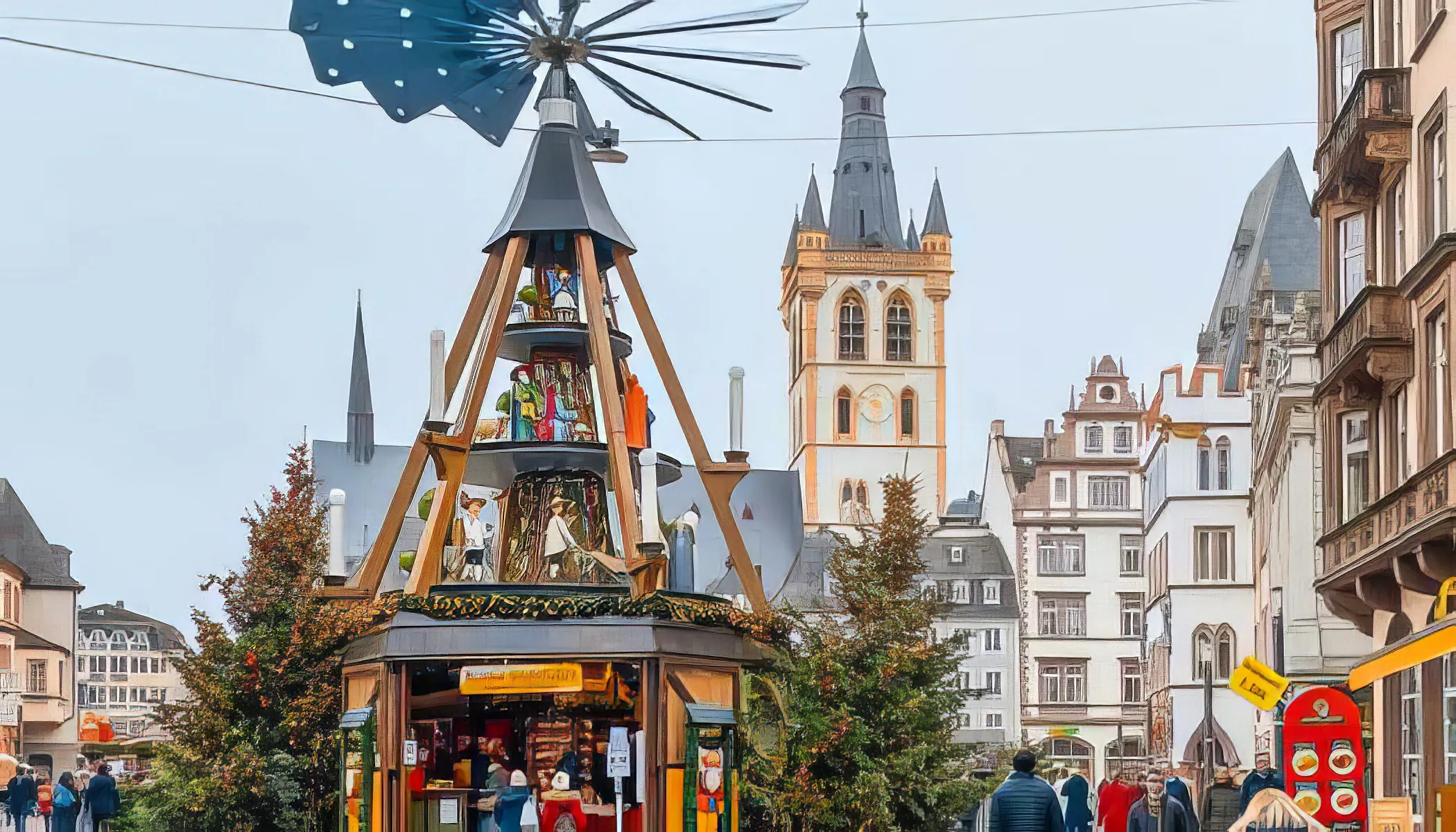
For a unique shopping experience, visit the historic Mädler Passage, known for its elegant architecture and upscale shops. Here, you can purchase a piece of traditional German craftsmanship, such as a handcrafted music box or a set of fine porcelain. Another great option is the Specks Hof, offering a variety of local artisan products. Consider buying Leipziger Lerche, a traditional marzipan-filled pastry, as a delightful local gift. The flea market at the old fairgrounds is ideal for finding vintage and unique items. Lastly, for book lovers, a visit to the iconic Buchhandlung Ludwig in the train station offers a wide selection of German literature and regional books.
Arts & Culture
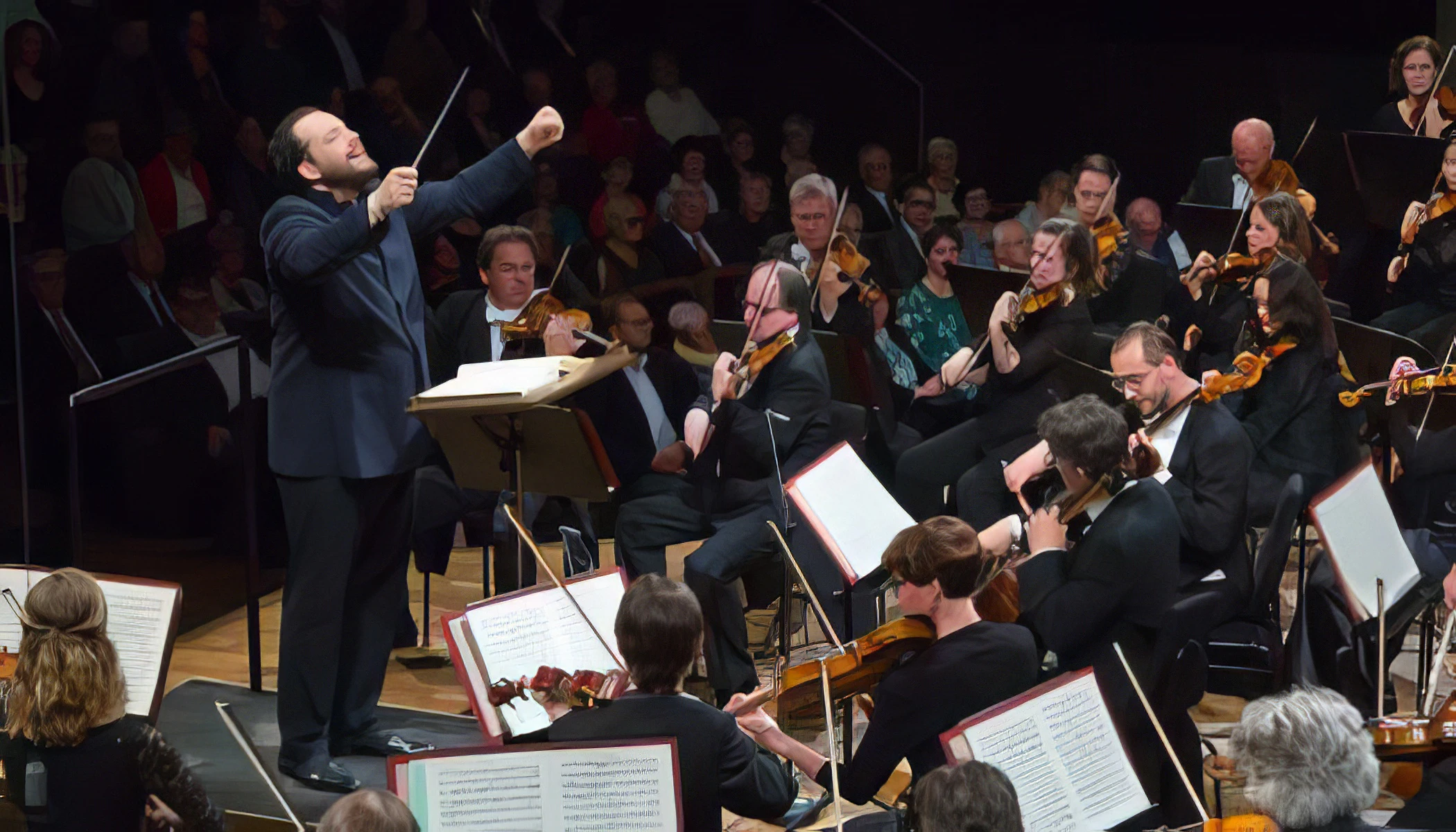
The city is renowned for its beautiful arts scene, including the Gewandhaus Orchestra and the St. Thomas Choir, which are integral to its rich musical heritage. It hosts the annual Wave-Gotik-Treffen, the world's largest festival for gothic and alternative music and culture. The Museum of Fine Arts houses an extensive collection of European paintings from the Middle Ages to the present day. Additionally, the city's Bach Festival celebrates the life and works of Johann Sebastian Bach, who spent a significant part of his career here.