

Sightseeing in Mykonos: Culture & Must‑See Spots
This popular island in the Aegean Sea is known for its nice nightlife, white-washed buildings, and beautiful beaches. It's a top destination for tourists seeking both culture and entertainment.
- Population
- 11,000
- Airport
- Mykonos – Int'l.
- Est. Visit Days
- 3 days
Overview
Mykonos, a popular Greek island in the Aegean Sea, is renowned for its animated nightlife and charming Cycladic architecture. The city offers a mix of traditional and modern elements, with its iconic windmills and Little Venice area being major attractions. However, Mykonos can be quite expensive, which might deter budget travelers. Additionally, during the peak summer season, the island can become overcrowded with tourists. Despite this, Mykonos remains a top destination for those seeking a blend of rich history, beautiful beaches, and a lively social scene.
Traffic & Transport
The primary mode of transport for navigating the city is by foot, especially in the central areas where the narrow streets are not accessible to vehicles. For longer distances or to reach beaches and other parts of the island, renting a scooter, ATV, or a car is the most convenient option. Public buses are also available and provide a cost-effective way to travel between major locations. However, during the peak tourist season, buses can be crowded and less frequent. For those preferring taxi services, there are several reliable taxi companies operating on the island. Additionally, the use of taxi-booking apps like "TaxiBeat" offers a convenient way to hail a cab and provides transparent pricing.
History
Historically, the island was under Venetian rule from the early 13th century until the late 18th century, which significantly influenced its architecture and urban planning. During this period, it was an important trading hub, particularly known for its maritime commerce and production of local products. The island also experienced frequent pirate raids due to its strategic location in the Aegean Sea. In the 16th century, it was occupied by the Ottoman Empire but retained a degree of autonomy. The cultural events on the island, including religious festivals and traditional celebrations, often reflect this diverse historical heritage.
Itinerary Sample
Explore Mykonos over three days, experiencing its iconic spots, culture, and cuisine.
– First day: Visit Mykonos Town, explore the narrow streets, see the Windmills, and enjoy Little Venice at sunset.
– Second day: Day trip to Delos Island for historical ruins and museums.
– Third day: Relax on Paradise Beach, try water sports, and explore nearby tavernas for local food.
Near Excursion
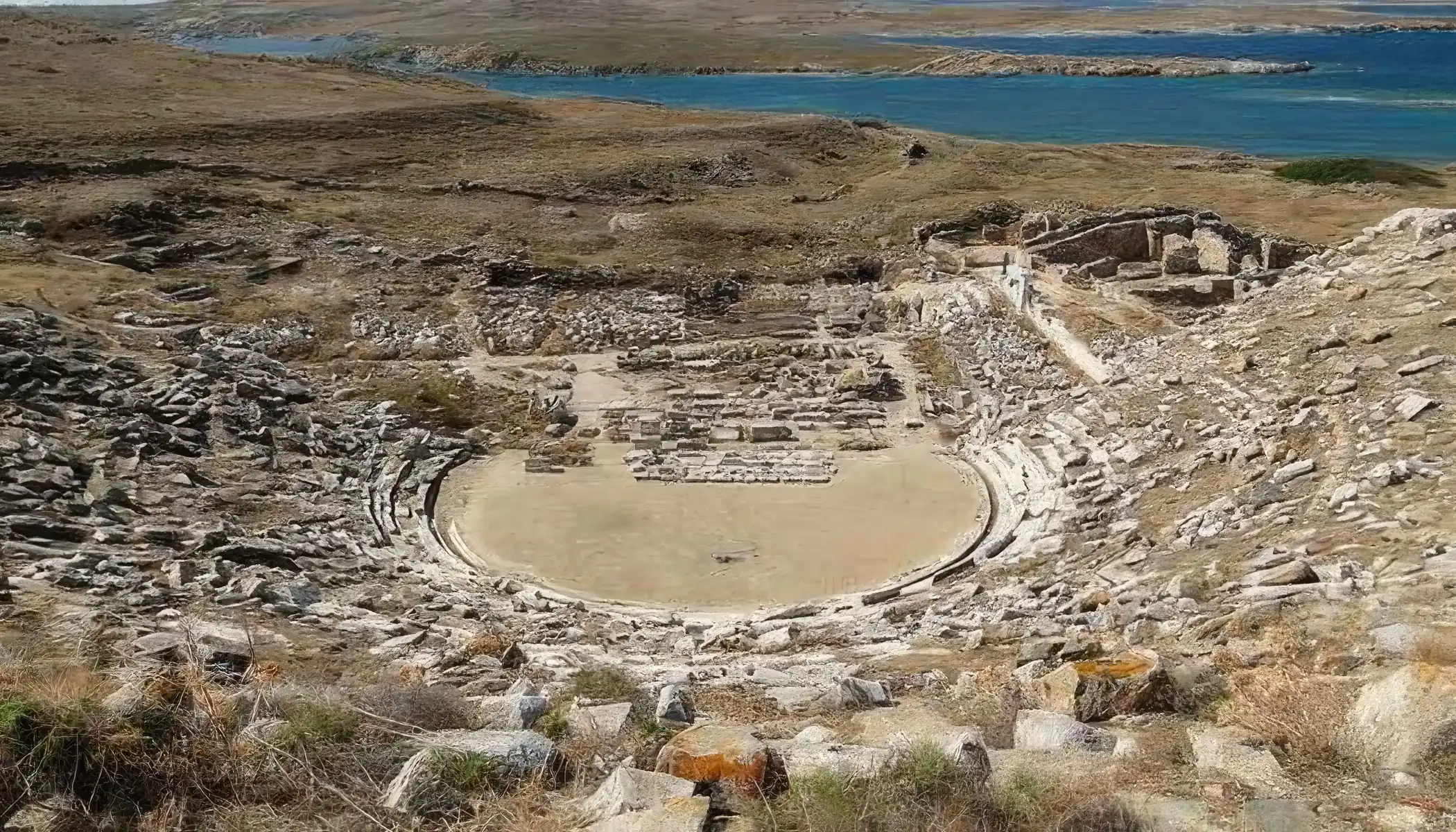
This island is a great starting point for several exciting day trips. Here are some suggestions:
– Delos Island at 2 km: An archaeological site with ancient ruins and a museum.
– Tinos Island at 20 km: Known for its traditional villages, marble art, and the Church of Panagia Evangelistria.
– Syros Island at 35 km: Features the capital of the Cyclades, Ermoupoli, with neoclassical architecture and lovely culture.
– Paros Island at 50 km: Offers beautiful beaches, traditional villages, and the famous Church of Panagia Ekatontapiliani.
– Naxos Island at 40 km: Known for its ancient temples, Venetian castles, and gorgeous beaches.
Attraction
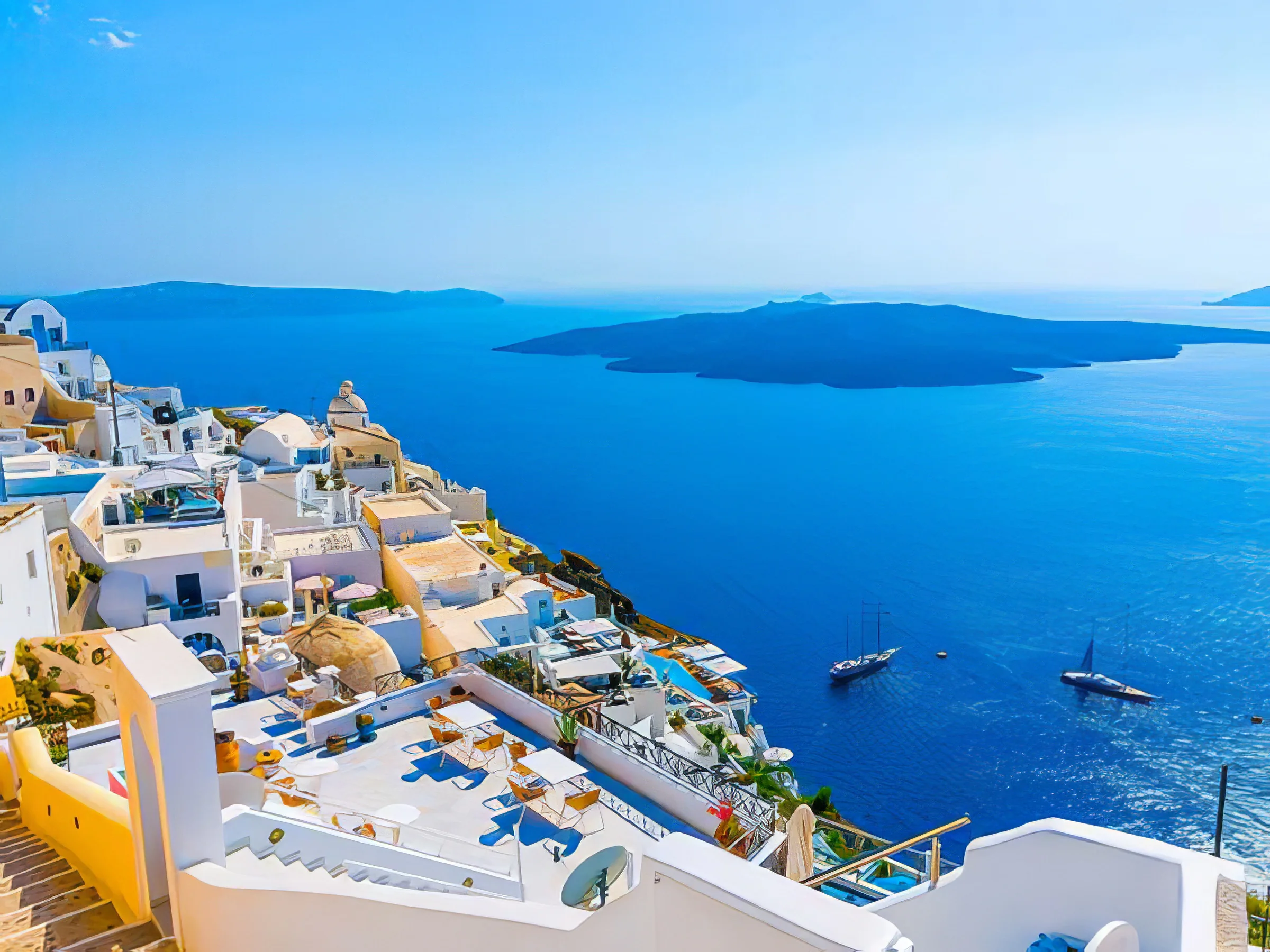
Known for its pretty nightlife, beautiful beaches, and charming architecture, this city offers a mix of relaxation and excitement.
– Little Venice: A charming area with colorful houses, bars, and restaurants right by the sea.
– Windmills: Iconic landmarks offering panoramic views and a glimpse into the island's history.
– Paradise Beach: Famous for its lively beach parties and crystal-clear waters.
– Delos Island: An archaeological site with ancient ruins, accessible by a short boat trip.
– Matogianni Street: A remarkable street filled with shops, cafes, and nightlife.
– Panagia Paraportiani: A unique and historic church known for its fascinating architecture.
Activity
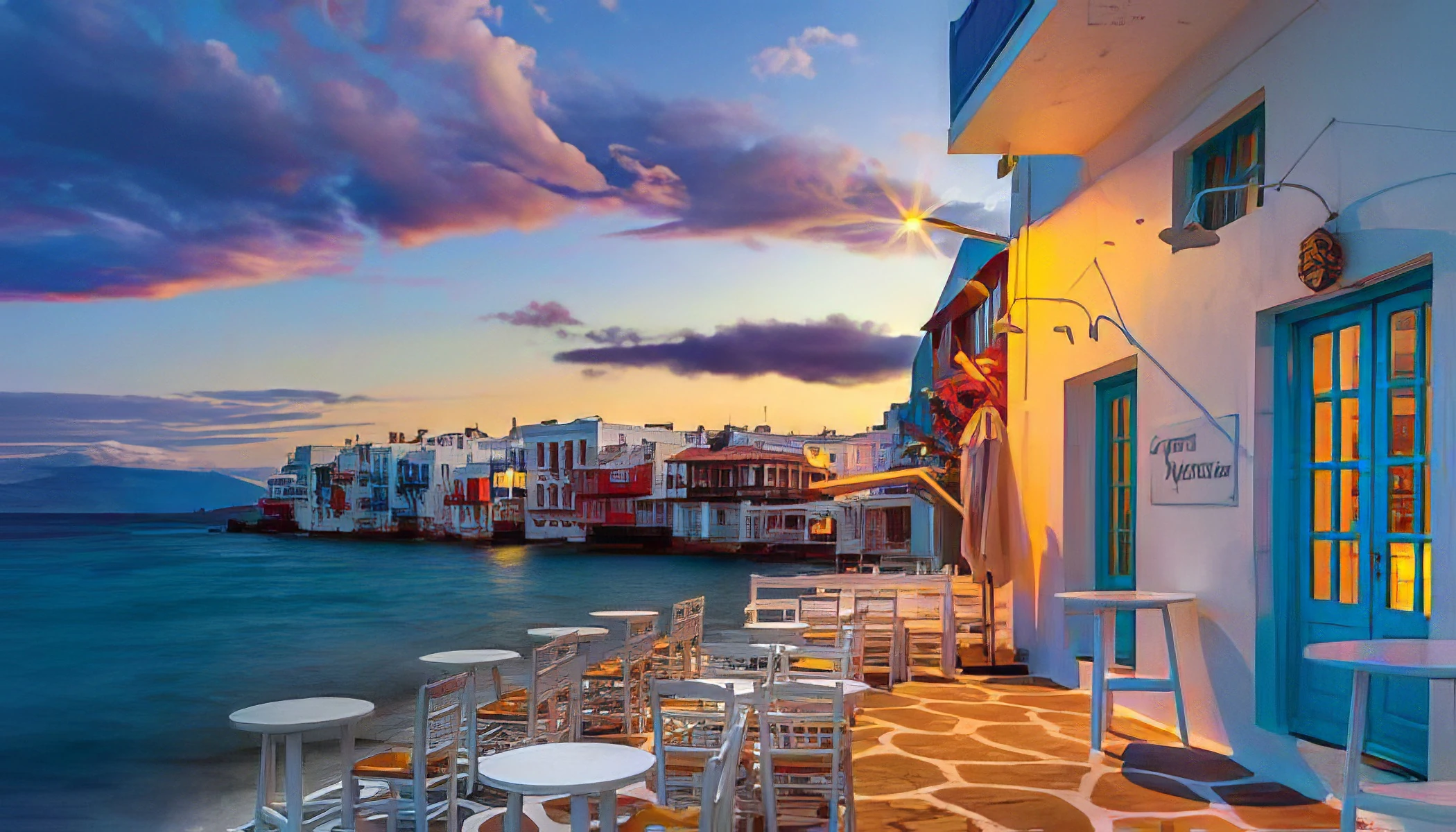
In Mykonos, travelers can enjoy beach parties, water sports, and unique island architecture.
– Little Venice Sunset: Enjoy nice sunsets in the elegant area of Little Venice.
– Delos Island Tour: Visit the nearby archaeological site of Delos, a UNESCO World Heritage Site.
– Mykonos Windmills Visit: Explore the iconic windmills overlooking Mykonos Town.
– Scuba Diving: Experience underwater beauty with scuba diving excursions around the island.
– Horseback Riding: Enjoy horseback riding tours through the scenic landscapes of Mykonos.
Cuisine
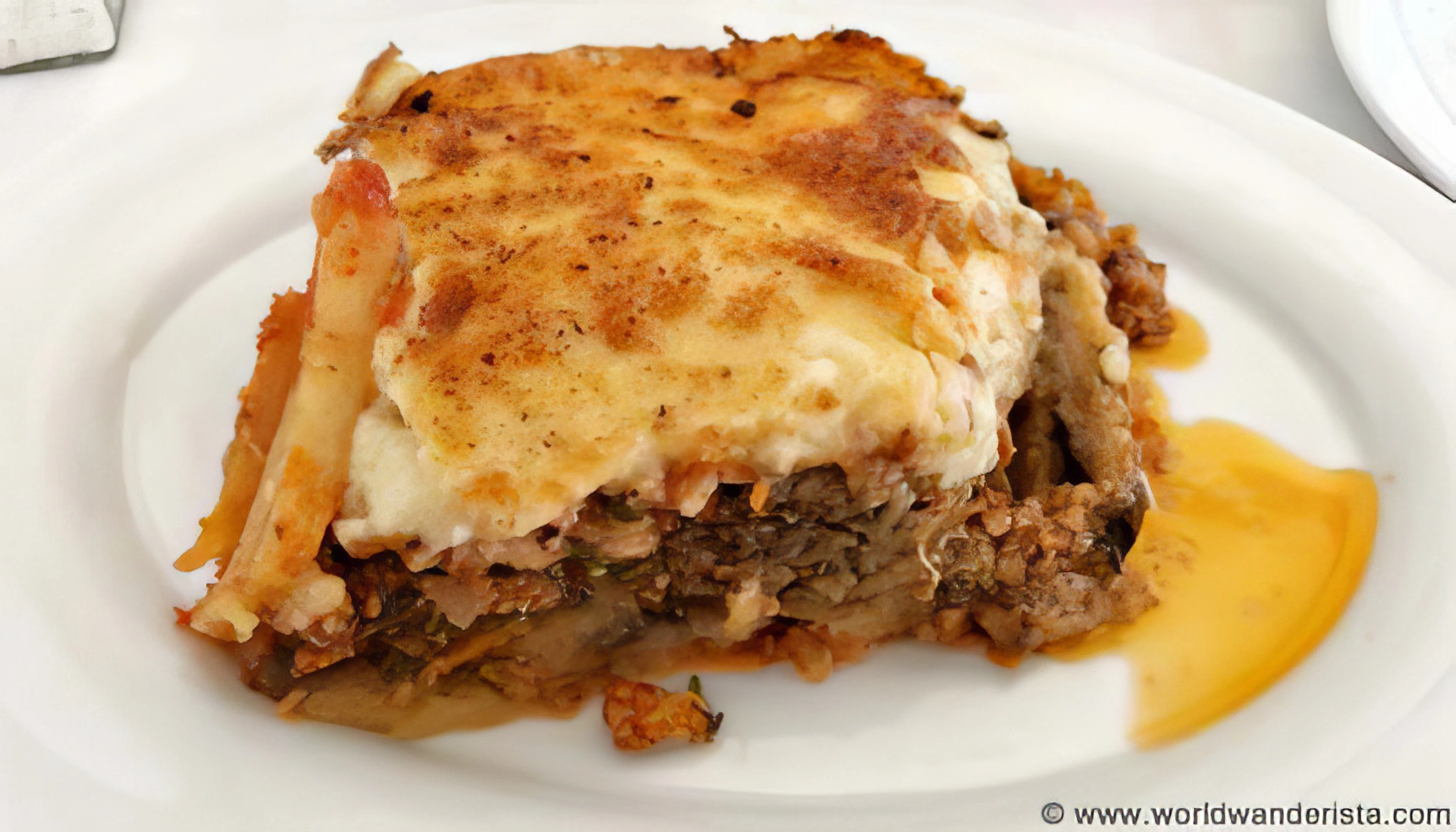
The city offers a remarkable food scene with a mix of traditional Greek cuisine and fresh seafood. Local tavernas and upscale restaurants provide a variety of delicious options.
– Moussaka: A baked dish with layers of eggplant, minced meat, and béchamel sauce.
– Souvlaki: Skewered and grilled meat, often served with pita, vegetables, and tzatziki.
– Kleftiko: Slow-cooked lamb with herbs and vegetables, wrapped in parchment paper.
– Louza: Cured pork loin seasoned with spices, typically served as an appetizer.
– Baklava: A sweet pastry made of layers of filo dough, nuts, and honey syrup.
– Loukoumades: Fried dough balls drizzled with honey and sprinkled with cinnamon.
Shopping
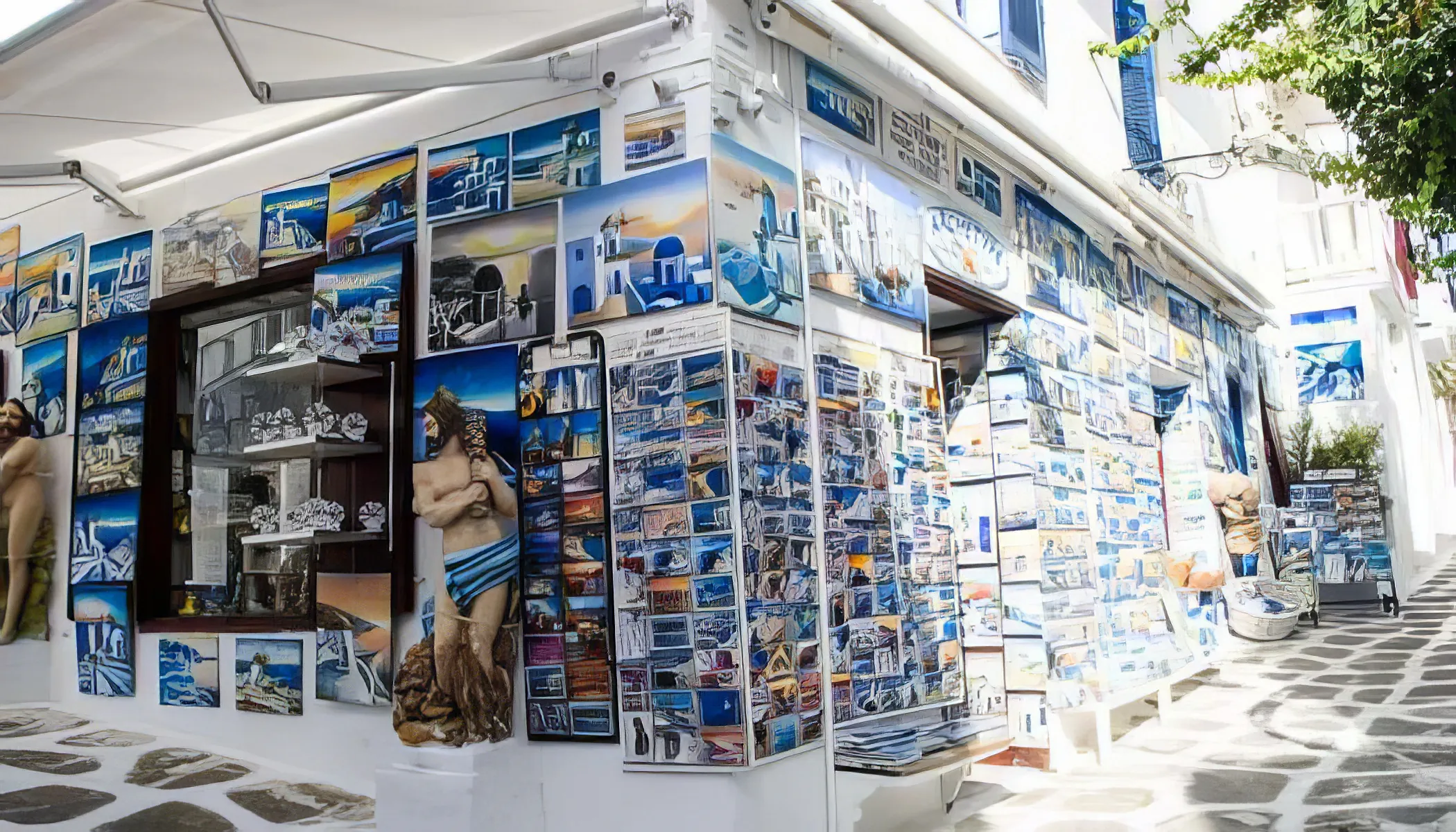
In the city, visitors can explore numerous boutique shops offering unique handmade jewelry, a popular gift choice reflecting local craftsmanship. Another distinctive souvenir is the traditional Greek evil eye charm, believed to offer protection against negative energies. Art enthusiasts might appreciate the local art galleries, where original paintings and sculptures by Greek artists are available. For a taste of local flavors, consider purchasing Greek olive oil or ouzo, an anise-flavored liqueur. The narrow streets are also lined with shops selling high-quality leather goods, from sandals to handbags. These items not only serve as great gifts but also as lasting mementos of the visit.
Arts & Culture
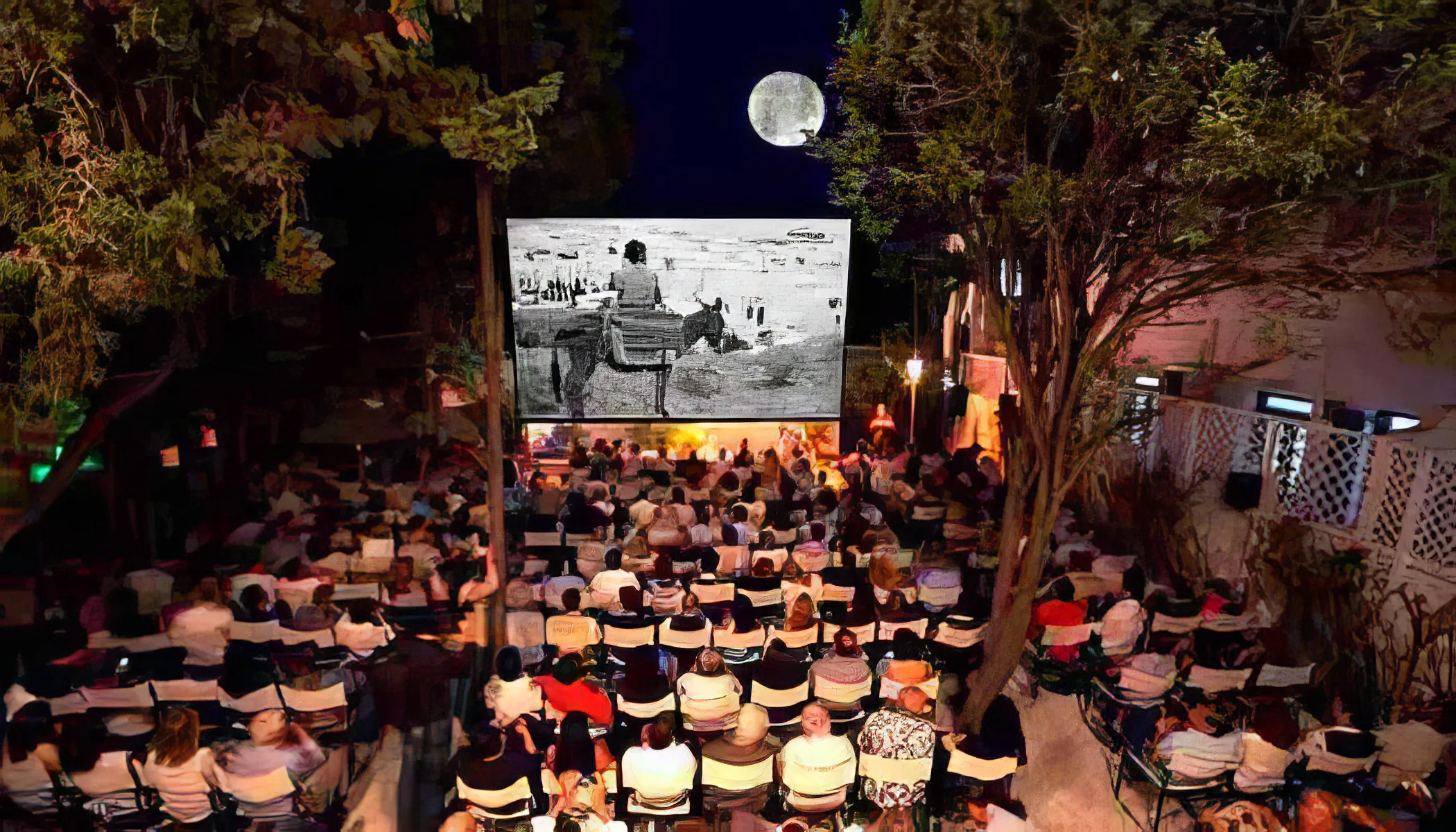
The city hosts numerous cultural and artistic events, particularly famous for its charming summer arts scene. Key highlights include the Mykonos Biennale, a multidisciplinary international art festival that brings together artists from around the world. Art galleries like Rarity Gallery and Dio Horia showcase contemporary art, featuring both international and Greek artists. Additionally, the island celebrates traditional Greek festivals with music, dance, and theatrical performances, enriching its cultural landscape.