

Thessaloniki: Best Things to Do & Top Attractions
Located in the northern region, this city is known for its rich Byzantine history, animated food scene, and waterfront promenade. It serves as a cultural hub with numerous festivals and a gateway to exploring the northern territories.
- Population
- 315,000
- Size
- 20 square km
- Airport
- Makedonia – Int'l.
- Est. Visit Days
- 2 days
Overview
Thessaloniki, Greece's second-largest city, is a cultural hub renowned for its historical sites such as the White Tower and the Arch of Galerius. The city offers a rich tapestry of Byzantine and Ottoman influences, reflected in its diverse architecture and museums. However, Thessaloniki can be quite crowded, especially during peak tourist seasons, which might detract from the experience for some visitors. The city's public transportation system is relatively efficient, making it easy to explore its many attractions. Additionally, Thessaloniki's culinary scene is a major draw, with a wide range of traditional and modern dining options to savor.
Traffic & Transport
The city's traffic can be quite congested, especially during peak hours, making driving a less favorable option for exploring. The most efficient and convenient way to navigate the city is by using public transportation, which includes buses and a metro system. Bicycles are also a popular choice, with several bike rental services available for those who prefer a more active way to see the sights. Walking is another excellent way to experience the city center, where many attractions are within close proximity to each other. For those preferring to use taxi services, there are several reliable taxi companies operating in the city. Additionally, the use of taxi-booking apps like Beat and Taxibeat provides a convenient and transparent option for securing a ride, with the added benefit of being able to track your route and pay electronically.
History
Historically, the city was founded in 315 BC by Cassander of Macedon and named after his wife, Thessalonike, the half-sister of Alexander the Great. It became an important city during the Roman and Byzantine periods, serving as the second largest and wealthiest city of the Byzantine Empire. Throughout its history, it was a melting pot of different cultures, particularly during the Ottoman era when it was a major center for trade and commerce. The city was also a site of significant Jewish, Christian, and Muslim communities, contributing to its diverse cultural heritage. It was annexed by Greece in 1912 after the Balkan Wars, leading to further cultural and economic development.
Itinerary Sample
Here's a 2-day itinerary to explore Thessaloniki, Greece:
– First day: Visit the White Tower, explore the Archaeological Museum, stroll along the waterfront promenade, and enjoy local cuisine in Ladadika district.
– Second day: See the Rotunda, visit the Church of Saint Demetrius, and explore Ano Poli (Upper Town) for historic sites and city views.
Near Excursion
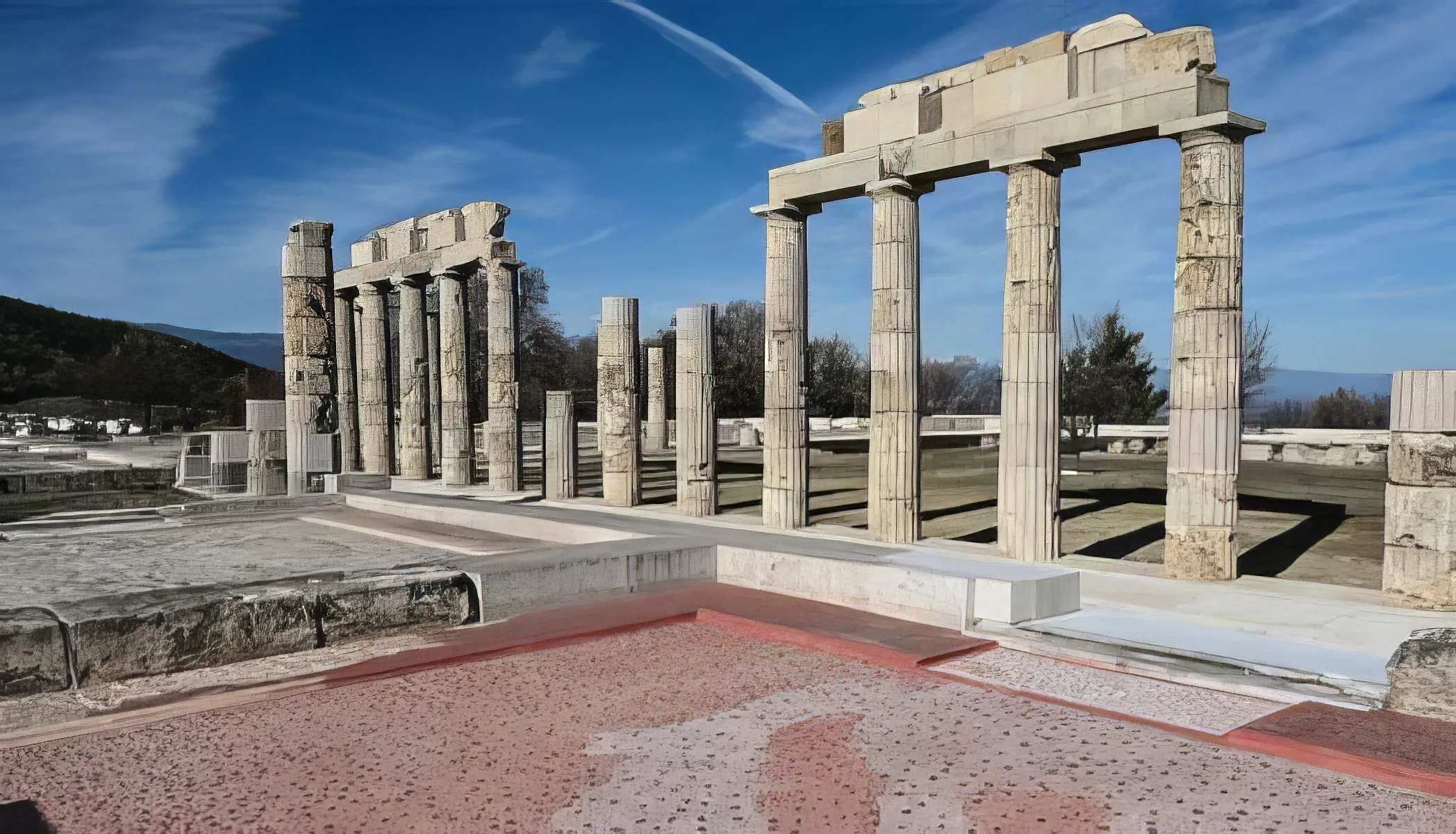
This city offers several interesting day trips within a short distance. Here are some suggestions:
– Vergina at 75 km: Visit the ancient city and the Royal Tombs of Aigai, a UNESCO World Heritage site.
– Pella at 40 km: Explore the birthplace of Alexander the Great and its impressive archaeological museum.
– Mount Olympus at 100 km: Hike the legendary home of the Greek gods and enjoy beautiful natural scenery.
– Edessa at 90 km: Famous for its beautiful waterfalls and charming old town.
– Halkidiki at 70 km: Relax on the preserved beaches and explore the picturesque villages of this popular peninsula.
Attraction
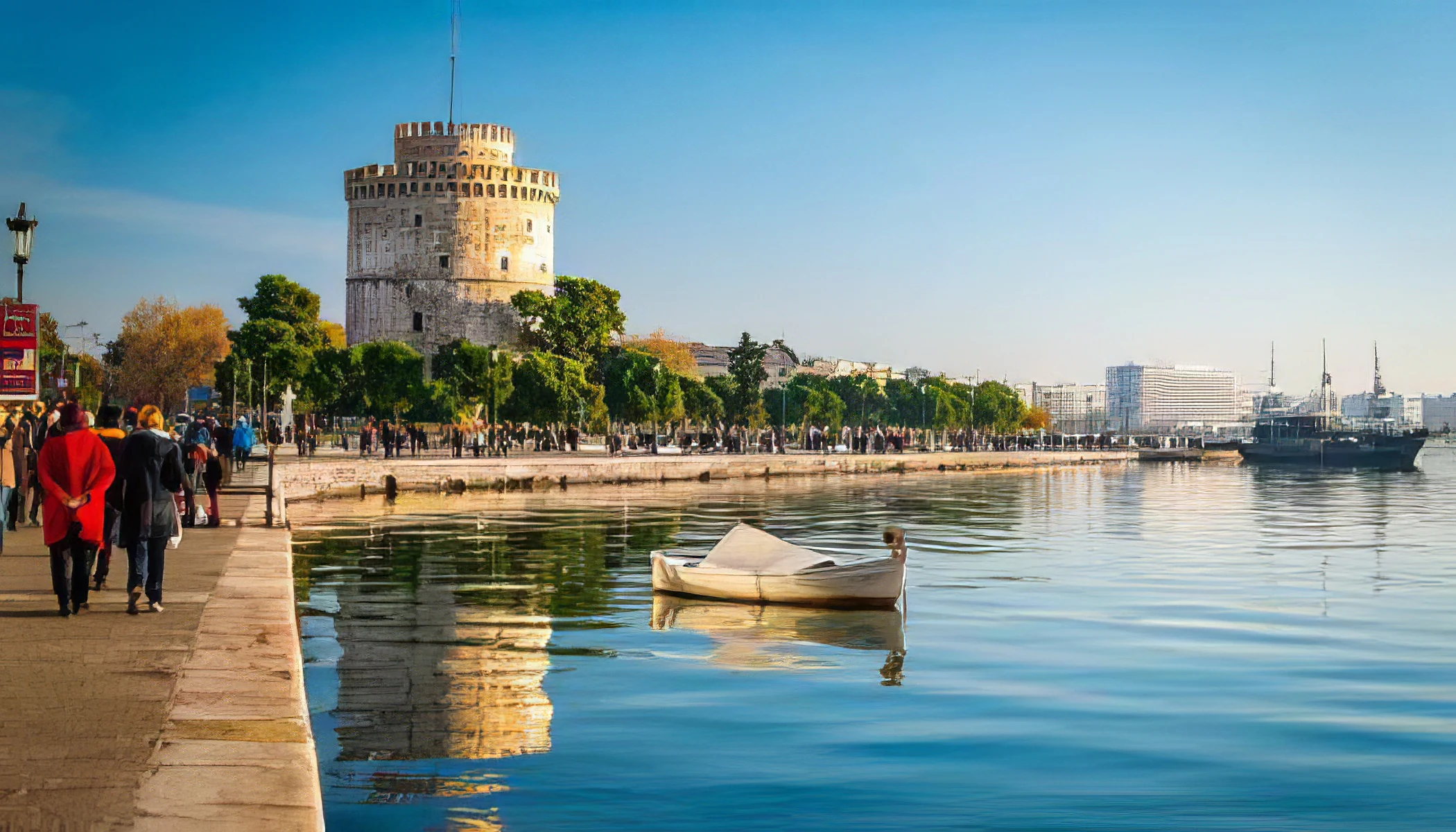
Known for its rich history and beautiful culture, this city offers a mix of ancient ruins and modern attractions.
– White Tower: A historic monument and museum offering panoramic views of the city and the sea.
– Rotunda: An ancient Roman structure that has served as a mausoleum, church, and mosque.
– Archaeological Museum: Houses artifacts from the region's long history, including Macedonian treasures.
– Aristotelous Square: A central and remarkable square surrounded by shops, cafes, and neoclassical buildings.
– Ano Poli: The old town area with traditional houses, narrow streets, and fascinating views.
– Byzantine Walls: Ancient fortifications providing a glimpse into the city's defensive past and offering great views.
Activity
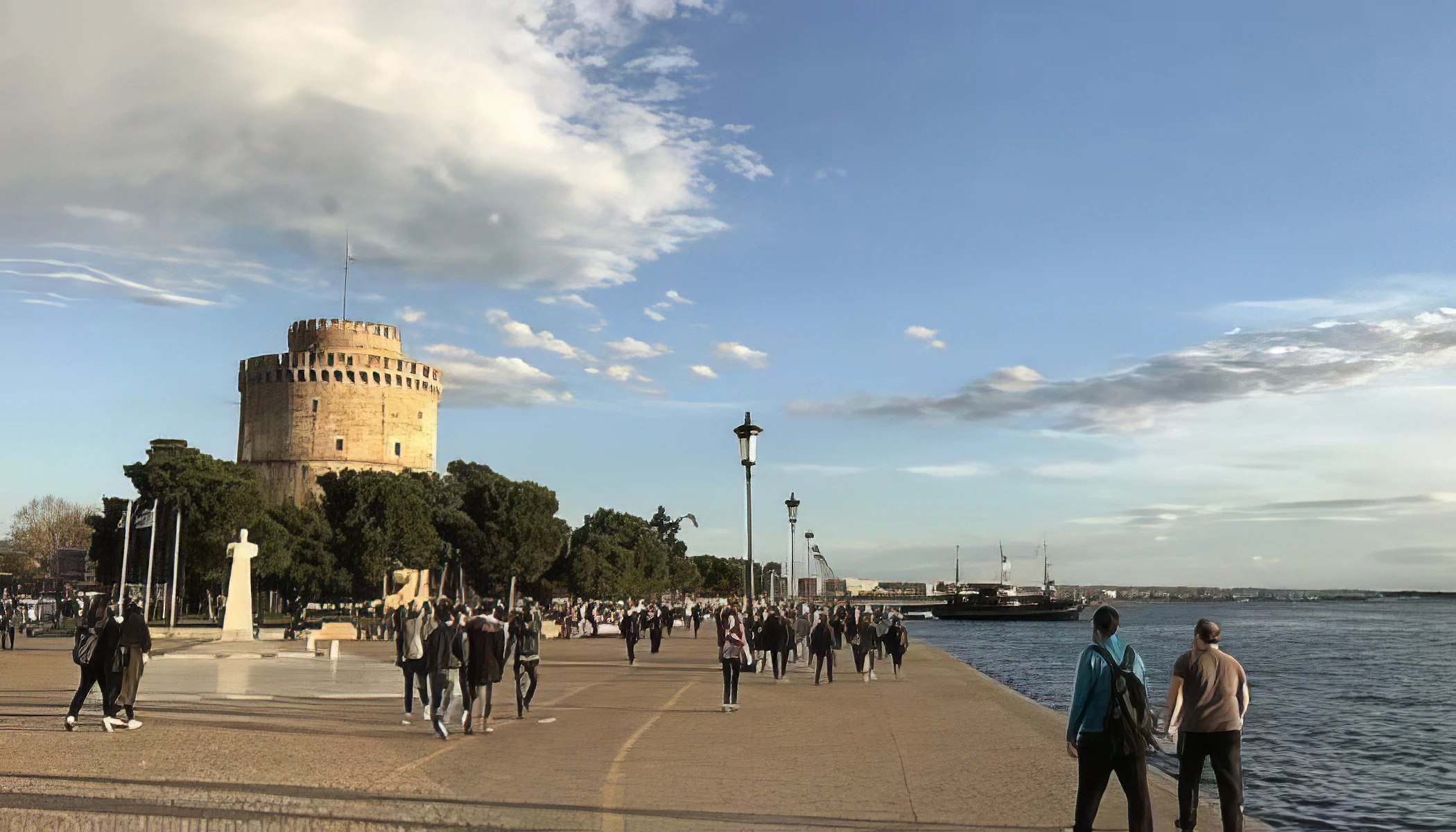
In Thessaloniki, travelers can explore historical sites, enjoy local cuisine, and experience attractive markets.
– White Tower and Waterfront Walk: Enjoy scenic views and historical insights along the waterfront.
– Ano Poli (Upper Town) Walk: Stroll through narrow streets and traditional architecture with panoramic city views.
– Rotunda and Arch of Galerius Visit: Explore ancient Roman structures with historical significance.
– Ladadika District Exploration: Discover lively nightlife, traditional tavernas, and unique shops in this historic area.
Cuisine
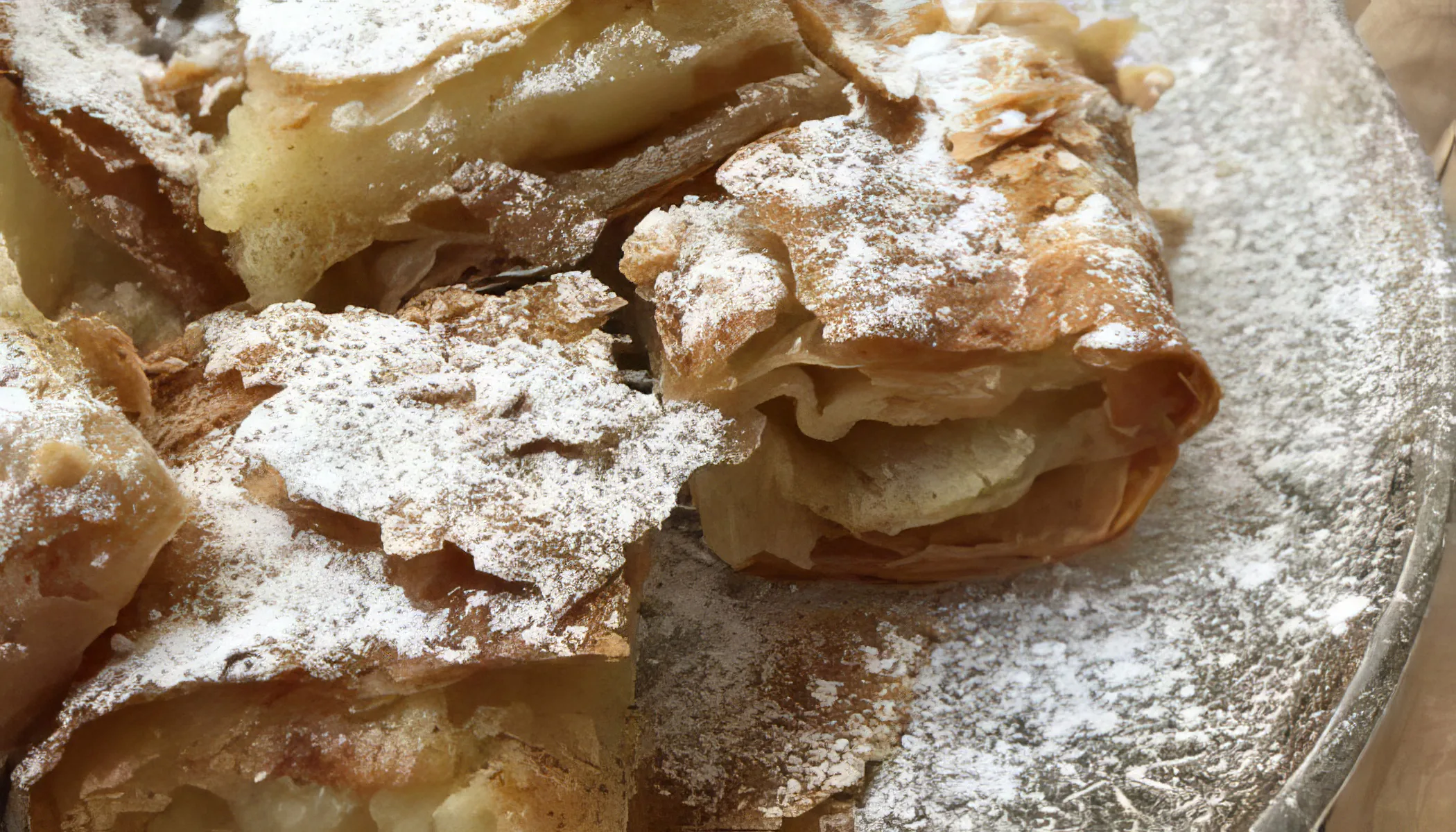
The city is known for its magnificient food scene, blending traditional Greek flavors with influences from the Balkans and Asia Minor. Popular dishes and desserts include:
– Bougatsa: A flaky pastry filled with custard, cheese, or minced meat.
– Gyro: Rotisserie-cooked meat served in pita with tomatoes, onions, and tzatziki.
– Souvlaki: Skewered and grilled meat, often served with pita and vegetables.
– Koulouri: A sesame-covered bread ring, commonly enjoyed as a snack or breakfast.
– Soutzoukakia: Spiced meatballs in a rich tomato sauce, often served with rice or potatoes.
– Trigona Panoramatos: Triangular pastries filled with creamy custard and soaked in syrup.
Shopping

Exploring the markets and boutiques in this city offers a delightful shopping experience. A popular gift to purchase is a piece of traditional Greek jewelry, which reflects the craftsmanship and style of the region. Another excellent choice is local olive oil, renowned for its quality and flavor. The city's markets also offer a variety of spices and herbs that are perfect for culinary enthusiasts. Handmade leather goods, such as sandals and bags, are also highly recommended. These items not only serve as unique souvenirs but also support local artisans.
Arts & Culture

The city hosts the Thessaloniki International Film Festival, one of the most prominent film festivals in Southern Europe, attracting filmmakers and spectators worldwide. It is also home to the State Museum of Contemporary Art, which holds a significant collection of Russian avant-garde art. Additionally, the city's pretty history is showcased in numerous cultural events, including the Dimitria Festival, which celebrates music, dance, and theater. The Rotunda monument and the Archaeological Museum offer insights into the region's rich historical and cultural heritage.