

Sightseeing in Guayaquil: Culture & Must‑See Spots
This city is the largest on the Pacific coast and an important economic hub. It features a prominent port, diverse culture, and a lively waterfront area known for recreational activities, shops, and restaurants. The climate is generally warm and humid.
- Population
- 3.0 millions
- Size
- 344 square km
- Airport
- José Joaquín de Olmedo – Int'l
- Est. Visit Days
- 2 days
Overview
Guayaquil is the largest city in Ecuador and a major economic hub. Pros include a dynamic waterfront, improved public spaces, and diverse cultural events. The climate is generally warm and humid year-round. However, it also faces challenges such as crime rates and traffic congestion. Overall, Guayaquil offers a mix of opportunities and obstacles for residents and visitors alike.
Traffic & Transport
The city features a mix of traffic conditions, often influenced by peak hours. Public transportation options, such as buses and the Metrovia system, are efficient for navigating popular areas. For a more flexible experience, using bicycles or walking in pedestrian-friendly districts enhances exploration. Ridesharing services are also widely available and can be a convenient way to move around. Reliable taxi companies include Metrovía and Taxin, which offer safe and regulated services. Additionally, the use of local taxi-booking apps can streamline the process of hailing a ride, ensuring ease and convenience for travelers.
History
This city was founded in 1537 by Spanish explorer Francisco de Orellana. It became an important port for trade during the colonial period, facilitating commerce between Spain and its colonies. In the early 19th century, it played a significant role in the fight for independence from Spanish rule. The city experienced conflict during the Ecuadorian civil wars in the late 1800s, impacting its development. Today, it reflects a blend of indigenous, Spanish, and Afro-Ecuadorian cultures.
Itinerary Sample
This itinerary will help you explore Guayaquil in two days.
– First day: Visit Malecón 2000, then explore Las Peñas neighborhood, and finish at Cerro Blanco Forest for views and nature.
– Second day: Tour Parque Histórico, see Parque de las Iguanas, and enjoy local food at a market.
Near Excursion
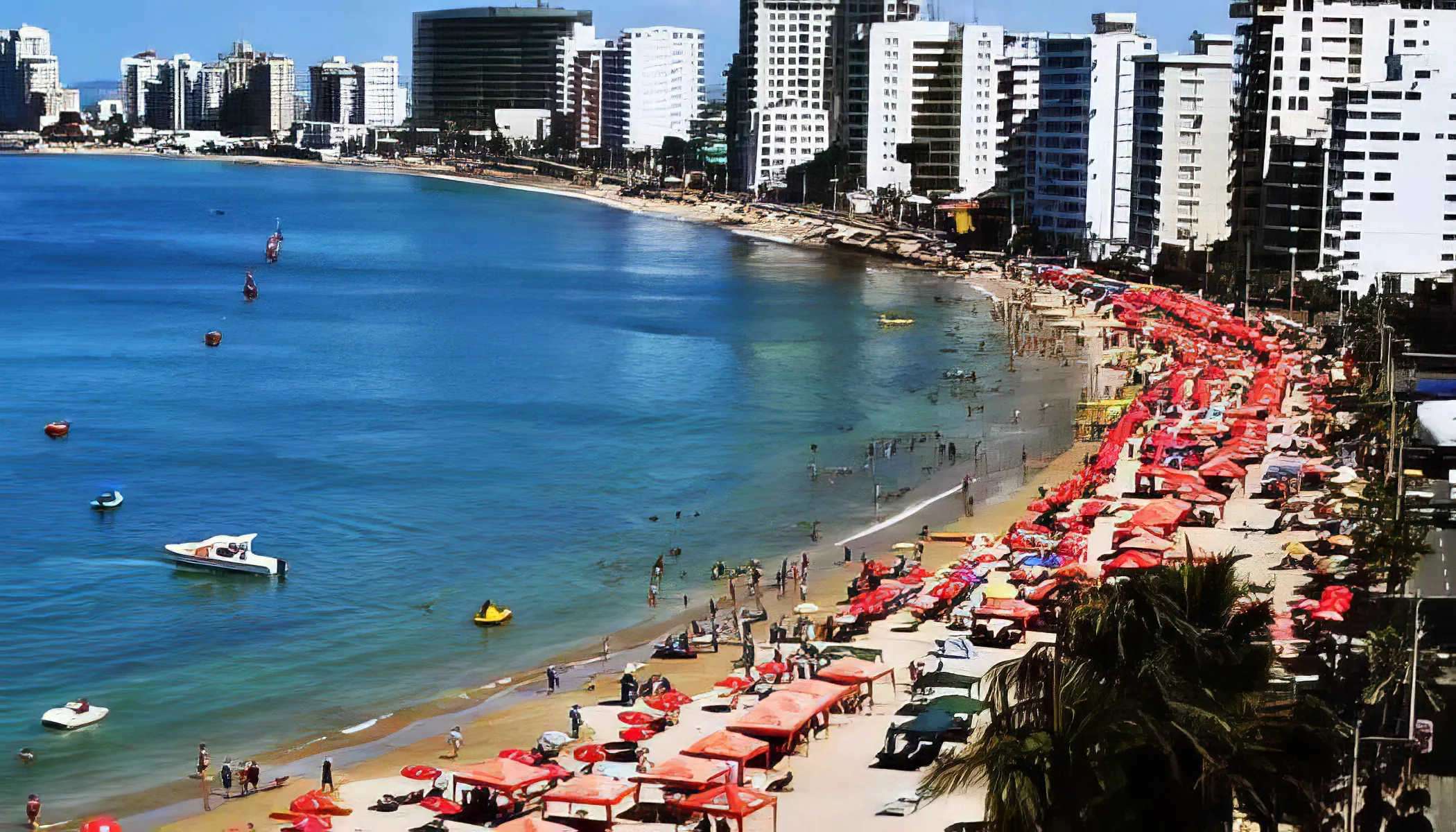
This city provides numerous day-trip options for travelers seeking diverse experiences. Here are a few recommendations:
– Puerto El Morro at 70 km: A small fishing village where you can enjoy mangrove tours and spot dolphins.
– Montañita at 170 km: A laid-back surf town known for its beaches, surfing, and lively nightlife.
– Salinas at 141 km: A popular beach destination with opportunities for water sports and relaxing on the coast.
– Bucay at 100 km: Perfect for adventure activities like river rafting, hiking, and exploring waterfalls.
– Naranjal at 87 km: Visit cacao farms and learn about chocolate production in this agricultural town.
Attraction
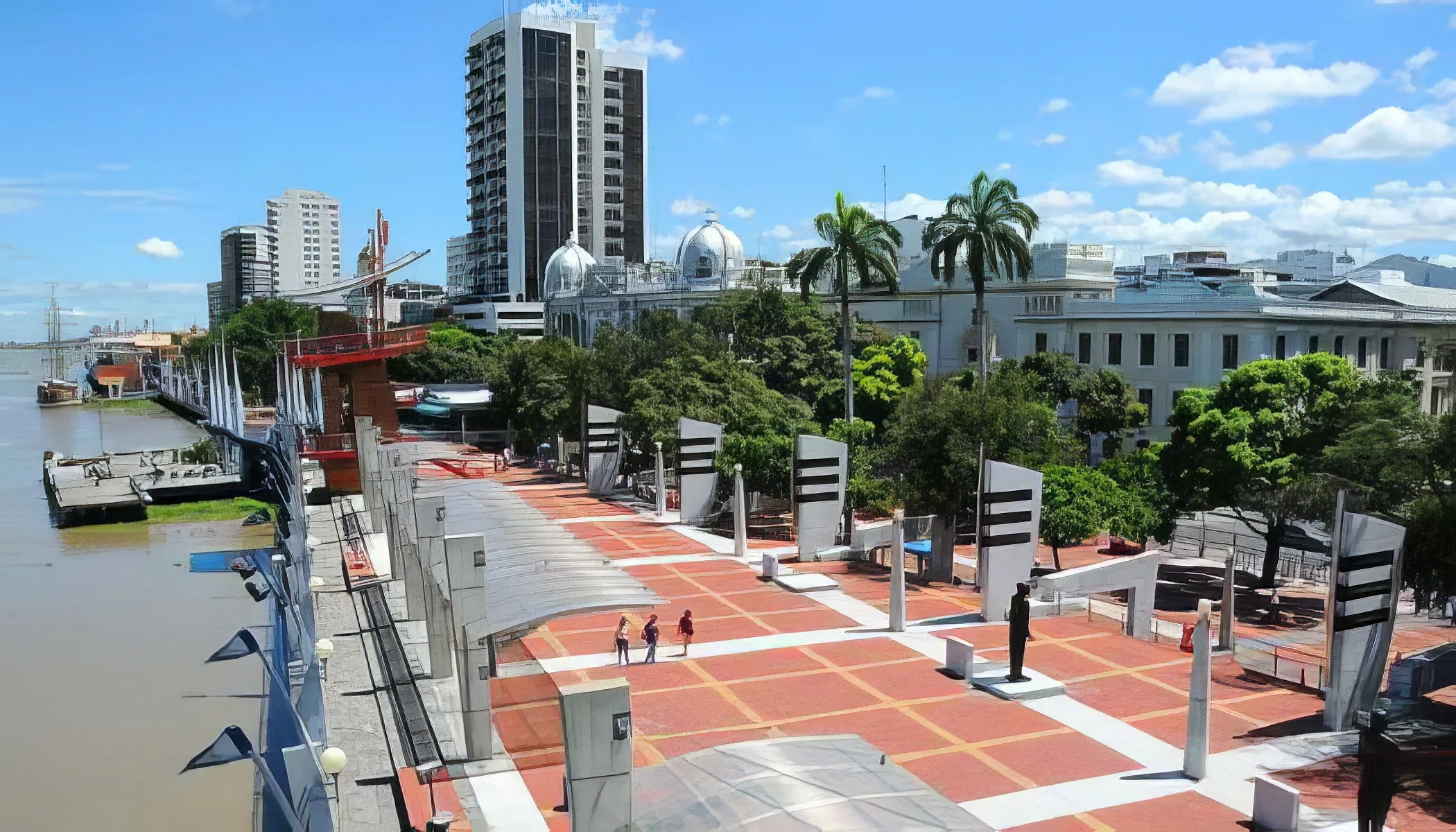
The city offers a dynamic mix of culture, history, and natural beauty for tourists.
– Malecón 2000: A revitalized waterfront area featuring gardens, shops, restaurants, and cultural attractions along the scenic riverfront.
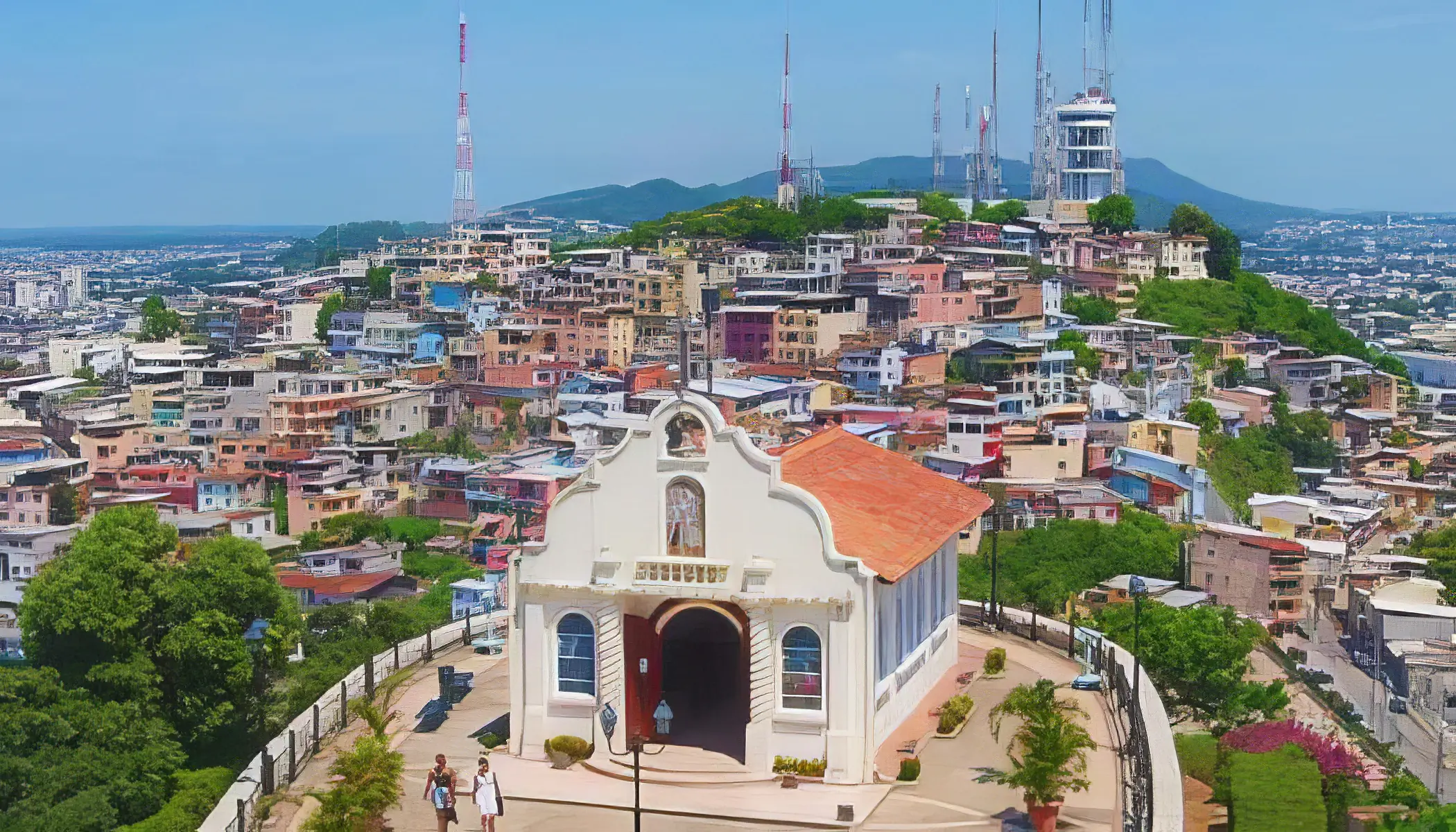
– Cerro Santa Ana: A historic hill with colorful houses, offering panoramic views and a glimpse into the city's colonial architecture.
– Las Peñas: A charming neighborhood with narrow streets, art galleries, and a lively atmosphere, perfect for a leisurely walk.
– Parque Histórico: A park showcasing Ecuadorian wildlife, historical buildings, and cultural exhibits across expansive grounds.
– Isla Santay: A nearby island offering eco-tourism with trails, wildlife, and a peaceful escape from the city.
– Parque de las Iguanas: A small city park famous for the many iguanas roaming freely, providing a unique urban wildlife experience.
Activity
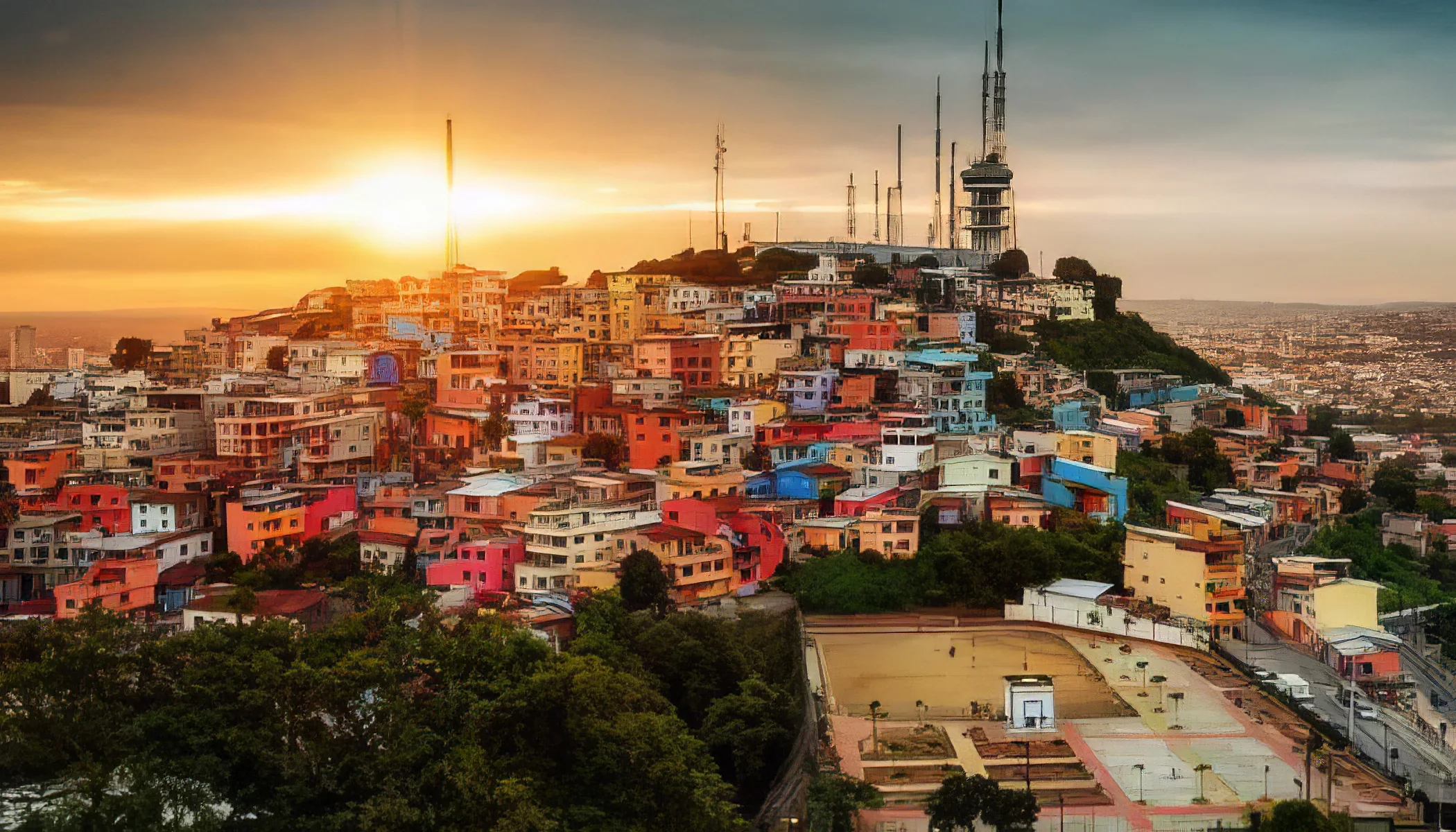
In Guayaquil, travelers can explore energetic neighborhoods, parks, and riverside attractions while enjoying local cuisine and cultural experiences.
– Malecón 2000: A scenic waterfront promenade with gardens, restaurants, and views of the Guayas River.
– Cerro Blanco: A protected dry forest area, ideal for hiking and birdwatching with diverse flora and fauna.
– Parque de las Iguanas: A park where visitors can see iguanas freely roaming among the abundant trees and gardens.
– Las Peñas: A historic neighborhood featuring colorful houses, art galleries, and a pleasant view from the hilltop.
– Parque Historico: A cultural park showcasing traditional architecture, local wildlife, and interactive exhibits about Guayaquil's history.
Cuisine
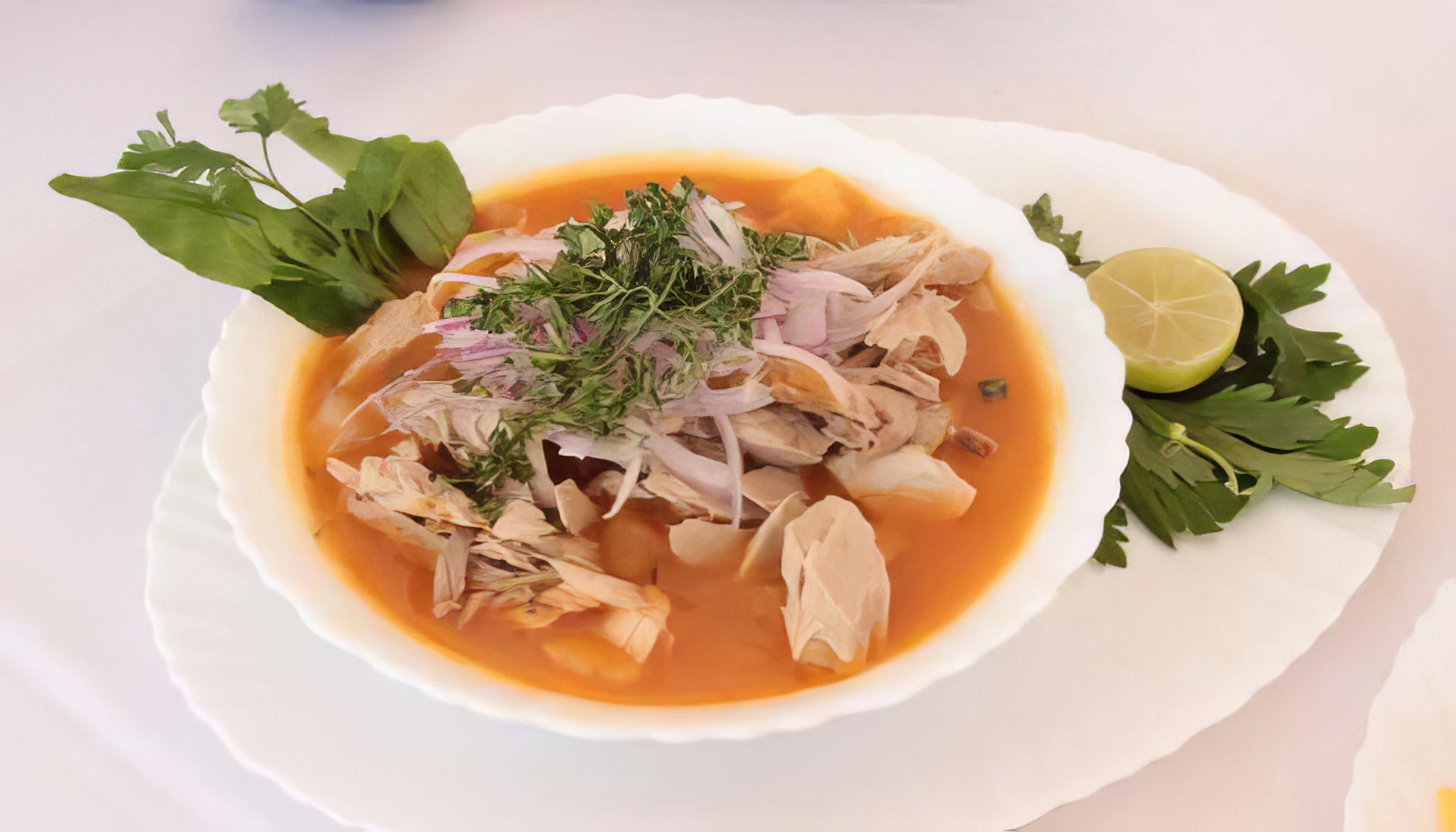
The city's food scene offers a blend of coastal and traditional Ecuadorian flavors, with seafood playing a central role. Some of the city's most famous dishes include:
– Encebollado: Fish stew with yucca, onions, and lemon, often served with bread or plantains.
– Ceviche: Fresh seafood marinated in citrus juices with onions, tomatoes, and cilantro.
– Bolon de Verde: Green plantain mashed and formed into balls, typically filled with cheese or pork.
– Arroz con Menestra y Carne Asada: Rice with lentils and grilled meat, a staple meal combination.
– Tigrillo: Mashed green plantains with cheese and eggs, usually for breakfast.
– Humitas: Steamed corn cakes wrapped in corn husks, seasoned with ingredients like cheese or peppers.
Shopping
You can find local handicrafts, such as Panama hats and traditional textiles, which make great gifts. Look for chocolate products made from Ecuadorian cocoa, known for their quality. Artisanal jewelry with native designs is also popular. Markets often sell unique souvenirs that reflect the local culture. Try to visit local artisan shops for authentic items. Overall, there are good options for shopping and gift purchases.
Arts & Culture
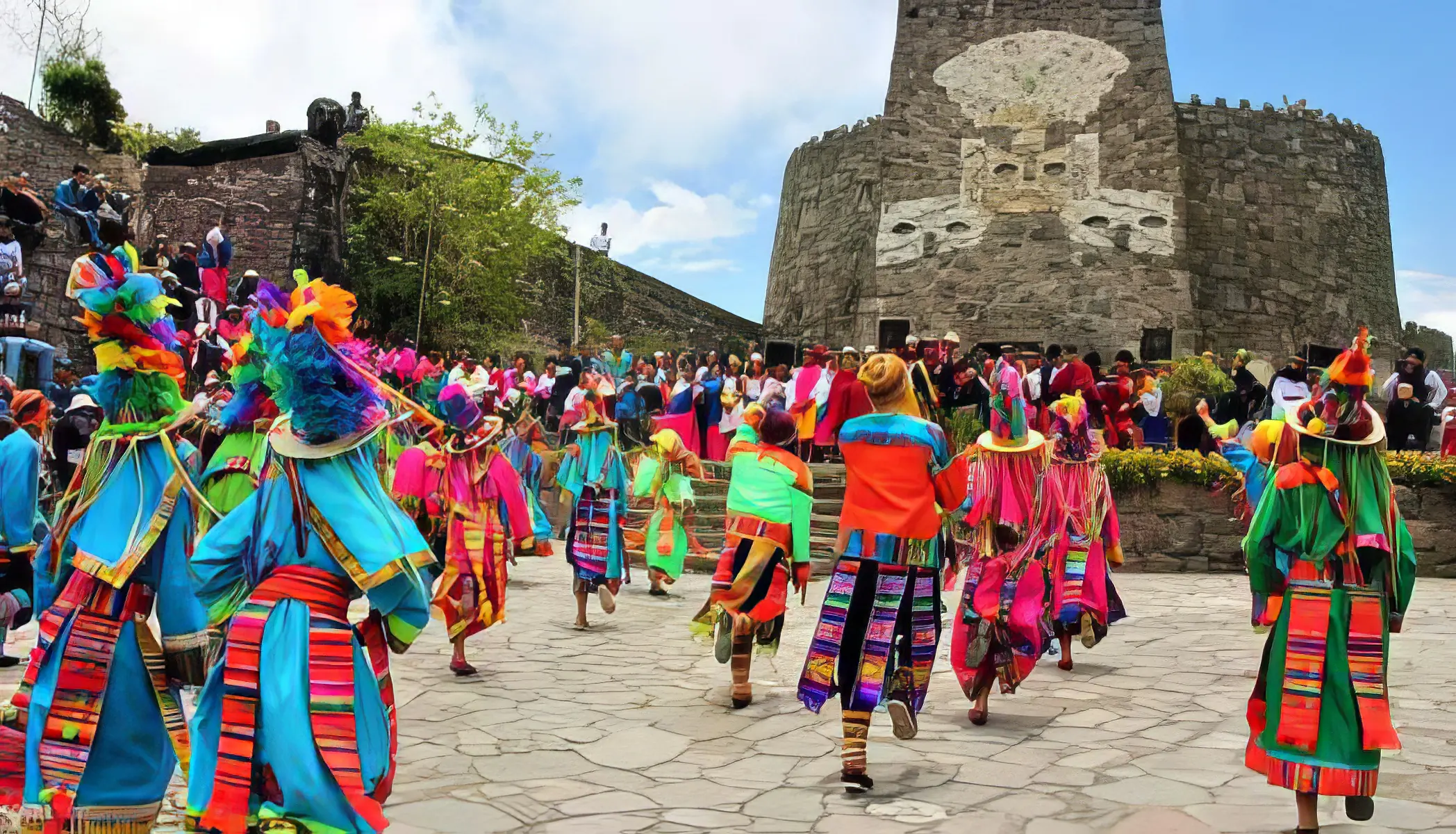
The city hosts the annual Festival Internacional de Artes Escénicas, showcasing theater, dance, and music from various countries. Local art can be seen in places like the Museo Municipal, which displays works from Ecuadorian artists. The Las Peñas neighborhood is known for its colorful houses and art galleries. Additionally, there are regular events at cultural centers like the Centro Cívico, promoting local talent and artistic expression.