

Sightseeing in Gyeongju: Culture & Must‑See Spots
This city is known for its rich history and ancient sites, including royal tombs, temples, and the UNESCO World Heritage site of Bulguksa. It offers a glimpse into the Silla Kingdom's culture and architecture.
- Size
- 1 324 square km
- Airport
- Gyeongju Ulsan – domestic & 1 other
- Train Station
- Gyeongju Station.
- Est. Visit Days
- 2 days
Overview
Gyeongju, South Korea, is known for its rich history and cultural heritage, being the capital of the ancient Silla Kingdom. Pros include numerous historical sites, such as Bulguksa Temple and Seokguram Grotto, which are UNESCO World Heritage Sites. The city also offers a peaceful atmosphere and beautiful natural scenery. However, cons include limited nightlife options and fewer modern amenities compared to larger cities like Seoul or Busan. Overall, Gyeongju is ideal for those interested in history but may not suit travelers seeking animated urban experiences.
Traffic & Transport
The city offers a variety of transportation options for tourists, making it easy to explore its rich historical sites. Bicycles can be rented from various locations, providing a pleasant way to navigate through the scenic landscapes and ancient relics. Public buses are also available and provide access to key attractions, while walking is a great option for those wanting to immerse themselves in the local atmosphere. Additionally, many sites are relatively close together, allowing for leisurely strolls between them. For taxi services, reputable companies include KTX Taxi and Gyeongju City Taxi, which offer reliable transportation throughout the area. Booking apps like Kakao T can also be used for convenient ride-hailing services.
History
This city was the capital of the Silla Kingdom, which lasted from 57 BC to 935 AD. It played a significant role in the unification of Korea under the Silla Dynasty. The area is known for its rich cultural heritage, including ancient tombs and Buddhist artifacts. After the fall of Silla, it became part of the Goryeo and later Joseon dynasties, influencing its architecture and traditions. Trade routes established during these periods contributed to its economic development and cultural exchange.
Itinerary Sample
Explore Gyeongju's rich history and culture with this 2-day itinerary.
– First day: Visit Bulguksa Temple, Seokguram Grotto, and the Gyeongju National Museum. Enjoy a stroll through Tumuli Park to see ancient tombs.
– Second day: Explore Anapji Pond, Cheomseongdae Observatory, and the historic city center. End at the Gyeongju Folk Craft Village for local crafts.
Near Excursion
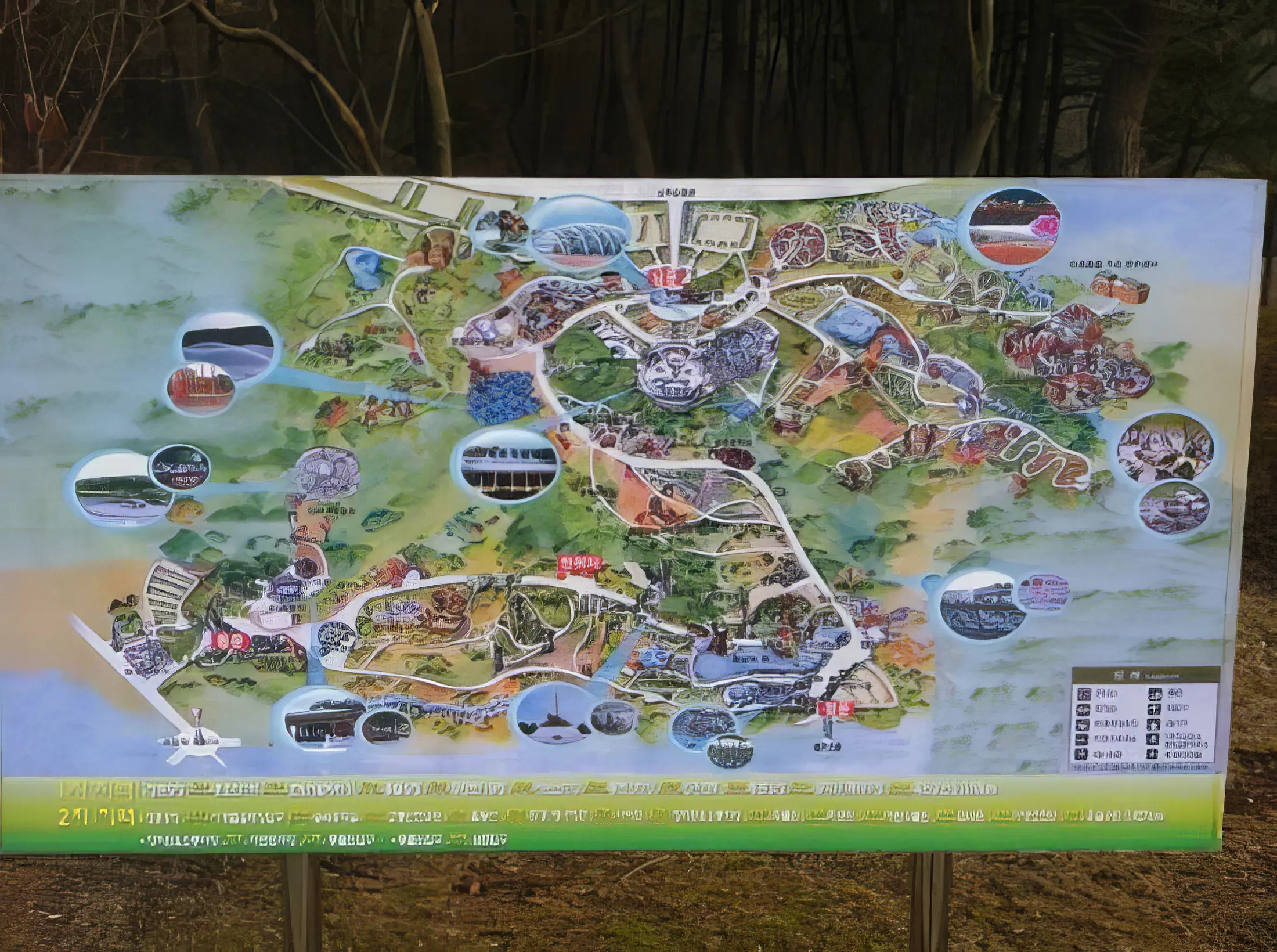
This city is an excellent base for exploring nearby attractions. Here are some day-trip suggestions:
– Bulguksa Temple at 15 km: A UNESCO World Heritage site known for its beautiful architecture and historical significance.
– Yangdong Folk Village at 19 km: A traditional village showcasing Joseon Dynasty architecture and culture.
– Ulsan Grand Park at 50 km: A large urban park ideal for walking, cycling, and picnics.
– Haeundae Beach in Busan at 90 km: Famous beach offering a relaxing seaside experience with nearby cafes and restaurants.
– Tongdosa Temple at 30 km: One of Korea's three jewel temples, renowned for housing relics of the Buddha.
Attraction
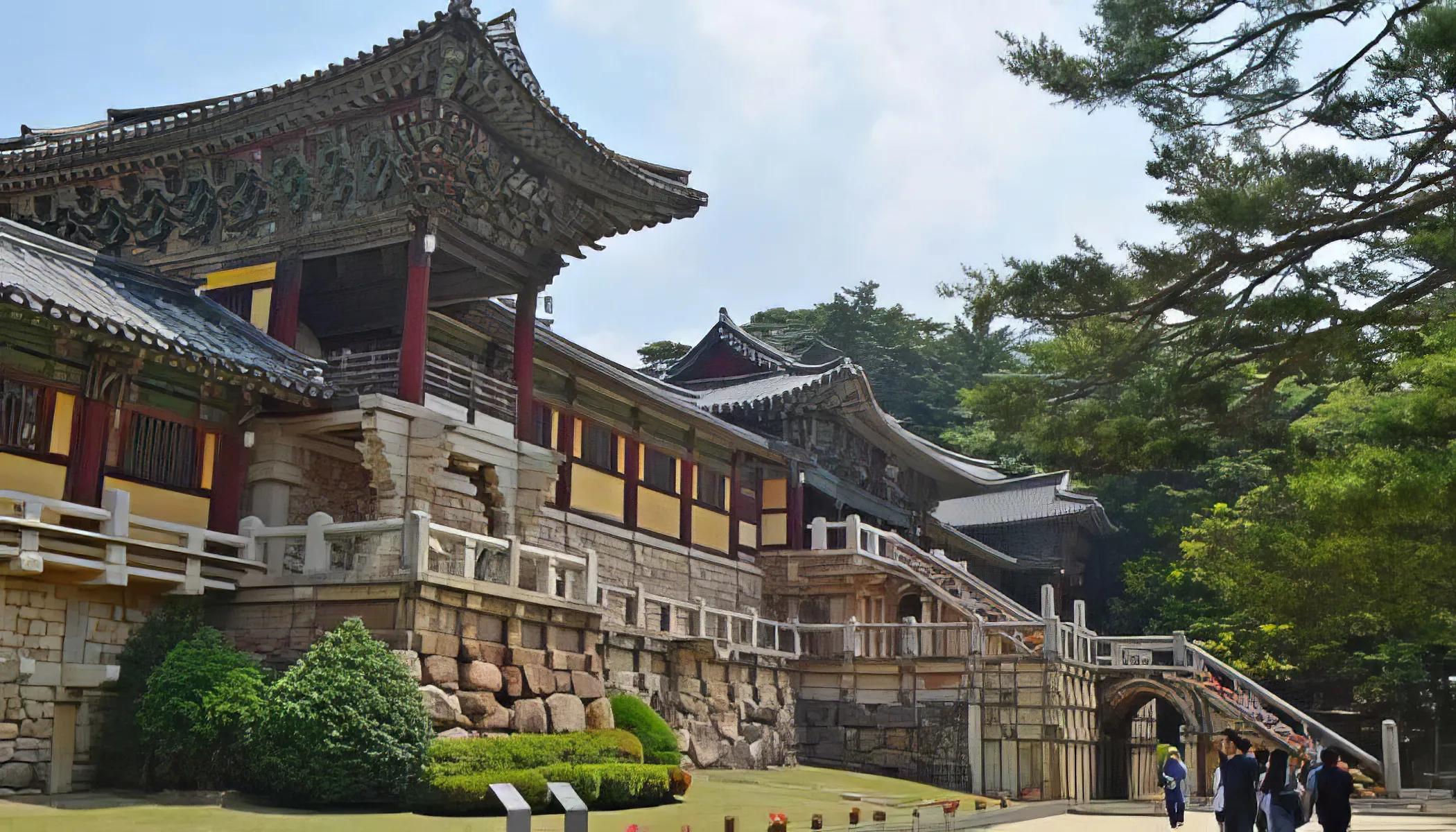
Known for its historical sites and ancient relics, this city offers a glimpse into Korea's past.
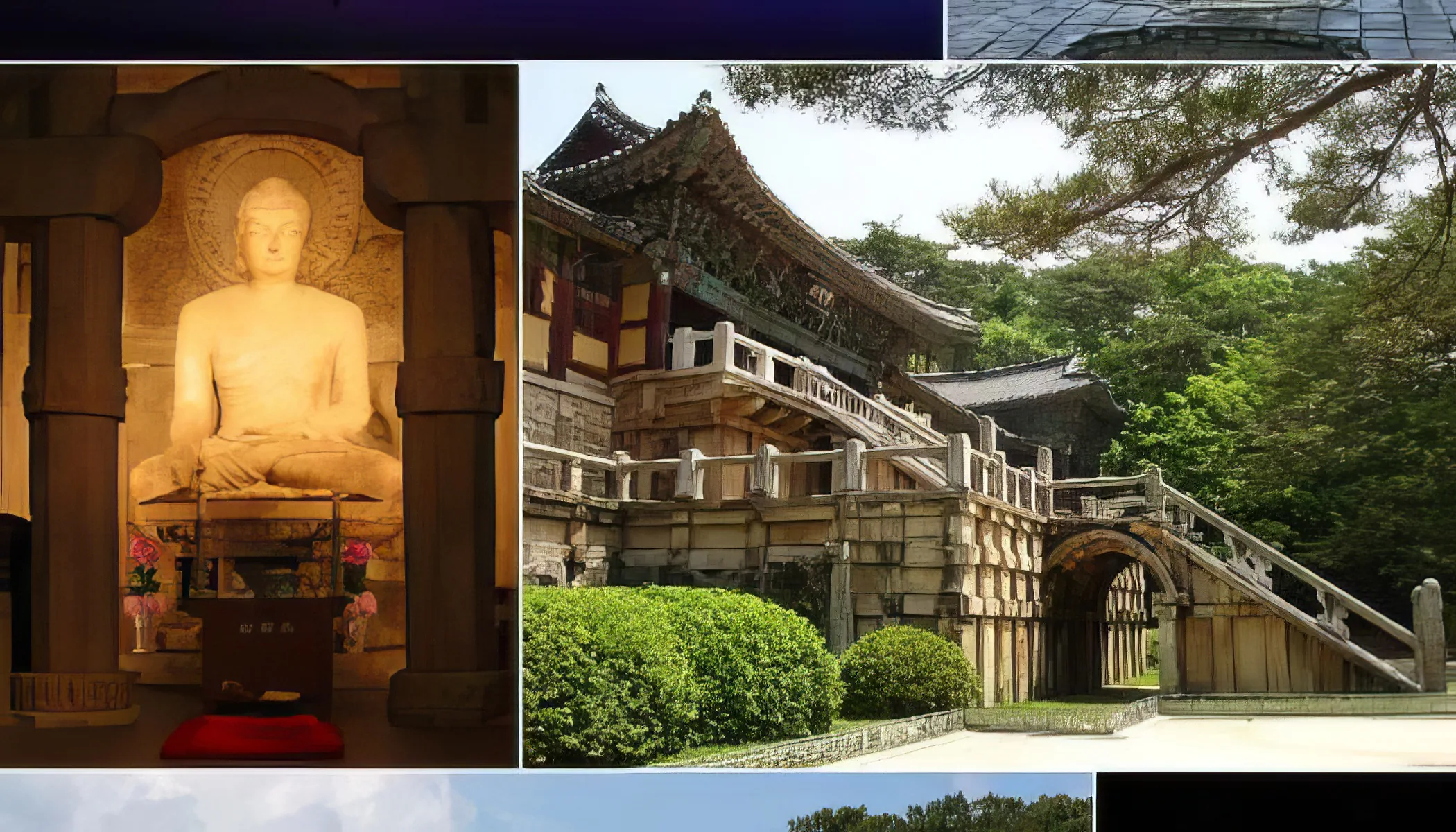
– Bulguksa Temple: A UNESCO World Heritage site, showcasing traditional Korean Buddhist architecture with beautiful gardens and stone pagodas.
– Seokguram Grotto: Famous for its granite Buddha statue, it is part of the same heritage site as Bulguksa Temple.
– Daereungwon Tomb Complex: Features large, grassy burial mounds from the Silla Dynasty, with some open to explore inside.
– Anapji Pond: A charismatic artificial pond surrounded by reconstructed pavilions, originally built for royal banquets and leisure.
– Cheomseongdae Observatory: Known as the oldest surviving astronomical observatory in Asia, used during the Silla period.
– Gyeongju National Museum: Houses numerous artifacts including pottery, jewelry, and tools from ancient Korean history.
Activity
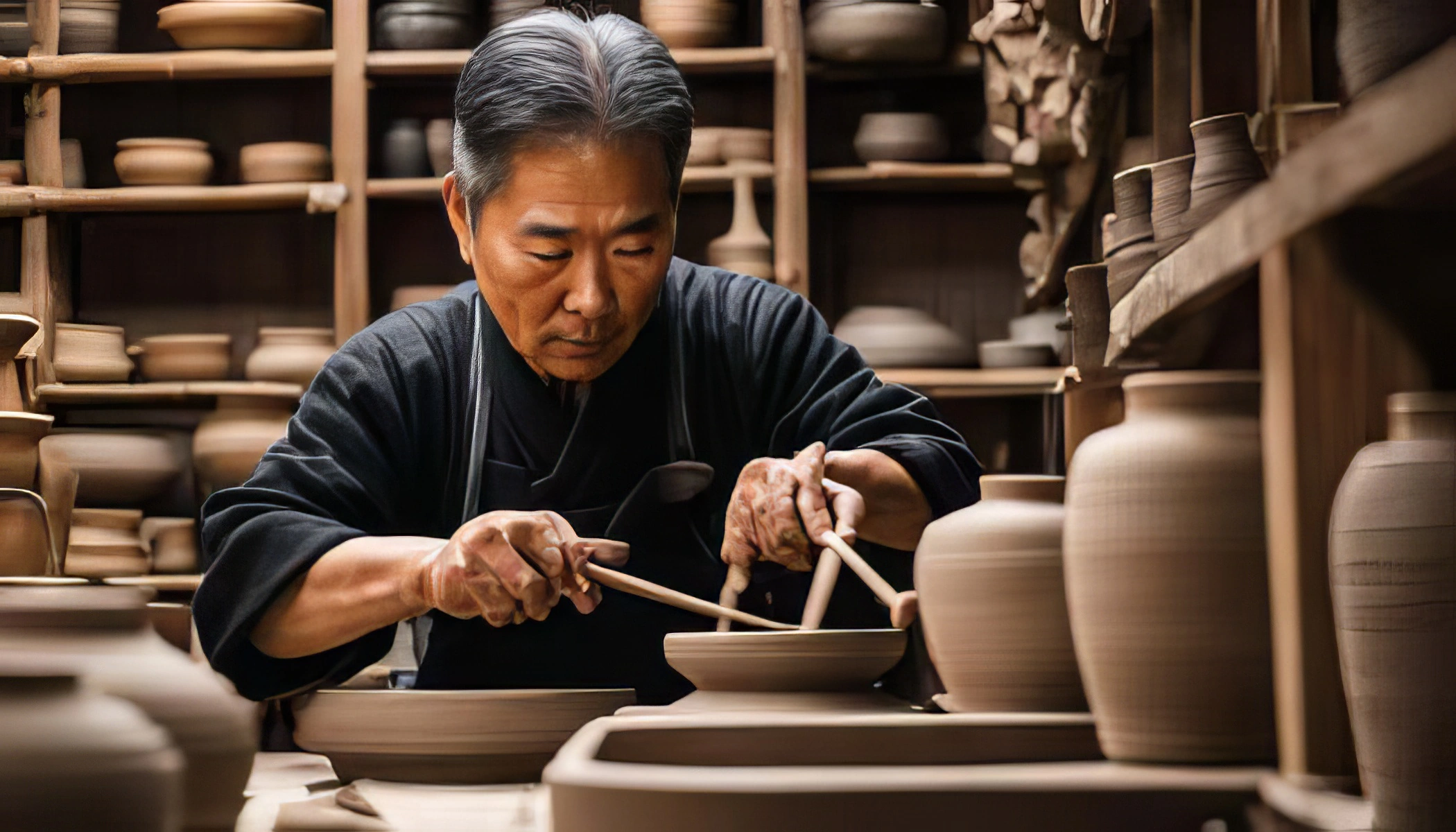
Gyeongju offers historical sites, ancient tombs, beautiful landscapes, and traditional experiences that reflect Korea's rich cultural heritage.
– Bike along the Gyeongju Historic Areas for scenic views and to explore ancient sites at your own pace.
– Visit the ancient tombs of Daereungwon to see burial mounds of Silla kings and learn about their history.
– Experience a traditional tea ceremony in a hanok (traditional house) for insight into Korean customs and culture.
– Take part in a pottery workshop to create your own piece inspired by Gyeongju’s ceramic traditions.
– Enjoy a stroll through Bomun Lake, where you can relax or rent pedal boats amidst beautiful surroundings.
Cuisine
The city offers a rich culinary tradition, with dishes reflecting its historical significance and local ingredients. Some of the city's most famous dishes include:
– Ssambap: Rice served with various side dishes wrapped in leafy greens.
– Hwangnam Bread: Soft pastry filled with sweet red bean paste, a popular local treat.
– Bulgogi: Marinated beef grilled to perfection, often served with rice and vegetables.
– Gyeongju Gukbap: Hearty soup with pork, rice, and vegetables in a flavorful broth.
– Beopju: Traditional rice wine unique to the region, known for its smooth taste.
Arts & Culture
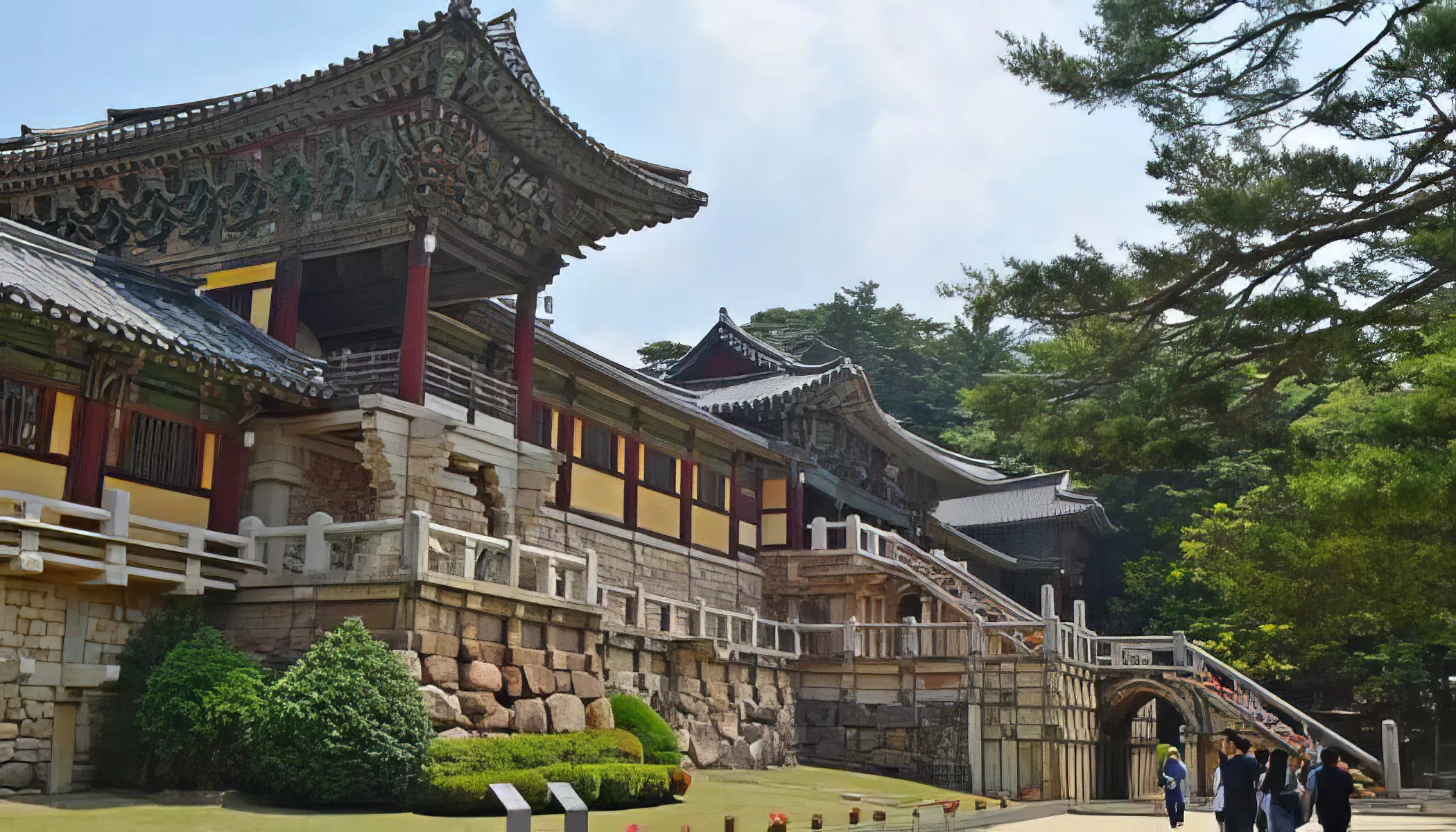
The city is known for its rich heritage, including numerous ancient tombs and the UNESCO World Heritage-listed sites like Bulguksa Temple and Seokguram Grotto. The annual Gyeongju Cherry Blossom Festival attracts visitors with beautiful blooming cherry trees and cultural performances. Traditional music and dance performances are often held at various venues, celebrating the region's historical arts. Additionally, there are art exhibitions that showcase both traditional and contemporary Korean artists throughout the year.