

Sightseeing in Hammamet: Culture & Must‑See Spots
This coastal city is known for its beaches and historical sites. It features a medina with traditional architecture, resorts, and a vibrant nightlife. The region attracts tourists seeking relaxation and cultural experiences along the Mediterranean Sea.
- Airport
- Enfidha-Hammamet – Int'l & 1 other
- Est. Visit Days
- 4 days
Overview
Hammamet is a coastal city in Tunisia known for its beaches and resorts. Pros include a pleasant climate, beautiful Mediterranean coastline, and various leisure activities such as water sports and golf. On the downside, it can be crowded during peak tourist season, and some areas may feel overly commercialized. Additionally, while the city has cultural sites, they may not be as extensive as in larger cities like Tunis. Overall, Hammamet is suitable for beach lovers but may not appeal to those seeking an authentic local experience.
Traffic & Transport
The city features a compact layout, making it easy to explore on foot, especially in the tourist areas where attractions are close together. Bicycles and scooters are also popular among visitors, offering a convenient way to navigate the scenic streets and waterfront. Public buses connect key locations, but schedules can be irregular, so it's advisable to check timings in advance. For a more comfortable experience, renting a car is an option, but be mindful of local driving conditions. Reliable taxi services are available, with several local companies providing transportation throughout the area. While there may not be widely recognized taxi-booking apps specific to the region, using traditional taxis or asking your hotel for recommendations can ensure safe and efficient travel.
History
This coastal city was originally a Roman settlement, known for its strategic location and trade. It became part of the Byzantine Empire after the fall of Rome. In the 16th century, it was captured by the Ottomans, who used it as a naval base. The city later fell under French control in the early 20th century during colonial expansion. Today, its history reflects a blend of these diverse influences in architecture and culture.
Itinerary Sample
Here is a sample 4-day itinerary for exploring Hammamet, Tunisia.
– First day: Arrive in Hammamet, check into your hotel, and relax at the beach. Explore the Medina and enjoy dinner at a local restaurant.
– Second day: Visit the ancient ruins of Carthage in nearby Tunis. Explore the Bardo Museum, showcasing Roman mosaics. Return to Hammamet for an evening stroll along the promenade.
– Third day: Spend the morning at Yasmine Hammamet's marina and water park. In the afternoon, take a traditional cooking class or visit local artisan shops.
– Fourth day: Enjoy a relaxing spa day or play golf at one of Hammamet’s courses. Depart in the evening or extend your stay to explore more of Tunisia.
Near Excursion
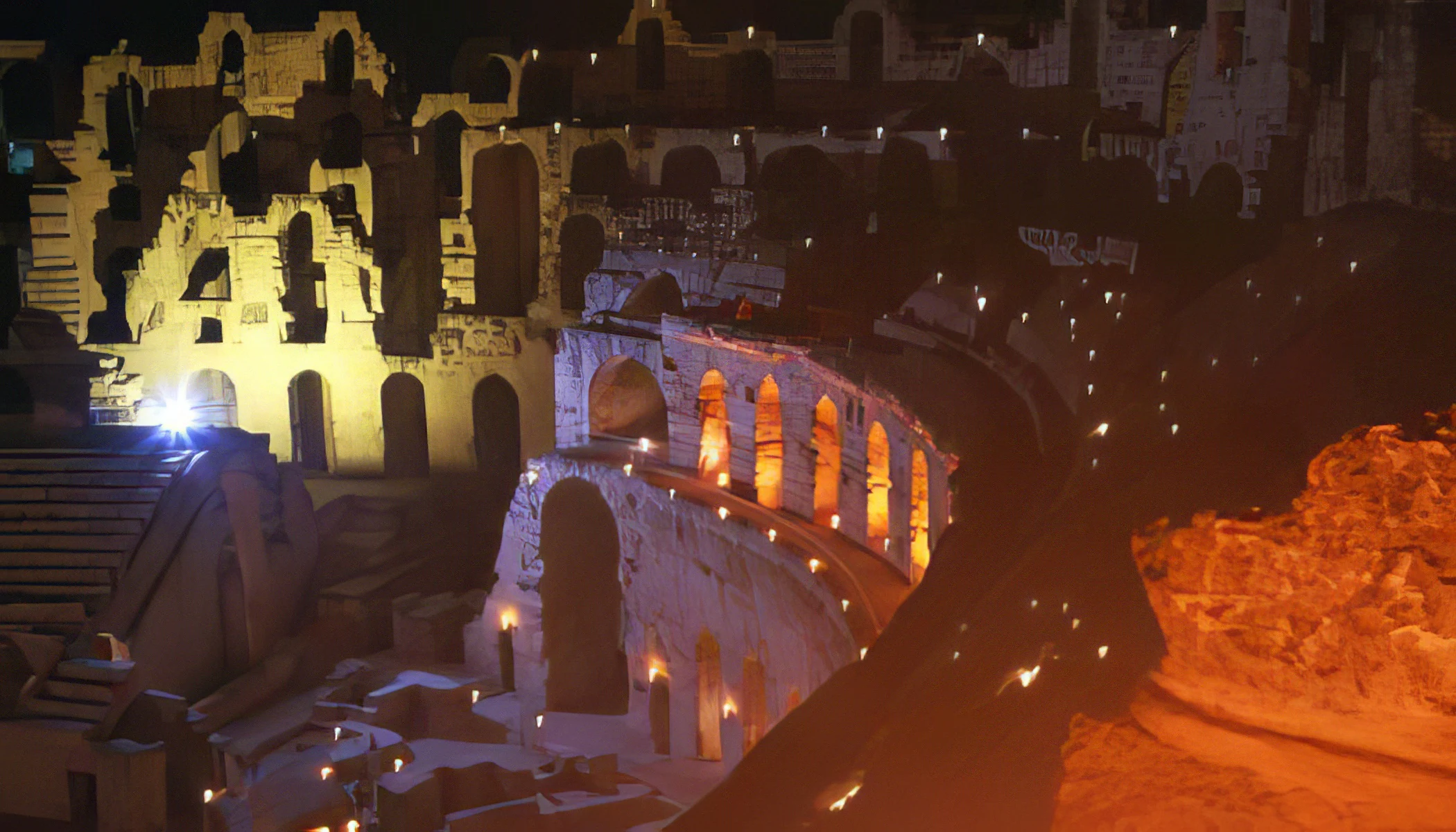
This city serves as a convenient base for exploring several nearby attractions. Here are some recommended day trips:
– Nabeul at 15 km: Known for its pottery and weekly market offering local crafts and goods.
– Kairouan at 90 km: A historic city with the Great Mosque and ancient medina, rich in Islamic culture.
– El Jem at 120 km: Home to a well-preserved Roman amphitheater, offering insights into ancient history.
– Tunis at 70 km: The capital city provides museums, markets, and the historic Medina of Tunis.
– Zaghouan at 60 km: Visit the Temple of Water and explore beautiful mountain landscapes.
Attraction
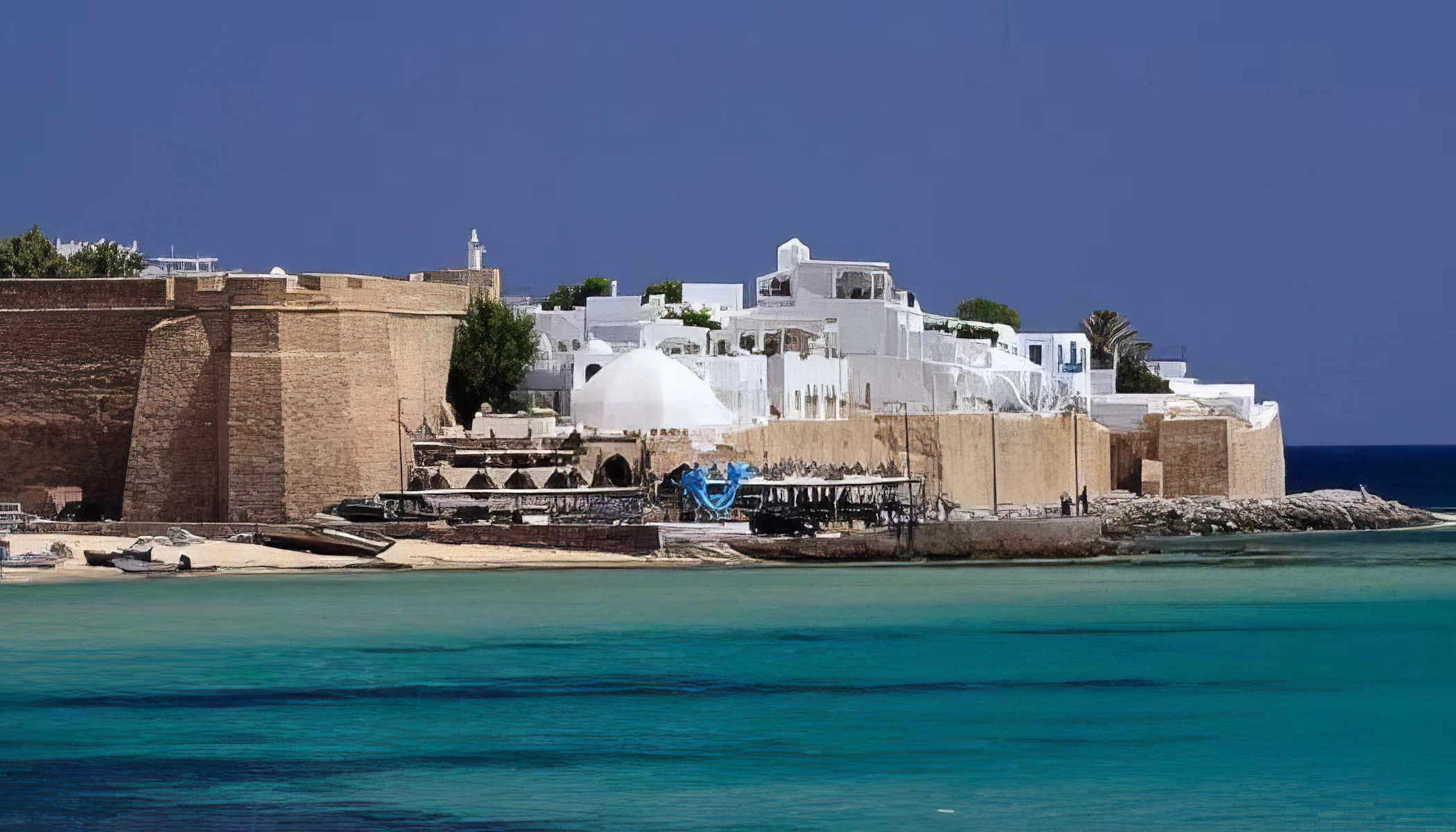
The city is known for its beaches, historical sites, and beautiful culture.
– Medina: Explore the old town with narrow streets, traditional shops, and historic architecture.
– Yasmine Beach: Relax at this popular beach offering clear waters and various water sports.
– Carthageland: Enjoy family-friendly amusement park rides and attractions themed around ancient history.
– Kasbah: Visit this fortress for panoramic views and insights into local history.
– George Sebastian Villa: Discover a well-preserved villa showcasing art deco architecture and cultural events.
– Pupput Archaeological Site: See ancient Roman ruins featuring mosaics and remnants of a once-thriving settlement.
Activity
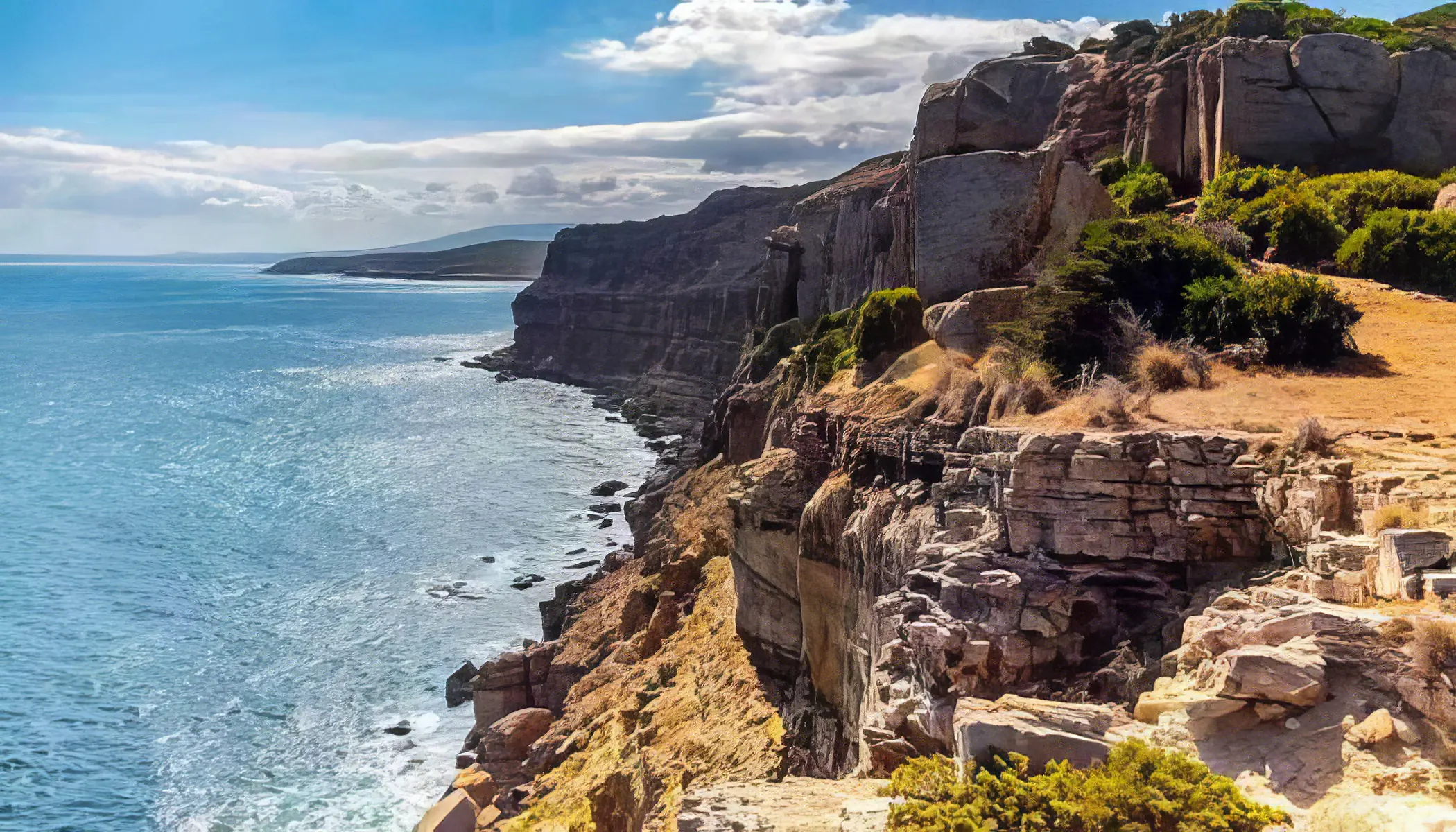
In Hammamet, travelers can enjoy beaches, water sports, local markets, historic sites, and traditional Tunisian cuisine experiences.
– Yasmine Hammamet: A popular resort area with beaches, shops, restaurants, and a marina for leisurely strolls and activities.
– Citrus Golf Course: A scenic golf course offering a challenging layout amidst beautiful landscapes for golf enthusiasts.
– Hammamet Medina: Explore narrow streets filled with shops selling crafts and local products in this historic old town.
– Cap Bon Peninsula: A day trip destination known for its handsome coastal views, olive groves, and charming villages.
– Tunisian Cooking Class: Learn to prepare traditional dishes using local ingredients in an interactive cooking session.
Shopping
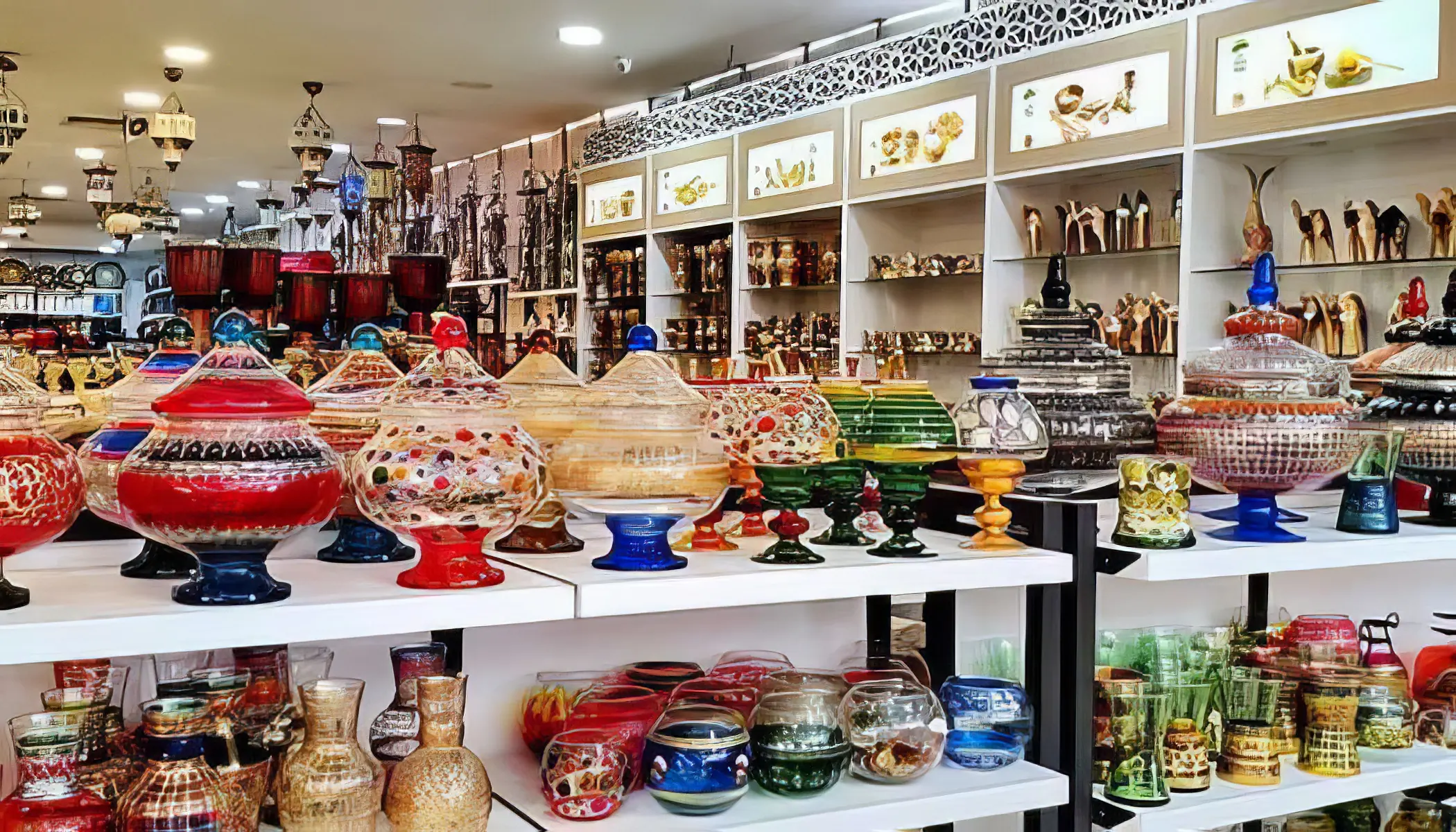
You can find local handicrafts, such as pottery and woven textiles, which make for good gifts. Traditional Tunisian ceramics are colorful and unique. Leather goods, including bags and sandals, are also popular items to purchase. Spices and olive oil from local markets can be a great addition to your shopping list. Souvenirs like keychains or magnets featuring local landmarks are widely available. Overall, there are various options for tourists looking to buy gifts.
Arts & Culture

The city hosts the annual International Festival of Hammamet, featuring music, dance, and theater performances from local and international artists. There are several galleries and cultural centers that showcase contemporary Tunisian art. The Medina area has traditional crafts shops where visitors can see artisans at work. Additionally, the city often features exhibitions related to its rich history in arts and culture.