

Sightseeing in Harare: Culture & Must‑See Spots
This city is the capital and largest urban area of its country. It serves as the political, economic, and cultural center, featuring a mix of modern developments and historical sites, along with various parks and gardens.
- Population
- 1.6 millions
- Airport
- Robert Gabriel Mugabe – Int'l
- Train Station
- Harare Station.
- Est. Visit Days
- 2 days
Overview
Harare, the capital city of Zimbabwe, is known for its parks and gardens, such as Harare Gardens and the National Botanical Gardens. Pros include a relatively low cost of living compared to other cities and a rich cultural scene with museums and galleries. However, the city faces challenges such as economic instability, high unemployment rates, and occasional water shortages. Infrastructure can be lacking in some areas, impacting daily life. Overall, Harare offers a mix of opportunities and difficulties for residents and visitors alike.
Traffic & Transport
The city experiences moderate traffic, particularly during peak hours, making it advisable for visitors to plan their journeys accordingly. The best means of transport to explore the area includes public buses and shared taxis, which are both affordable and widely used by locals. For a more comfortable experience, private car hire services are also available. Walking is another great option in certain neighborhoods, allowing tourists to soak in the local atmosphere. Reliable taxi companies include Zupco and Bolt, which provide convenient options for getting around. While there may not be many dedicated taxi-booking apps, these services offer easy access to transportation through their respective platforms.
History
The area was originally inhabited by the Shona people, who established various kingdoms. In the late 19th century, British colonial interests led to the establishment of a settlement called Fort Salisbury. The city played a significant role during the Second Matabele War in 1896. Following Zimbabwe's independence in 1980, it became the capital and center for political and economic activities. The city has since developed a diverse cultural landscape influenced by its colonial past and indigenous traditions.
Itinerary Sample
Here is a sample itinerary for exploring Harare over two days:
– First day: Visit the National Gallery of Zimbabwe, explore the Harare Botanical Gardens, and check out Mbare Market for local crafts and food.
– Second day: Tour the Zimbabwe Museum of Human Sciences, relax at Lake Chivero, and visit the historic African Unity Square.
Near Excursion
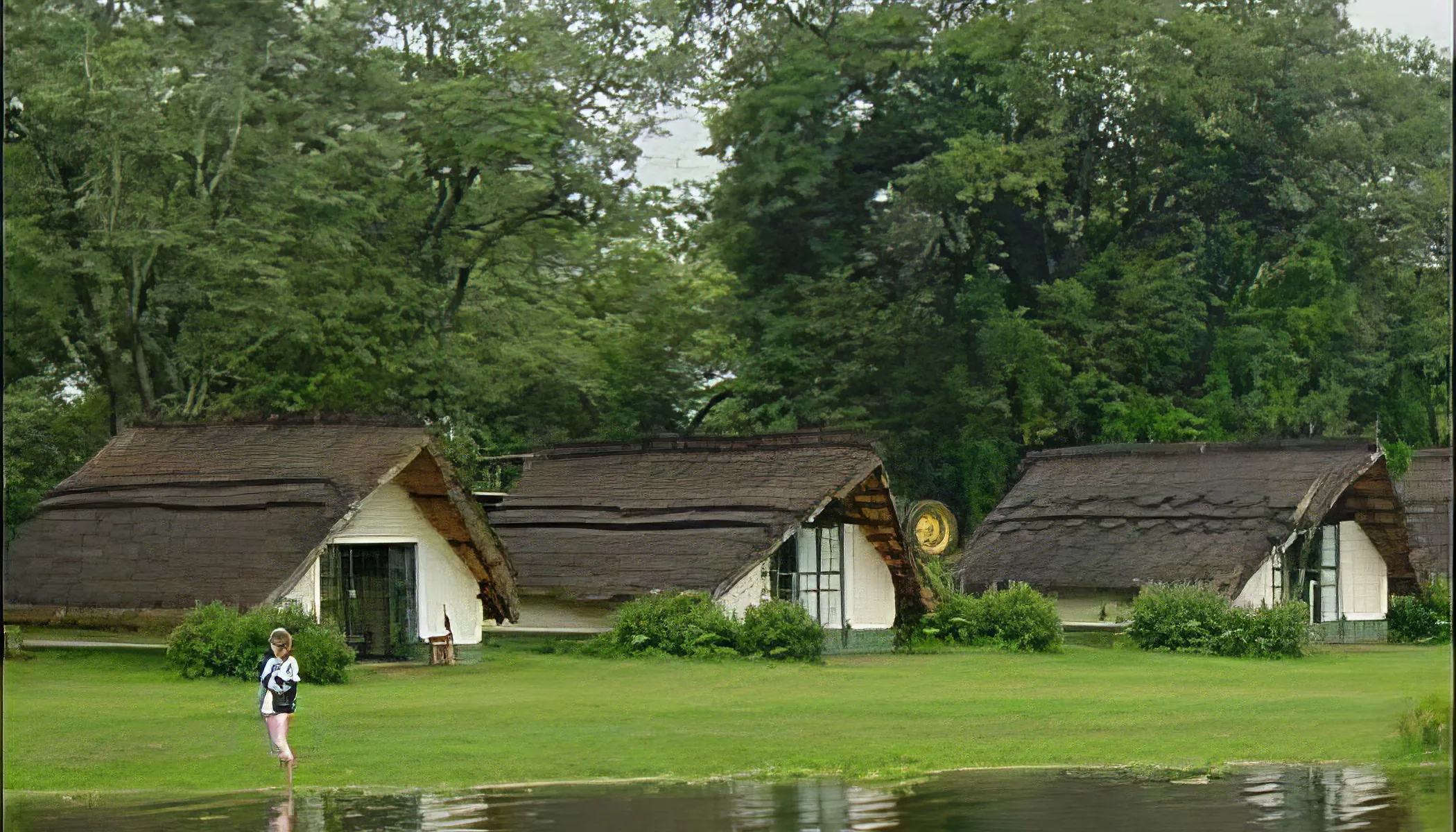
This city offers several interesting day-trip options within a short drive. Here are some suggestions:
– Lake Chivero Recreational Park at 32 km: A popular spot for wildlife viewing, bird watching, and picnicking by the lake.
– Domboshava Caves at 30 km: Features ancient rock art and offers panoramic views from the granite hilltops.
– Kuimba Shiri Bird Sanctuary at 37 km: Home to a variety of bird species with opportunities for close encounters and educational tours.
– Mukuvisi Woodlands at 7 km: A nature reserve offering walking trails where you can see zebras, giraffes, and other wildlife.
– Imire Game Park at 110 km: Offers guided tours to see rhinos, elephants, and a range of African wildlife in their natural habitat.
Attraction
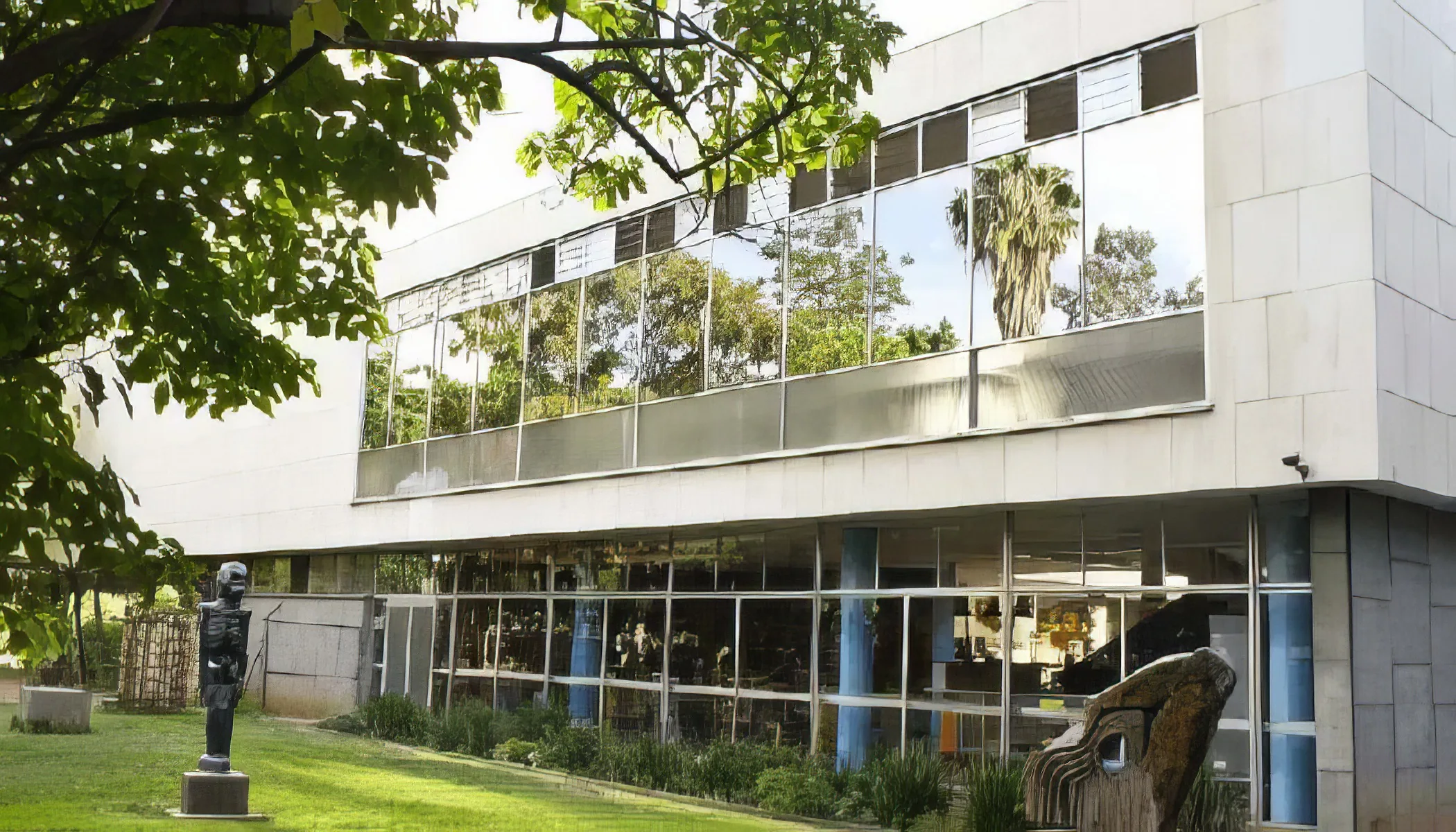
The city offers a blend of cultural, historical, and natural attractions for tourists.
– National Gallery of Zimbabwe: Showcases contemporary African art with rotating exhibitions and a permanent collection.
– Mukuvisi Woodlands: A wildlife reserve offering walking trails and opportunities to see zebras, giraffes, and other animals.
– Chapungu Sculpture Park: Features outdoor displays of stone sculptures by various artists in a calm garden setting.
– The Kopje: Offers panoramic views of the city from a granite hilltop, popular for photography.
– Avondale Flea Market: A charming market where you can find local crafts, clothes, and fresh produce.
– Balancing Rocks: Natural rock formations that are photogenic and geologically intriguing.
Activity
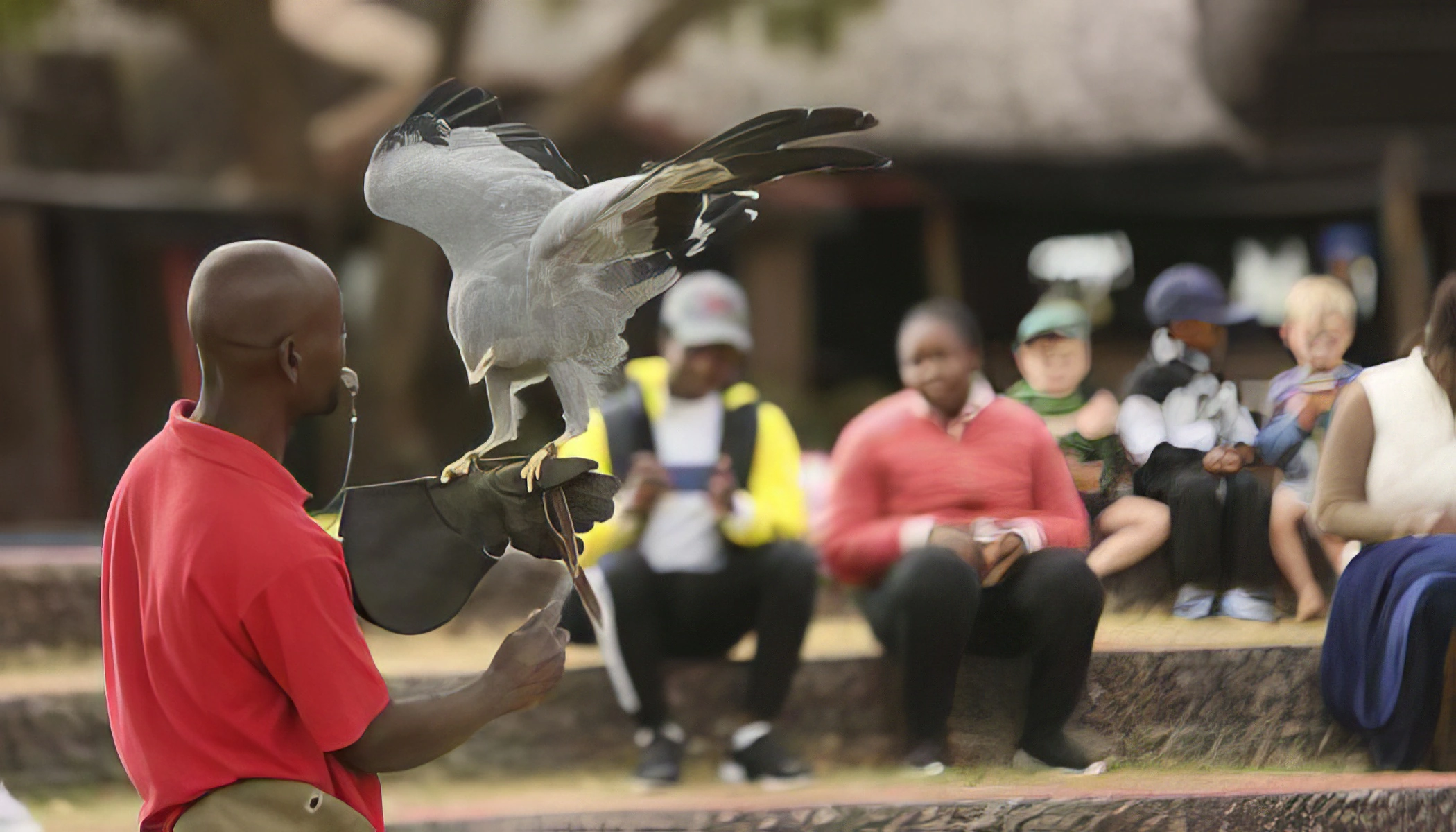
Travelers in Harare can explore local culture, nature parks, and enjoy various outdoor activities.
– Mukuvisi Woodlands: A wildlife sanctuary offering walking trails and opportunities to see local flora and fauna.
– Lake Chivero: A recreational area for picnics, boating, and bird watching near the lake.
– Domboshava Rock Paintings: An ancient site with rock art and remarkable views, ideal for hiking.
– Kuimba Shiri Bird Sanctuary: A place to observe diverse bird species and learn about conservation efforts.
– Harare Gardens: A public park featuring a variety of plants, perfect for leisure walks or relaxation.
Shopping

You can find local crafts and artwork at the market, which make unique gifts. Traditional textiles, such as Shona stone carvings, are also popular. Look for handmade jewelry that reflects local culture. Souvenirs like woven baskets can be a good choice too. Food items like dried fruits or spices may also appeal to visitors. Overall, there are various options for memorable gifts.
Arts & Culture
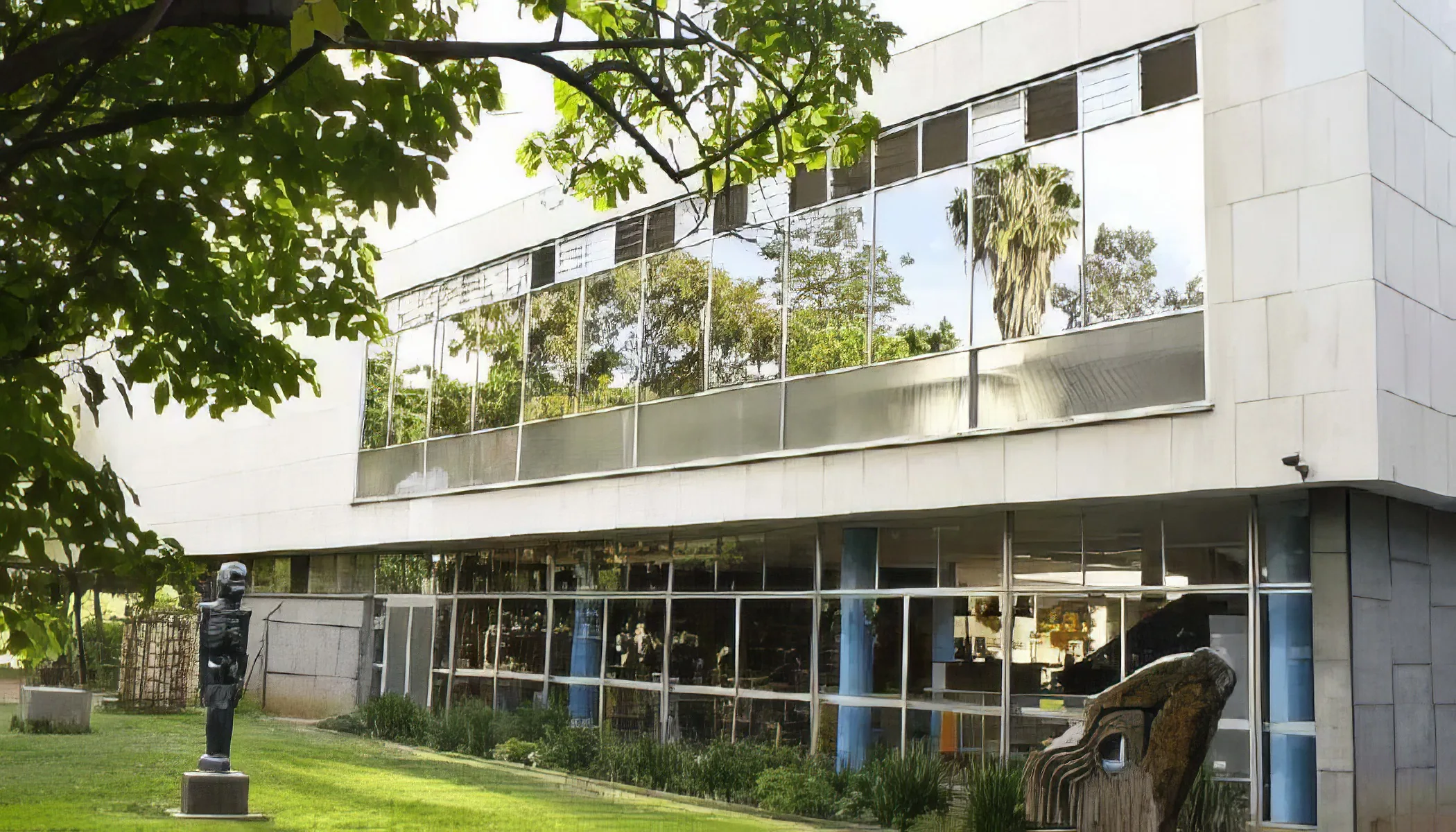
The National Gallery of Zimbabwe hosts a variety of exhibitions showcasing local and international art. The Harare International Festival of the Arts is an annual event that features music, theater, dance, and visual arts. There are also numerous galleries and cultural centers that promote traditional crafts and contemporary art. Various cultural festivals throughout the year celebrate Zimbabwean heritage and artistic expression.